

Whether a return to work is calling, you’re desperate for a night out or just keen to share the responsibility of feeding your baby, most new mamas eventually need some time off from breastfeeding. Enter the breast pump.
While it might seem daunting at first, with tubes, suction and strange noises, it’s not so complicated once you get the hang of it. And just like any new skill, it can take a bit of time to learn. So how do you become a pumping pro? Read on to find out…
Get started with the right pump
: Before you meet your new baby, it’s a good idea to research, purchase and familiarise yourself with your breast pump. Depending on whether you’re planning on being an occasional pumper or pumping regularly, manual pumps like this one from Haaka and electric pumps like this one from Vital Baby each have different merits. That’s a whole other blog!
The pre-pump clean-up
: Before you get started, thoroughly wash your hands with soap and water, and ensure you’ve cleaned and sterilised your pump as per the manufacturer’s instructions. If you’re planning on storing the milk, cleanliness is super important to avoid passing any nasties on to your baby.
Create a designated pumping spot
: Whether it’s at work or home, find a comfortable, quiet spot where you can have some uninterrupted pumping time. Make your go-to spot cosy and relaxing, with everything you need on hand. You’ll want a good book (or your phone) to pass the time, snacks (lactation cookies are perfect), a bottle of water and some soothing nipple cream. Think of pumping as an opportunity for some precious time out rather than a dreaded chore.
Get your seating right
: Once you’ve found your spot, get your seating sorted. A comfy chair that supports your back is a must for pumping sessions that won’t leave you aching. Make sure your feet are flat on the floor and have a cushion or nursing pillow handy to support your pump-holding arm.
Dress for pumping success
: A feeding-friendly wardrobe is essential for easy pumping or breastfeeding access. Get the basics right, starting with a comfortable nursing bra like this one from Body Silk and then layer with buttoned shirts from your existing wardrobe or specific nursing tops or dresses.
Breathe deeply and relax
: Expressing can be a stressful experience until you get the hang of it, so once you’re in position and have your pump ready to go, take some slow, relaxing breaths. Slow breathing calms your nervous system and is a good way to get yourself in the zone. Try breathing in for the count of 5, pausing, then exhaling for the count of 6. Repeat until relaxed.
Encourage let-down
: In the absence of a sucking baby, encouraging let-down can be one of the trickiest parts of pumping. A soft massage before pumping coupled with a warm compress like a wheat bag can help get your milk-makers ready to go. Thinking about your baby (if he’s not with you) or looking through photos or videos (you’ll likely have a few) will also assist.
Resist bottle-watching
: While it’s tempting to stare at the bottle, obsessing over how quickly (or slowly) it’s filling up – it won’t help! Just like the old saying ‘A watched pot never boils’, a watched bottle doesn’t fill. It’s tough to be relaxed while compulsively watching your milk ducts do their thing. If you really can’t resist the urge, throw a blanket over the bottle, and go for the big reveal several minutes later.
Don’t waste a drop :
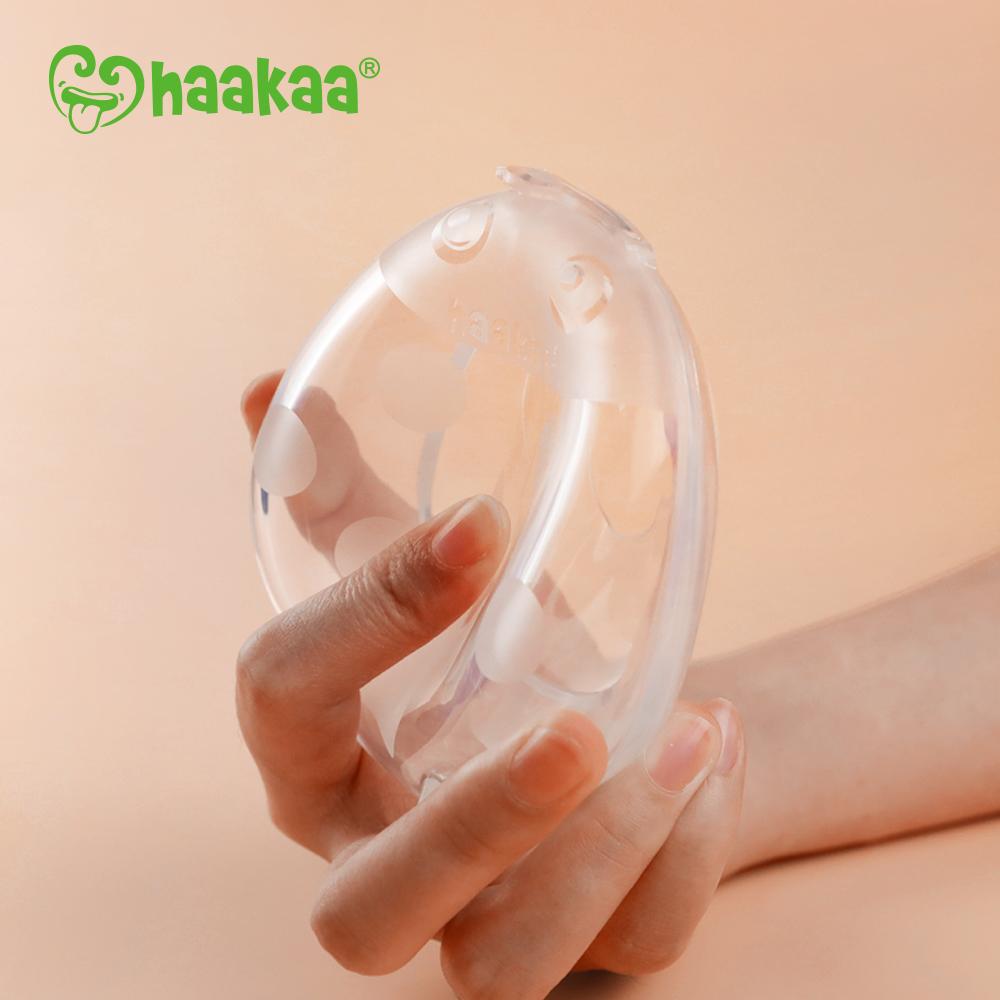
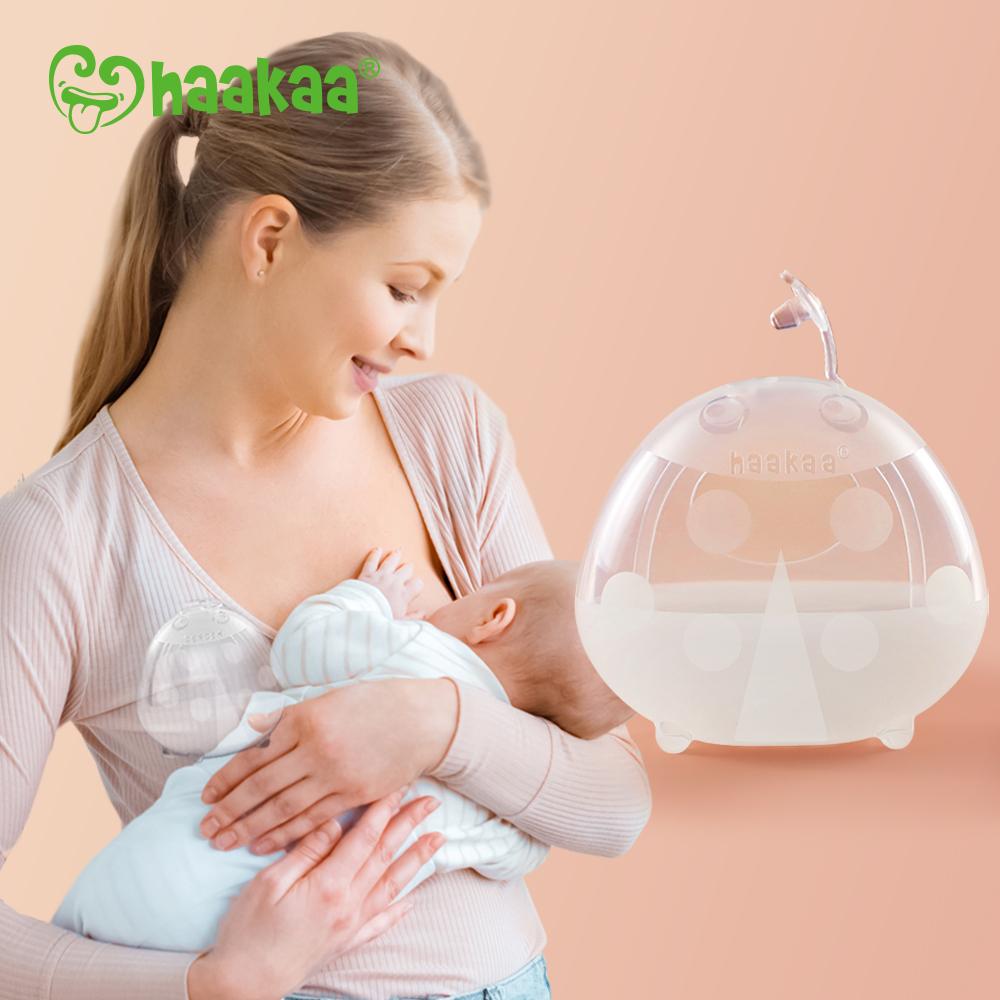
Seeing any of that precious milk wasted is slightly soul-destroying, so be prepared to catch leaks and spills. Haaka has produced a clever little milk collector called the Ladybug that allows you to capture every last drop. You can use it between feeds, or place on your other breast while pumping to capture excess milk that would usually be resigned to a nursing pad.
There’s an app for that :
If you’re planning on being a regular pumper, an app like Milk Maid will help you keep track of how much you pump, when you’ve pumped and how much you have stored. That’s one less thing for a tired mama to try and remember!
Be consistent and persistent
Just like anything new, breast pumping has its learning curve. It involves a bit of trial and error to find out what works best for you, and a degree of persistence. And while it might feel strange and uncomfortable early on, the above tips will have it feeling like just another part of your normal baby routine soon enough.
Remember, professional help is always available too if you need it.
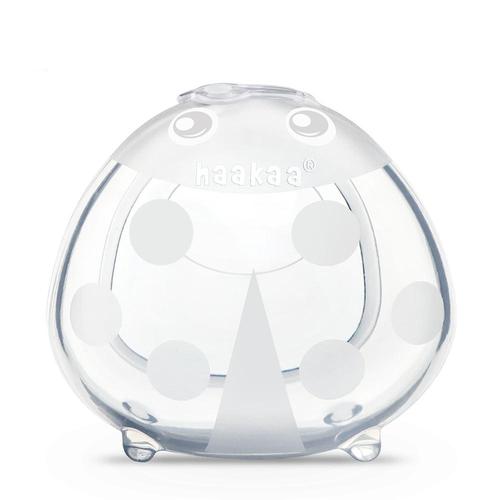
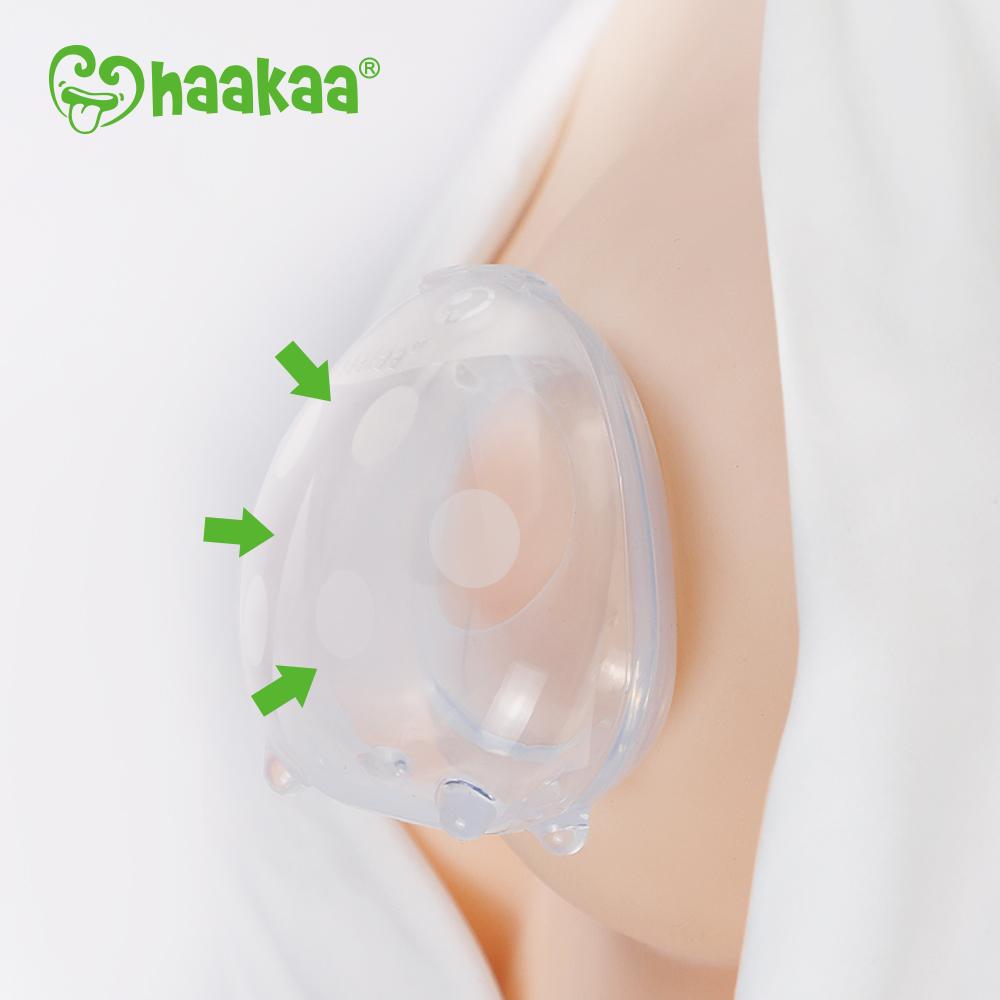
Pop the Haakaa Silicone Milk Collector inside your bra to collect let-down throughout the day and save every precious drop of your liquid gold!
The discreet, one-piece design attaches securely to your breast and collects any breast milk that would otherwise be lost in a nursing pad. It is completely portable and has small feet on the bottom that lets the Milk Collector stand upright on flat surfaces to prevent any spills after use. Once you have finished collecting your let-down, open the plug on the top and safely pour your milk into a container or bottle.
The multifunctional design of our Silicone Milk Collector also allows you to use it as a breast pump, giving you the ability to express more breast milk than the natural lactation process. Simply press the Milk Collector firmly to your breast to create suction and begin expressing! This allows you to easily build up a stash of breast milk between breastfeeding or pumping sessions without any extra effort!
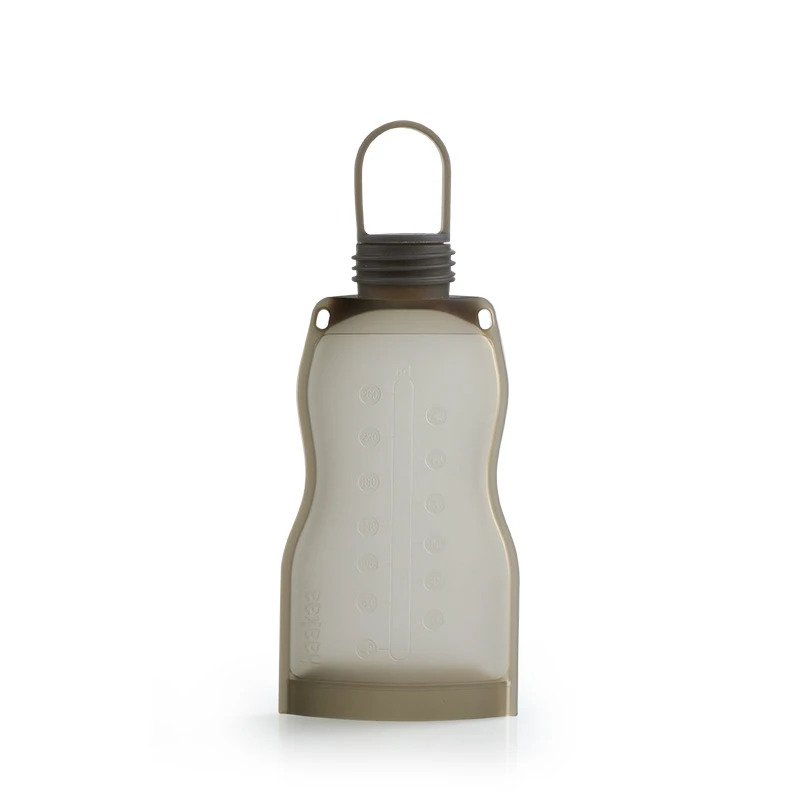
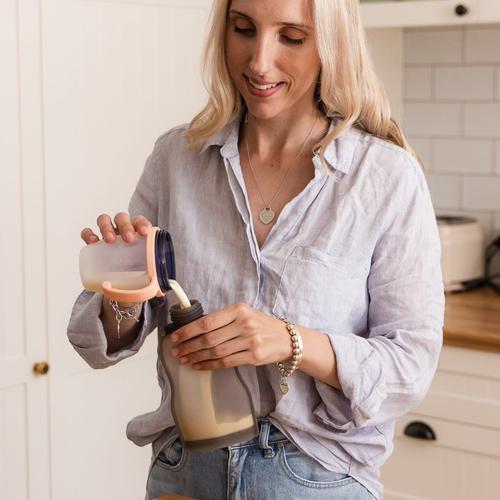
If you're a pumping mama looking for the perfect solution to safely store your precious breast milk, look no further than the Haakaa Silicone Milk Storage Bag!
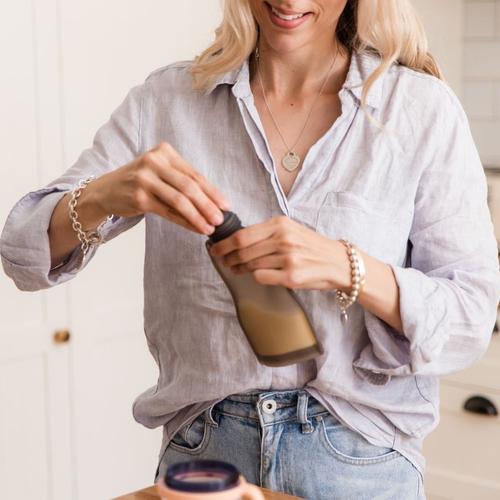
Silicone Milk Storage Bags are a fantastic eco friendly alternative to disposable plastic milk storage bags. They are made of food grade silicone and can be reused over and over again, reducing the impact that single-use plastic makes on our environment. Haakaa Silicone Milk Storage Bags are fridge and freezer safe and can be stored laying down or standing up.
Once you have expressed your breast milk, pour the milk into the bag and firmly push in the leakproof stopper. When you are ready to use your milk, place the bag in warm water to heat the milk and prepare it for drinking. The stopper has been designed with a silicone carry strap, making it easy to carry around your liquid gold safely!
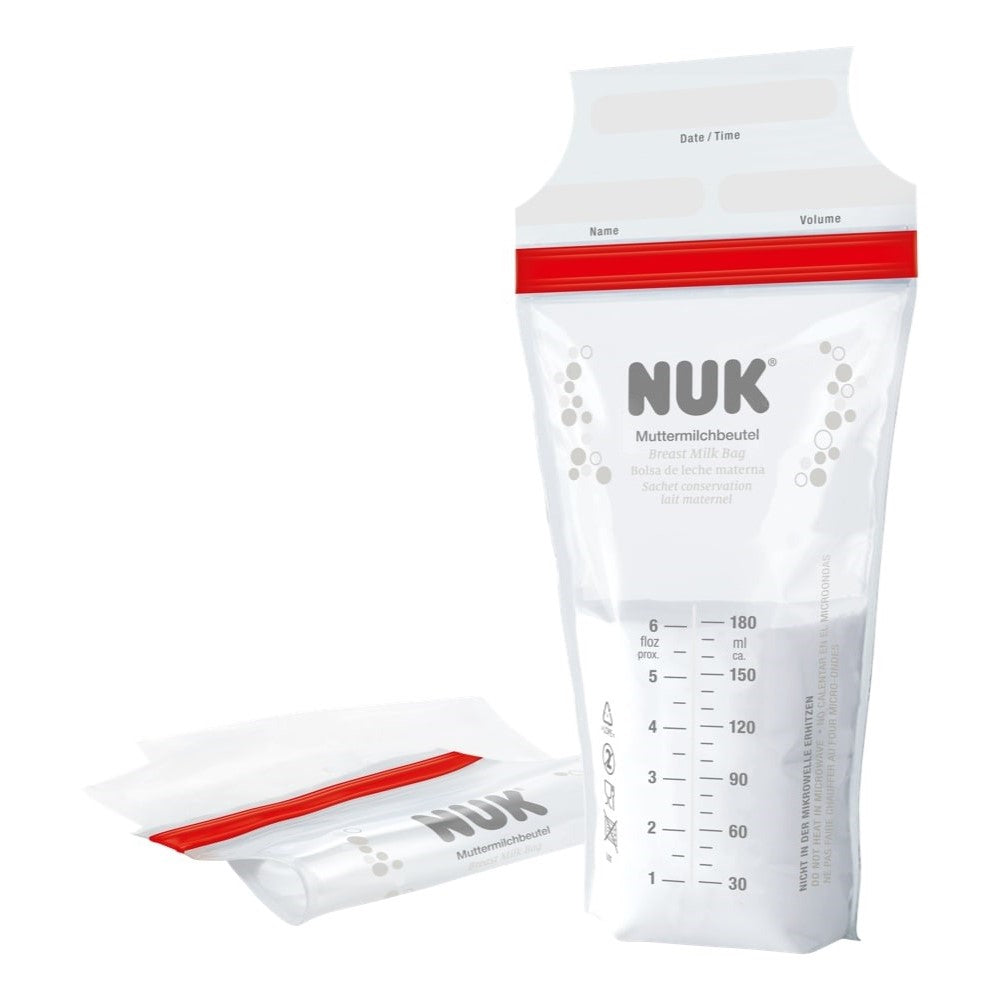
NUK Breast Milk Bags offer a safe, simple, and hygienic way to store your expressed breast milk. Ready for immediate use, these pre-sterilised bags are easy to fill and ideal for freezing milk quickly and securely. Made from durable, BPA-free plastic with reinforced heat-sealed seams, each bag features a double safety seal to prevent leaks and protect every precious drop.
Designed to save space, the flexible bags can be laid flat for faster freezing and stacked neatly in your fridge or freezer. Each holds up to 180ml and includes a clear measuring scale and date label, so you can always keep track of how much milk you’ve stored and when it was expressed.
A practical pouring spout makes transferring milk into bottles spill-free and fuss-free, making feeding time that little bit easier. With 25 bags in each pack, NUK Breast Milk Bags are a convenient, space-saving solution for building your milk stash with confidence.
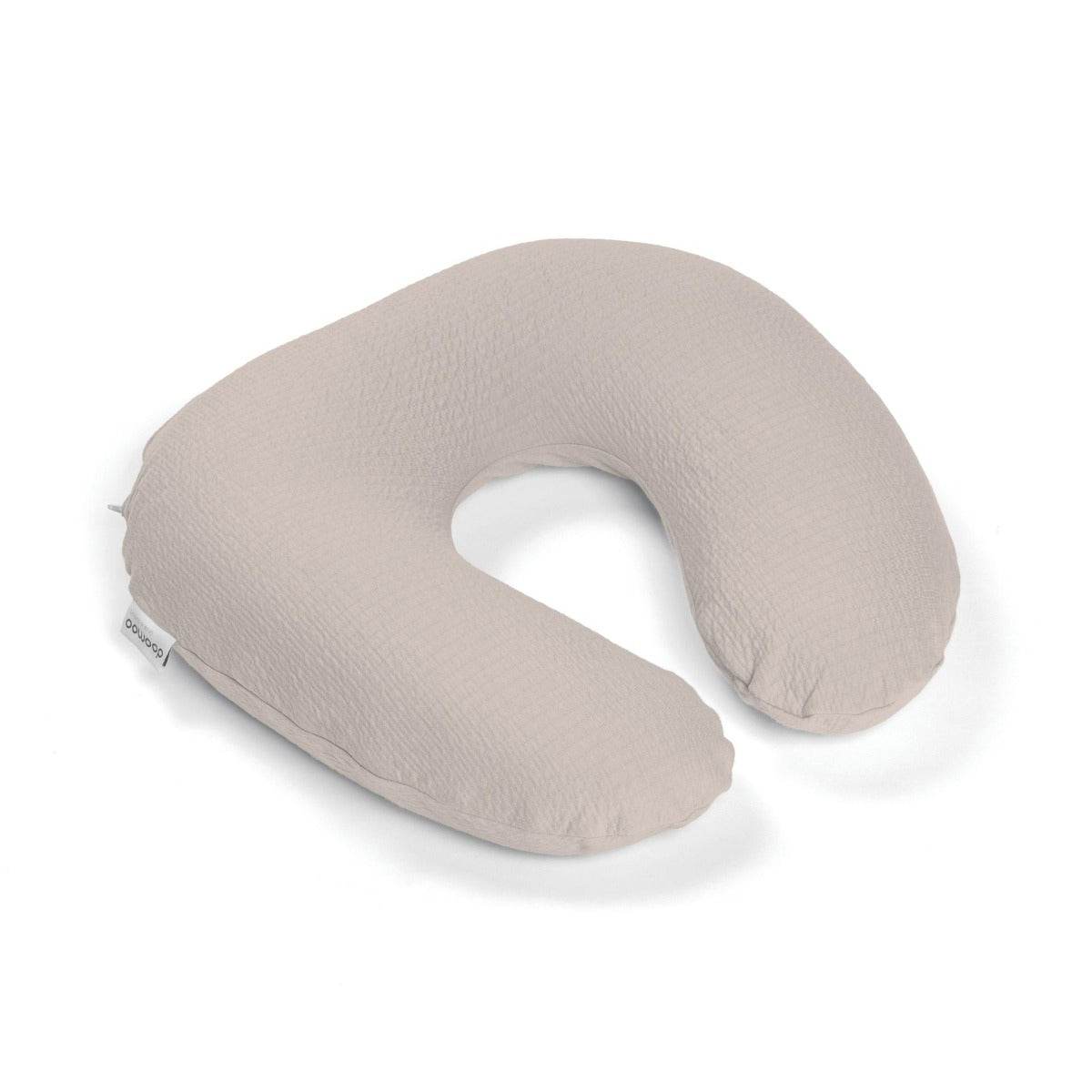
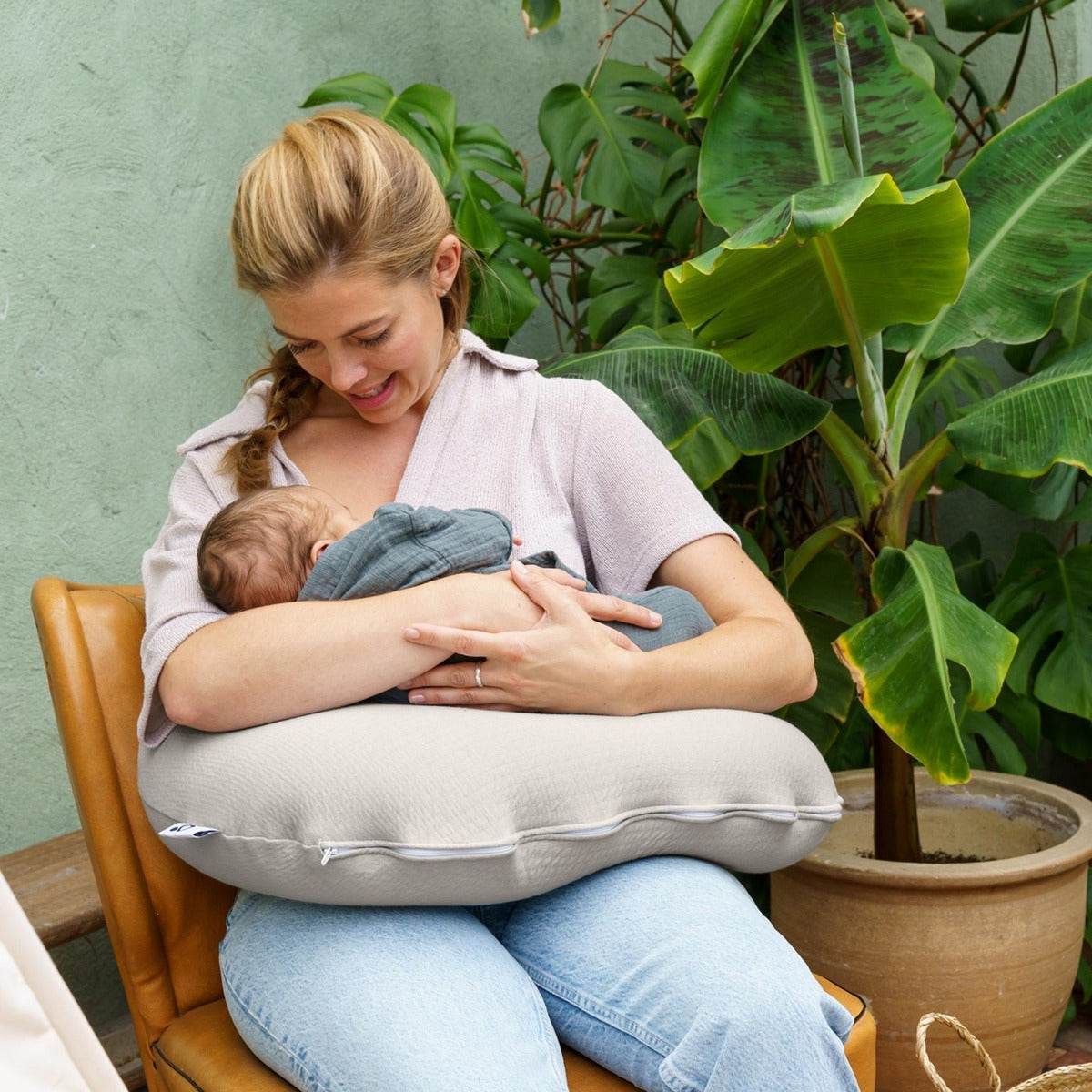
Meet the Softy Nursing Pillow by Doomoo in Tetra Jersey Sand colour - a compact, versatile cushion designed to make every moment with your baby more comfortable. Its ergonomic "C" shape wraps naturally around your waist, providing optimal support for both you and your little one during breastfeeding, bottle feeding, or cuddle time.
Lightweight and portable, the Softy goes wherever you go, making it perfect for use at home or on the move. Filled with ultra fine, silent microbeads, it offers adjustable comfort that molds to your body and your baby’s shape. The GOTS-certified organic cotton cover is soft and gentle on delicate skin, while the Oeko-Tex® certified filling ensures the pillow is hypoallergenic and safe.
This multi-purpose pillow also doubles as a cozy support for your baby during relaxation or play, helping them sit upright comfortably, making it a practical and long-lasting companion throughout your maternity journey.
There is not denying it. Dark Chocolate takes the award for being Breastfeeding mothers favourite. Lactation Stations dark chocolate bites are blended then mixed through the cookie dough to ensure dark choc flakes and chunks are throughout each cookie making every bite a bit of cookie heaven.
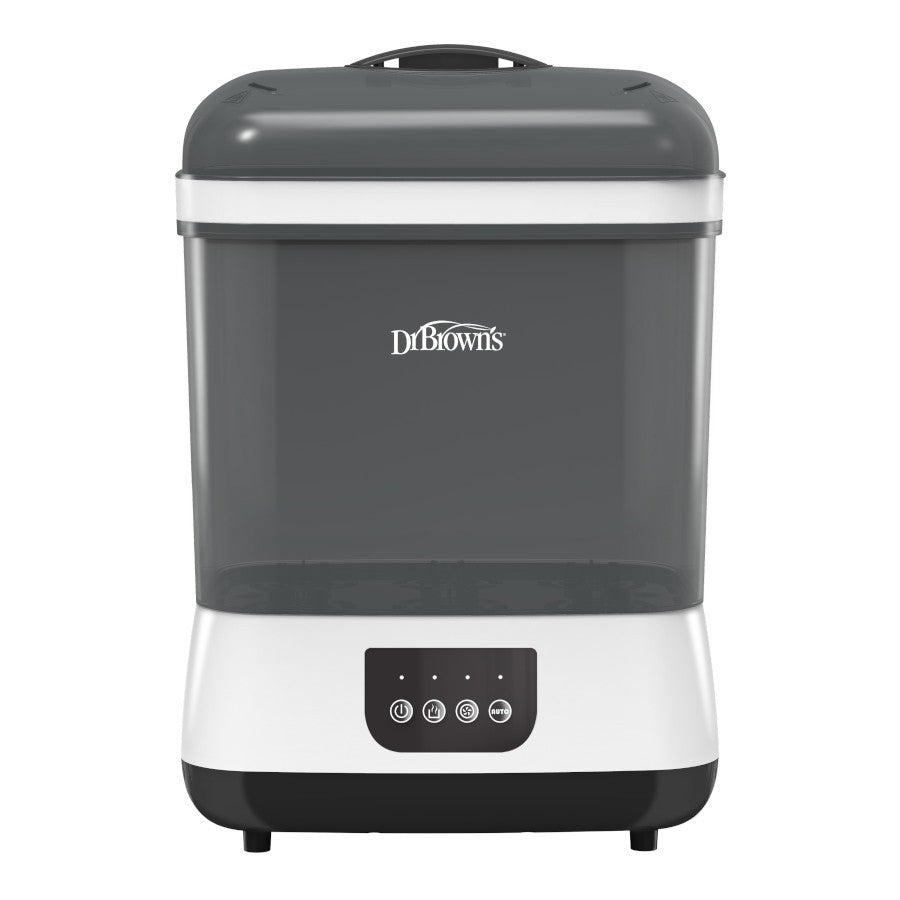
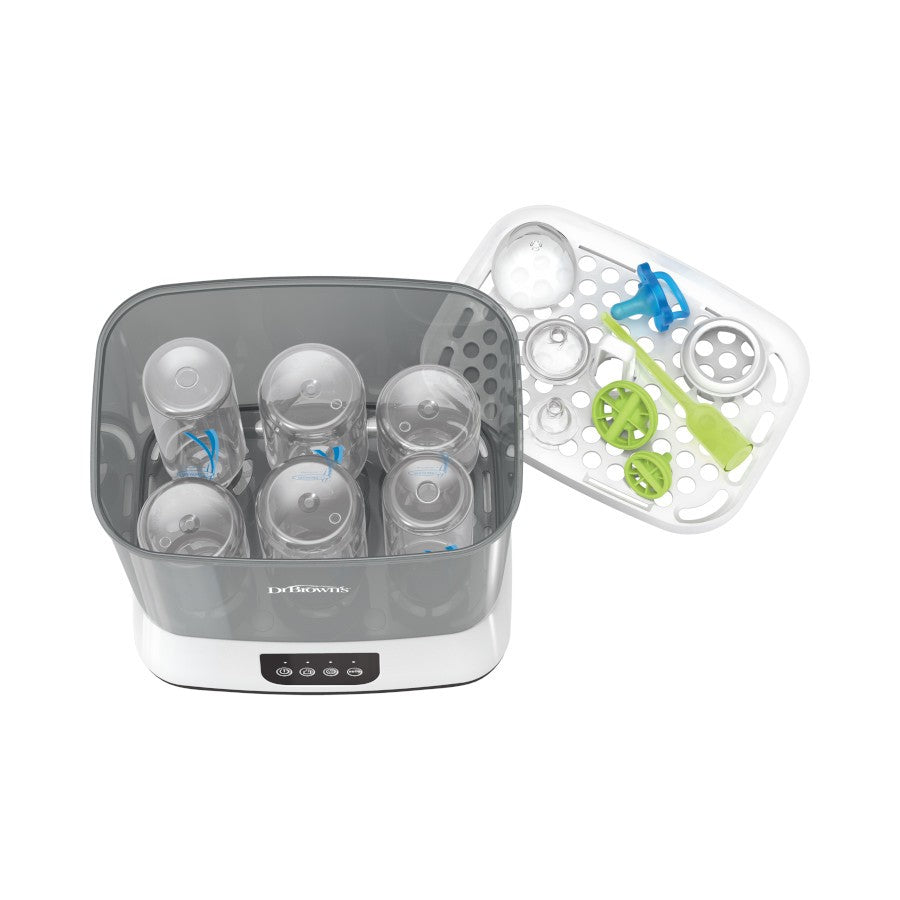
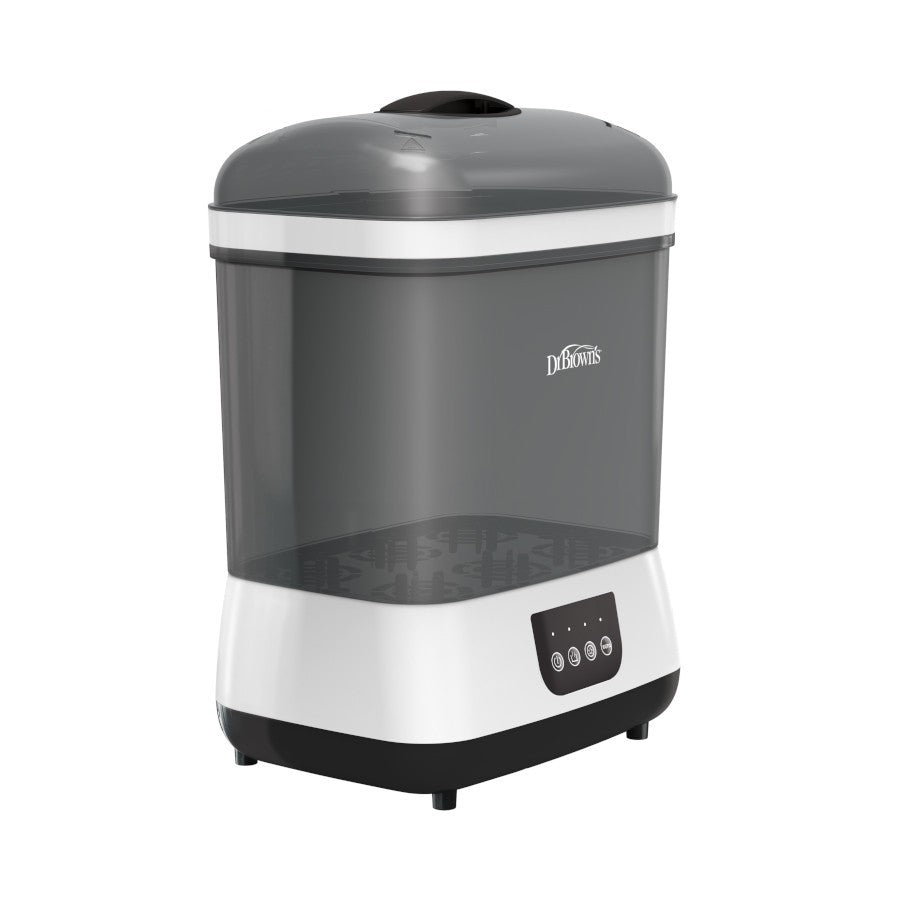
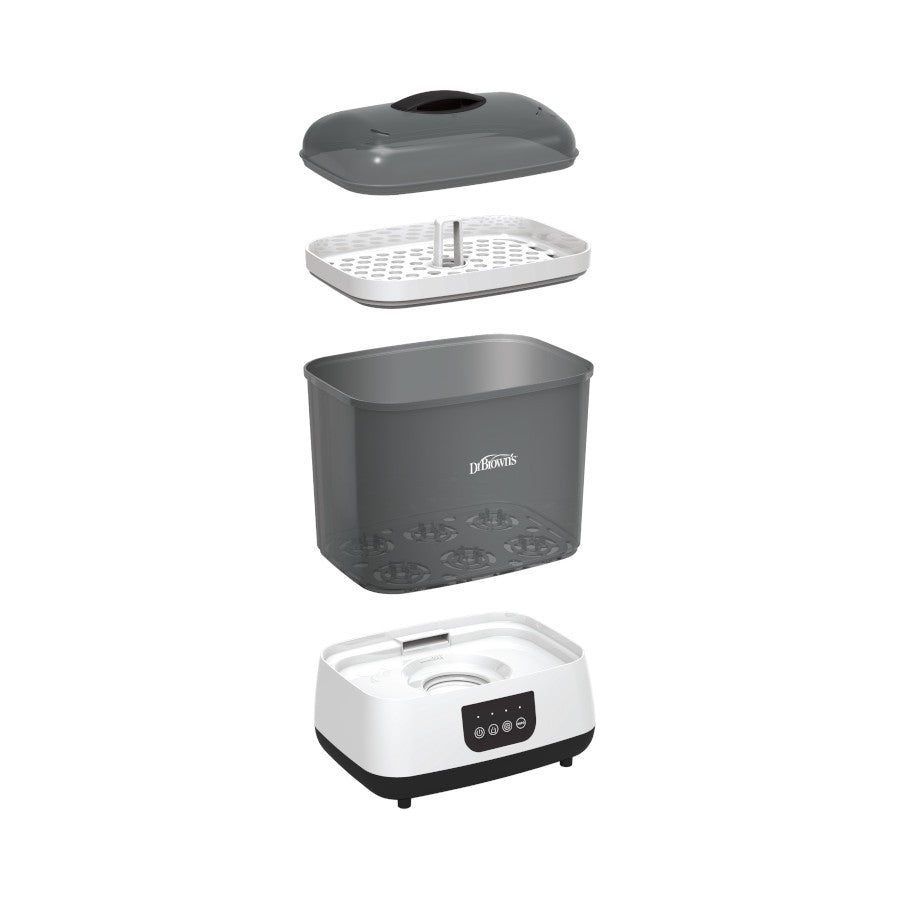
Keep your baby’s bottles and accessories hygienic with the Dr. Brown’s™ Clean Steam Bottle Sterilizer and Dryer. Designed to steam sterilise and dry up to six bottles at once, it also works perfectly for breast pump parts, soothers, and teethers. The advanced Clean Steam technology eliminates most bacteria, mold, and the yeast that causes thrush, ensuring your baby’s feeding equipment stays safe and clean. Contents remain sterilised for up to 24 hours if the lid stays closed after the cycle, so you can store them without worry.
With two included HEPA filters that capture up to 95% of airborne particles, drying is efficient and purified. Easy use controls let you select sterilise only, dry only, or a combined cycle. The removable basket fits most bottles, and an included accessory tray keeps smaller items organised. A measuring cup makes adding water simple, ensuring hassle free daily sterilisation.
Crane's Rechargeable Double Electric Breast Pump gives you everything you need in an electric pump - comfort, efficiency and ease of cleaning, plus a whole lot more features and convenience. Just read the incredible reviews for this pump if you are deciding whether to choose a Crane pump.
First and foremost, an electric pump needs to be efficient and effective, pumping as much milk in as little time as possible. The Crane pump delivers efficient, hospital level performance and the reviews totally back this up with many mums reporting significantly improved milk volume. With two independent motors, you can double pump at maximum suction on both breasts at once, choose different suction levels for each breast or pump just one side. Double pumping is both efficient for time and can also help to increase your milk supply.
The Crane Double Electric Breast Pump is designed to mimic a baby's natural sucking. World leading 3D pumping technology and easily adjustable modes help to stimulate milk let down, whilst gently massaging and squeezing the breast and nipple. There are 3 modes - simulation to help your let down, expression and a 2-in1 mode.
Crane pumps are also very compfortable, again just read the reviews! The soft silicone breast cushion is so much more comfortable than the usual hard plastic against your breast. Plus the wide range of suction levels and ability to have different suction levels makes a big difference to comfort.
Cleaning and caring for your pump is simple and hygienic with backflow protection and the simple to reassemble milk collection kits.
Whether you are using your pump at home or out and about, you'll find the Crane Pump very convenient. It has a built-in rechargeable battery (works continuously up to 2 hours on a full charge), with a super sleek and portable design that allows you more flexibility. Like all Crane products, the Double Electric Pump is quiet to use. Not silent....it does have 2 powerful motors inside after all, but quieter than your average breast pump!
The Rechargeable Double Electric Pump is made for Crane by one of the world's leading breast pump manufacturers, who developed this incredible 3D pumping technology loved by expressing mums around the world.
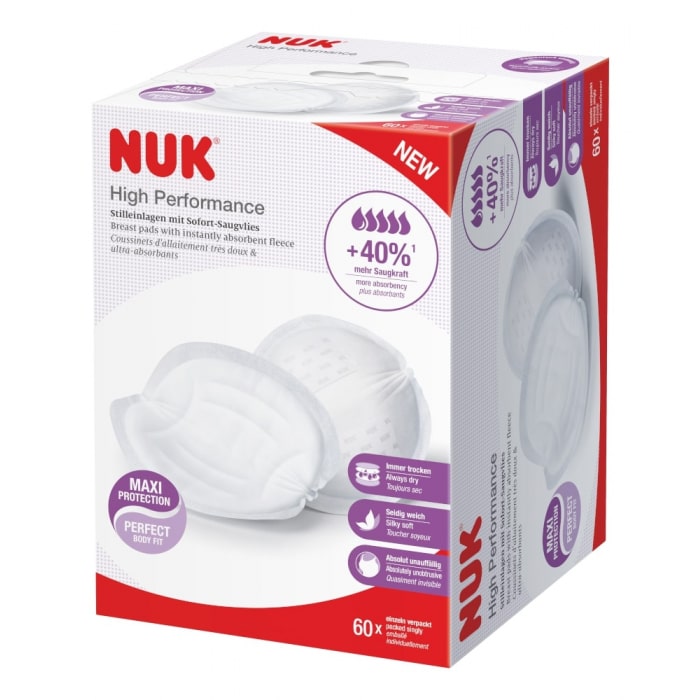
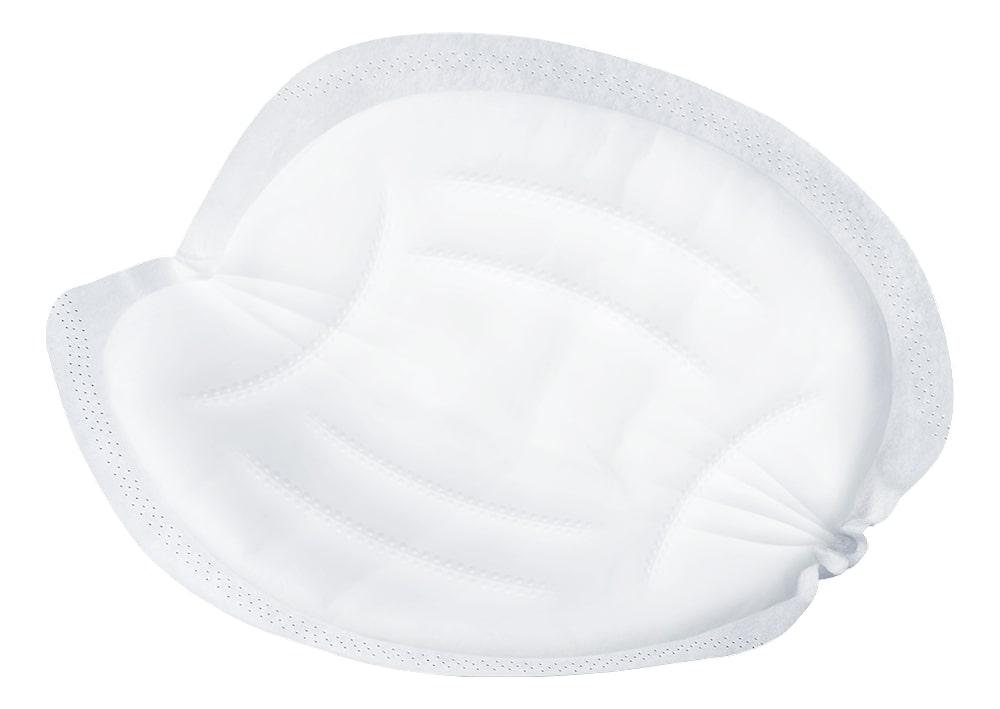
Stay dry and comfortable with NUK High Performance Breast Pads – designed to give you confidence and gentle care during breastfeeding. These ultra-absorbent pads feature a newly developed fleece with micro-beads that lock in moisture quickly and effectively, offering 40% more absorbency than previous NUK pads.*
The soft, breathable material feels smooth against your skin, while the 3D anatomical shape ensures a snug, secure fit that stays in place. Perfect for day or night, these pads protect both your skin and clothing from leaks with ease.
Loved by mums, NUK was rated top in categories like comfort, fit, and staying power in a user test of 140 parents.**
*Compared to NUK Ultra Dry Breast Pads *Independent market research, Germany, January 2020
Each Pad is double layered with bamboo wadding and backed with a PUL (waterproof) backing, so safe to say you'll get through the night without leakage as these are super absorbent! These sets come with a wash bag so you're sure to not lose one in your machine!
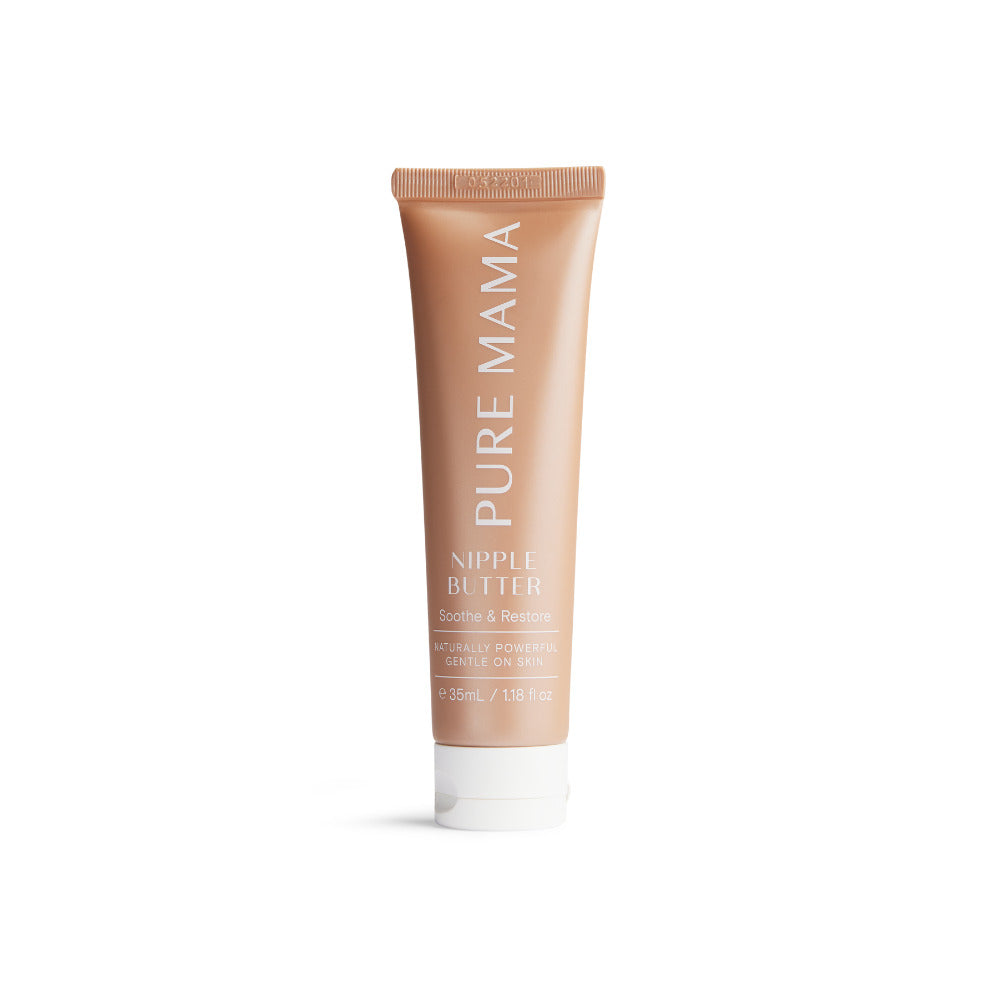
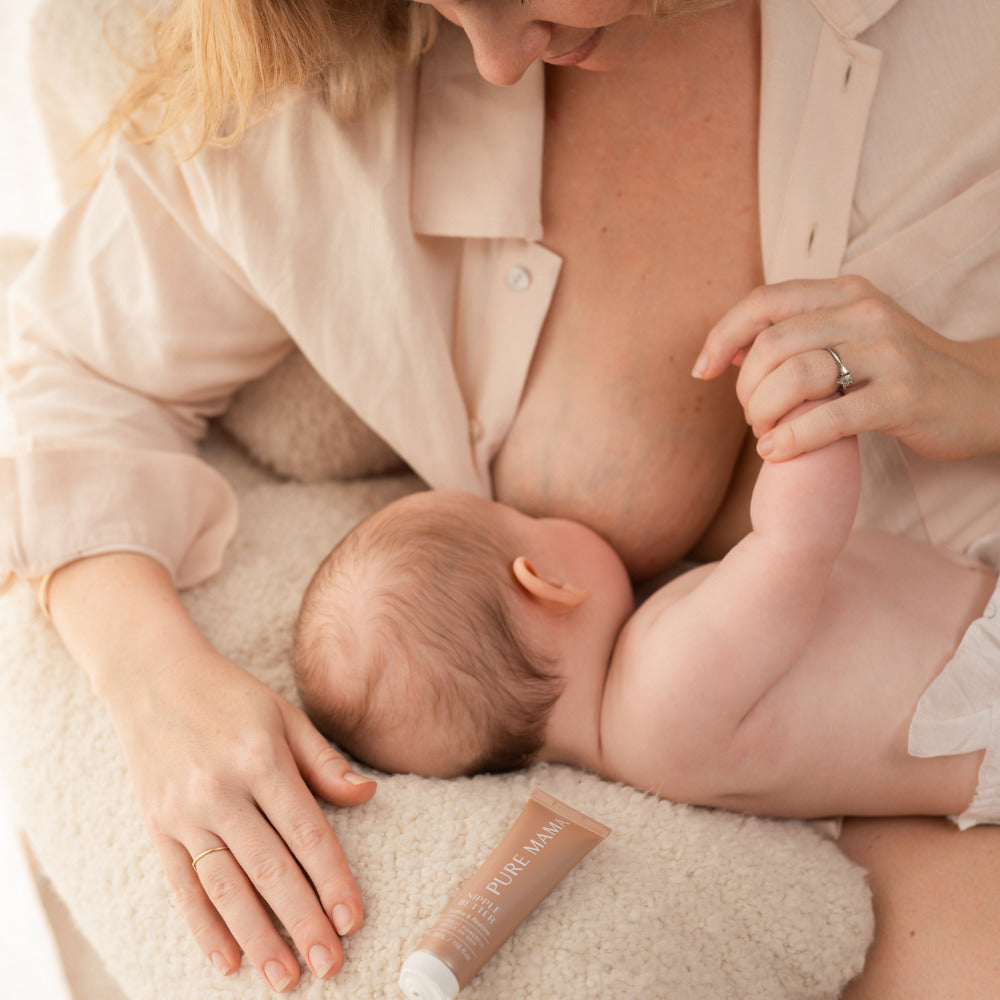
A nipple saviour for breastfeeding Mamas to keep those nips intact. We've got you, Mama!
This 100% natural and organic butter instantly soothes, nourishes and restores dry and cracked nipples. A nutrient-rich and expertly formulated blend, the butter uses the highest calibre , plant-based ingredients including Calendula, NZ Native Kawakawa, Shea Butter, and Marshmallow Root extract to help ease discomforts, restore skin and support skin resilience.
With an easy flip top lid, this non-sticky, gentle buttery balm is fragrance and lanolin free, plus there is no need to wash off before feeding.
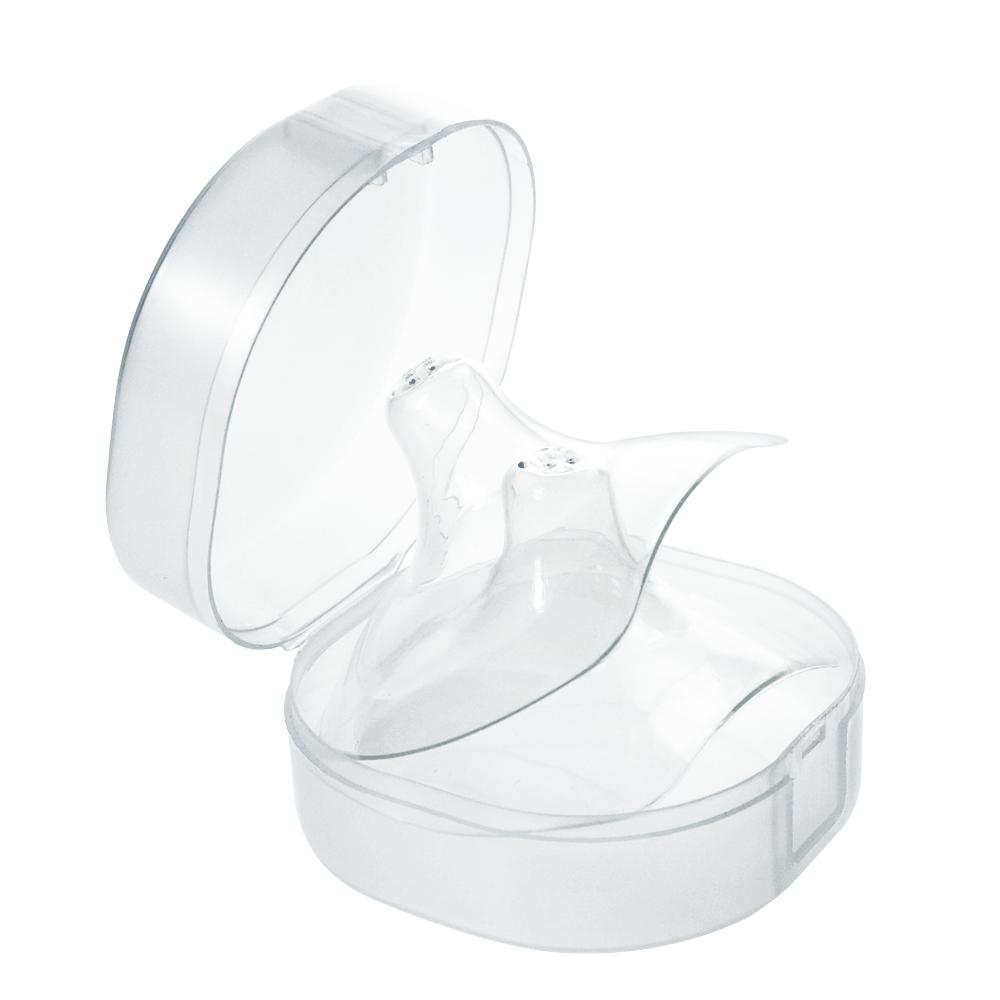
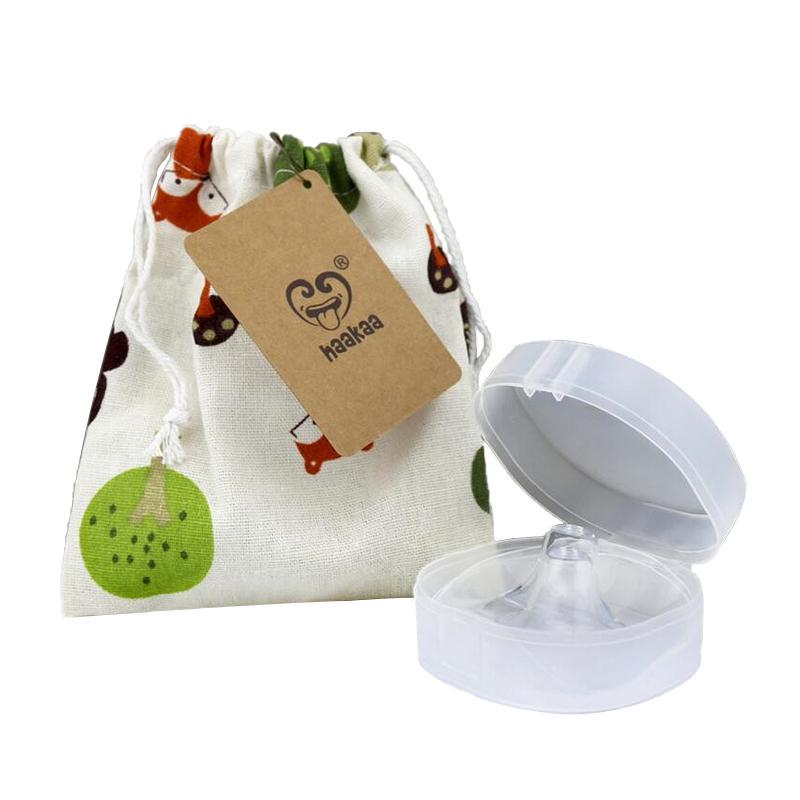
If you're a mum with sore and raw nipples because of breastfeeding, Haakaa's Silicone Nipple Shields can help.
As we all know, breastfeeding can require a bit of practice for most mums. The Haakaa Silicone Nipple Shields are an effective tool for helping mums who are having latch issues related to a premature or ill infant, flat or inverted nipples, tongue/lip tie, an overactive let-down or simply just getting used to the whole breastfeeding action.
Being ultra-thin, the soft silicone moulds to your breast, also warming with your body providing a natural and comforting feel for both mum and baby.
Haakaas' Silicone Nipple Shields have an opening that's 18 mm in diameter for your nipple.
Silverette® are the original, award-winning silver nursing cups trusted by mothers worldwide since 2002. Designed to help prevent and soothe nipple pain, inflammation, and cracks from pregnancy, breastfeeding, and pumping, they give your body the gentle care it deserves during recovery.
Crafted in Italy from genuine 925 sterling silver, Silverette® naturally harnesses antibacterial and anti-inflammatory properties to support healing between feeds or pumping sessions. Safe for both mum and baby, they’re non-toxic, easy to use, and completely reusable. No creams or extra products are needed, and there’s no need to wipe your nipples before feeding.
Recent awards won by this fantastic product:
Bounty Baby Awards 2025 (Australia) – GOLD for Breast Care Product and Best Breastfeeding Accessory
Mother, Baby & Child Awards 2025 (Middle East) – GOLD for Best Maternity Product
OHbaby Awards 2024 (NZ) – GOLD for Best Postpartum Product and Best Breastfeeding Aid
OHbaby! Awards 2024 (NZ) – SILVER for Best Hospital Bag Essential
Which is the right seat for your little one?
Choosing a car seat can feel overwhelming. Your choice is more than just a purchase; it's an investment in your child's safety and comfort. Are you looking for a capsule, a convertible, a booster seat or an all in one? And how do you know where to start?
Buckle up as we lay out the different types of seat to help you figure out what’s right for your whānau.
Capsule Car Seats
Best for: Newborns to approx. 12 months (up to 13kg depending on the brand)What they are: Rear-facing, portable infant car seats that easily lift in or out of the car. Most of the capsules we sell clip onto a base (sold separately) that stays installed in your car. Others have a baseless install either by Isofix or car seatbelt.
Why parents love them:
If you choose a capsule that's compatible with your stroller, you can transfer your sleeping baby for car to stroller without waking them
They're easy to carry with a handle
Most work with a base that stays in the car - simple click and go.
Things to consider:
You’ll likely only use it for the first year.
Weight matters – some are much easier to carry than others.
Great options to compare:
Nuna Pipa Next – lightweight (only 2.8kg) and super portable.
Nuna Arra Flex – features three recline positions - including a near-flat 157° recline.
Maxi Cosi Pebble 360 Pro – ergonomic recline, 360° base for easy loading.
Nuna Pipa Urbn – ideal for swapping between cars or rideshares, it has built-in Isofix, no base required.
Nuna Cari Next – this one is in a category all of its own - both a carrycot and car seat. The Cari has a three-point harness and connects to the Nuna Next Base in the car. Baby can lie peacefully at a full recline - the best position for a developing spine. The Cari can also connect to your stroller so you can move from home to car to pushchair without interrupting their sleep.
Convertible Car Seats
Best for: Birth to approx. 4 years (or longer depending on the seat)What they are: Seats that start rear-facing and convert to forward-facing as your child grows.
Why parents love them:
Cost-effective – you’ll use it for several years.
Often more spacious and padded than a capsule.
Things to consider:
Not portable – it stays installed in the car.
Some seats rotate on a base, so you can turn them towards the door to make buckling in easier
Check your car - do you have Isofix points or do you need a seat that can be seat belt installed?
Great options to compare:
Nuna Todl Next – works with a rotating base for easy access.
Nuna Rylo – built-in 360° rotation, no separate base required.
Nuna Rava Next - seatbelt installed, and known for its simple installation, generous legroom, and plush comfort. Ideal for families who want a long-lasting seat without the need for a base or Isofix.
All-in-One (Convertible + Booster)
Best for: Birth to approx. 11–12 yearsWhat they are: Car seats that transition from rear-facing to forward-facing to booster seat.
Why parents love them:
One purchase that lasts for years.
Ideal for parents who don’t want to keep upgrading.
Things to consider:
Not portable – stays in the car.
No rotating options available.
Great options to compare:
Nuna Exec Next – rear-facing from birth, forward-facing to booster mode up to 148cm / 50kg.
Britax One4Life Slim – rear-facing to booster mode up to 160cm / 54.4kg.
Booster Seats
Best for: 4+ years (or as per height and weight guidelines)What they are: Forward-facing seats that position the vehicle seatbelt properly across your child.
Why parents love them:
Simple to use and install.
Gives older kids a good seat height and a view out the window.
Often more compact.
Things to consider:
Only suitable once your child meets minimum size requirements.
Great options to compare:
Nuna Lumn – harnessed car seat that transforms to a belt positioning booster
Nuna Aace Lx – adjustable height, recline, and side impact protection.
Britax Skyline – affordable, comfortable, and lightweight.
Axkid Up – has a patented raisable seat to elevate your child to better align with the vehicle seat belt
Other Key Considerations When Choosing a Car Seat
Car fit: Not all seats fit all vehicles – check for compatibility, especially if fitting multiple seats.
Ease of use: Consider rotating seats if you struggle with lifting your child in and out.
Installation method: Isofix is quicker and easier, but seatbelt installs offer flexibility for older vehicles or travel. However Isofix does have lower weight restrictions (generally around 18kgs). If a seat allows for both Isofix and seatbelt installation it can pay to opt for Vehicle Seat Belt installation as it eliminates having to switch installation method once weight limits are reached.
Longevity: Weigh up whether you want a dedicated seat for each stage or one that adapts as your child grows.
Need Help Choosing?
Our Car Seat Technicians are here to help you make the best choice for your family. Visit a Dimples store and get personalised advice, try seats in your car, and enjoy our free professional car seat fitting with purchase. You can also take our handy quiz to find out what might work best for you.
Whichever seat you choose, safety and comfort come first – and we’re here to make sure you get both.
Shop the full car seat range online or in-store today.
The Power of a Bedtime Routine for Your Baby
Simple rhythms that can make bedtime calmer – for both of you
In the early weeks with a newborn, life seems to find a rhythm all on it’s own! Feeds, naps, cuddles and nappy changes all blur into one another, and having anything that resembles a routine can feel a little out of reach… Don’t worry – that’s totally normal.
As your baby grows, you might start to notice more predictable patterns start to emerge. This can be a lovely time to gently introduce a baby bedtime routine - a simple series of calming steps that helps signal to your little one that that the day is coming to an end.
It doesn’t need to be complicated. In fact, some of the best bedtime routines are the simplest ones.
Why a Bedtime Routine Matters
Babies LOVE familiarity. Repeating the same gentle activities each evening can help your baby begin to recognise that sleep is coming, while creating a comforting transition between the day’s activities and bedtime.
A bedtime routine can also be a really special opportunity to slow everything down together, creating a sense of calm, security and connection.
And while your bedtime routine will naturally change as your baby grows, those familiar little rituals can continue well into childhood.
When Should You Start a Bedtime Routine?
There’s no exact age when you have to start.
During the newborn stage, feeding and sleeping are naturally quite unpredictable, so there’s no need to worry about a strict schedule. From around six to eight weeks, you will probably notice your baby becoming more predictable, and you can begin introducing a few simple bedtime cues if it feels right for your family.
At first, your routine might simply be a fresh nappy, sleepwear, a feed and a cuddle. You can always add more as your baby grows.
How to Start a Baby Bedtime Routine
There’s no “perfect” bedtime routine - what works beautifully for one family might not work at all for another.
The important things are keeping it relatively simple, calm and consistent. Around 20 to 30 minutes is usually plenty, and where possible, try doing the final part of the routine in your babes room so they begin to associate that space with winding down and sleep.
Here’s a simple bedtime rhythm you could try:
Bath
A warm bath (or shower with you!) can be a lovely way to end your day together. Keep the lights soft if you can, slow things down and let bath time become part of the transition from playtime to bedtime.
Massage
After the bath, a few minutes of gentle baby massage can be incredibly calming and is a beautiful opportunity for some quiet bonding time.
You could use a baby massage product such as Scullys Massage Oil, or keep things very simple with Loloma Coconut Oil.
Keep the movements very slow and gentle, talking quietly, humming or singing to your baby as you go. Over time, even the smell and feel of their usual massage can become another little signal that bedtime is approaching.
A Little Extra Wind Down Support
For particularly restless little ones, you may also like to add something like Magnesium Rescue into your bedtime routine. Magnesium can help regulate the nervous system, promote muscle relaxation, and support the production of melatonin.
The important thing here is the ritual itself. Whether it’s massage, moisturising or simply a quiet cuddle after their bath, repeating the same calm steps each night is what helps make bedtime feel familiar.
Sleepwear
Changing into cosy sleepwear is another simple but powerful bedtime cue!
Choose soft, breathable layers that are appropriate for the temperature of your baby’s room. Merino is one of our favourites for sleep because it makes layering easy throughout the year.
Our baby sleepwear collection includes merino bodysuits, babygrows, gowns and other cosy layers for bedtime.
💛 Dimples Tip: Your baby’s room temperature is much more useful than the season when deciding what they should wear to bed. Feel their chest or back to check whether they’re comfortably warm rather than relying on their hands and feet, which can naturally feel cooler.
Feeding
For younger babies, a feed will naturally be an important part of bedtime.
As your baby gets older, you might like to experiment with offering their final feed slightly earlier in the routine rather than making it the very last thing before sleep. Some families find this helps separate feeding from falling asleep.
But don't stress if your baby loves feeding to sleep, especially in those early months. Every baby is different and your routine can evolve gradually.
A Story or Song
This is one of our favourite parts of a bedtime routine.
Your baby certainly doesn’t need to understand the story yet to enjoy listening to your voice. Reading the same book each night, singing a lullaby or simply humming quietly can become a wonderfully familiar sleep cue.
Reading together from an early age is also such a lovely habit to establish, and our children’s book collection has plenty of beautiful first books to choose from.
One day they'll be choosing the bedtime story themselves - and probably asking you to read it agaaaaiiiin!
Cuddles & Goodnight
Finish with a cuddle, a quiet goodnight and plenty of reassurance.
It sounds so simple, but that same kiss, phrase or cuddle each evening can become one of the most familiar parts of your baby’s bedtime routine.
And even if you know you’ll probably be seeing them again in a few hours, it’s still a lovely way to finish the day together.
Watch for Your Baby’s Sleepy Cues
One of the best bedtime tips we can give is to watch your baby rather than becoming too attached to the clock.
Yawning, rubbing their eyes, staring into the distance, becoming quieter or suddenly getting a little fussy can all be signs that your baby is getting tired.
Starting your bedtime routine when you notice these early sleepy cues can often make settling easier than waiting until your baby is overtired.
Create a Calm, Sleep Friendly Nursery
As bedtime gets closer, gradually make the house feel a little quieter.
Dim the lights, turn the television off and put away stimulating or noisy toys. These small environmental changes can become part of your baby’s bedtime cues too.
A dark room is ideal for sleep, but a gentle night light can be super handy while you're feeding, settling or changing nappies overnight.
💛 Dimples Tip: Once bedtime begins, keep voices quieter and movements slower. Babies pick up on our energy surprisingly well, so turning your pace down can help make the whole room feel calmer.
Putting Baby Down for Sleep
As you get to know your baby, you may like to experiment with placing them into their sleep space when they're sleepy but still awake.
Some babies take to this beautifully. Others need plenty of cuddling, rocking or feeding before they're ready to settle - particularly when they're very young.
There's no need to turn bedtime into a battle. The aim of a routine is to make sleep feel calm and predictable, not to achieve a perfect settling technique.
What works for your baby today may also be completely different in a few months time.
Be Consistent, But Stay Flexible
Consistency helps babies recognise their bedtime cues, but flexibility is just as important.
There'll be evenings when your baby is overtired. There'll be illnesses, holidays, late dinners, visitors and nights where absolutely nothing goes according to plan.
That's parenting!
Rather than worrying about following your routine perfectly, think about having a few familiar rituals you can return to wherever you are.
A fresh nappy, familiar sleepwear, the same book, a cuddle and your usual goodnight might be all your baby needs to recognise that it's bedtime.
If more than one parent or caregiver can occasionally do the bedtime routine, that's great! It helps your baby become comfortable settling with the other special people in their life.
And Don't Forget About Mum
Once baby is finally settled, it can be surprisingly difficult to switch your own brain off.
After spending all day feeding, changing, remembering, organising and looking after somebody else, having a tiny bedtime ritual of your own can be just as valuable.
Make a warm drink, put your phone down, have a shower or simply sit somewhere quiet for ten minutes.
For mums who enjoy something cosy before bed, Mamma's Milk Bar Moon Milk can become part of your own evening wind-down ritual. Prepare yourself a nice warm cup and enjoy a quiet moment once your little one is settled.
Small Rituals With Lasting Benefits
Your baby's bedtime routine doesn't need to be elaborate, and it certainly doesn't need to be perfect.
It's simply a collection of familiar little moments that tell your baby: the day is finished, you're safe, and it's time to rest.
Some nights it might be bath, massage, pyjamas, feed, story and bed. Other nights it might be clean nappy, feed, cuddle... bed.
Both count!
As your baby grows, the routine will grow with them. The massage might disappear, they'll choose their own pyjamas, and eventually they'll be the one reading the bedtime book.
But that cuddle and goodnight kiss? That will still matter - even if one day you have to sneak them in after lights out. ❤️
Choosing the Right Bottle & Teat for Your Baby
A Practical Guide to Finding the Right Bottle Feeding Setup
We’ve been helping families for many years now, and a question we are always asked by new parents is “Which is the best baby bottle?” - and while we wish there was a one size fits all answer to this question, the reality is that there isn't one perfect bottle for every baby. The best baby bottle is the one that suits your bub's feeding style, comfort, and stage of development, while also fitting your family's routine and preferences.
Finding the right bottles and teats can sometimes feel overwhelming. With so many options available, from anti colic bottles and wide neck designs to glass, silicone, and plastic bottles… it's natural to wonder which choice is best for your baby.
In this guide, we'll help you understand the different bottle and teat options so you can find a feeding setup that feels right for your baby and your family.
How to Choose the Best Baby Bottle
When comparing baby bottles, start by thinking about your baby's feeding needs rather than focusing on brands or features.
Newborn? Look for slow flow teats and easy to clean bottles – you’ll likely be using up to 12 bottles a day in those very early stages!
Breastfed or mixed feeding? Wide neck bottles and breast shaped teats can help support a natural latch.
Experiencing wind or reflux? Anti-colic bottles will help reduce swallowed air.
Need something practical for everyday use? Lightweight plastic bottles are often a great choice.
Looking for a long term option? Glass bottles are durable and long lasting.
Choosing the Right Bottle MaterialDifferent bottle materials offer different benefits, but there isn't a single right choice.
Bottle Type
Best For
Things to Know
Plastic
Everyday use
Lightweight and practical
Glass
Durability
Easy to clean but heavier
Silicone
Mixed feeding
Soft and flexible
💛 Dimples Tip: Something we often tell parents is not to overthink the bottle material too much. Most babies will adapt well to different bottle types, so it's often more about what works best for your family and feeding routine.
Bottle Shapes at a Glance
Standard Bottles - A simple, reliable option that works well for most babies.
Wide-Neck Bottles - Easier to fill and clean, and often preferred by families combining breast and bottle feeding.
Anti-Colic Bottles - Designed to reduce the amount of air swallowed during feeding.
💛 Something we get asked a lot at Dimples: "Are anti colic bottles really worth it?" For babies who experience wind, gas, or reflux, or even for as a preventative method – yes! We know many parents who have found they make feeding more comfortable and reduce post feed fussiness.
Explore our bottle range here
Explore our Infant and Toddler Formula range here
Best Bottles for Breastfed Babies & Mixed Feeding
Another common question we hear at Dimples is:
"What's the best bottle for a breastfed baby?"
While every baby is different, wide-neck bottles with soft silicone teats are often a great place to start. When introducing a bottle to a breastfed baby, look for:
Wide teats that encourage a natural latch
Slow flow teats that mimic breastfeeding
Soft silicone teats with a familiar feel
Bottles designed to support mixed feeding
Many parents also find paced bottle feeding helpful, as it encourages babies to feed at a rhythm that's closer to breastfeeding. You can learn more about paced bottle feeding here.
Shop bottles suitable for mixed feeding
Choosing the right teat flow can make feeding feel calmer and more comfortable for your baby.
For newborns and younger babies, a slow flow teat is usually the best place to start. This helps milk flow gently and steadily, giving your baby time to feed at their own pace.
As your baby grows and becomes more confident with bottle feeding, they may be ready for a medium or faster flow teat. Age guides can be helpful, but your baby's feeding cues are often the best sign.
The flow may be too fast if your baby is coughing, spluttering, gulping milk, leaking milk from their mouth, or becoming unsettled during feeds.
The flow may be too slow if your baby seems frustrated, takes a very long time to finish a bottle, or often falls asleep before finishing their feed.
💛 Another common questions we are asked: "When should I move up a teat size?" The answer is usually based on your baby's feeding cues rather than just their age alone.
Shop our teat range here
Cleaning, Sterilising & Bottle Care
Keeping bottles and teats clean is a very important part of bottle feeding. Wash bottles and teats thoroughly, replace worn teats when needed, and sterilise bottles up until your baby is approximately 12 months old.
A few simple essentials can make life easier:
Bottle sterilisers
Bottle warmers
Bottle brushes
Drying racks
Feeding bibs
Shop bottle cleaning and sterilising essentials here
Frequently Asked Questions about Bottle Feeding
What bottles are best for newborns?
Most newborns do well with bottles fitted with slow flow teats. Anti-colic designs can also be helpful for babies prone to wind or reflux.
What bottle is best for a breastfed baby?
Wide-neck bottles with soft silicone teats are often a great option for supporting mixed feeding and encouraging a natural latch.
Are anti-colic bottles worth it?
For babies who swallow excess air while feeding, anti-colic bottles may help reduce wind, gas, and feeding discomfort.
How do I know if teat flow is too fast?
Look for coughing, spluttering, milk leaking from the mouth, or your baby struggling to keep up with the flow.
Glass vs plastic baby bottles: which is better?
Both are excellent options. Plastic bottles are lightweight and practical, while glass bottles are durable, easy to clean, and resistant to staining.
Finding the Right Feeding Fit for Your Family
Every baby is different, and finding the best baby bottle often involves a little trial and error.
Trust your baby's cues, be kind to yourself, and remember that there's no single "right" choice. What matters most is finding a feeding setup that feels comfortable for both you and your baby.
💛 A final note from our team: We've helped hundreds of New Zealand families navigate bottle feeding over the years, and if there's one thing we've learned, it's that every feeding journey looks a little different. You're doing a great job.
Shop our full range of baby bottles, teats and feeding essentials
Getting a wriggly toddler into a car seat shouldn’t feel like a workout. That’s why rotating car seats are quickly becoming a go-to for modern parents.
In this blog, we explore how they work and why so many families are making the switch. From extended rear and front facing options to reducing back strain, we’ll help you decide whether a rotating car seat is the right choice for your growing family.
Benefits of a Rotating Car Seat
Easier access in and out of the car - The swivel function turns the seat towards the door, making it easier to get your child in and out of the car without awkward angles. With the seat facing you, it is easier to correctly position and tighten the harness, helping ensure your child is safely secured every time.
Reduced strain on your back - Rotating the seat towards you helps minimise bending, twisting, and reaching, which can help prevent back and shoulder strain, especially with growing toddlers. This also helps parents (or grandparents) recovering from birth, injury, or surgery, or those with limited mobility, who often find rotating seats easier and more comfortable to use.
Rear and front facing options - While your child is young, rear facing car seats are recommended for their safety. Though you want to keep them rear facing as long as possible (according to weight and height restrictions), you will eventually need to switch to forward facing, which is made incredibly easy with the swivel feature. You also have multiple angle options to recline the seat and can change all of these settings without having to re-install the entire seat.
Things to Consider Before Buying
Weight limits - Most (though not all) rotating car seats have a weight limit of 18kgs because of the isofix installation. On average, that’s around four years old, and while many parents are happy to switch to a booster seat after that, others just want one seat that goes all the way. If you’d prefer to buy a single seat with more longevity, a non-rotating option may suit you better. The Nuna Rava Next goes up to 29.4kgs (seven or eight years on average), and the Exec Next has a booster seat conversion, meaning that it lasts right from newborn up to 49.9kgs, around 12 years old!
Space in your car - If you have multiple kids and multiple car seats in the car, having one that rotates might be a bit tricky. Rotating seats generally have a larger base, and the swivel motion itself can be blocked if there are other seats in the way. If you plan on having three seats side by side in the back row, swivelling is a no-go. If you have two seats, then a rotating seat might be a good option depending on how it fits into your car. If you’re not sure, give us a call at our Newmarket or Christchurch stores, and book in a time to try out some options and see what works best.
What Are the Rotating Car Seat Options?
Nuna NEXT System
Built to work together seamlessly, the Nuna NEXT System offers flexibility, longevity, and peace of mind in one refined package. With two different base options (Base Next & Base Curv), two capsules (Pipa Next & Arra Flex), a unique lie-flat car seat (Cari Next), and a toddler seat for good measure (Todl Next), the NEXT System gives you a range of options for travelling in style. The bases come equipped with True Lock™ technology and coloured installation guides for your peace of mind, and one base can be used for all compatible products (keeping you covered for the first four years of baby’s life).
Maxi Cosi Pebble 360 Pro Capsule & Maxi-Cosi Pearl 360
As part of the 360 Pro Family range, the Pebble and Pearl (when on the Family Fix 360 Pro Base) not only rotate 360°, but also slide towards you to eliminate the awkward reaching that usually comes with buckling in a little one. While the Pearl must be attached to the base in order to go in the car, the Pebble can also be seatbelt installed by itself.
Nuna Pruu
If you love the Todl but don’t want to bother with the separate base, the Pruu might be the seat for you. With the same detachable Side Impact Protection, integrated rebound bar, and smart-swivel lock, your little one will be travelling in stylish safety from start to finish. The big difference? The Pruu is one piece, with no separate base, making it a bit heavier to carry around, but super convenient for those who’d rather not bother with the extra pieces.
We also have the new Nuna Pruu Aire with a retractable sun canopy.
Nuna Rylo
A new and popular choice is the Nuna Rylo. This seat has it all: 360° rotation, seat belt installation capability, and premium materials. Certified to the AS/NZS standard, it’s perfect for Trans-Tasman travellers, or anyone who’s after the latest version of Nuna’s award winning technology.
Not sure which seat is right for you? Visit us in Auckland or Christchurch to see them in person. You can also book in a fitting with our team - we’ll help you find the safest, easiest option for your car and your family.