

Swimming is a key life skill, especially when you live in NZ - an island nation with a vast coastline, not to mention all the rivers and lakes.
Taking your little one to swimming lessons can have many benefits including the physical (coordination, strength, and motor skills). It’s also a bonding opportunity for Mum, Dad or caregiver to have fun interactions with baby and create memories.
And of course, there’s the safety benefit. According to Water Safety NZ, one of the leading causes of death for the under-fives in New Zealand is drowning. Introducing your baby to swimming lessons can be a fantastic way to help them develop water safety skills as well as confidence.
Start them young
Babies spend their first nine months of existence floating in a pool of warm liquid, so reintroducing them to water is something of an instinctive experience.
A good first step to developing water confidence in babies is making bath time engaging and enjoyable. If, with lots of positive reinforcement and support, you can get them used to having water trickling over their head and face, that’s a great start.
Swimming lessons
Once they’re six months old, babies can go to water safety lessons at a public pool
By this age
Their immune system will have developed enough give them protection from bugs in the pool water
They’re better able to cope with the changes in temperature
They’ll have the necessary head control to keep their head above water
Their ears will be better able to deal with water if it gets in.
Baby swimming classes are less about learning to swim and more about water familiarisation and confidence. Over time they’ll start to make progress towards essential water safety skills, including how to float, kick, and hold their breath.
Generally with baby swim classes, Mum or Dad (or grandparent or other caregiver) gets in the pool too, joining in to help build bub’s confidence and keeping things fun with interactive play. It’s likely to start with gentle splashing and activities that encourage movement through the water.
Tips for swimming lessons
Family changing rooms are great and, if there's room, take your stroller. If you get your little one changed, they can then sit in the stroller while you get changed.
Swimming will use up lots of energy – make sure you’ve got what you need to re-fuel them afterwards, whether it's a breast or bottle feed, or a snack
Changes in temperature can be hard on little ones – make sure you dress them warmly for the trip out to the car in colder weather.
If possible, bring along an extra person to help, it can make all the difference especially if you have both a baby and an older child having lessons.
What you need
Babies will need a
swim nappy
. These reusable ones offer an adjustable fit from baby to toddler and are machine washable.
When choosing swimwear, opt for chlorine-resistant swimsuits for
girls
and
boys
that offer 50+ sun protection so they work for the pool or beach
A towel
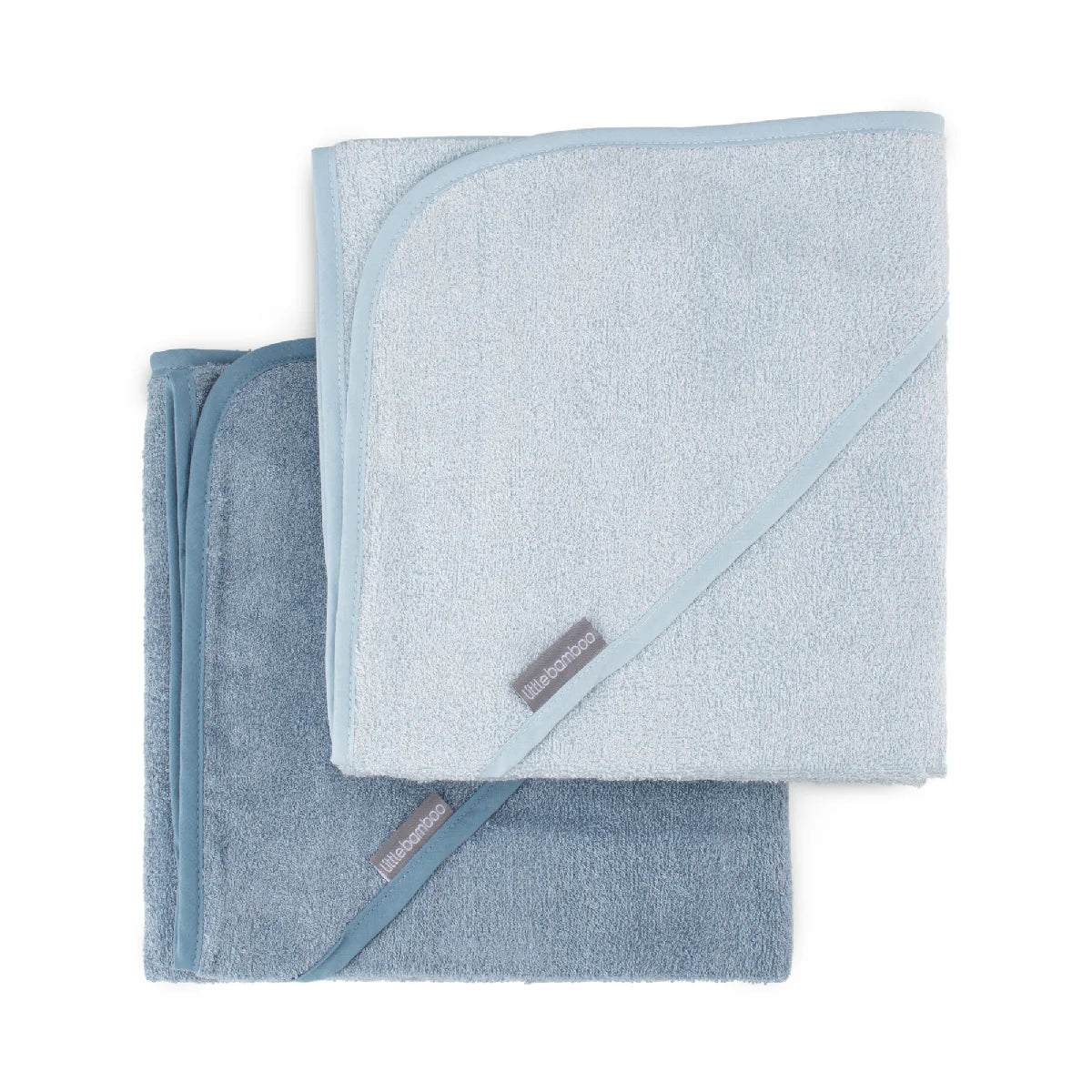
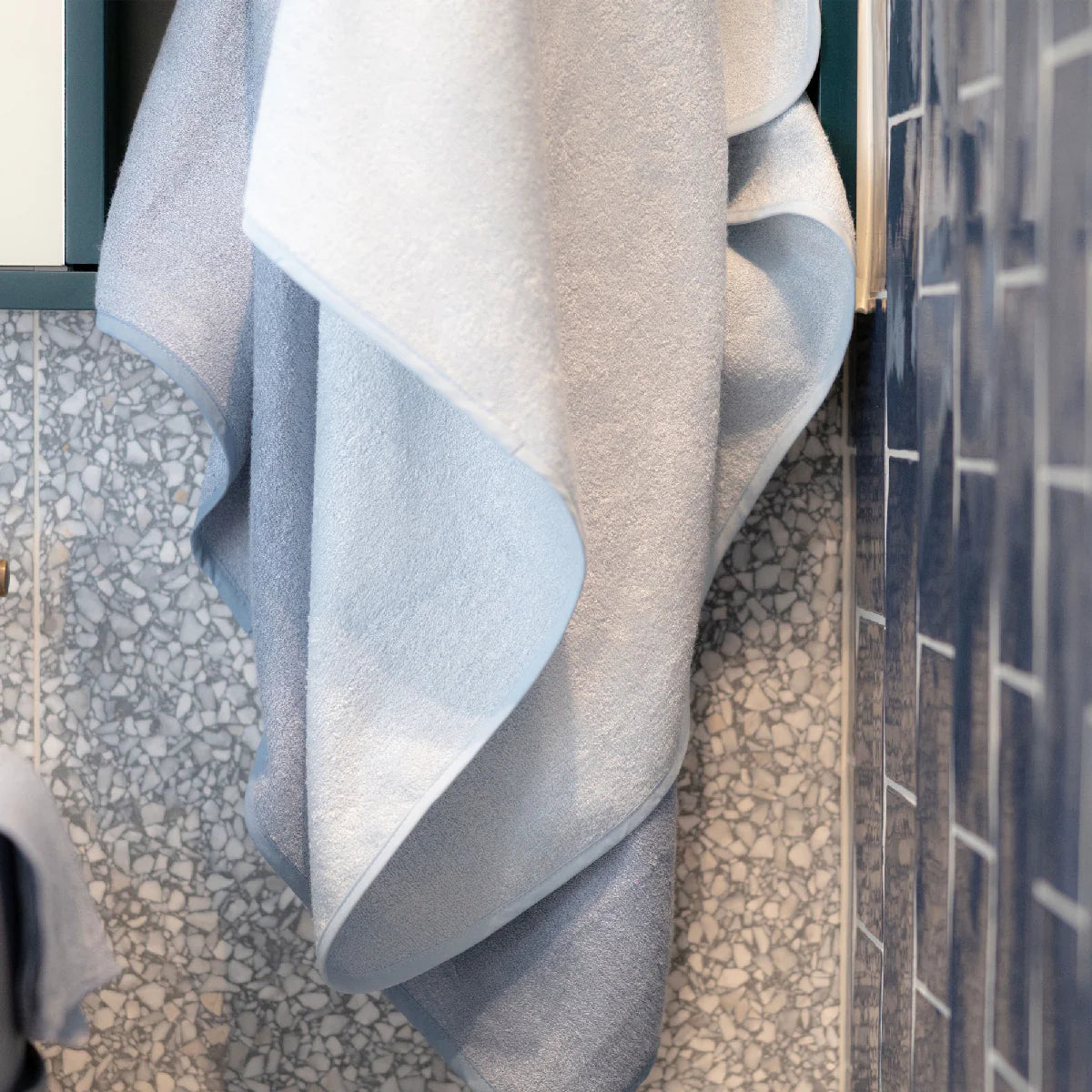
Hooded towel
or robe can be great for getting them warm and dry quickly
A padded
change mat
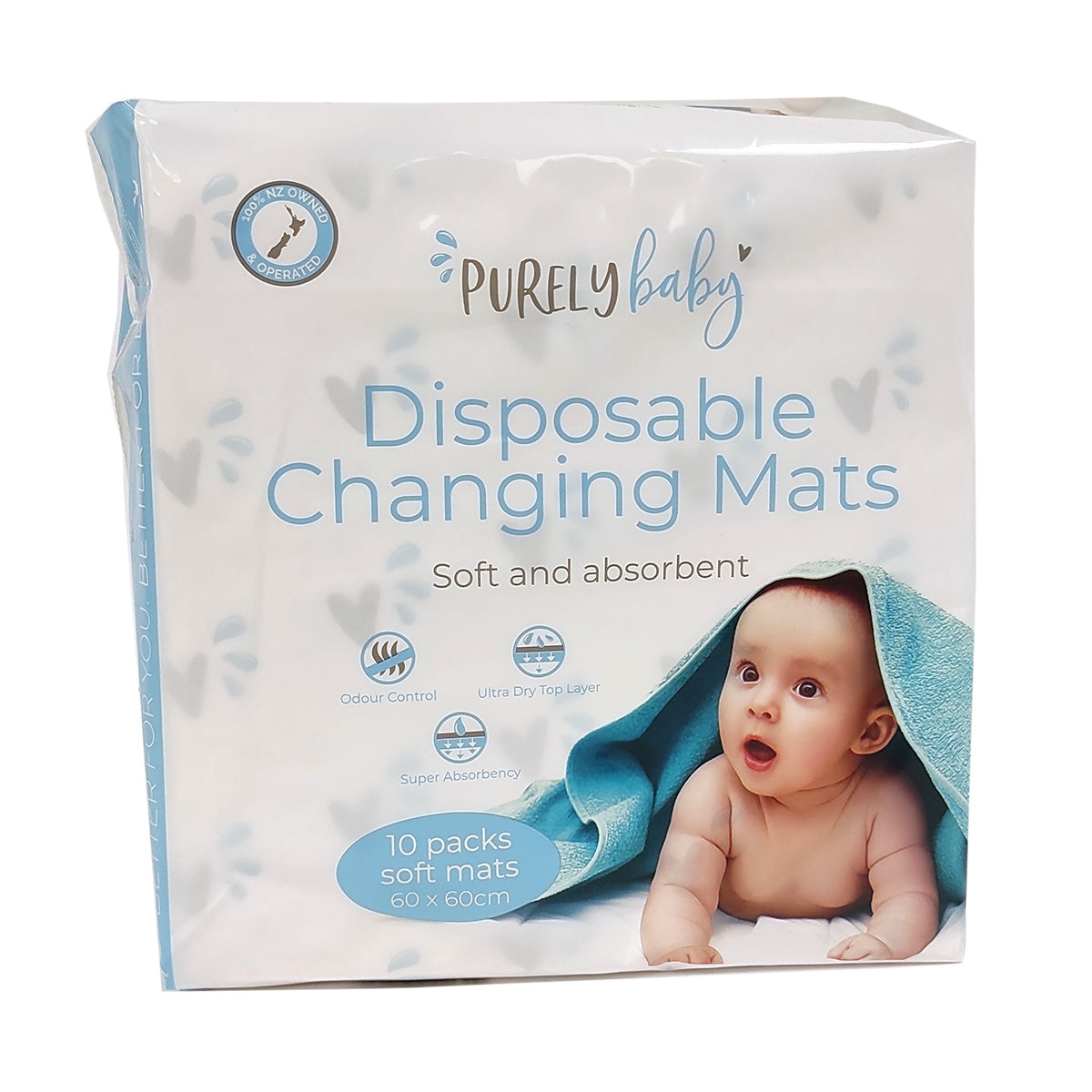
is great to have when faced with a damp changing room
Dry clothes and spare nappies to keep everyone snug and happy post-swim.
Be Safe
Always be aware of the dangers for little ones around water – be that the bath, beach or pool. Never leave them unattended. Babies and toddlers should always be within arms’ reach when you’re in or around water - don’t rely on flotation aids like air rings or armbands.
Be alert to hazards in your environment. Swimming pools and spas must be fenced to NZ Standards. Consider also ponds, water features and paddling pools that might be a danger to a curious little one.
The perfect gift for any new parent. This Towel and Flannel set is made from 100% thick, cotton toweling, and is very absorbent helping you dry your baby faster. The Towel features a hood to help keep delicate heads and ears warm, while the Flannel is gentle to use on your baby while they are in the bath. Trimmed with satin giving a beautiful finish and ensures your set will last longer.
Complete your baby's bath set with a Dimples Towelling Flannel. Made from 100% towelling cotton. It is gentle to use on your baby while they are in the bath. Choose from the 3 famous Dimples hand embroidery designs, this soft flannel is stain trimmed to give that extra beautiful finish and will ensure your flannel will last and last.
Crywolf UPF 50+ Rash Suits are designed to protect the littlest wolves at the beach and pool with an excellent sun protection rating and chlorine-resistant properties.
The clever leg domes make nappy changing a breeze and the ample stretch and breathable fabric provide maximum comfort for all-day fun.
Many of us had the sun smart Slip, Slop, Slap message drummed into us from childhood. But are you aware of Slip, Slop, Slap, and Wrap?
The message is to slip on some clothing and into the shade, slop on sunscreen, slap on a hat, and wrap on sunglasses.
Why are sunglasses important for babies and toddlers?
Sunglasses are important to protect your eyes and the delicate skin around them. This is especially important for babies and children for whom overexposure to UV radiation can cause a predisposition to eye problems.
Just as a baby’s skin is more vulnerable to the sun, their developing eyes also have an increased susceptibility to UV damage.
The New Zealand Association of Optometrists (NZAO) says most of the eye damage caused by UV radiation builds up over a long period of time and cannot be reversed. So the sooner you start protecting your little one’s eyes from the sun, the lower their risk will be of ever developing future eye problems.
“There is some evidence that daily exposure to UV radiation in very bright sunlight over many years may increase the risk of developing cataracts which cause a gradual clouding of the natural lens of the eye. Exposure may also increase the risk of macular degeneration, an eye condition resulting from damage to the retina.”
In NZ and Australia, we have to be particularly careful as our peak summer UV levels are roughly 40% higher than those at comparable latitudes in the Northern Hemisphere. That’s because Earth’s orbit is elliptical, which means the Southern Hemisphere is closer to the sun during our summer. The thickness of the ozone layer is also a factor as is our clearer air quality.
How to choose sunglasses for little ones
Treat sunglasses as a necessity, not just an accessory. Although they certainly can be a fun fashion accessory and look super cute on babies!
You’ll want to find sunglasses that offer 100% UV protection, like the
Izipizi range
.
Polarized lenses are also a bonus as they protect against glare, giving visual comfort. Opting for grey lenses also means they don’t distort but instead respect natural colours
Durability is also key with kids' glasses. Izipizi’s ultra-flexible, BPA-free, and hypoallergenic frames are also great for sensitive skin.
In addition, straight arms mean they will also adapt to your baby’s growth.
Of course, it's easier said than done to keep sunglasses on a wriggly baby every time you head outside!
That’s why Izipizi baby and kids sunglasses come with an optional ultra-flexible and adjustable silicone strap. This helps keep glasses on so they don’t get lost.
Finding a comfortable fit will also make your little one happier to wear them.
IZIPIZI
offers three kids sunglass ranges:
Baby
for 0-9 months (head size 34-41 cm)
Kids for 9-36 months (head circumference 40-47 cm)
Kids+ for 3-5 years (head size 46-53 cm)
Lead by example, if your children see you wearing sunglasses, they’re more likely to want to wear them too!
Getting little ones to wear sunglasses not only protects their eyes now and for the future, it helps them develop habits that last for life.
Don’t forget those other sun smart rules:
Find shade — especially for babies under 6 months.
Car sunshades and stroller sun covers
are a good investment.
Choose a
wide-brimmed hat
Try to limit your sun exposure between 10 am and 4 pm when the sun's rays are most intense
Dress kids in cool clothing with good coverage
Use
sunscreen
daily, even on a cloudy day.
Beach Days Made Easy ☀️
Summer’s here — and if you’re heading to the beach with a baby in tow, you’ll know that travelling light is officially a thing of the past. Gone are the days of throwing a towel and book in a tote and calling it a day. But the good news? Dimples has you covered with all the practical, beautiful beach day essentials to keep your little one protected, comfy, and stylish — and make your life just a little bit easier.
🎒 Pretty Brave Stella Baby Bag
The Stella Baby Bag from Pretty Brave is the kind of multitasking hero that every parent needs. Spacious enough to carry all your beach-day essentials, yet stylish enough to double as your weekend bag, it’s designed for real life — sand and all.
Inside, you’ll also find a padded change mat that makes those on-the-go nappy changes a breeze. Pack everything from snacks and sunscreen to spare togs and toys — there’s room for it all, without feeling bulky or overstuffed.
🏖️ Wildride Toddler Carrier
Ditch the bulky buggy and embrace beach freedom with the Wildride Toddler Carrier. Whether you're navigating sandy paths or just don’t want to wrestle a pram through the dunes, this stylish hip carrier is a smart alternative for toddlers aged 9 months to 4 years (up to 20kg).
Ergonomic, compact, and quick to throw on, it offers support without the strain - perfect for when little legs get tired or you’re trying to keep both hands free. Bonus: it folds up small and easily fits into your beach bag when not in use.
🌊 Crywolf Baby & Kids Swimwear
Splash-ready and sun-smart, Crywolf swimwear is a go-to for little adventurers. Each piece is made from recycled fibres, offering high protection from the sun while being gentle on the planet.
The prints are playful, the coverage is practical, and the quality is built to last - so you can focus on the fun knowing your child is comfy, covered, and looking cute as ever.
🕶️ IZIPIZI Sunglasses
Keep those little eyes protected in style with IZIPIZI sunglasses. With 100% UV protection, these sunnies aren’t just adorable — they’re essential for sunny days, whether you’re at the beach, on a walk, or relaxing in the backyard.
Available in sizes for babies right through to big kids, IZIPIZI offers thoughtful, lightweight designs that stay on (yes, even on the wriggly ones) and suit every stage.
🌞 Nude Alchemist SPF30 Natural Sunscreen
This gentle, broad-spectrum SPF30 sunscreen is specially formulated for delicate skin — making it a family beach bag essential. The Nude Alchemist Natural Sunscreen is made with non-nano zinc oxide for effective sun protection, plus nourishing natural ingredients like shea butter and jojoba oil to soothe and hydrate.
Free from harsh chemicals, parabens, and artificial fragrances, it’s safe for babies aged 3 months and up. It’s also reef-safe, water-resistant, and rubs in smoothly with minimal whitening. Just good, honest sun care you can feel great about.
🐚 Over the Dandelions Hooded Muslin Towel
Wrap your little one in soft, breathable comfort after a splash in the sea. The Over the Dandelions Hooded Muslin Towel is made from 100% GOTS-certified organic cotton muslin — lightweight, absorbent, and quick-drying, even on those humid summer days.
Its generous size and gentle texture make it perfect for drying off, cuddling up, or providing a little shade on the walk back to the car. A must-have for warm-weather adventures.
👒 Dimples Sunhat
No beach kit is complete without a good sunhat, and Dimples makes this essential extra lovely. Designed with a wide brim to help shade baby’s face and eyes, these hats are made from soft, breathable fabrics in timeless colours and textures that mix and match effortlessly.
Cute, comfy, and protective — it’s the kind of hat you’ll reach for every time you head outdoors.
☀️ Ready, Set, Sun
Whether you’re headed to the coast, the local splash pad, or just your own backyard, Dimples has everything you need to make the most of summer with your little one. Thoughtfully chosen, beautifully made, and ready for real life.
Pop in-store or browse online to build your ultimate beach day kit — we’ll help you pack like a pro.
Breastfeeding Made Easier: Tips for Common Challenges
Before your baby arrives, it's easy to imagine that breastfeeding will happen instinctively. While that can be true for some families, it's perfectly normal if it takes a little longer to find your rhythm.
Many new mums experience challenges like sore nipples, engorgement, latch difficulties or concerns about milk supply in those first few weeks. If that sounds familiar, you're certainly not alone.
At Dimples, one of the things we hear most often is, "I thought breastfeeding would just come naturally." The reality is that for many mums, it takes a little time, plenty of patience, and the right support.
Thankfully, many breastfeeding challenges are only temporary, and with the right guidance they often become much easier to manage.
If you decide to supplement or switch to formula, that's okay too. A fed baby and a supported mum are what matter most. But if breastfeeding is something you'd like to continue, know that many mums find things improve with time, patience and the right support.
You've got this.
Here’s a gentle guide to some of the common hurdles and how to help overcome them:
1. Engorged Breasts
A few days after giving birth, you may notice your breasts suddenly feel hard, heavy, warm, and tender as your milk comes in. Although it can feel quite uncomfortable, this is a completely normal part of your body adjusting to your baby's feeding needs.
The good news is that engorgement is usually temporary. As your milk supply begins to regulate and your baby establishes a regular feeding pattern, the fullness will often settle.
What can help
Feed your baby regularly, even if it's only for a short time.
If your breasts are too full for your baby to latch comfortably, try hand expressing a small amount of milk first to soften the breast.
A cold compress after feeds and gentle massage can also help relieve discomfort.
💛 A favourite with our team: Many mums find the Bare Mum Hot + Cold Breast Therapy Packs incredibly soothing. Warm them before feeding to help encourage milk flow, or chill them afterwards to reduce swelling and ease discomfort.
And here's a little old-school wisdom that's been passed between mums for generations: chilled cabbage leaves tucked inside your bra between feeds have long been used to help soothe engorgement. It might sound unusual, but plenty of mums still swear by it!
2. Latch Issues
A little tenderness during the first few days of breastfeeding is common, but ongoing or severe pain isn't something you should simply put up with. A painful feed is often a sign that your baby isn't latching deeply enough, making feeding uncomfortable for you and less effective for them.
What can help
Try encouraging your baby to open their mouth wide by gently brushing your nipple against their upper lip. Position them with their nose level with your nipple and bring your baby to your breast, rather than leaning towards them. A good latch usually means your baby's mouth is wide open, their chin is pressed into your breast, and your nipple sits comfortably towards the back of their mouth.
If breastfeeding is still painful after the first week or two, or your baby continues to struggle with latching, it's worth reaching out to your midwife or a lactation consultant. Sometimes a simple adjustment, or identifying something like a tongue tie, can make all the difference.
3. Cracked or Bleeding Nipples
Sore or cracked nipples are very common in the early weeks of breastfeeding. They can be caused by a shallow latch, frequent feeding while your skin adjusts to this new rhythm, or even overuse of your breast pump.
What can help
Applying a nourishing nipple balm after every feed can help soothe and protect the skin, while hydrogel pads can provide instant cooling relief for particularly sore nipples.
One combination our team often recommends is Pure Mama Nipple Butter together with Silverette Cups. The nipple butter helps moisturise and soothe damaged skin, while the Silverette Cups protect sensitive nipples between feeds, allowing them to heal naturally.
If your nipples aren't improving after several days, it's important to have your baby's latch assessed, as treating the cause is just as important as treating the symptoms.
4. Low Milk Supply
Worrying about milk supply is incredibly common, especially during the first few weeks when your baby may seem to want to feed constantly. The reassuring news is that frequent feeding, cluster feeding and night waking are all normal behaviours and don't usually mean you're not producing enough milk.
True low milk supply is less common, but if your baby isn't gaining weight well or has very few wet nappies, it's important to speak with your midwife, GP or lactation consultant.
What can help
If your healthcare provider is happy that everything is progressing normally but you'd like to naturally support your milk supply, try feeding frequently, pumping between feeds if appropriate, drinking plenty of water and eating a balanced diet.
Many mums also enjoy adding lactation cookies or a lactation blend to their daily routine. While they're not a guaranteed way to increase milk supply, many mums enjoy them as part of their breastfeeding routine alongside regular feeding, good hydration and a balanced diet.
Shop our lactation support range here
5. Inverted or Flat Nipples
You may never have paid much attention to the shape of your nipples before breastfeeding, but flat or inverted nipples can sometimes make it more difficult for your baby to latch.
The good news is that many mums with flat or inverted nipples go on to breastfeed successfully.
What can help
Speak with your midwife or a lactation consultant, who may recommend using a nipple shield or expressing a small amount of milk before feeding to gently draw the nipple out.
6. Blocked Ducts
A blocked milk duct often feels like a tender lump beneath the skin and usually occurs when milk isn't draining effectively. This can happen if you've missed a feed, your bra is too tight, or your breast hasn't emptied fully.
What can help
Continue feeding regularly, particularly on the affected side, to help keep milk moving. Applying warmth before feeding and gently massaging the area towards the nipple can also help encourage the blockage to clear. Most blocked ducts resolve within a day or two but if you are experiencing alot of pain and unable to breastfeed, please see your GP.
7. Mastitis
Sometimes a blocked duct can develop into mastitis, or bacteria can enter through cracked skin, leading to a breast infection. Mastitis often causes flu-like symptoms, including fever, chills and body aches, along with a painful, red area on the breast.
What can help
If you think you may have mastitis, it's important to see your GP promptly, as antibiotics are often needed.
Although feeding may feel uncomfortable or sore, continuing to breastfeed or express milk can actually help speed up recovery by keeping the breast well drained. Warm or cool compresses between feeds may also provide some relief.
💛 Don't try to push through - Many mums think they can "tough it out", but mastitis really needs medical treatment. The sooner you seek help, the quicker you'll usually recover.
You Are Not Alone - and You're Doing an Amazing Job
If there's one thing we'd love every new mum to know, it's this: asking for help is a strength, not a weakness!
For over 30 years, we've had the privilege of supporting hundreds of New Zealand families through pregnancy, newborn life and beyond, and we've learned that almost every breastfeeding journey is different, and has its own ups and downs.
And if, despite your best efforts, breastfeeding doesn't work out the way you'd hoped, that's okay too. Whether you breastfeed, formula feed or combine the two, what matters most is that your baby is fed, loved and thriving.
Be kind to yourself, trust your instincts, and don't be afraid to lean on your midwife, GP, lactation consultant or the people around you. Sometimes the right support is all it takes to help you find your confidence.
❤️
Shop our full range of breastfeeding support and essential items here
Choosing the Right Bottle & Teat for Your Baby
A Practical Guide to Finding the Right Bottle Feeding Setup
We’ve been helping families for many years now, and a question we are always asked by new parents is “Which is the best baby bottle?” - and while we wish there was a one size fits all answer to this question, the reality is that there isn't one perfect bottle for every baby. The best baby bottle is the one that suits your bub's feeding style, comfort, and stage of development, while also fitting your family's routine and preferences.
Finding the right bottles and teats can sometimes feel overwhelming. With so many options available, from anti colic bottles and wide neck designs to glass, silicone, and plastic bottles… it's natural to wonder which choice is best for your baby.
In this guide, we'll help you understand the different bottle and teat options so you can find a feeding setup that feels right for your baby and your family.
How to Choose the Best Baby Bottle
When comparing baby bottles, start by thinking about your baby's feeding needs rather than focusing on brands or features.
Newborn? Look for slow flow teats and easy to clean bottles – you’ll likely be using up to 12 bottles a day in those very early stages!
Breastfed or mixed feeding? Wide neck bottles and breast shaped teats can help support a natural latch.
Experiencing wind or reflux? Anti-colic bottles will help reduce swallowed air.
Need something practical for everyday use? Lightweight plastic bottles are often a great choice.
Looking for a long term option? Glass bottles are durable and long lasting.
Choosing the Right Bottle MaterialDifferent bottle materials offer different benefits, but there isn't a single right choice.
Bottle Type
Best For
Things to Know
Plastic
Everyday use
Lightweight and practical
Glass
Durability
Easy to clean but heavier
Silicone
Mixed feeding
Soft and flexible
💛 Dimples Tip: Something we often tell parents is not to overthink the bottle material too much. Most babies will adapt well to different bottle types, so it's often more about what works best for your family and feeding routine.
Bottle Shapes at a Glance
Standard Bottles - A simple, reliable option that works well for most babies.
Wide-Neck Bottles - Easier to fill and clean, and often preferred by families combining breast and bottle feeding.
Anti-Colic Bottles - Designed to reduce the amount of air swallowed during feeding.
💛 Something we get asked a lot at Dimples: "Are anti colic bottles really worth it?" For babies who experience wind, gas, or reflux, or even for as a preventative method – yes! We know many parents who have found they make feeding more comfortable and reduce post feed fussiness.
Explore our bottle range here
Explore our Infant and Toddler Formula range here
Best Bottles for Breastfed Babies & Mixed Feeding
Another common question we hear at Dimples is:
"What's the best bottle for a breastfed baby?"
While every baby is different, wide-neck bottles with soft silicone teats are often a great place to start. When introducing a bottle to a breastfed baby, look for:
Wide teats that encourage a natural latch
Slow flow teats that mimic breastfeeding
Soft silicone teats with a familiar feel
Bottles designed to support mixed feeding
Many parents also find paced bottle feeding helpful, as it encourages babies to feed at a rhythm that's closer to breastfeeding. You can learn more about paced bottle feeding here.
Shop bottles suitable for mixed feeding
Choosing the right teat flow can make feeding feel calmer and more comfortable for your baby.
For newborns and younger babies, a slow flow teat is usually the best place to start. This helps milk flow gently and steadily, giving your baby time to feed at their own pace.
As your baby grows and becomes more confident with bottle feeding, they may be ready for a medium or faster flow teat. Age guides can be helpful, but your baby's feeding cues are often the best sign.
The flow may be too fast if your baby is coughing, spluttering, gulping milk, leaking milk from their mouth, or becoming unsettled during feeds.
The flow may be too slow if your baby seems frustrated, takes a very long time to finish a bottle, or often falls asleep before finishing their feed.
💛 Another common questions we are asked: "When should I move up a teat size?" The answer is usually based on your baby's feeding cues rather than just their age alone.
Shop our teat range here
Cleaning, Sterilising & Bottle Care
Keeping bottles and teats clean is a very important part of bottle feeding. Wash bottles and teats thoroughly, replace worn teats when needed, and sterilise bottles up until your baby is approximately 12 months old.
A few simple essentials can make life easier:
Bottle sterilisers
Bottle warmers
Bottle brushes
Drying racks
Feeding bibs
Shop bottle cleaning and sterilising essentials here
Frequently Asked Questions about Bottle Feeding
What bottles are best for newborns?
Most newborns do well with bottles fitted with slow flow teats. Anti-colic designs can also be helpful for babies prone to wind or reflux.
What bottle is best for a breastfed baby?
Wide-neck bottles with soft silicone teats are often a great option for supporting mixed feeding and encouraging a natural latch.
Are anti-colic bottles worth it?
For babies who swallow excess air while feeding, anti-colic bottles may help reduce wind, gas, and feeding discomfort.
How do I know if teat flow is too fast?
Look for coughing, spluttering, milk leaking from the mouth, or your baby struggling to keep up with the flow.
Glass vs plastic baby bottles: which is better?
Both are excellent options. Plastic bottles are lightweight and practical, while glass bottles are durable, easy to clean, and resistant to staining.
Finding the Right Feeding Fit for Your Family
Every baby is different, and finding the best baby bottle often involves a little trial and error.
Trust your baby's cues, be kind to yourself, and remember that there's no single "right" choice. What matters most is finding a feeding setup that feels comfortable for both you and your baby.
💛 A final note from our team: We've helped hundreds of New Zealand families navigate bottle feeding over the years, and if there's one thing we've learned, it's that every feeding journey looks a little different. You're doing a great job.
Shop our full range of baby bottles, teats and feeding essentials