


The Benefits of Music for Babies and Toddlers: More Than Just a Catchy Tune!
Can music really make your baby smarter?
You've probably heard the theory that playing Mozart to your baby in the womb will turn them into a little genius. But is there any truth to it?
While there's no convincing evidence that classical music boosts your baby's IQ, research suggests that music plays a wonderful role in early childhood development.
From encouraging language and movement to helping little ones settle and strengthening bonds, music has plenty of benefits. And the best part? You don't need expensive lessons, fancy instruments or even a good singing voice!
Here's why music deserves a spot in your baby's everyday routine.
1. Music starts before birth
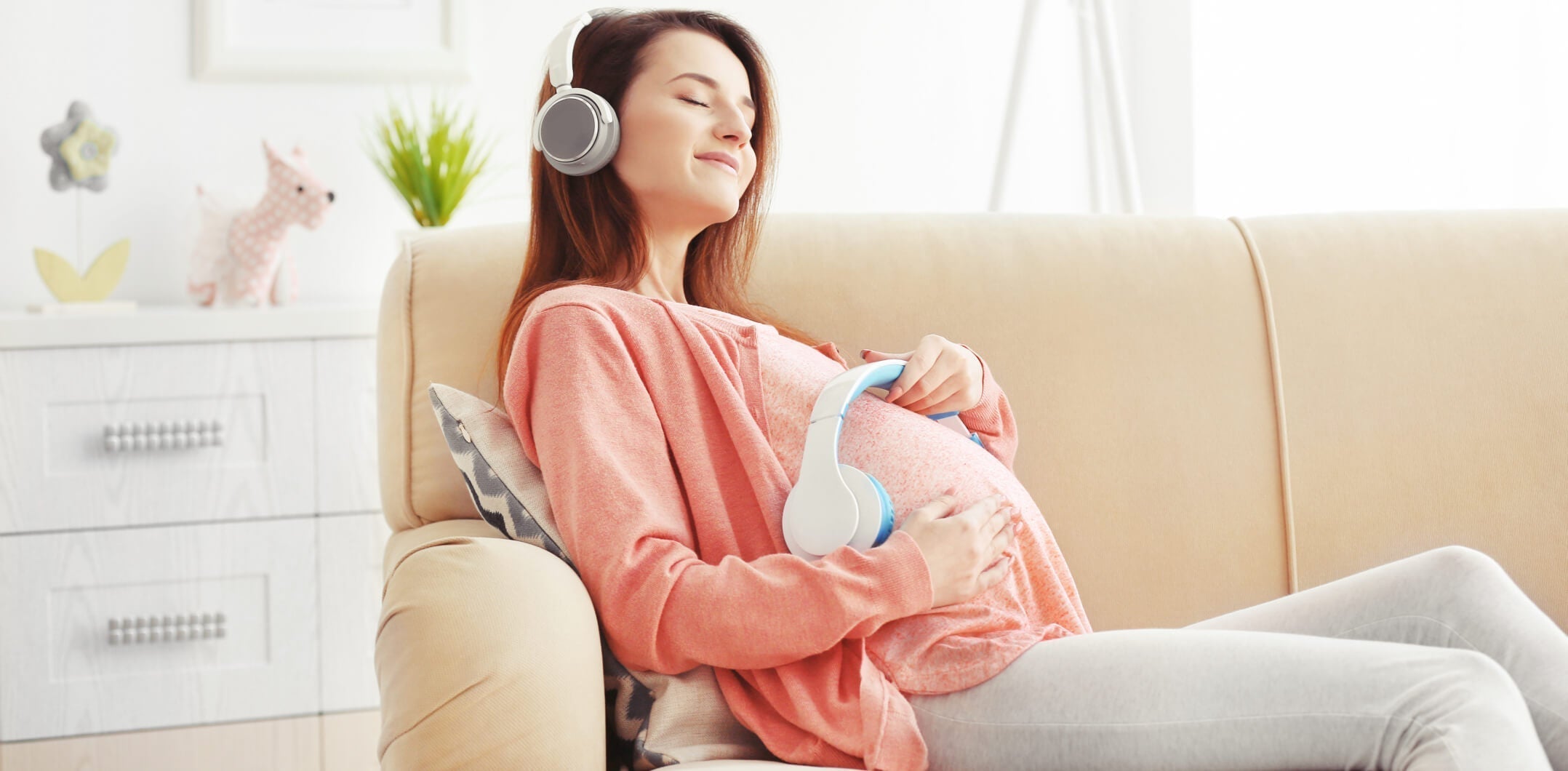
Your baby's first musical experiences begin before they're even born!
By around 18 weeks of pregnancy, babies begin hearing sounds inside the womb, including mum's heartbeat. Later, they start recognising sounds from the outside world, particularly familiar voices.
So, should you be playing Beethoven to your bump every evening?
Not unless you want to! Singing, talking and listening to your favourite songs can be a lovely way to relax and connect with your growing baby.
Dimples Tip: Keep music at a comfortable volume and avoid placing headphones directly against your bump.
2. Music can help soothe and settle your baby
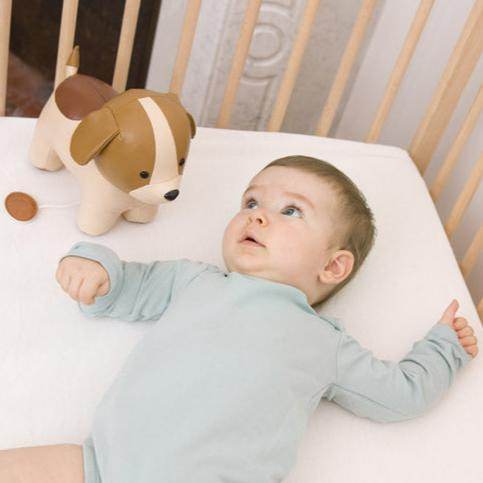
Ever noticed how a gentle lullaby can calm an unsettled baby? Soft, repetitive music can create a calming atmosphere, while familiar songs provide comfort and reassurance.
Music can also become a helpful sleep cue. Singing the same lullaby each evening helps create a familiar routine that your little one can begin to associate with bedtime.
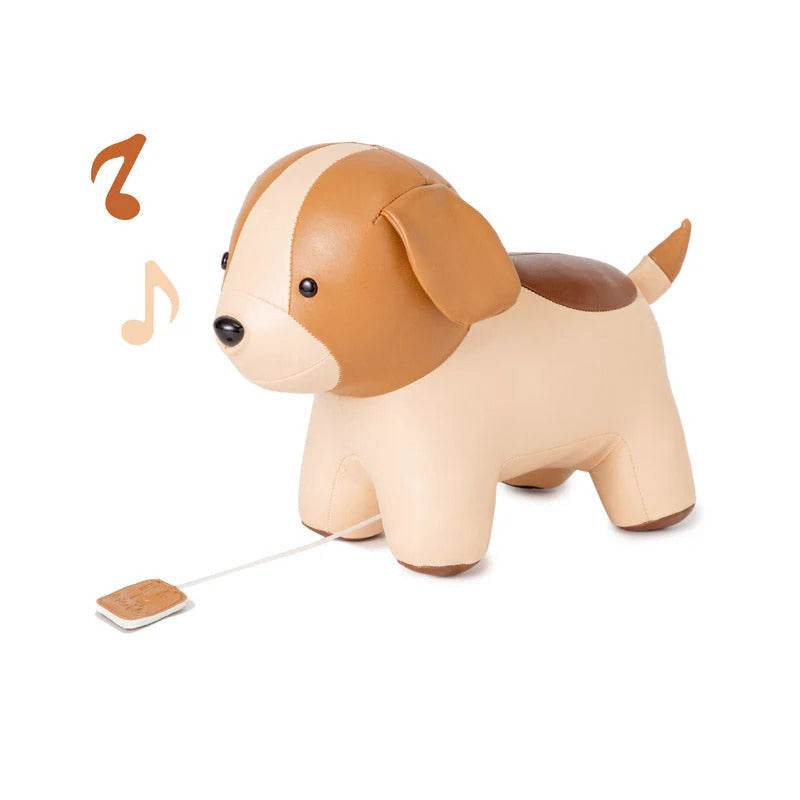
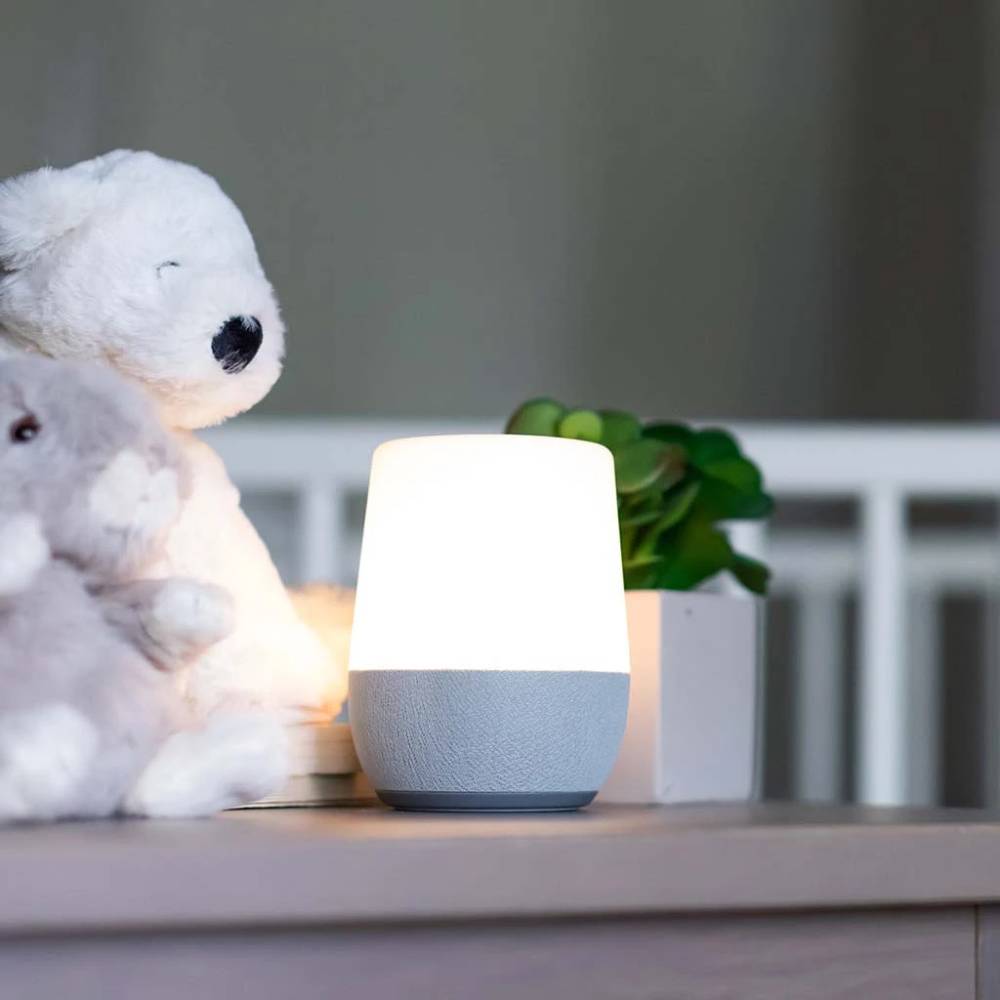
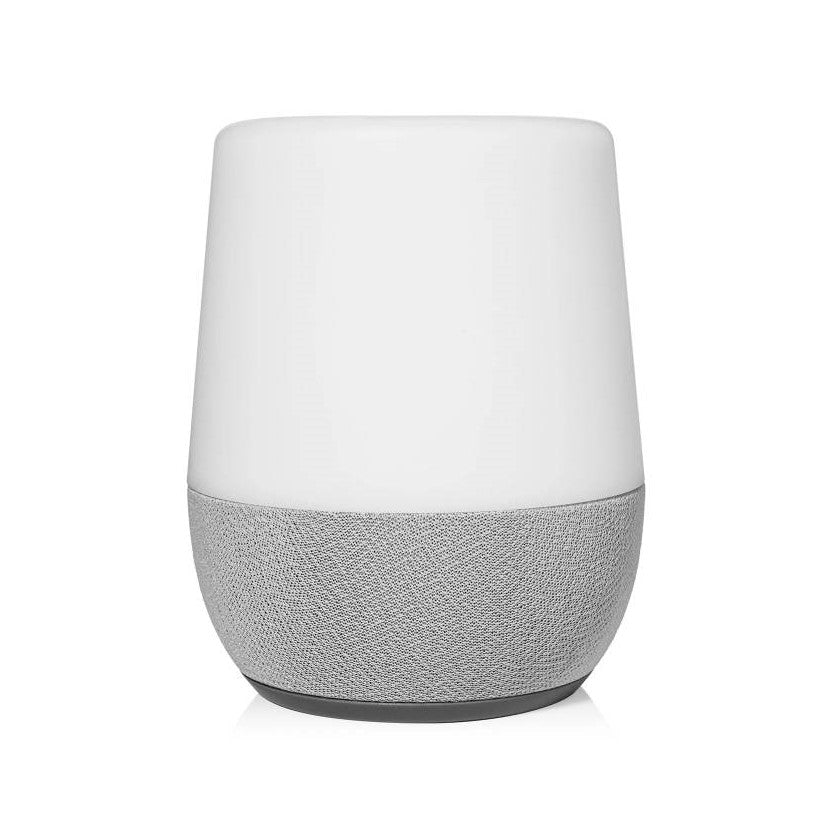
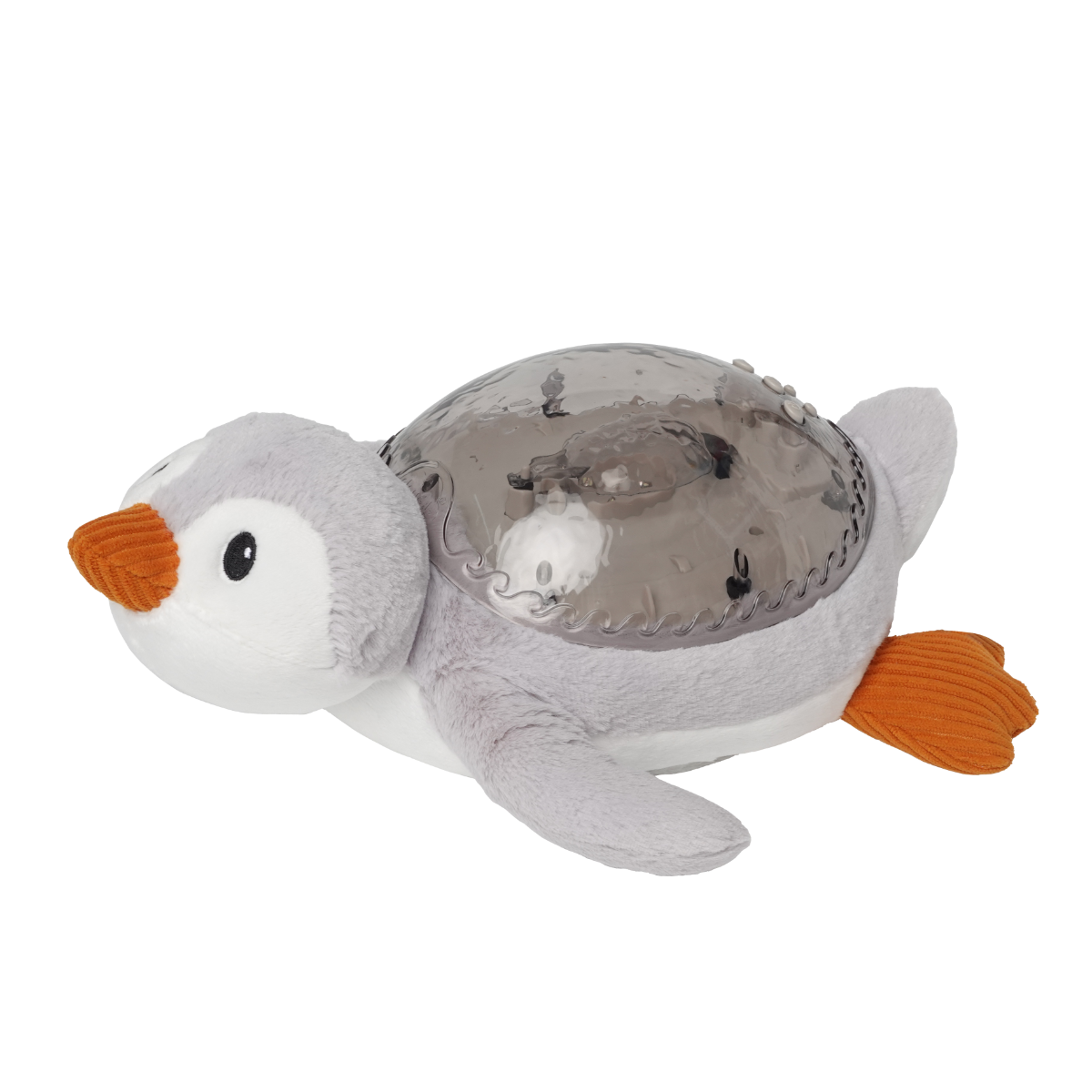
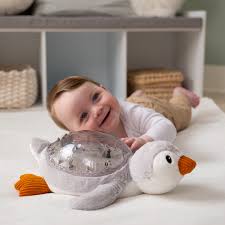
Dimples Tip: Try introducing a soothing sound machine or musical nightlight into your bedtime routine. Keep the volume low and devices well away from the cot.
Shop our range of sound soothers here
3. Little songs, big language benefits
Who knew singing nursery rhymes could help your baby's language development?
Music introduces little ones to rhythm, repetition and different sounds, all important building blocks for learning to communicate.
Songs like Heads, Shoulders, Knees and Toes help toddlers learn body parts, while Old MacDonald Had a Farm introduces animal names and sounds.
Even babies who aren't talking yet are busy listening and recognising familiar patterns.
Dimples Tip: Pause before the last word of a familiar song and give your little one the chance to babble, gesture or sing along!
4. Dance parties are great for growing bodies!
There's something so irresistible about watching a toddler dance. The enthusiastic bouncing, unexpected spinning and wonderfully crazy moves!
But all that dancing is doing more than making everyone smile.
Moving to music helps children practise balance, coordination and body awareness. Clapping, stomping and jumping to the beat all support developing motor skills.
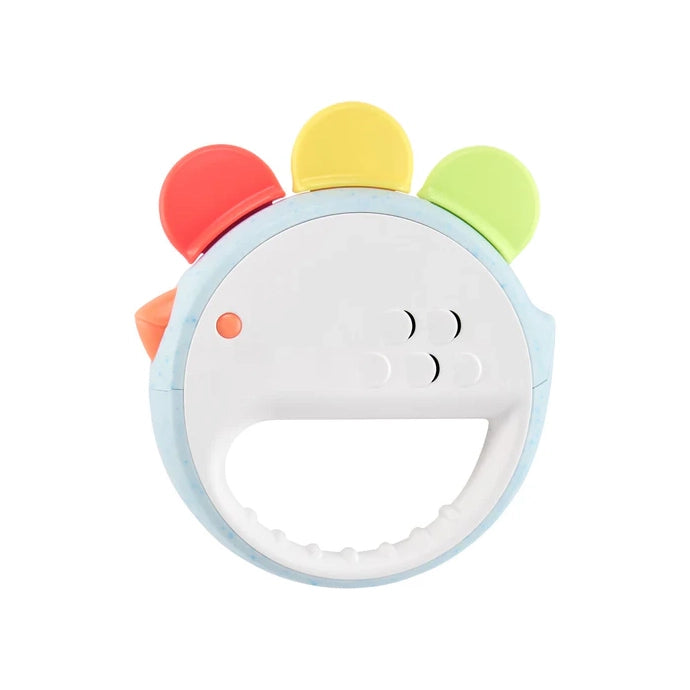
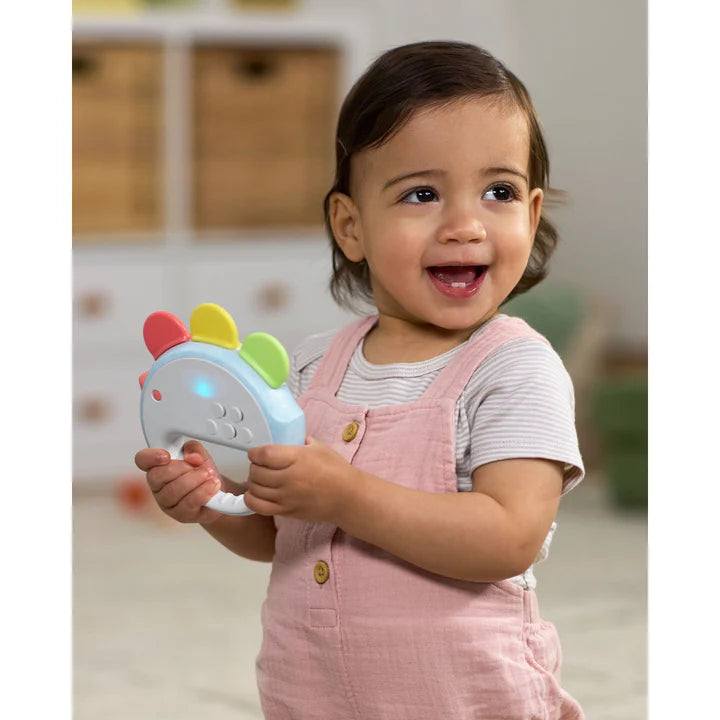
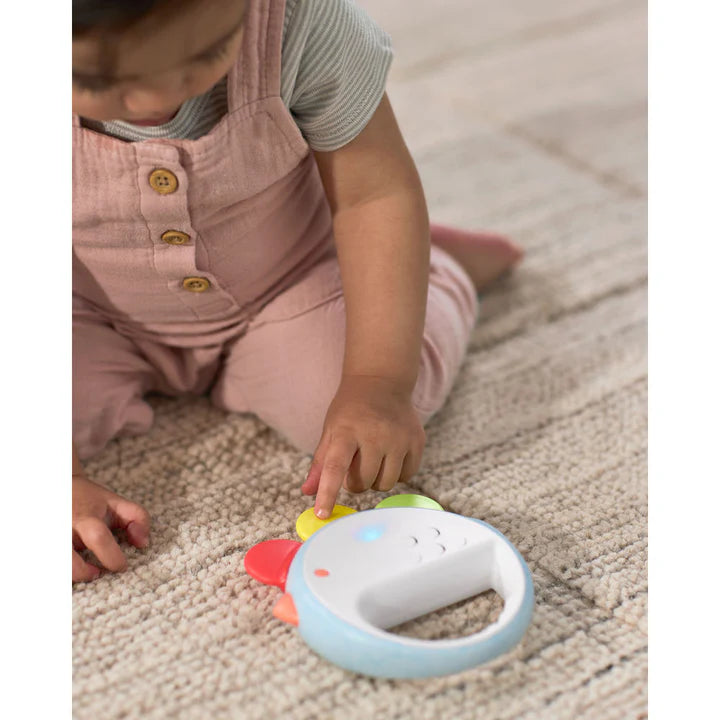
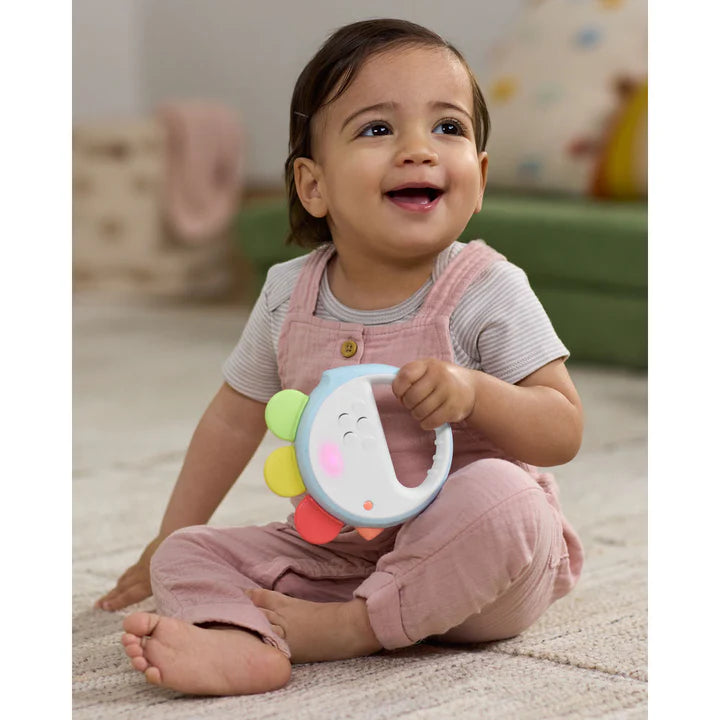
For younger babies, shaking a rattle or reaching towards a musical toy introduces movement and rhythm.
For toddlers, try musical statues. Dance while the music plays, then freeze when it stops. Simple, fun and great for listening skills!
5. Music makes everyday routines easier
Let's face it, getting a toddler to cooperate isn't always straightforward.... But sometimes, turning an everyday task into a song can work wonders.
A cheerful clean up song makes packing away toys more fun, while a silly handwashing or teeethbrushing tune can help little ones remember what comes next.
You don't need to know dozens of nursery rhymes either. Make up your own songs! Your toddler won't notice if the words don't rhyme.
6. Music encourages creativity and imagination
A wooden spoon becomes a drumstick. A cardboard box becomes a stage. Suddenly, your toddler is performing the concert of the century!
Music encourages children to explore sounds, experiment with rhythm and express themselves creatively. Try singing songs that involve pretending to be animals. Stomp like an elephant, hop like a bunny or tiptoe like a teeny tiny mouse.
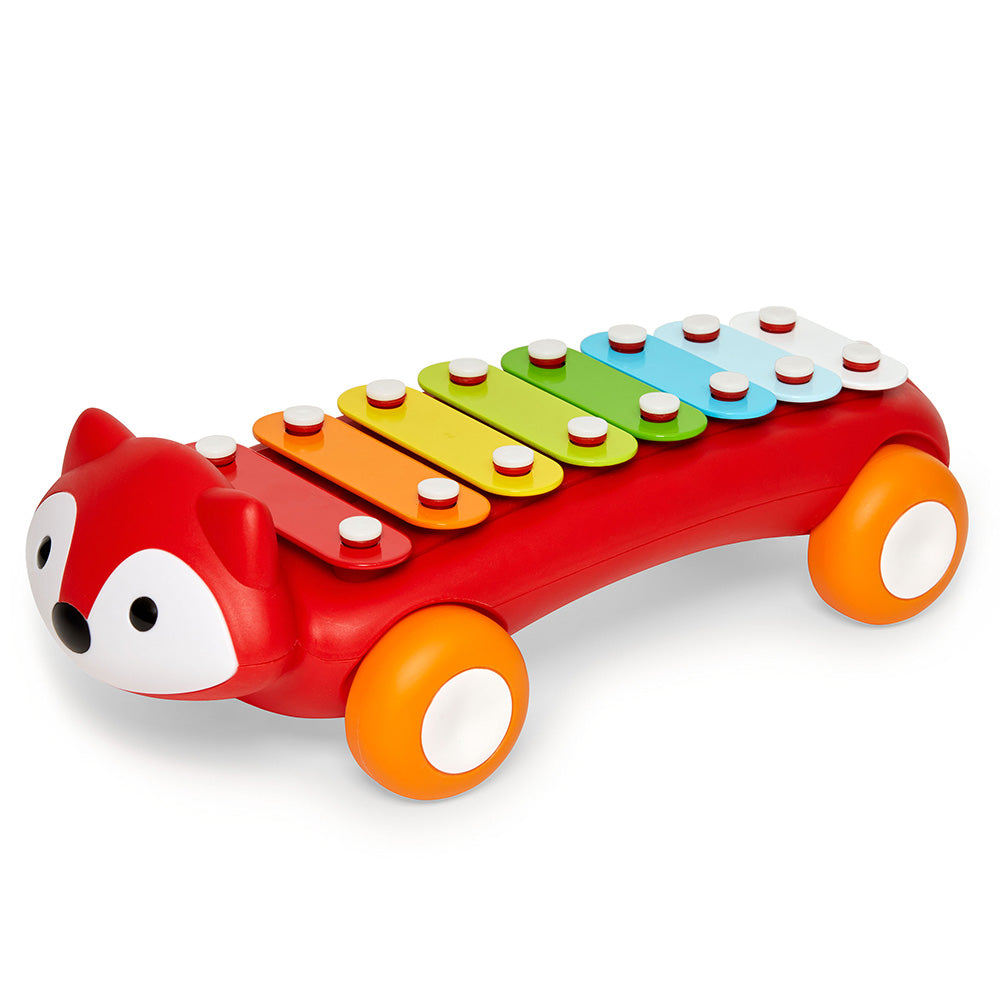
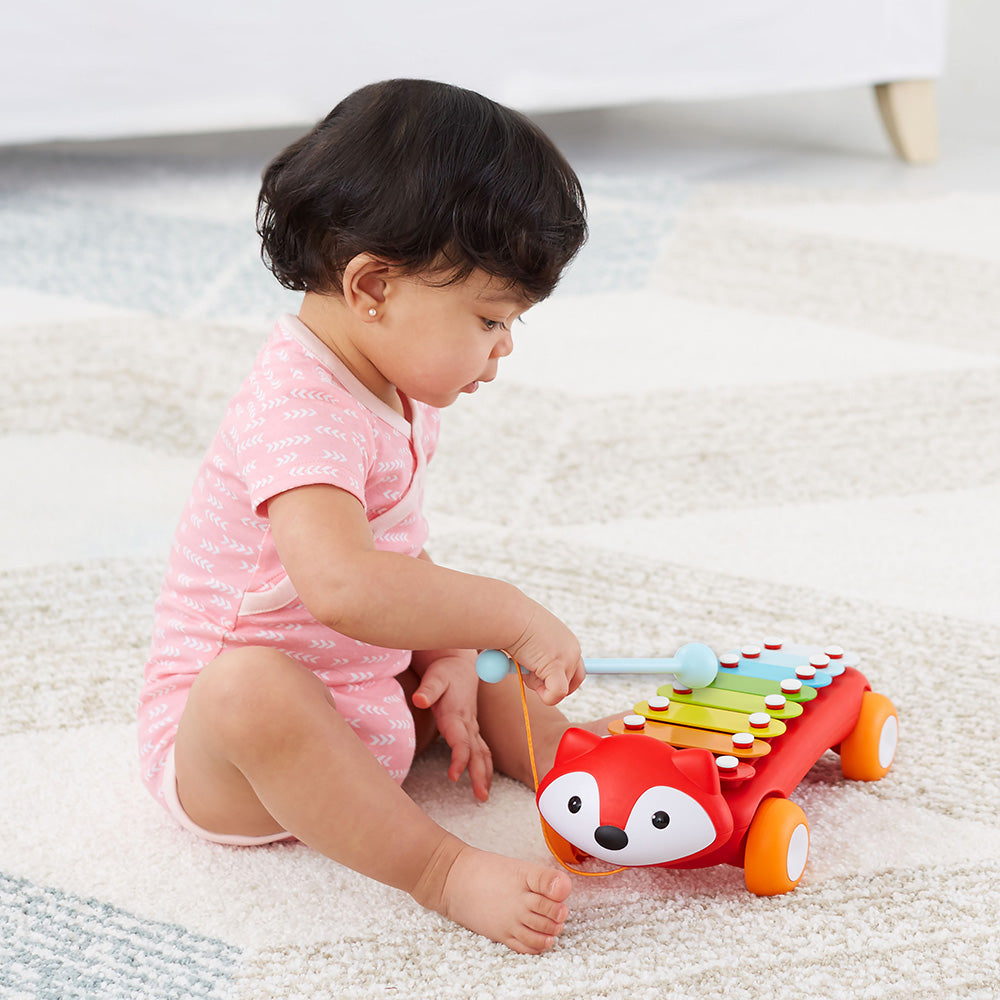
Rattles, wooden drums, maracas and xylophones are wonderful ways for little hands to explore different sounds.
7. Making music together builds special bonds
One of the loveliest things about music is that it's something you can enjoy together from day one.
Singing to your newborn, rocking gently to a favourite song or dancing around the lounge with your toddler creates opportunities to connect. When you sing face to face with your baby, smile at their reactions and respond to their little noises, you're encouraging communication and connection.
You could also try a local library rhyme-time session or toddler music class. A lovely way to meet other parents while introducing your little one to new experiences.
Music to your ears!
So, will playing Mozart turn your baby into a genius overnight? Probably not.
But can music support their development, encourage movement, introduce new words and create special memories along the way? Absolutely.
Whether you're singing lullabies at bedtime, shaking rattles on the playmat or hosting an impromptu kitchen dance party, music is a simple and joyful way to connect with your little one.
And if your toddler insists on hearing the same song 47 times in a row?
Well, at least you know they're enjoying themselves!