


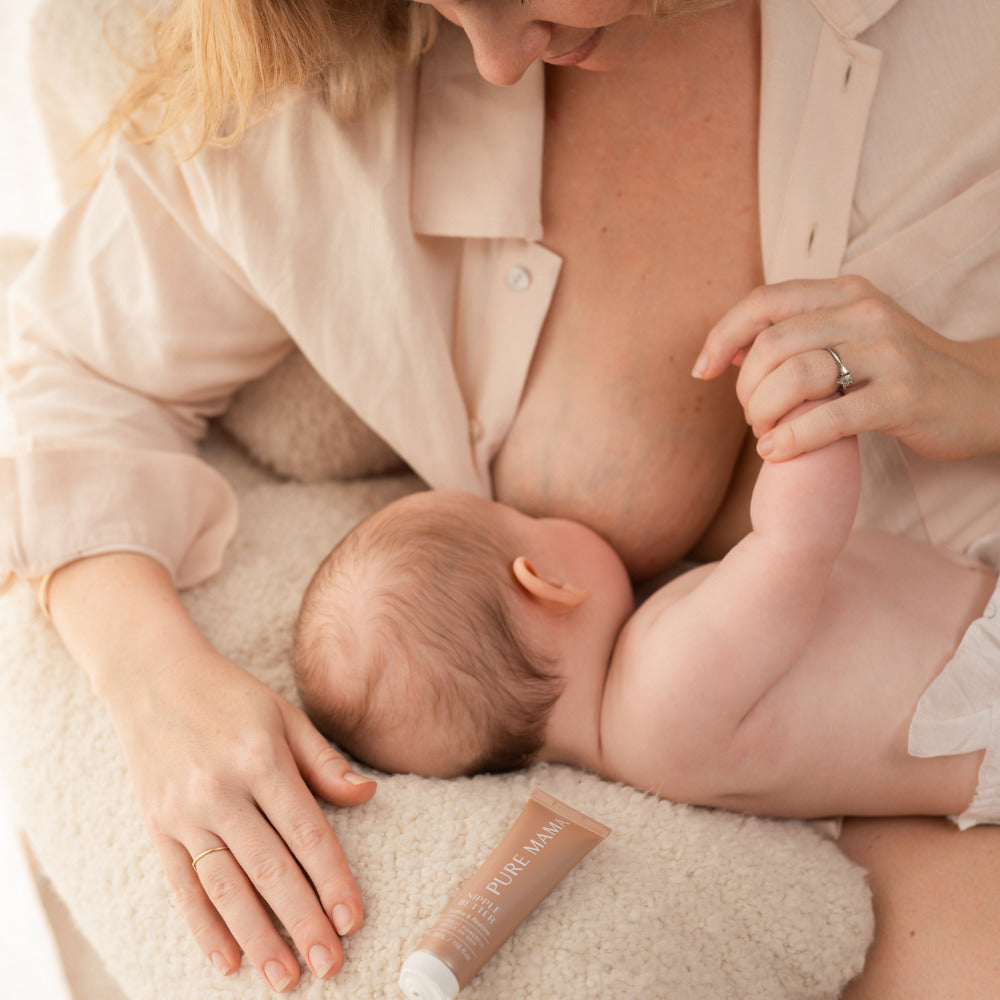


Nipple Butter
Nipple Butter
SKU:PMNB01
In stock
Couldn't load pickup availability
Overview
Overview
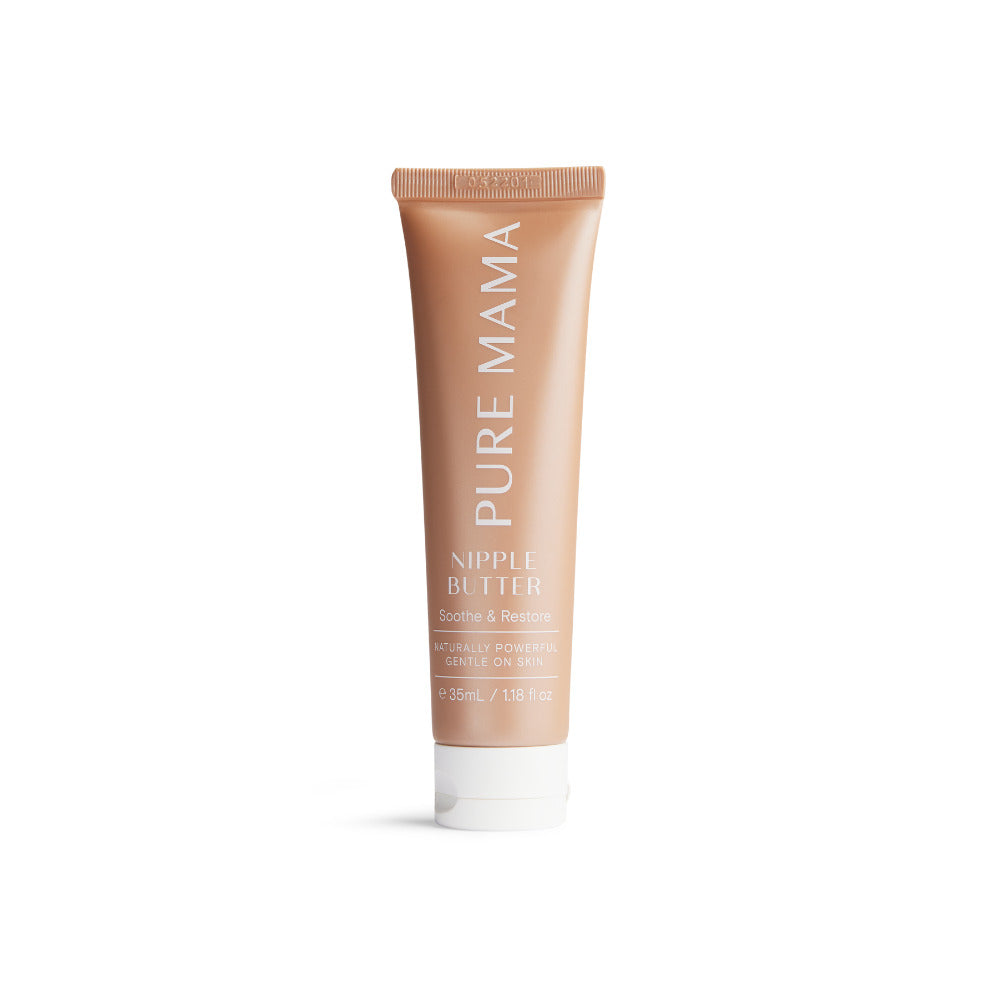
A nipple saviour for breastfeeding Mamas to keep those nips intact. We've got you, Mama!
This 100% natural and organic butter instantly soothes, nourishes and restores dry and cracked nipples. A nutrient-rich and expertly formulated blend, the butter uses the highest calibre , plant-based ingredients including Calendula, NZ Native Kawakawa, Shea Butter, and Marshmallow Root extract to help ease discomforts, restore skin and support skin resilience.
With an easy flip top lid, this non-sticky, gentle buttery balm is fragrance and lanolin free, plus there is no need to wash off before feeding.
Key Features
Key Features
Technical Specification
Technical Specification
User Guide
User Guide
Delivery and Returns
Delivery and Returns
- Delivery: Free within NZ on orders over $130 (excluding bulky items) or $8 standard shipping
- Returns: Accepted within 14 days of receipt with proof of purchase
- Some items are excluded from returns including sale items, hardware, car seats, prams, monitors and personal items - please click here for the full list.
Share this product
Recently Viewed Products
Related Blogs

What to put in your Hospital Go-Bag
The Big Day – Packing Your Bag for Birth The excitement of packing your maternity bag is such a beautiful moment – folding tiny clothes that will soon dress your little one, imagining the moment you’ll finally hold them in your arms. It’s a magical time, but we know it can also feel overwhelming, especially if it’s your first time. It's hard to know what you'll really need! Here’s the good news: the place you’re giving birth is likely just a short distance away from home. Your partner or family will be able to bring anything you forget, so don’t stress about having everything packed perfectly. A really practical way to prepare is to pack two separate bags – one for labour and postpartum, and one for your baby. When things start moving quickly (as they often do), having your essentials for labour in one place makes it easy to grab and go. Your baby’s bag can stay tucked away until it’s needed later. It’s a simple way to stay calm, organised, and focused on welcoming your little one. 🥰 What to Pack in Your Go Bag This bag should contain everything you’ll want need for both the big day and your recovery afterwards. Keeping it all in one place makes it easier for you and your partner to grab what you need when the time comes. Here are our recommendations, these are not all essential but many women find all of these items have helped them feel cool, calm, and collected, and make their experience a bit more comfortable. We also have a downloadable list here. For your labour and birth: Comfortable clothes for labour – whether that’s your favourite baggy t-shirt, bikini top, or nightie (or even nothing at all!) - wear what makes you feel at ease A pillow from home – comfort is key, and something familiar can help you relax Lip balm to keep your lips hydrated Hair ties or bands to keep your hair out of your face A drink bottle with a sipper top for easy hydration TENS machine or other birth aid if you if you plan to use one – we love Your Birth Weapon Music to create a soothing environment (you could create your own birth playlist!) A quick sugar hit, like jelly snakes or barley sugars, to give you energy when needed, and some high protein snacks for your and your partner like muesli bars, nuts or jerky. Electrolyte drinks are also a great way to help your body hydrate, and provide a bit of a boost. Mobile phone and charger, and a camera if you want to capture special moments For after your birth: Any regular medications you currently take Comfortable clothes and PJs for you to change into once you’ve delivered your little bundle of cuteness. And your dressing gown if you’re a dressing gown gal! Toiletries such as shampoo, soap, toothbrush and toothpaste, your hairbrush – whatever you use everyday Post Birth Care – This Pure Mama Spray is serious lifesaver to help ease any discomfort. Pair it with some postpartum undies and a soothing insert - this is the ultimate combo! A maternity bra – a maternity bra will help make things more comfortable when your milk comes in. Silverettes and Nipple Cream – The Silverettes will protect your nipples between feeding and pumping during the early days of breast feeding while your body is still getting used to the new normal. This Nipple cream by Pure Mama will help soothe discomfort. More snacks Bring a few of your favourite snacks - you'll be doing alot of sitting in those first few days and you'll need to keep your energy up. We also recommend lactation cookies – they are soo delicious and really help to support your milk come in. Two changes of clothes for your partner just in case What to Pack for Baby 🐣 Your baby’s bag should include everything they’ll need during their first few days with you. Here’s what you’ll want to pack: Clothes for baby - Warm onesies, bodysuits, pants, cardigans, socks, beanies, and booties. We’d recommend packing for two days, so three of each item should be perfect. Plus you can’t forget the special going home outfit! 📸 Our Dimples Merino range is perfect for newborns ❤️ Cotton or merino wraps for swaddling and a soft blanket for warmth White noise machine (the YogaSleep Hushh is a great option) to help settle baby Newborn nappies and Water Wipes - make sure you choose gentle products, with no perfume A stretchy wrap for carrying baby if they get unsettled Car seat – make sure it’s installed safely and ready to go home with baby (test it beforehand!) Dimples have a wide range of capsules and carseats available if you have not already purchased one. With everything packed and organised, you’ll feel more relaxed and ready for the big day. Remember, there’s no need to have everything perfect, and you absolutely don’t have to have everything on this list to have a wonderful, positive and beautiful experience! Focus on the amazing journey ahead, and know that you have everything you need for your baby’s arrival. You’ve got this, and we’re here to support you every step of the way.
Learn more
Health Tips for Pregnant Mums
Written by Kylie Stowe www.nourishedclinic.co.nz My name is Kylie. I am a mum of four, a Nutrition & Health Coach, and a Mindfulness Teacher.Being a busy mum myself, I’m drawn to nutrition and wellbeing for mums – an area of health that is often undervalued. Over the coming months, I’m really excited to share some practical tips, recipes and personal experiences to help you navigate these beautiful, yet sometimes challenging, times. I’m thankful that the team here at Dimples saw the need to go beyond supplying beautiful baby goods to also nourish and care for our mums. Health Tips for Pregnant Mums Focus on whole, unprocessed, nourishing foods There is a lot of pressure on pregnant mums to eat the ‘perfect diet’. This can be incredibly confusing due to the overwhelming amount of conflicting information out there. You’re not alone if this has been a source of guilt – especially when morning sickness makes eating anything but iceblocks and dry crackers impossible. Just remember, you do what you have to do to get through those early months. Nutrient requirements during pregnancy are higher, and supporting a growing baby can often deplete your own stores. Building meals from whole, unprocessed foods is a great option, as they’re rich in essential nutrients. Heavily processed foods are often low in nutritional value – hence the term “empty calories”. Think: Good quality protein such as free-range or grass-fed meats, seafood, eggs, legumes, nuts, and seeds At least four serves of colourful vegetables and two serves of fruit Whole grains like quinoa, steel-cut oats or brown rice Pasteurised dairy (if tolerated) Healthy fats like extra virgin olive oil and avocado If morning sickness makes meals tricky, smoothies can be a great way to get nutrients in. My go-to was Nuzest’s Clean Lean Protein (a high-quality powder with no fillers), nut butter, banana, berries, greens and almond milk. Hydration is also important. Aim for two glasses of water on waking (we often wake dehydrated), and another two litres throughout the day. After the first trimester, 1–2 cups of pregnancy-safe tea (like Artemis Pregnancy Tea) can also be helpful. If nausea makes hydration hard, try small sips often. Diet alone can’t always meet every nutritional need – a good quality prenatal supplement containing folate, iodine, vitamin D and DHA is a smart addition. Always speak to your LMC or health professional about what’s right for you. Movement is also important – even just a walk outdoors. The fresh air and added vitamin D boost mood, support the immune system and help with joint and fitness health during pregnancy. There are also great prenatal fitness and yoga classes available – these are wonderful for connecting with other mums-to-be. Some of the mums I met through yoga have become lifelong friends and a valuable part of my motherhood support network. I always say: aim for progress, not perfection when it comes to health and nutrition. Recognising that this is an ongoing journey can ease the pressure of trying to get it “just right”. If you’d like to dive deeper into prenatal nutrition, I highly recommend dietitian Lily Nichols’ book Real Food for Pregnancy. It’s full of great information and recipes. Kylie Stowewww.nourishedclinic.co.nz
Learn more
Pretty Brave Shoes: A Guide to Little Feet
Little feet have a lot of growing and exploring to do! From those first little steps to running, playing and discovering the world, choosing shoes that are comfortable and designed to move with them is an important part of every stage.
Learn more
Trouble sleeping? Finding The Right Sleep Aid
Sleep Struggles? These Soothers Might Just Save Your Sanity 😴 White noise and gentle sound machines help to mask the everyday background noise that can disturb your little one's rest. Think: older siblings, barking dogs, or the neighbour deciding now’s the time to mow the lawn. These soothing sounds - like a heartbeat, waves, or soft shushing - can create a more consistent, calming sleep environment and help baby settle more easily. Darkness can make a big difference too. A dark room helps reduce visual stimulation and can support your baby’s natural sleep cues, which is especially handy for daytime naps, early bedtimes and those bright summer evenings. If light is sneaking in around curtains or you’re sleeping somewhere unfamiliar, a portable blackout blind can help create a darker, more consistent sleep space wherever you are. We’ve curated a handy Quiz to help you make a decision, plus a small but mighty collection of trusted sleep soothers and calming aids below, that can help take the edge off bedtime - for both you and your baby. Love to Dream Sleep Machine Creating a familiar, calming sound environment is a great way to help signal to baby that it’s time to sleep. The Love to Dream Sleep Machine offers nine soothing sounds, including white, pink and brown noise, rain, shushing and womb sounds, helping to mask everyday household noises that might otherwise disturb naps or nighttime sleep. It even has a clever cry detection feature which automatically starts your chosen sound if baby stirs! It's got a soft red and warm white nightlight function which is super handy for those 3am feeds and changes. Being rechargeable with up to 22 hours of battery life it's perfect for travelling moments too! YogaSleep Nod Sound Machine and Night Light The YogaSleep Nod is the ultimate stay-at-home sleep station, perfect for setting up a consistent, calming bedtime routine in the nursery. It features 20 sleep sounds, including white noise, fan sounds, lullabies, and nature tracks, so you can tailor the soundscape to your baby’s preferences. What makes it a standout? The built-in nightlight, which emits a warm amber glow to create a peaceful sleep space without overstimulating your baby. You can also set sleep timers or run it all night long, ideal for little ones who are easily stirred. Simple, soothing, and super customisable, the Nod helps create the kind of sleep environment you’ll both appreciate. Purflo Total Blackout Blinds Light can make a huge difference to how easily your baby settles, especially for daytime naps, early bedtimes or those bright summer evenings. The Purflo Total Eclipse Portable Blackout Blind helps create a dark, calming sleep environment by blocking out unwanted light, making it easier to keep baby’s sleep space feeling consistent. It easily attaches securely to windows using over 100 suction cups and can be adjusted to suit smaller windows, so it’s handy at home as well as when travelling or staying with family. Even better, it folds neatly into its own storage pocket, making it an easy sleep essential to have on hand. Storytime and Soothing Light for Sweet Dreams Another beautiful way to support your child’s sleep is by building a calming, familiar bedtime routine - and the CloudBox™ helps make that easy. This clever little device plays comforting bedtime stories while gently projecting sleepy visuals onto the ceiling or wall. With a soothing mix of audio and light, it creates a multisensory environment that helps children wind down at the end of the day. You can choose from the preloaded stories or record your own – a lovely way to keep bedtime personal, even when you can’t be there in person. Repeating the same story or image each night can become part of your child’s sleep ritual, providing a sense of security and consistency they can count on. Simple to use and designed for children from birth and up, the CloudBox™ is a thoughtful addition to any nighttime routine – helping little ones feel calm, safe, and ready for sleep. Supporting Sleep, Naturally For many families, Magnesium Rescue has become a much loved part of their wind-down ritual. This gentle, topical formula is made from natural ingredients and can be massaged into your child’s back, tummy, or feet at bedtime. It’s designed to help support a relaxed nervous system – a simple, non-invasive way to encourage calm before sleep. Another lovely option is the Bedtime Bestie - a lightweight magnesium mist infused with calming lavender, designed to support relaxation and make bedtime a little easier. Simply spritz it onto your child’s back or feet as part of your evening routine. It’s a fuss-free way to help little bodies and busy minds slow down – one small spray at a time. Shop Sleep Saviours at Dimples now Whether you’re trying to improve naps, master the bedtime routine, or just desperate for an extra hour of sleep, our range of sound machines and calming sleep aids are here to help. Browse the full collection in-store or online and find the right fit for your baby (and your sleep-deprived self).
Learn more