My name is Kylie. I am a mum of four, a Nutrition & Health Coach, and a Mindfulness Teacher. Being a busy mum myself, I’m drawn to nutrition and wellbeing for mums – an area of health that is often undervalued.
Over the coming months, I’m really excited to share some practical tips, recipes and personal experiences to help you navigate these beautiful, yet sometimes challenging, times. I’m thankful that the team here at Dimples saw the need to go beyond supplying beautiful baby goods to also nourish and care for our mums.
Health Tips for Pregnant Mums
Focus on whole, unprocessed, nourishing foods
There is a lot of pressure on pregnant mums to eat the ‘perfect diet’. This can be incredibly confusing due to the overwhelming amount of conflicting information out there. You’re not alone if this has been a source of guilt – especially when morning sickness makes eating anything but iceblocks and dry crackers impossible. Just remember, you do what you have to do to get through those early months.
Nutrient requirements during pregnancy are higher, and supporting a growing baby can often deplete your own stores. Building meals from whole, unprocessed foods is a great option, as they’re rich in essential nutrients. Heavily processed foods are often low in nutritional value – hence the term “empty calories”.
Think:
Good quality protein such as free-range or grass-fed meats, seafood, eggs, legumes, nuts, and seeds
At least four serves of colourful vegetables and two serves of fruit
Whole grains like quinoa, steel-cut oats or brown rice
Pasteurised dairy (if tolerated)
Healthy fats like extra virgin olive oil and avocado
If morning sickness makes meals tricky, smoothies can be a great way to get nutrients in. My go-to was Nuzest’s Clean Lean Protein (a high-quality powder with no fillers), nut butter, banana, berries, greens and almond milk.
Hydration is also important. Aim for two glasses of water on waking (we often wake dehydrated), and another two litres throughout the day. After the first trimester, 1–2 cups of pregnancy-safe tea (like Artemis Pregnancy Tea) can also be helpful. If nausea makes hydration hard, try small sips often.
Diet alone can’t always meet every nutritional need – a good quality prenatal supplement containing folate, iodine, vitamin D and DHA is a smart addition. Always speak to your LMC or health professional about what’s right for you.
Movement is also important – even just a walk outdoors. The fresh air and added vitamin D boost mood, support the immune system and help with joint and fitness health during pregnancy. There are also great prenatal fitness and yoga classes available – these are wonderful for connecting with other mums-to-be. Some of the mums I met through yoga have become lifelong friends and a valuable part of my motherhood support network.
I always say: aim for progress, not perfection when it comes to health and nutrition. Recognising that this is an ongoing journey can ease the pressure of trying to get it “just right”.
If you’d like to dive deeper into prenatal nutrition, I highly recommend dietitian Lily Nichols’ book Real Food for Pregnancy. It’s full of great information and recipes.
This soothing Magnesium Butter is a gentle, effective way to support much needed sleep, especially for restless little ones, and it’s safe for pregnant women too.
Magnesium is a vital mineral known for its calming properties, helping to relax the nervous system by binding to GABA receptors, which can ease the body into a more restful state and support deeper, more restorative sleep.
Applied topically, this butter allows magnesium to absorb directly through the skin - bypassing the digestive system for faster, more effective results. It’s ideal for bedtime, helping to calm busy minds and tired bodies, while also relieving muscle cramps, tension, and growing pains.
Alongside promoting better sleep, magnesium plays an important role in mood regulation, digestion, and reducing inflammation. It also supports healthy bones, muscles, and immune function, making it a powerful all-rounder for growing children and expectant mums alike.
Please note: this is a butter, not a balm, and will melt in warm conditions. Store in a cool place to keep it solid, and simply chill to reset if it softens
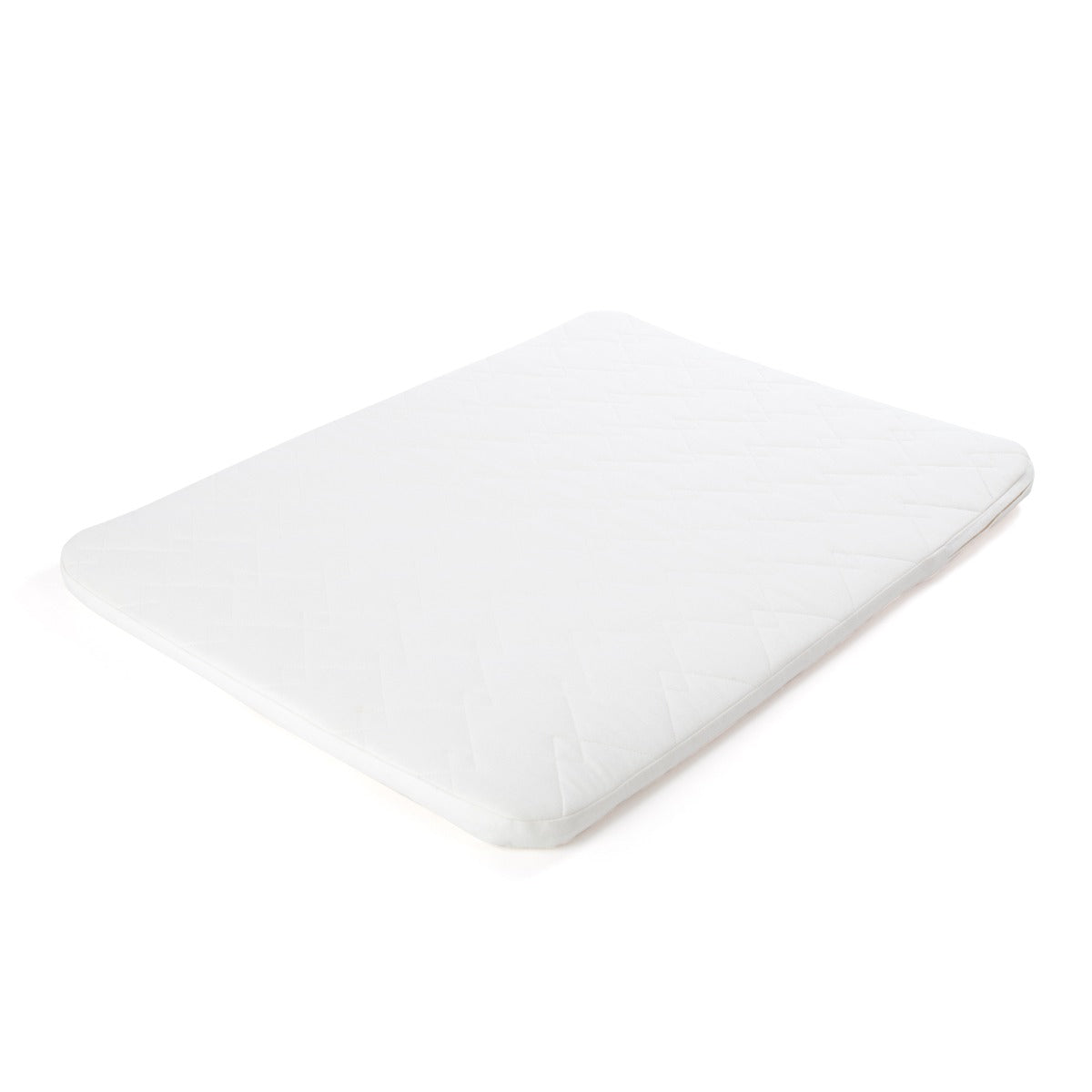
Choosing the right mattress is one of the most important decisions you’ll make for your baby. Little ones are more sensitive to chemicals than adults, which is why these Baby Mattresses are crafted without plastics, solvents, or harmful chemicals that could compromise their health and comfort.
This mattress by Innature is made from natural rubber latex foam, sourced from sustainably grown and harvested Rubber Trees (Hevea Brazilensis) in Malaysia. Renowned for its therapeutic benefits, natural latex provides optimal posture and lumbar support while relieving pressure points. This helps reduce restlessness, allowing your baby to enjoy deeper, more restorative sleep.
Free from fillers or additives, the latex also offers excellent insulation, naturally wicking away moisture while remaining dry to the touch. Designed for both safety and comfort, and will fit snuggly into a Sena portacot at both heights.
Please note: This mattress is to replace the standard Sena Portacot mattress that would have come with your cot, and should only be used for babies who are older than 6 months. This swap is not compulsory, but some babies prefer a softer sleep surface when they get a little bit older.
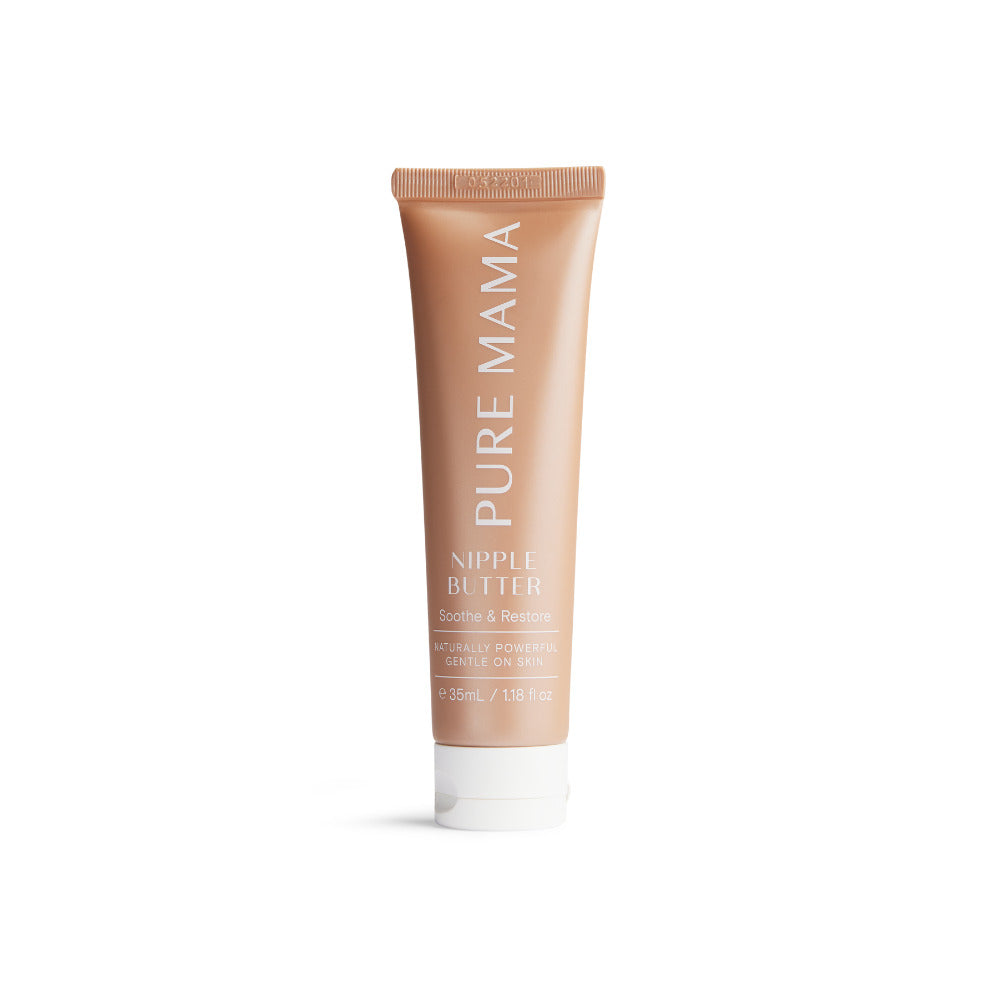
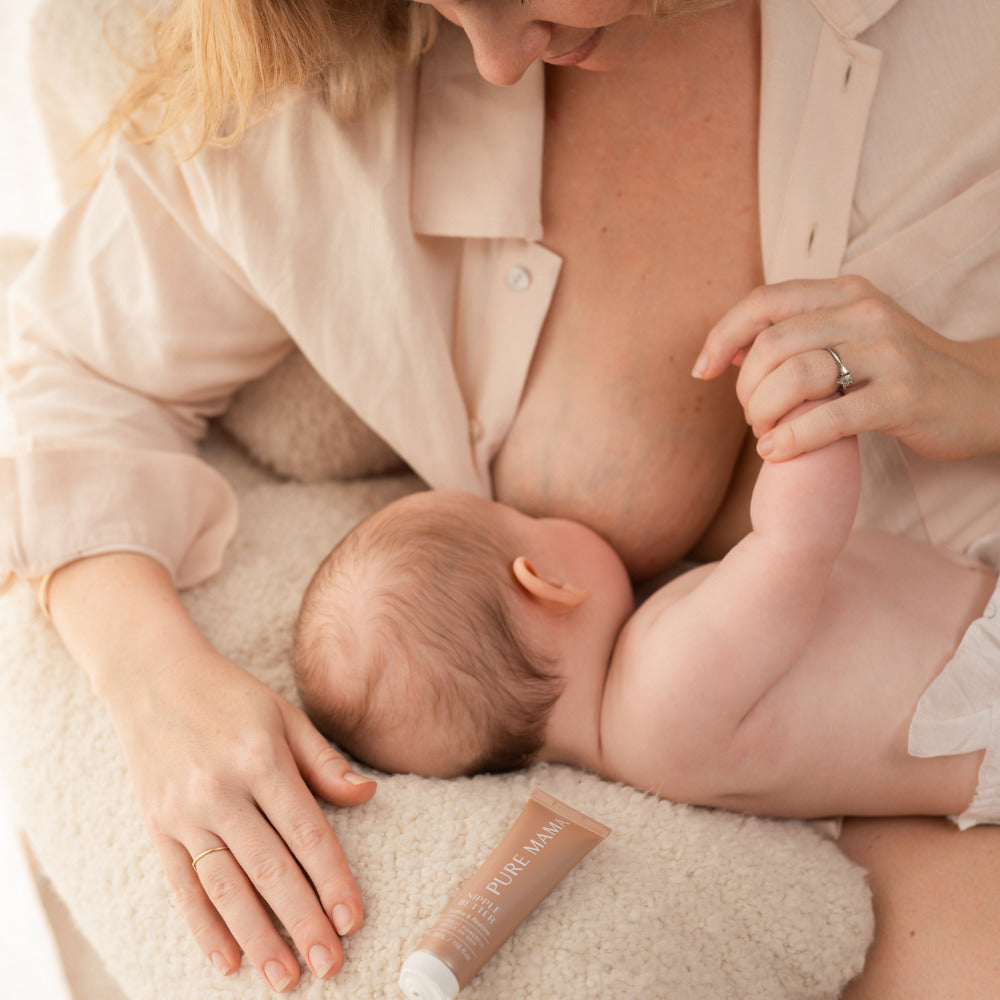
A nipple saviour for breastfeeding Mamas to keep those nips intact. We've got you, Mama!
This 100% natural and organic butter instantly soothes, nourishes and restores dry and cracked nipples. A nutrient-rich and expertly formulated blend, the butter uses the highest calibre , plant-based ingredients including Calendula, NZ Native Kawakawa, Shea Butter, and Marshmallow Root extract to help ease discomforts, restore skin and support skin resilience.
With an easy flip top lid, this non-sticky, gentle buttery balm is fragrance and lanolin free, plus there is no need to wash off before feeding.
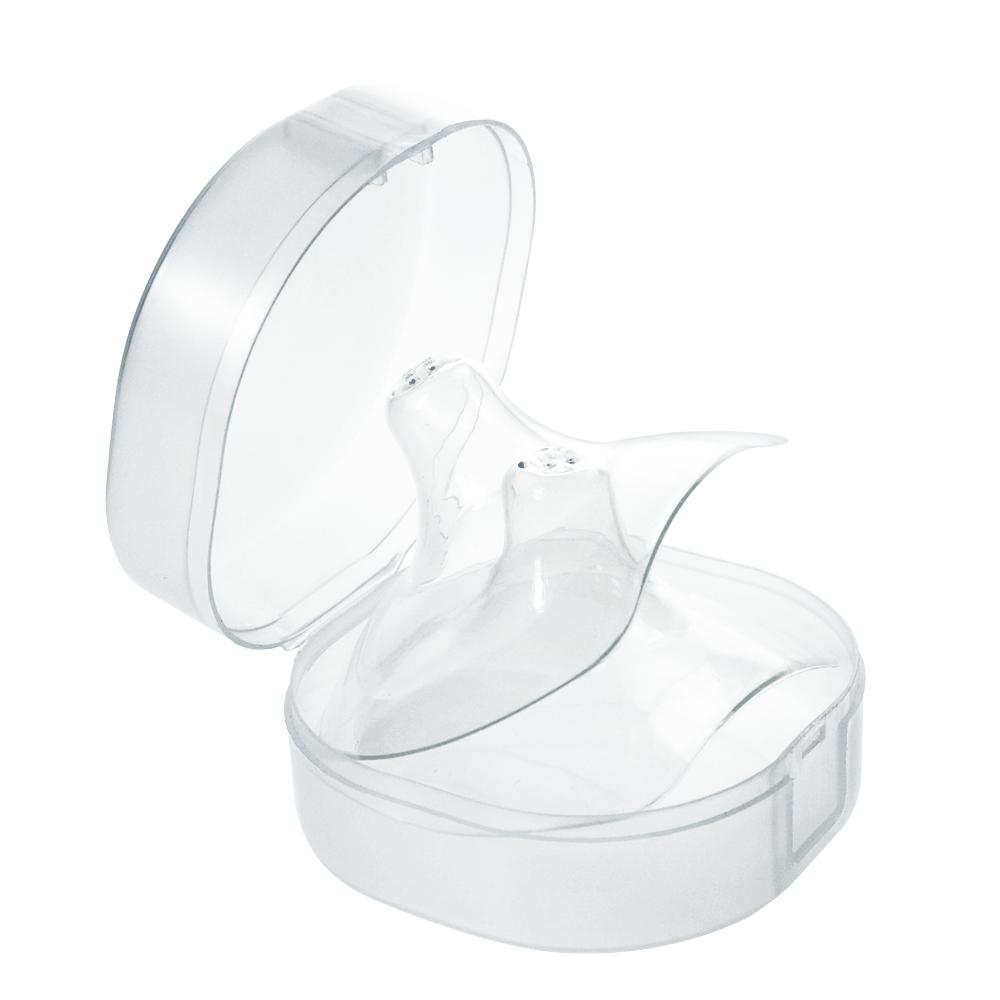
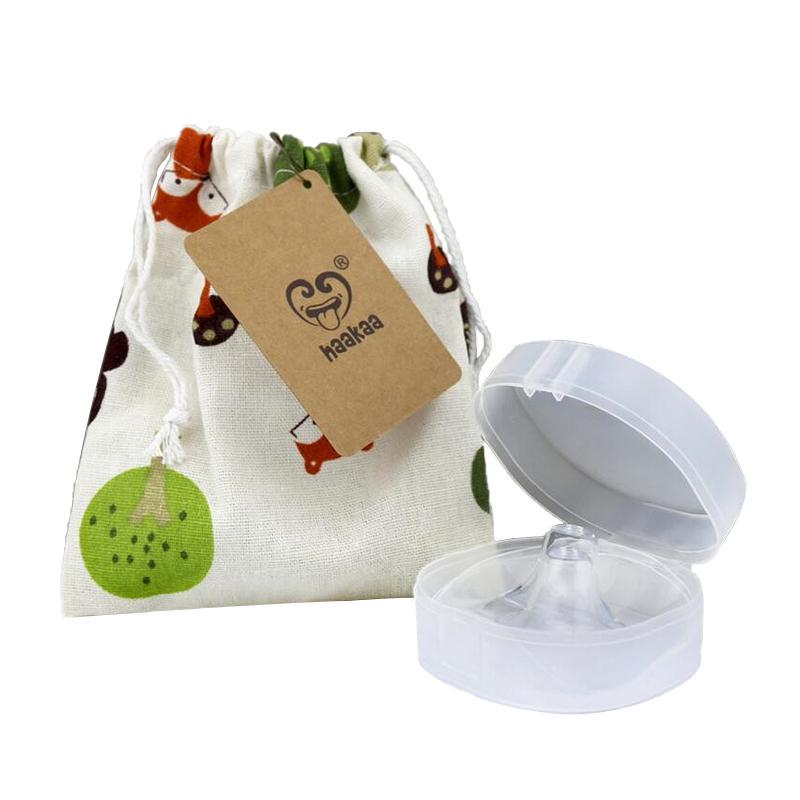
If you're a mum with sore and raw nipples because of breastfeeding, Haakaa's Silicone Nipple Shields can help.
As we all know, breastfeeding can require a bit of practice for most mums. The Haakaa Silicone Nipple Shields are an effective tool for helping mums who are having latch issues related to a premature or ill infant, flat or inverted nipples, tongue/lip tie, an overactive let-down or simply just getting used to the whole breastfeeding action.
Being ultra-thin, the soft silicone moulds to your breast, also warming with your body providing a natural and comforting feel for both mum and baby.
Haakaas' Silicone Nipple Shields have an opening that's 18 mm in diameter for your nipple.
Welcome to our new Pregnancy and Postpartum Range, a range to support a mother and her needs, and suitable to take throughout motherhood, from conception, to pregnancy, to breastfeeding, postpartum and beyond.
Born out of our struggles, and our desire to help all mums with theirs, no matter what time of the day, no matter how you look, no matter what stage of motherhood you are at, we want to help you feel like you are doing your best for your family.
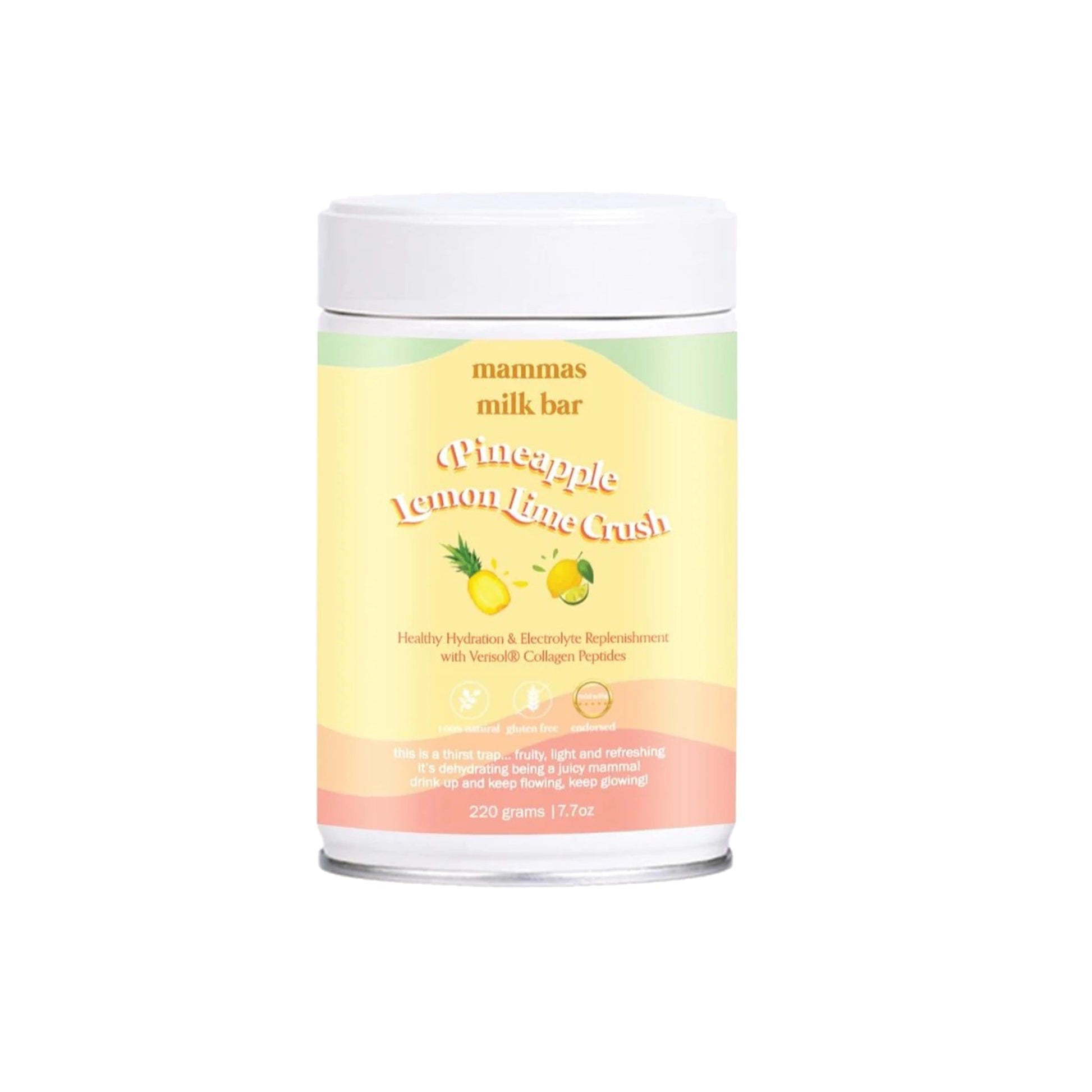
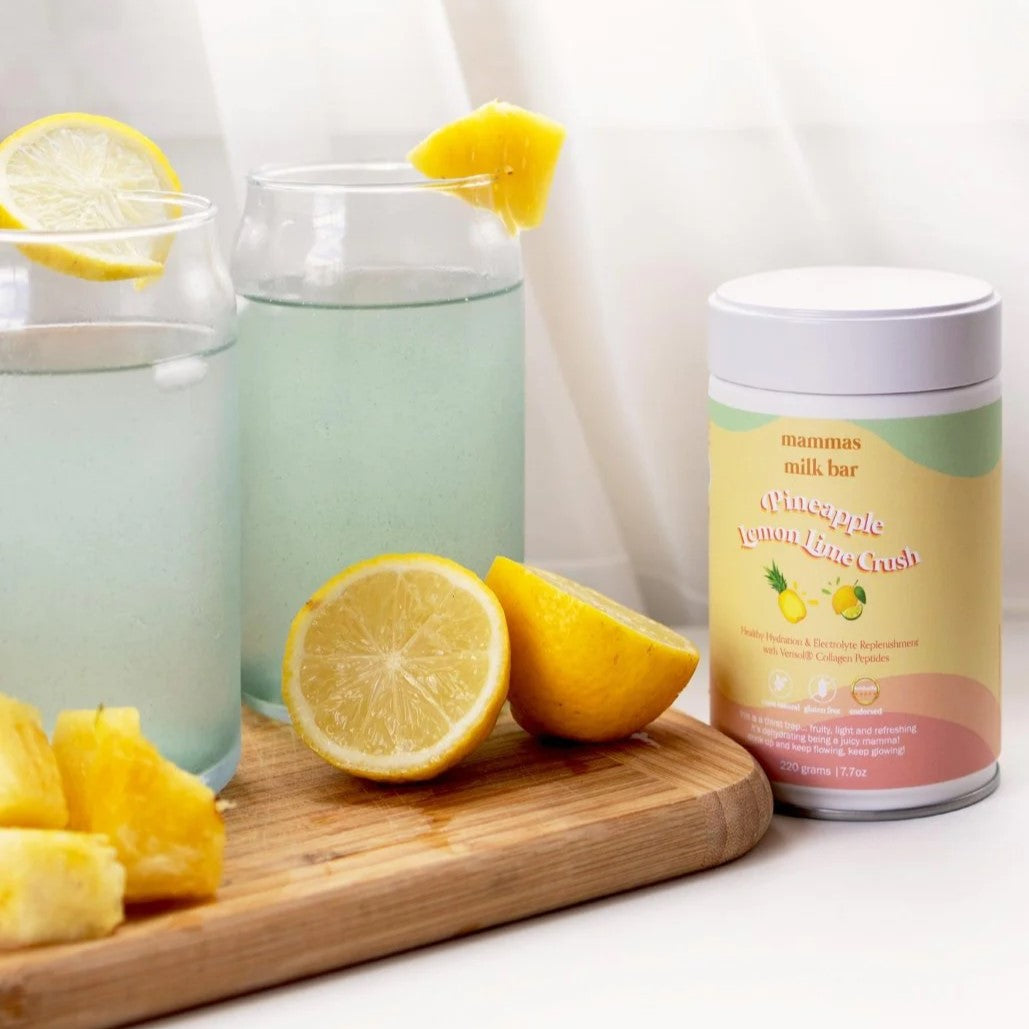
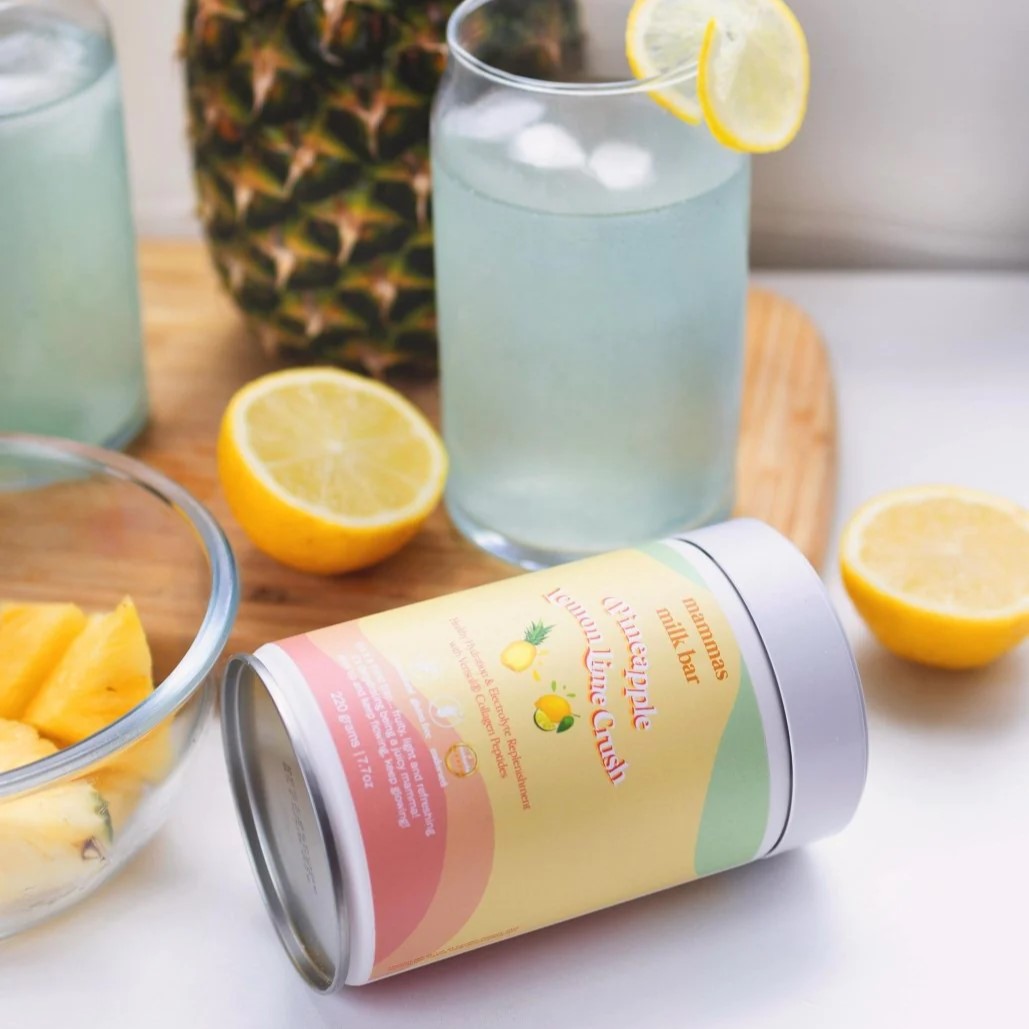
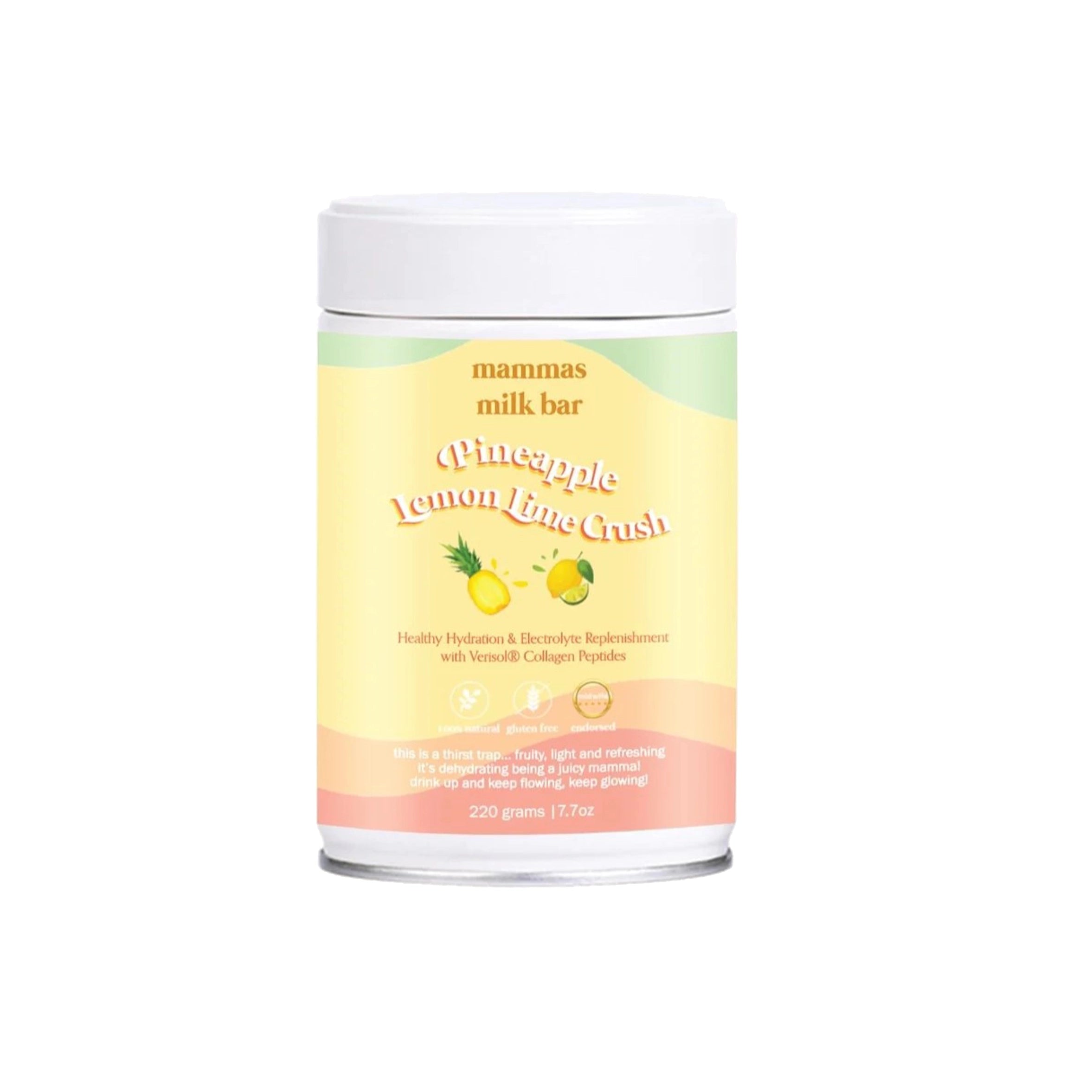
Say hello to our Watermelon Mango Crush Hydration Electrolyte Drink (with Verisol Collagen)
Introducing our own hydration electrolyte drink endorsed by midwives.
It's hard work being a mamma! We've got to get you hydrated to keep you going through the main things in life, growing baby, birthing baby, feeding baby. That's why we're here to hydrate you so you can keep going.
Our specially formulated electrolyte hydration blend with 800mg of VERISOL® collagen per serve, is 100% Natural, made with organic coconut water (rich in magnesium!) and vital electrolytes and minerals such as potassium, and sodium, along with superfoods like heirloom organic mango and organic dragonfruit! We've used water rich fruits, along with a special electrolyte blend to help you stay hydrated!
VERISOL® collagen is one of the worlds highest quality collagen peptides. A patented and premium collagen backed by science and numerous studies, VERISOL® is sourced from grass-fed, pasture-raised bovine.
VERISOL® is a bioactive collagen peptide and safe and beneficial for pregnancy, breastfeeding and postpartum, including helping out with postpartum hair loss, stronger hair and nails, stimulate skin elasticity and improve cellular hydration in your body. More hydration love for you!
Say goodbye to yellow pee, this drink will have you happily hydrated to keep your mind, and body flowing.
Sometimes, sitting down with a warm cup of tea is exactly what you need!
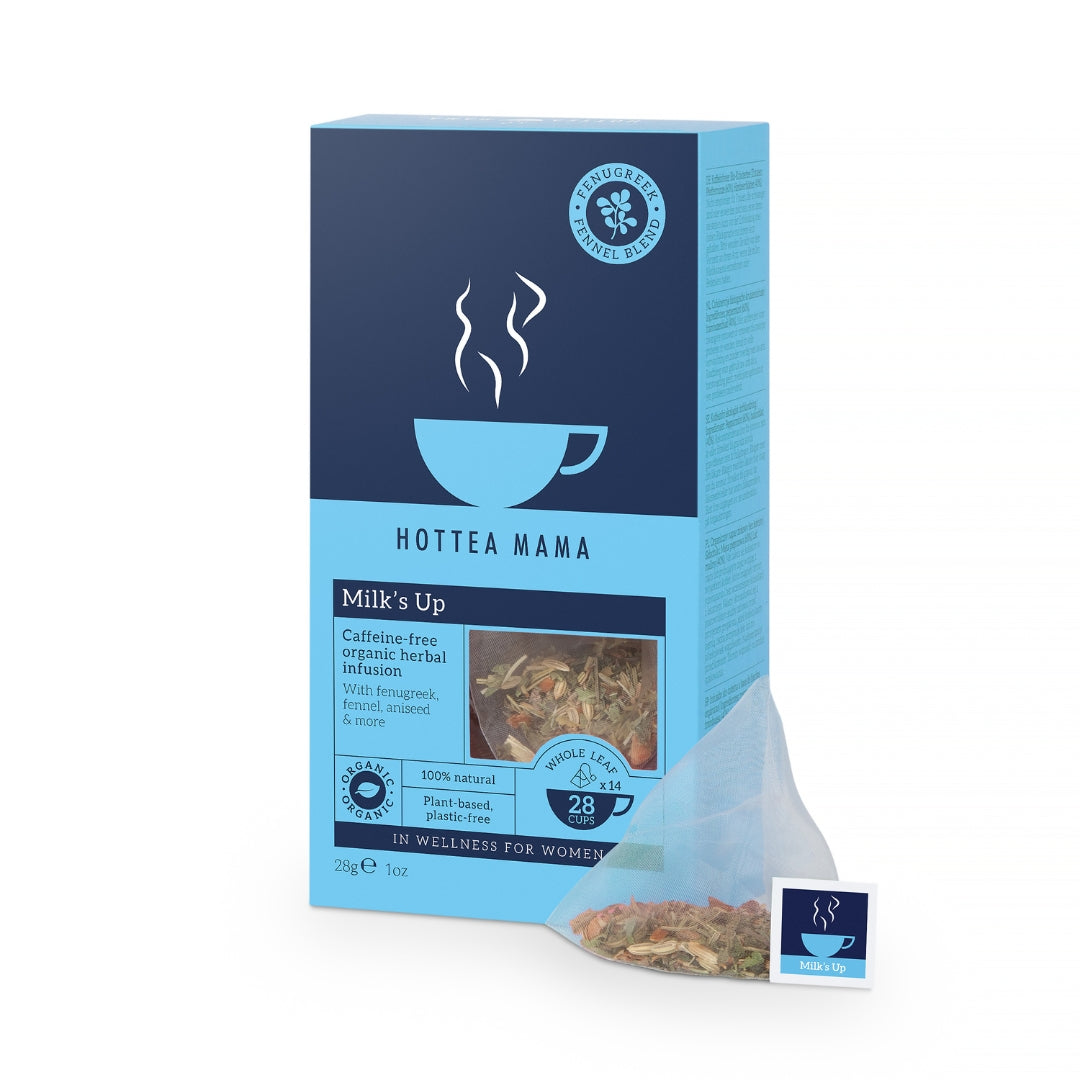
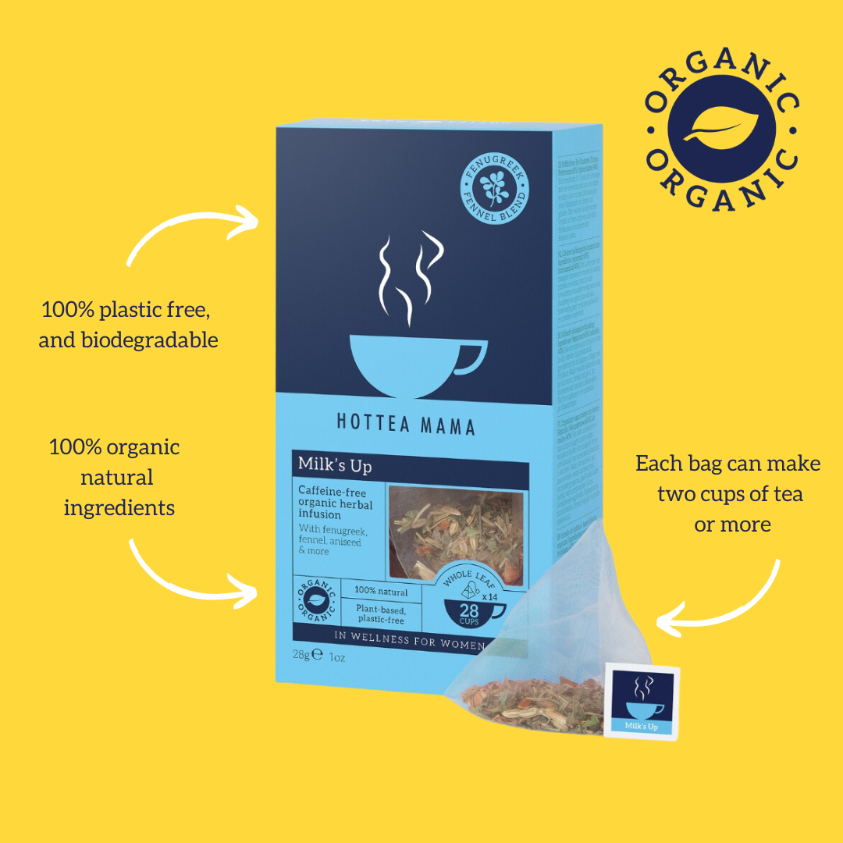
Milk’s Up Breastfeeding Support Tea is a caffeine free organic herbal blend created with nursing mums in mind. It combines fennel, fenugreek, nettle, lemon verbena, rosemary and aniseed - these are all herbs that have traditionally been used to support lactation and breastfeeding mothers.
The flavour is naturally sweet, aromatic and easy to drink, making it a simple little ritual to work into your day.
Some of the herbs in the blend, particularly fennel and fenugreek, have been studied for their potential role in supporting milk supply. These ingredients have a long history of traditional use for lactation support during breastfeeding. And because it is completely caffeine free, you can enjoy a cup without adding extra caffeine to your day.
Warm. Comforting. Easy to make.... A small moment for you, during a stage of life that can ask a lot!
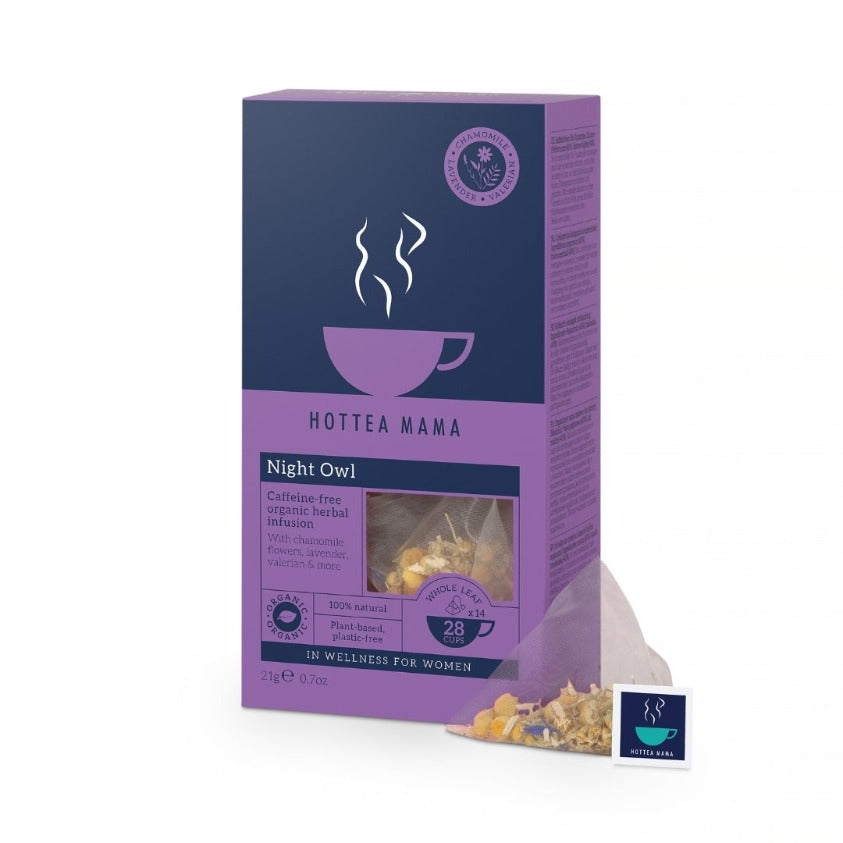
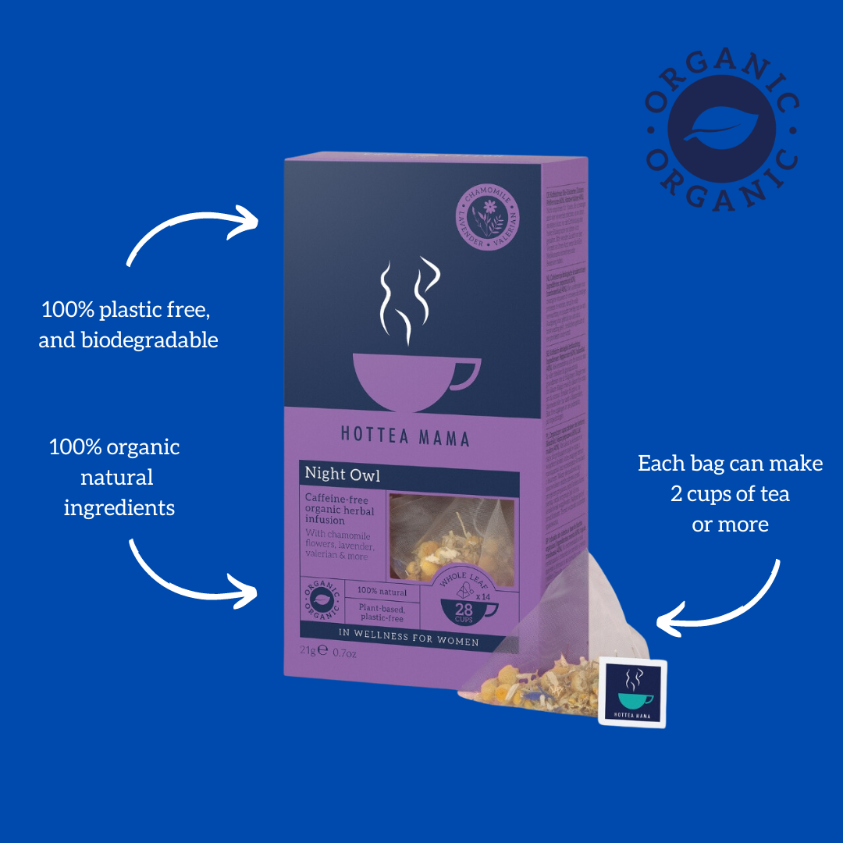
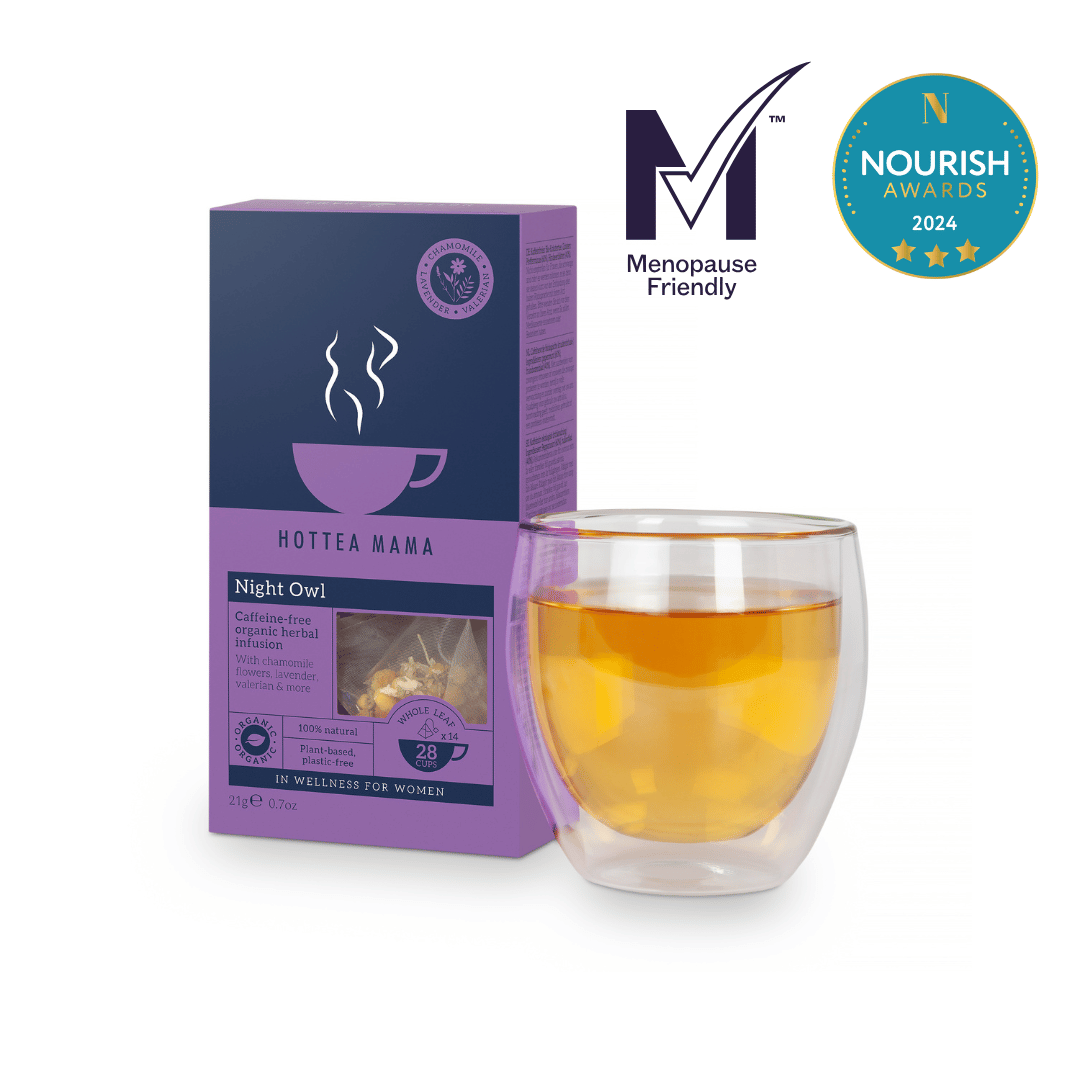
If days and nights seem to blur together, this carefully balanced blend of calming herbs will soothe the soul. With natural, organic botanicals used for centuries to support sleep, it truly feels like a hug in a mug.
The thoughtfully crafted mix of natural ingredients is known for easing stress and promoting calm and restful sleep. Completely caffeine-free, it is suitable for low caffeine diets, including breastfeeding and menopause, though it is not recommended during pregnancy. Made from 100% organic natural ingredients, it is also 100% plastic-free and biodegradable.
Each bag brews two cups of tea, and leaving the bag in allows for a stronger brew. Night Owl has won several awards, including Best Maternity Product at the 2019 UK Baby Awards.
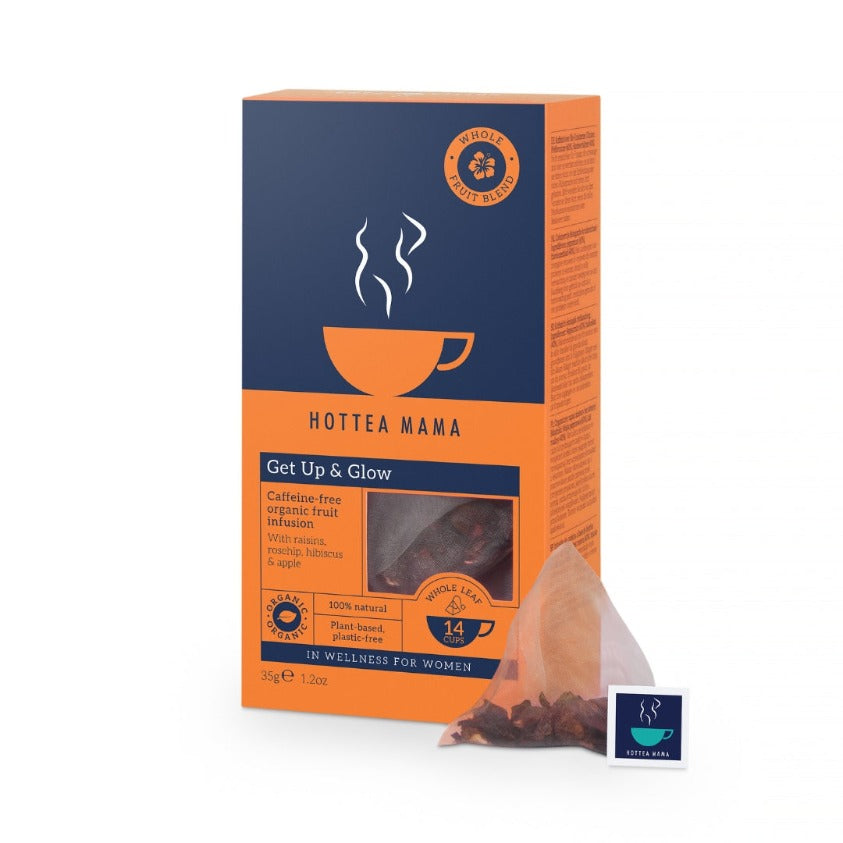
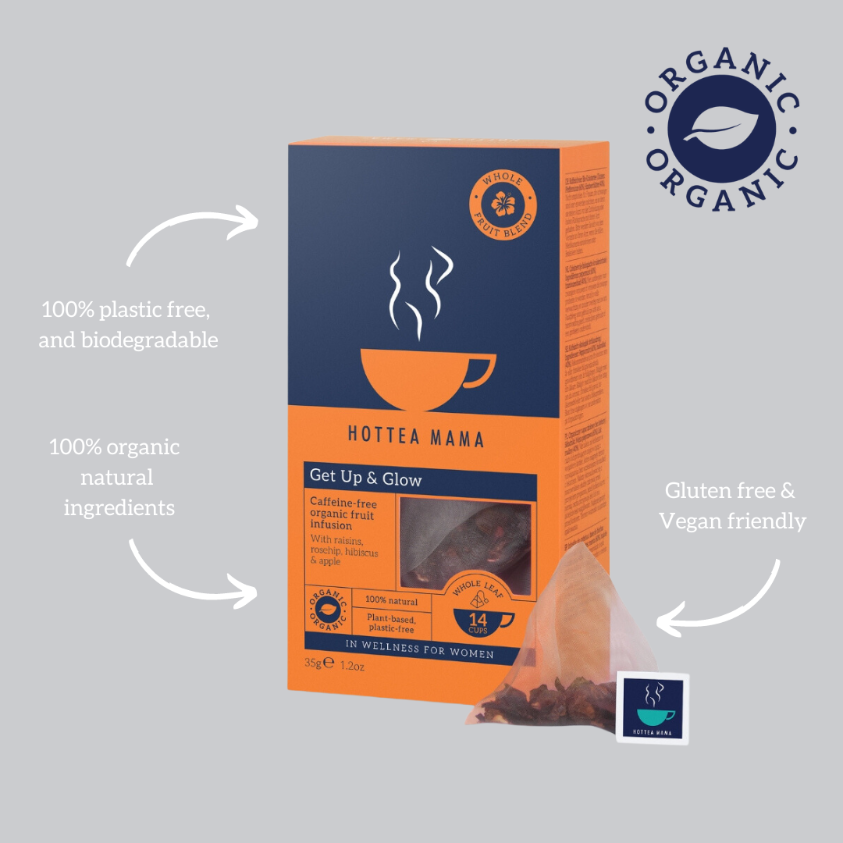
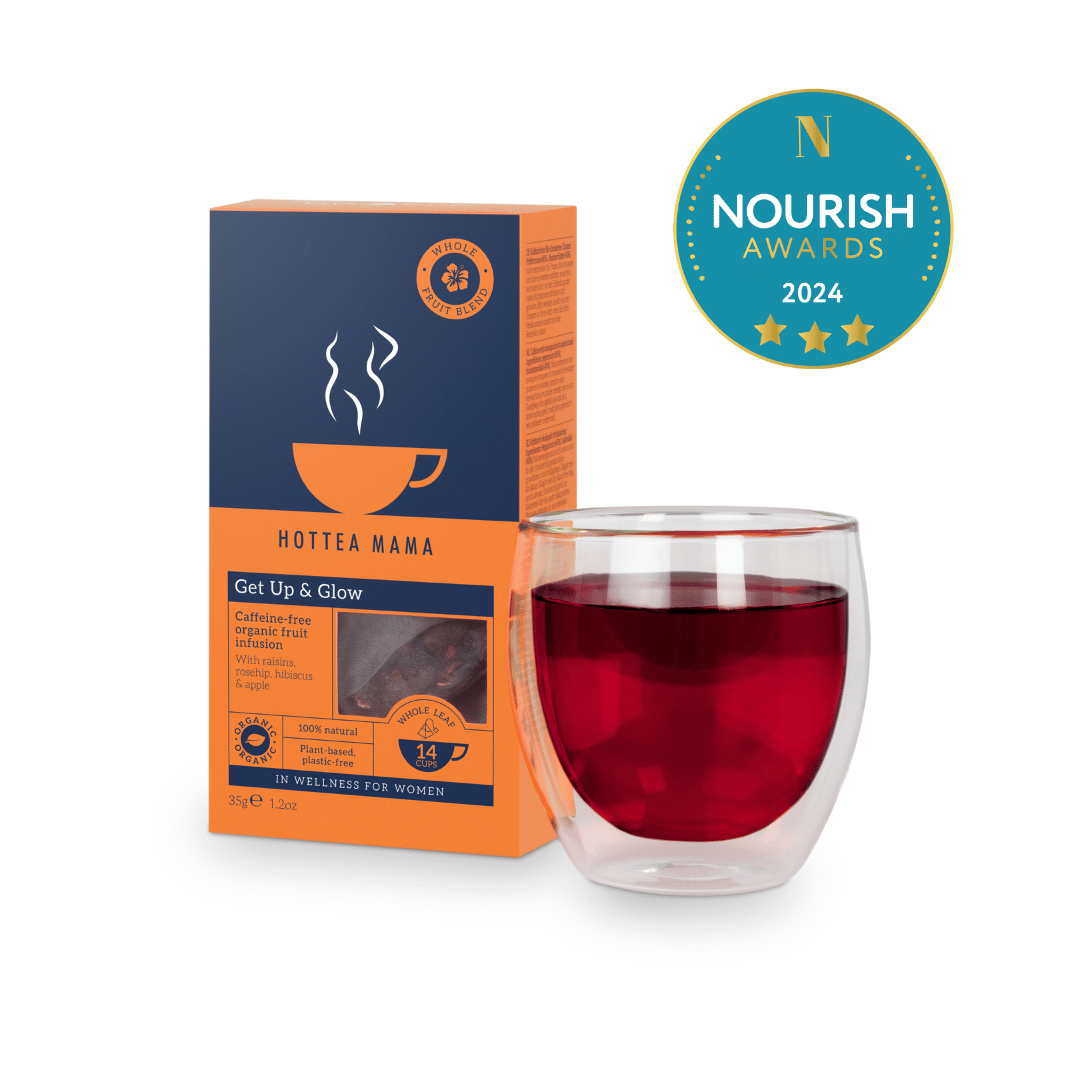
Get Up & Glow is a bright, fruity and completely caffeine-free tea made with organic grapes, apple, rosehip and hibiscus.
Sweet, tangy and tropical, it gets its flavour naturally from real fruits and flowers, with no added flavourings or unnecessary extras. Grapes bring a gentle sweetness, while hibiscus and rosehip add that fresh, zingy finish that makes this an easy cup to reach for when you need a bit of a lift.
Created with pregnancy and beyond in mind, Get Up & Glow is a lovely caffeine-free alternative for anyone looking to reduce their caffeine intake.
And there’s no compromise when it comes to the tea bag either. Each pyramid bag is plant based, plastic free and biodegradable, with plenty of room for the ingredients to infuse and release their natural flavour.
The Final Push Raspberry Leaf Tea is a refreshing organic herbal blend created especially for this stage, combining whole raspberry leaf with naturally sweet peppermint for a cup that is easy to enjoy from 32 weeks onwards.
Raspberry leaf has been traditionally used for generations as part of birth preparation, with research exploring its potential role in supporting a shorter second stage of labour. And because raspberry leaf on its own can be quite bitter, this blend combines 40% raspberry leaf with 60% whole peppermint leaf to make it much more enjoyable to drink.
Peppermint also brings its own benefits, traditionally used to support digestion and help soothe heartburn, something many mums know all too well during those final weeks.
Start with one cup a day from 32 weeks and gradually increase as you get closer to meeting your baby. A simple little ritual for the home stretch!
Pregnancy and the postpartum period are times of incredible change, physically, emotionally, and mentally. You’ve entered a brand-new chapter in your life, one filled with love, learning, and sometimes, a little chaos. Your body is adjusting, your hormones are shifting, your routine is changing, and now there’s a tiny person who depends entirely on you.
With such big changes, it’s completely natural to feel overwhelmed at times. These experiences can take a toll on your mental health, no matter how “small” the changes may seem. But one thing is certain, you’re not the first, and you’re not alone.
Mood Swings
Mood swings are incredibly common during pregnancy, postpartum, and even during menstruation. They happen when emotions change quickly or feel more intense than usual. While hormones play a big part in this, mood swings can also stem from things like lack of sleep, changes in routine, or neglecting your own needs.It’s important to care for yourself through these transitions so they feel a little smoother.
Ways to Support Yourself During Mood Swings
Take a walk to clear your mind. Fresh air and gentle movement can work wonders. If your baby has arrived, bring them along so you can both enjoy the change of scenery.
Seek support from loved ones. Whether you need someone to talk to, help with the baby, or just company over a cup of tea, reaching out makes a huge difference. Connection is one of the strongest protectors of mental health.
Create a little “you” space. It could be a cozy corner, a seat by a window, or a sunny spot outside. A quiet place to pause, breathe, and gather your thoughts can bring you back to centre.
Keep up with small acts of self-care. Taking a shower can feel like a luxury with a newborn, but it truly helps. Products like the Nuna Leaf Grow can be a lifesaver, let your baby gently sway while you take a few minutes to refresh. Do your skincare routine, put on a face mask, or spend 10 minutes doing a hobby you love. Even short moments of care help your mind reset. Remember, no matter what you are feeling, your emotions are valid. If your moods are starting to affect your daily life, please reach out to your doctor, midwife, or a mental health professional. Your wellbeing matters deeply, both for you and for your new little family.
Understanding Anxiety
Anxiety has been part of human life since our earliest ancestors. In prehistoric times, it was a survival mechanism helping people stay alert to dangers like predators or the risk of being left out of their group. This “fight, flight, or freeze” response kept them safe.Today, we don’t face the same physical threats, but our brains still use the same alarm system. Instead of warning us about predators, anxiety now shows up in moments like worrying about parenting, work, or social situations, times when it may feel overwhelming or out of place.
Feeling anxious during pregnancy is completely normal. The “what ifs” and the doubts about being a good parent can feel heavy and persistent. Many people experience this, but it’s still something that’s often under-recognised.
There’s an important difference between feeling anxious and living with anxiety. Feeling anxious is a temporary and natural response; anxiety, on the other hand, is ongoing and can impact your daily life and wellbeing.
Common Symptoms of Anxiety
Excessive worry about your baby’s health, birth, or your ability to parent
Physical symptoms like sweating, shortness of breath, or difficulty sleeping
Intrusive or distressing thoughts about your baby
Irritability, restlessness, or difficulty focusing
These symptoms can affect sleep, appetite, and how you function day to day, sometimes even making it harder to bond with your baby.
If your anxiety feels overwhelming, please reach out for support. You do not need to face this alone.
Support in Aotearoa New Zealand
Anxiety NZ: Call 0800 ANXIETY (0800 269 4389) or visit anxiety.org.nz
PADA - Perinatal Anxiety & Depression Aotearoa: pada.nz for help specific to pregnancy, birth, and early parenting
Need to Talk? Text or call 1737 anytime for free, confidential counselling; 1737.org.nz
For Māori whānau, resources like Te Whare Tapa Whā and Whānau Ora offer holistic, culturally grounded support; visit manamokopuna.org.nz.
For Pasifika families, PADA offers programmes such as Tama'ita'i Toa, and you can also explore stories like Sela’s Project: A Mother’s Cry at mentalhealth.org.nz.
Reaching out is a sign of strength, not weakness. Help is available, and you deserve support.
Postpartum Depression (PPD)
After giving birth, some people experience postpartum depression (PPD) or anxiety, sometimes weeks, months, or even years after their baby arrives. It’s something that has existed throughout human history, yet it’s still under-researched and often misunderstood.If you’re experiencing symptoms of depression or anxiety, please know this is not your fault. These feelings do not define your worth or your ability to be a good parent.
Common Symptoms of PPD
Persistent low or flat mood
Frequent irritability or loss of interest in usual activities
Changes in appetite or sleep
Constant fatigue
Trouble concentrating or making decisions
Some parents may also experience distressing intrusive thoughts about their baby. These can feel terrifying or shameful, but having these thoughts does not mean you want to harm your child. They are a symptom of your mental health, not a reflection of who you are.
If you’re struggling with these thoughts or any of the symptoms above, please reach out for help. You are not alone, and there is care available to support both you and your baby. In Aotearoa, you can find support and information through Healthify NZ’s Postnatal Depression.
Finding Your Balance Again
While pregnancy and postpartum can bring moments of uncertainty and emotional ups and downs, they also bring incredible growth, connection, and love. You are learning new things about yourself every single day, how strong you are, how deeply you can care, and how resilient the human heart can be.
Remember, there will be good days and harder ones, but none of them define you as a parent. The difficult moments will pass, and with time, support, and self-compassion, things will start to feel lighter again.
Be gentle with yourself. You are doing one of the most important and beautiful things in the world: nurturing life, both your baby’s and your own.
Take each day as it comes, celebrate the little victories, and remind yourself often: you’ve got this.
Pregnancy and the accompanying hormonal changes can impact your pelvic floor muscles. We’ve asked pelvic health physiotherapist Liz Childs to break down what these important muscles actually do, how pregnancy affects them, and how to make sure they’re working well.
Beyond The Fourth Trimester - A Sustainable Approach To Health
Once the first few months with your new baby have passed you might be feeling like the haze of those early weeks has passed. You also might not be there just yet, just as each baby is different so is each pregnancy and the subsequent postpartum period. This is why it is important to be mindful of not judging how well you are doing based on other mothers who might appear to be completely back to normal with a baby who sleeps all night.
If you are still breastfeeding, many mothers report a drop in milk supply at this point often saying that they no longer feel like their breasts are as full. This is something I experienced with my first baby and thought it meant I was losing my milk supply. It is normal for the initial fullness and engorgement to diminish as your milk supply is more established at this point, and your body has adjusted to supplying what your baby needs. If you do ever feel concerned by this your Plunket nurse, local lactation consultant or the La Leche league are a wonderful source of support & encouragement.
Once those exhausting early months have passed many of the mothers I work with are keen to start focusing on reclaiming their pre-pregnancy bodies and to start dieting and exercising. Focusing on good nutrition and consistent exercise is hugely beneficial and has many positive health impacts such as increased energy, better sleep, improved mood and changes in body composition.
What is really important to be mindful of, is that changes in diet and physical activity are best to be done with an incremental approach to minimise the chances of under-fuelling yourself, drops in milk supply, injuries and adding too much pressure on yourself. It also allows you to build sustainable health habits that you are more likely to maintain long term.
I always recommend an appointment with a postpartum trained physiotherapist. They can assess your posture for diastasis recti (tummy muscle separation) and guidance on pelvic floor exercises. Women who have had caesareans often think because they haven't had a natural birth they don't need to worry about pelvic floor exercises - this isn't the case, pregnancy still takes its toll on the body so re-strengthening the pelvic floor after carrying a baby is important for all mothers.
Working with a personal trainer that specialises in postpartum exercise is a great idea. They can ensure your exercise technique is correct to avoid injury and set an exercise program that is suitable for your current fitness level that will be mindful of the changes that need to be made to a fitness program based on your requirements postpartum.
When looking at dieting I always encourage my Mum’s take a non-diet approach to focus on improving health not through restriction but with healthy nutritional choices that improve their health status not diminish it. To achieve this we focus on a nutritional approach that has a strong focus on nutrient repletion to help the body to replete nutrients that were preferentially supplied to their growing baby. Focusing on a diet full of whole unprocessed foods is the foundation for this. Most women find that this approach is very empowering, it leads to better satiety and self-regulation of eating over restriction then binge eating. When it comes to improving your diet always aim for progress, not perfection, and most importantly enjoy your meals!
Adequate protein intake is essential for tissue repair and rebuilding especially when exercising. Sources of protein include meat, chicken, seafood, eggs, legumes nuts and seeds. Protein also helps to keep you feeling full for longer. I use and recommend Clean Lean Protein powder for smoothies as it is perfectly safe for breastfeeding mums. You can use the discount code ‘mela’ to save 15% at
nuzest.co.nz
.
Eating plenty of colourful vegetables and some fruits (eat the rainbow!) is important to supply essential vitamins, minerals, phytonutrients, fibre and carbohydrate. I aim to have three fist-sized servings of vegetables with lunch and dinner.
It is important to supply yourself with some complex carbohydrate for energy and to assist with glycogen repletion after exercising. Some good sources are pumpkin, yams, kumara, and whole grains such as brown rice and quinoa.
Don't forget to incorporate healthy fats with each meal. Fats have been demonised and avoided for so long that many people are not aware of how important adequate fat intake is for health. Dietary fat is essential for the absorption of many nutrients, production of certain hormones, the supply of energy and support of cell growth. Good sources of healthy fats include oily fish such as salmon, extra virgin olive oil, hemp seed oil, avocado, nuts and seeds.
Lastly don't forget to drink your water! Aim for two glasses on rising then another 2 litres throughout the day and more when exercising. If you are a breastfeeding mum aiming to have a glass of water with each feed I find keeping a water bottle close by during the day and for those night feeds is a great idea - it’s thirsty work!
Kylie Stowe
@melawholefoods
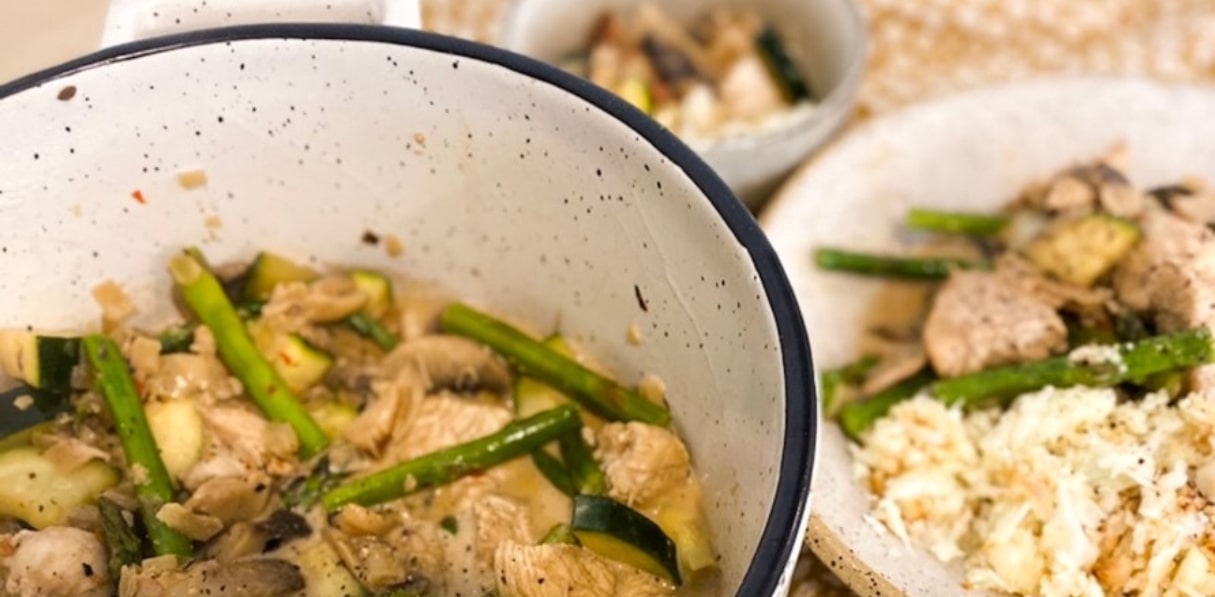
Postpartum Nourish Bowl
Serves 1
Ingredients
120-150 grams of cooked sliced meat (or vegetarian alternative)
2 cups of salad greens
1 cup of an assortment of diced colourful vegetables
1 palm-sized serve of cooked complex carbohydrate (pumpkin, yams, brown rice, quinoa, kumara)
¼ - ½ of an avocado or 40 grams of Feta
1 tbsp of hummus
1tbsp toasted pumpkin & sunflower seeds
2 tbsp of dressing of your choice.
Method
Arrange all of the ingredients in a bowl, season, drizzle with dressing and enjoy!
My favourite dressing is made with extra virgin olive oil, apple cider vinegar & wholegrain mustard. To change up the flavours you can coat your protein in different herbs and spices the one pictured is Moroccan chicken.