


Sena Aire Portacot Mattress
Sena Aire Portacot Mattress
SKU:INN3
Low stock
Couldn't load pickup availability
Overview
Overview
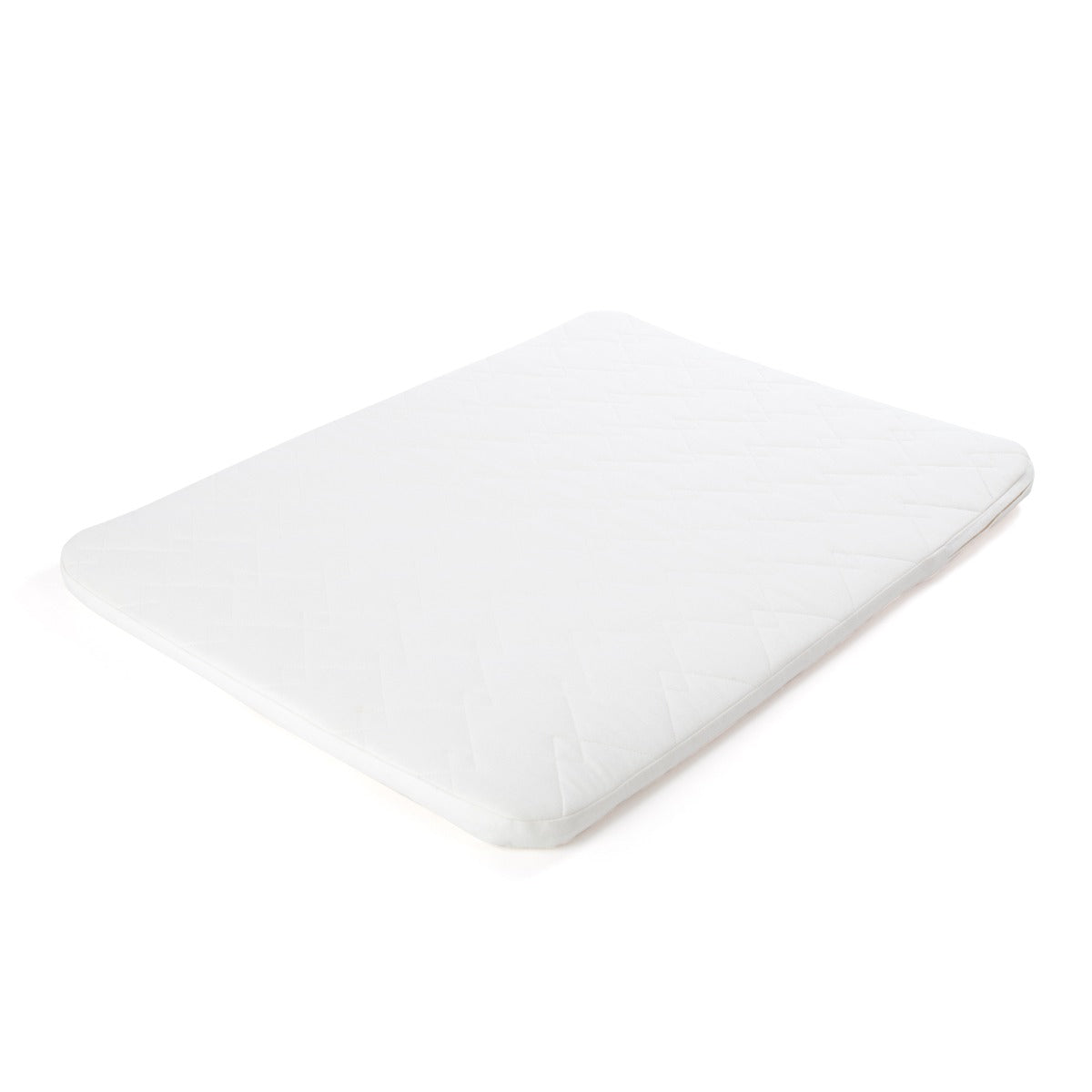
Choosing the right mattress is one of the most important decisions you’ll make for your baby. Little ones are more sensitive to chemicals than adults, which is why these Baby Mattresses are crafted without plastics, solvents, or harmful chemicals that could compromise their health and comfort.
This mattress by Innature is made from natural rubber latex foam, sourced from sustainably grown and harvested Rubber Trees (Hevea Brazilensis) in Malaysia. Renowned for its therapeutic benefits, natural latex provides optimal posture and lumbar support while relieving pressure points. This helps reduce restlessness, allowing your baby to enjoy deeper, more restorative sleep.
Free from fillers or additives, the latex also offers excellent insulation, naturally wicking away moisture while remaining dry to the touch. Designed for both safety and comfort, and will fit snuggly into a Sena portacot at both heights.
Please note: This mattress is to replace the standard Sena Portacot mattress that would have come with your cot, and should only be used for babies who are older than 6 months. This swap is not compulsory, but some babies prefer a softer sleep surface when they get a little bit older.
Fabric Information
Fabric Information
Fit & Care
Fit & Care
Delivery and Returns
Delivery and Returns
- Delivery: Free within NZ on orders over $130 (excluding bulky items) or $8 standard shipping
- Returns: Accepted within 14 days of receipt with proof of purchase
- Some items are excluded from returns including sale items, hardware, car seats, prams, monitors and personal items - please click here for the full list.
Share this product
Recently viewed products
Related Blogs

Travel Light With a Great Portacot
Pack Smart, Travel Light, and Rest Easy Travelling with little ones can feel like preparing for a major expedition – nappies, clothes, snacks, toys... and that’s before you even get to the sleep setup. But one item you’ll be glad you packed? A reliable travel cot. Whether you're visiting grandparents, staying in a hotel, or setting up camp at a bach, a quality portacot provides your baby with a familiar and safe space to sleep or play. At Dimples, we’ve curated a selection of trusted travel sleep solutions to help make your trip smoother – because happy sleep = happier holidays. Nuna Paal Playard + Bassinet The Nuna Paal is a beautifully designed playard that grows with your baby. It starts as a cosy bassinet for newborns (up to 7 kg), then easily converts into a spacious play area for toddlers (up to 13.5 kg). Whether it’s nap time or playtime, the Paal provides a safe, comfy space for your little one. Setting up is a breeze with the one‑hand pop‑open frame, and it folds neatly into a carry bag for easy storage. The breathable mesh sides ensure airflow and visibility, while the organic cotton sheet provides a soft resting surface. The zip‑open side panel lets you interact with your baby while they play. With sturdy aluminum framing, padded edges for safety, and a clip‑lock zip for extra security. Nuna Sena Aire + Insect Net The Nuna Sena Aire is your go‑to for stress‑free travel sleep. Light, compact and quick to set up (with just one hand!), it’s ideal for busy parents on the move. Its clever zigzag frame folds down easily, packing neatly into one bag with the mattress wrapping right around it. With 360° ventilation (mesh sides, floor and mattress) and Nuna’s Advanced Air Design, your baby stays cool and comfortable – perfect for warmer climates. Use the zip‑on bassinet for newborns, then remove it to create a secure playpen for toddlers (up to 15 kg). An organic cotton sheet is included. Pair it with the Sena Insect Net to keep bugs away while keeping airflow unrestricted. The zip opening makes check‑ins quick and easy. Journey 2-in-1 Travel Cot The Journey 2-in-1 Travel Cot is a smart, adaptable sleep solution that grows with your baby. Use it as a bassinet from newborn to 6 months (up to 9 kg), then convert it into a full-size cot for toddlers up to 2 years (15 kg). It features a Safer-Sleep Certified mattress, the first of its kind in a travel cot – breathable, firm, and approved for overnight use. Full mesh sides provide airflow and visibility, while the bamboo-fibre mattress cover offers a soft, cool sleeping surface. Parents will love the built-in storage pockets, quick fold, and included insect net – ideal for travel or outdoor naps. Everything packs into a convenient backpack-style carry bag for easy portability. Sleeping on Holiday: Light and Darkness Getting your little one to nap in an unfamiliar space can be tricky – especially if the room is too bright or stimulating. Here are two travel‑friendly options that help create the ideal sleep environment: Blackout Shade for PortacotsThis clever universal Snooze Shade blocks out up to 94% light and fits snugly over the Nuna Sena (and other portacots), creating a dark, cosy space that helps your baby nap well—even during the day or in shared rooms. Blackout BlindsThe Purflo Total Eclipse Portable Blackout Blinds are made from 100% blackout fabric, and blocks out light completely. With an innovative suction fastening system, it attaches securely to most windows without drilling or adhesives. It’s adjustable to fit different window sizes and folds neatly for easy storage or travel. Perfect for home or on the go - an effective solution to help little ones sleep soundly, wherever they are. Travelling with a baby or toddler doesn’t have to mean disrupted routines and sleepless nights. With the right sleep setup, you can enjoy the adventure—and get the rest you need. At Dimples, we’ve got everything you need to make travel easier—so you can focus on creating special memories together.
Learn more
Why Buy New Zealand Made Clothes?
From garments more well-travelled than most of us to clothing produced in factories not quite up to scratch – the backstory of what we buy has become an increasingly hot topic. Keeping shopping habits local is an easy way to not only do your bit for the environment but also support the New Zealand economy and the people who live here. Better still, buying New Zealand-made no longer means compromising on quality or choice – in fact, it’s typically quite the opposite! Do it for the birds and the bees (literally) The environmental impact of clothing sourced overseas is huge. Buying local often means reducing ecologically unfriendly packaging, and will certainly cut out vast amounts of fossil fuels in transport. Clothing made in New Zealand also complies with strict guidelines, which is a big win for the environment in an industry that is notoriously hard on the planet – no pesticide and fabric-dye-filled runoff contaminating water supplies here thanks! Feelgood tip – swap those well-travelled goods with locally-made merchandise. Fast fashion or future-friendly? The days of patching worn jeans and sewing up holes in socks are long gone – popping to the shops for a wallet-friendly replacement is just too easy. But with prices so low, something’s got to give – whether it’s the quality of raw materials, worker conditions, or the standard of the finished product. This fast-fashion movement ironically has you popping to the shops for replacements a whole lot more often! All this disposable fashion also becomes a major landfill problem. Synthetic fabrics are much cheaper to produce (they make up about 60% of a typical closet) and can go on to live hundreds of years after parting ways with your wardrobe. On the flip side, buying New Zealand-made means these items live up to local production standards, and are far more likely to survive playground adventures and multiple trips through the washing machine. They might even look good enough to pass on to family or friends once you’re done with them – recycling at its best! Feelgood tip – invest in quality, locally made items that can be passed on. Guilt and hassle-free shopping Shop-a-holics rejoice! If you’re buying locally produced goods, pat yourself on the back for your contribution to the local economy. You’re supporting fair, local employment and helping to keep New Zealand businesses alive and able to compete with the big guys. Shop-a-holics rejoice some more! If you’re buying locally produced goods and have accidentally bought the wrong size for your little one, it’s as easy as popping into a store or a local phone call to fix your problem. Local businesses are usually happy to help (as each customer is important) whereas it’s likely you’re literally one in a million for big global companies. Even finding contact details can be a challenge! Feelgood tip – shopping local simply supports New Zealanders. Dimples' does it differently No compromises here, just adorable, high-quality clothing, using high-quality raw materials, produced by fairly treated Kiwi workers! Our commitment to the environment hasn’t changed as the business has evolved and grown, and neither has our commitment to our workers. All Dimples clothing is made here in New Zealand from locally sourced merino (or from our neighbouring Australian sheep) and pure organic certified cotton (to ensure the impact of cotton farming is minimal). We don’t have a huge factory producing our clothing – instead, our expert sewers work from their homes. It’s essentially a scaled-up version of the small home workshop where it all started. The end result is hard-wearing, long-lasting clothing – that stays looking super cute for longer. Feelgood tip – buy New Zealand made.
Learn more
Health Tips for Pregnant Mums
Written by Kylie Stowe www.nourishedclinic.co.nz My name is Kylie. I am a mum of four, a Nutrition & Health Coach, and a Mindfulness Teacher.Being a busy mum myself, I’m drawn to nutrition and wellbeing for mums – an area of health that is often undervalued. Over the coming months, I’m really excited to share some practical tips, recipes and personal experiences to help you navigate these beautiful, yet sometimes challenging, times. I’m thankful that the team here at Dimples saw the need to go beyond supplying beautiful baby goods to also nourish and care for our mums. Health Tips for Pregnant Mums Focus on whole, unprocessed, nourishing foods There is a lot of pressure on pregnant mums to eat the ‘perfect diet’. This can be incredibly confusing due to the overwhelming amount of conflicting information out there. You’re not alone if this has been a source of guilt – especially when morning sickness makes eating anything but iceblocks and dry crackers impossible. Just remember, you do what you have to do to get through those early months. Nutrient requirements during pregnancy are higher, and supporting a growing baby can often deplete your own stores. Building meals from whole, unprocessed foods is a great option, as they’re rich in essential nutrients. Heavily processed foods are often low in nutritional value – hence the term “empty calories”. Think: Good quality protein such as free-range or grass-fed meats, seafood, eggs, legumes, nuts, and seeds At least four serves of colourful vegetables and two serves of fruit Whole grains like quinoa, steel-cut oats or brown rice Pasteurised dairy (if tolerated) Healthy fats like extra virgin olive oil and avocado If morning sickness makes meals tricky, smoothies can be a great way to get nutrients in. My go-to was Nuzest’s Clean Lean Protein (a high-quality powder with no fillers), nut butter, banana, berries, greens and almond milk. Hydration is also important. Aim for two glasses of water on waking (we often wake dehydrated), and another two litres throughout the day. After the first trimester, 1–2 cups of pregnancy-safe tea (like Artemis Pregnancy Tea) can also be helpful. If nausea makes hydration hard, try small sips often. Diet alone can’t always meet every nutritional need – a good quality prenatal supplement containing folate, iodine, vitamin D and DHA is a smart addition. Always speak to your LMC or health professional about what’s right for you. Movement is also important – even just a walk outdoors. The fresh air and added vitamin D boost mood, support the immune system and help with joint and fitness health during pregnancy. There are also great prenatal fitness and yoga classes available – these are wonderful for connecting with other mums-to-be. Some of the mums I met through yoga have become lifelong friends and a valuable part of my motherhood support network. I always say: aim for progress, not perfection when it comes to health and nutrition. Recognising that this is an ongoing journey can ease the pressure of trying to get it “just right”. If you’d like to dive deeper into prenatal nutrition, I highly recommend dietitian Lily Nichols’ book Real Food for Pregnancy. It’s full of great information and recipes. Kylie Stowewww.nourishedclinic.co.nz
Learn more
Pretty Brave Shoes: A Guide to Little Feet
Little feet have a lot of growing and exploring to do! From those first little steps to running, playing and discovering the world, choosing shoes that are comfortable and designed to move with them is an important part of every stage.
Learn more