



Breastfeeding Made Easier: Tips for Common Challenges
Before your baby arrives, it's easy to imagine that breastfeeding will happen instinctively. While that can be true for some families, it's perfectly normal if it takes a little longer to find your rhythm.
Many new mums experience challenges like sore nipples, engorgement, latch difficulties or concerns about milk supply in those first few weeks. If that sounds familiar, you're certainly not alone.
At Dimples, one of the things we hear most often is, "I thought breastfeeding would just come naturally." The reality is that for many mums, it takes a little time, plenty of patience, and the right support.
Thankfully, many breastfeeding challenges are only temporary, and with the right guidance they often become much easier to manage.
If you decide to supplement or switch to formula, that's okay too. A fed baby and a supported mum are what matter most. But if breastfeeding is something you'd like to continue, know that many mums find things improve with time, patience and the right support.
You've got this.
Here’s a gentle guide to some of the common hurdles and how to help overcome them:
1. Engorged Breasts
A few days after giving birth, you may notice your breasts suddenly feel hard, heavy, warm, and tender as your milk comes in. Although it can feel quite uncomfortable, this is a completely normal part of your body adjusting to your baby's feeding needs.
The good news is that engorgement is usually temporary. As your milk supply begins to regulate and your baby establishes a regular feeding pattern, the fullness will often settle.
What can help
- Feed your baby regularly, even if it's only for a short time.
- If your breasts are too full for your baby to latch comfortably, try hand expressing a small amount of milk first to soften the breast.
- A cold compress after feeds and gentle massage can also help relieve discomfort.
💛 A favourite with our team: Many mums find the Bare Mum Hot + Cold Breast Therapy Packs incredibly soothing. Warm them before feeding to help encourage milk flow, or chill them afterwards to reduce swelling and ease discomfort.
And here's a little old-school wisdom that's been passed between mums for generations: chilled cabbage leaves tucked inside your bra between feeds have long been used to help soothe engorgement. It might sound unusual, but plenty of mums still swear by it!
2. Latch Issues
A little tenderness during the first few days of breastfeeding is common, but ongoing or severe pain isn't something you should simply put up with. A painful feed is often a sign that your baby isn't latching deeply enough, making feeding uncomfortable for you and less effective for them.
What can help
Try encouraging your baby to open their mouth wide by gently brushing your nipple against their upper lip. Position them with their nose level with your nipple and bring your baby to your breast, rather than leaning towards them. A good latch usually means your baby's mouth is wide open, their chin is pressed into your breast, and your nipple sits comfortably towards the back of their mouth.
If breastfeeding is still painful after the first week or two, or your baby continues to struggle with latching, it's worth reaching out to your midwife or a lactation consultant. Sometimes a simple adjustment, or identifying something like a tongue tie, can make all the difference.
3. Cracked or Bleeding Nipples
Sore or cracked nipples are very common in the early weeks of breastfeeding. They can be caused by a shallow latch, frequent feeding while your skin adjusts to this new rhythm, or even overuse of your breast pump.
What can help
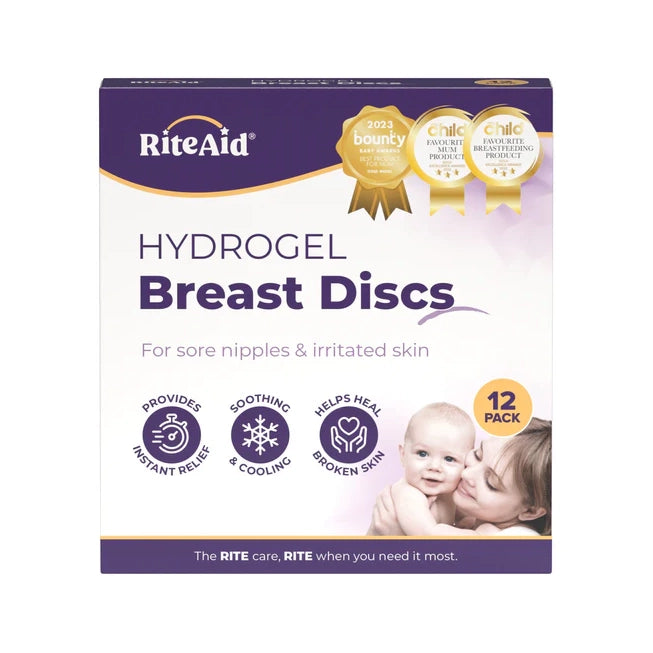
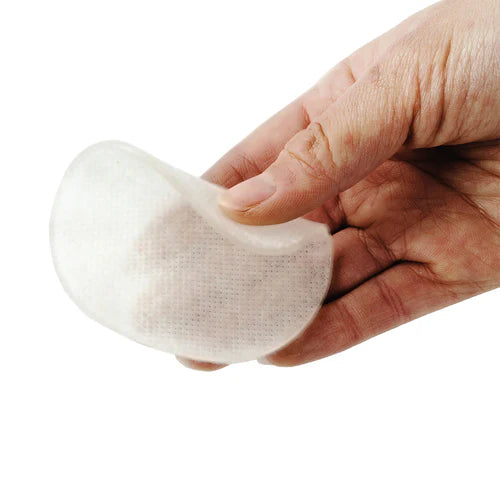
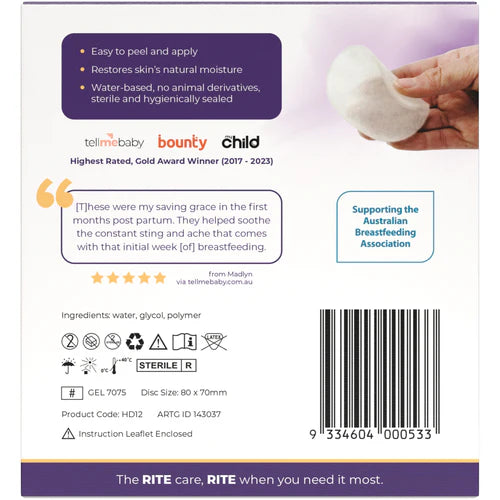
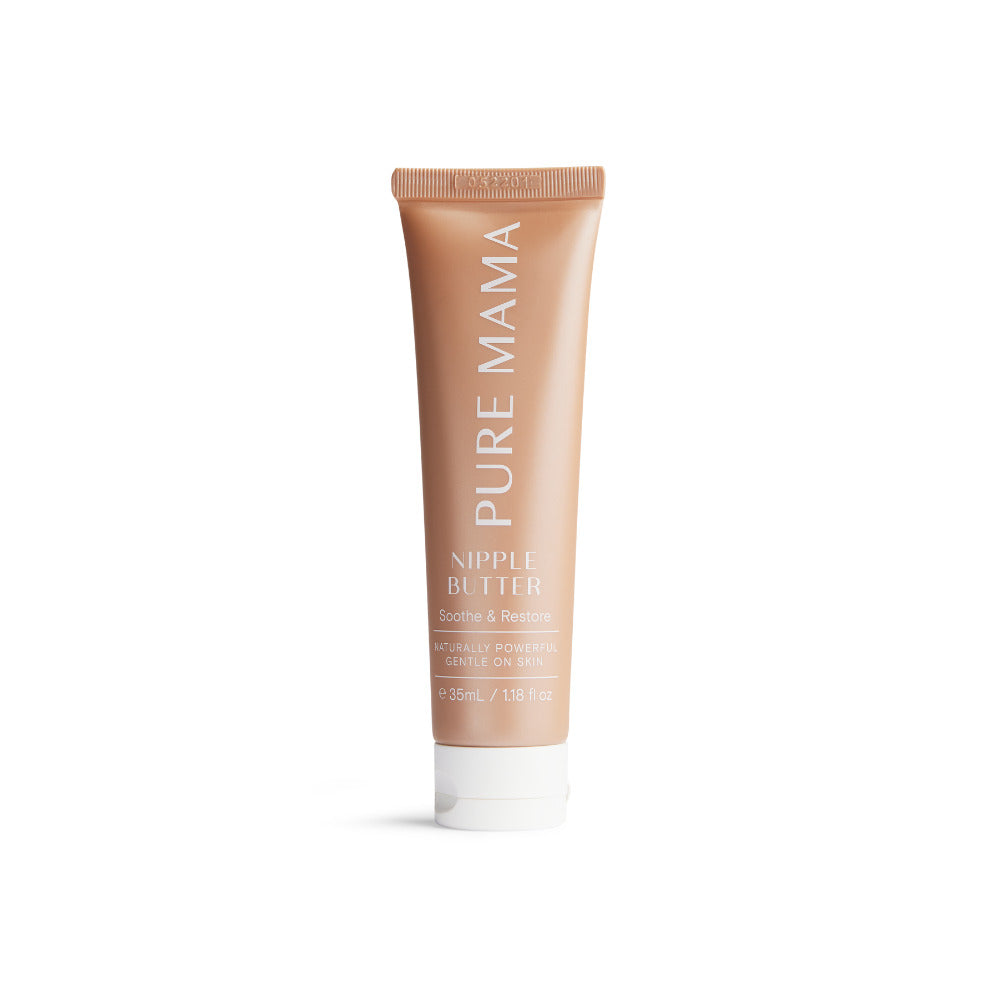
Applying a nourishing nipple balm after every feed can help soothe and protect the skin, while hydrogel pads can provide instant cooling relief for particularly sore nipples.
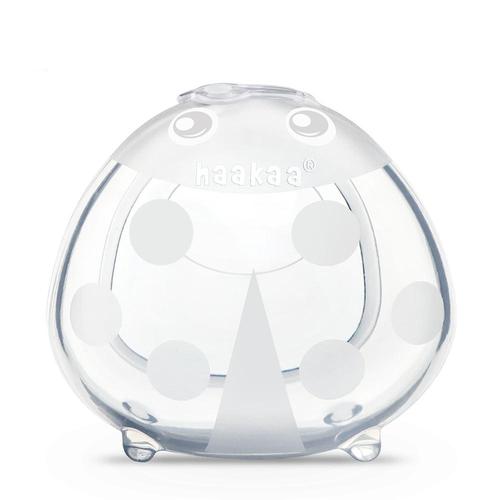
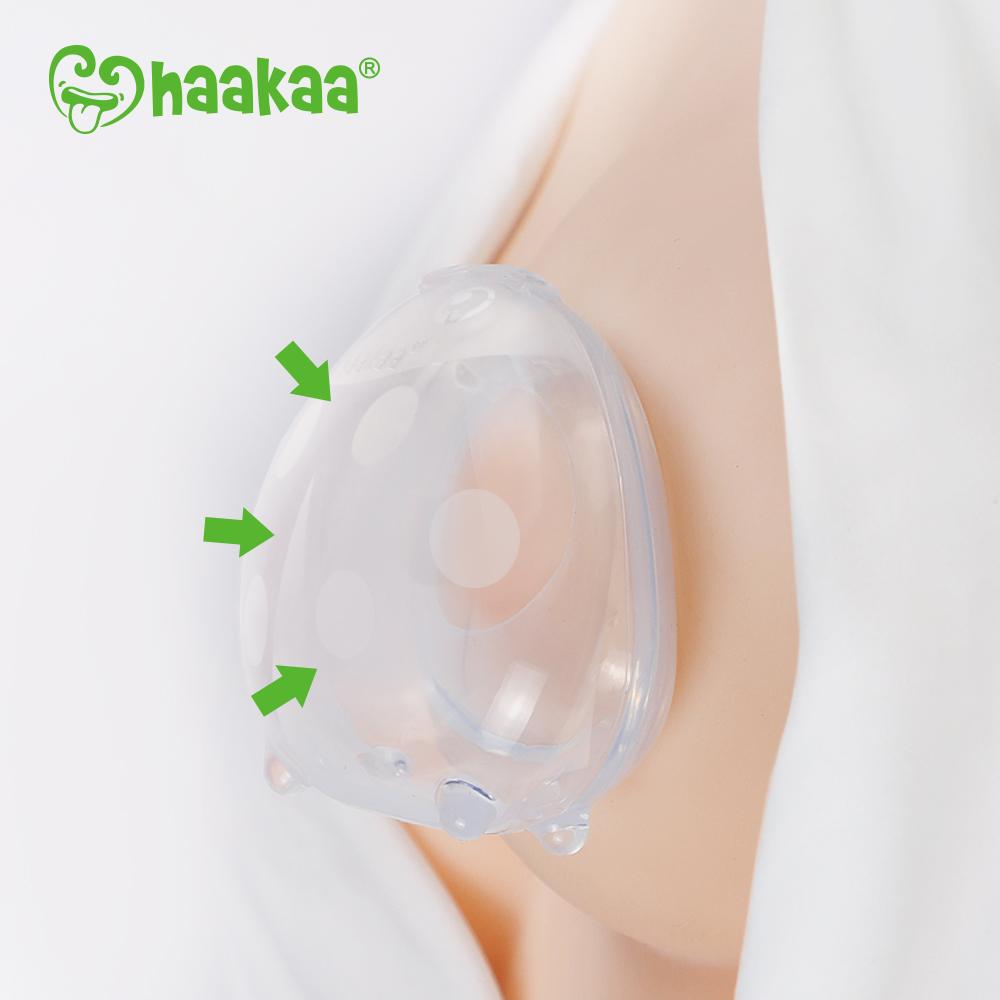
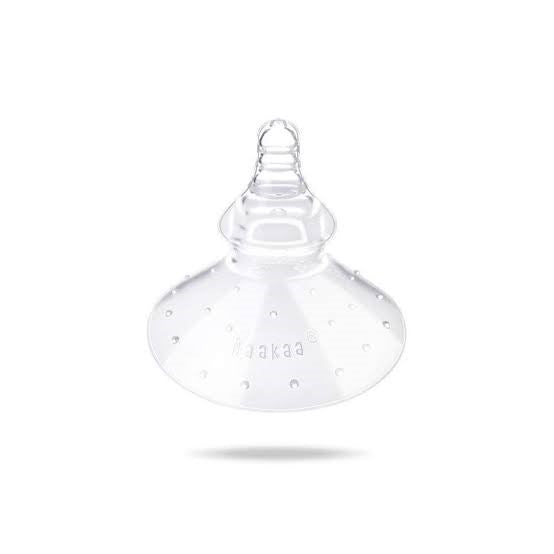
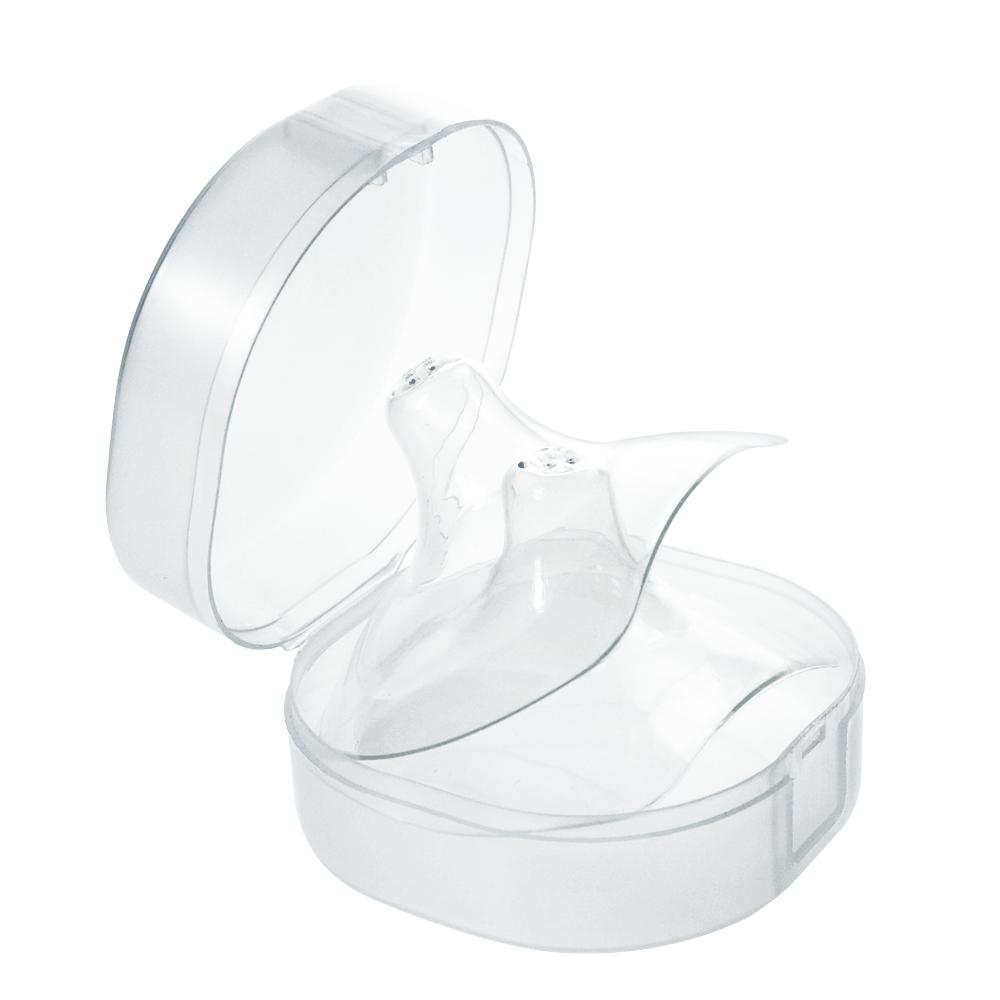
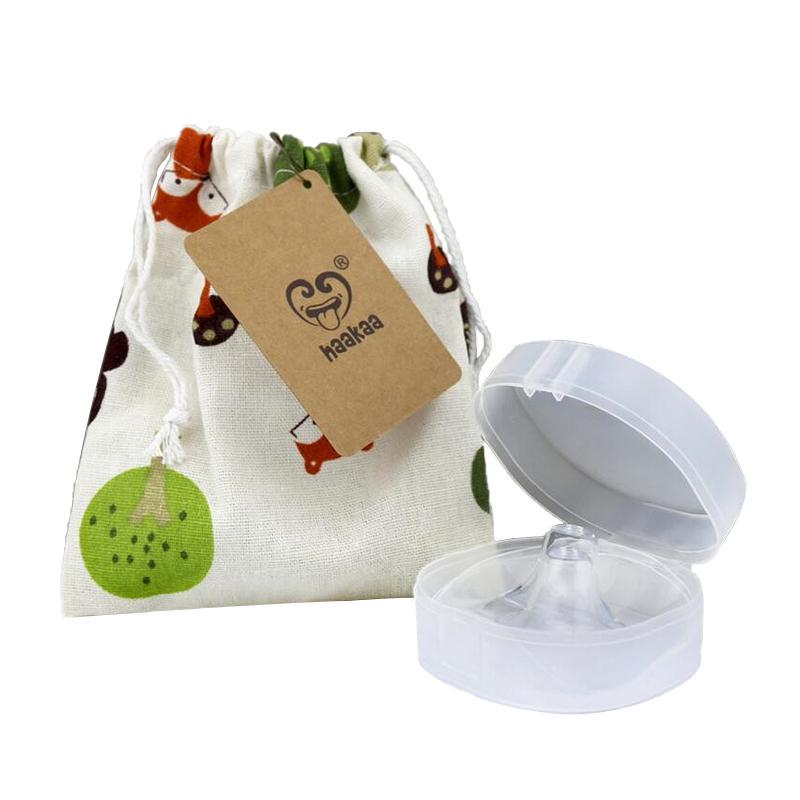
One combination our team often recommends is Pure Mama Nipple Butter together with Silverette Cups. The nipple butter helps moisturise and soothe damaged skin, while the Silverette Cups protect sensitive nipples between feeds, allowing them to heal naturally.
If your nipples aren't improving after several days, it's important to have your baby's latch assessed, as treating the cause is just as important as treating the symptoms.
4. Low Milk Supply
Worrying about milk supply is incredibly common, especially during the first few weeks when your baby may seem to want to feed constantly. The reassuring news is that frequent feeding, cluster feeding and night waking are all normal behaviours and don't usually mean you're not producing enough milk.
True low milk supply is less common, but if your baby isn't gaining weight well or has very few wet nappies, it's important to speak with your midwife, GP or lactation consultant.
What can help
If your healthcare provider is happy that everything is progressing normally but you'd like to naturally support your milk supply, try feeding frequently, pumping between feeds if appropriate, drinking plenty of water and eating a balanced diet.
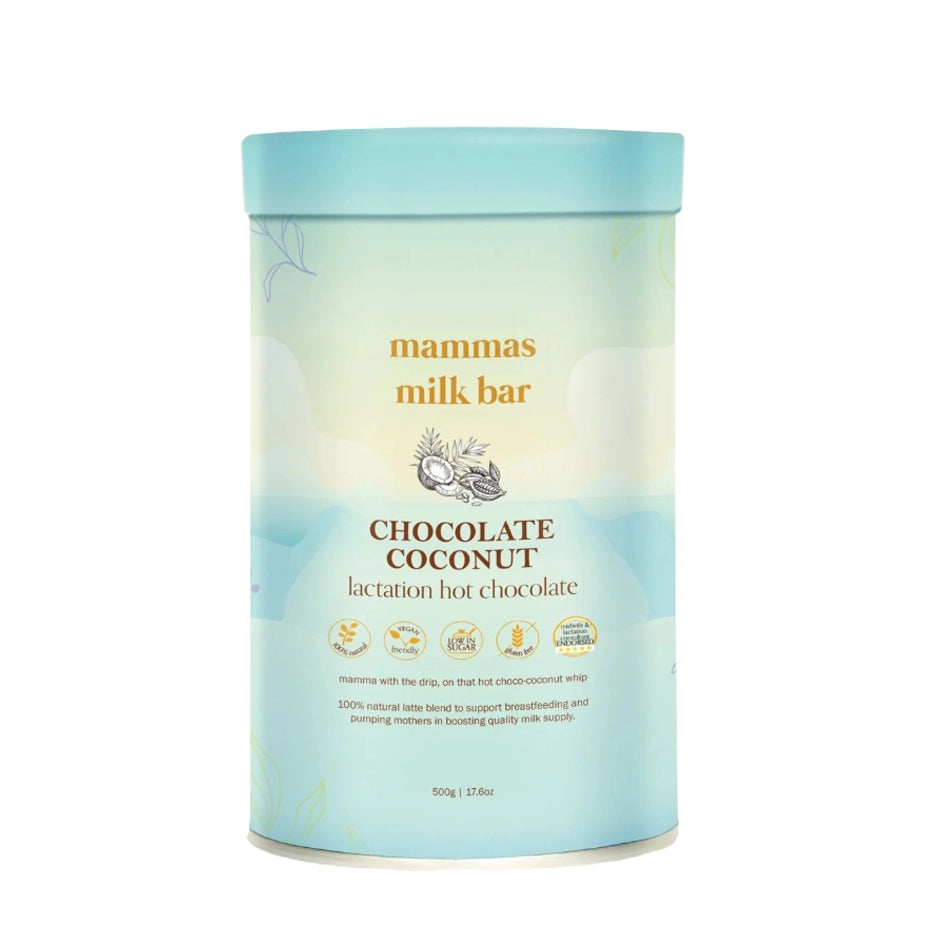
Many mums also enjoy adding lactation cookies or a lactation blend to their daily routine. While they're not a guaranteed way to increase milk supply, many mums enjoy them as part of their breastfeeding routine alongside regular feeding, good hydration and a balanced diet.
Shop our lactation support range here
5. Inverted or Flat Nipples
You may never have paid much attention to the shape of your nipples before breastfeeding, but flat or inverted nipples can sometimes make it more difficult for your baby to latch.
The good news is that many mums with flat or inverted nipples go on to breastfeed successfully.
What can help
Speak with your midwife or a lactation consultant, who may recommend using a nipple shield or expressing a small amount of milk before feeding to gently draw the nipple out.
6. Blocked Ducts
A blocked milk duct often feels like a tender lump beneath the skin and usually occurs when milk isn't draining effectively. This can happen if you've missed a feed, your bra is too tight, or your breast hasn't emptied fully.
What can help
Continue feeding regularly, particularly on the affected side, to help keep milk moving. Applying warmth before feeding and gently massaging the area towards the nipple can also help encourage the blockage to clear. Most blocked ducts resolve within a day or two but if you are experiencing alot of pain and unable to breastfeed, please see your GP.
7. Mastitis
Sometimes a blocked duct can develop into mastitis, or bacteria can enter through cracked skin, leading to a breast infection. Mastitis often causes flu-like symptoms, including fever, chills and body aches, along with a painful, red area on the breast.
What can help
If you think you may have mastitis, it's important to see your GP promptly, as antibiotics are often needed.
Although feeding may feel uncomfortable or sore, continuing to breastfeed or express milk can actually help speed up recovery by keeping the breast well drained. Warm or cool compresses between feeds may also provide some relief.
💛 Don't try to push through - Many mums think they can "tough it out", but mastitis really needs medical treatment. The sooner you seek help, the quicker you'll usually recover.
You Are Not Alone - and You're Doing an Amazing Job
If there's one thing we'd love every new mum to know, it's this: asking for help is a strength, not a weakness!
For over 30 years, we've had the privilege of supporting hundreds of New Zealand families through pregnancy, newborn life and beyond, and we've learned that almost every breastfeeding journey is different, and has its own ups and downs.
And if, despite your best efforts, breastfeeding doesn't work out the way you'd hoped, that's okay too. Whether you breastfeed, formula feed or combine the two, what matters most is that your baby is fed, loved and thriving.
Be kind to yourself, trust your instincts, and don't be afraid to lean on your midwife, GP, lactation consultant or the people around you. Sometimes the right support is all it takes to help you find your confidence.
❤️
Shop our full range of breastfeeding support and essential items here