


You Simply Can't Spoil a Newborn
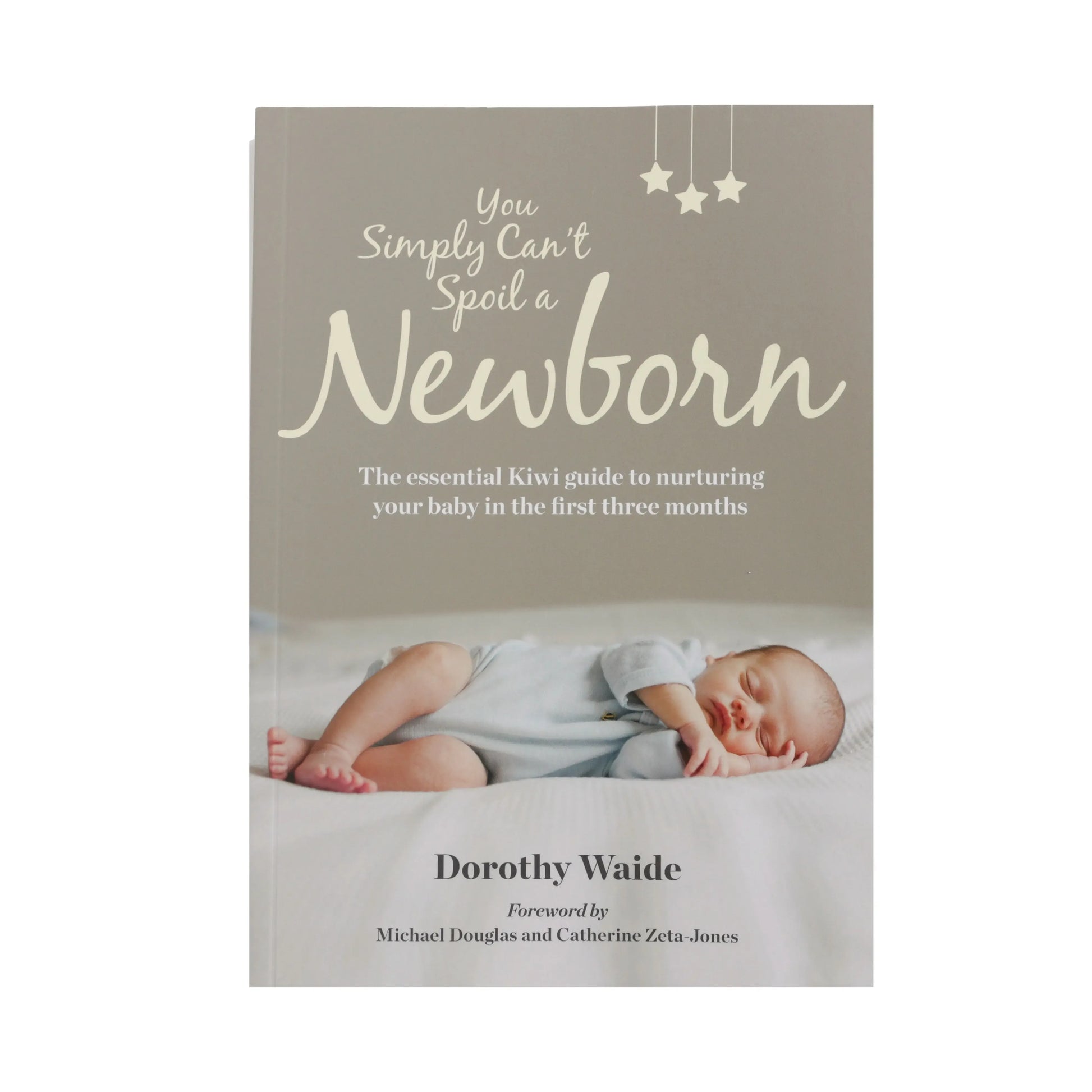
You Simply Can't Spoil a Newborn
SKU:DWBOOK
In stock
Couldn't load pickup availability
Overview
Overview
Dorothy Waide is a Karitane nurse and one of New Zealand’s leading sleep consultants with strong international connections. With almost 30 years’ baby nursing and sleep-settling experience in homes here and abroad, Dorothy returned from overseas in 2010 and set up her unique ‘Baby Help’ consultancy, dedicated to teaching new mums the timeless art – and everyday parenting skills – of ‘mother craft’.
"You Simply Can't Spoil a Newborn" is a must have book for any new parent. It focuses on the first three months of a newborn baby's life and offers new parents a unique opportunity to lay a solid and loving foundation that will last a life time.
It also offers all parents unfailing support to help them deal with the countless decisions they face every day. This book reveals Dorothy's nurturing approach in calming the most unsettled baby and teaching them to self-settle and resettle, as well as advice on solving common feeding issues and managing time, relationships and emotional demands in the weeks following birth.
The details are clear and succinct, using bullet points, photographs and illustrations for quick reference. This book is structured by topic rather than developmental stages, acknowledging that babies grow at different rates.
Delivery and Returns
Delivery and Returns
- Delivery: Free within NZ on orders over $130 (excluding bulky items) or $8 standard shipping
- Returns: Accepted within 14 days of receipt with proof of purchase
- Some items are excluded from returns including sale items, hardware, car seats, prams, monitors and personal items - please click here for the full list.
Share this product
Recently Viewed Products
Related Blogs

Help from our Experts
The COVID-19 Lockdown can be a difficult and stressful time for any new parent. Website information can be confusing and it is hard to know exactly what product would be best for you and your baby. To make things a little bit easier and to ensure our customers get all the information and advice they need we are offering one on one consultations with an experienced team member. Our team members Charlotte and Rebecca have been working at the Dimples Store for over 8 years and have extensive knowledge of all of our products and brands. They will be able to compare products for you and be able to help you find the best product to suit you and your baby. They both are registered car seat restraint technicians, which means they know how to correctly and safely install car seats and can offer advice for installation and sale of car seats to ensure you get the correct seat for your car and child. If you would like to take advantage of this offer, please find out how to book your consultation below: How to book a consultation: • Email shop@dimples.co.nz with the products you are wanting further advice on or any enquiries you may have. • Our team member will then organise a date and time with you to be able to go through your enquiry. • If you do not want a zoom consultation they can answer your enquiry through email exchange or arrange a phone consultation with you.
Learn more
Welcome to Fatherhood: New Dads and Dads-to-Be
Congratulations, Dad First off, huge congratulations! You’re about to embark on one of the most rewarding journeys of your life. Whether you’re a first-time dad or this is round two (or three!), there’s no denying how incredible this experience will be. Sure, it might come with a few sleepless nights and some unknowns along the way, but trust us – it’s going to be amazing.Fatherhood isn’t about being perfect – it’s about being there, learning as you go, and embracing every moment, big or small. You’ll have days filled with firsts, plenty of laughter, and some truly special memories. And remember, it’s okay if you don’t have everything figured out – you’re not alone on this journey. We’ve put together some helpful tips and advice to support you as you navigate these early days, so you can feel confident and prepared. The road ahead is exciting, and you’re going to be a wonderful dad. Let’s get started – you’ve got this! Support During The Pregnancy Journey Pregnancy brings plenty of changes – not just for mums, but for you, too. You might not be the one carrying the baby, but your support can make a huge difference. Here’s how to be the kind of partner your family will thank you for later. Start by learning and getting involved Understanding pregnancy helps you feel more confident and prepared. Check out a few articles, read a few books or dive into an online course for new dads. It can also be incredibly helpful to attend check-ups, which will keep you connected and informed. Ask questions, take in the details, and get to know your baby’s journey. Pick up a few extra chores As the bump grows, so does the to-do list. Take on more housework, drive to appointments, and let your partner rest. Don’t be afraid to ask for help – teamwork makes it easier. Get involved with meals Food might be a bit of a rollercoaster during pregnancy, so try to help where you can – cooking, meal planning, or just making sure there’s something in the fridge that actually sounds good today. And if your partner suddenly needs a very specific brand of ice cream at 9pm… well, that’s your time to shine. Be steady during the ups and downs Hormones can make emotions more intense. Be patient, listen well, and remember: sometimes just being there is enough. Look after your own wellbeing It’s easy to put your own needs on the backburner, but your mental health matters too. Talk openly with your partner, ask lots of questions, and check in with how you’re feeling. A calm, supported dad makes a big difference to the whole family. Think ahead Before baby arrives, research and get organised: Choose and install the car seat (Dimples can help with installation and advice) Set up baby’s space (even if they start in your room). Stock up on nappies, wipes, swaddles, and clothes. Merino is the ultimate in newborn clothing. Learn more about this here Cook and freeze a few meals – thank yourself later! And remember, you don’t need to have it all figured out. Just show up, learn as you go, and be there when it counts. You’ve got this – and feel free to sneak in a dad joke or two (just maybe not at 3am). Now... Baby Has Arrived! Bonding with Your Newborn Studies show that active involvement from dads helps with emotional development, cognitive skills, and even reduces stress for both baby and parents. Bonding early on lays the foundation for a strong relationship as your little one grows. Here are a few ways to bond: Skin-to-skin contact: Take a moment to strip down and let your baby lie on your chest. This helps regulate their body temperature and heartbeat, while also releasing oxytocin, the "love hormone," for both of you. Talk and sing: Babies love hearing your voice. Even if you're off-key, read books, sing, or narrate your day ("Time for the big diaper change!"). Your voice will comfort them. Wear your baby: A baby carrier is an easy way to keep your newborn close while you move around. The warmth and motion strengthen your bond, and it gives you some extra dad points. We love this one by Nuna - we stock a few different kinds of carrier. Our store can help you with this if you want to pop in. Support Mum’s Healing The first weeks after birth can be tough for mum. Give her space to heal, and take charge of housework and meal prep. Whether it’s cleaning up, tidying, or letting her nap, your support will help her adjust and feel cared for. Taking Care of Yourself Parenting is a team effort, so don't forget to take care of yourself. Get rest when you can, eat well, and ask for help if you need it. You’ll be much more equipped to care for your little one if you're taking care of your own well-being. Finding Your Routine In the early days, life with a newborn can feel chaotic. Establishing a simple routine will help everyone feel more secure. It doesn’t have to be perfect, but having a basic rhythm for naps, feedings, and bedtime makes things easier as you go. Trusting Your Instincts You might not have all the answers, but trust your instincts. If something doesn’t feel right, speak up. You’ll figure it out along the way – you’re learning every day, and that’s enough. Accepting Help There’s no need to do everything yourself. Accept help when it’s offered – whether it’s a meal from a friend or a family member taking over a diaper change. It’ll make this journey smoother for everyone. Connecting with Each other And Celebrating the Small Wins Parenting is full of big milestones, but it’s the little victories that count too. Celebrate your baby’s first smile, a good night’s sleep, or the first successful outing. These moments are worth appreciating. Parenthood can be all-consuming, but it’s really important to find time for your relationship with your partner. Even simple moments, like enjoying a coffee together, can help you stay connected and grounded amidst the chaos. A Few More Tips Swaddle like a pro: Swaddling can help soothe your baby and improve their sleep. Merino or cotton is the best option. See our range Here Change bag: Keep a change bag handy: Have nappies, wipes, and a spare outfit packed and ready – you never know when you'll need them. Here are a few options for change bags at Dimples. And most importantly: Have fun! Parenting is a learning experience, so embrace it – and don’t forget to build your dad-joke repertoire! Fatherhood is an incredible journey – full of joy, challenges, and unforgettable moments. Dimples is here to support you every step of the way with all the essentials you need to be the best dad you can be. Enjoy every moment, because these early days will fly by ❤️
Learn more
Pregnancy stages – First Trimester
Welcome, little bean Here’s what happens during your first trimester of pregnancy. You’re pregnant! Congrats – this is both an unbelievably special moment, and one that’s totally ordinary. It should come as a comfort to you that while this may be your first time pregnant, there are billions of women who have gone before you. The first thing to remember about pregnancies is that each is unique – our founder Jane Anne had 14 children and tells us that none of her pregnancies were the same. There are, however, some things you can predict. Most women experience similar things at similar stages, and you can expect your baby to grow and develop at predictable periods. The first trimester begins at the official date of conception, which oddly enough is counted from about two weeks before you actually conceive. That’s because doctors count from the date of your last period – you’ll have ovulated and conceived about two weeks after, but there’s no way of knowing exactly when. What happens to your body? During the first trimester, your baby’s development is at its most visibly startling, developing from a cluster of cells into something that looks pretty much human in a matter of weeks. That takes a lot of effort – and hormones – on the part of your body. While most women won’t start to show until the second trimester (and a bit earlier if this isn’t your first pregnancy), many women feel very pregnant very quickly – bloat can look a lot like a pregnancy belly. Some other symptoms you may experience are: Feeling really tired Sore and swollen breasts and nipples Morning sickness (that actually appears around the clock!) Food cravings or aversions Mood swings Constipation Needing to pee more Headaches Indigestion Weight gain or loss Such glamour! But don’t worry – this is only a short-lived period in your pregnancy. It gets easier. The best way to manage it is to stay as healthy as possible. Eat and sleep well, and get as much gentle exercise as you can manage. That means you may need to go to bed earlier, cut out foods that make you queasy, eat smaller meals more frequently, and shift away from high-impact exercises to walking, swimming, and yoga. For many women, morning sickness peaks in weeks 8 and 9 and then will begin to taper off – along with their other symptoms – as they head into the second trimester (counted from 12 weeks). What’s going on in there? Your baby is getting busy! These early weeks are when your baby is building all the components of its body. By week 12, your baby will look like a person (just with odd proportions). At four weeks, your baby is still called an embryo. At a teeny tiny 0.5cm long, your baby has already begun work on its brain, spinal cord, and heart. Four little buds have sprouted, which will eventually become legs and arms. By week eight, your baby is 2.5cm and is now officially a fetus. All major organs are under development (hello, tiny lungs) and the heart has begun to beat. Little details are underway too – fingers and toes (with minuscule nails!) sex organs and facial features. The end of the first trimester is marked by the beginning of week 12. At this point, your baby is about 7.5cm long, with nerves and muscles that work together (which is why some parents catch their little one sucking a thumb on scans!) Eyelids close and won’t open again until about week 28. If you could peer inside, you’d see that your baby looks quite a lot like… a baby! The head, however, is still a lot bigger in proportion to the body and the arms and legs are still quite short. What happens next? Read about your second trimester here.
Learn more
Pretty Brave Shoes: A Guide to Little Feet
Little feet have a lot of growing and exploring to do! From those first little steps to running, playing and discovering the world, choosing shoes that are comfortable and designed to move with them is an important part of every stage.
Learn more