


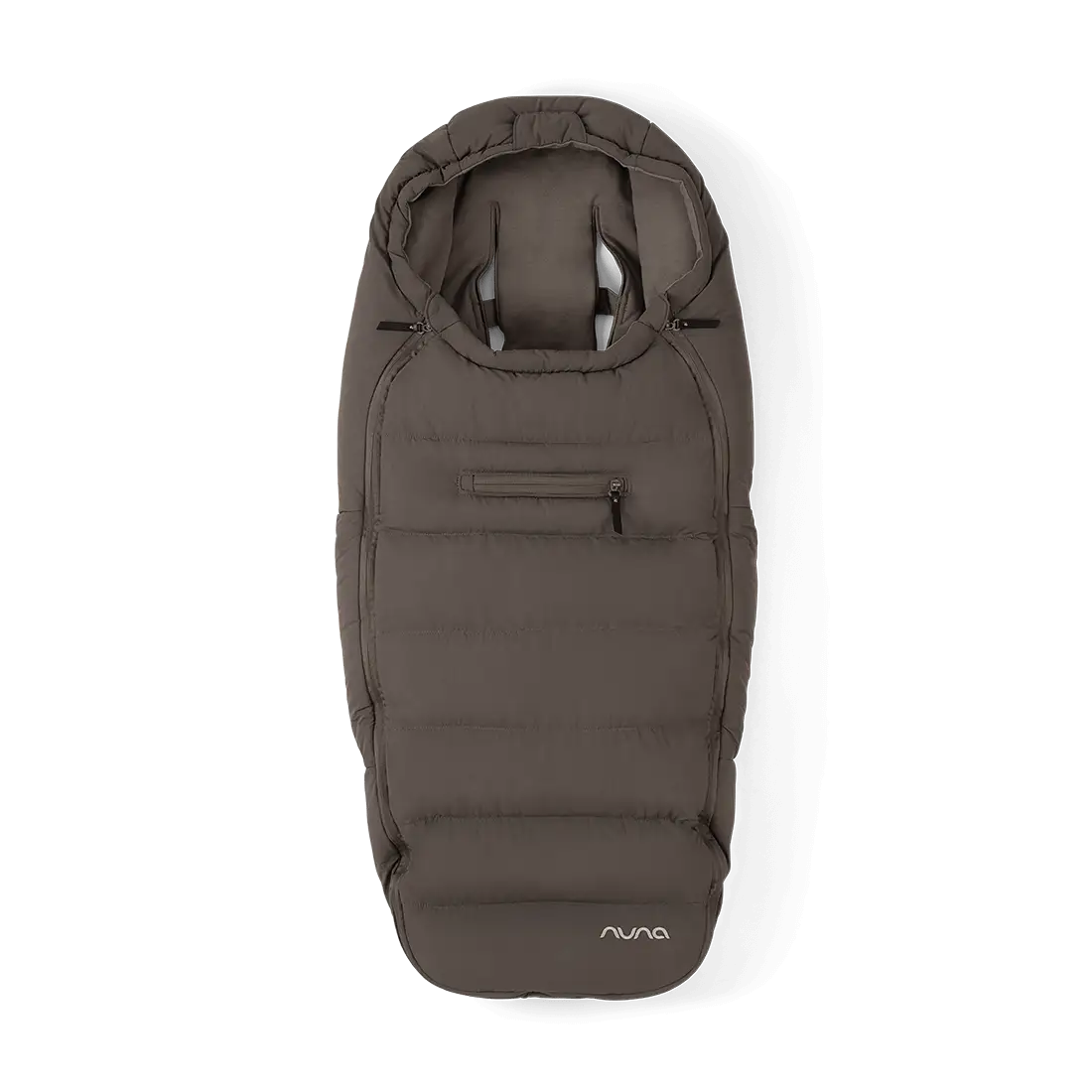
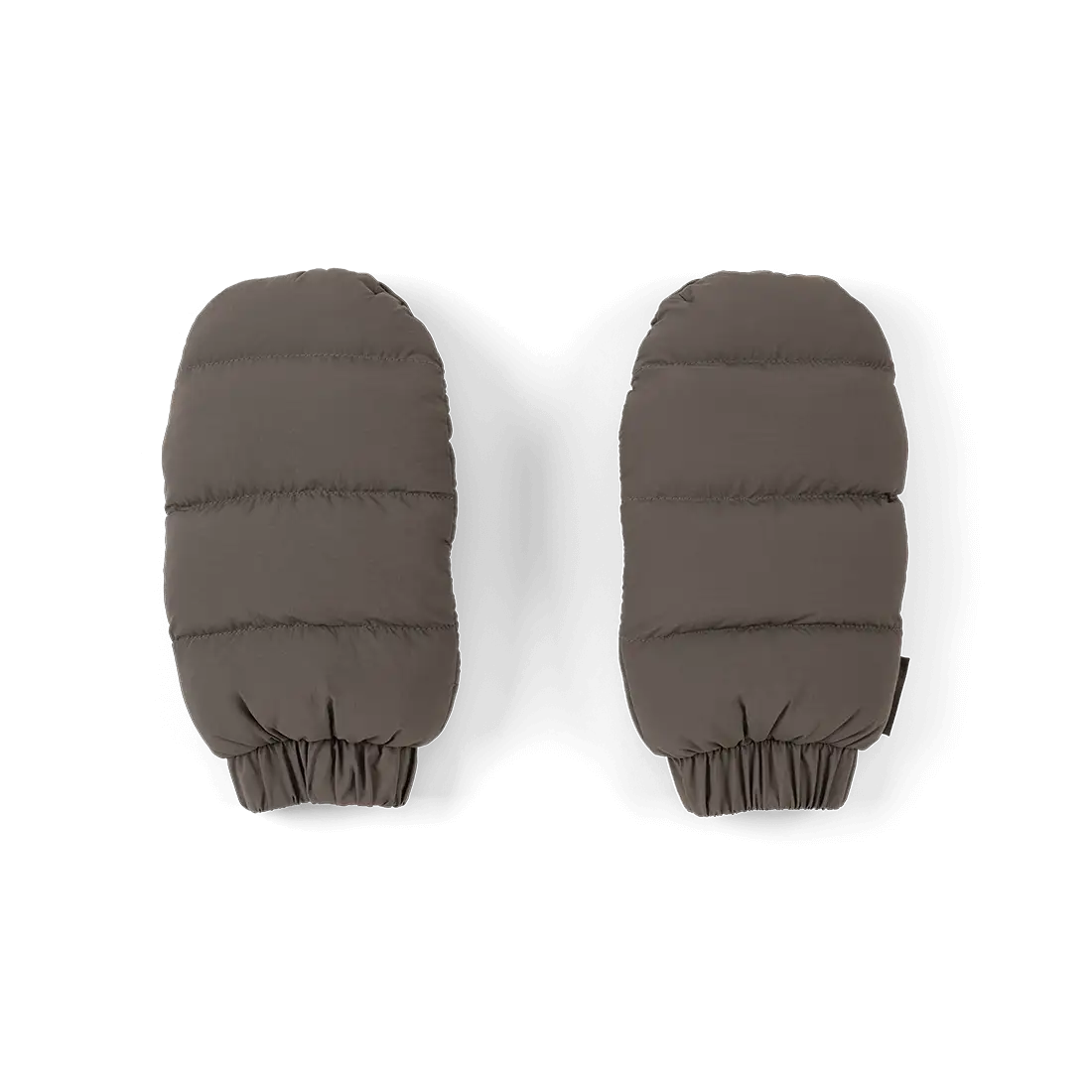


Nuna Winter Stroller Set - Free $25 Voucher
Nuna Winter Stroller Set - Free $25 Voucher
SKU:NFG00000TND
Low stock
Couldn't load pickup availability
Overview
Overview
Make every chilly outing a cozy one with the Nuna Winter Stroller Set in Thunder colour, designed to keep both you and your little one warm in style. This set includes an ultra-plush, merino wool-lined footmuff for baby and matching adult mittens, giving you both a wearable hug on colder days.
Luxurious, practical, and designed for real-life adventures, the Nuna Winter Stroller Set ensures you and your baby stay snug on every outing.
What's Included
What's Included
Key Features
Key Features
Technical Specification
Technical Specification
Delivery and Returns
Delivery and Returns
- Delivery: Free within NZ on orders over $130 (excluding bulky items) or $8 standard shipping
- Returns: Accepted within 14 days of receipt with proof of purchase
- Some items are excluded from returns including sale items, hardware, car seats, prams, monitors and personal items - please click here for the full list.
Share this product
Recently Viewed Products
Related Blogs

Stroller Buying Guide: How to pick the right ride for Your Family
Why Choosing the Right Stroller Matters: Essential Tips for New Parents When you have a baby or toddler, a good stroller is essential. It lets you get out of the house and navigate the world with ease. Leaving the house with a newborn can be tricky, so a high-quality, easy-to-use stroller is a lifeline for many new parents. Your stroller is also one of the most expensive baby purchases you’ll make, so it’s important to get it right. You don’t want to invest in a stroller that ends up being too heavy, hard to fold, or difficult to steer. Of course, no one stroller suits every parent. Consider your lifestyle. Will you be navigating bush walks and country paths or be more likely to keep to the footpaths and malls? Before you buy, it’s a good idea to take a look at different models in-store, push them around, fold them down, and open them up to get a feel for how they work. Before you’re overwhelmed by options and terminology - In New Zealand, we tend to use the words pram, stroller, buggy and pushchair interchangeably. Capsule compatibility For new babies, you’ll most likely want a stroller that’s compatible with your capsule car seat. These are particularly handy during the sleepy newborn phase, as they let you move the baby from car to stroller without waking them. Our strollers are compatible with most capsules from well-known brands, such as Maxi Cosi and Nuna. Talk to our in-store team if you want to check on compatibility. Carrycot – or not A detachable carrycot can be incredibly handy in the early stages – from newborn to around 6 months. Lying flat on their back is the best, safest position for newborn baby to be in. If the seat on the stroller you choose has a lie-flat position, a carrycot isn’t essential. But many parents choose them because they simplify life in the first few months. A carrycot attached to your stroller not only allows your baby to sleep comfortably while on the go, it can also be removed and used as a portable bed for a bit of supervised sleep when visiting friends and family. Single vs. Double Strollers: Which is Right for Your Family? When you buy a stroller for your first baby, it can be hard to imagine life with more children. But it’s a good idea to consider your future when making your decision. Some strollers – like the Nuna Demi Next and the Edwards and Co Olive – have the option to add an extra seat for a sibling. If you plan to have two children close in age, this is worth considering. Having twins? Both the Demi next and Olive are tandem strollers, where the seats are not side-by-side but instead tiered. The Nuna Trvl Dubl is a side-by-side option - at just 78 cm wide, its slim profile fits through standard doorways. Another option to consider for an older sibling is a Stroller board that attaches to the back of the stroller. These are great for independent walkers who might tire on a long walk or need a ride to quicken the pace. (Note that these connect to select strollers only.) The right size for your space Strollers come in a range of shapes and sizes. They’re all foldable, but some – like the lightweight Stokke Yoyo – have a more compact fold than others. It even fits in an aeroplane’s overhead locker making it ideal for travel. Travel can be considered a separate stroller category all together – check out our Travel Stroller Blog But even for your everyday stroller, you’ll want to think about storage and transport options. Where will you keep your stroller when you’re at home? How big is the boot of your car? How often will you need to lift it into the car, onto public transport or up stairs? If you can, try the stroller in your boot to see how well it fits. If not, measure the space before you make a decision. How easily the stroller folds is another factor to consider and this is where trying a few models in-store is a good idea. One-hand fold mechanisms are incredibly convenient, especially when your arms are full with a little one. If you think you’ll be lifting your stroller frequently, opt for a lightweight model. Which wheels are best? For a while there, three-wheel strollers seemed to be the only option. Now, four-wheel models are having a resurgence in popularity. Three-wheel strollers are typically thought to be easier to steer, especially with one hand – which can be useful if you’re carrying an upset baby and pushing a pram at the same time. Four-wheel strollers, tend to be more compact, making them easier to manage in shops and cafés. They also tend to fold more neatly for easy storage. Tyre type is another factor to consider - larger wheels with foam-filled or inflatable tyres tend to offer better suspension, which is more comfortable for your baby on rough terrain. Whereas smaller swivelling wheels are easier to manoeuvre around busy places and crowded shops For the best of both worlds, the four-wheeled Nuna Mixx has tough, foam filled tyres and boasts easy one-handed steering. The wheels on the New Nuna Swiv offer something unique – with a 360 degree swivel so you can navigate small spaces with side-to-side ease. Forward or back? Forward-facing or rear-facing? If you’ve never bought a stroller before, it can be hard to know what you’ll prefer. Fortunately, this choice is more about preference than safety or practicality. Newborns are naturally drawn to their parent's faces, and a rear-facing stroller lets you interact and keep an eye on them as you go. Then as they grow up, forward-facing gives them a chance to look out on the world around them. Most everyday strollers we sell have convertible parent-facing/world-facing seats so you have both options in one. Other things to consider Comfort features for your little one - like padded seats, adjustable recline positions and good suspension. How comfortable is the handle height? Adjustable handle height can be good for parents of different heights. Does the stroller offer good storage underneath for your baby essentials, nappy bag, and shopping? Fun and functional extras These days, strollers have a huge range of add-ons and accessories – rain and shade covers, parasols, cup holders, snack trays and compatible nappy bags. Choose what’s best for you As with any big purchase, buying a stroller is about working out what’s most important to you, and finding a model that best fits your needs and budget. If you need help finding the right stroller for your family, you can take our Quiz You can also visit one of our stores, talk to the in-store team and take some of our display models for a spin. Check out our range here.
Learn more
How to Care for Your Baby with a Cold
How to Care for Your Baby with a Cold 🤧🍼 A common cold is a viral infection – rarely serious, but often upsetting for both baby and parent. These colds can last from one to two weeks and are caused by a variety of viruses. While babies are born with some immunity, their immune systems take time to mature, making them more vulnerable in the early months. The best thing you can do is ease their symptoms and keep them as comfortable as possible while their body does the hard work. And remember – catching a cold helps strengthen their immunity over time. Common Cold Symptoms in Babies: What to Look For Symptoms of a cold usually appear about three days after exposure to the virus. You might notice: A stuffy or runny nose (often clear at first, then yellow or green) Sneezing A cough Fussiness or irritability Reduced appetite Trouble sleeping Mild fever General fatigue It’s always a good idea to check in with your GP, especially if your baby is under three months old or if you’re unsure about any symptoms. When your baby is unwell, offer plenty of extra love and cuddles 🤱🏼 Let them sleep when they need to, even if it's outside of their usual routine – rest is just as important as remedies when it comes to helping them heal. Natural Remedies to Help Relieve Baby’s Cold Because a cold is caused by a virus, antibiotics won’t help – but there are plenty of gentle remedies that can. If baby has a blocked or stuffy nose, saline drops can loosen mucus and make breathing easier. You should be able to get this at a good chemist. Pair this with a nasal aspirator to help clear their nose. At Dimples, we stock two great options: Oricom Rechargeable Nasal Aspirator – gentle, quiet, and super easy to use. It’s a popular choice for parents wanting something fuss-free and hygienic. NUK Nasal Decongester – simple and effective, designed to gently suction mucus without irritation. Best Humidifier for Babies with Congestion The Crane 3-in-1 Cool Mist Humidifier with Aroma Diffuser & Sleep Support Light can be such a help when your little one isn't feeling their best. The cool mist adds moisture to the air, helping to soothe stuffy noses, dry coughs, and delicate skin - making it a little easier for baby to rest and breathe. You can also add a few drops of baby-safe essential oils to the aroma diffuser for a comforting, calming atmosphere. And during those quiet overnight cuddles or feeds, the soft glow of the sleep light offers just the right amount of warmth and reassurance💛 The Best Chest Rub for Babies with a Cold 🌿 For natural relief, The Nude Alchemist Baby Chest Rub is a gentle balm made in New Zealand with certified organic ingredients. It can be applied to baby’s chest, back, or feet to help clear airways and promote a more restful sleep. A comforting must-have for cold season. When to See a Doctor About Your Baby’s Cold If your baby is under three months old and showing signs of a cold, always check in with your doctor. For older babies, trust your instincts – if symptoms worsen or you’re concerned, a quick visit can help rule out anything more serious and give you peace of mind.
Learn more
Welcome to Fatherhood: New Dads and Dads-to-Be
Congratulations, Dad First off, huge congratulations! You’re about to embark on one of the most rewarding journeys of your life. Whether you’re a first-time dad or this is round two (or three!), there’s no denying how incredible this experience will be. Sure, it might come with a few sleepless nights and some unknowns along the way, but trust us – it’s going to be amazing.Fatherhood isn’t about being perfect – it’s about being there, learning as you go, and embracing every moment, big or small. You’ll have days filled with firsts, plenty of laughter, and some truly special memories. And remember, it’s okay if you don’t have everything figured out – you’re not alone on this journey. We’ve put together some helpful tips and advice to support you as you navigate these early days, so you can feel confident and prepared. The road ahead is exciting, and you’re going to be a wonderful dad. Let’s get started – you’ve got this! Support During The Pregnancy Journey Pregnancy brings plenty of changes – not just for mums, but for you, too. You might not be the one carrying the baby, but your support can make a huge difference. Here’s how to be the kind of partner your family will thank you for later. Start by learning and getting involved Understanding pregnancy helps you feel more confident and prepared. Check out a few articles, read a few books or dive into an online course for new dads. It can also be incredibly helpful to attend check-ups, which will keep you connected and informed. Ask questions, take in the details, and get to know your baby’s journey. Pick up a few extra chores As the bump grows, so does the to-do list. Take on more housework, drive to appointments, and let your partner rest. Don’t be afraid to ask for help – teamwork makes it easier. Get involved with meals Food might be a bit of a rollercoaster during pregnancy, so try to help where you can – cooking, meal planning, or just making sure there’s something in the fridge that actually sounds good today. And if your partner suddenly needs a very specific brand of ice cream at 9pm… well, that’s your time to shine. Be steady during the ups and downs Hormones can make emotions more intense. Be patient, listen well, and remember: sometimes just being there is enough. Look after your own wellbeing It’s easy to put your own needs on the backburner, but your mental health matters too. Talk openly with your partner, ask lots of questions, and check in with how you’re feeling. A calm, supported dad makes a big difference to the whole family. Think ahead Before baby arrives, research and get organised: Choose and install the car seat (Dimples can help with installation and advice) Set up baby’s space (even if they start in your room). Stock up on nappies, wipes, swaddles, and clothes. Merino is the ultimate in newborn clothing. Learn more about this here Cook and freeze a few meals – thank yourself later! And remember, you don’t need to have it all figured out. Just show up, learn as you go, and be there when it counts. You’ve got this – and feel free to sneak in a dad joke or two (just maybe not at 3am). Now... Baby Has Arrived! Bonding with Your Newborn Studies show that active involvement from dads helps with emotional development, cognitive skills, and even reduces stress for both baby and parents. Bonding early on lays the foundation for a strong relationship as your little one grows. Here are a few ways to bond: Skin-to-skin contact: Take a moment to strip down and let your baby lie on your chest. This helps regulate their body temperature and heartbeat, while also releasing oxytocin, the "love hormone," for both of you. Talk and sing: Babies love hearing your voice. Even if you're off-key, read books, sing, or narrate your day ("Time for the big diaper change!"). Your voice will comfort them. Wear your baby: A baby carrier is an easy way to keep your newborn close while you move around. The warmth and motion strengthen your bond, and it gives you some extra dad points. We love this one by Nuna - we stock a few different kinds of carrier. Our store can help you with this if you want to pop in. Support Mum’s Healing The first weeks after birth can be tough for mum. Give her space to heal, and take charge of housework and meal prep. Whether it’s cleaning up, tidying, or letting her nap, your support will help her adjust and feel cared for. Taking Care of Yourself Parenting is a team effort, so don't forget to take care of yourself. Get rest when you can, eat well, and ask for help if you need it. You’ll be much more equipped to care for your little one if you're taking care of your own well-being. Finding Your Routine In the early days, life with a newborn can feel chaotic. Establishing a simple routine will help everyone feel more secure. It doesn’t have to be perfect, but having a basic rhythm for naps, feedings, and bedtime makes things easier as you go. Trusting Your Instincts You might not have all the answers, but trust your instincts. If something doesn’t feel right, speak up. You’ll figure it out along the way – you’re learning every day, and that’s enough. Accepting Help There’s no need to do everything yourself. Accept help when it’s offered – whether it’s a meal from a friend or a family member taking over a diaper change. It’ll make this journey smoother for everyone. Connecting with Each other And Celebrating the Small Wins Parenting is full of big milestones, but it’s the little victories that count too. Celebrate your baby’s first smile, a good night’s sleep, or the first successful outing. These moments are worth appreciating. Parenthood can be all-consuming, but it’s really important to find time for your relationship with your partner. Even simple moments, like enjoying a coffee together, can help you stay connected and grounded amidst the chaos. A Few More Tips Swaddle like a pro: Swaddling can help soothe your baby and improve their sleep. Merino or cotton is the best option. See our range Here Change bag: Keep a change bag handy: Have nappies, wipes, and a spare outfit packed and ready – you never know when you'll need them. Here are a few options for change bags at Dimples. And most importantly: Have fun! Parenting is a learning experience, so embrace it – and don’t forget to build your dad-joke repertoire! Fatherhood is an incredible journey – full of joy, challenges, and unforgettable moments. Dimples is here to support you every step of the way with all the essentials you need to be the best dad you can be. Enjoy every moment, because these early days will fly by ❤️
Learn more
Pretty Brave Shoes: A Guide to Little Feet
Little feet have a lot of growing and exploring to do! From those first little steps to running, playing and discovering the world, choosing shoes that are comfortable and designed to move with them is an important part of every stage.
Learn more