


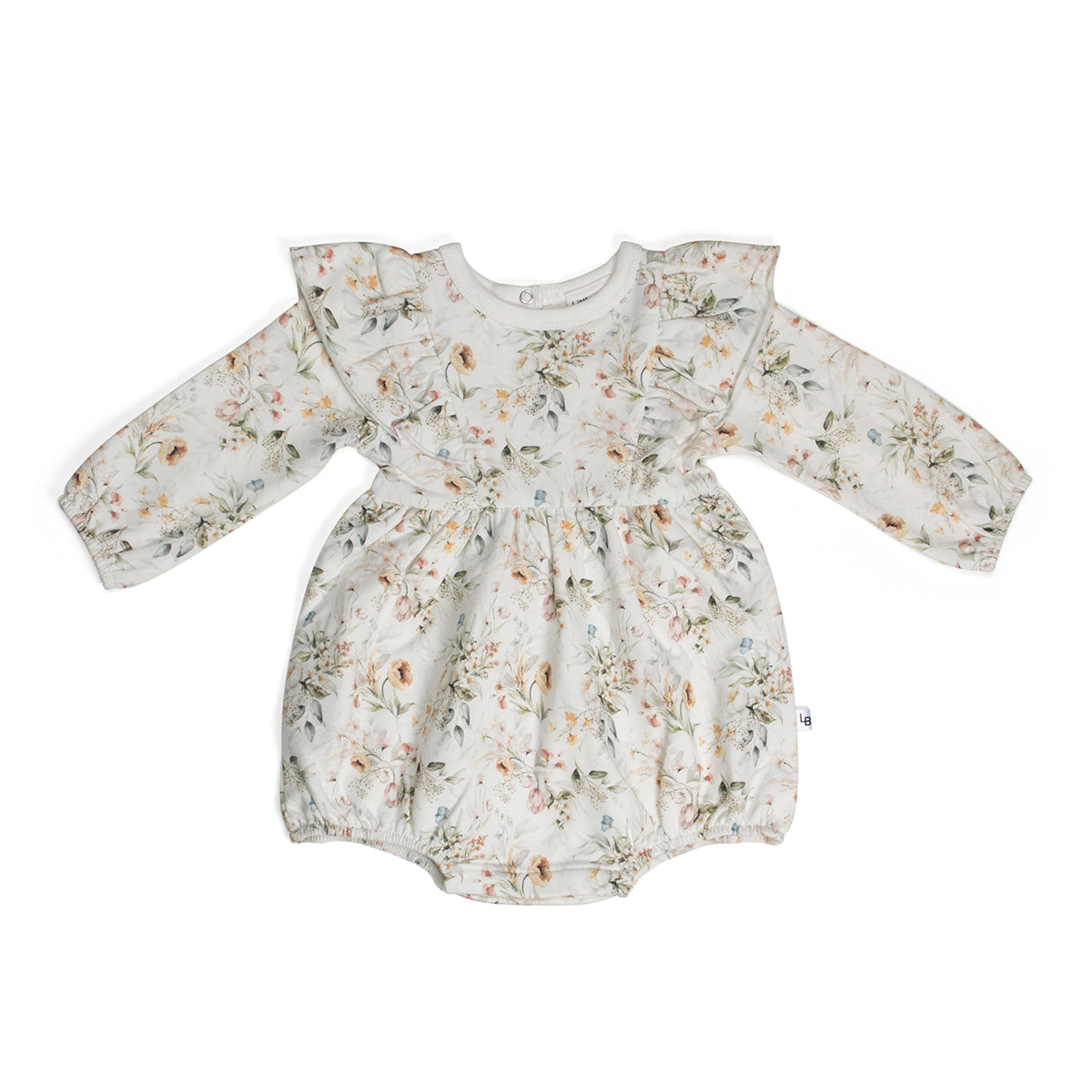
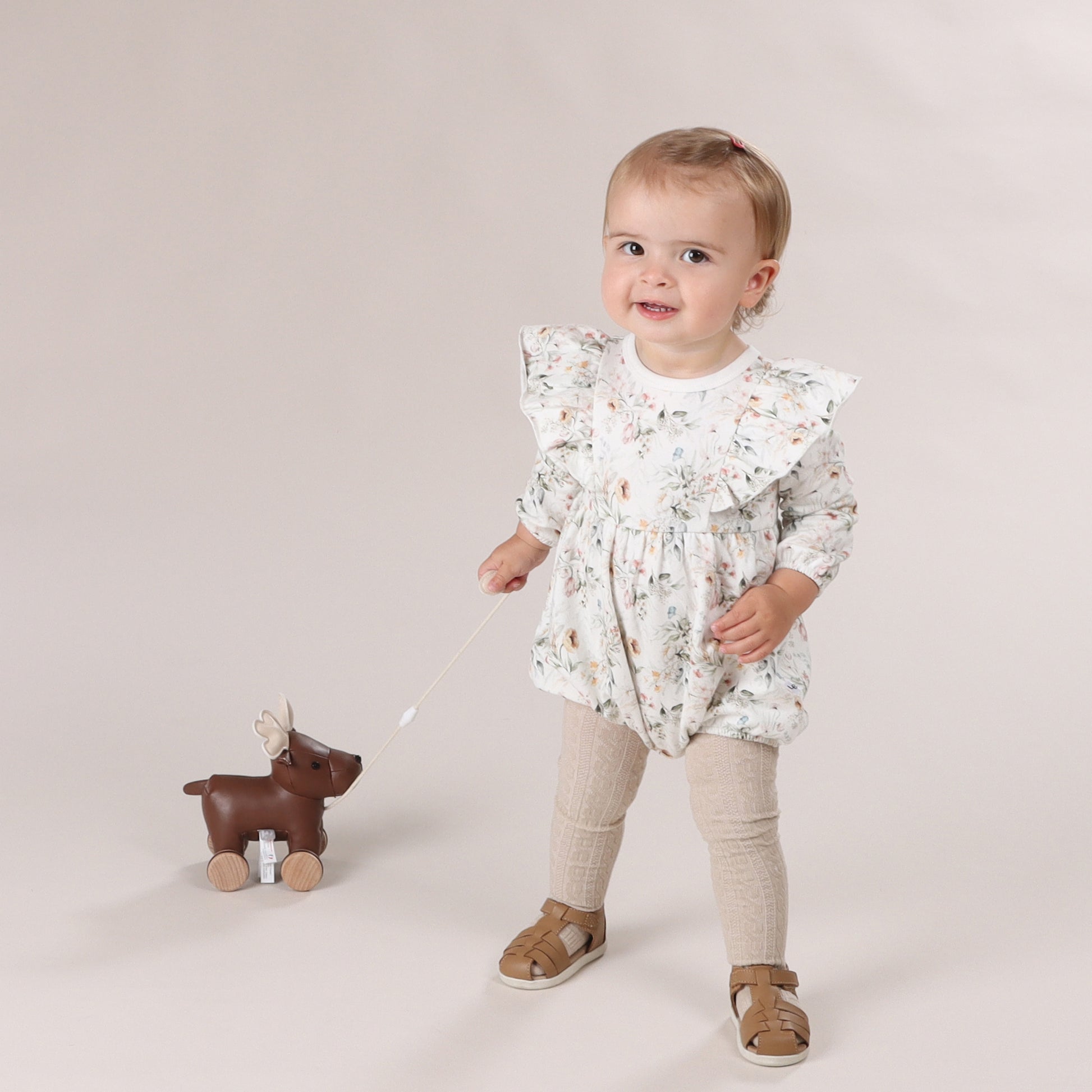
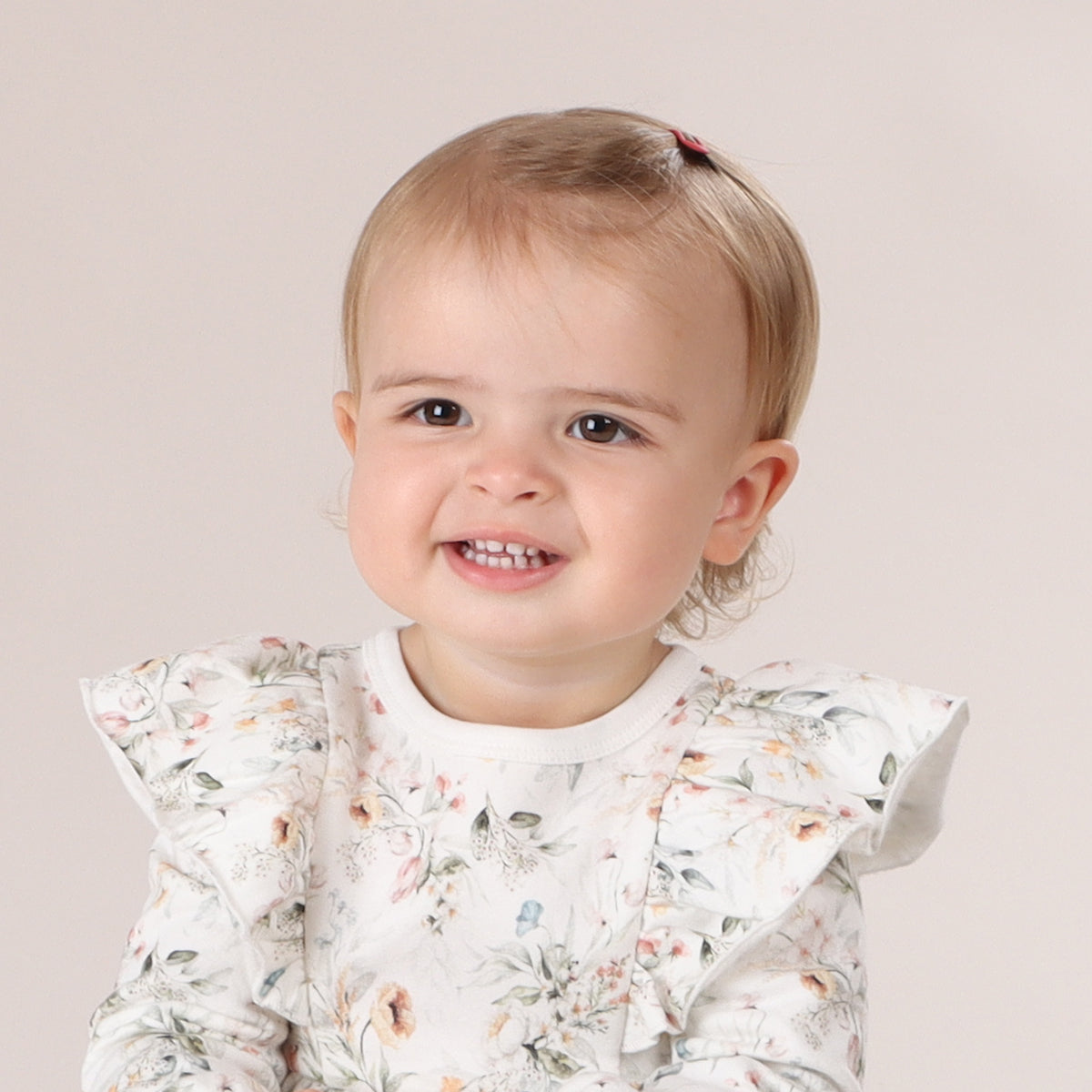
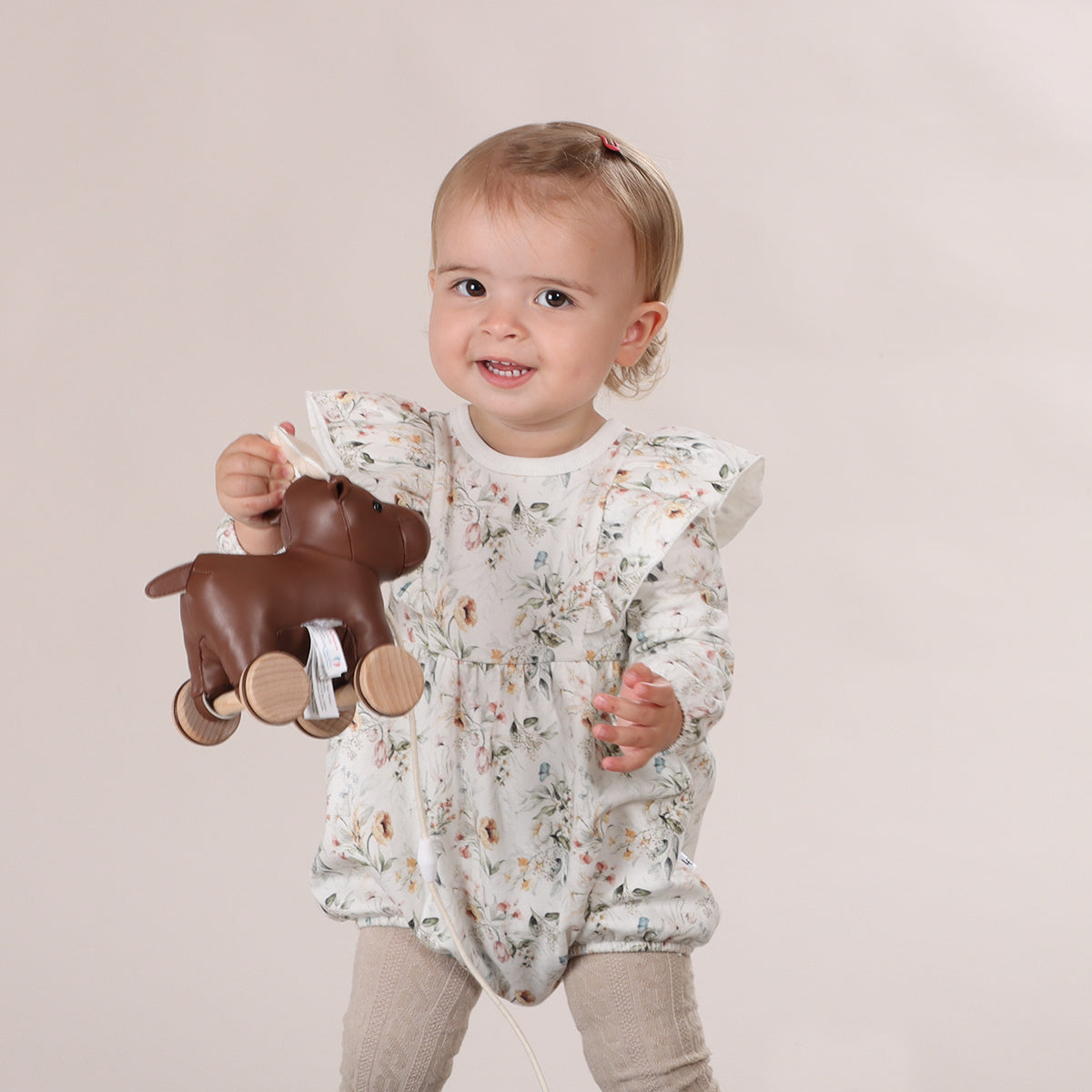
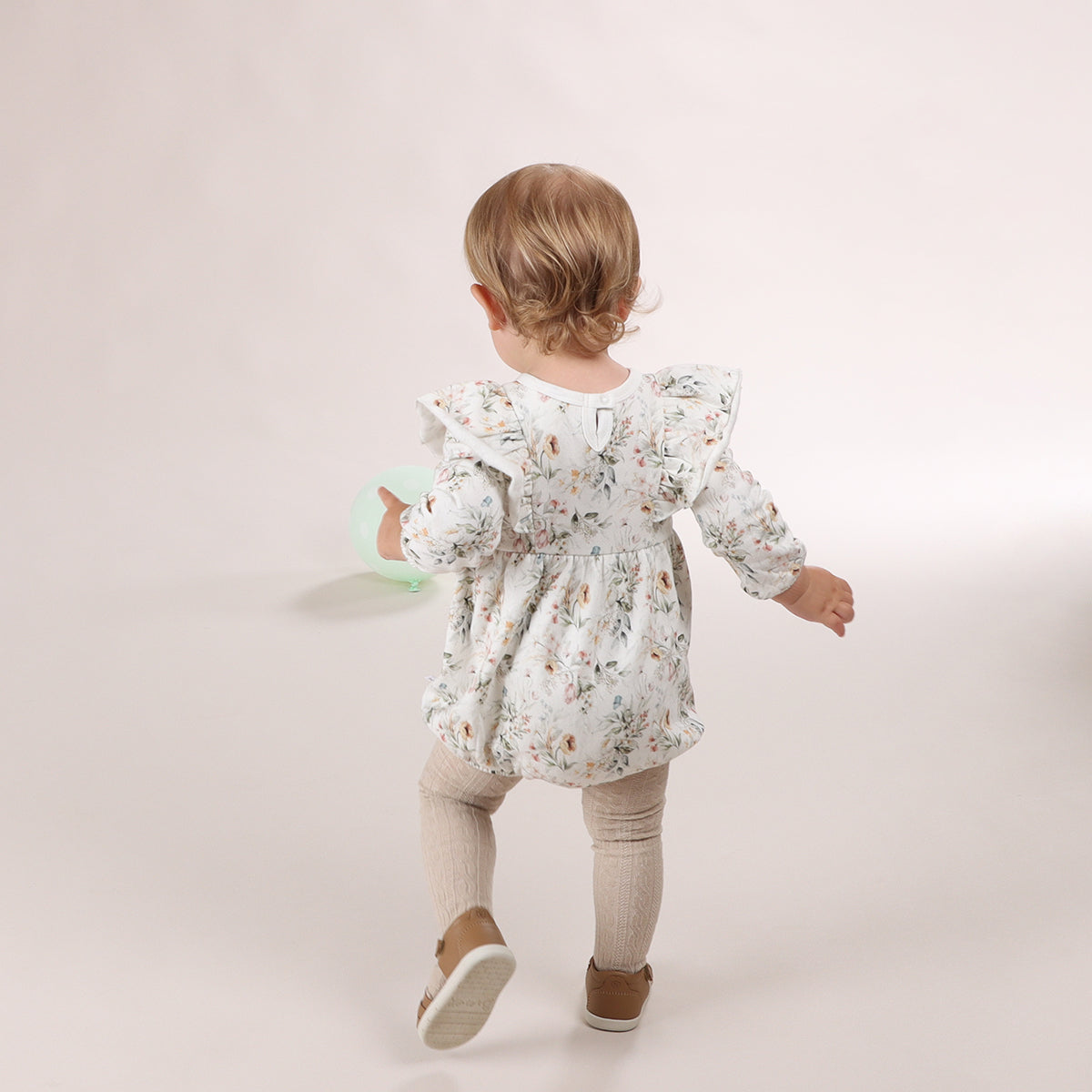
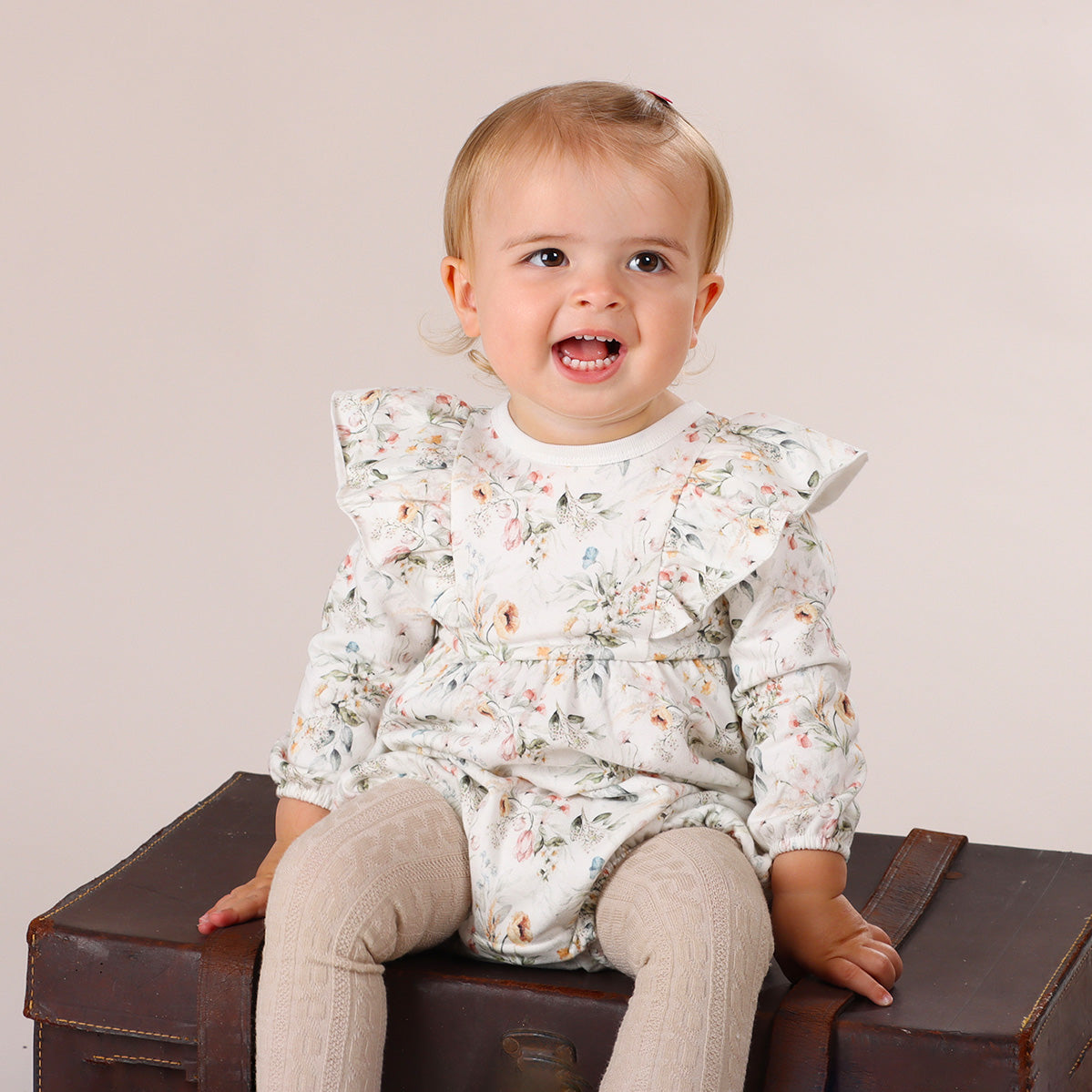
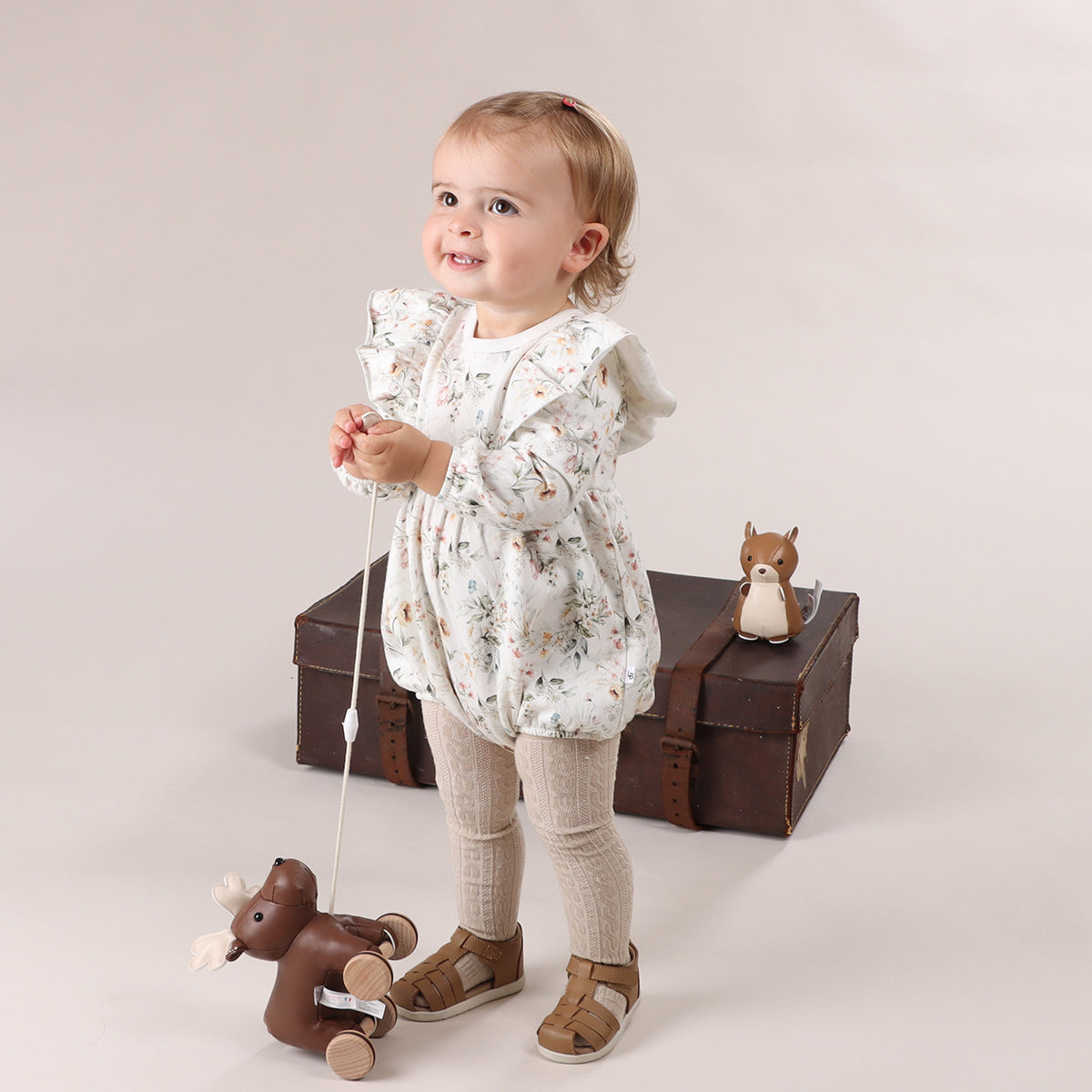
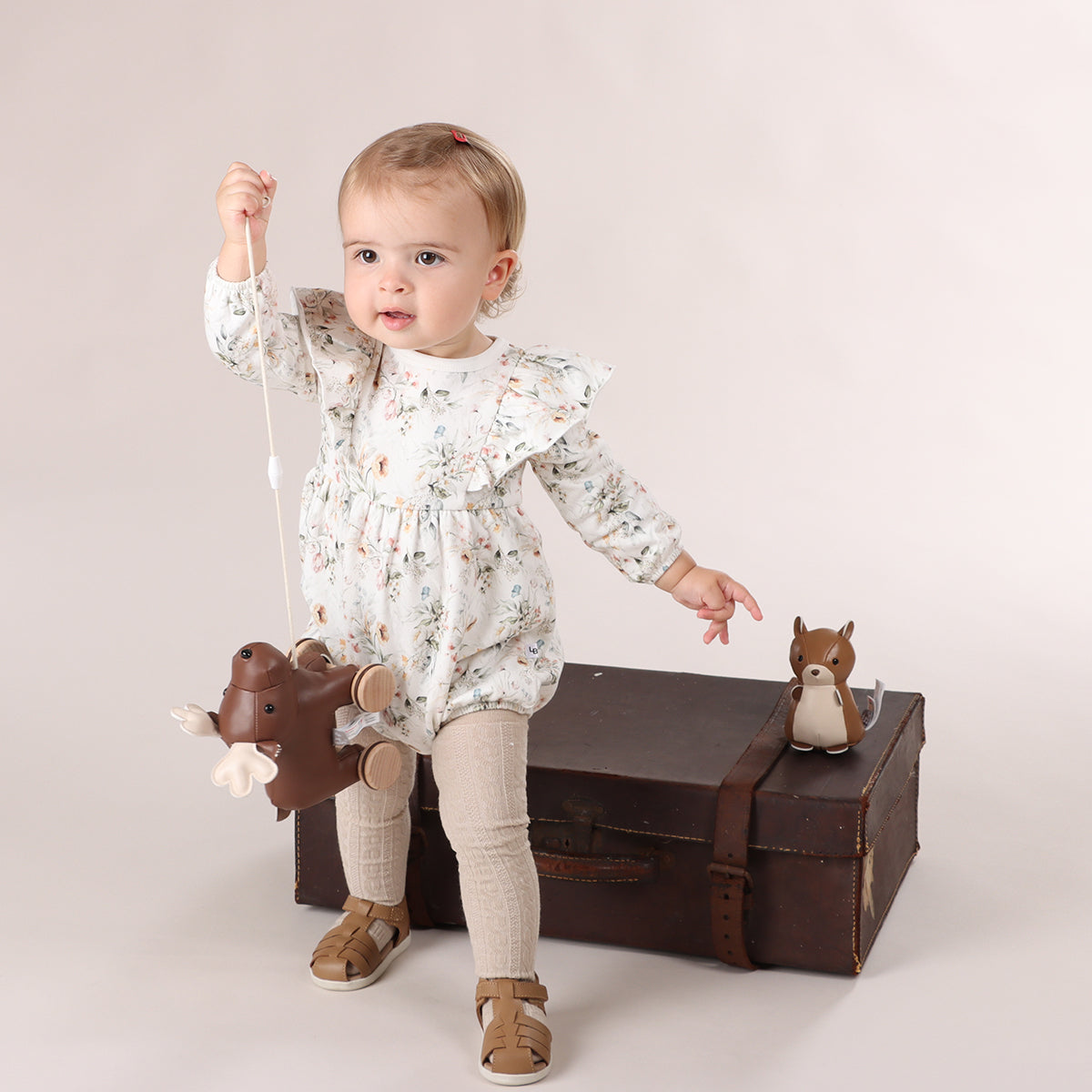

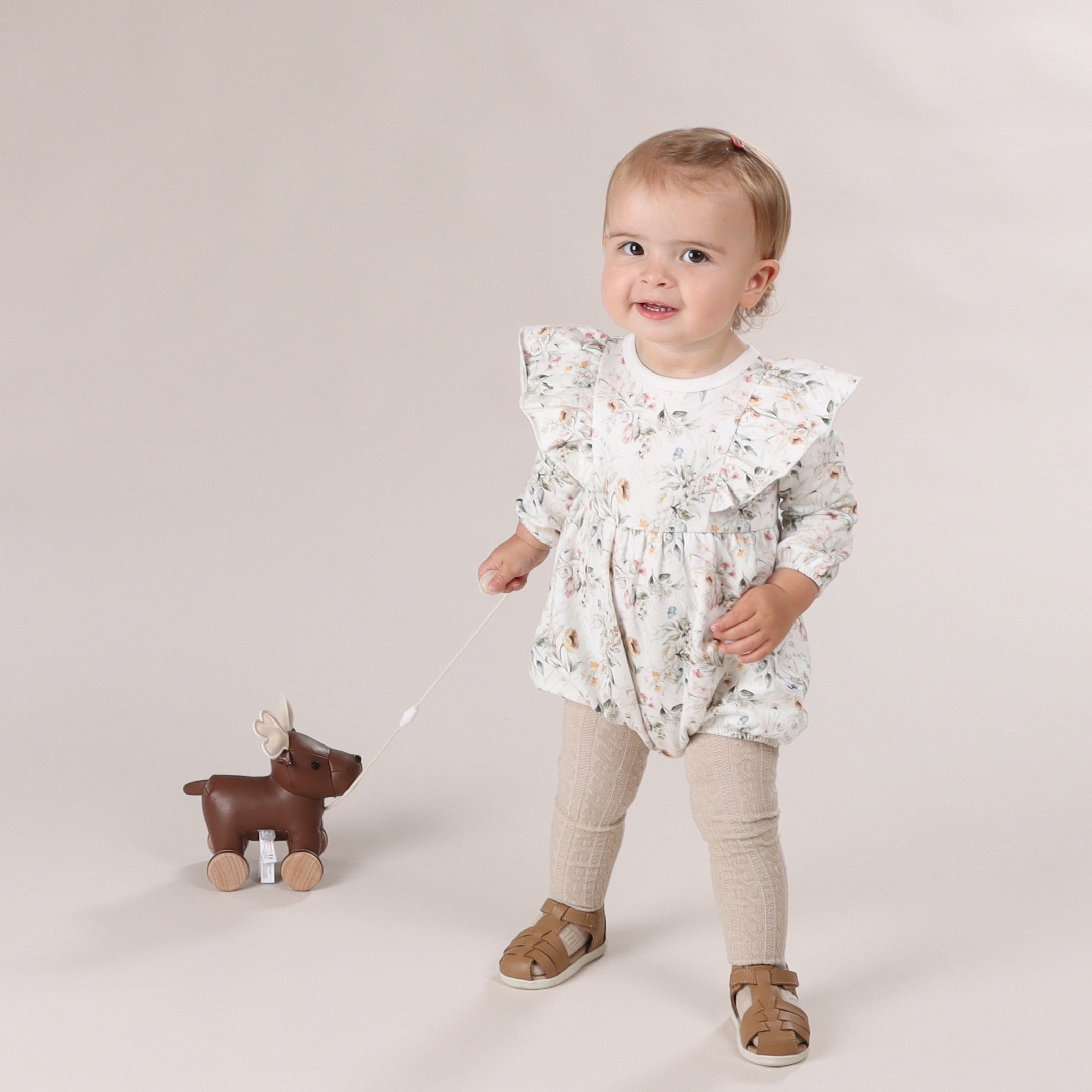
Cotton Frill Romper
Cotton Frill Romper
SKU:BL393-18mth
Clothing Prem to 18 Months
| Size | Age Guide | Weight | Height |
|---|---|---|---|
| Premature | Premature or Small Newborn | Up to 4Kg | Up to 55cm |
| Newborn | 0-3 months | 4-6Kg | Up to 62cm |
| 3 Month | 3-6 months | 6-8Kg | Up to 68cm |
| 6 Month | 6-12 Month | 8-10Kg | Up to 76cm |
| 12 Month | 12-18 Month | 10-12Kg | Up to 84cm |
| 18 Month | 18-24 Month | 12-14Kg | Up to 92cm |
Clothing 2 to 6 Years
| Size | Age Guide | Height | Chest | Waist | Hip |
|---|---|---|---|---|---|
| 2 Year | 2-3 Years | Up to 100 cm | 56 | 51 | 58 |
| 3 Year | 3-4 Years | Up to 105 cm | 58 | 53 | 60 |
| 4 Year | 4-5 Years | Up to 110 cm | 60 | 55 | 62 |
| 5 Year | 5-6 Years | Up to 115 cm | 62 | 57 | 64 |
| 6 Year | 6-7 Years | Up to 120 cm | 64 | 59 | 66 |
Beanie Size Guide
| Size | Head Circumference | Age Guide |
|---|---|---|
| Premature | 31-35 cm | Premature or Small Newborn |
| Newborn | 35-40 cm | Newborn |
| Small | 40-43 cm | 3-6 Months |
| Medium | 43-47 cm | 6-18 Months |
| Large | 47-52 cm | 18-3 Years |
Sunhat Size Guide
| Size | Head Circumference | Age Guide |
|---|---|---|
| Newborn | 37-40 cm | Newborn |
| Small | 40-43 cm | 3-6 Months |
| Medium | 43-46 cm | 6-12 Months |
| Large | 46-49 cm | 12-24 Months |
| Xtra Large | 49-54 cm | 2-4 Years |
Sleep Pods Size Guide
| Size | Weight | Age Guide | Measurement(Back to Hem) |
|---|---|---|---|
| Newborn | 0-6 kgs | 0-3 Months | 60.5 cm |
| Small | 0-8 kgs | 3-6 Months | 66 cm |
Booties Size Guide
| Size | Age Guide |
|---|---|
| Newborn | 0-3 Months |
| Small | 3-6 Months |
| Medium | 6-12 Months |
| Large | 12-18 Months |
In stock
Couldn't load pickup availability
Overview
Overview
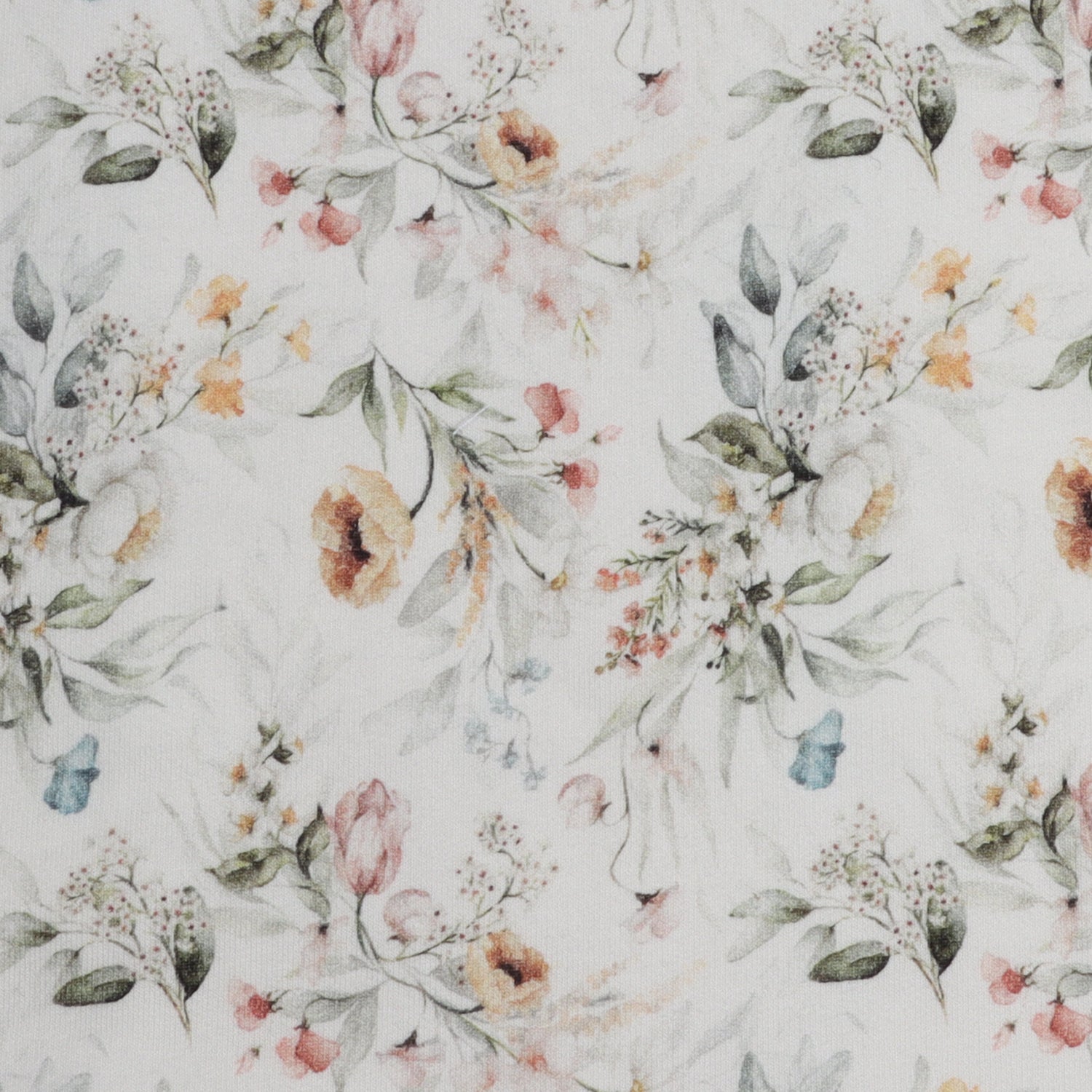
Embrace the beauty of nature with our Blossom Belle collection, featuring a vintage-inspired floral print. It’s super soft and beautifully crafted for sweet moments with your little petal as it is made using Oeko-Tex Certified Organic Cotton.
The Cotton Frill Romper is the perfect cozy choice for your little one this winter. Made from soft cotton, this romper is designed to provide warmth and comfort while allowing for freedom of movement. With long sleeves for extra coverage, it’s ideal for keeping your baby warm without the bulk. The charming frill detail at the shoulders adds a touch of sweetness, while the domed crutch makes dressing a breeze and ensures easy changes. The fabric’s gentle stretch ensures your baby has room to move comfortably, while the relaxed fit provides a cozy feel all day long. Whether at home or on the go, this romper is the perfect combination of style and practicality for the winter season.
Fabric Information
Fabric Information
Fit & Care
Fit & Care
Delivery and Returns
Delivery and Returns
- Delivery: Free within NZ on orders over $130 (excluding bulky items) or $8 standard shipping
- Returns: Accepted within 14 days of receipt with proof of purchase
- Some items are excluded from returns including sale items, hardware, car seats, prams, monitors and personal items - please click here for the full list.
Share this product
Recently viewed products
Related Blogs

A Guide to Baby's Temperature
As a parent there always seems to be something to worry about! A common concern in these cooler months is baby’s temperature and how to hit the ‘Goldilocks’ sweet spot – not too cold; not too hot! Monitoring baby Babies can’t regulate their own body temperature for the first six weeks, so it’s important to keep an eye on them and adjust their clothing and room temperature to suit. First up – what is normal? Baby’s temperature should be around 37 degrees Celsius. A mild fever is a temperature higher than 38ºC and a high fever is anything over 39ºC. A thermometer is a great addition to your home first aid kit – giving you a quick and accurate temperature reading. These will typically get used a lot throughout childhood, making them a great investment. Some great options include digital forehead thermometers for quick and contactless checks such as Oricom's Non Contact Infrared Thermometer or Nuk's Baby Flash Thermometer. It’s a good idea to also take your baby’s temperature on a day when they’re content and well, so you can check their ‘normal’. Babies under three months with a mild fever and babies between three and six months with a high fever (over 39ºC) should be taken to the doctor. Another way to gauge baby’s temperature is to gently touch the back of their head or tummy – it should feel warm. (While they offer easier access, don’t go by their hands or feet, as these extremities are often cooler.) Ideal temperature for a sleep space It’s important to make sure the room where your baby is sleeping is at a comfortable temperature - around 18-20ºC. If you have a heater, heat pump, or air conditioning with a thermostat, you can set it to 18ºC and it will flick on and off as the temperature changes throughout the night. Clothing and bedding choices are key Merino is a natural wonder that’s perfect year-round – helping with temperature regulation. It has little pockets of air that keep warmth in on cold days, and cool baby down on a hot day. Another great natural fibre for baby is organic cotton . It can eliminate moisture build up between clothes and your baby’s skin, to keep your them comfortable and dry. Clothes for when you’re out and about For daytime, opt for layers so you can add or remove a layer to keep baby comfortable - again sticking with cotton and merino. If your baby falls asleep in the pram or car - yay! But both spaces can heat up and get airless quickly – so don’t forget to monitor their temperature. Think about ways to provide shade and airflow – and don’t leave them asleep in a car alone. Bath time Ideal water temperature for a bath is 37°C. It should feel warm and soothing, but not too hot for delicate skin. You can test the water with the inside of your wrist, or make it super easy with a Oricom Duck Bath Thermometer or the colour-changing Pebbly.
Learn more
Tummy Time for Baby's Development
Tummy Time: Why It Matters (and How to Make It Easier) Tummy time is one of those things you hear about early on in parenthood - right up there with sleep routines, feeding cues, and learning to drink a hot cup of tea while it's still warm! It’s recommended for your baby’s development, but the reality is, many little ones aren’t too thrilled about it at first. The good news? There are ways to make it easier for both of you. Before we get into the tips and tricks, let’s take a quick look at what tummy time actually is, and why it matters so much. Why is tummy time important? When your baby spends time on their tummy (while awake and supervised), they’re doing more than just working those tiny muscles. Tummy time plays a key role in helping to: Strengthen their neck, shoulders, arms, and back Support healthy motor development (like lifting their head, rolling over, and eventually crawling) Prevent flat spots on the back of their head (also known as positional plagiocephaly) It’s also laying the groundwork for milestones down the track. Chiropractor Dr Ainslee explains that, “Research has confirmed that tummy time not only helps children meet gross motor milestones like crawling, walking, and jumping. It also supports their social, cognitive, and learning development later in life.” So, what counts as tummy time? Tummy time doesn’t always have to mean placing your baby directly on the floor. It’s any time your baby is tummy-down while they’re awake and being supervised. Dr Ainslee puts it beautifully - it’s about “handling a baby in a way that naturally facilitates the development of interactive head control.” That means there are lots of ways to fit tummy time into your daily routine - even in those early newborn weeks. Gentle ways to start tummy time If your baby isn’t loving tummy time just yet, that’s okay. Start small and keep it gentle. Chest-to-chest: One of the easiest and most comforting ways to begin. Lie back and place your baby tummy-down on your chest. Skin-to-skin adds even more benefits. Football hold: Hold your baby tummy-down along your forearm, with your hand supporting their tummy and your other hand under their head. Keep them close - this one’s great for newborns. Across your lap: Another simple option that gives your baby some tummy time and lets you sneak in a burp or a cuddle. Baby expert Dorothy Waide encourages parents to start early, even just for a few seconds at a time. “The sooner you start, the quicker baby will adapt. If you begin with short bursts after each nap, you’ll soon find your little one starts to enjoy it more and more.” Making tummy time fun Tummy time doesn’t have to feel like a chore - for either of you. The more engaging it is, the more likely your baby will stick with it (and enjoy it too!). Try: Getting down to their level: Lie on the floor beside them, chat, sing, or just keep them company. Using mirrors or books: A mirror or a high-contrast board book placed in front of your baby can be fascinating for those curious eyes. Sensory toys: Toys like this Farm Activity Playmat are designed to make tummy time more exciting. It includes a removable cushion, a flip-up mirror, a delightful 3D farm animal, a squeaker animal, a teething toy, and an array of textures to touch and feel, making it an ideal companion for endless fun and learning. Supportive gear that can help The Little Bee by Dimples Baby Lounger is a handy tool for tummy time. It’s designed with a gently raised end that gives your baby the right angle to strengthen their upper body muscles in a supported way. The flat end provides a comfy space for rest - so it’s a multitasker. The Doomoo Softy is another great tummy time option — especially for younger babies. Drape your little one over the soft cushion so their arms and chest rest on it. It gently raises their upper body, helping them lift their head and build strength without feeling too flat on the floor. Plus, it doubles as a comfy feeding or lounging cushion when tummy time’s done. The takeaway? You don’t have to do it all at once — and your baby doesn’t have to love it right away. Like most things in early parenthood, tummy time is a journey. Start slow, keep it playful, and know that every minute counts. If you’re looking for supportive products to make tummy time easier, explore our collection of sensory play mats, baby loungers, and purpose-designed tummy time toys. You've got this.
Learn more
Dimples Cotton- High Quality Designed to Last
Dimples Cotton: Naturally Better for Summer As the weather warms up, it's the perfect time to refresh your little one’s wardrobe with breathable, natural fabrics. At Dimples, we’re passionate about creating clothing that not only looks beautiful but feels good and does good too for your baby and the planet. Our cotton is soft, strong, and certified to the highest global standards. The yarn carries GOTS (Global Organic Textile Standard) certification, and our dyeing process is certified by OEKO-TEX®, ensuring it's free from harmful substances and gentle on sensitive skin. Why Choose Cotton? Cotton is a natural fibre that’s ideal for dressing babies during warmer months. It’s breathable, absorbent, and lightweight helping to keep your little one cool, dry, and comfortable as temperatures rise. Unlike synthetic fabrics that can trap moisture and cause overheating or irritation, cotton allows air to flow and helps prevent heat rashes by drawing moisture away from the skin. In fact, cotton can absorb up to 20% of its weight in moisture before it even starts to feel damp. At Dimples, we use only high-quality cotton that's soft enough for delicate skin but durable enough to be worn, washed, and passed down to the next little one. Caring for Your Dimples Cotton Dimples cotton is designed to be lived in and washed often. There’s no need for special treatment here. Simply pop it in the washing machine with your everyday laundry. It’s made to last and look good doing it. Timeless Quality Inspired by the joy of childhood and the beauty of everyday moments. You’ll find a variety of silhouettes, from newborn essentials to stylish toddler pieces, all made in our signature soft cotton and designed to mix, match, and move with your little one. Our garments are made with care, built to last, and designed with timelessness in mind so they can be loved now, and lovingly handed down later. Shop the full range Here
Learn more
Pretty Brave Shoes: A Guide to Little Feet
Little feet have a lot of growing and exploring to do! From those first little steps to running, playing and discovering the world, choosing shoes that are comfortable and designed to move with them is an important part of every stage.
Learn more