


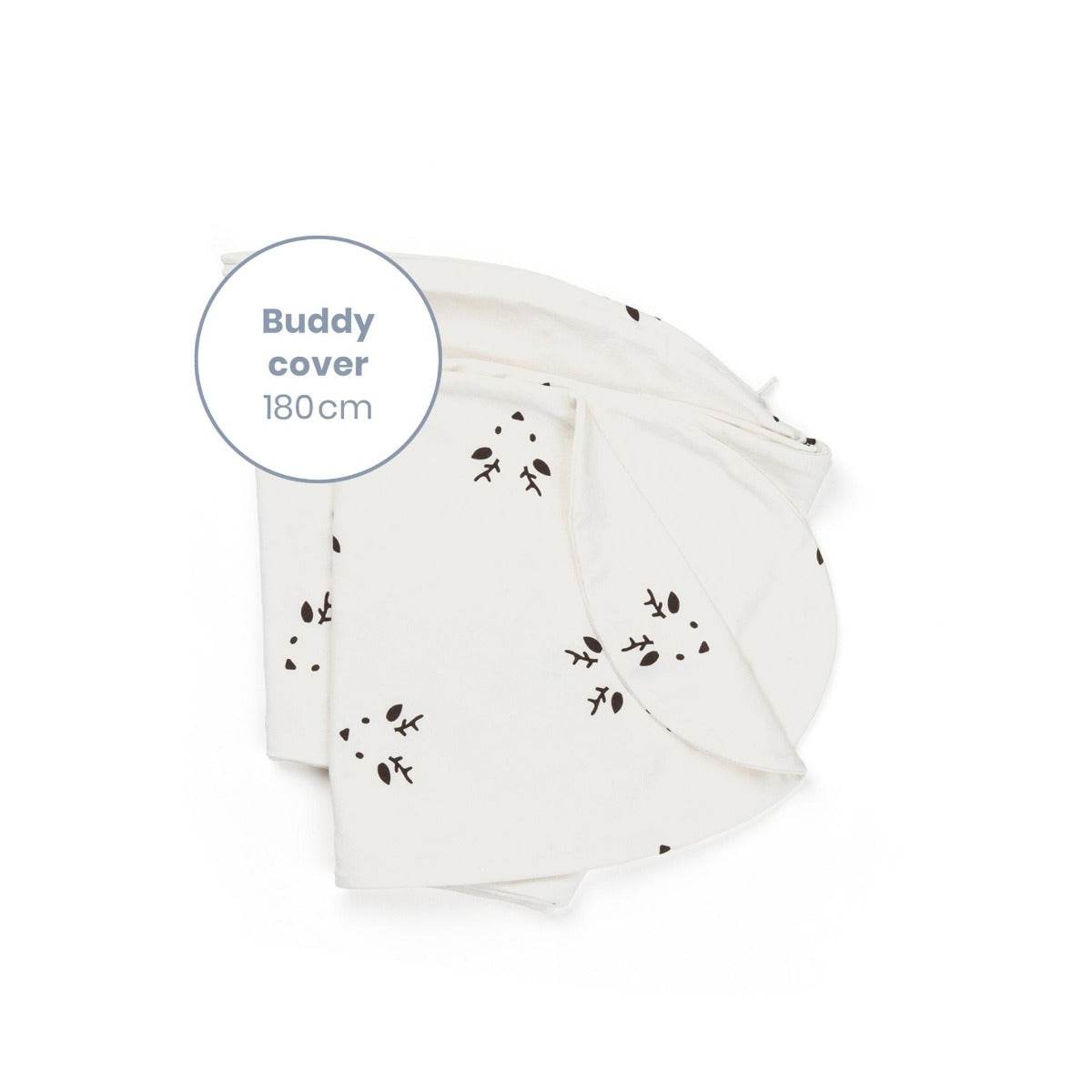
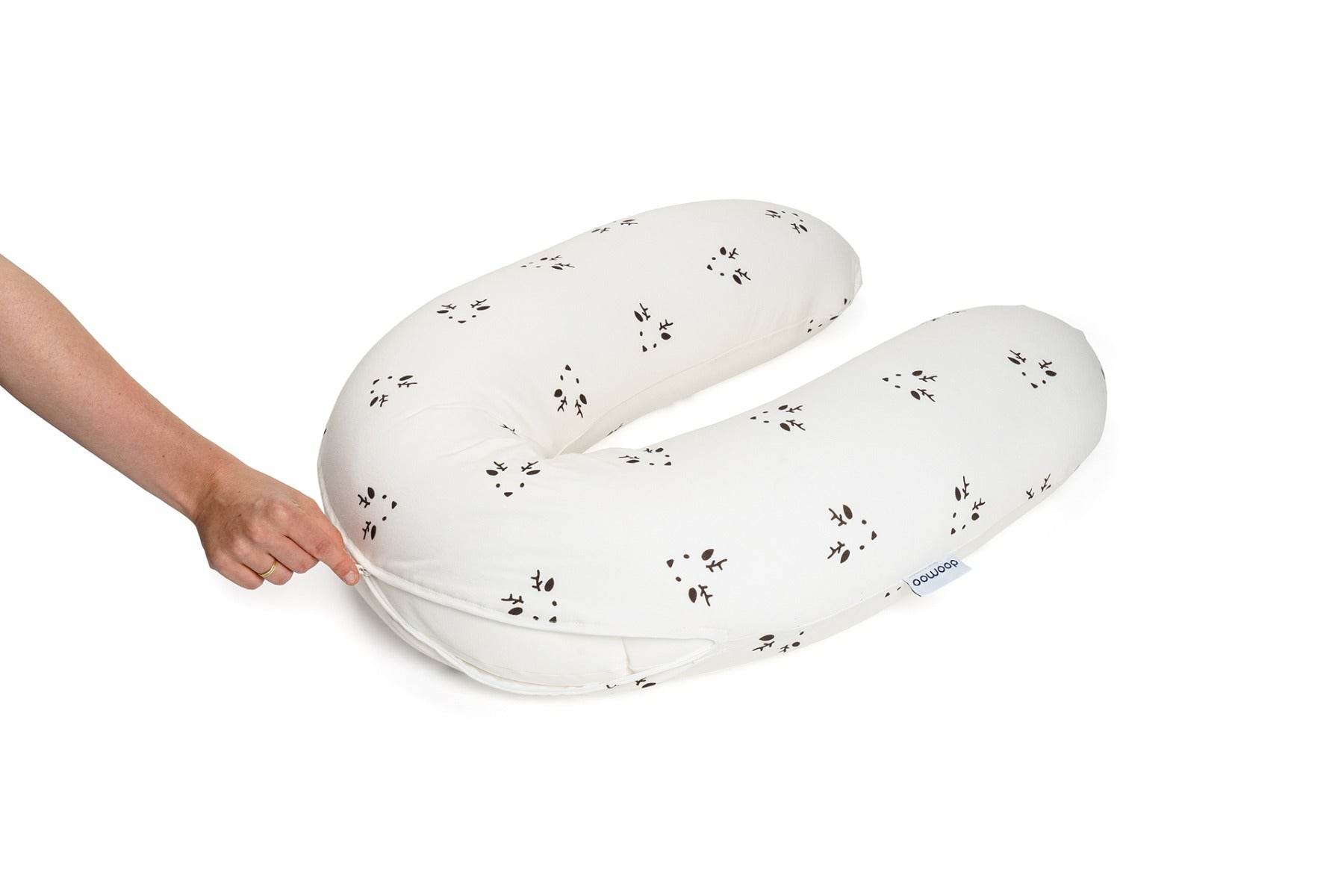
Doomoo Buddy Cover
Doomoo Buddy Cover
SKU:DMBCB81
Low stock
Couldn't load pickup availability
Overview
Overview
Doomoo products are made to last - but sometimes, a fresh new look is all you need. Whether you're updating your style or replacing a well-loved cover, this new design made with organic cotton is the perfect fit.
Made to suit all doomoo Buddy pregnancy pillows, it’s an easy way to refresh your favourite cushion without replacing the whole pillow.
Technical Specification
Technical Specification
Delivery and Returns
Delivery and Returns
- Delivery: Free within NZ on orders over $130 (excluding bulky items) or $8 standard shipping
- Returns: Accepted within 14 days of receipt with proof of purchase
- Some items are excluded from returns including sale items, hardware, car seats, prams, monitors and personal items - please click here for the full list.
Share this product
Recently Viewed Products
Related Blogs

Producing quality products without the compromises
Our commitment to our workers With most of the world’s fast fashion garments now made in Asia, the commitment to fair labour globally is sketchy at best. We believe it’s entirely possible to make a great product while caring about the environment, its workers and your little one too. Dimples’ dedication to producing high-quality New Zealand-made clothing hasn’t changed one bit since we started in 1992. Here’s how we put people at the heart of our product. Fabrics that put workers at the forefront From the origins of the raw materials through to dying and fabric manufacture, we choose materials that put people and the environment first – every step of the way. Homegrown merino – by choosing cosy merino grown right here at home, we know our local workers are getting well looked after. From fair working conditions on our Kiwi sheep stations to fair prices for the merino, New Zealand standards are adhered to throughout the process. Certified organic cotton – creating beautiful cotton without chemical fertilisers and pesticide protection is uncommon – and that’s a problem. Not only are farmers put at risk when they have contact with these chemicals, the run-off seeps into the waterways, affecting the food production and health of the whole community. We know that organic practices are best. From fibre to fabric – The majority of our fabrics are produced by ABMT in Melbourne, where our Aussie neighbour’s high labour standards and strict health and safety policies are adhered to. We’re proud to align with an ethical employer that also leads the way with its environmental policies. Production of the Dimples range Our ethically sourced fabrics aren’t jetted offshore for low-cost garment production. We employ a local team that puts our clothing and accessories together with love and care. Supporting the local economy and our workers With our strong focus on homegrown goods, we support fair employment, contribute to the local economy and keep our industry alive. Dimples employs skilled, full-time machinists that work from home, our garment cutters are just down the road from our head office and all our doming is done by a local business too. Encouraging work-life balance With many of our garments featuring our signature hand-embroidered bee and English rose, we have plenty of delicate embroidery work year-round. Our experienced embroiderers work from home and have the flexibility to fit bees and roses around their daily lives. Supporting diversity and gender equality We are an ethnically diverse team, with five nationalities currently represented by our employees. Dimples was founded and is still run by Jane Anne – women feature strongly in our leadership. Brands we stock align with our people-loving ethos We support and stock brands with a similar ethos to ours, making it easy for you to shop responsibly. Nuna With a focus on ‘creating consciously’, their emphasis on quality production is strong. As a result, Nuna conforms to OHSAS 18001 which is an international certification putting employees’ health and safety at the forefront. To read more about how Nuna products are responsibly made, visit them here . Stokke As a member of the Ethical Trading Initiative Norway , Stokke is an industry advocate for ethical best practices. Each step of the way, every supplier or partner of Stokke co-signs a code of conduct agreement to ensure proper working conditions, compensation and production methods are followed. Read more about their commitment to ethics and the environment here. Doomoo Doomoo is all about sustainability, creating durable, multifunctional products designed to last. The brand focuses on using eco-friendly materials, and ensures much of their manufacturing is done locally in Europe. By prioritizing local sourcing, Doomoo reduces their environmental impact and supports regional economies. They also offer spare parts and care instructions to help families keep their products in top shape for years to come. Read more about how Doomoo is making a sustainable impact here. Clothing your babe minus the guilt Sweatshops and harmful production practices do not have to be the norm in our industry. As a brand, we have the power to put people (big and small) at the heart of what we do, and that’s proudly what we continue to do.
Learn more
Pregnancy Pillows: Comfort for You, Your Bump & Beyond
During pregnancy, your body undergoes amazing changes to nurture and make space for your little one. As your pregnancy progresses, you may find it more challenging to get comfortable and restful sleep in preparation for the busy days ahead with your newborn. Weight gain during pregnancy can also put a strain on your joints, causing discomfort in your back, hips, knees, and ankles, making finding a comfortable position even harder. This is where a good pregnancy pillow becomes your best friend, offering the support you need to sleep more soundly and comfortably. Embrace Versatility with the 3-in-1 Buddy Supportive Pregnancy Pillow The Doomoo Buddy pillow offers full-body support, designed to relieve pressure on your hips and spine, whether you prefer sleeping on your side or your back. Its hypoallergenic micro pearl filling adjusts to your body’s shape, providing comfort throughout the night. But it’s not just for pregnancy! Once baby arrives, the Buddy becomes an excellent support for breastfeeding or bottle feeding, making those moments a bit more comfortable. It also serves as a soft cushion for your baby to rest or play on, making it a truly versatile product. For Extra Comfort: Doomoo Comfy Big & Doomoo Maxxy The Doomoo Comfy Big is designed for ultimate relaxation during pregnancy, with soft, supportive filling that allows you to find the perfect position for sleep or lounging. Whether you're supporting your growing bump or using it for added back support, the Comfy Big offers tailored comfort that adjusts to your body’s needs. The Doomoo Maxxy offers a versatile solution for both you and your baby. It’s perfect for sleeping, feeding, or even giving your baby a comfy place to rest and play. Its larger design makes it ideal for more support as your body changes during pregnancy, and it’s just as useful post-pregnancy when baby arrives. For feeding your little one Finally, the Doomoo Soft Feeding Pillow is a must-have for any new parent. Its soft, supportive design provides comfort during breastfeeding and ensures your little one is well-supported while feeding or relaxing. It can also double as a tummy time tool to help prop your baby up, or even a barrier for when they are learning to sit up on their own! We Love Doomoo! Softness and comfort are at the heart of everything Belgium-made brand Doomoo creates. Their products are designed with both you and your baby in mind, providing the perfect balance of support and relaxation. We love them for their thoughtful, high-quality designs that make pregnancy and postpartum life that much easier and more comfortable. They have a fantastic range of products designed to support both your and your baby’s sleep. Check out the full range here or visit us in-store at Dimples.
Learn more
Navigating Emotions During Pregnancy and Postpartum: You’re Not Alone
Pregnancy and the postpartum period are times of incredible change, physically, emotionally, and mentally. You’ve entered a brand-new chapter in your life, one filled with love, learning, and sometimes, a little chaos. Your body is adjusting, your hormones are shifting, your routine is changing, and now there’s a tiny person who depends entirely on you. With such big changes, it’s completely natural to feel overwhelmed at times. These experiences can take a toll on your mental health, no matter how “small” the changes may seem. But one thing is certain, you’re not the first, and you’re not alone. Mood Swings Mood swings are incredibly common during pregnancy, postpartum, and even during menstruation. They happen when emotions change quickly or feel more intense than usual. While hormones play a big part in this, mood swings can also stem from things like lack of sleep, changes in routine, or neglecting your own needs.It’s important to care for yourself through these transitions so they feel a little smoother. Ways to Support Yourself During Mood Swings Take a walk to clear your mind. Fresh air and gentle movement can work wonders. If your baby has arrived, bring them along so you can both enjoy the change of scenery. Seek support from loved ones. Whether you need someone to talk to, help with the baby, or just company over a cup of tea, reaching out makes a huge difference. Connection is one of the strongest protectors of mental health. Create a little “you” space. It could be a cozy corner, a seat by a window, or a sunny spot outside. A quiet place to pause, breathe, and gather your thoughts can bring you back to centre. Keep up with small acts of self-care. Taking a shower can feel like a luxury with a newborn, but it truly helps. Products like the Nuna Leaf Grow can be a lifesaver, let your baby gently sway while you take a few minutes to refresh. Do your skincare routine, put on a face mask, or spend 10 minutes doing a hobby you love. Even short moments of care help your mind reset. Remember, no matter what you are feeling, your emotions are valid. If your moods are starting to affect your daily life, please reach out to your doctor, midwife, or a mental health professional. Your wellbeing matters deeply, both for you and for your new little family. Understanding Anxiety Anxiety has been part of human life since our earliest ancestors. In prehistoric times, it was a survival mechanism helping people stay alert to dangers like predators or the risk of being left out of their group. This “fight, flight, or freeze” response kept them safe.Today, we don’t face the same physical threats, but our brains still use the same alarm system. Instead of warning us about predators, anxiety now shows up in moments like worrying about parenting, work, or social situations, times when it may feel overwhelming or out of place. Feeling anxious during pregnancy is completely normal. The “what ifs” and the doubts about being a good parent can feel heavy and persistent. Many people experience this, but it’s still something that’s often under-recognised. There’s an important difference between feeling anxious and living with anxiety. Feeling anxious is a temporary and natural response; anxiety, on the other hand, is ongoing and can impact your daily life and wellbeing. Common Symptoms of Anxiety Excessive worry about your baby’s health, birth, or your ability to parent Physical symptoms like sweating, shortness of breath, or difficulty sleeping Intrusive or distressing thoughts about your baby Irritability, restlessness, or difficulty focusing These symptoms can affect sleep, appetite, and how you function day to day, sometimes even making it harder to bond with your baby. If your anxiety feels overwhelming, please reach out for support. You do not need to face this alone. Support in Aotearoa New Zealand Anxiety NZ: Call 0800 ANXIETY (0800 269 4389) or visit anxiety.org.nz PADA - Perinatal Anxiety & Depression Aotearoa: pada.nz for help specific to pregnancy, birth, and early parenting Need to Talk? Text or call 1737 anytime for free, confidential counselling; 1737.org.nz For Māori whānau, resources like Te Whare Tapa Whā and Whānau Ora offer holistic, culturally grounded support; visit manamokopuna.org.nz. For Pasifika families, PADA offers programmes such as Tama'ita'i Toa, and you can also explore stories like Sela’s Project: A Mother’s Cry at mentalhealth.org.nz. Reaching out is a sign of strength, not weakness. Help is available, and you deserve support. Postpartum Depression (PPD) After giving birth, some people experience postpartum depression (PPD) or anxiety, sometimes weeks, months, or even years after their baby arrives. It’s something that has existed throughout human history, yet it’s still under-researched and often misunderstood.If you’re experiencing symptoms of depression or anxiety, please know this is not your fault. These feelings do not define your worth or your ability to be a good parent. Common Symptoms of PPD Persistent low or flat mood Frequent irritability or loss of interest in usual activities Changes in appetite or sleep Constant fatigue Trouble concentrating or making decisions Some parents may also experience distressing intrusive thoughts about their baby. These can feel terrifying or shameful, but having these thoughts does not mean you want to harm your child. They are a symptom of your mental health, not a reflection of who you are. If you’re struggling with these thoughts or any of the symptoms above, please reach out for help. You are not alone, and there is care available to support both you and your baby. In Aotearoa, you can find support and information through Healthify NZ’s Postnatal Depression. Finding Your Balance Again While pregnancy and postpartum can bring moments of uncertainty and emotional ups and downs, they also bring incredible growth, connection, and love. You are learning new things about yourself every single day, how strong you are, how deeply you can care, and how resilient the human heart can be. Remember, there will be good days and harder ones, but none of them define you as a parent. The difficult moments will pass, and with time, support, and self-compassion, things will start to feel lighter again. Be gentle with yourself. You are doing one of the most important and beautiful things in the world: nurturing life, both your baby’s and your own. Take each day as it comes, celebrate the little victories, and remind yourself often: you’ve got this.
Learn more
Pretty Brave Shoes: A Guide to Little Feet
Little feet have a lot of growing and exploring to do! From those first little steps to running, playing and discovering the world, choosing shoes that are comfortable and designed to move with them is an important part of every stage.
Learn more- Rated 4 out of 5 stars3 months agoComfortable
Bought for my wife and she throughly enjoys it.
DDimples3 months agoHi Talanoa, Thank you for your feedback on the Doomoo Buddy Pregnancy Pillow! 💛 It's wonderful to know this pillow is providing her with the support and comfort she needs during this special time 😊
TMTalanoa M.Verified Buyer