


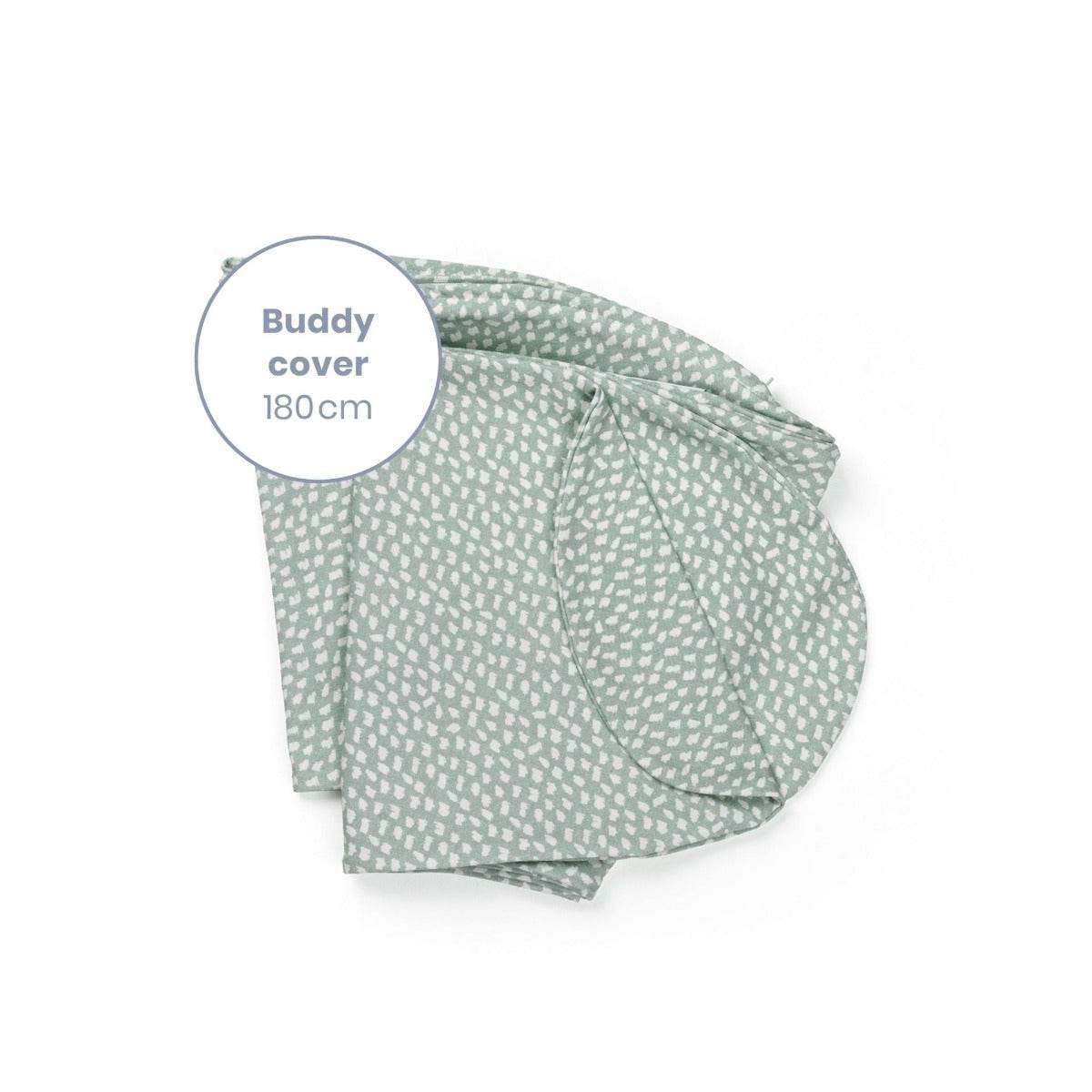
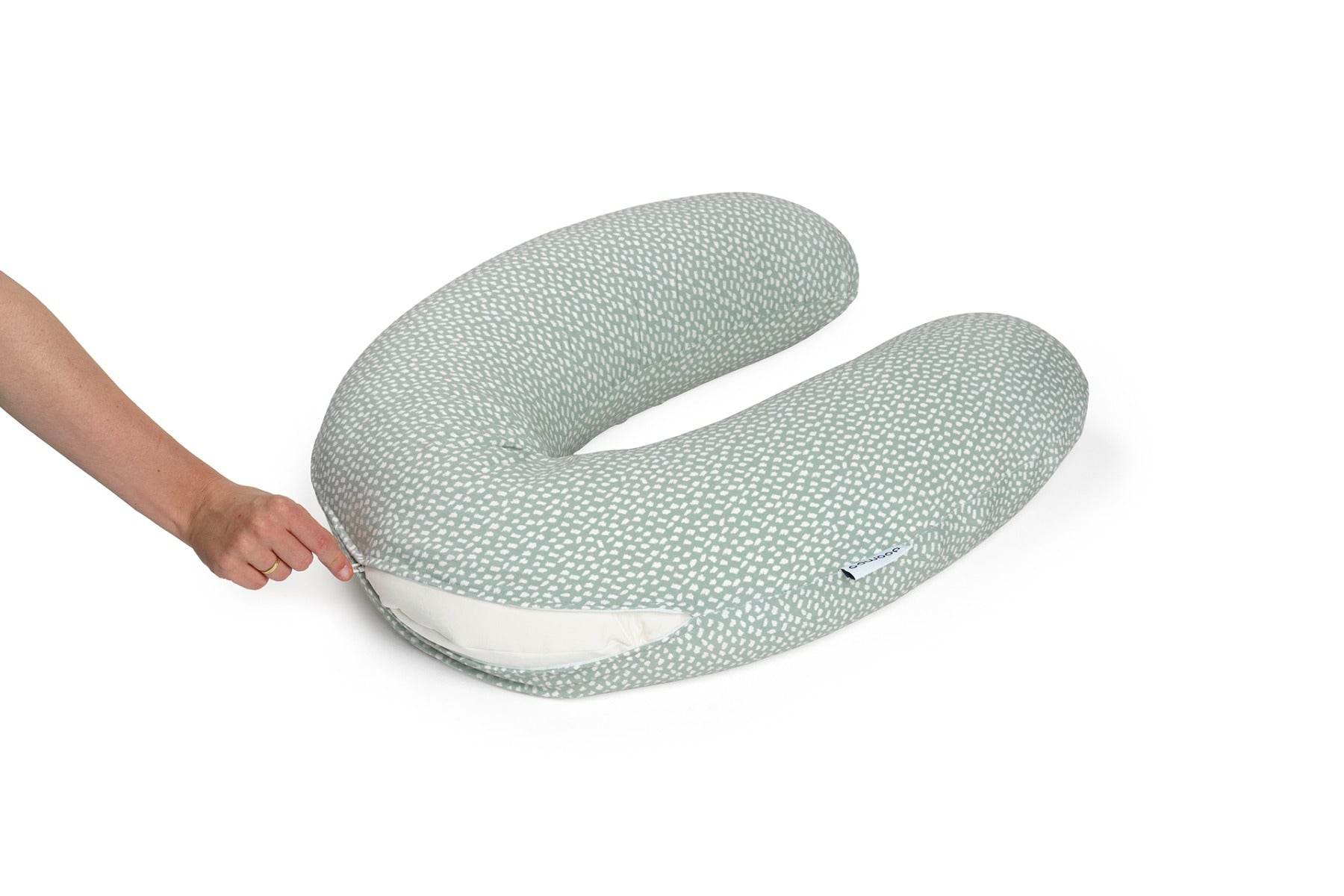
Doomoo Buddy Cover
Doomoo Buddy Cover
SKU:DMBCB60
In stock
Couldn't load pickup availability
Overview
Overview
Doomoo products are made to last - but sometimes, a fresh new look is all you need. Whether you're updating your style or replacing a well-loved cover, this new design made with organic cotton is the perfect fit.
Made to suit all doomoo Buddy pregnancy pillows, it’s an easy way to refresh your favourite cushion without replacing the whole pillow.
Technical Specification
Technical Specification
Delivery and Returns
Delivery and Returns
- Delivery: Free within NZ on orders over $130 (excluding bulky items) or $8 standard shipping
- Returns: Accepted within 14 days of receipt with proof of purchase
- Some items are excluded from returns including sale items, hardware, car seats, prams, monitors and personal items - please click here for the full list.
Share this product
Recently Viewed Products
Related Blogs

Producing quality products without the compromises
Our commitment to our workers With most of the world’s fast fashion garments now made in Asia, the commitment to fair labour globally is sketchy at best. We believe it’s entirely possible to make a great product while caring about the environment, its workers and your little one too. Dimples’ dedication to producing high-quality New Zealand-made clothing hasn’t changed one bit since we started in 1992. Here’s how we put people at the heart of our product. Fabrics that put workers at the forefront From the origins of the raw materials through to dying and fabric manufacture, we choose materials that put people and the environment first – every step of the way. Homegrown merino – by choosing cosy merino grown right here at home, we know our local workers are getting well looked after. From fair working conditions on our Kiwi sheep stations to fair prices for the merino, New Zealand standards are adhered to throughout the process. Certified organic cotton – creating beautiful cotton without chemical fertilisers and pesticide protection is uncommon – and that’s a problem. Not only are farmers put at risk when they have contact with these chemicals, the run-off seeps into the waterways, affecting the food production and health of the whole community. We know that organic practices are best. From fibre to fabric – The majority of our fabrics are produced by ABMT in Melbourne, where our Aussie neighbour’s high labour standards and strict health and safety policies are adhered to. We’re proud to align with an ethical employer that also leads the way with its environmental policies. Production of the Dimples range Our ethically sourced fabrics aren’t jetted offshore for low-cost garment production. We employ a local team that puts our clothing and accessories together with love and care. Supporting the local economy and our workers With our strong focus on homegrown goods, we support fair employment, contribute to the local economy and keep our industry alive. Dimples employs skilled, full-time machinists that work from home, our garment cutters are just down the road from our head office and all our doming is done by a local business too. Encouraging work-life balance With many of our garments featuring our signature hand-embroidered bee and English rose, we have plenty of delicate embroidery work year-round. Our experienced embroiderers work from home and have the flexibility to fit bees and roses around their daily lives. Supporting diversity and gender equality We are an ethnically diverse team, with five nationalities currently represented by our employees. Dimples was founded and is still run by Jane Anne – women feature strongly in our leadership. Brands we stock align with our people-loving ethos We support and stock brands with a similar ethos to ours, making it easy for you to shop responsibly. Nuna With a focus on ‘creating consciously’, their emphasis on quality production is strong. As a result, Nuna conforms to OHSAS 18001 which is an international certification putting employees’ health and safety at the forefront. To read more about how Nuna products are responsibly made, visit them here . Stokke As a member of the Ethical Trading Initiative Norway , Stokke is an industry advocate for ethical best practices. Each step of the way, every supplier or partner of Stokke co-signs a code of conduct agreement to ensure proper working conditions, compensation and production methods are followed. Read more about their commitment to ethics and the environment here. Doomoo Doomoo is all about sustainability, creating durable, multifunctional products designed to last. The brand focuses on using eco-friendly materials, and ensures much of their manufacturing is done locally in Europe. By prioritizing local sourcing, Doomoo reduces their environmental impact and supports regional economies. They also offer spare parts and care instructions to help families keep their products in top shape for years to come. Read more about how Doomoo is making a sustainable impact here. Clothing your babe minus the guilt Sweatshops and harmful production practices do not have to be the norm in our industry. As a brand, we have the power to put people (big and small) at the heart of what we do, and that’s proudly what we continue to do.
Learn more
Pregnancy Pillows: Comfort for You, Your Bump & Beyond
During pregnancy, your body undergoes amazing changes to nurture and make space for your little one. As your pregnancy progresses, you may find it more challenging to get comfortable and restful sleep in preparation for the busy days ahead with your newborn. Weight gain during pregnancy can also put a strain on your joints, causing discomfort in your back, hips, knees, and ankles, making finding a comfortable position even harder. This is where a good pregnancy pillow becomes your best friend, offering the support you need to sleep more soundly and comfortably. Embrace Versatility with the 3-in-1 Buddy Supportive Pregnancy Pillow The Doomoo Buddy pillow offers full-body support, designed to relieve pressure on your hips and spine, whether you prefer sleeping on your side or your back. Its hypoallergenic micro pearl filling adjusts to your body’s shape, providing comfort throughout the night. But it’s not just for pregnancy! Once baby arrives, the Buddy becomes an excellent support for breastfeeding or bottle feeding, making those moments a bit more comfortable. It also serves as a soft cushion for your baby to rest or play on, making it a truly versatile product. For Extra Comfort: Doomoo Comfy Big & Doomoo Maxxy The Doomoo Comfy Big is designed for ultimate relaxation during pregnancy, with soft, supportive filling that allows you to find the perfect position for sleep or lounging. Whether you're supporting your growing bump or using it for added back support, the Comfy Big offers tailored comfort that adjusts to your body’s needs. The Doomoo Maxxy offers a versatile solution for both you and your baby. It’s perfect for sleeping, feeding, or even giving your baby a comfy place to rest and play. Its larger design makes it ideal for more support as your body changes during pregnancy, and it’s just as useful post-pregnancy when baby arrives. For feeding your little one Finally, the Doomoo Soft Feeding Pillow is a must-have for any new parent. Its soft, supportive design provides comfort during breastfeeding and ensures your little one is well-supported while feeding or relaxing. It can also double as a tummy time tool to help prop your baby up, or even a barrier for when they are learning to sit up on their own! We Love Doomoo! Softness and comfort are at the heart of everything Belgium-made brand Doomoo creates. Their products are designed with both you and your baby in mind, providing the perfect balance of support and relaxation. We love them for their thoughtful, high-quality designs that make pregnancy and postpartum life that much easier and more comfortable. They have a fantastic range of products designed to support both your and your baby’s sleep. Check out the full range here or visit us in-store at Dimples.
Learn more
Pretty Brave Shoes: A Guide to Little Feet
Little feet have a lot of growing and exploring to do! From those first little steps to running, playing and discovering the world, choosing shoes that are comfortable and designed to move with them is an important part of every stage.
Learn more
Baby Swimming Lessons: When to Start & What to Expect
Baby Swimming Lessons: Building Water Confidence from an Early Age Living in New Zealand means water is never far away! We've got beaches, we've got lakes and we've got rivers, not to mention our swimming pools and backyard water play. Learning how to feel confident and safe around water is an important life skill for our Kiwi kids. Introducing your little one to the water from an early age can be a lovely experience for the whole family. Swimming lessons can support coordination, movement and confidence, while also giving parents and caregivers a special opportunity to have fun, connect and learn together. Most importantly, early positive experiences around water can help lay the foundations for lifelong water safety. Water Safety New Zealand says drowning remains a leading cause of death for New Zealand children aged under five, making active supervision and age appropriate water skills incredibly important. Start with water confidence Your baby's first introduction to water doesn't need to happen at a swimming pool. Bath time is a great place to start. Allow your baby to enjoy splashing, kicking and gradually becoming familiar with water around their face and body. As they become more comfortable, trips to the local pool can introduce them to a completely different environment with new sounds, sensations and movements plus a whole lot of fun! The aim at this stage isn't to turn your baby into a swimmer. It's simply about helping them feel happy and secure around water. When can babies start swimming lessons? There isn't one set age that suits every baby or every swimming programme. Some specialist swim schools offer parent and baby classes from around three months, while others begin from six months. The best option is to check the starting age and requirements of your chosen swim school. Finding swimming lessons in New Zealand If you're looking for somewhere to start, there are plenty of great options. Dean Greenwood Swim School has several Auckland locations and offers programmes ranging from babies through to adults. Hilton Brown Swimming offers lessons for babies, children, teenagers and adults across locations in Auckland, Waikato, Hawke's Bay and Manawatū. Their infant programme focuses on water confidence, movement, safety awareness and introducing skills such as floating. Many local leisure centres and community swimming pools also offer learn-to-swim programmes for babies, preschoolers, school aged children and even adults, so it's totally worth checking what is available close to home. What happens at baby swimming lessons? Baby swimming lessons are usually much more about water familiarisation and confidence than traditional swimming. A parent or caregiver will generally get into the pool too, helping baby feel secure while the instructor introduces activities through play, songs and movement. Depending on your baby's age and the programme, lessons may gradually introduce skills such as: Becoming comfortable with water around the face and head Kicking and moving through the water Floating and rolling Breath control and gentle submersion Moving towards or returning to a safe position Learning to feel calm and confident in the pool It's also valuable learning for parents. You'll become more confident handling your baby in the water and learn ways to continue practising positive water experiences together. And remember - swimming lessons build skills and confidence, but they never replace active adult supervision around water. Tips for making swimming lessons easier Give yourself plenty of time Getting yourself and a baby changed can sometimes take longer than the swimming lesson itself! Arrive early enough that you don't need to rush. Family changing rooms are especially helpful, and if your pool allows strollers inside, having somewhere safe for baby to sit while you get changed can make things much easier. Pack for afterwards Swimming can be tiring, particularly for little ones. Have everything ready for a feed or snack afterwards depending on your baby's age. Keep them warm Moving from a warm swimming pool into a cooler changing room or outside air can feel like a big temperature change. Have a cosy towel and dry clothing ready so you can get your little one comfortable quickly. Bring another pair of hands If you're taking more than one child to lessons, another adult can make changing, feeding and getting everyone safely to and from the pool considerably easier. It can totally be done with one caregiver if you're game... but four hands are easier than two. Don't worry if every lesson isn't perfect Some days your baby might love the pool. Other days they may be tired, hungry or simply not interested. That's completely normal. Building water confidence is a gradual process, so keep the experience positive rather than trying to push through when they've had enough. What to pack for baby swimming lessons A little preparation makes getting in and out of the pool much easier. Baby swimwear Start with comfortable baby swimwear and swimming essentials suitable for your little one's age and the type of swimming you'll be doing. Our new Baby Swimwear Collection brings together the swim essentials you need for trips to the pool, beach and summer days by the water. Shop our full range of Baby Swim Essentials here Swim nappies Most pools require babies who aren't toilet trained to wear an appropriate swim nappy, so check your swim school's requirements before your first lesson. A warm towel A soft towel or hooded towel is ideal for wrapping baby up as soon as they leave the water. A change mat Pool changing rooms aren't always the easiest place to change a baby, so having your own change mat can be incredibly useful. The Purely Baby Disposable Change Mats are particularly handy for swimming lessons because you can create a clean changing surface and simply dispose of the mat afterwards. Don't forget Pack a few extra essentials too: Dry clothes Spare nappies Wipes A wet bag or waterproof bag for wet swimwear Milk, a bottle or snacks depending on baby's age Your own swimwear and towel - surprisingly easy to forget! Water safety always comes first Swimming lessons are valuable, but no swimming lesson or floatation device can replace close adult supervision. Water Safety New Zealand recommends keeping babies and young children within arm's reach whenever they're in or around water. This applies everywhere - the swimming pool, beach, bath, paddling pool, lake or river. Stay focused on your child rather than relying on lifeguards, older siblings or floatation toys to supervise them. It's also important to look for potential water hazards around your own home. In New Zealand, residential pools that can hold water to a depth of 400 mm or more are subject to requirements for physical barriers designed to prevent unsupervised access by children under five. Enjoy the water together Learning to swim is a journey, and it begins long before your child is swimming independently. Positive bath times, trips to the pool and regular swimming lessons can all help your little one develop confidence and respect for the water while creating plenty of special memories along the way. Keep it fun, follow their pace and, above all, stay close whenever water is around.
Learn more- Rated 4 out of 5 stars3 months agoComfortable
Bought for my wife and she throughly enjoys it.
DDimples3 months agoHi Talanoa, Thank you for your feedback on the Doomoo Buddy Pregnancy Pillow! 💛 It's wonderful to know this pillow is providing her with the support and comfort she needs during this special time 😊
TMTalanoa M.Verified Buyer