Tips to Storing Your Breast Milk Safely, Sustainably and Successfully.
If you are looking for ways to store your breast milk Dimples has plenty of solutions to make sure you are making the most of that liquid gold. Once baby has arrived you may decide pumping and storing your milk is a great solution, particularly if you are heading back to work or just if you are after a solution for when baby’s milk isn’t being fed straight from you.
Collecting the First Stage of your Milk
Colostrum is the first stage of milk you will develop during the late stages of your pregnancy as well as in the first few days after baby has arrived. Colostrum will appear in a thick clear or yellow consistency. Colostrum is filled with all the good nutrients your newborn will need in those early days to help begin building their immune system.
What is the best way to store my breast milk?
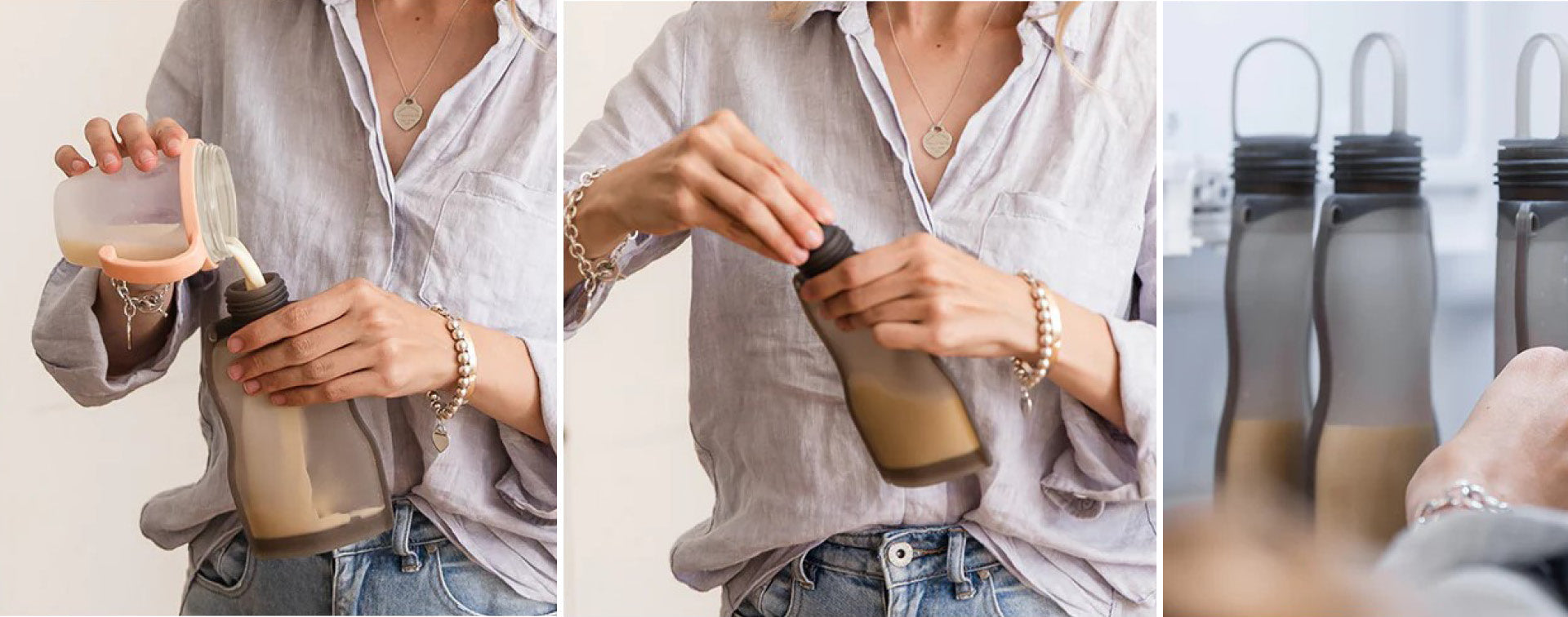
Once your breast milk has officially come in and you are wanting to store milk for another day, Dimples has everything you will need to make sure your supply is stored away safely and conveniently. Haakaa has created
reusable milk storage bags
designed out of silicone so you can reduce any waste in the environment that is caused by single-use plastics.
The environment you choose to store your breast milk in may need to change based on when you are planning to feed baby. Breast milk is best when transferred to a cooler place after four hours, however, breast milk should remain stable within room temperatures that are 25ºC or lower between 6 and 8 hours. If you choose to store your breast milk within the refrigerator it should remain safe for use up to 2 days at a temperature of 4ºC or lower. If your breast milk isn’t required within this time frame it should be stored in the freezer after 48 hours. Breast milk can be stored in your basic fridge freezer for up to 3 months.
How to prepare breast milk that has been stored
.
Preparing breast milk that has been previously frozen is simple. Placing the pouch in the refrigerator to thaw for several hours before use is an easy solution. When heating any form of milk for baby using a microwave should be avoided. Using a microwave can lead to heating milk unevenly and increase the risk of scalding your baby.
To safely heat milk and have it ready for baby, simply stand the pouch in a bed of warm water (not boiled) and allow it to sit until it has reached a lukewarm temperature. Simply use a food thermometer to test the temperature of baby’s milk to always ensure that they are safe.
Another option to heat your little one’s milk is using the
Meke Milk Warmer
. This item stocked by Dimples is an innovative way to heat baby’s milk whether it is breast milk, formula, or even hot chocolate. Simply choose the appropriate temperature and with the press of a button and your milky beverage is ready to go.
Sterilising your equipment
Being able to re-use the equipment required during your breastfeeding journey is a great positive not only does it significantly reduce costs, but it also has a positive effect on the environment with reduced consumption. Ensuring you have everything clean and sterilised will be an important part of your routine.
Haakaa’s Silicone bottle brush
is sized to fit perfectly into
Haakaa’s silicone milk storage bags
, the soft and flexible bristles are made from 100% silicone allowing you to reach all area’s giving a thorough clean. Dimples stocks all the solutions you will need to make your breastfeeding journey as simple and as gentle on the environment as possible.
The Haakaa Silicone Breast Pump Cap fits securely over the top of your Haakaa Breast Pump, protecting it from accidental spills and keeping your precious breast milk safe! Made from 100% food grade silicone, our Breast Pump Cap seals your pump to keep it free of airborne dust and other nasties and remain clean and hygienic between uses!
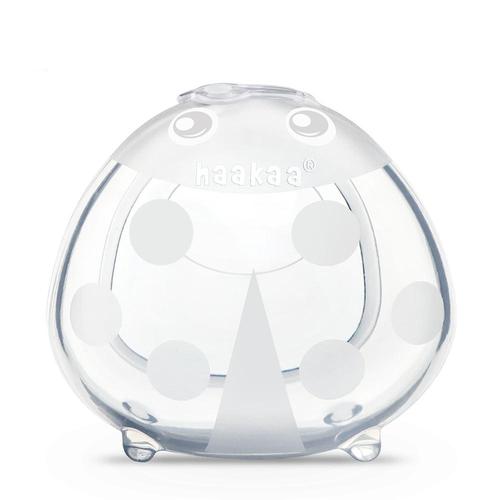
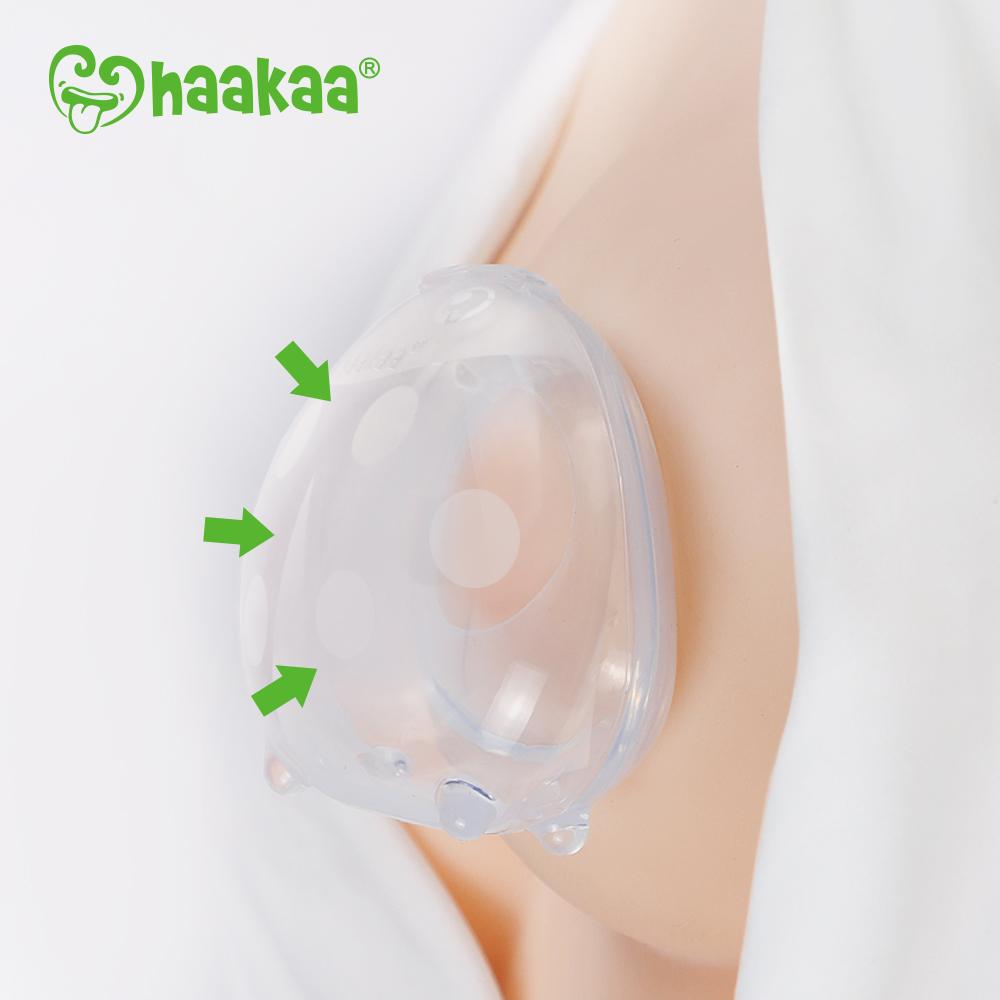
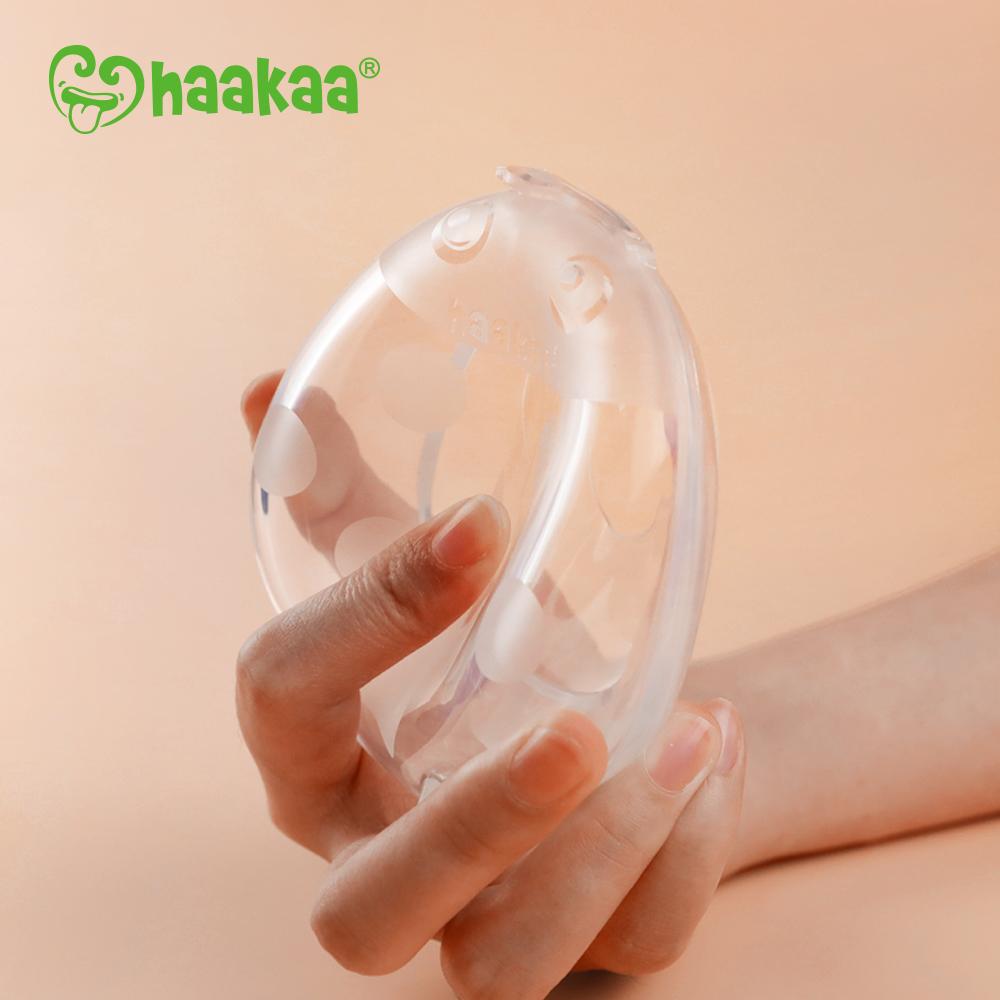
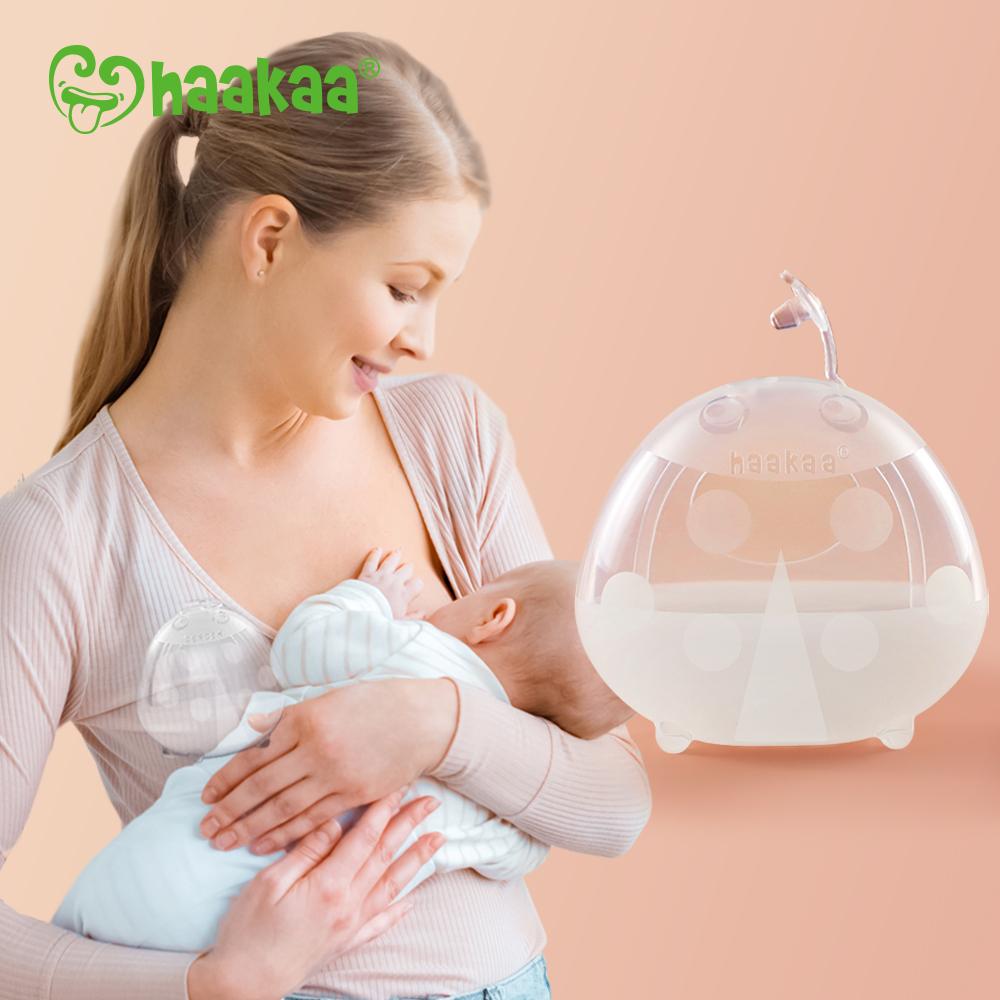
Pop the Haakaa Silicone Milk Collector inside your bra to collect let-down throughout the day and save every precious drop of your liquid gold!
The discreet, one-piece design attaches securely to your breast and collects any breast milk that would otherwise be lost in a nursing pad. It is completely portable and has small feet on the bottom that lets the Milk Collector stand upright on flat surfaces to prevent any spills after use. Once you have finished collecting your let-down, open the plug on the top and safely pour your milk into a container or bottle.
The multifunctional design of our Silicone Milk Collector also allows you to use it as a breast pump, giving you the ability to express more breast milk than the natural lactation process. Simply press the Milk Collector firmly to your breast to create suction and begin expressing! This allows you to easily build up a stash of breast milk between breastfeeding or pumping sessions without any extra effort!
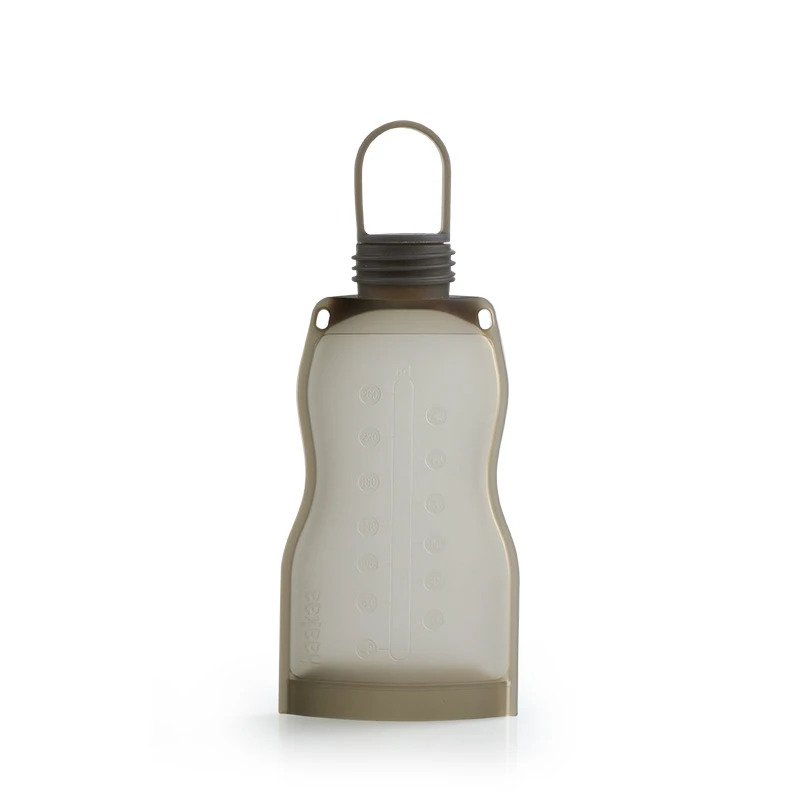
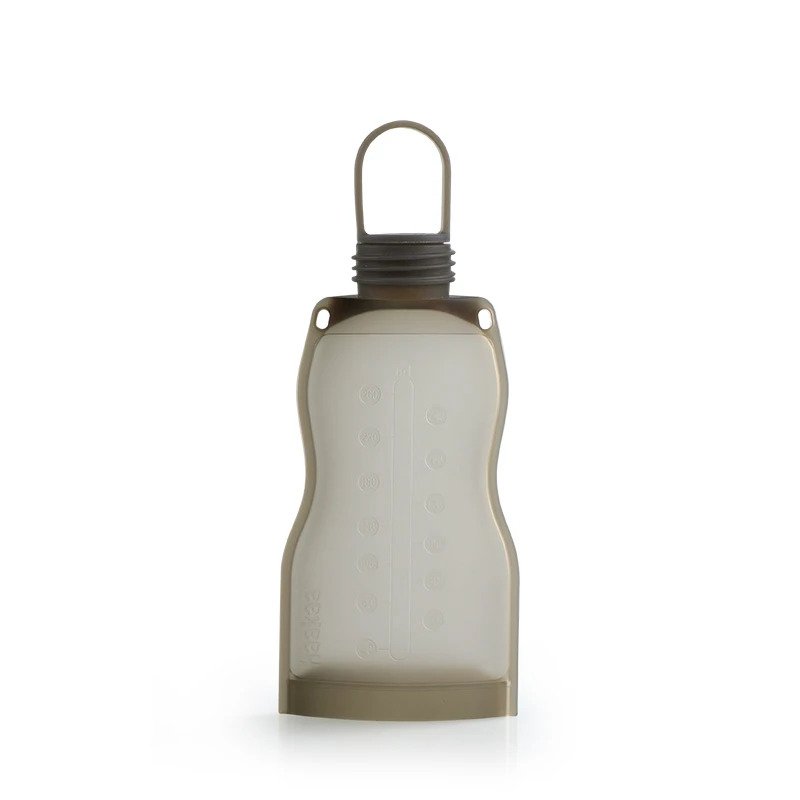
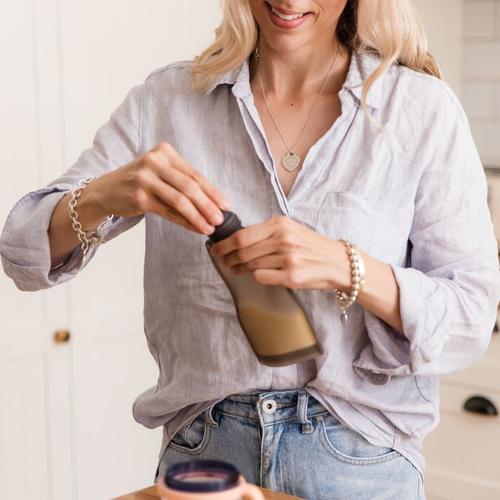
If you're a pumping mama looking for the perfect solution to safely store your precious breast milk, look no further than the Haakaa Silicone Milk Storage Bag!
Silicone Milk Storage Bags are a fantastic eco friendly alternative to disposable plastic milk storage bags. They are made of food grade silicone and can be reused over and over again, reducing the impact that single-use plastic makes on our environment. Haakaa Silicone Milk Storage Bags are fridge and freezer safe and can be stored laying down or standing up.
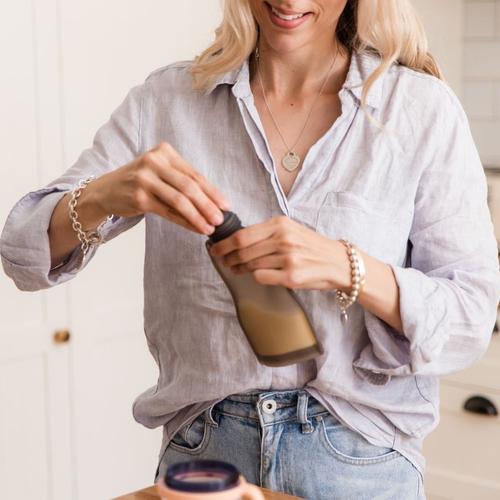
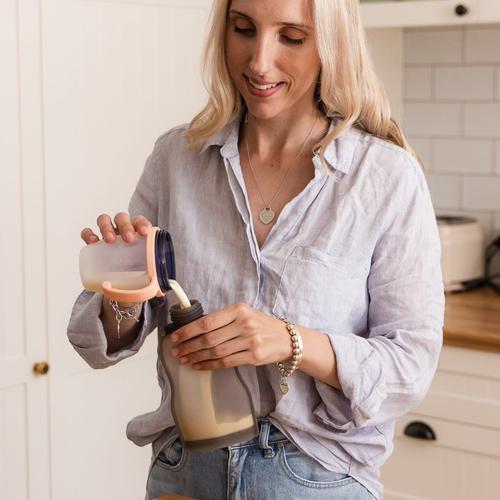
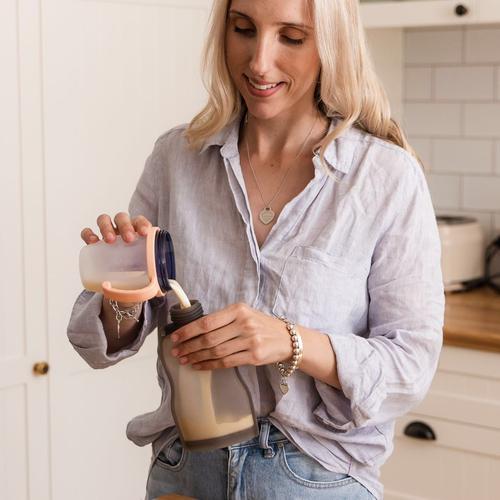
Once you have expressed your breast milk, pour the milk into the bag and firmly push in the leakproof stopper. When you are ready to use your milk, place the bag in warm water to heat the milk and prepare it for drinking. The stopper has been designed with a silicone carry strap, making it easy to carry around your liquid gold safely!
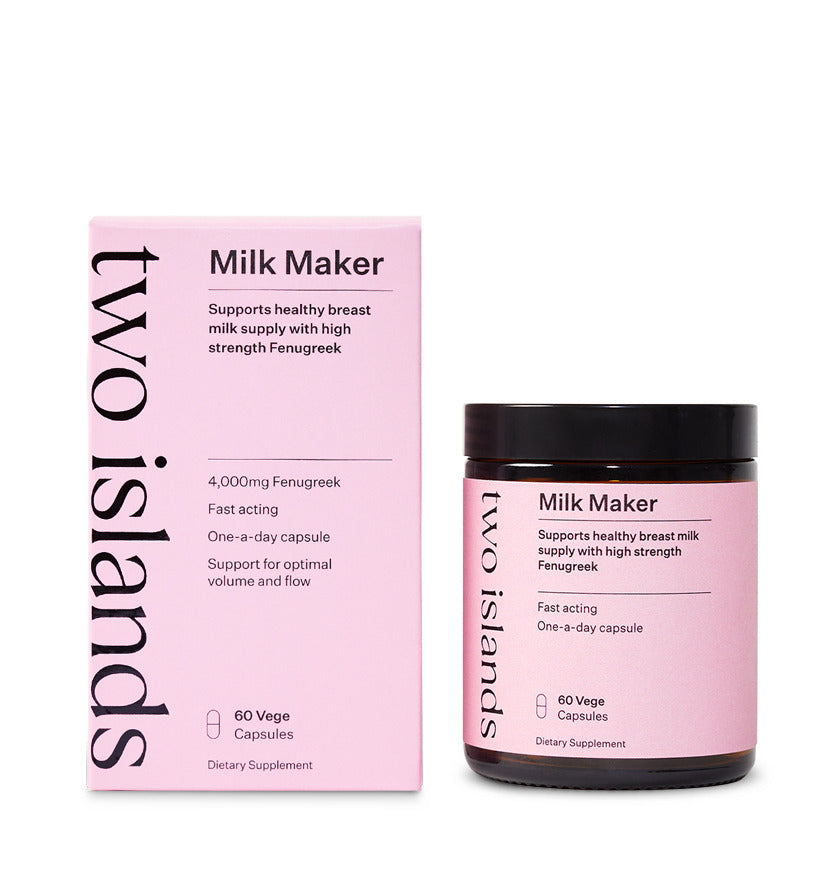
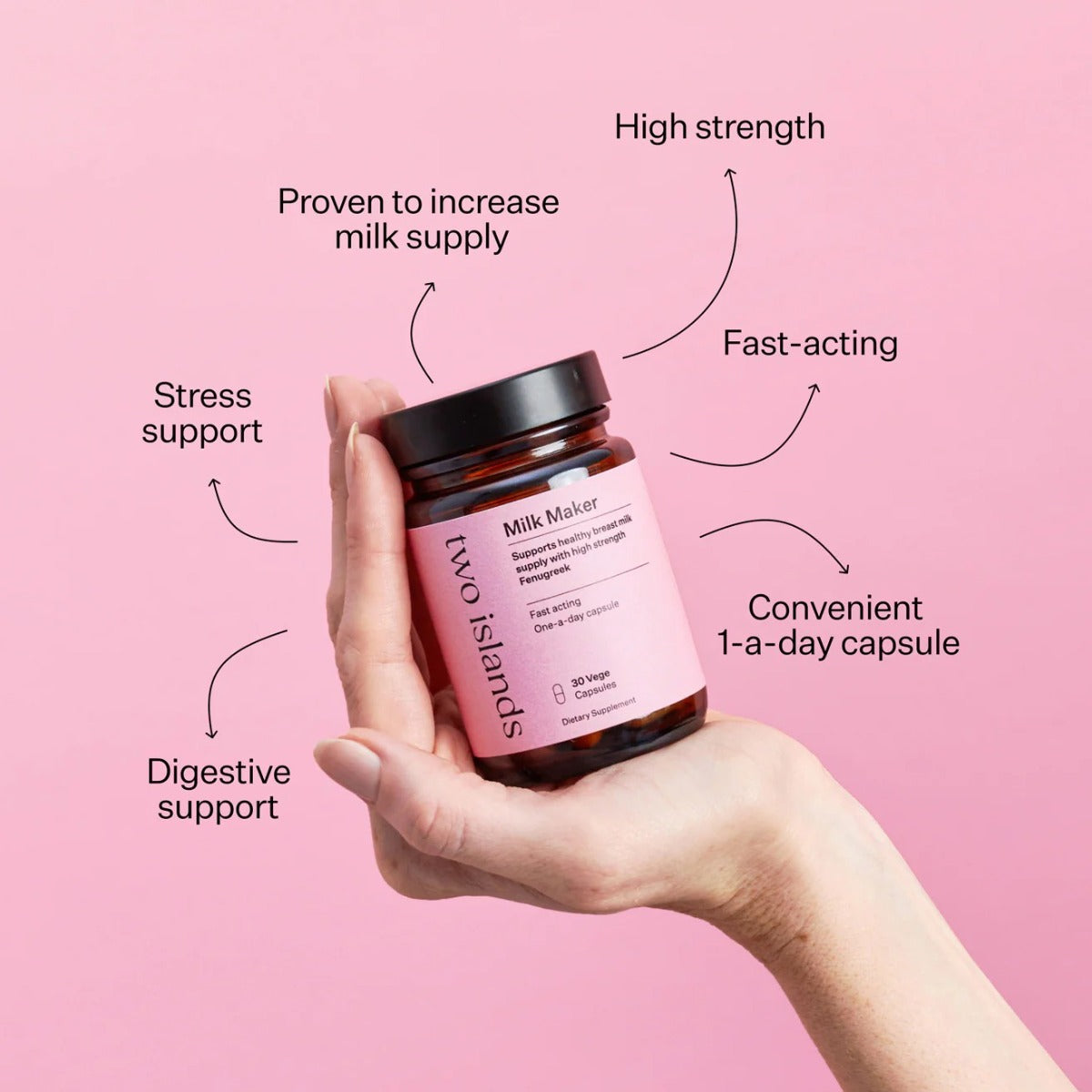
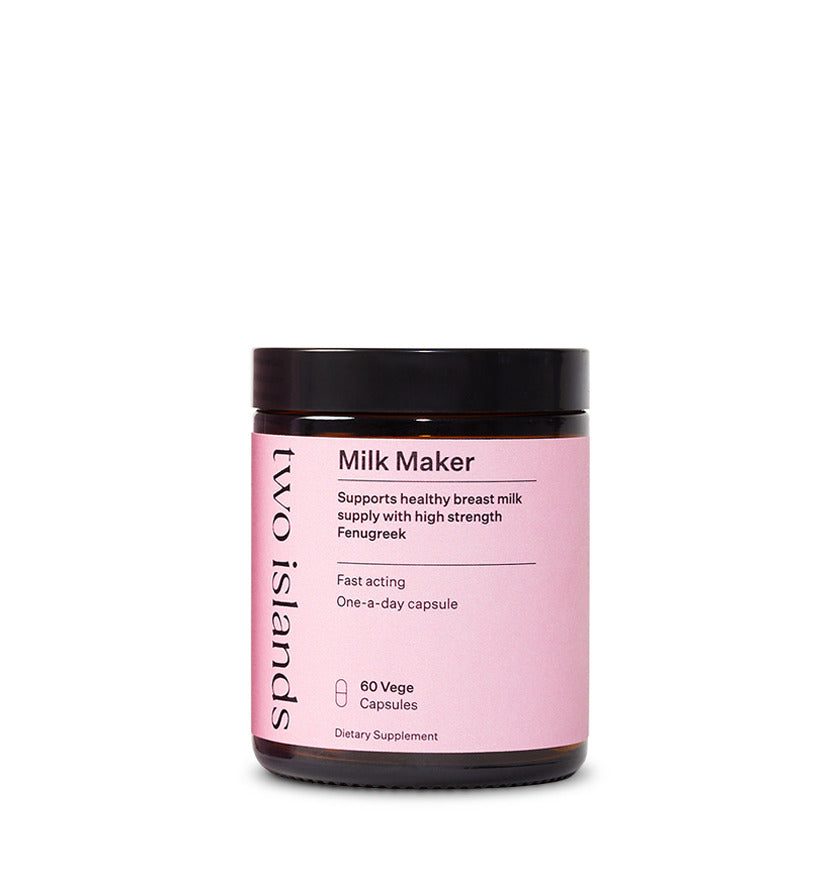
Two Islands Milk Maker naturally supports optimal breast milk production during lactation. Specially formulated by a naturopath and herbalist with high strength Fenugreek, plus Goat’s Rue and Fennel which are well-known for their galactagogue properties.
Milk Maker works quickly and effectively to support healthy breast milk volume and flow. This unique combination of herbs along with added Shatavari supports the body’s natural response to stress while soothing the digestion of both Mum and baby.
All in a convenient and easy to take capsule so you can get the herbal support you need at home or on the go. It’s the ultimate milk maker!
If you're a pumping mama looking for the perfect solution to safely store your precious breast milk, look no further than the Haakaa Silicone Milk Storage Bag!
Silicone Milk Storage Bags are a fantastic eco-friendly alternative to disposable plastic milk storage bags. They are made of food grade silicone and can be reused over and over again, reducing the impact that single-use plastic makes on our environment. Haakaa Silicone Milk Storage Bags are fridge and freezer safe and can be stored laying down or standing up.
Once you have expressed your breast milk, pour the milk into the bag and firmly push in the leakproof stopper. When you are ready to use your milk, place the bag in warm water to heat the milk and prepare it for drinking. The stopper has been designed with a silicone carry strap, making it easy to carry around your liquid gold safely!
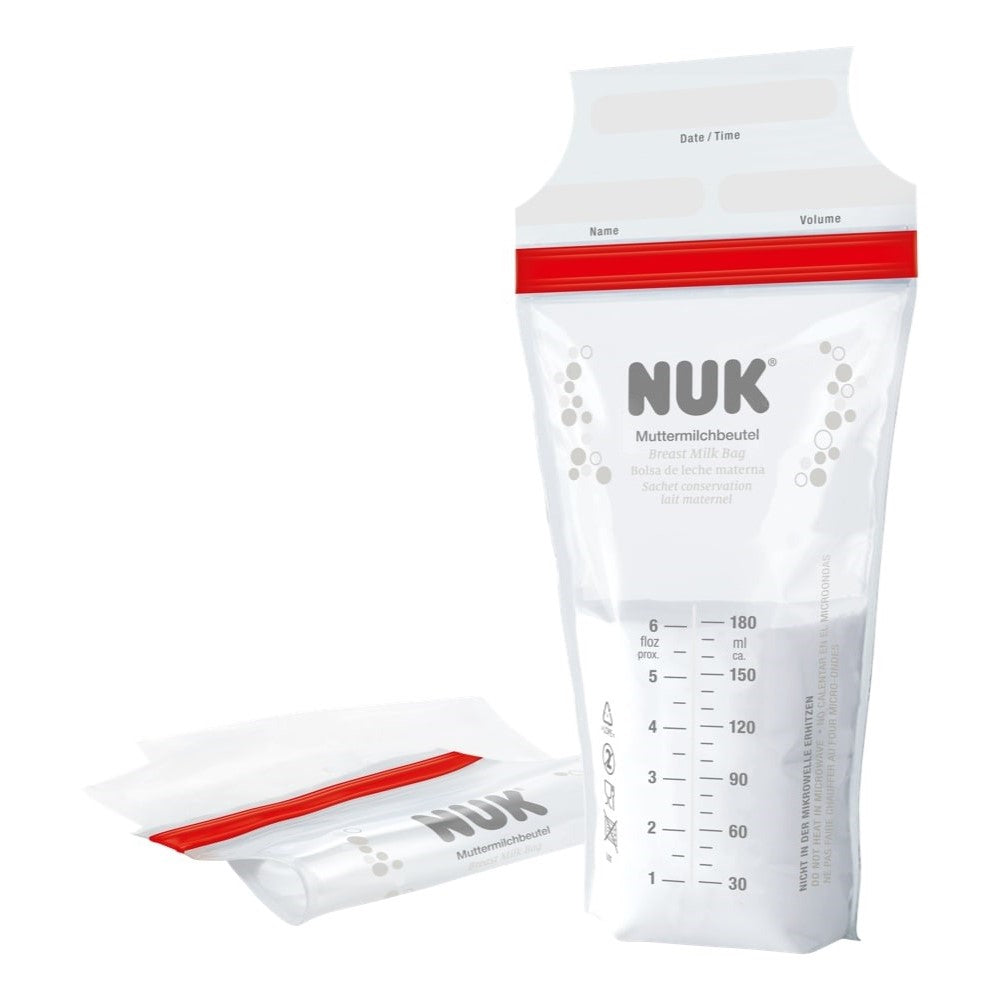
NUK Breast Milk Bags offer a safe, simple, and hygienic way to store your expressed breast milk. Ready for immediate use, these pre-sterilised bags are easy to fill and ideal for freezing milk quickly and securely. Made from durable, BPA-free plastic with reinforced heat-sealed seams, each bag features a double safety seal to prevent leaks and protect every precious drop.
Designed to save space, the flexible bags can be laid flat for faster freezing and stacked neatly in your fridge or freezer. Each holds up to 180ml and includes a clear measuring scale and date label, so you can always keep track of how much milk you’ve stored and when it was expressed.
A practical pouring spout makes transferring milk into bottles spill-free and fuss-free, making feeding time that little bit easier. With 25 bags in each pack, NUK Breast Milk Bags are a convenient, space-saving solution for building your milk stash with confidence.
Understanding the Fundamentals of Breastfeeding
Breastfeeding might seem straightforward, but many new moms find it challenging. Patience is essential, and being well-prepared can make the process smoother. Here, we break down the basics to help you get ready for this journey.
The Three Stages of Breast Milk
Colostrum: The First Stage
When your baby is born, your body produces colostrum, a clear or yellowish liquid packed with nutrients, proteins, and vitamins. This small amount is perfect for newborns, helping to protect their digestive tract and immune system.
Transitional Milk: The Second Stage
Regular breastfeeding will stimulate the production of transitional milk, which appears around the third to fifth day. It looks like a mix of milk and orange juice, rich in lactose, fat, and calories.
Mature Milk: The Third Stage
By the second week, mature milk replaces transitional milk. This pale, sometimes bluish milk provides all the nutrients, fat, and proteins your baby needs, adjusting its water content in hot weather and boosting antibodies when needed.
Achieving a Good Latch
Proper latching is crucial to prevent discomfort. A good latch covers both the nipple and the areola and shouldn't be painful. Here’s how to ensure a successful latch:
Positioning Your Baby
Hold your baby tummy-to-tummy with your breasts, keeping their head aligned with their body.
Mouth to Nipple
Tickle your baby’s lips with your nipple or express a bit of milk to encourage the rooting reflex. When your baby opens wide, bring them to your breast.
Ensuring Proper Attachment
A proper latch involves the baby’s chin and nose touching your breast. If necessary, adjust the bottom lip to ensure it isn’t tucked in. Watch for a steady suck-swallow-breathe pattern.
Trying Different Positions
If you encounter difficulties, experiment with different breastfeeding positions like the football hold or side-lying. Consult a lactation consultant if needed.
Maintaining Comfort and Milk Supply
Relax and Feed on Demand
Stay calm and relaxed to enhance milk production. Allow your baby to feed without time limits, ensuring one breast is fully drained before switching to the other.
Recognizing Hunger Cues
Signs of hunger include nuzzling your breasts, rooting, sucking on hands or clothing, and making lip-smacking noises. Crying is a late hunger cue.
Feeding Frequency
Newborns typically feed 8-12 times a day. Some may need to be woken up for feeds if they sleep for more than six hours.
Patience and Persistence
Breastfeeding takes time and practice. Be patient with yourself and your baby, seeking professional help if needed. With time, breastfeeding will become more natural and enjoyable for both of you.
By following these tips, you can create a calm and successful breastfeeding experience, eventually making it look effortless.
Everything you need to know about bottle feeding
During the first year, your baby goes through a great deal of growth and development. Most babies triple their birth weight by the time they hit their first birthday – so it’s no wonder they need lots of energy to grow!
While it’s widely acknowledged that ‘breast is best’, choosing how you feed your baby is an important and completely personal decision. For some women, personal circumstance, cultural beliefs and physical or mental wellbeing mean breastfeeding isn’t an option, and therefore a safe alternative is required.
If you’ve decided to bottle-feed (if you’re thinking about it, speak with your midwife, doctor or nurse first), it’s vital to have clear and well-informed information on the safe preparation and use of formula.
Here’s what you need to know about formula-feeding your wee one:
About baby formula
Most formula is made from modified cow’s or goat's milk so the protein level isn’t too high and babies can digest it. Unlike regular milk, formula has added minerals, vitamins, and fats essential for human growth and development, and when prepared correctly, it contains enough nutrients for healthy growth in babies.
In New Zealand, there are strict manufacturing regulations in place to make sure that the formula in your local supermarket is always of good quality and safe for your baby. But that doesn’t make the baby aisle any less overwhelming.
Here’s a quick breakdown of the kinds of formula you can buy:
Cow’s-milk formula
Most cow’s-milk formulas sold in New Zealand have a similar nutritional profile – so price doesn’t necessarily mean one is better than another. Casein and whey are the proteins in breastmilk, and cow’s-milk formula has the same proteins. It will either have more casein or more whey – you can find the percentage of each noted on the formula’s ingredient label.
Key points:
Your baby’s first formula should contain whey as the main type of protein, as it’s the easiest to digest. Some formulas will be labelled ‘follow-on’ or ‘step 2’ – these are casein-dominant formulas best suited for babies aged six months and over. They’re also designed for hungrier babies who are not yet old enough to start solid food. Your baby can stay on the first formula for 12 months and as you start to introduce solids. If your child isn’t reacting well to cow’s-milk formula and you suspect an allergy, it’s best to seek advice from a healthcare professional who can advise you on alternative types of formula.
Goat’s-milk formula
This type of formula also contains whey and casein proteins, but the casein protein is slightly different from that in cow’s milk. It contains beta-casein (rather than alpha-casein) which is more easily digestible. Again, you can find the protein ratios outlined on the nutritional label.
Soy infant formula
Made using soya beans as a source of protein, soy infant formula is a vegetarian option. It’s best to seek advice from a healthcare professional before switching to the soy alternative.
Gold formula
Gold formula contains extra ingredients which aren’t strictly necessary for your baby – but may be beneficial.
Here we explain a few:
Long-chain polyunsaturated fatty acids (LCPUFAs). Thought to be important in the development of the brain and eyes.
Alpha-lactalbumin. Thought to be nutritious for babies because it’s the main type of whey protein in breastmilk.
Pro and prebiotics. These help promote the growth of good bacteria and may help maintain a healthy balance of gut bacteria.
May be good for eye health.
How to prepare baby formula
Before you get started, always carefully read and follow the instructions on the formula tin – not all formulas have the same size scoops or are prepared in the same way. Check the use-by date and dispose of formula if it has expired.
Bottle-feeding equipment
Here’s what you’ll need to bottle-feed:
Large bottles (saves you buying new ones as your baby grows)
Bottle rings and caps
Teats (either silicone or latex is fine, graded according to size of the hole or age of the baby)
Bottle brushes
Teat brushes
A steriliser (optional)
Check our handy guide to bottles and teats here!
Making up a bottle of formula
Step 1 : Boil the kettle and let the water cool for about 30 minutes, until it has reached a lukewarm temperature. You can also do this in advance, storing the cooled boiled water in sterilised bottles in the fridge.
Step 2 : Pour the lukewarm water into the bottle before carefully adding the scoops of formula powder (levelling the powder with a clean knife or the tin's in-built level). Seal the bottle with a ring and cap, then shake gently to encourage the powder to dissolve.
Step 3 : Before feeding your baby, check the temperature of the formula by tipping a few drops on the inside of your wrist – it should feel lukewarm. Never add anything to the formula, and if your baby doesn’t finish the bottle, throw any leftover formula away within an hour.
Warming infant formula
If you are not feeding your baby straight away, place formula in the fridge immediately (store at the back of the fridge) with a cap over the teat to prevent contamination. It can be stored for a maximum of 24 hours. Once removed, it’s only safe to use for up to one hour.
The safest way to warm formula is to stand the bottle in a bowl of warm water for no longer than 10 minutes as harmful bacteria can grow in prepared formula. After warming, gently swirl the bottle to mix the formula, and test the temperature. If it’s too hot, cool it down by putting it in a bowl of cold water or by running it under the cold tap.
Microwaving bottles is not recommended because uneven heating of the milk can burn your baby’s mouth.
Cleaning and sterilising
Hygiene is essential – your baby’s immune system isn’t strong enough to fight off some diseases yet, and formula-fed infants are at higher risk of gastrointestinal infection.
You need to clean your bottles, teats, rings and caps after every feed and before you sterilise them.
Tips for cleaning bottle-feeding equipment:
Wash all bottles, rings, caps and teats in hot soapy water.
Squirt water through the teat holes and use a bottle brush to ensure that everything is scrupulously clean, getting into all those nooks and crannies, then rinse well.
Check for any cracks in the teats and throw away any damaged ones.
Rinse everything well in hot water and leave them to air dry.
After you’ve cleaned your equipment, you need to sterilise everything by boiling, steaming, or with chemicals.
Boiling - To sterilise a baby bottle by boiling, place the disassembled bottle parts into a large pot and cover them fully with water. Bring the water to a rolling boil and let it boil for at least 5 minutes to ensure all parts are thoroughly sterilised. Use clean tongs to remove the items and place them on a clean, dry surface to air dry completely.
You can buy electric (plug-in) or microwave steam sterilisers. These units 'cook' your equipment at a temperature high enough to kill bacteria.
If using chemical sterilisers , follow the instructions on the box or packet.
If you’re unsure, seek help from a professional
Don’t be afraid to take your time deciding about feeding your baby. The most important consideration is that your baby is comfortable and well-fed, and you’re able to enjoy this special (albeit exhausting!) time with your newborn. Get the information you need to make an informed decision, and if you’re not sure, consult with your health professional, who’s in the best position to give you accurate advice for your baby and his or her needs.
Breastfeeding Made Easier: Tips for Common Challenges
Before your baby arrives, it's easy to imagine that breastfeeding will happen instinctively. While that can be true for some families, it's perfectly normal if it takes a little longer to find your rhythm.
Many new mums experience challenges like sore nipples, engorgement, latch difficulties or concerns about milk supply in those first few weeks. If that sounds familiar, you're certainly not alone.
At Dimples, one of the things we hear most often is, "I thought breastfeeding would just come naturally." The reality is that for many mums, it takes a little time, plenty of patience, and the right support.
Thankfully, many breastfeeding challenges are only temporary, and with the right guidance they often become much easier to manage.
If you decide to supplement or switch to formula, that's okay too. A fed baby and a supported mum are what matter most. But if breastfeeding is something you'd like to continue, know that many mums find things improve with time, patience and the right support.
You've got this.
Here’s a gentle guide to some of the common hurdles and how to help overcome them:
1. Engorged Breasts
A few days after giving birth, you may notice your breasts suddenly feel hard, heavy, warm, and tender as your milk comes in. Although it can feel quite uncomfortable, this is a completely normal part of your body adjusting to your baby's feeding needs.
The good news is that engorgement is usually temporary. As your milk supply begins to regulate and your baby establishes a regular feeding pattern, the fullness will often settle.
What can help
Feed your baby regularly, even if it's only for a short time.
If your breasts are too full for your baby to latch comfortably, try hand expressing a small amount of milk first to soften the breast.
A cold compress after feeds and gentle massage can also help relieve discomfort.
💛 A favourite with our team: Many mums find the Bare Mum Hot + Cold Breast Therapy Packs incredibly soothing. Warm them before feeding to help encourage milk flow, or chill them afterwards to reduce swelling and ease discomfort.
And here's a little old-school wisdom that's been passed between mums for generations: chilled cabbage leaves tucked inside your bra between feeds have long been used to help soothe engorgement. It might sound unusual, but plenty of mums still swear by it!
2. Latch Issues
A little tenderness during the first few days of breastfeeding is common, but ongoing or severe pain isn't something you should simply put up with. A painful feed is often a sign that your baby isn't latching deeply enough, making feeding uncomfortable for you and less effective for them.
What can help
Try encouraging your baby to open their mouth wide by gently brushing your nipple against their upper lip. Position them with their nose level with your nipple and bring your baby to your breast, rather than leaning towards them. A good latch usually means your baby's mouth is wide open, their chin is pressed into your breast, and your nipple sits comfortably towards the back of their mouth.
If breastfeeding is still painful after the first week or two, or your baby continues to struggle with latching, it's worth reaching out to your midwife or a lactation consultant. Sometimes a simple adjustment, or identifying something like a tongue tie, can make all the difference.
3. Cracked or Bleeding Nipples
Sore or cracked nipples are very common in the early weeks of breastfeeding. They can be caused by a shallow latch, frequent feeding while your skin adjusts to this new rhythm, or even overuse of your breast pump.
What can help
Applying a nourishing nipple balm after every feed can help soothe and protect the skin, while hydrogel pads can provide instant cooling relief for particularly sore nipples.
One combination our team often recommends is Pure Mama Nipple Butter together with Silverette Cups. The nipple butter helps moisturise and soothe damaged skin, while the Silverette Cups protect sensitive nipples between feeds, allowing them to heal naturally.
If your nipples aren't improving after several days, it's important to have your baby's latch assessed, as treating the cause is just as important as treating the symptoms.
4. Low Milk Supply
Worrying about milk supply is incredibly common, especially during the first few weeks when your baby may seem to want to feed constantly. The reassuring news is that frequent feeding, cluster feeding and night waking are all normal behaviours and don't usually mean you're not producing enough milk.
True low milk supply is less common, but if your baby isn't gaining weight well or has very few wet nappies, it's important to speak with your midwife, GP or lactation consultant.
What can help
If your healthcare provider is happy that everything is progressing normally but you'd like to naturally support your milk supply, try feeding frequently, pumping between feeds if appropriate, drinking plenty of water and eating a balanced diet.
Many mums also enjoy adding lactation cookies or a lactation blend to their daily routine. While they're not a guaranteed way to increase milk supply, many mums enjoy them as part of their breastfeeding routine alongside regular feeding, good hydration and a balanced diet.
Shop our lactation support range here
5. Inverted or Flat Nipples
You may never have paid much attention to the shape of your nipples before breastfeeding, but flat or inverted nipples can sometimes make it more difficult for your baby to latch.
The good news is that many mums with flat or inverted nipples go on to breastfeed successfully.
What can help
Speak with your midwife or a lactation consultant, who may recommend using a nipple shield or expressing a small amount of milk before feeding to gently draw the nipple out.
6. Blocked Ducts
A blocked milk duct often feels like a tender lump beneath the skin and usually occurs when milk isn't draining effectively. This can happen if you've missed a feed, your bra is too tight, or your breast hasn't emptied fully.
What can help
Continue feeding regularly, particularly on the affected side, to help keep milk moving. Applying warmth before feeding and gently massaging the area towards the nipple can also help encourage the blockage to clear. Most blocked ducts resolve within a day or two but if you are experiencing alot of pain and unable to breastfeed, please see your GP.
7. Mastitis
Sometimes a blocked duct can develop into mastitis, or bacteria can enter through cracked skin, leading to a breast infection. Mastitis often causes flu-like symptoms, including fever, chills and body aches, along with a painful, red area on the breast.
What can help
If you think you may have mastitis, it's important to see your GP promptly, as antibiotics are often needed.
Although feeding may feel uncomfortable or sore, continuing to breastfeed or express milk can actually help speed up recovery by keeping the breast well drained. Warm or cool compresses between feeds may also provide some relief.
💛 Don't try to push through - Many mums think they can "tough it out", but mastitis really needs medical treatment. The sooner you seek help, the quicker you'll usually recover.
You Are Not Alone - and You're Doing an Amazing Job
If there's one thing we'd love every new mum to know, it's this: asking for help is a strength, not a weakness!
For over 30 years, we've had the privilege of supporting hundreds of New Zealand families through pregnancy, newborn life and beyond, and we've learned that almost every breastfeeding journey is different, and has its own ups and downs.
And if, despite your best efforts, breastfeeding doesn't work out the way you'd hoped, that's okay too. Whether you breastfeed, formula feed or combine the two, what matters most is that your baby is fed, loved and thriving.
Be kind to yourself, trust your instincts, and don't be afraid to lean on your midwife, GP, lactation consultant or the people around you. Sometimes the right support is all it takes to help you find your confidence.
❤️
Shop our full range of breastfeeding support and essential items here
Bringing a new baby home is one of life’s most beautiful - and exhausting - adventures. In this blog, Family Sleep & Wellness Coach, Lauren Moran from Little Dreamers, shares her expert advice on newborn sleep in the fourth trimester.