


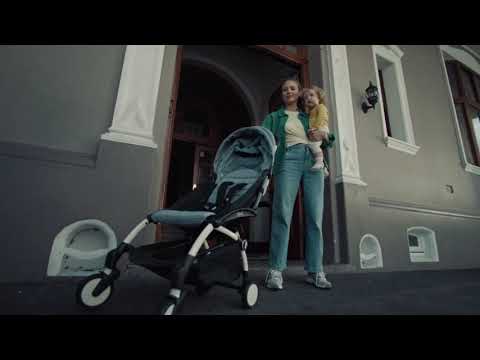


Stokke YOYO 0+ Bassinet
Stokke YOYO 0+ Bassinet
SKU:595410
Out of stock
Couldn't load pickup availability
Overview
Overview
Give your newborn the comfort of a safe, breathable cocoon with the Stokke YOYO Bassinet.
Designed to keep your baby close while making your life easier, the YOYO Bassinet attaches to the YOYO² or YOYO+ frame with just one click. Lightweight yet sturdy, it sits on top of the stroller frame so you can always stay connected with your baby. The ventilated shell, canopy, and breathable double mattress keep air flowing, while the semi-hard shell ensures support and security whether it’s clipped to your stroller or resting on the floor.
At just 3 kg, it’s incredibly easy to carry without disturbing your sleeping baby, making it perfect for everything from a dinner at a friend’s place to a quiet walk around the block. With compact storage, premium fabrics, and thoughtful details like inner pockets and weather protection, this bassinet is built for modern parents who want convenience without compromise.
Key Features
Key Features
Technical Specification
Technical Specification
User Guide
User Guide
Delivery and Returns
Delivery and Returns
- Delivery: Free within NZ on orders over $130 (excluding bulky items) or $8 standard shipping
- Returns: Accepted within 14 days of receipt with proof of purchase
- Some items are excluded from returns including sale items, hardware, car seats, prams, monitors and personal items - please click here for the full list.
Share this product
Recently Viewed Products
Related Blogs

Stroller Buying Guide: How to pick the right ride for Your Family
Why Choosing the Right Stroller Matters: Essential Tips for New Parents When you have a baby or toddler, a good stroller is essential. It lets you get out of the house and navigate the world with ease. Leaving the house with a newborn can be tricky, so a high-quality, easy-to-use stroller is a lifeline for many new parents. Your stroller is also one of the most expensive baby purchases you’ll make, so it’s important to get it right. You don’t want to invest in a stroller that ends up being too heavy, hard to fold, or difficult to steer. Of course, no one stroller suits every parent. Consider your lifestyle. Will you be navigating bush walks and country paths or be more likely to keep to the footpaths and malls? Before you buy, it’s a good idea to take a look at different models in-store, push them around, fold them down, and open them up to get a feel for how they work. Before you’re overwhelmed by options and terminology - In New Zealand, we tend to use the words pram, stroller, buggy and pushchair interchangeably. Capsule compatibility For new babies, you’ll most likely want a stroller that’s compatible with your capsule car seat. These are particularly handy during the sleepy newborn phase, as they let you move the baby from car to stroller without waking them. Our strollers are compatible with most capsules from well-known brands, such as Maxi Cosi and Nuna. Talk to our in-store team if you want to check on compatibility. Carrycot – or not A detachable carrycot can be incredibly handy in the early stages – from newborn to around 6 months. Lying flat on their back is the best, safest position for newborn baby to be in. If the seat on the stroller you choose has a lie-flat position, a carrycot isn’t essential. But many parents choose them because they simplify life in the first few months. A carrycot attached to your stroller not only allows your baby to sleep comfortably while on the go, it can also be removed and used as a portable bed for a bit of supervised sleep when visiting friends and family. Single vs. Double Strollers: Which is Right for Your Family? When you buy a stroller for your first baby, it can be hard to imagine life with more children. But it’s a good idea to consider your future when making your decision. Some strollers – like the Nuna Demi Next and the Edwards and Co Olive – have the option to add an extra seat for a sibling. If you plan to have two children close in age, this is worth considering. Having twins? Both the Demi next and Olive are tandem strollers, where the seats are not side-by-side but instead tiered. The Nuna Trvl Dubl is a side-by-side option - at just 78 cm wide, its slim profile fits through standard doorways. Another option to consider for an older sibling is a Stroller board that attaches to the back of the stroller. These are great for independent walkers who might tire on a long walk or need a ride to quicken the pace. (Note that these connect to select strollers only.) The right size for your space Strollers come in a range of shapes and sizes. They’re all foldable, but some – like the lightweight Stokke Yoyo – have a more compact fold than others. It even fits in an aeroplane’s overhead locker making it ideal for travel. Travel can be considered a separate stroller category all together – check out our Travel Stroller Blog But even for your everyday stroller, you’ll want to think about storage and transport options. Where will you keep your stroller when you’re at home? How big is the boot of your car? How often will you need to lift it into the car, onto public transport or up stairs? If you can, try the stroller in your boot to see how well it fits. If not, measure the space before you make a decision. How easily the stroller folds is another factor to consider and this is where trying a few models in-store is a good idea. One-hand fold mechanisms are incredibly convenient, especially when your arms are full with a little one. If you think you’ll be lifting your stroller frequently, opt for a lightweight model. Which wheels are best? For a while there, three-wheel strollers seemed to be the only option. Now, four-wheel models are having a resurgence in popularity. Three-wheel strollers are typically thought to be easier to steer, especially with one hand – which can be useful if you’re carrying an upset baby and pushing a pram at the same time. Four-wheel strollers, tend to be more compact, making them easier to manage in shops and cafés. They also tend to fold more neatly for easy storage. Tyre type is another factor to consider - larger wheels with foam-filled or inflatable tyres tend to offer better suspension, which is more comfortable for your baby on rough terrain. Whereas smaller swivelling wheels are easier to manoeuvre around busy places and crowded shops For the best of both worlds, the four-wheeled Nuna Mixx has tough, foam filled tyres and boasts easy one-handed steering. The wheels on the New Nuna Swiv offer something unique – with a 360 degree swivel so you can navigate small spaces with side-to-side ease. Forward or back? Forward-facing or rear-facing? If you’ve never bought a stroller before, it can be hard to know what you’ll prefer. Fortunately, this choice is more about preference than safety or practicality. Newborns are naturally drawn to their parent's faces, and a rear-facing stroller lets you interact and keep an eye on them as you go. Then as they grow up, forward-facing gives them a chance to look out on the world around them. Most everyday strollers we sell have convertible parent-facing/world-facing seats so you have both options in one. Other things to consider Comfort features for your little one - like padded seats, adjustable recline positions and good suspension. How comfortable is the handle height? Adjustable handle height can be good for parents of different heights. Does the stroller offer good storage underneath for your baby essentials, nappy bag, and shopping? Fun and functional extras These days, strollers have a huge range of add-ons and accessories – rain and shade covers, parasols, cup holders, snack trays and compatible nappy bags. Choose what’s best for you As with any big purchase, buying a stroller is about working out what’s most important to you, and finding a model that best fits your needs and budget. If you need help finding the right stroller for your family, you can take our Quiz You can also visit one of our stores, talk to the in-store team and take some of our display models for a spin. Check out our range here.
Learn more
Why Carrycots Are One of Our Best Sellers
Carrycots – Essential or Nice to Have? How a Carrycot can make a new parent’s life easier When preparing for your baby’s arrival, the list of must-have essentials can seem endless—carrycots, capsules, bassinets, and buggies, all competing for your attention. Among these, carrycots often sit in a grey area, leaving parents wondering if they’re truly necessary. However, there are several reasons why carrycots are one of Dimples’ best-sellers, and we’re here to explain why they could make your life a whole lot easier. What is a Carrycot? A carrycot is a lightweight, portable bed designed for babies up to around three to six months old (or about 10kg). Unlike a traditional bassinet or Moses basket, a carrycot attaches to your stroller, making it perfect for sleeping while you’re out and about. Its flat, firm mattress ensures your little one can lie down comfortably, and the design keeps them safe, supported, and relaxed while they nap. As your baby grows, they’ll eventually outgrow the carrycot, but for the first few months, it provides a cosy, familiar space that’s easy to move with you. Why Do You Need One? You’ve likely already invested in a capsule for car trips and a bassinet for naps at home, so you might be wondering where a carrycot fits into the mix. Let’s take a closer look at the benefits it offers: Carrycots vs. Capsules for Sleeping Capsules are often designed to easily attach to your stroller for convenience, allowing you to transfer your sleeping baby from the car to the stroller without waking them up. However, experts caution against leaving your baby in a capsule for extended periods. Babies need to lie flat to keep their airways open, and when they're in a capsule, their heads can flop forward, which could compromise their breathing. A carrycot, however, provides a flat surface for your baby, ensuring proper alignment and safe sleep. While it can be tempting to leave your baby in the capsule for longer outings, a carrycot offers a far safer sleep solution for extended naps or trips to the park. Moving them from capsule to carrycot after a quick car trip helps keep their sleep environment safe and comfortable. Take a Walk While They Snooze One of the perks of a carrycot is the ability to get outside and enjoy some fresh air while your baby naps peacefully. After feeding or playtime, simply attach the carrycot to your stroller, and off you go! The gentle movement of the stroller, combined with the outdoor sounds, is often just the right combination to lull your little one into a restful sleep. Carrycots are designed to be outdoors-friendly, with weatherproof fabrics, adjustable canopies, and compatible rain and sun covers, so your baby stays protected no matter the weather. Even better, when your baby is deep in sleep, you can easily unclip the carrycot from the stroller and bring them inside to continue their nap. That means you get to enjoy a quiet moment to yourself while your baby stays snug and safe. Carrycots vs. Portacots for Overnight Stays When it comes to overnight visits, whether to Grandma’s house or a weekend getaway - a full-sized portacot can be a hassle to pack and set up. A carrycot, on the other hand, is compact and easy to transport, making it the ideal sleep solution for short stays. With a firm mattress and familiar surroundings, your baby is more likely to settle quickly in a carrycot, even in a new environment. Carrying a bulky portacot for a quick trip or family visit can feel like overpacking, especially when you have a simple, lightweight carrycot that does the job just as well. The convenience of clipping it onto your stroller for a walk, and then using it as a portable bed for overnight stays, gives you the best of both worlds. Say Goodbye to the Bassinet A bassinet or Moses basket can take up a fair amount of space in your home, and while they're lovely for the first few months, they’re not always necessary if you have a carrycot. Many parents find that a carrycot serves as both a primary sleep spot at home and a portable solution for outings. Since a carrycot is designed for safe sleep, you can use it as your baby’s designated napping spot - whether at home, in the park, or at a friend’s house. Plus, since it’s only useful for a limited time, you get the most out of it by making it your go-to sleeping solution in those early months. Carrycots vs. Lie-Flat Strollers Many strollers are suitable for newborns, but most require the baby to be strapped in. If your baby is swaddled or sleeping peacefully, it can be a hassle to unstrap them and disrupt their comfort. With a carrycot, you can avoid all those buckles and straps. Simply place your baby in the carrycot, and you’re good to go - no need to worry about disturbing them or removing their swaddle. This makes the carrycot a much easier and more comfortable option for those first few months. What to Look for in a Carrycot Choosing the right carrycot is about more than just size - it’s about convenience, comfort, and safety. Here are some key features to look for: Certified for overnight sleep: If you plan to use the carrycot for naps and nighttime sleep, ensure it’s certified for overnight use. Weatherproof accessories: Look for a carrycot with a generous canopy, plus optional rain and sun covers, especially if you’ll be using it outdoors. Easy to carry: While the carrycot will often be attached to your stroller, you’ll also need to carry it at times. Make sure it has sturdy, comfortable handles that make it easy to transport. Easy care: Babies can be messy, so choose a carrycot with machine-washable components like the mattress cover or liner. Easy to connect: You don’t want to struggle with complicated clips when your baby is having a fussy moment. A carrycot that’s easy to attach and detach from the stroller will save you time and frustration. Compatibility: Ensure the carrycot fits securely on your stroller. The combination of a carrycot and stroller is crucial, as you’ll use it for many months to come. Final Thoughts While not essential for everyone, many parents find it a really useful addition in those early months – giving their baby a safe, flat sleeping space that’s easy to move from stroller to indoors without disturbing precious naps. Whether you’re out for a walk, visiting family, or just needing somewhere for baby to rest during the day, a carrycot can help simplify life a little. If you’re unsure whether a carrycot is the right fit for your family, feel free to get in touch or pop into store – we’re always happy to help you figure out what’s best for you and your baby. We have some amazing bundles to choose from, as well as a range of choices to suit you. Check out Dimples’ range of carrycots here.
Learn more
Pretty Brave Shoes: A Guide to Little Feet
Little feet have a lot of growing and exploring to do! From those first little steps to running, playing and discovering the world, choosing shoes that are comfortable and designed to move with them is an important part of every stage.
Learn more
Trouble sleeping? Finding The Right Sleep Aid
Sleep Struggles? These Soothers Might Just Save Your Sanity 😴 White noise and gentle sound machines help to mask the everyday background noise that can disturb your little one's rest. Think: older siblings, barking dogs, or the neighbour deciding now’s the time to mow the lawn. These soothing sounds - like a heartbeat, waves, or soft shushing - can create a more consistent, calming sleep environment and help baby settle more easily. Darkness can make a big difference too. A dark room helps reduce visual stimulation and can support your baby’s natural sleep cues, which is especially handy for daytime naps, early bedtimes and those bright summer evenings. If light is sneaking in around curtains or you’re sleeping somewhere unfamiliar, a portable blackout blind can help create a darker, more consistent sleep space wherever you are. We’ve curated a handy Quiz to help you make a decision, plus a small but mighty collection of trusted sleep soothers and calming aids below, that can help take the edge off bedtime - for both you and your baby. Love to Dream Sleep Machine Creating a familiar, calming sound environment is a great way to help signal to baby that it’s time to sleep. The Love to Dream Sleep Machine offers nine soothing sounds, including white, pink and brown noise, rain, shushing and womb sounds, helping to mask everyday household noises that might otherwise disturb naps or nighttime sleep. It even has a clever cry detection feature which automatically starts your chosen sound if baby stirs! It's got a soft red and warm white nightlight function which is super handy for those 3am feeds and changes. Being rechargeable with up to 22 hours of battery life it's perfect for travelling moments too! YogaSleep Nod Sound Machine and Night Light The YogaSleep Nod is the ultimate stay-at-home sleep station, perfect for setting up a consistent, calming bedtime routine in the nursery. It features 20 sleep sounds, including white noise, fan sounds, lullabies, and nature tracks, so you can tailor the soundscape to your baby’s preferences. What makes it a standout? The built-in nightlight, which emits a warm amber glow to create a peaceful sleep space without overstimulating your baby. You can also set sleep timers or run it all night long, ideal for little ones who are easily stirred. Simple, soothing, and super customisable, the Nod helps create the kind of sleep environment you’ll both appreciate. Purflo Total Blackout Blinds Light can make a huge difference to how easily your baby settles, especially for daytime naps, early bedtimes or those bright summer evenings. The Purflo Total Eclipse Portable Blackout Blind helps create a dark, calming sleep environment by blocking out unwanted light, making it easier to keep baby’s sleep space feeling consistent. It easily attaches securely to windows using over 100 suction cups and can be adjusted to suit smaller windows, so it’s handy at home as well as when travelling or staying with family. Even better, it folds neatly into its own storage pocket, making it an easy sleep essential to have on hand. Storytime and Soothing Light for Sweet Dreams Another beautiful way to support your child’s sleep is by building a calming, familiar bedtime routine - and the CloudBox™ helps make that easy. This clever little device plays comforting bedtime stories while gently projecting sleepy visuals onto the ceiling or wall. With a soothing mix of audio and light, it creates a multisensory environment that helps children wind down at the end of the day. You can choose from the preloaded stories or record your own – a lovely way to keep bedtime personal, even when you can’t be there in person. Repeating the same story or image each night can become part of your child’s sleep ritual, providing a sense of security and consistency they can count on. Simple to use and designed for children from birth and up, the CloudBox™ is a thoughtful addition to any nighttime routine – helping little ones feel calm, safe, and ready for sleep. Supporting Sleep, Naturally For many families, Magnesium Rescue has become a much loved part of their wind-down ritual. This gentle, topical formula is made from natural ingredients and can be massaged into your child’s back, tummy, or feet at bedtime. It’s designed to help support a relaxed nervous system – a simple, non-invasive way to encourage calm before sleep. Another lovely option is the Bedtime Bestie - a lightweight magnesium mist infused with calming lavender, designed to support relaxation and make bedtime a little easier. Simply spritz it onto your child’s back or feet as part of your evening routine. It’s a fuss-free way to help little bodies and busy minds slow down – one small spray at a time. Shop Sleep Saviours at Dimples now Whether you’re trying to improve naps, master the bedtime routine, or just desperate for an extra hour of sleep, our range of sound machines and calming sleep aids are here to help. Browse the full collection in-store or online and find the right fit for your baby (and your sleep-deprived self).
Learn more