


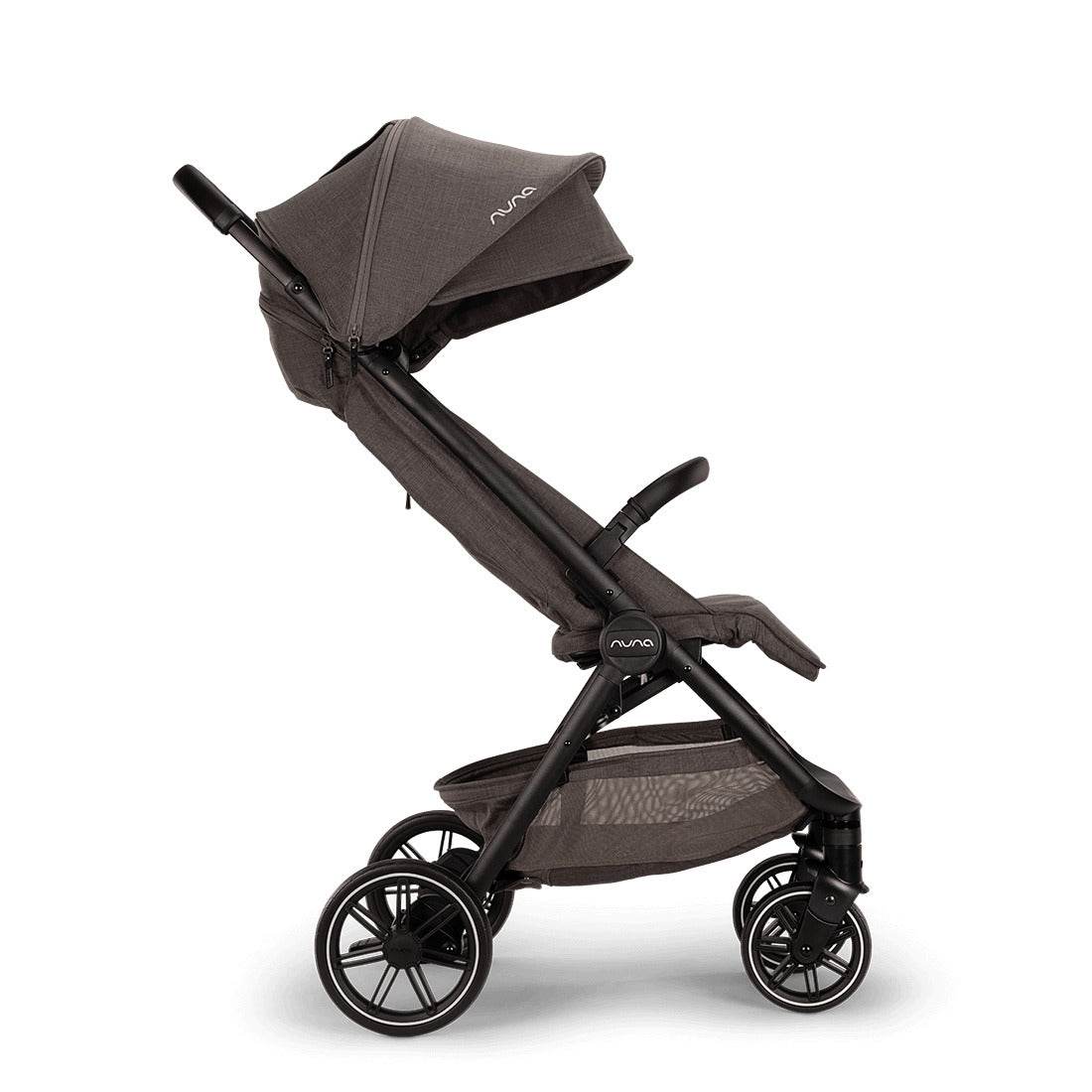
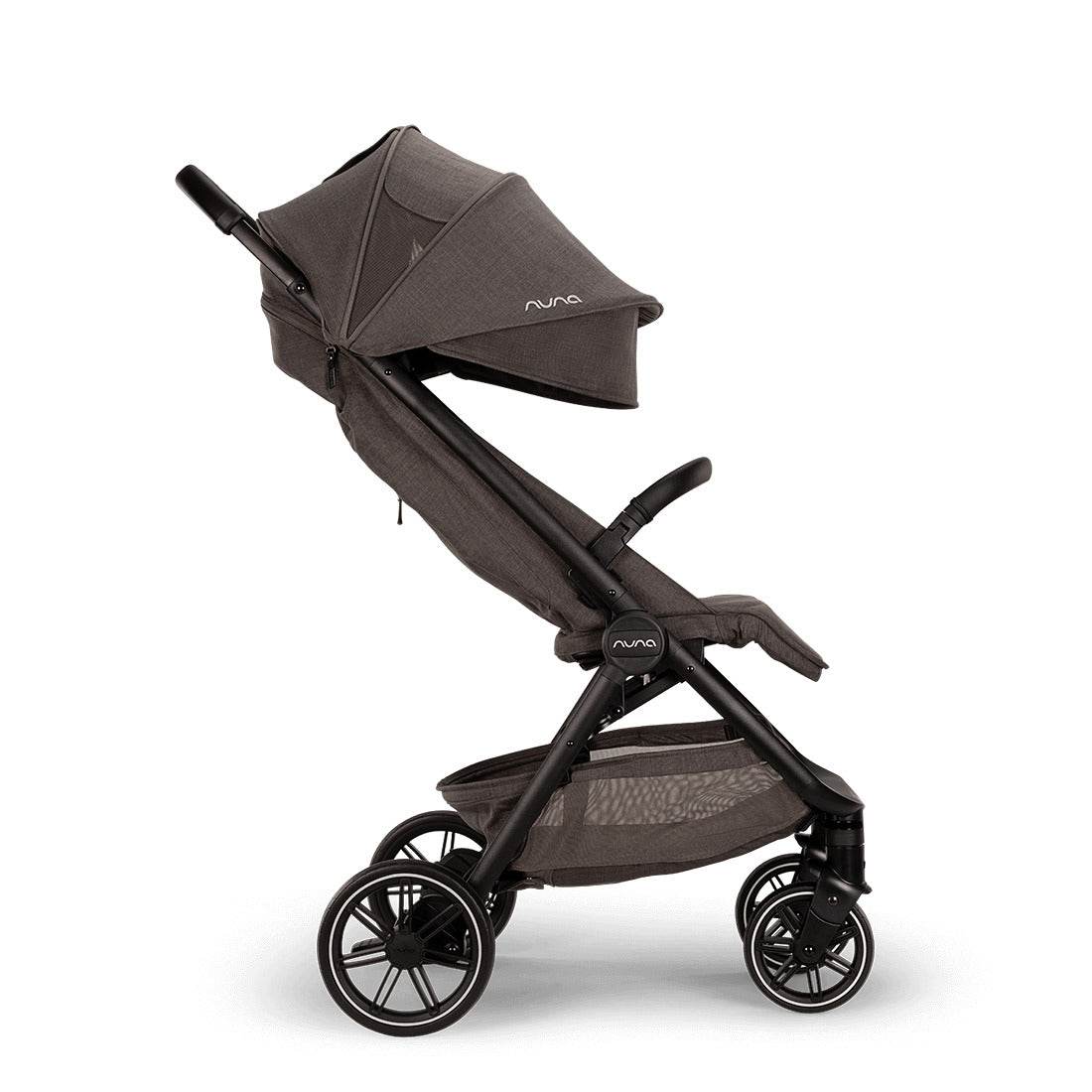
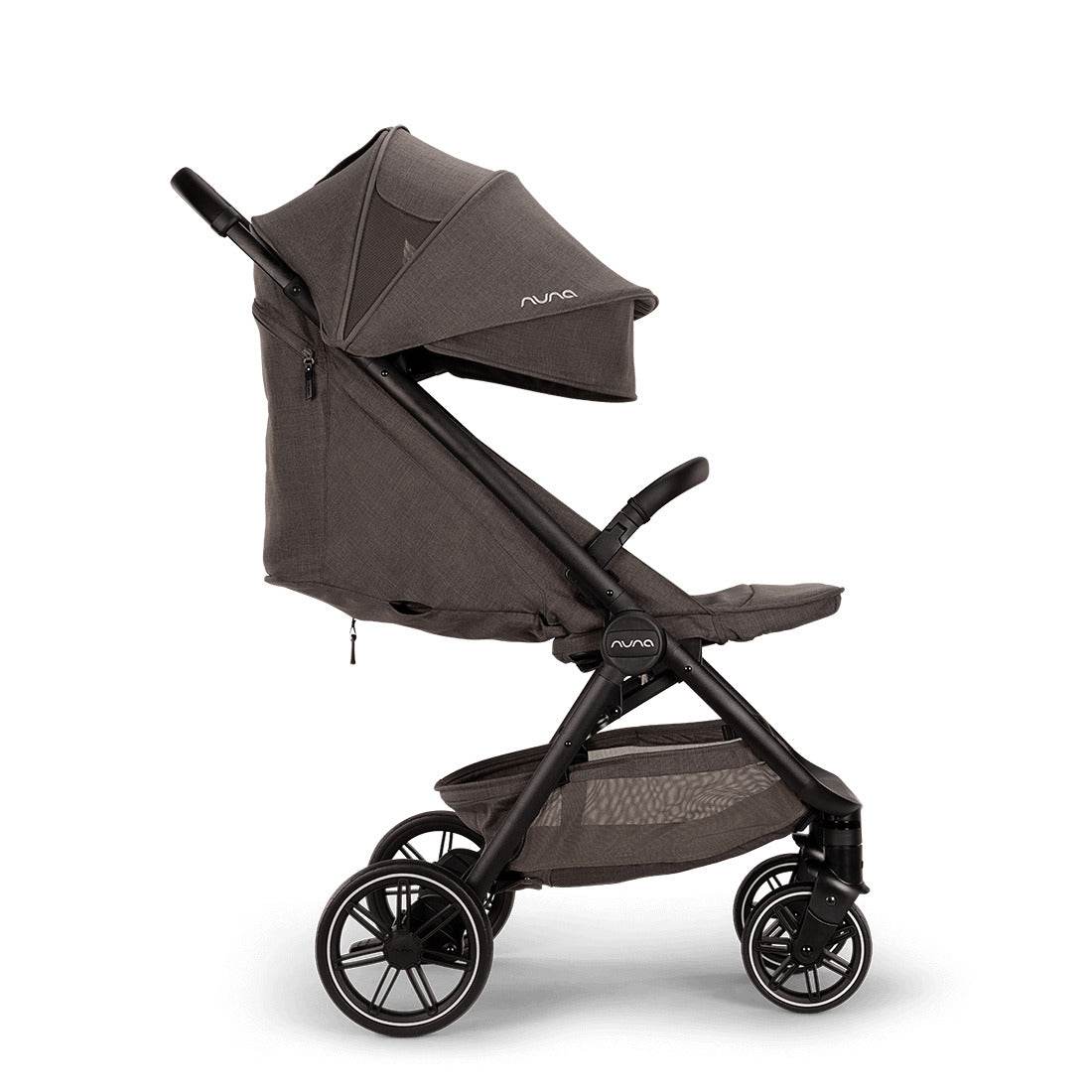
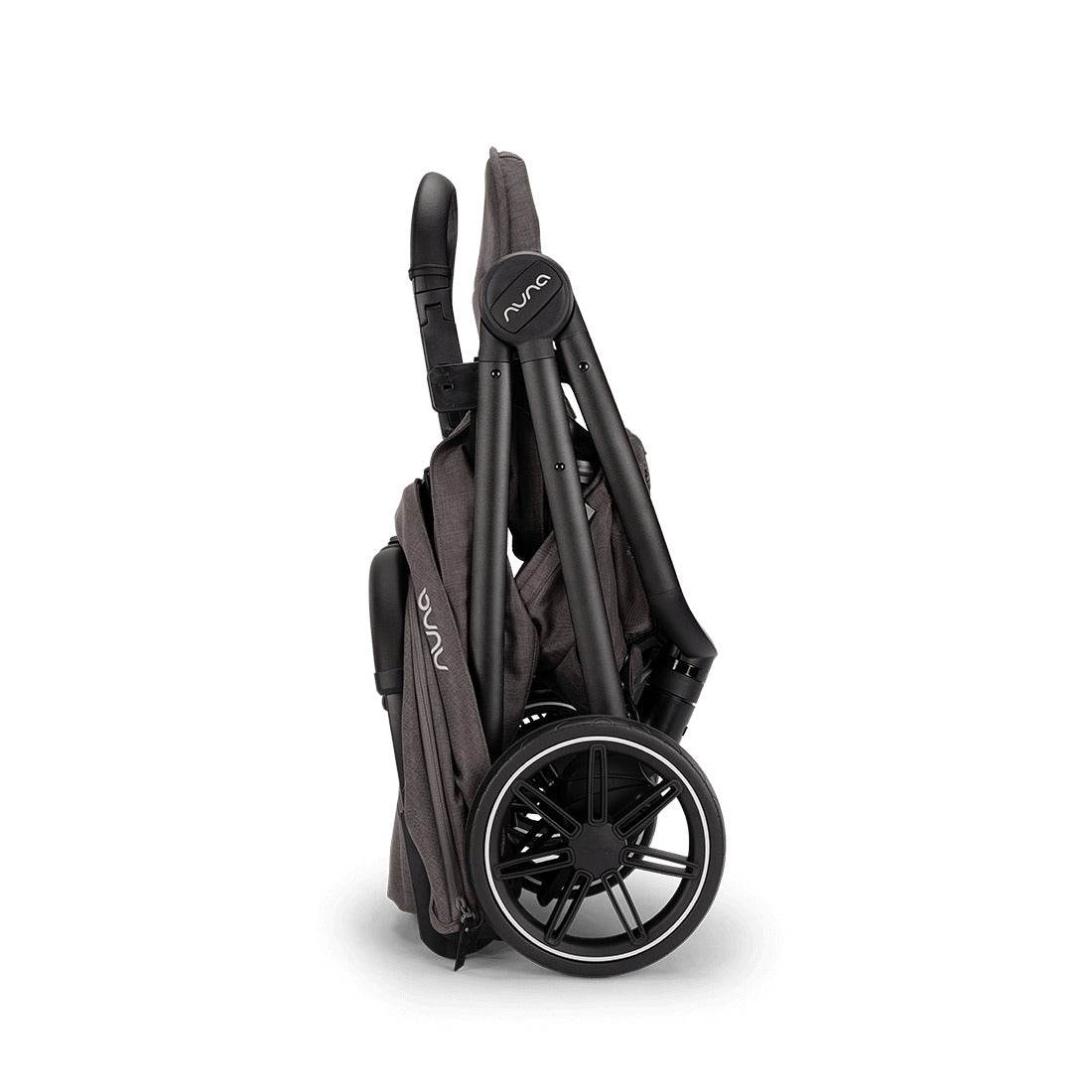

Nuna TRVL Lx Stroller
Nuna TRVL Lx Stroller
SKU:NST18101TNDGL
Out of stock
Couldn't load pickup availability
Overview
Overview
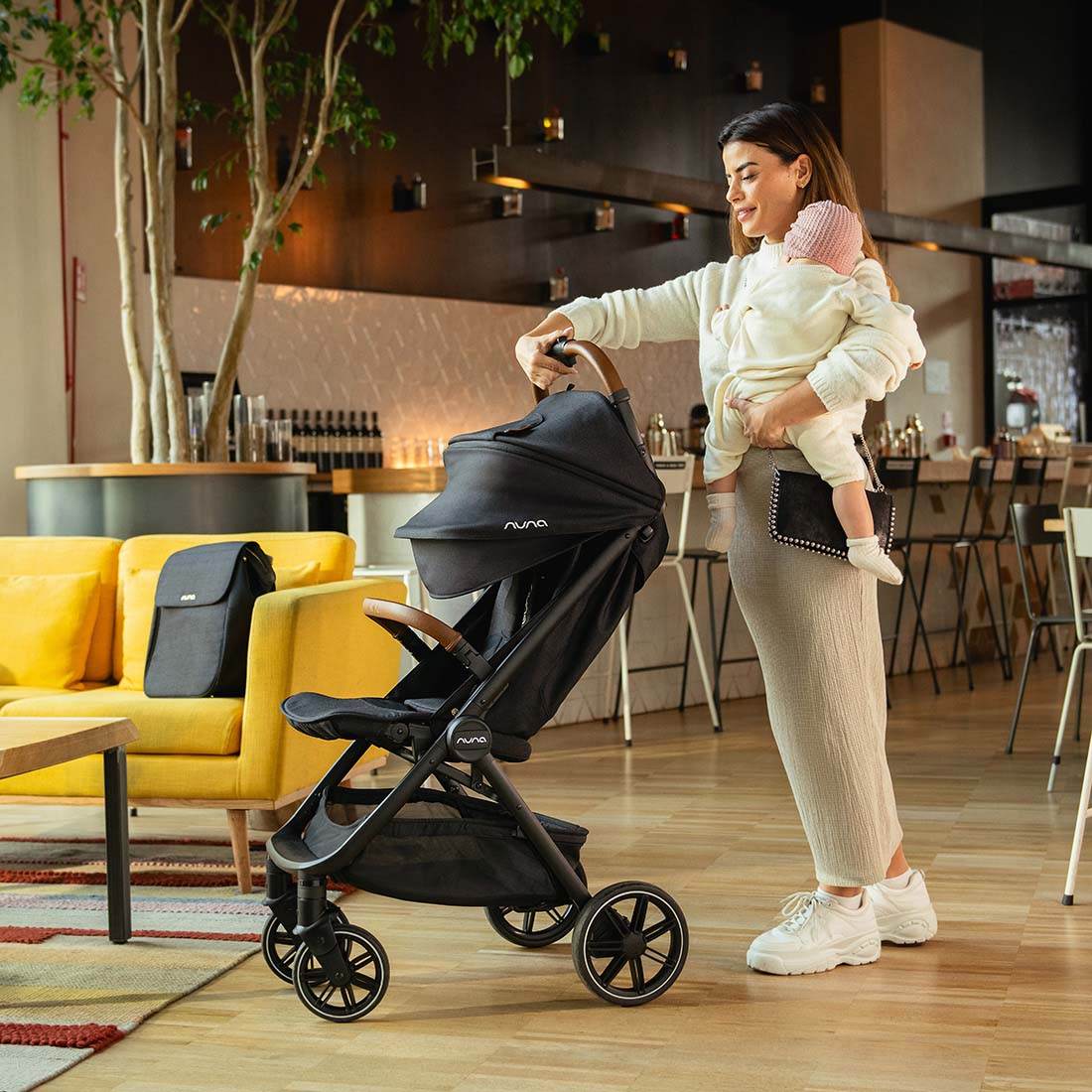
With your baby as your co-pilot, even the simplest moments can become something special. Experience a new way of seeing everyday outings with your little one.
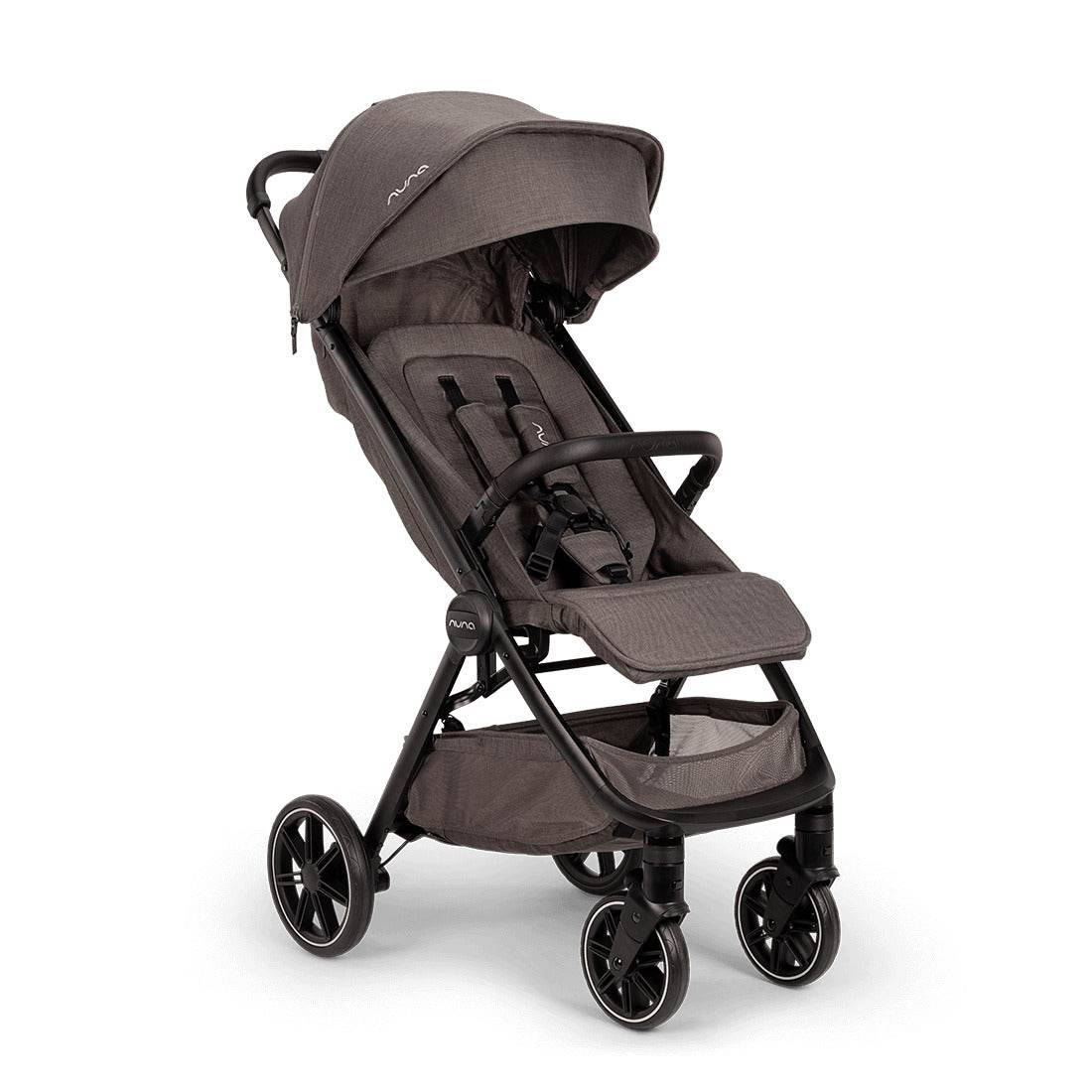
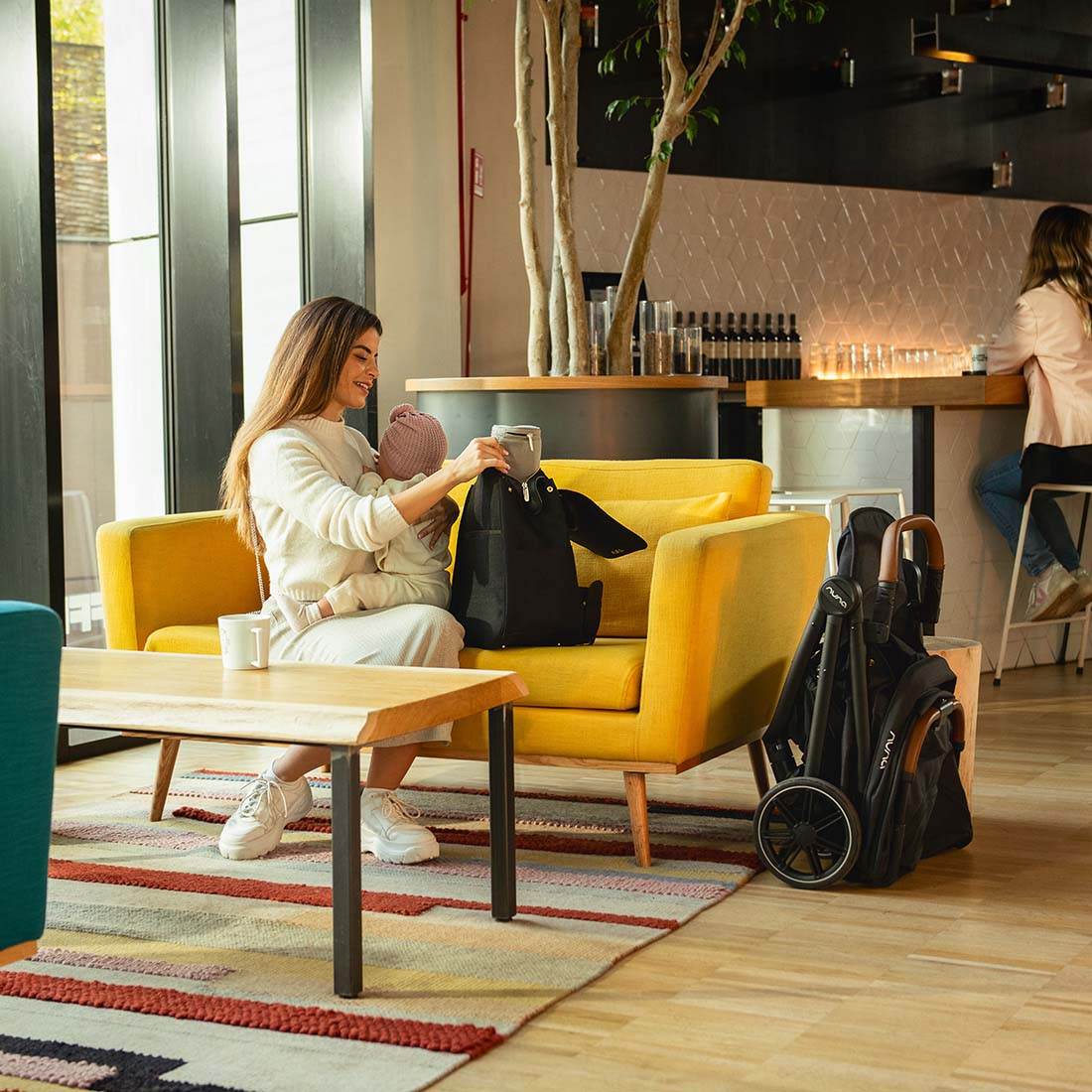
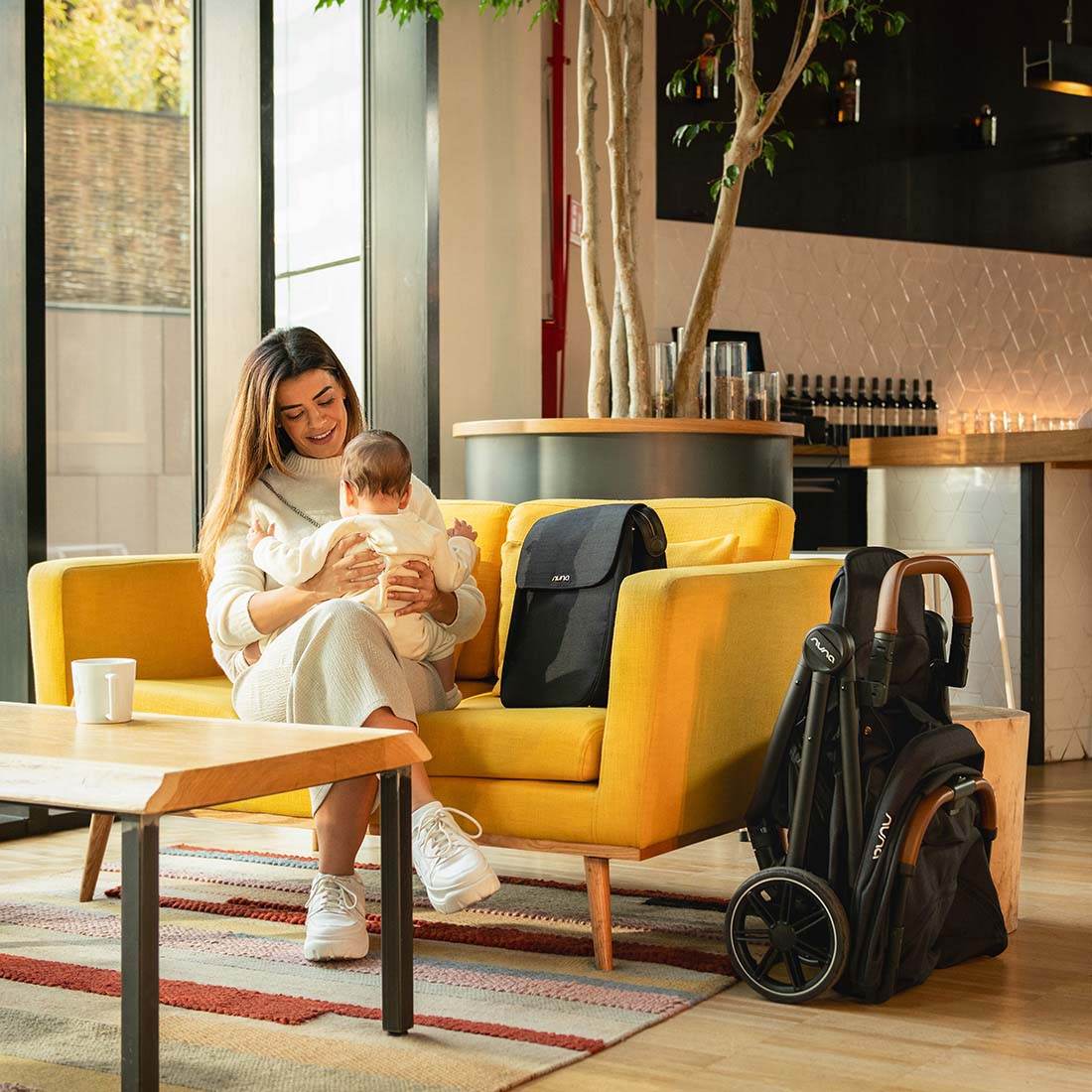
The TRVL lx stroller in Thunder colour offers the ultimate compact convenience, giving you the freedom to explore - whether it’s a quick trip or a longer adventure. Designed to be effortlessly lightweight, it features a one-handed fold that redefines ease and mobility. Its enhanced wheel profile ensures a smooth ride, no matter where your journey takes you.
The TRVL LX invites you to embrace luxury in your daily travels, transforming every stroll into a delightful experience.
What's Included
What's Included
Technical Specification
Technical Specification
User Guide
User Guide
Delivery and Returns
Delivery and Returns
- Delivery: Free within NZ on orders over $100 (excluding bulky items) or $8 standard shipping
- Returns: Accepted within 14 days of receipt with proof of purchase
- Some items are excluded from returns including sale items, hardware, car seats, prams, monitors and personal items - please click here for the full list.
Share this product
Recently Viewed Products
Related Blogs

Stroller Buying Guide: How to pick the right ride for Your Family
Why Choosing the Right Stroller Matters: Essential Tips for New Parents When you have a baby or toddler, a good stroller is essential. It lets you get out of the house and navigate the world with ease. Leaving the house with a newborn can be tricky, so a high-quality, easy-to-use stroller is a lifeline for many new parents. Your stroller is also one of the most expensive baby purchases you’ll make, so it’s important to get it right. You don’t want to invest in a stroller that ends up being too heavy, hard to fold, or difficult to steer. Of course, no one stroller suits every parent. Consider your lifestyle. Will you be navigating bush walks and country paths or be more likely to keep to the footpaths and malls? Before you buy, it’s a good idea to take a look at different models in-store, push them around, fold them down, and open them up to get a feel for how they work. Before you’re overwhelmed by options and terminology - In New Zealand, we tend to use the words pram, stroller, buggy and pushchair interchangeably. Capsule compatibility For new babies, you’ll most likely want a stroller that’s compatible with your capsule car seat. These are particularly handy during the sleepy newborn phase, as they let you move the baby from car to stroller without waking them. Our strollers are compatible with most capsules from well-known brands, such as Maxi Cosi and Nuna. Talk to our in-store team if you want to check on compatibility. Carrycot – or not A detachable carrycot can be incredibly handy in the early stages – from newborn to around 6 months. Lying flat on their back is the best, safest position for newborn baby to be in. If the seat on the stroller you choose has a lie-flat position, a carrycot isn’t essential. But many parents choose them because they simplify life in the first few months. A carrycot attached to your stroller not only allows your baby to sleep comfortably while on the go, it can also be removed and used as a portable bed for a bit of supervised sleep when visiting friends and family. Single vs. Double Strollers: Which is Right for Your Family? When you buy a stroller for your first baby, it can be hard to imagine life with more children. But it’s a good idea to consider your future when making your decision. Some strollers – like the Nuna Demi Next and the Edwards and Co Olive – have the option to add an extra seat for a sibling. If you plan to have two children close in age, this is worth considering. Having twins? Both the Demi next and Olive are tandem strollers, where the seats are not side-by-side but instead tiered. This is more convenient for everyday errands and shopping, as they’re narrower and easier to manage. Another option to consider for an older sibling is a Stroller board that attaches to the back of the stroller. These are great for independent walkers who might tire on a long walk or need a ride to quicken the pace. The right size for your space Strollers come in a range of shapes and sizes. They’re all foldable, but some – like the lightweight Stokke Yoyo – have a more compact fold than others. It even fits in an aeroplane’s overhead locker making it ideal for travel. Travel can be considered a separate stroller category all together – we’ll do a separate blog on those soon. But even for your everyday stroller, you’ll want to think about storage and transport options. Where will you keep your stroller when you’re at home? How big is the boot of your car? How often will you need to lift it into the car, onto public transport or up stairs? If you can, try the stroller in your boot to see how well it fits. If not, measure the space before you make a decision. How easily the stroller folds is another factor to consider and this is where trying a few models in-store is a good idea. One-hand fold mechanisms are incredibly convenient, especially when your arms are full with a little one. If you think you’ll be lifting your stroller frequently, opt for a lightweight model. Which wheels are best? For a while there, three-wheel strollers seemed to be the only option. Now, four-wheel models are having a resurgence in popularity. Three-wheel strollers are typically thought to be easier to steer, especially with one hand – which can be useful if you’re carrying an upset baby and pushing a pram at the same time. Four-wheel strollers, tend to be more compact, making them easier to manage in shops and cafés. They also tend to fold more neatly for easy storage. Tyre type is another factor to consider - larger wheels with foam-filled or inflatable tyres tend to offer better suspension, which is more comfortable for your baby on rough terrain. Whereas smaller swivelling wheels are easier to manoeuvre around busy places and crowded shops For the best of both worlds, the four-wheeled Nuna Mixx has tough, foam filled tyres and boasts easy one-handed steering. The wheels on the New Nuna Swiv offer something unique – with a 360 degree swivel so you can navigate small spaces with side-to-side ease. Forward or back? Forward-facing or rear-facing? If you’ve never bought a stroller before, it can be hard to know what you’ll prefer. Fortunately, this choice is more about preference than safety or practicality. Newborns are naturally drawn to their parent's faces, and a rear-facing stroller lets you interact and keep an eye on them as you go. Then as they grow up, forward-facing gives them a chance to look out on the world around them. Most everyday strollers we sell have convertible parent-facing/world-facing seats so you have both options in one. Other things to consider Comfort features for your little one - like padded seats, adjustable recline positions and good suspension. How comfortable is the handle height? Adjustable handle height can be good for parents of different heights. Does the stroller offer good storage underneath for your baby essentials, nappy bag, and shopping? Fun and functional extras These days, strollers have a huge range of add-ons and accessories – rain and shade covers, parasols, cup holders, snack trays and compatible nappy bags. Choose what’s best for you As with any big purchase, buying a stroller is about working out what’s most important to you, and finding a model that best fits your needs and budget. If you need help finding the right stroller for your family, you can take our Quiz You can also visit one of our stores, talk to the in-store team and take some of our display models for a spin. Check out our range here.
Learn more
The Best Strollers for Travel: Lightweight & Convenient
Your Guide to Travel Strollers: Smooth Adventures With Baby in Tow Travelling with a baby or toddler can be a joy – but it definitely comes with its challenges. Whether you’re navigating airports, jumping on and off trains, or exploring city streets, having the right stroller can make all the difference. Why Choose a Travel Stroller? Everyday strollers tend to be packed with extra features that are great for everyday usage but can make them more bulky. When it comes to travel, compact and lightweight is the way to go. Travel strollers are designed to be easy to carry, fold, and store – perfect for life on the move. What to Look For Foldability: Look for a stroller that’s easy to fold – ideally one-handed. Weight: A lighter stroller is easier to lift into car boots, overhead lockers, or up stairs. Compact Size: Check the folded dimensions – the smaller, the better for travel. Portability: Is there a carry strap or handle? This makes a big difference on the go. Manoeuvrability: Smooth steering and good suspension can help you navigate tight spaces and bumpy pavements. Comfort: Reclining seats, padded cushions, and a sun canopy keep your little one happy on the move. Storage: A basket underneath for snacks, nappies, and must-haves is a handy bonus. Accessories: Travel bags, rain covers, and cup holders can all add extra convenience. Plane Travel Suitability: If you want to carry your stroller onboard, check the size. IATA (the International Air Transport Association) recommends 56 x 45 x 25 cm for carry-on, but rules can vary by airline and aircraft, so always double-check before you fly. You may also be able to use your stroller right up to the gate and have it stored in the hold – ask your airline in advance. Even strollers designed to fit in overhead lockers may need to be gate-checked on full flights. Our Top Picks for Travel Strollers STOKKE YOYO3Weight: 6.2 kg (6+ pack)Folded Size: 52 x 44 x 18 cmCar Seat Compatible: Yes The YOYO3 folds with one hand and opens in seconds – true to its name. Its compact size makes it a favourite for airline travel, and it’s compatible with a bassinet, newborn pack, or capsule. The slim frame and smooth steering are ideal for city life, and it’s customisable with colour/seat packs in a range of colours. It even has a padded shoulder strap so you can carry it hands-free. Perfect for: Urban adventures and families who travel often. NUNA TRVL LX Weight: 7 kgFolded Size: 72 x 52 x 35 cmCar Seat Compatible: Yes With its push-button self-fold, the Nuna TRVL is great for multitasking parents. All-wheel suspension, a reclining padded seat, and a large canopy offer serious comfort, while the MagneTech Secure Snap™ harness makes buckling up easy. It also includes a rain cover and travel bag. Perfect for: Those who want a high-end, luxurious stroller with all the comfort of a full-size model. (Just note it may be too large for carry-on.) The TRVL Dubl is now available too. Glide through doorways and navigate narrow spaces with Nuna’s first side-by-side double. Edwards & Co OttoWeight: 7.3 kgFolded Size: 54 x 50 x 32 cmCar Seat Compatible: No The Otto folds with one hand and lies flat, making it newborn-ready straight out of the box. It’s compact enough for most overhead compartments (excluding NZ’s small regional planes) and includes a generous canopy and travel bag. Perfect for: Families looking for a lightweight, compact travel stroller that won’t break the bank. Finding Your Fit Each stroller has its own strengths, so the right one depends on your travel style, lifestyle, and budget. If you’re not sure, pop into a Dimples store and take them for a test drive – our team is happy to help. Happy travels!
Learn more
Introducing Our Virtual Shopping Service
As a busy parent it can be hard to find the time to get out to the shops. Or perhaps you’re in hospital post-birth and realise you need some more essentials in tiny sizes. Of course there’s always the option to shop online, but sometimes that just doesn’t cut it. Perhaps you want to see a product in action, or ask a question, or get advice . . . You can now book in to have a video call with our in-store team. They can show you close ups, give you a demo or help you choose when you’re confused by all the options. It’s the perfect option for busy parents. And we’ve made it easy with an ONLINE BOOKING SYSTEM . Book a Virtual Shopping Appointment Here's why our virtual shopping service is a game-changer: Personalized Assistance: Need help finding the right stroller, cot, or baby monitor for you? Our team of knowledgeable experts can help. Virtual Tours: Explore our store virtually with guided tours led by our experienced staff. From nursery furniture setups to the latest babywear arrivals, our virtual tours give you an immersive shopping experience without leaving your home (or birthing unit). Shop with confidence: Once you've made your selections, you’ll have the peace of mind to buy online. Then you can have your purchase delivered to your door or arrange a Click & Collect. Whether you're a first-time parent or a seasoned pro, we're here to make your parenthood journey a little bit easier. Embrace the convenience of our virtual shopping service and enjoy a stress-free shopping experience like never before.
Learn more
Breastfeeding Challenges: Common Problems & How to Overcome Them
Breastfeeding Made Easier: Tips for Common Challenges Before your baby arrives, it's easy to imagine that breastfeeding will happen instinctively. While that can be true for some families, it's perfectly normal if it takes a little longer to find your rhythm. Many new mums experience challenges like sore nipples, engorgement, latch difficulties or concerns about milk supply in those first few weeks. If that sounds familiar, you're certainly not alone. At Dimples, one of the things we hear most often is, "I thought breastfeeding would just come naturally." The reality is that for many mums, it takes a little time, plenty of patience, and the right support. Thankfully, many breastfeeding challenges are only temporary, and with the right guidance they often become much easier to manage. If you decide to supplement or switch to formula, that's okay too. A fed baby and a supported mum are what matter most. But if breastfeeding is something you'd like to continue, know that many mums find things improve with time, patience and the right support. You've got this. Here’s a gentle guide to some of the common hurdles and how to help overcome them: 1. Engorged Breasts A few days after giving birth, you may notice your breasts suddenly feel hard, heavy, warm, and tender as your milk comes in. Although it can feel quite uncomfortable, this is a completely normal part of your body adjusting to your baby's feeding needs. The good news is that engorgement is usually temporary. As your milk supply begins to regulate and your baby establishes a regular feeding pattern, the fullness will often settle. What can help Feed your baby regularly, even if it's only for a short time. If your breasts are too full for your baby to latch comfortably, try hand expressing a small amount of milk first to soften the breast. A cold compress after feeds and gentle massage can also help relieve discomfort. 💛 A favourite with our team: Many mums find the Bare Mum Hot + Cold Breast Therapy Packs incredibly soothing. Warm them before feeding to help encourage milk flow, or chill them afterwards to reduce swelling and ease discomfort. And here's a little old-school wisdom that's been passed between mums for generations: chilled cabbage leaves tucked inside your bra between feeds have long been used to help soothe engorgement. It might sound unusual, but plenty of mums still swear by it! 2. Latch Issues A little tenderness during the first few days of breastfeeding is common, but ongoing or severe pain isn't something you should simply put up with. A painful feed is often a sign that your baby isn't latching deeply enough, making feeding uncomfortable for you and less effective for them. What can help Try encouraging your baby to open their mouth wide by gently brushing your nipple against their upper lip. Position them with their nose level with your nipple and bring your baby to your breast, rather than leaning towards them. A good latch usually means your baby's mouth is wide open, their chin is pressed into your breast, and your nipple sits comfortably towards the back of their mouth. If breastfeeding is still painful after the first week or two, or your baby continues to struggle with latching, it's worth reaching out to your midwife or a lactation consultant. Sometimes a simple adjustment, or identifying something like a tongue tie, can make all the difference. 3. Cracked or Bleeding Nipples Sore or cracked nipples are very common in the early weeks of breastfeeding. They can be caused by a shallow latch, frequent feeding while your skin adjusts to this new rhythm, or even overuse of your breast pump. What can help Applying a nourishing nipple balm after every feed can help soothe and protect the skin, while hydrogel pads can provide instant cooling relief for particularly sore nipples. One combination our team often recommends is Pure Mama Nipple Butter together with Silverette Cups. The nipple butter helps moisturise and soothe damaged skin, while the Silverette Cups protect sensitive nipples between feeds, allowing them to heal naturally. If your nipples aren't improving after several days, it's important to have your baby's latch assessed, as treating the cause is just as important as treating the symptoms. 4. Low Milk Supply Worrying about milk supply is incredibly common, especially during the first few weeks when your baby may seem to want to feed constantly. The reassuring news is that frequent feeding, cluster feeding and night waking are all normal behaviours and don't usually mean you're not producing enough milk. True low milk supply is less common, but if your baby isn't gaining weight well or has very few wet nappies, it's important to speak with your midwife, GP or lactation consultant. What can help If your healthcare provider is happy that everything is progressing normally but you'd like to naturally support your milk supply, try feeding frequently, pumping between feeds if appropriate, drinking plenty of water and eating a balanced diet. Many mums also enjoy adding lactation cookies or a lactation blend to their daily routine. While they're not a guaranteed way to increase milk supply, many mums enjoy them as part of their breastfeeding routine alongside regular feeding, good hydration and a balanced diet. Shop our lactation support range here 5. Inverted or Flat Nipples You may never have paid much attention to the shape of your nipples before breastfeeding, but flat or inverted nipples can sometimes make it more difficult for your baby to latch. The good news is that many mums with flat or inverted nipples go on to breastfeed successfully. What can help Speak with your midwife or a lactation consultant, who may recommend using a nipple shield or expressing a small amount of milk before feeding to gently draw the nipple out. 6. Blocked Ducts A blocked milk duct often feels like a tender lump beneath the skin and usually occurs when milk isn't draining effectively. This can happen if you've missed a feed, your bra is too tight, or your breast hasn't emptied fully. What can help Continue feeding regularly, particularly on the affected side, to help keep milk moving. Applying warmth before feeding and gently massaging the area towards the nipple can also help encourage the blockage to clear. Most blocked ducts resolve within a day or two but if you are experiencing alot of pain and unable to breastfeed, please see your GP. 7. Mastitis Sometimes a blocked duct can develop into mastitis, or bacteria can enter through cracked skin, leading to a breast infection. Mastitis often causes flu-like symptoms, including fever, chills and body aches, along with a painful, red area on the breast. What can help If you think you may have mastitis, it's important to see your GP promptly, as antibiotics are often needed. Although feeding may feel uncomfortable or sore, continuing to breastfeed or express milk can actually help speed up recovery by keeping the breast well drained. Warm or cool compresses between feeds may also provide some relief. 💛 Don't try to push through - Many mums think they can "tough it out", but mastitis really needs medical treatment. The sooner you seek help, the quicker you'll usually recover. You Are Not Alone - and You're Doing an Amazing Job If there's one thing we'd love every new mum to know, it's this: asking for help is a strength, not a weakness! For over 30 years, we've had the privilege of supporting hundreds of New Zealand families through pregnancy, newborn life and beyond, and we've learned that almost every breastfeeding journey is different, and has its own ups and downs. And if, despite your best efforts, breastfeeding doesn't work out the way you'd hoped, that's okay too. Whether you breastfeed, formula feed or combine the two, what matters most is that your baby is fed, loved and thriving. Be kind to yourself, trust your instincts, and don't be afraid to lean on your midwife, GP, lactation consultant or the people around you. Sometimes the right support is all it takes to help you find your confidence. ❤️ Shop our full range of breastfeeding support and essential items here
Learn more