






Portacot Snooze Shade
Portacot Snooze Shade
SKU:SLSSS
In stock
Couldn't load pickup availability
Overview
Overview
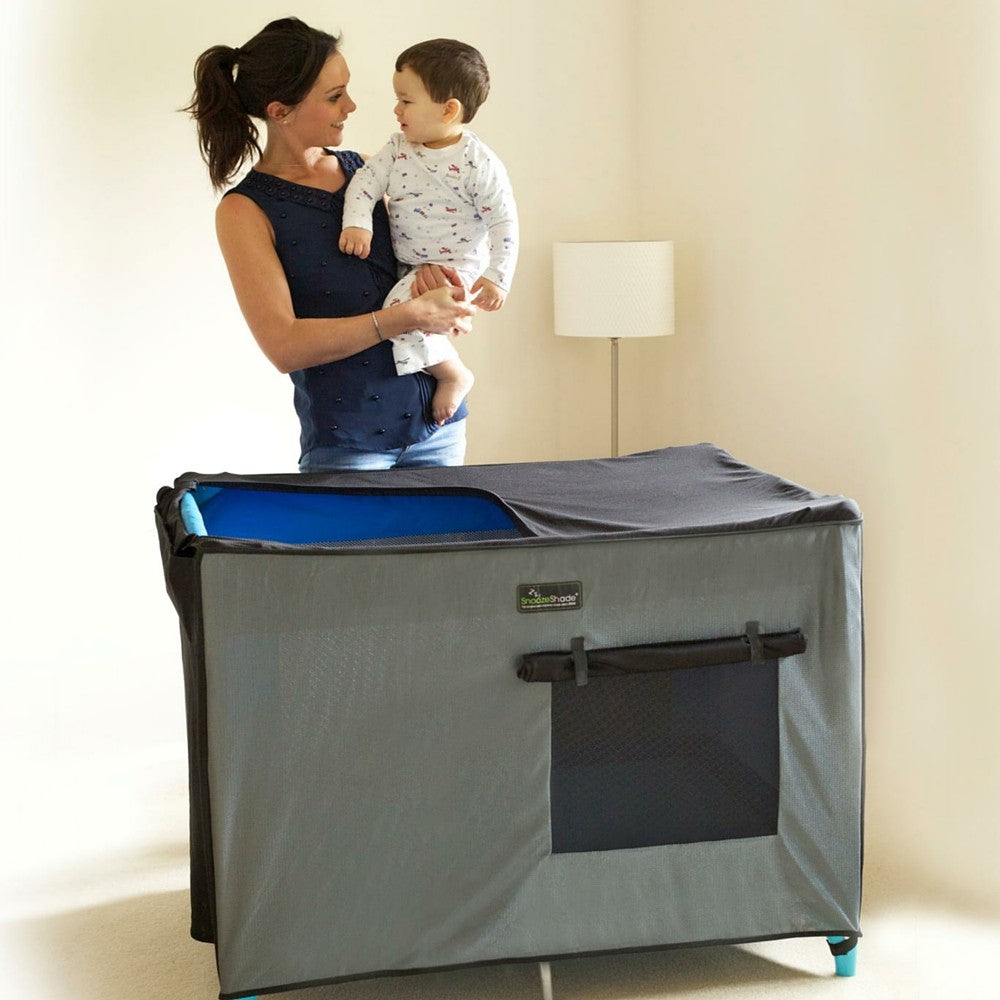
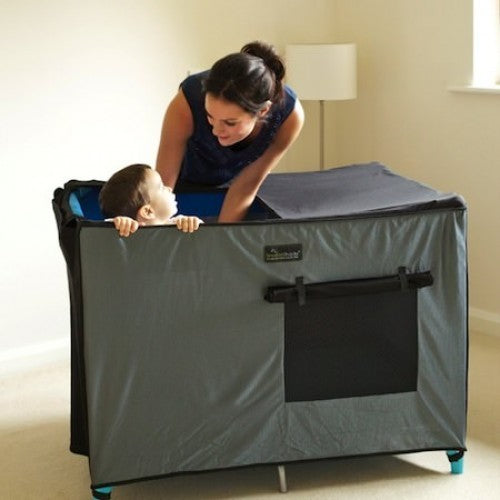
Help your little one drift off to sleep wherever your adventures take you with the SnoozeShade for Travel Cots. Designed by a mum who understands the challenges of sleep on the go, this clever portable sleep shade creates a darker, calmer, and distraction-free sleep environment, helping babies and toddlers settle more easily in unfamiliar or bright surroundings.
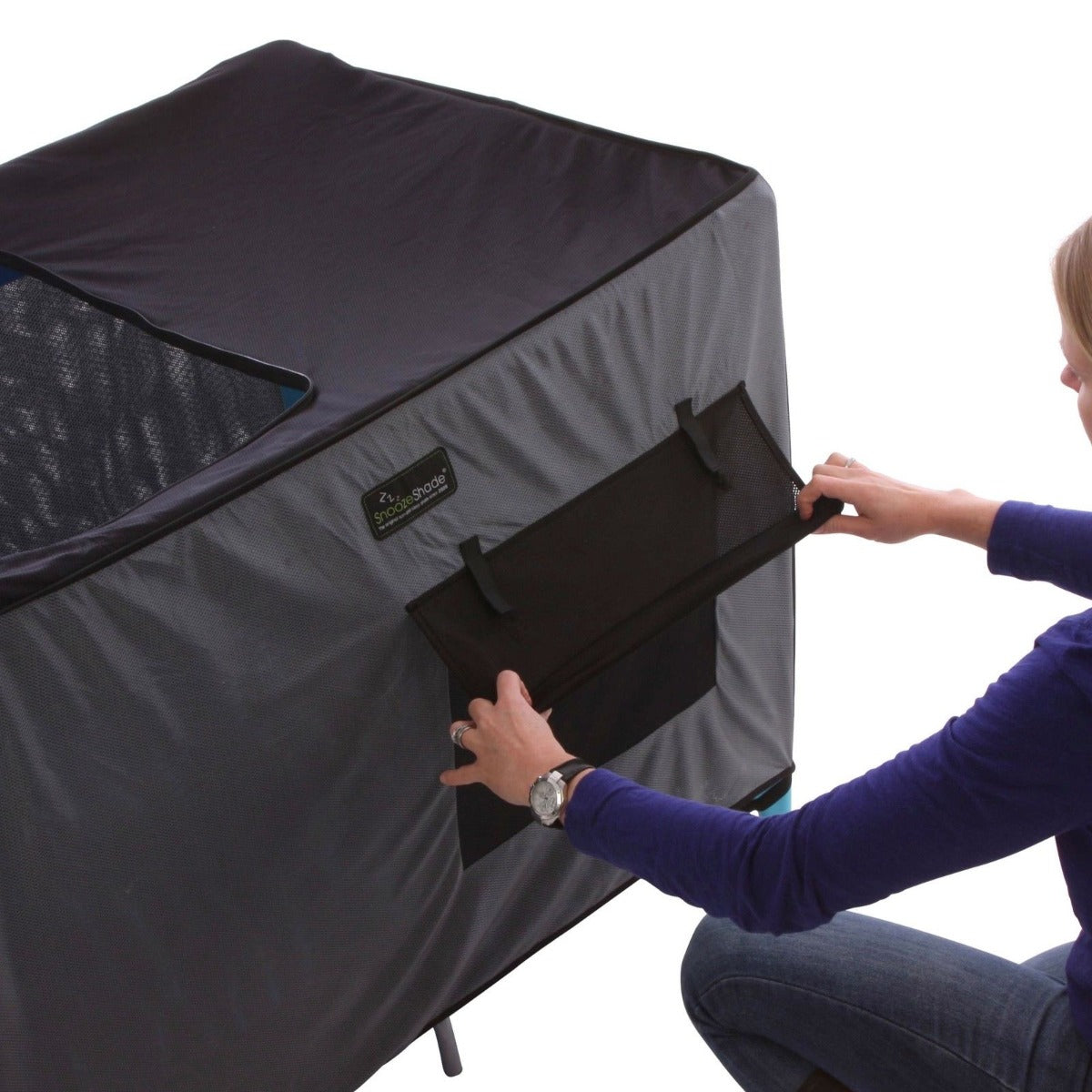
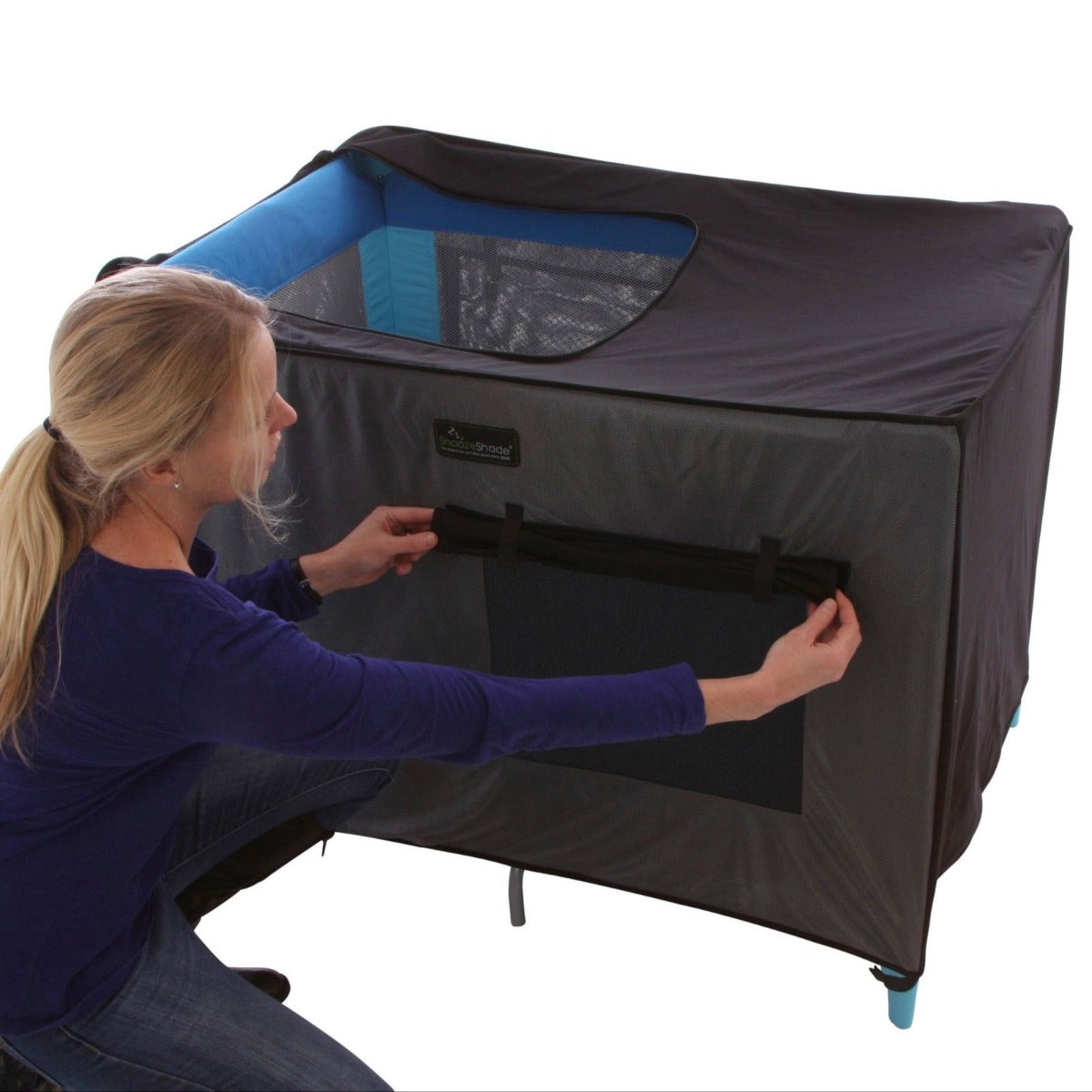
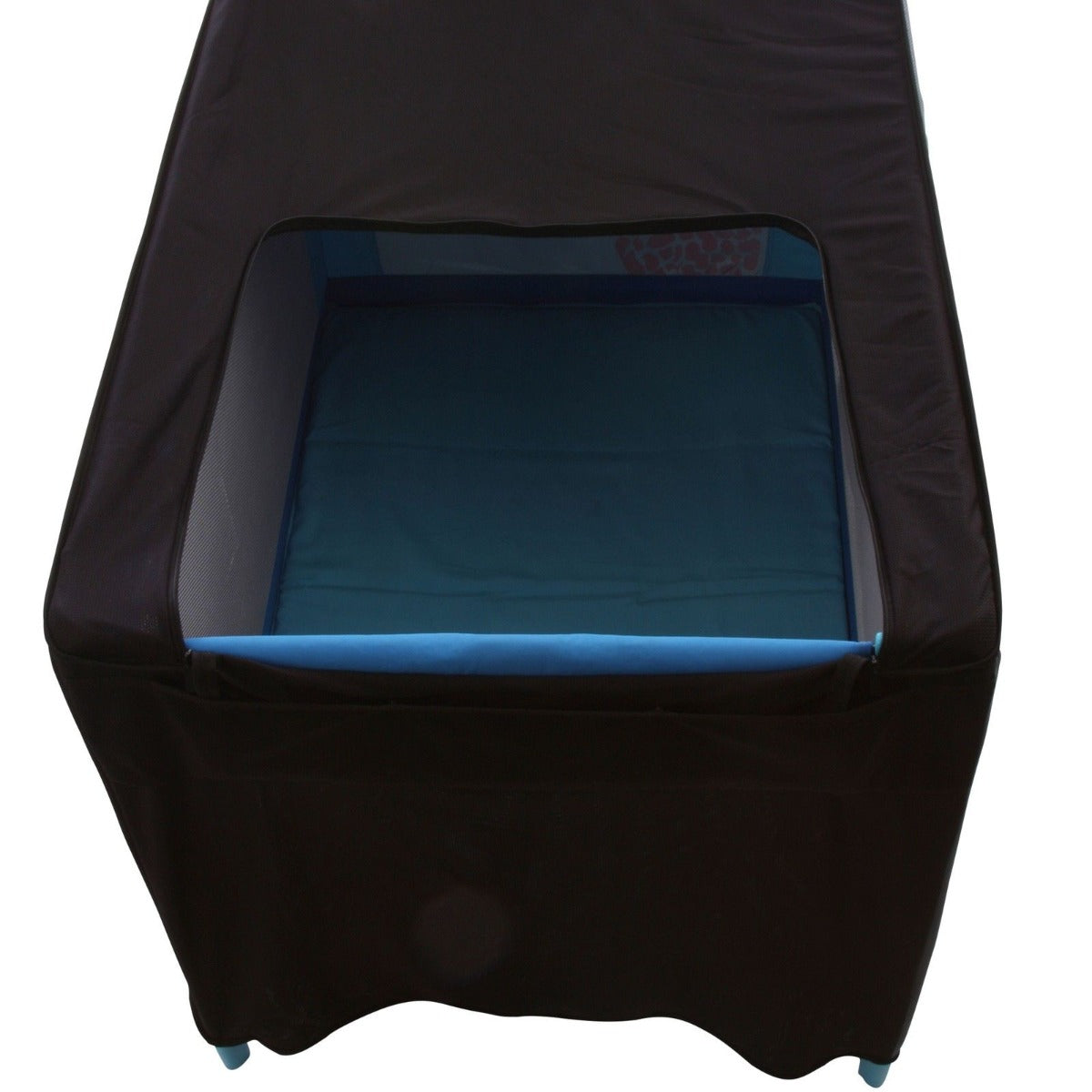
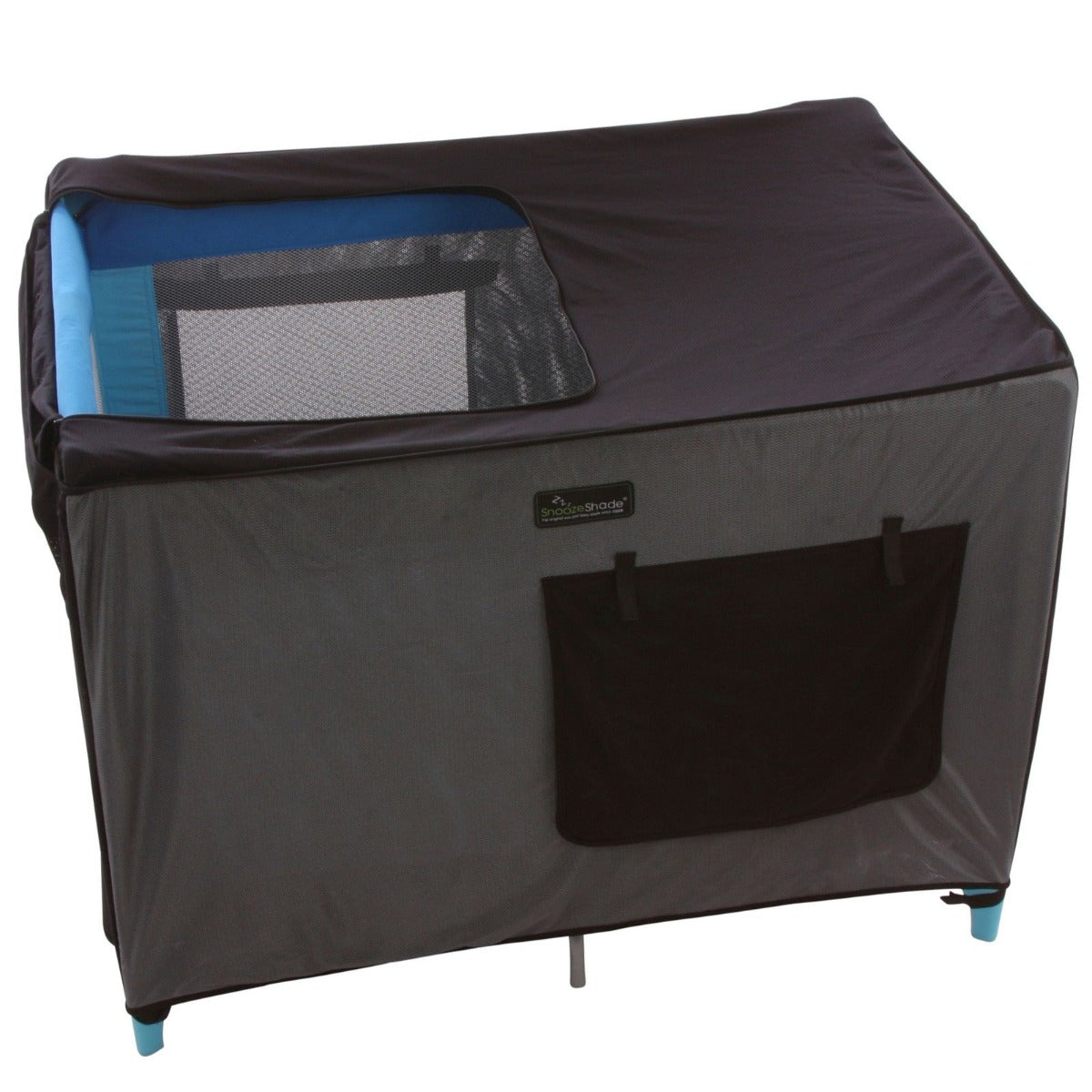
SnoozeShade transforms almost any standard travel cot into a cosy sleep sanctuary! The unique air-permeable mesh fabric safely blocks up to 94% of light while still allowing air to circulate freely, helping little ones enjoy restful naps and longer sleep.
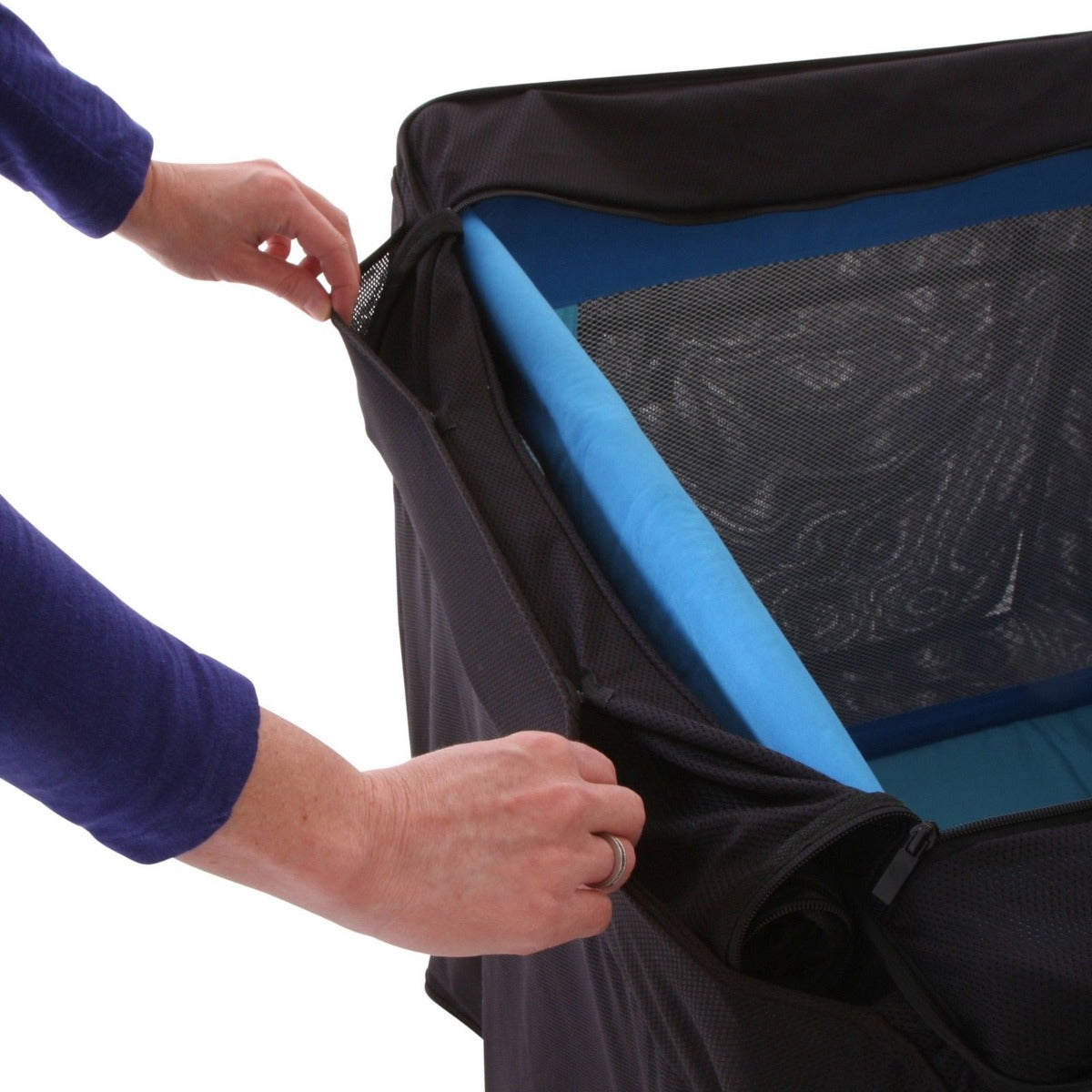
Lightweight, easy to fit, and requiring no complicated attachments, SnoozeShade is a must have travel essential for families who value good sleep. Adjustable side and top panels allow you to customise light levels to suit your child's needs, making it easy to transition between sleep and play while maintaining a familiar sleep environment wherever you are.
Trusted by parents worldwide, recommended by baby sleep consultants, and used in childcare facilities throughout Mark Warner's European holiday resorts, SnoozeShade helps make every destination feel a little more like home.
Key Features
Key Features
Technical Specification
Technical Specification
Delivery and Returns
Delivery and Returns
- Delivery: Free within NZ on orders over $130 (excluding bulky items) or $8 standard shipping
- Returns: Accepted within 14 days of receipt with proof of purchase
- Some items are excluded from returns including sale items, hardware, car seats, prams, monitors and personal items - please click here for the full list.
Share this product
Recently Viewed Products
Related Blogs

Travel Light With a Great Portacot
Pack Smart, Travel Light, and Rest Easy Travelling with little ones can feel like preparing for a major expedition – nappies, clothes, snacks, toys... and that’s before you even get to the sleep setup. But one item you’ll be glad you packed? A reliable travel cot. Whether you're visiting grandparents, staying in a hotel, or setting up camp at a bach, a quality portacot provides your baby with a familiar and safe space to sleep or play. At Dimples, we’ve curated a selection of trusted travel sleep solutions to help make your trip smoother – because happy sleep = happier holidays. Nuna Paal Playard + Bassinet The Nuna Paal is a beautifully designed playard that grows with your baby. It starts as a cosy bassinet for newborns (up to 7 kg), then easily converts into a spacious play area for toddlers (up to 13.5 kg). Whether it’s nap time or playtime, the Paal provides a safe, comfy space for your little one. Setting up is a breeze with the one‑hand pop‑open frame, and it folds neatly into a carry bag for easy storage. The breathable mesh sides ensure airflow and visibility, while the organic cotton sheet provides a soft resting surface. The zip‑open side panel lets you interact with your baby while they play. With sturdy aluminum framing, padded edges for safety, and a clip‑lock zip for extra security. Nuna Sena Aire + Insect Net The Nuna Sena Aire is your go‑to for stress‑free travel sleep. Light, compact and quick to set up (with just one hand!), it’s ideal for busy parents on the move. Its clever zigzag frame folds down easily, packing neatly into one bag with the mattress wrapping right around it. With 360° ventilation (mesh sides, floor and mattress) and Nuna’s Advanced Air Design, your baby stays cool and comfortable – perfect for warmer climates. Use the zip‑on bassinet for newborns, then remove it to create a secure playpen for toddlers (up to 15 kg). An organic cotton sheet is included. Pair it with the Sena Insect Net to keep bugs away while keeping airflow unrestricted. The zip opening makes check‑ins quick and easy. Journey 2-in-1 Travel Cot The Journey 2-in-1 Travel Cot is a smart, adaptable sleep solution that grows with your baby. Use it as a bassinet from newborn to 6 months (up to 9 kg), then convert it into a full-size cot for toddlers up to 2 years (15 kg). It features a Safer-Sleep Certified mattress, the first of its kind in a travel cot – breathable, firm, and approved for overnight use. Full mesh sides provide airflow and visibility, while the bamboo-fibre mattress cover offers a soft, cool sleeping surface. Parents will love the built-in storage pockets, quick fold, and included insect net – ideal for travel or outdoor naps. Everything packs into a convenient backpack-style carry bag for easy portability. Sleeping on Holiday: Light and Darkness Getting your little one to nap in an unfamiliar space can be tricky – especially if the room is too bright or stimulating. Here are two travel‑friendly options that help create the ideal sleep environment: Blackout Shade for PortacotsThis clever universal Snooze Shade blocks out up to 94% light and fits snugly over the Nuna Sena (and other portacots), creating a dark, cosy space that helps your baby nap well—even during the day or in shared rooms. Blackout BlindsThe Purflo Total Eclipse Portable Blackout Blinds are made from 100% blackout fabric, and blocks out light completely. With an innovative suction fastening system, it attaches securely to most windows without drilling or adhesives. It’s adjustable to fit different window sizes and folds neatly for easy storage or travel. Perfect for home or on the go - an effective solution to help little ones sleep soundly, wherever they are. Travelling with a baby or toddler doesn’t have to mean disrupted routines and sleepless nights. With the right sleep setup, you can enjoy the adventure—and get the rest you need. At Dimples, we’ve got everything you need to make travel easier—so you can focus on creating special memories together.
Learn more
Welcome to Fatherhood: New Dads and Dads-to-Be
Congratulations, Dad First off, huge congratulations! You’re about to embark on one of the most rewarding journeys of your life. Whether you’re a first-time dad or this is round two (or three!), there’s no denying how incredible this experience will be. Sure, it might come with a few sleepless nights and some unknowns along the way, but trust us – it’s going to be amazing.Fatherhood isn’t about being perfect – it’s about being there, learning as you go, and embracing every moment, big or small. You’ll have days filled with firsts, plenty of laughter, and some truly special memories. And remember, it’s okay if you don’t have everything figured out – you’re not alone on this journey. We’ve put together some helpful tips and advice to support you as you navigate these early days, so you can feel confident and prepared. The road ahead is exciting, and you’re going to be a wonderful dad. Let’s get started – you’ve got this! Support During The Pregnancy Journey Pregnancy brings plenty of changes – not just for mums, but for you, too. You might not be the one carrying the baby, but your support can make a huge difference. Here’s how to be the kind of partner your family will thank you for later. Start by learning and getting involved Understanding pregnancy helps you feel more confident and prepared. Check out a few articles, read a few books or dive into an online course for new dads. It can also be incredibly helpful to attend check-ups, which will keep you connected and informed. Ask questions, take in the details, and get to know your baby’s journey. Pick up a few extra chores As the bump grows, so does the to-do list. Take on more housework, drive to appointments, and let your partner rest. Don’t be afraid to ask for help – teamwork makes it easier. Get involved with meals Food might be a bit of a rollercoaster during pregnancy, so try to help where you can – cooking, meal planning, or just making sure there’s something in the fridge that actually sounds good today. And if your partner suddenly needs a very specific brand of ice cream at 9pm… well, that’s your time to shine. Be steady during the ups and downs Hormones can make emotions more intense. Be patient, listen well, and remember: sometimes just being there is enough. Look after your own wellbeing It’s easy to put your own needs on the backburner, but your mental health matters too. Talk openly with your partner, ask lots of questions, and check in with how you’re feeling. A calm, supported dad makes a big difference to the whole family. Think ahead Before baby arrives, research and get organised: Choose and install the car seat (Dimples can help with installation and advice) Set up baby’s space (even if they start in your room). Stock up on nappies, wipes, swaddles, and clothes. Merino is the ultimate in newborn clothing. Learn more about this here Cook and freeze a few meals – thank yourself later! And remember, you don’t need to have it all figured out. Just show up, learn as you go, and be there when it counts. You’ve got this – and feel free to sneak in a dad joke or two (just maybe not at 3am). Now... Baby Has Arrived! Bonding with Your Newborn Studies show that active involvement from dads helps with emotional development, cognitive skills, and even reduces stress for both baby and parents. Bonding early on lays the foundation for a strong relationship as your little one grows. Here are a few ways to bond: Skin-to-skin contact: Take a moment to strip down and let your baby lie on your chest. This helps regulate their body temperature and heartbeat, while also releasing oxytocin, the "love hormone," for both of you. Talk and sing: Babies love hearing your voice. Even if you're off-key, read books, sing, or narrate your day ("Time for the big diaper change!"). Your voice will comfort them. Wear your baby: A baby carrier is an easy way to keep your newborn close while you move around. The warmth and motion strengthen your bond, and it gives you some extra dad points. We love this one by Nuna - we stock a few different kinds of carrier. Our store can help you with this if you want to pop in. Support Mum’s Healing The first weeks after birth can be tough for mum. Give her space to heal, and take charge of housework and meal prep. Whether it’s cleaning up, tidying, or letting her nap, your support will help her adjust and feel cared for. Taking Care of Yourself Parenting is a team effort, so don't forget to take care of yourself. Get rest when you can, eat well, and ask for help if you need it. You’ll be much more equipped to care for your little one if you're taking care of your own well-being. Finding Your Routine In the early days, life with a newborn can feel chaotic. Establishing a simple routine will help everyone feel more secure. It doesn’t have to be perfect, but having a basic rhythm for naps, feedings, and bedtime makes things easier as you go. Trusting Your Instincts You might not have all the answers, but trust your instincts. If something doesn’t feel right, speak up. You’ll figure it out along the way – you’re learning every day, and that’s enough. Accepting Help There’s no need to do everything yourself. Accept help when it’s offered – whether it’s a meal from a friend or a family member taking over a diaper change. It’ll make this journey smoother for everyone. Connecting with Each other And Celebrating the Small Wins Parenting is full of big milestones, but it’s the little victories that count too. Celebrate your baby’s first smile, a good night’s sleep, or the first successful outing. These moments are worth appreciating. Parenthood can be all-consuming, but it’s really important to find time for your relationship with your partner. Even simple moments, like enjoying a coffee together, can help you stay connected and grounded amidst the chaos. A Few More Tips Swaddle like a pro: Swaddling can help soothe your baby and improve their sleep. Merino or cotton is the best option. See our range Here Change bag: Keep a change bag handy: Have nappies, wipes, and a spare outfit packed and ready – you never know when you'll need them. Here are a few options for change bags at Dimples. And most importantly: Have fun! Parenting is a learning experience, so embrace it – and don’t forget to build your dad-joke repertoire! Fatherhood is an incredible journey – full of joy, challenges, and unforgettable moments. Dimples is here to support you every step of the way with all the essentials you need to be the best dad you can be. Enjoy every moment, because these early days will fly by ❤️
Learn more
Pretty Brave Shoes: A Guide to Little Feet
Little feet have a lot of growing and exploring to do! From those first little steps to running, playing and discovering the world, choosing shoes that are comfortable and designed to move with them is an important part of every stage.
Learn more
Trouble sleeping? Finding The Right Sleep Aid
Sleep Struggles? These Soothers Might Just Save Your Sanity 😴 White noise and gentle sound machines help to mask the everyday background noise that can disturb your little one's rest. Think: older siblings, barking dogs, or the neighbour deciding now’s the time to mow the lawn. These soothing sounds - like a heartbeat, waves, or soft shushing - can create a more consistent, calming sleep environment and help baby settle more easily. Darkness can make a big difference too. A dark room helps reduce visual stimulation and can support your baby’s natural sleep cues, which is especially handy for daytime naps, early bedtimes and those bright summer evenings. If light is sneaking in around curtains or you’re sleeping somewhere unfamiliar, a portable blackout blind can help create a darker, more consistent sleep space wherever you are. We’ve curated a handy Quiz to help you make a decision, plus a small but mighty collection of trusted sleep soothers and calming aids below, that can help take the edge off bedtime - for both you and your baby. Love to Dream Sleep Machine Creating a familiar, calming sound environment is a great way to help signal to baby that it’s time to sleep. The Love to Dream Sleep Machine offers nine soothing sounds, including white, pink and brown noise, rain, shushing and womb sounds, helping to mask everyday household noises that might otherwise disturb naps or nighttime sleep. It even has a clever cry detection feature which automatically starts your chosen sound if baby stirs! It's got a soft red and warm white nightlight function which is super handy for those 3am feeds and changes. Being rechargeable with up to 22 hours of battery life it's perfect for travelling moments too! YogaSleep Nod Sound Machine and Night Light The YogaSleep Nod is the ultimate stay-at-home sleep station, perfect for setting up a consistent, calming bedtime routine in the nursery. It features 20 sleep sounds, including white noise, fan sounds, lullabies, and nature tracks, so you can tailor the soundscape to your baby’s preferences. What makes it a standout? The built-in nightlight, which emits a warm amber glow to create a peaceful sleep space without overstimulating your baby. You can also set sleep timers or run it all night long, ideal for little ones who are easily stirred. Simple, soothing, and super customisable, the Nod helps create the kind of sleep environment you’ll both appreciate. Purflo Total Blackout Blinds Light can make a huge difference to how easily your baby settles, especially for daytime naps, early bedtimes or those bright summer evenings. The Purflo Total Eclipse Portable Blackout Blind helps create a dark, calming sleep environment by blocking out unwanted light, making it easier to keep baby’s sleep space feeling consistent. It easily attaches securely to windows using over 100 suction cups and can be adjusted to suit smaller windows, so it’s handy at home as well as when travelling or staying with family. Even better, it folds neatly into its own storage pocket, making it an easy sleep essential to have on hand. Storytime and Soothing Light for Sweet Dreams Another beautiful way to support your child’s sleep is by building a calming, familiar bedtime routine - and the CloudBox™ helps make that easy. This clever little device plays comforting bedtime stories while gently projecting sleepy visuals onto the ceiling or wall. With a soothing mix of audio and light, it creates a multisensory environment that helps children wind down at the end of the day. You can choose from the preloaded stories or record your own – a lovely way to keep bedtime personal, even when you can’t be there in person. Repeating the same story or image each night can become part of your child’s sleep ritual, providing a sense of security and consistency they can count on. Simple to use and designed for children from birth and up, the CloudBox™ is a thoughtful addition to any nighttime routine – helping little ones feel calm, safe, and ready for sleep. Supporting Sleep, Naturally For many families, Magnesium Rescue has become a much loved part of their wind-down ritual. This gentle, topical formula is made from natural ingredients and can be massaged into your child’s back, tummy, or feet at bedtime. It’s designed to help support a relaxed nervous system – a simple, non-invasive way to encourage calm before sleep. Another lovely option is the Bedtime Bestie - a lightweight magnesium mist infused with calming lavender, designed to support relaxation and make bedtime a little easier. Simply spritz it onto your child’s back or feet as part of your evening routine. It’s a fuss-free way to help little bodies and busy minds slow down – one small spray at a time. Shop Sleep Saviours at Dimples now Whether you’re trying to improve naps, master the bedtime routine, or just desperate for an extra hour of sleep, our range of sound machines and calming sleep aids are here to help. Browse the full collection in-store or online and find the right fit for your baby (and your sleep-deprived self).
Learn more