


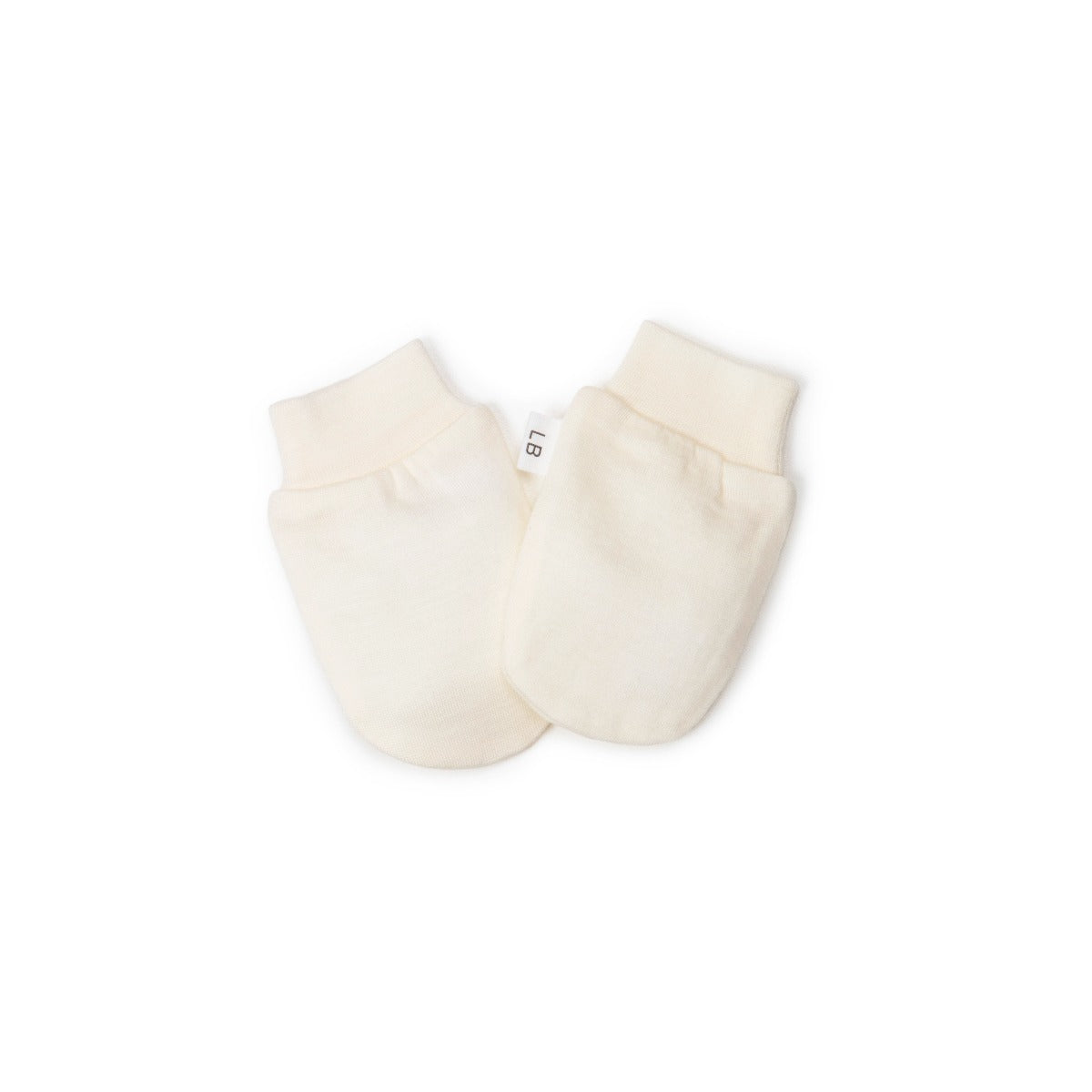

Merino Mittens
Merino Mittens
SKU:LB329C
Clothing Prem to 18 Months
| Size | Age Guide | Weight | Height |
|---|---|---|---|
| Premature | Premature or Small Newborn | Up to 4Kg | Up to 55cm |
| Newborn | 0-3 months | 4-6Kg | Up to 62cm |
| 3 Month | 3-6 months | 6-8Kg | Up to 68cm |
| 6 Month | 6-12 Month | 8-10Kg | Up to 76cm |
| 12 Month | 12-18 Month | 10-12Kg | Up to 84cm |
| 18 Month | 18-24 Month | 12-14Kg | Up to 92cm |
Clothing 2 to 6 Years
| Size | Age Guide | Height | Chest | Waist | Hip |
|---|---|---|---|---|---|
| 2 Year | 2-3 Years | Up to 100 cm | 56 | 51 | 58 |
| 3 Year | 3-4 Years | Up to 105 cm | 58 | 53 | 60 |
| 4 Year | 4-5 Years | Up to 110 cm | 60 | 55 | 62 |
| 5 Year | 5-6 Years | Up to 115 cm | 62 | 57 | 64 |
| 6 Year | 6-7 Years | Up to 120 cm | 64 | 59 | 66 |
Beanie Size Guide
| Size | Head Circumference | Age Guide |
|---|---|---|
| Premature | 31-35 cm | Premature or Small Newborn |
| Newborn | 35-40 cm | Newborn |
| Small | 40-43 cm | 3-6 Months |
| Medium | 43-47 cm | 6-18 Months |
| Large | 47-52 cm | 18-3 Years |
Sunhat Size Guide
| Size | Head Circumference | Age Guide |
|---|---|---|
| Newborn | 37-40 cm | Newborn |
| Small | 40-43 cm | 3-6 Months |
| Medium | 43-46 cm | 6-12 Months |
| Large | 46-49 cm | 12-24 Months |
| Xtra Large | 49-54 cm | 2-4 Years |
Sleep Pods Size Guide
| Size | Weight | Age Guide | Measurement(Back to Hem) |
|---|---|---|---|
| Newborn | 0-6 kgs | 0-3 Months | 60.5 cm |
| Small | 0-8 kgs | 3-6 Months | 66 cm |
Booties Size Guide
| Size | Age Guide |
|---|---|
| Newborn | 0-3 Months |
| Small | 3-6 Months |
| Medium | 6-12 Months |
| Large | 12-18 Months |
In stock
Couldn't load pickup availability
Overview
Overview
Soft to the touch gentle on their skin. Little Bee Merino brings you a timeless design made with comfort in mind. Little Bee Merino offers classic styles created to pair with any outfit. Little Bee’s Merino collection brings year-round staples to your little ones wardrobe providing babies with the essentials they need in those first years of life.
Keep little hand warm and toasty with Little Bee Merino Mittens. Perfect when out and about or relaxing at home to prevent baby scratching their face. Little Bee Mittens bring extra stretch meaning they have more freedom for their fingers to move freely.
Fabric Composition: Single Jersey Merino 200gsm
Made in China
Fit & Care
Fit & Care
Delivery and Returns
Delivery and Returns
- Delivery: Free within NZ on orders over $130 (excluding bulky items) or $8 standard shipping
- Returns: Accepted within 14 days of receipt with proof of purchase
- Some items are excluded from returns including sale items, hardware, car seats, prams, monitors and personal items - please click here for the full list.
Share this product
Recently viewed products
Related Blogs

The Secrets of Dimples Merino, Natures Miracle
Marvellous Merino – and How to Care for It Dimples high-quality Merino is made in New Zealand and designed to last – treat it with love and care and it will stay looking beautiful for years to come. Why Merino? Merino wool truly is nature’s miracle. Its warm, soft, breathable fibres keep your little one comfortable all year round. Because babies take time to develop the ability to regulate their temperature – and can’t tell us if they’re too hot or cold – Merino clothing and sleepwear offer peace of mind. The natural fibres form little pockets of insulating air, keeping warmth in on chilly days and helping release heat when it’s warm. Other wonderful benefits of Merino: Naturally hypoallergenic – gentle on delicate skin and suitable for babies with eczema, allergies, or sensitivities Naturally flame-resistant – without added chemicals Moisture-wicking – absorbs moisture while staying warm and drying quickly Stain-resistant – perfect for little spills and dribbles Keeps its shape – it stretches with your baby, then springs right back after each wash Made to Last Each Dimples Merino garment is lovingly hand-sewn and embroidered by our talented team right here in New Zealand. Crafted with care and attention to detail, these pieces are designed to last – ready to be worn, washed, and passed down through generations. To help your Merino stay soft, beautiful, and in great condition, it just needs a little extra love when it comes to care. How to Wash Merino Always check the garment’s care label first Do not soak – for stubborn stains, we recommend Sard Wonder Soap. Wet the stain in cold water, rub on the soap, agitate gently, then rinse thoroughly Use a wool-approved detergent like Earthwise Wool & Delicates. Dilute the detergent before adding to your washing machine – never pour directly onto the fabric Avoid detergents that contain eco-brighteners or enzymes, which can damage Merino fibres (even some ‘baby’ or ‘eco’ detergents) Use the wool wash cycle on your machine, or hand wash gently in cold water Rinse well, gently squeeze (no twisting), and lay flat to dry in the shade Never bleach, rub, soak or tumble dry. Merino prefers to be air-dried Cool steam iron if needed – and yes, it’s dry cleanable if preferred How to Dry Merino Merino should be air-dried flat in the shade. Direct sunlight can cause fading or damage, and tumble dryers are a no-go. How to Store Merino Because Dimples Merino contains no chemicals, it can be extra appealing to clothes moths. If you're packing your garments away for a while: Wash and dry them first Store in a sealed garment bag or container Clothes Moths – What to Watch For Noticed tiny holes? Pop the item into a sealed bag and freeze for 72 hours – this helps eliminate any moth larvae. After freezing, rewash the garment as usual. Shop the full range of our luxurious Merino here
Learn more
Keeping Winter Bugs Away from your Baby
How to Keep Your Baby Warm and Well This Winter Winter with a baby can bring a few extra worries, especially when they are brand new. Along with keeping your little one warm and comfortable, there are the inevitable winter sniffles, coughs and bugs to navigate. Babies have very small nasal passages, so even a little congestion can make feeding and sleeping more difficult. While it is impossible to avoid every winter cold, there are a few simple ways to help protect your babe and keep them comfortable when the sniffles arrive. Dress your baby in warm, breathable layers Keeping your baby warm does not prevent a cold, but it does help them stay comfortable during chilly winter days. A helpful guide is to dress your baby in one more layer than you are wearing. Choose light, breathable layers that are easy to add or remove as the temperature changes. Merino wool is a wonderful choice for winter baby clothing. It naturally helps regulate body temperature, keeping your baby warm while allowing excess heat and moisture to escape. Soft merino bodysuits, babygrows and sleepwear are ideal for layering without adding too much bulk. Create a safe and cosy sleep space For every sleep, place your baby on their back on a firm, flat mattress with their face and head uncovered. Keep pillows, toys and other loose items out of their sleep space. During winter, it is safer to dress your baby in suitable sleepwear or a baby sleeping bag than to add heavy or loose bedding. Avoid overheating the room and adjust your baby’s clothing when needed. Help keep winter germs away Good everyday hygiene can help reduce the spread of coughs, colds and other winter illnesses. Wash and dry your hands regularly, especially before feeding your baby, after changing nappies and when returning home. Encourage older siblings to wash their hands and cough or sneeze into their elbow. It can also help to regularly clean frequently handled toys and surfaces, and avoid close contact with people who are (or have just been) unwell. Breastmilk provides valuable nutrients and antibodies, but every family’s feeding journey is different. Whether your baby is breastfed or formula fed, continue offering their usual feeds regularly. When your baby has a blocked nose A blocked nose can make it harder for your baby to feed, settle and sleep comfortably. Saline drops suitable for babies can help loosen thick mucus. You can then use a baby nasal aspirator to gently remove it, following the product instructions carefully. This can be particularly helpful before a feed or sleep. A cool-mist humidifier may also help make a dry room feel more comfortable. Place it safely out of your baby’s reach, change the water regularly and clean it according to the manufacturer’s instructions to prevent mould or bacteria from building up. Keep an eye on their temperature If your baby feels unusually hot, cold or unwell, checking their temperature can help you understand how they are doing. The Oricom Non-Contact Infrared Thermometer provides a quick reading without disturbing your little one. Always follow the user guide carefully, as forehead thermometer readings can be affected by positioning and the surrounding environment. A fever is generally considered a temperature of 38°C or higher. If your baby is under three months old and has a fever, seek medical advice urgently. A gentle chest rub for older babies For babies over three months, the Nude Alchemist Chest Rub for Babies can be added to their comforting bedtime routine. Apply it only as directed and remember that chest rubs provide comfort rather than treating or curing a cold. This particular formula is suitable from three months but there are other types of rub on the market as well. Always check age recommendations, complete a patch test and stop using the product if irritation occurs. Baby Cold and Sniffles Comfort Checklist Keep these winter essentials together so they are easy to find when your baby needs a little extra care: A reliable baby thermometer Baby safe saline drops A gentle nasal aspirator A clean cool mist humidifier Chest rub suitable for your baby’s age Soft, breathable layers Hydration - Plenty of regular milk feeds and water if they are over 6 months Extra cuddles, comfort and rest When to seek medical help You know your baby best. Seek medical advice if they are becoming more unwell, feeding poorly, having fewer wet nappies, unusually sleepy or difficult to settle. Get urgent medical help if your baby: Is under three months old and has a temperature of 38°C or higher Is struggling to breathe, breathing unusually quickly or grunting Looks blue around the lips or mouth Is floppy, very pale or difficult to wake Is unable to feed because of breathing difficulties If you are unsure, contact your doctor, call Healthline on 0800 611 116, or call 111 in an emergency. You can also read Whānau Āwhina Plunket’s guidance on colds in babies and children. A Little Winter Preparation Goes a Long Way Winter bugs are an unavoidable part of childhood! Having a few trusted essentials ready can make those sniffly days feel much more manageable. With breathable merino layers, a cosy sleep space and gentle comfort close at hand, you can help your little one feel warm, secure and well cared for throughout winter. You’re doing great.
Learn more
Pretty Brave Shoes: A Guide to Little Feet
Little feet have a lot of growing and exploring to do! From those first little steps to running, playing and discovering the world, choosing shoes that are comfortable and designed to move with them is an important part of every stage.
Learn more
Trouble sleeping? Finding The Right Sleep Aid
Sleep Struggles? These Soothers Might Just Save Your Sanity 😴 White noise and gentle sound machines help to mask the everyday background noise that can disturb your little one's rest. Think: older siblings, barking dogs, or the neighbour deciding now’s the time to mow the lawn. These soothing sounds - like a heartbeat, waves, or soft shushing - can create a more consistent, calming sleep environment and help baby settle more easily. Darkness can make a big difference too. A dark room helps reduce visual stimulation and can support your baby’s natural sleep cues, which is especially handy for daytime naps, early bedtimes and those bright summer evenings. If light is sneaking in around curtains or you’re sleeping somewhere unfamiliar, a portable blackout blind can help create a darker, more consistent sleep space wherever you are. We’ve curated a handy Quiz to help you make a decision, plus a small but mighty collection of trusted sleep soothers and calming aids below, that can help take the edge off bedtime - for both you and your baby. Love to Dream Sleep Machine Creating a familiar, calming sound environment is a great way to help signal to baby that it’s time to sleep. The Love to Dream Sleep Machine offers nine soothing sounds, including white, pink and brown noise, rain, shushing and womb sounds, helping to mask everyday household noises that might otherwise disturb naps or nighttime sleep. It even has a clever cry detection feature which automatically starts your chosen sound if baby stirs! It's got a soft red and warm white nightlight function which is super handy for those 3am feeds and changes. Being rechargeable with up to 22 hours of battery life it's perfect for travelling moments too! YogaSleep Nod Sound Machine and Night Light The YogaSleep Nod is the ultimate stay-at-home sleep station, perfect for setting up a consistent, calming bedtime routine in the nursery. It features 20 sleep sounds, including white noise, fan sounds, lullabies, and nature tracks, so you can tailor the soundscape to your baby’s preferences. What makes it a standout? The built-in nightlight, which emits a warm amber glow to create a peaceful sleep space without overstimulating your baby. You can also set sleep timers or run it all night long, ideal for little ones who are easily stirred. Simple, soothing, and super customisable, the Nod helps create the kind of sleep environment you’ll both appreciate. Purflo Total Blackout Blinds Light can make a huge difference to how easily your baby settles, especially for daytime naps, early bedtimes or those bright summer evenings. The Purflo Total Eclipse Portable Blackout Blind helps create a dark, calming sleep environment by blocking out unwanted light, making it easier to keep baby’s sleep space feeling consistent. It easily attaches securely to windows using over 100 suction cups and can be adjusted to suit smaller windows, so it’s handy at home as well as when travelling or staying with family. Even better, it folds neatly into its own storage pocket, making it an easy sleep essential to have on hand. Storytime and Soothing Light for Sweet Dreams Another beautiful way to support your child’s sleep is by building a calming, familiar bedtime routine - and the CloudBox™ helps make that easy. This clever little device plays comforting bedtime stories while gently projecting sleepy visuals onto the ceiling or wall. With a soothing mix of audio and light, it creates a multisensory environment that helps children wind down at the end of the day. You can choose from the preloaded stories or record your own – a lovely way to keep bedtime personal, even when you can’t be there in person. Repeating the same story or image each night can become part of your child’s sleep ritual, providing a sense of security and consistency they can count on. Simple to use and designed for children from birth and up, the CloudBox™ is a thoughtful addition to any nighttime routine – helping little ones feel calm, safe, and ready for sleep. Supporting Sleep, Naturally For many families, Magnesium Rescue has become a much loved part of their wind-down ritual. This gentle, topical formula is made from natural ingredients and can be massaged into your child’s back, tummy, or feet at bedtime. It’s designed to help support a relaxed nervous system – a simple, non-invasive way to encourage calm before sleep. Another lovely option is the Bedtime Bestie - a lightweight magnesium mist infused with calming lavender, designed to support relaxation and make bedtime a little easier. Simply spritz it onto your child’s back or feet as part of your evening routine. It’s a fuss-free way to help little bodies and busy minds slow down – one small spray at a time. Shop Sleep Saviours at Dimples now Whether you’re trying to improve naps, master the bedtime routine, or just desperate for an extra hour of sleep, our range of sound machines and calming sleep aids are here to help. Browse the full collection in-store or online and find the right fit for your baby (and your sleep-deprived self).
Learn more- Rated 5 out of 5 stars2 months agoWarm and fits well
They keep little hands cosy and fit well without being too tight. A great everyday essential for cooler weather.
DDimples2 months agoThank you for your lovely review of the Merino Mittens! We're so pleased to hear they're keeping little hands cosy and that the fit is just right - not too tight but snug enough for warmth. They really are a wonderful everyday essential for those cooler days when little ones need that extra comfort and protection. 😊
ATangela t.Verified Buyer