




Magic Electric Breast Pump
Magic Electric Breast Pump
SKU:127108
Low stock
Couldn't load pickup availability
Overview
Overview
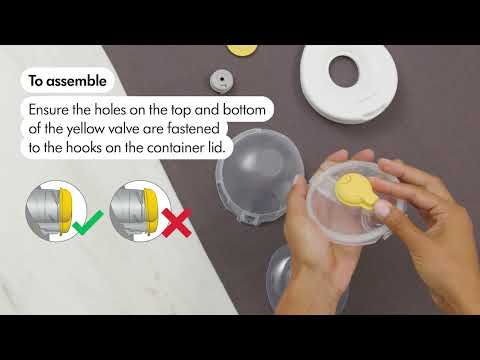
The Magic InBra is Medela’s next generation wearable breast pump built for comfort, quiet confidence and proven performance.
You get the freedom of an in-bra pump with the output of a classic hospital grade system, which means you no longer choose between convenience and results. Powered by FluidFeel Technology that echoes your baby’s natural rhythm, it surrounds the nipple with warm milk to support gentle, effective milk removal.
Paired with Medela’s clinically proven Symphony pumping pattern, you get the same trusted performance loved in hospitals worldwide. The ultra slim profile fits naturally against the breast and the quiet 38 dB motor won’t interrupt a sleeping baby or a much needed moment of peace.
Thoughtfully designed details like the clear top view, built in tunnel light and night mode make alignment simple, day or night. Once pumping, sensors monitor milk flow for vacuum stability and automatically shift from Stimulation to Expression. The constant latch helps reduce leakage and boosts comfort so you can move around with confidence. You also get full app control, letting you adjust settings, track sessions and log milk volume easily.
What's Included
What's Included
Key Features
Key Features
Technical Specification
Technical Specification
Delivery and Returns
Delivery and Returns
- Delivery: Free within NZ on orders over $100 (excluding bulky items) or $8 standard shipping
- Returns: Accepted within 14 days of receipt with proof of purchase
- Some items are excluded from returns including sale items, hardware, car seats, prams, monitors and personal items - please click here for the full list.
Share this product
Recently Viewed Products
Related Blogs

Trouble Shooting Breastfeeding Issues
When Breastfeeding Gets Tough: What You Can Do Many new mums set out hoping to breastfeed, but once baby arrives, things don’t always go as planned. Painful feeds, engorgement, latch troubles, low supply, clogged ducts, and infections – there are plenty of common hiccups that can make breastfeeding harder than you expected. Add in sleep deprivation, postpartum recovery, and all the well-meaning voices around you, and it’s easy to feel overwhelmed if feeding isn’t going smoothly. If you decide to supplement or switch to formula, there’s no shame in that – a fed baby and a supported mum are what truly matter. But if your heart is set on breastfeeding, the good news is most challenges can be worked through – and often, they’re only temporary. You've got this. Here’s a gentle guide to some of the common hurdles and how to help overcome them: 1. Engorged Breasts When your milk comes in a few days after birth, your breasts may suddenly feel hard, heavy, and tender – this is normal. It’s your body adjusting to baby’s needs. Engorgement usually settles down as milk supply begins to regulate, but it may crop up now and again if you go longer between feeds. What can help: Feed often, even if it’s just a little. If your breasts are too full for baby to latch, try hand expressing a bit first to soften the area. Cold compresses and gentle massage can bring relief. We stock some amazing inserts from Bare Mum which you can pop into your bra to help soothe the area. Some mums also swear by popping chilled cabbage leaves inside their bra between feeds – it’s an old remedy, but surprisingly soothing. 2. Latch Issues A bit of discomfort at the start of feeds is normal, especially in the early days. But if you're experiencing sharp or lasting pain, your baby might not be latching deeply enough. A shallow latch can press your nipple against the roof of their mouth, making it painful for you and less effective for them. What can help: Encourage a wide open mouth by gently rubbing under baby’s chin. Position them with their nose opposite your nipple, then bring them to you (not the other way around). A good latch usually means your baby’s mouth is wide, their chin is tucked into your breast, and your nipple is deep inside. If pain persists or your baby still can’t latch comfortably after a week or two, reach out to your midwife or a lactation consultant. Sometimes structural issues like tongue-tie can make latching difficult, and professional help can make all the difference. 3. Cracked or Bleeding Nipples It sounds scary, but many mums experience cracked or sore nipples in the first week or two. It can happen due to a shallow latch, overuse of a pump, or simply your skin adjusting to feeding. What can help: Use a nipple cream after each feed to soothe and heal. Hydrogel pads can bring instant cooling relief. Taking a mild pain reliever like paracetamol before feeds can help too. Most importantly, check baby’s latch – and ask for help if your nipples aren’t healing. Here are two of our favourite products to help you through: Pure Mama Nipple Butter and Silverette Cups these two in combination with each other should help you heal faster and stay protected. 4. Low Milk Supply It’s common to worry about supply, especially in those early weeks when baby seems to feed non-stop. But frequent feeding, short feeds, and night wakings are all normal and don’t usually mean you’re not making enough milk. True low supply is rare, but if your baby isn’t gaining weight or has very few wet nappies, it’s worth talking to your midwife or GP. Sometimes birth complications or certain medical issues can affect milk production. What can help: If baby is showing signs of dehydration, it’s important to get help quickly. Your healthcare provider may suggest medication or a feeding plan. If you’ve been given the all-clear but still want to increase your supply, try pumping between feeds, eating milk-boosting foods like oats and fennel, or treating yourself to some tasty lactation cookies or this delicious lactation blend. 5. Inverted or Flat Nipples You might not have thought much about your nipple shape before baby arrived – but inverted or flat nipples can make latching trickier. If your nipple pulls inward when gently pinched, it may be inverted. What can help: Most mums with inverted nipples are still able to breastfeed with the right support. Talk to your midwife or lactation consultant – they may suggest trying a nipple shield or using a breast pump briefly before feeding to draw the nipple forward. 6. Blocked Ducts A blocked duct feels like a hard, sore lump under the skin. It usually happens when milk isn’t draining well – perhaps due to a skipped feed or a tight bra. What can help: Keep milk flowing by feeding often on the affected side. Apply a warm compress before feeding and gently massage the lump toward the nipple. Most clogs clear within a day or two. 7. Mastitis If a blocked duct doesn’t clear or if bacteria enters through a cracked nipple, it can cause mastitis – a breast infection. You may feel feverish, achey, and have a red, painful area on your breast. What can help: Mastitis needs medical treatment, so see your GP for antibiotics. Keep feeding or pumping often – it might be sore, but emptying the breast helps you recover faster. Warm or cool compresses between feeds can ease the discomfort. 8. Thrush This yeast infection often begins in baby’s mouth and spreads to the breast. It can cause sharp, shooting pain and red, shiny, itchy nipples. What can help: Thrush won’t go away on its own, so you’ll need to see your GP for antifungal medication for both you and baby. It’s important to treat both of you at the same time to stop it from bouncing back. You Are Not Alone – and You’re Doing Great! Before baby arrives, breastfeeding can feel like it should come naturally – and for some, it does. But if you’re finding it hard, you’re not doing anything wrong. Many new mums face bumps in the road, and most find they only need support for a short time before things click into place. For others, despite trying everything, breastfeeding may not work out – and that’s okay too. You haven’t failed. Formula feeding is a perfectly valid option, and many babies thrive on it. What matters most is that your baby is fed, loved, and cared for – and you’re doing an incredible job. Don’t hesitate to ask for help – whether it’s from your midwife, GP, a lactation consultant, or another mum who’s been through it. And if you don’t feel listened to, keep asking. The right support can make all the difference ❤️
Learn more
Tips for Successful Breast Pumping
How to express breast milk minus the stress 10 simple tips to get the pumping party started Whether a return to work is calling, you’re desperate for a night out or just keen to share the responsibility of feeding your baby, most new mamas eventually need some time off from breastfeeding. Enter the breast pump. While it might seem daunting at first, with tubes, suction and strange noises, it’s not so complicated once you get the hang of it. And just like any new skill, it can take a bit of time to learn. So how do you become a pumping pro? Read on to find out… Get started with the right pump : Before you meet your new baby, it’s a good idea to research, purchase and familiarise yourself with your breast pump. Depending on whether you’re planning on being an occasional pumper or pumping regularly, manual pumps like this one from Haaka and electric pumps like this one from Vital Baby each have different merits. That’s a whole other blog! The pre-pump clean-up : Before you get started, thoroughly wash your hands with soap and water, and ensure you’ve cleaned and sterilised your pump as per the manufacturer’s instructions. If you’re planning on storing the milk, cleanliness is super important to avoid passing any nasties on to your baby. Create a designated pumping spot : Whether it’s at work or home, find a comfortable, quiet spot where you can have some uninterrupted pumping time. Make your go-to spot cosy and relaxing, with everything you need on hand. You’ll want a good book (or your phone) to pass the time, snacks (lactation cookies are perfect), a bottle of water and some soothing nipple cream. Think of pumping as an opportunity for some precious time out rather than a dreaded chore. Get your seating right : Once you’ve found your spot, get your seating sorted. A comfy chair that supports your back is a must for pumping sessions that won’t leave you aching. Make sure your feet are flat on the floor and have a cushion or nursing pillow handy to support your pump-holding arm. Dress for pumping success : A feeding-friendly wardrobe is essential for easy pumping or breastfeeding access. Get the basics right, starting with a comfortable nursing bra like this one from Body Silk and then layer with buttoned shirts from your existing wardrobe or specific nursing tops or dresses. Breathe deeply and relax : Expressing can be a stressful experience until you get the hang of it, so once you’re in position and have your pump ready to go, take some slow, relaxing breaths. Slow breathing calms your nervous system and is a good way to get yourself in the zone. Try breathing in for the count of 5, pausing, then exhaling for the count of 6. Repeat until relaxed. Encourage let-down : In the absence of a sucking baby, encouraging let-down can be one of the trickiest parts of pumping. A soft massage before pumping coupled with a warm compress like a wheat bag can help get your milk-makers ready to go. Thinking about your baby (if he’s not with you) or looking through photos or videos (you’ll likely have a few) will also assist. Resist bottle-watching : While it’s tempting to stare at the bottle, obsessing over how quickly (or slowly) it’s filling up – it won’t help! Just like the old saying ‘A watched pot never boils’, a watched bottle doesn’t fill. It’s tough to be relaxed while compulsively watching your milk ducts do their thing. If you really can’t resist the urge, throw a blanket over the bottle, and go for the big reveal several minutes later. Don’t waste a drop : Seeing any of that precious milk wasted is slightly soul-destroying, so be prepared to catch leaks and spills. Haaka has produced a clever little milk collector called the Ladybug that allows you to capture every last drop. You can use it between feeds, or place on your other breast while pumping to capture excess milk that would usually be resigned to a nursing pad. There’s an app for that : If you’re planning on being a regular pumper, an app like Milk Maid will help you keep track of how much you pump, when you’ve pumped and how much you have stored. That’s one less thing for a tired mama to try and remember! Be consistent and persistent Just like anything new, breast pumping has its learning curve. It involves a bit of trial and error to find out what works best for you, and a degree of persistence. And while it might feel strange and uncomfortable early on, the above tips will have it feeling like just another part of your normal baby routine soon enough. Remember, professional help is always available too if you need it.
Learn more
How to Choose a Cot Mattress
It’s fun to think about decorating the nursery and choosing cute outfits for your little one to come. But what about the mattress? Choosing a cot mattress is a big deal (especially when they can spend up to 16 hours a day sleeping), but it’s so often overlooked when planning the nursery.
Learn more
Baby Comforters: What Are They, and How To Introduce Them
There’s something very special about watching your baby snuggle into their favourite little blanket or soft toy. For many little ones, a comforter (or blankie) becomes more than just a bedtime accessory - it’s a trusted friend that brings a sense of calm and reassurance through every new stage of growing up.
Learn more