


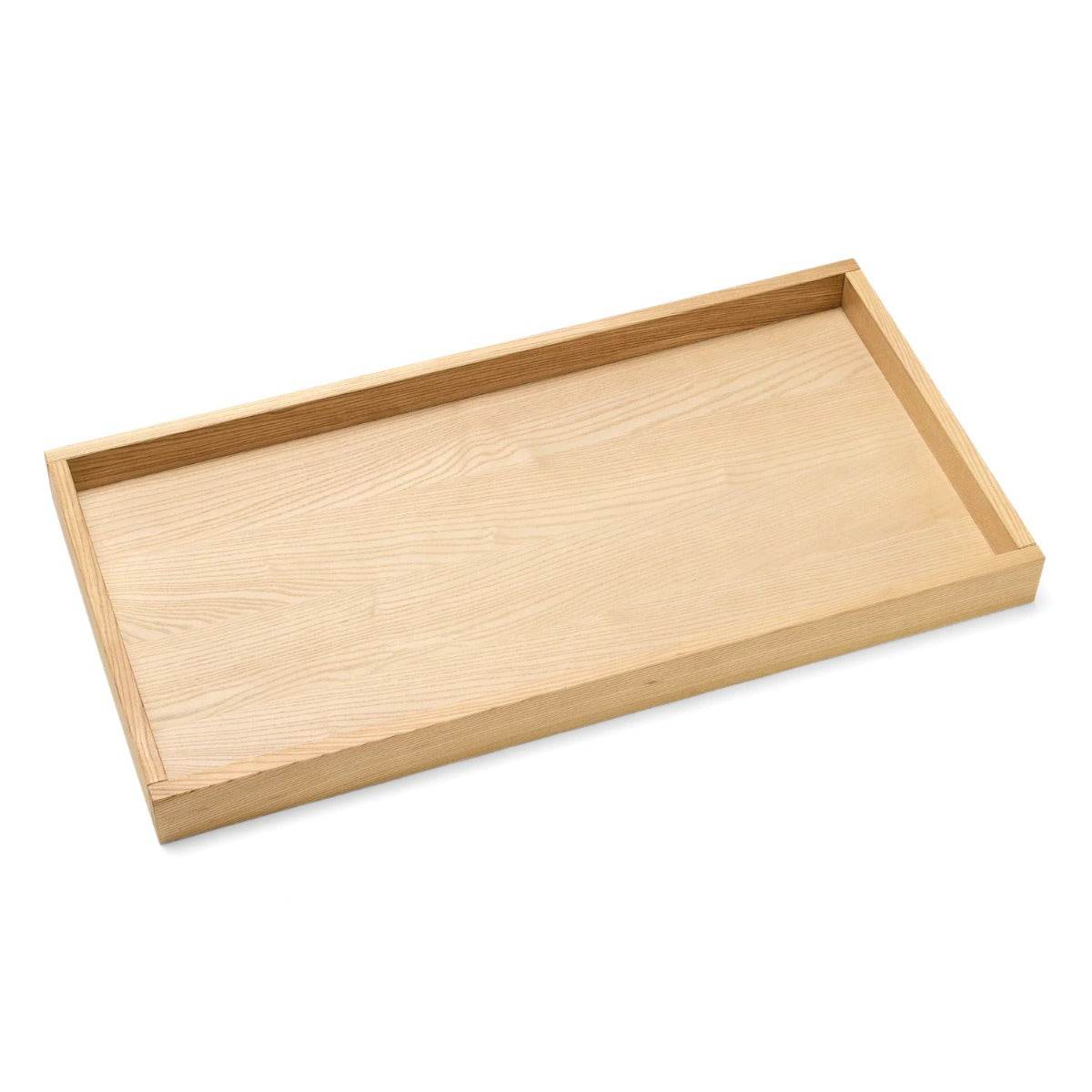
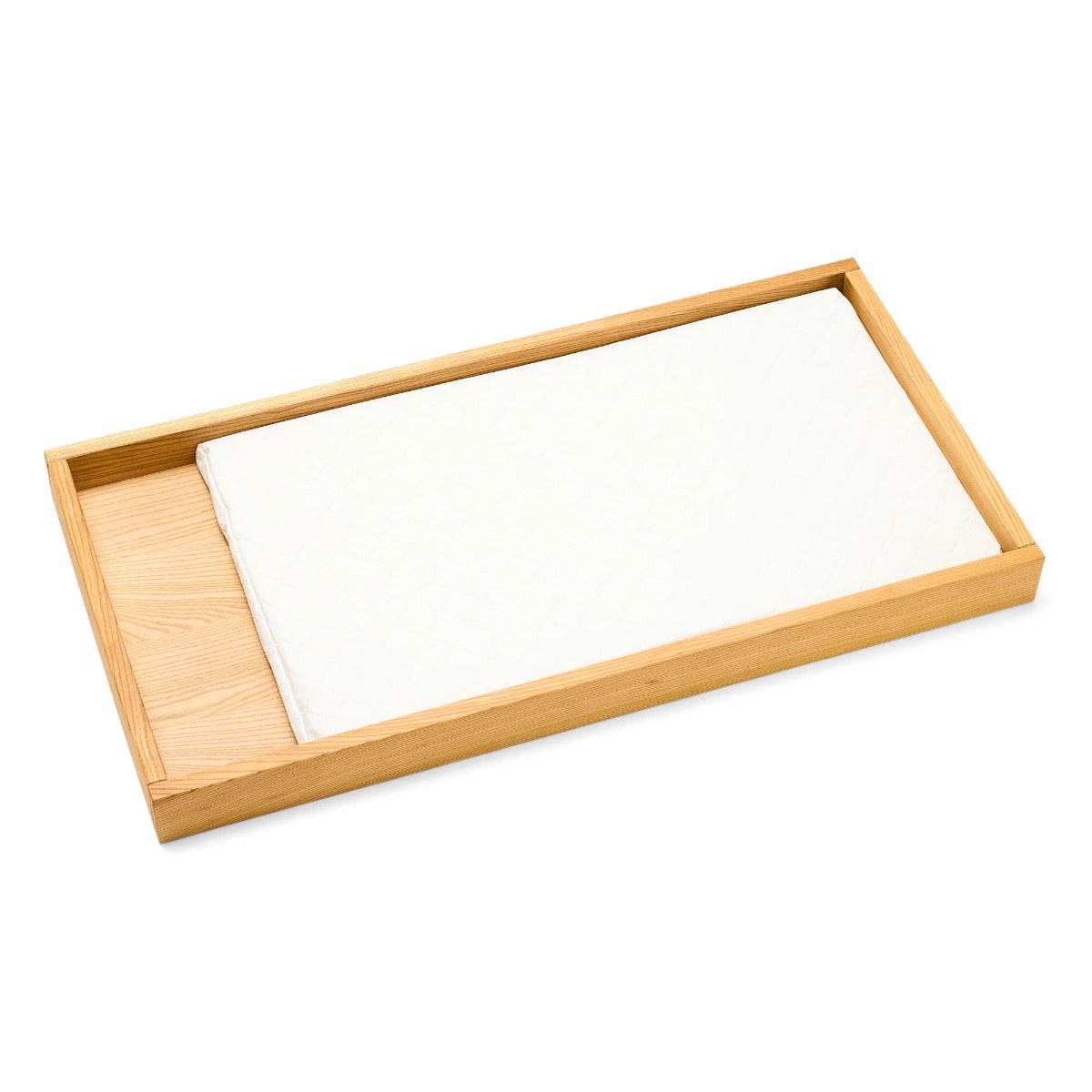
MacKenzie Change Tray
MacKenzie Change Tray
SKU:EC505-NT
In stock
Couldn't load pickup availability
Overview
Overview
The MacKenzie Change Tray is designed to transform your MacKenzie Dresser into a sleek, modern change table, saving valuable space while maintaining a minimalist aesthetic. Crafted from Ash Timber to perfectly match the Dresser, it combines practicality with style, making it a functional yet stylish addition to your nursery.
Technical Specification
Technical Specification
Delivery and Returns
Delivery and Returns
- Delivery: Free within NZ on orders over $130 (excluding bulky items) or $8 standard shipping
- Returns: Accepted within 14 days of receipt with proof of purchase
- Some items are excluded from returns including sale items, hardware, car seats, prams, monitors and personal items - please click here for the full list.
Share this product
Recently Viewed Products
Related Blogs

Must-have items to pack in your nappy bag
The Ultimate Nappy Bag Checklist: Be Ready for Anything Leaving the house without your nappy bag? That’s the kind of chaos every parent dreads. Whether it’s a surprise nappy blowout or a teething meltdown mid-supermarket shop, being prepared can turn potential disasters into minor hiccups. That said, there’s a balance to strike. Overpacking can make your bag heavy and hard to manage — underpacking leaves you without the essentials when you need them most. What you pack depends on your baby’s age, where you’re going, and how long you’ll be out. To make things easier, here’s your ultimate nappy bag checklist - designed to help you leave the house calm, confident, and ready for anything. Start with the right bag You’ll want a nappy bag that’s both practical and stylish. Something that works for both parents and doesn’t scream “baby gear.” Look for one with plenty of compartments, bottle holders, and enough space to fit everything without being bulky. We have a gorgeous range of stylish bags, shop them here. What to pack For changing: Nappies – more than you think you’ll need Baby wipes – either travel packs or your own stash in a reusable snap-lock bag. Nappy rash cream – keep a small tube in your bag. Change mat – compact and easy to clean. Most good nappy bags come with one, you can also get disposable ones. Nappy disposal bags – for dirty nappies or any messy surprises. Hand sanitiser or wipes – for quick cleanups when a bathroom’s not nearby. Spare clothes – at least one full change, maybe two if you’re toilet training. Warm layers in case the temperature drops. For feeding: Bibs – always helpful for dribbles or spills. Bottles and formula – if bottle-feeding, bring everything you’ll need. An insulated bottle can be handy too. Muslin cloth or burp cloth – great for burping and as a lightweight feeding cover. Baby food and utensils – a travel pouch, and spoon and bowl if you’re onto solids. General extras: Teething toy or small distraction – for those fussy moments on the go. First-aid basics – baby sunscreen, plasters Sunhat and beanie – be ready for any weather. Dummy – keep a spare in the bag so you’re never caught short. Wrap – useful as a swaddle, sunshade, blanket, or emergency carrier. Don’t forget Mum’s must-haves: Breast pads – to prevent leaks if you’re nursing. Water and snacks – a must when you're running on empty. Spare top and bra – messes don’t just happen to the baby! Sunscreen and hat – you’ll need protection too. Final tip: restock after each outing Once you’re home, do a quick check and restock your nappy bag so you’re ready to go next time. Think about the different scenarios you might face and pack with those in mind. Multipurpose items help you save space and stay organised — no need to carry the kitchen sink!
Learn more
Crying for a Reason: Decoding Your Baby’s Different Cries
Every baby cries, but not every cry means the same thing. We’ve enlisted Family Sleep & Wellness Coach, Lauren Moran from Little Dreamers, to help decode the different cries.
Learn more
Pretty Brave Shoes: A Guide to Little Feet
Little feet have a lot of growing and exploring to do! From those first little steps to running, playing and discovering the world, choosing shoes that are comfortable and designed to move with them is an important part of every stage.
Learn more
Trouble sleeping? Finding The Right Sleep Aid
Sleep Struggles? These Soothers Might Just Save Your Sanity 😴 White noise and gentle sound machines help to mask the everyday background noise that can disturb your little one's rest. Think: older siblings, barking dogs, or the neighbour deciding now’s the time to mow the lawn. These soothing sounds - like a heartbeat, waves, or soft shushing - can create a more consistent, calming sleep environment and help baby settle more easily. Darkness can make a big difference too. A dark room helps reduce visual stimulation and can support your baby’s natural sleep cues, which is especially handy for daytime naps, early bedtimes and those bright summer evenings. If light is sneaking in around curtains or you’re sleeping somewhere unfamiliar, a portable blackout blind can help create a darker, more consistent sleep space wherever you are. We’ve curated a handy Quiz to help you make a decision, plus a small but mighty collection of trusted sleep soothers and calming aids below, that can help take the edge off bedtime - for both you and your baby. Love to Dream Sleep Machine Creating a familiar, calming sound environment is a great way to help signal to baby that it’s time to sleep. The Love to Dream Sleep Machine offers nine soothing sounds, including white, pink and brown noise, rain, shushing and womb sounds, helping to mask everyday household noises that might otherwise disturb naps or nighttime sleep. It even has a clever cry detection feature which automatically starts your chosen sound if baby stirs! It's got a soft red and warm white nightlight function which is super handy for those 3am feeds and changes. Being rechargeable with up to 22 hours of battery life it's perfect for travelling moments too! YogaSleep Nod Sound Machine and Night Light The YogaSleep Nod is the ultimate stay-at-home sleep station, perfect for setting up a consistent, calming bedtime routine in the nursery. It features 20 sleep sounds, including white noise, fan sounds, lullabies, and nature tracks, so you can tailor the soundscape to your baby’s preferences. What makes it a standout? The built-in nightlight, which emits a warm amber glow to create a peaceful sleep space without overstimulating your baby. You can also set sleep timers or run it all night long, ideal for little ones who are easily stirred. Simple, soothing, and super customisable, the Nod helps create the kind of sleep environment you’ll both appreciate. Purflo Total Blackout Blinds Light can make a huge difference to how easily your baby settles, especially for daytime naps, early bedtimes or those bright summer evenings. The Purflo Total Eclipse Portable Blackout Blind helps create a dark, calming sleep environment by blocking out unwanted light, making it easier to keep baby’s sleep space feeling consistent. It easily attaches securely to windows using over 100 suction cups and can be adjusted to suit smaller windows, so it’s handy at home as well as when travelling or staying with family. Even better, it folds neatly into its own storage pocket, making it an easy sleep essential to have on hand. Storytime and Soothing Light for Sweet Dreams Another beautiful way to support your child’s sleep is by building a calming, familiar bedtime routine - and the CloudBox™ helps make that easy. This clever little device plays comforting bedtime stories while gently projecting sleepy visuals onto the ceiling or wall. With a soothing mix of audio and light, it creates a multisensory environment that helps children wind down at the end of the day. You can choose from the preloaded stories or record your own – a lovely way to keep bedtime personal, even when you can’t be there in person. Repeating the same story or image each night can become part of your child’s sleep ritual, providing a sense of security and consistency they can count on. Simple to use and designed for children from birth and up, the CloudBox™ is a thoughtful addition to any nighttime routine – helping little ones feel calm, safe, and ready for sleep. Supporting Sleep, Naturally For many families, Magnesium Rescue has become a much loved part of their wind-down ritual. This gentle, topical formula is made from natural ingredients and can be massaged into your child’s back, tummy, or feet at bedtime. It’s designed to help support a relaxed nervous system – a simple, non-invasive way to encourage calm before sleep. Another lovely option is the Bedtime Bestie - a lightweight magnesium mist infused with calming lavender, designed to support relaxation and make bedtime a little easier. Simply spritz it onto your child’s back or feet as part of your evening routine. It’s a fuss-free way to help little bodies and busy minds slow down – one small spray at a time. Shop Sleep Saviours at Dimples now Whether you’re trying to improve naps, master the bedtime routine, or just desperate for an extra hour of sleep, our range of sound machines and calming sleep aids are here to help. Browse the full collection in-store or online and find the right fit for your baby (and your sleep-deprived self).
Learn more