


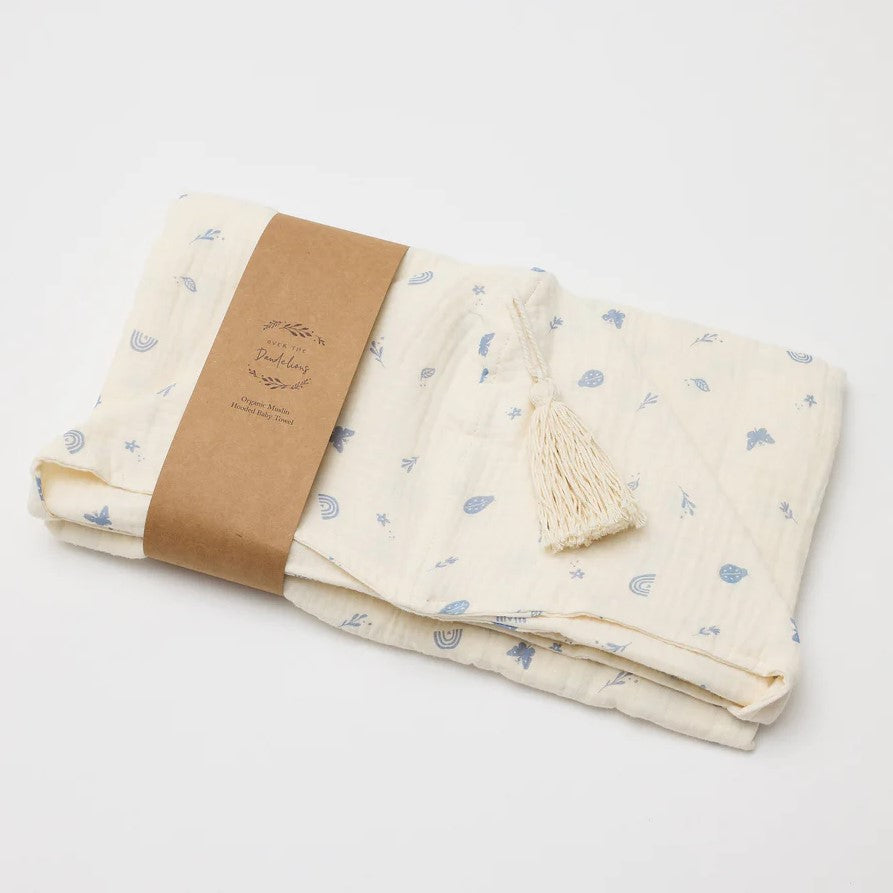
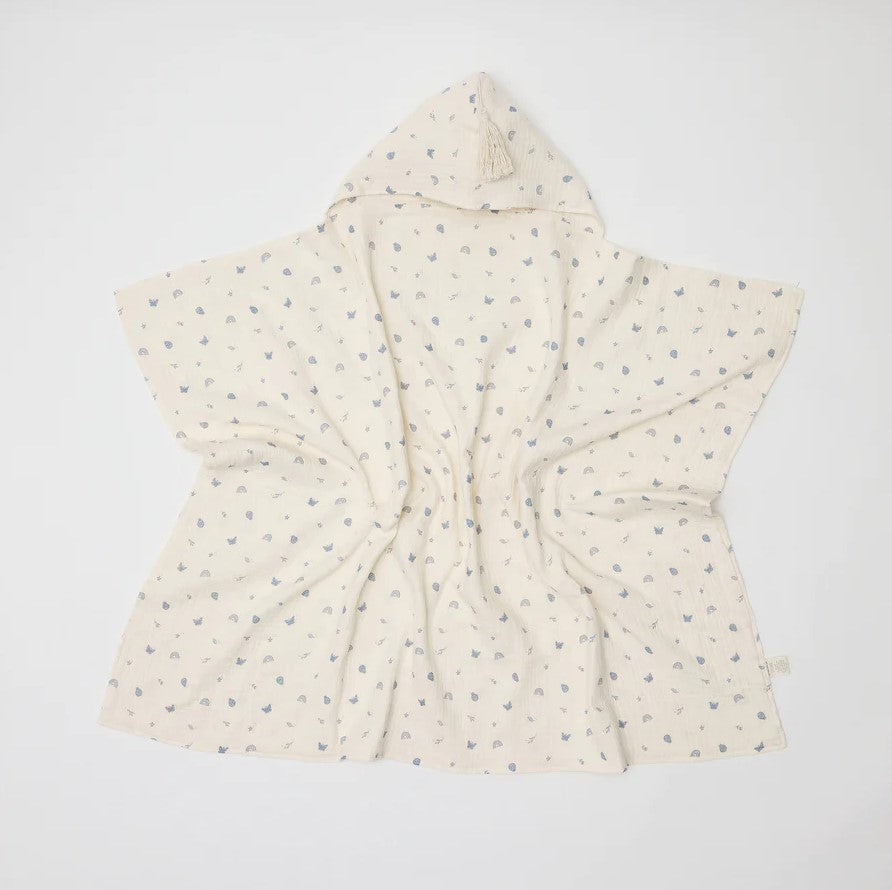
Muslin Hooded Towel
Muslin Hooded Towel
SKU:HTWL-ENCHGARD
In stock
Couldn't load pickup availability
Overview
Overview
Made 4 layers of GOTS certified organic muslin these towels are absorbent and lightweight. The organic cotton is as soft as a cloud and gentle on delicate skin.
Their generous size allows for plenty of wrap around to keep your baby or toddler warm after bath time. Adorned with a cotton tassel on the hood for extra cuteness!
These beautiful baby + toddler towels make a very practical gift.
Suitable for ages from newborn to 3 years.
Technical Specification
Technical Specification
Delivery and Returns
Delivery and Returns
- Delivery: Free within NZ on orders over $130 (excluding bulky items) or $8 standard shipping
- Returns: Accepted within 14 days of receipt with proof of purchase
- Some items are excluded from returns including sale items, hardware, car seats, prams, monitors and personal items - please click here for the full list.
Share this product
Recently Viewed Products
Related Blogs

Baby Swimming Lessons: When to Start & What to Expect
Baby Swimming Lessons: Building Water Confidence from an Early Age Living in New Zealand means water is never far away! We've got beaches, we've got lakes and we've got rivers, not to mention our swimming pools and backyard water play. Learning how to feel confident and safe around water is an important life skill for our Kiwi kids. Introducing your little one to the water from an early age can be a lovely experience for the whole family. Swimming lessons can support coordination, movement and confidence, while also giving parents and caregivers a special opportunity to have fun, connect and learn together. Most importantly, early positive experiences around water can help lay the foundations for lifelong water safety. Water Safety New Zealand says drowning remains a leading cause of death for New Zealand children aged under five, making active supervision and age appropriate water skills incredibly important. Start with water confidence Your baby's first introduction to water doesn't need to happen at a swimming pool. Bath time is a great place to start. Allow your baby to enjoy splashing, kicking and gradually becoming familiar with water around their face and body. As they become more comfortable, trips to the local pool can introduce them to a completely different environment with new sounds, sensations and movements plus a whole lot of fun! The aim at this stage isn't to turn your baby into a swimmer. It's simply about helping them feel happy and secure around water. When can babies start swimming lessons? There isn't one set age that suits every baby or every swimming programme. Some specialist swim schools offer parent and baby classes from around three months, while others begin from six months. The best option is to check the starting age and requirements of your chosen swim school. Finding swimming lessons in New Zealand If you're looking for somewhere to start, there are plenty of great options. Dean Greenwood Swim School has several Auckland locations and offers programmes ranging from babies through to adults. Hilton Brown Swimming offers lessons for babies, children, teenagers and adults across locations in Auckland, Waikato, Hawke's Bay and Manawatū. Their infant programme focuses on water confidence, movement, safety awareness and introducing skills such as floating. Many local leisure centres and community swimming pools also offer learn-to-swim programmes for babies, preschoolers, school aged children and even adults, so it's totally worth checking what is available close to home. What happens at baby swimming lessons? Baby swimming lessons are usually much more about water familiarisation and confidence than traditional swimming. A parent or caregiver will generally get into the pool too, helping baby feel secure while the instructor introduces activities through play, songs and movement. Depending on your baby's age and the programme, lessons may gradually introduce skills such as: Becoming comfortable with water around the face and head Kicking and moving through the water Floating and rolling Breath control and gentle submersion Moving towards or returning to a safe position Learning to feel calm and confident in the pool It's also valuable learning for parents. You'll become more confident handling your baby in the water and learn ways to continue practising positive water experiences together. And remember - swimming lessons build skills and confidence, but they never replace active adult supervision around water. Tips for making swimming lessons easier Give yourself plenty of time Getting yourself and a baby changed can sometimes take longer than the swimming lesson itself! Arrive early enough that you don't need to rush. Family changing rooms are especially helpful, and if your pool allows strollers inside, having somewhere safe for baby to sit while you get changed can make things much easier. Pack for afterwards Swimming can be tiring, particularly for little ones. Have everything ready for a feed or snack afterwards depending on your baby's age. Keep them warm Moving from a warm swimming pool into a cooler changing room or outside air can feel like a big temperature change. Have a cosy towel and dry clothing ready so you can get your little one comfortable quickly. Bring another pair of hands If you're taking more than one child to lessons, another adult can make changing, feeding and getting everyone safely to and from the pool considerably easier. It can totally be done with one caregiver if you're game... but four hands are easier than two. Don't worry if every lesson isn't perfect Some days your baby might love the pool. Other days they may be tired, hungry or simply not interested. That's completely normal. Building water confidence is a gradual process, so keep the experience positive rather than trying to push through when they've had enough. What to pack for baby swimming lessons A little preparation makes getting in and out of the pool much easier. Baby swimwear Start with comfortable baby swimwear and swimming essentials suitable for your little one's age and the type of swimming you'll be doing. Our new Baby Swimwear Collection brings together the swim essentials you need for trips to the pool, beach and summer days by the water. Shop our full range of Baby Swim Essentials here Swim nappies Most pools require babies who aren't toilet trained to wear an appropriate swim nappy, so check your swim school's requirements before your first lesson. A warm towel A soft towel or hooded towel is ideal for wrapping baby up as soon as they leave the water. A change mat Pool changing rooms aren't always the easiest place to change a baby, so having your own change mat can be incredibly useful. The Purely Baby Disposable Change Mats are particularly handy for swimming lessons because you can create a clean changing surface and simply dispose of the mat afterwards. Don't forget Pack a few extra essentials too: Dry clothes Spare nappies Wipes A wet bag or waterproof bag for wet swimwear Milk, a bottle or snacks depending on baby's age Your own swimwear and towel - surprisingly easy to forget! Water safety always comes first Swimming lessons are valuable, but no swimming lesson or floatation device can replace close adult supervision. Water Safety New Zealand recommends keeping babies and young children within arm's reach whenever they're in or around water. This applies everywhere - the swimming pool, beach, bath, paddling pool, lake or river. Stay focused on your child rather than relying on lifeguards, older siblings or floatation toys to supervise them. It's also important to look for potential water hazards around your own home. In New Zealand, residential pools that can hold water to a depth of 400 mm or more are subject to requirements for physical barriers designed to prevent unsupervised access by children under five. Enjoy the water together Learning to swim is a journey, and it begins long before your child is swimming independently. Positive bath times, trips to the pool and regular swimming lessons can all help your little one develop confidence and respect for the water while creating plenty of special memories along the way. Keep it fun, follow their pace and, above all, stay close whenever water is around.
Learn more
Accessories to make Bath time easier
When it comes to bathing your baby there are many more elements to bath time than just purchasing the bath. Dimples have all the bath time necessities that make bathing baby easier for you and 10 times more sensational for baby. Let’s begin with bath toys... Baby is already getting so much enjoyment by splashing the water around your bathroom but throw a jellyfish in there and watch their eyes light up as you have never seen before. Jelly the jellyfish from Done by Deer is going to become your little one’s new best friend. Jelly can perform entertaining tricks when he soaks up water and then drizzles it out when turned upside down. This neoprene activity bath toy is easy to grasp, including different sensory features that will help baby learn as they bathe. Now that you have your little one distracted playing with Jelly, let's get that baby nice and clean. The Made 4 Baby Starter Pack is the perfect place to start. Suitable from newborn these products are all fragrance-free and perfect for sensitive skin. Featuring all the essentials you need, these products are also all full size. Featuring a 200ml foaming hair and body wash, 60ml all over baby lotion preventing dry skin, a Sleep Tight Massage Oil for after bathing helping them to relax and sleep well, a Botty Barrier Crème to help prevent nappy rash and a face cloth to wash your baby’s soft skin. All these essentials will be incredible and keep your baby’s skin soft and healthy. A shampoo brush is going to become your new best friend when washing your baby’s hair. Until the Shnuggle Baby Shampoo Brush landed in your palms this product is something you never knew was missing from your bath time routine, however after just one use you will realize how revolutionary this product truly is. Gently massage your baby’s head and brush away that cradle cap, cleanse, and shampoo. Fitting perfectly in your hand this design is comfortable for you and soft on your baby’s head helping them to feel calm. Now that your little one is all relaxed post head massage here comes the scary part. Somehow you will need to rinse the product out without a meltdown about water and shampoo trickling down their face. Well parents you need to fear no more as we have the perfect product for you. The Shnuggle Washy is the perfect little jug designed to take the tantrums away from bath-time. Featuring a soft grip handle for parents and a flexible edge that contours gently to the top of baby’s forehead tipping the water safely away from sensitive little eyes. Keep bath-time tear-free this is the perfect bath-time accessory for all ages – from treating baby’s cradle cap to washing a toddler’s curly locks. Now that you have made it through your bath time routine it’s time to wrap the little one up in a nice, hooded towel. When looking for the best Bath-time towel Dimples Hooded Towel and Flannel Set is the best place to start. This Towel and Flannel set is made from 100% thick, cotton towelling, and is very absorbent helping you dry your baby faster. The Towel features a hood to help keep delicate heads and ears warm, while the Flannel is gentle to use on your baby while they are in the bath. Trimmed with satin giving a beautiful finish and ensuring your set will last longer. Bathtime creates special memories between you and your children, so let’s not allow it to become a chore.
Learn more
How to Bath your Baby
Bathing your Newborn - Soothing, safe, and stress-free Bathing your baby is not only important for hygiene reasons, it’s also a great way to calm and relax them before bedtime. But when you first get home with a tiny, delicate newborn, baths can seem daunting. Getting the water temperature right, using the right products, holding a slippery baby securely – it can all be overwhelming if you haven’t done it before. The good news is, bathing is easy, as long as you follow a few simple safety precautions. Even better, you don’t need to bathe small babies every day. In fact, because their skin dries out so easily, too much exposure to water can actually cause irritation. Two to three baths a week is plenty for a newborn – just give them a gentle wash with a flannel on the other days. Here’s our guide to stress-free bathing from day one: 1. Fill your bath First, fill your bath with a few inches of warm water and place it somewhere safe and stable – the floor or kitchen bench works well. These days, there is a range of different baby baths to choose from – traditional models, convenient Flexi baths that pack away when you’re not using them, and the Shnuggle bath , which keeps baby upright in the water. 2. Test the temperature The ideal water temperature is 37°C. Warm and soothing, but not too hot for your baby’s delicate skin. Traditionally, parents test the water with the inside of their wrist, but you can invest in a water thermometer if you want to be sure. 3. Get your gear Before you undress your baby, make sure you have everything you need at arm’s reach – soft flannels or cloths, a gentle body wash , a clean baby towel , a fresh nappy, and PJs . You don’t want to be stuck trying to find something while you’re holding a wet, screaming baby. 4. Bring in the baby Get baby undressed. Before you place them in the water, use a flannel to drizzle a small amount over the back of their head. This way, going in won’t be such a shock. Gently lift your baby into the water, with one arm under their neck to support their head – your hand should be under their arm to make sure that they don't slip down. Keep that hand in place to keep the baby’s head out of the water while your other hand does the washing. If you’re using a Shnuggle bath , the sloping back, and bottom bump will help keep your baby upright, you just need to keep a hand on their chest to stop them slipping down. 5. Cleanse and protect Although some people prefer to stick to water for baby’s first few baths, it won’t necessarily be enough as your baby gets older. Even if they seem perfectly clean, sweat, skin cells, and other impurities can build up – particularly under nappies and in those chubby creases. Use a small amount of gentle cleanser or body wash to get rid of the grime. 6. Top to bottom Using a clean, soft muslin cloth , wash baby’s face and head, gently wiping around each eye, around the nose and mouth, and behind the ears. Wash theirhair with cleanser or shampoo, and don’t forget the neck – dirt can build up there. Next, gently wash under their arms, followed by tummy and legs. Finally, wash their genitals and bottom, again making sure to gently wash between thigh creases. Rinse any leftover cleanser with a clean flannel or small cup of water. 7. Time to play If your baby is calm and the water is still warm, keep her in a little bit longer. Use a small jug or cup to pour warm water over their belly and chest, swish the water around them, and give them plenty of smiles – you want them to enjoy bath time right from the start. As they get older, you can add bath toys for them to grab as well. 8. Warm and dry When you’re ready to take baby out of the bath, lie a soft, dry towel on a soft surface or get your partner to hold it out. Use both hands to grasp your baby around their chest, supporting the head with your fingers. Lift them out and quickly wrap him in the towel. Because babies lose a lot of heat from their heads, it’s important to dry their hair first – that’s why hooded towels are a great option. Use the towel or a smaller cloth to carefully dry all your baby’s folds and creases – behind the knees, around the neck, and between the toes. Any moisture left behind could cause skin irritation or redness. 9. Moisturise and protect If your baby’s skin seems dry or irritated, now is the time to use a gentle, natural baby oil or lotion . Use a tiny amount and massage into baby’s skin, avoiding their eyes and nappy area. Before you dress them, it’s also a good idea to use a barrier cream to protect their delicate skin overnight. 10. Pyjama time Finally, dress your baby in a fresh nappy and cosy PJs – bath time is done! Extra safety tips Think about turning your home’s hot water temperature down, to avoid scalding or burns. Clean only what you see – don’t put anything inside baby’s ears or nose, and avoid pulling a baby boy’s foreskin. Never, ever leave baby alone in the bath, even for a second. Looking forward to bathing your newborn soon? Take a look at our baby bathing section for baths, towels, and everything else you need.
Learn more
Pretty Brave Shoes: A Guide to Little Feet
Little feet have a lot of growing and exploring to do! From those first little steps to running, playing and discovering the world, choosing shoes that are comfortable and designed to move with them is an important part of every stage.
Learn more