







Doomoo Cosy Care Change Pad
Doomoo Cosy Care Change Pad
SKU:DMCC03
In stock
Couldn't load pickup availability
Overview
Overview
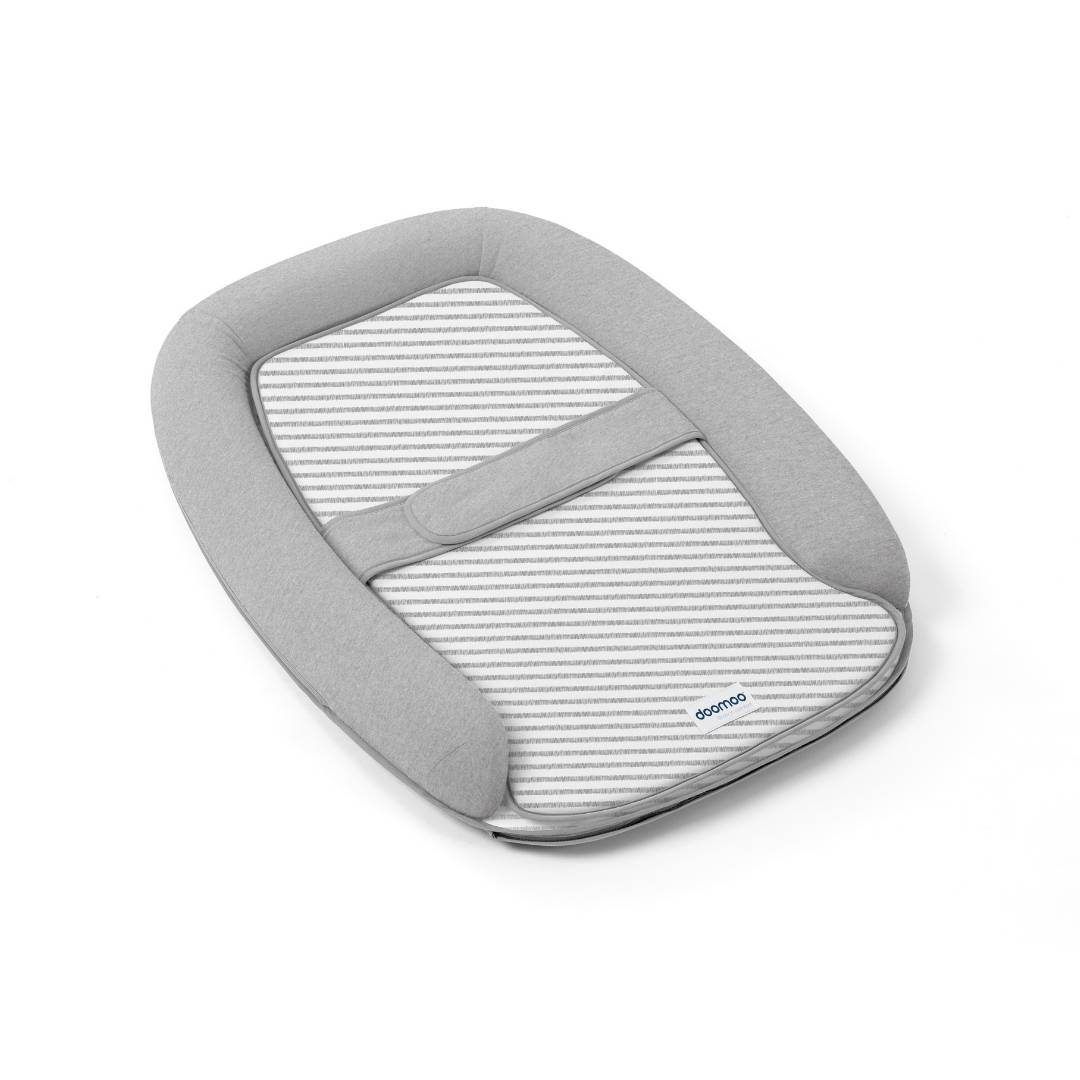
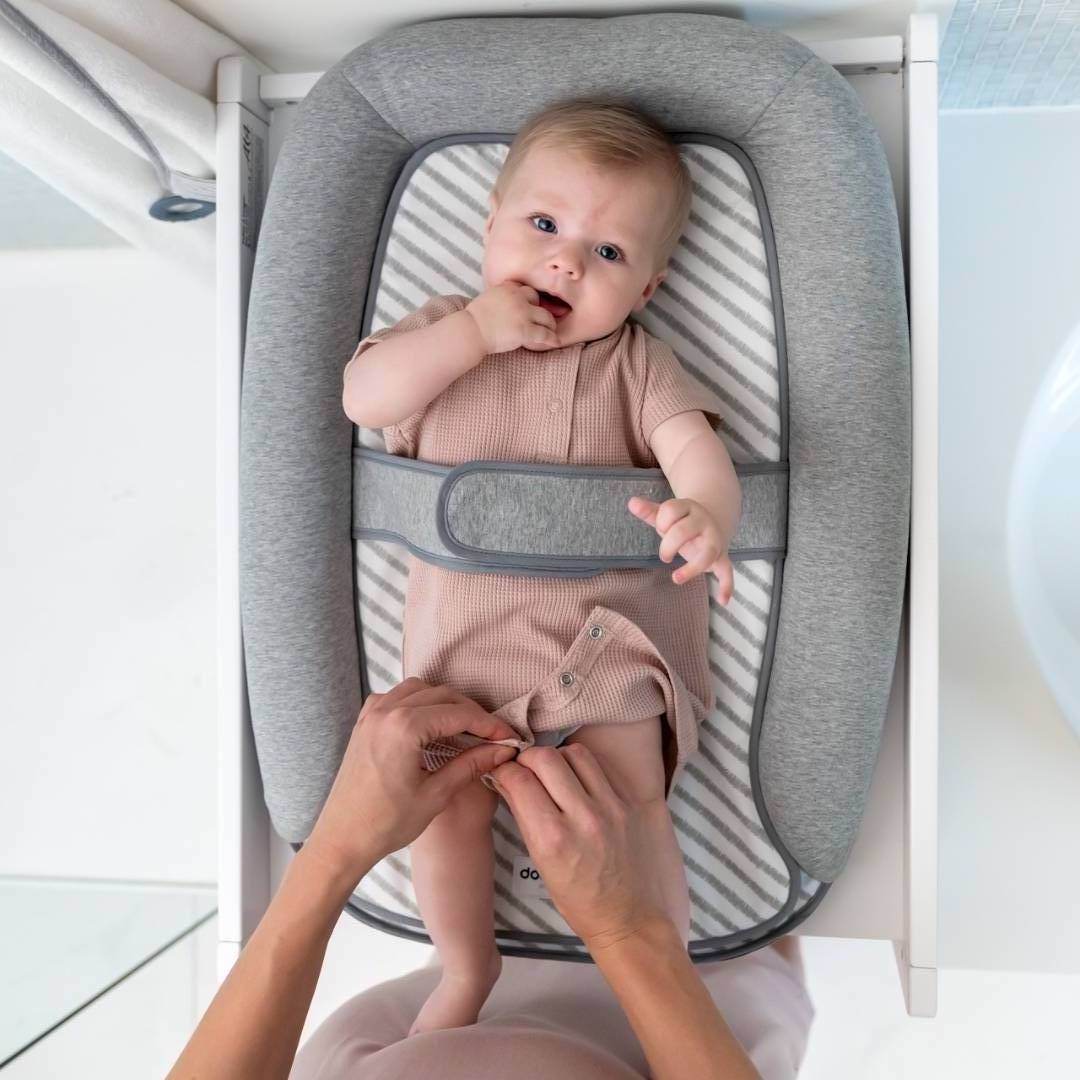
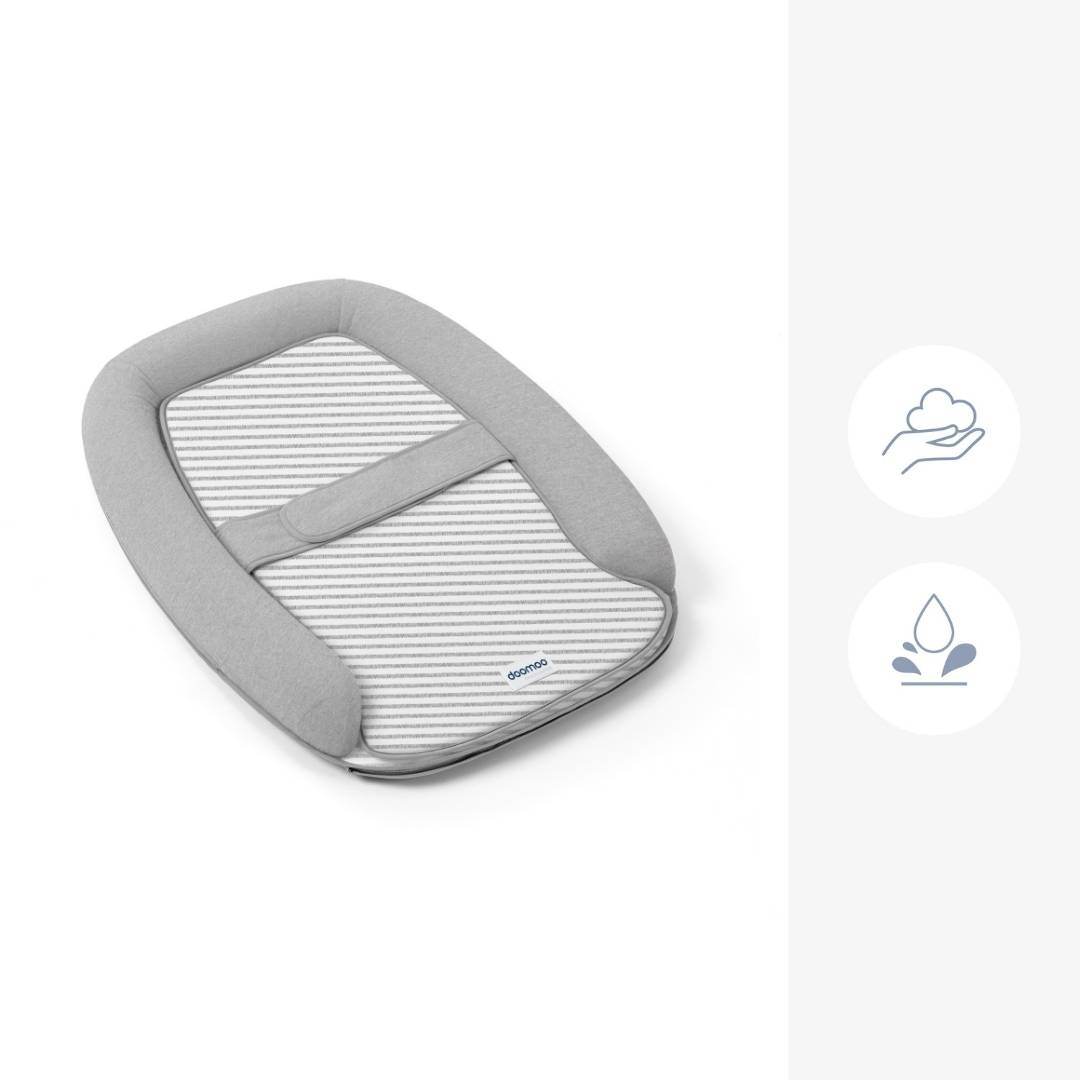
Introducing the Doomoo Cosy Care, the ultimate changing mat, which has been designed to make changing your little love a breeze.
This cosy and safe mat features a security belt, soft raised edges, and an additional pad for extra comfort and protection. One side of this at is PVC free waterproof material, and the other is super soft water repellent cotton.
Say goodbye to stressful changing times and hello to peace of mind with Doomoo Cosy Care.
Technical Specification
Technical Specification
User Guide
User Guide
Delivery and Returns
Delivery and Returns
- Delivery: Free within NZ on orders over $130 (excluding bulky items) or $8 standard shipping
- Returns: Accepted within 14 days of receipt with proof of purchase
- Some items are excluded from returns including sale items, hardware, car seats, prams, monitors and personal items - please click here for the full list.
Share this product
Recently Viewed Products
Related Blogs

How to make a cute, cosy and safe baby bed
Here’s what you really need to know about safe sleep It’s easy to get caught up in the dreamy images of babies curled up in plush bedding, surrounded by teddies and soft textures. But when it comes to real-life safe sleep, less is definitely more. Whether you’re still setting up the nursery or your baby is already here, creating a secure and snuggly sleep space is one of the best things you can do for their wellbeing - and your peace of mind. Understanding SUDI SUDI stands for Sudden Unexpected Death in Infancy, and while it sounds confronting, knowing the facts can be empowering. SUDI includes deaths from a range of sleep-related causes, including accidental suffocation and unexplained deaths (previously called SIDS). In New Zealand, it’s one of the most common causes of death for babies under one—but the good news is, there’s a lot we can do to reduce the risk. Research shows that a baby’s sleep environment plays a big role. Things like sleeping baby on their back, using a firm mattress, avoiding overheating, and keeping their sleep space free from loose items all help create a safe place for them to rest. SUDI is most likely to occur between 2 and 4 months, so starting safe sleep habits from day one is key. By following a few simple guidelines and making thoughtful choices around where and how your baby sleeps, you're helping create the safest possible start. Safe sleep isn’t about fear—it’s about giving your baby the best chance to thrive. Safe sleep basics: what to know One of the most important ways to reduce the risk of SUDI is to make sure your baby sleeps on their back, in their own bed, and in the same room as you for at least the first six months. Their sleep space should be simple, uncluttered, and specifically designed for babies. Keep your home smokefree, avoiding overheating, and ensuring your baby’s face remains uncovered during sleep. Here’s what that looks like in practice: Choose a compliant cot A safe night’s sleep starts with a compliant cot. In New Zealand, all cots must meet the AS/NZS 2172 safety standard, which covers features like the minimum depth, spacing between slats, and secure construction. Look for the safety label when buying, and avoid using broken or modified cots - even hand-me-downs. Having baby in their own cot or bassinet reduces the risk of accidental suffocation and overheating. Shop our safe and gorgeous range of bassinets and cots here. Pick a firm, snug-fitting mattress A firm mattress that fits tightly within the cot frame is essential to prevent your baby’s face from pressing into soft surfaces or becoming wedged in gaps. The mattress should be flat and supportive - not shaped or elevated, and free of damage. Bonus points for breathable materials and easy-clean features, especially if you’re dealing with frequent night-time messes. We stock several options that will keep your baby safe. Shop here. Stick to the essentials To keep your baby cosy and safe, layer their sleep space with: Waterproof mattress protector – Ideal for leaks and spills, a protector helps keep the mattress clean and hygienic. Choose breathable options like merino for added comfort. Fitted sheet – This is where you can add your splash of style. Soft, well-fitted cotton or merino sheets keep things simple and sweet without compromising safety. Swaddle or sleeping bag – Skip the loose blankets. Swaddling (if age-appropriate) or using a well-fitting sleeping bag helps regulate baby’s temperature without the risk of fabric covering their face. What not to include Soft toys, bumpers, loose blankets, pillows, or positioners should never be in the cot. These items, while cute, can increase the risk of suffocation. Even mobiles and cords should be securely out of reach. The safest bed is a clear one - nothing but baby, dressed for the room’s temperature, on their back. Monitor with peace of mind If it helps you rest easier, consider a reliable video or breathing monitor. While not essential, these can offer extra reassurance during naps and overnight, especially during the early months. Shop our range of monitors here A minimalist bed is a safe bed We know it might feel counterintuitive when you’re eager to make your baby’s space feel warm and welcoming. But safety should always come before styling. Keep it simple until your little one is at least 12 months old, when they’re better able to move around and regulate their temperature.
Learn more
Midwife or Obstetrician – Which One?
Finding the Right Maternity Carer for You Once the excitement (or surprise!) of a positive pregnancy test settles in, one of the first big decisions to make isn’t about names or nursery colours – it’s about choosing the person who’ll care for you throughout your pregnancy journey. In New Zealand, this person is called your Lead Maternity Carer (LMC) – and they’ll be by your side during pregnancy, labour, birth, and the early weeks of life with your newborn.Both midwives and obstetricians can act as your LMC, and while they offer many of the same services, there are some key differences to consider. Here’s a gentle guide to help you choose the care that’s right for you and your baby. Midwife or Obstetrician – What’s the Difference? In general, midwives are the experts in normal, low-risk pregnancies, offering continuity of care and a more holistic approach to birth. Obstetricians, on the other hand, are medical doctors who specialise in pregnancy complications and are trained in surgical procedures such as caesareans. Midwife care is free in New Zealand. Obstetric care is private and typically costs between $3,000–$5,000. Obstetricians often take a more clinical approach and may perform scans at every appointment. Midwives focus on natural birth and provide emotional and physical support throughout your labour.If your pregnancy is high-risk – such as a twin pregnancy, gestational diabetes, or a known medical condition – you’ll likely be referred to an obstetrician, either privately or through your local hospital. Can I Use a Hospital-Based Midwife? Yes – if a private obstetrician or community-based midwife doesn’t feel like the right fit, you can also receive care through a hospital-based midwife. These midwives, sometimes referred to as “core midwives,” are employed by public hospitals and provide maternity care within the hospital system. Around 15% of New Zealand mothers choose this model, either from the start or as part of a shared-care arrangement. Hospital-based midwives typically step in when additional support is needed – for example, if complications arise during pregnancy, or if your community LMC is unavailable during labour. In many cases, you’ll receive antenatal care from a combination of professionals, including hospital midwives and obstetricians, with all costs covered through the public system. If you like the idea of continuity but want the reassurance of hospital-based expertise, this model offers a nice balance. It’s a great option for those wanting cost-free care, access to specialist services, and a supportive hospital environment. Things to Think About When Choosing Your LMC 1. How Often Do You Want to See Your Baby? If regular reassurance is important to you, you may prefer the more frequent ultrasounds offered by many obstetricians. Midwives track baby’s growth by feeling your bump and will refer you for routine scans at key stages. 2. Your Preferences Around Pain Relief If you’re keen on trying unmedicated birth methods like water, massage or movement, a midwife may be more aligned with your approach. Midwives often focus on natural techniques, while obstetricians are more likely to facilitate medical interventions such as epidurals. 3. What’s Your Budget? Having a baby is expensive – and private obstetric care can be a stretch for many families. If you’d rather invest in other baby essentials (like that dream pram or a few months of parental leave), midwifery care may make more sense financially. 4. Where Do You Want to Give Birth? Midwives support a range of birth settings – from hospitals to birth centres to your own home. Obstetricians generally operate within hospitals, and home births aren’t an option under their care. Keep in mind that medical pain relief (like epidurals) is only available in hospital settings. 5. Your Connection Matters Perhaps the most important thing is choosing someone you feel safe and comfortable with. Midwives often spend more time with you during labour and birth, and the relationship can feel more personal. Obstetricians may come and go during labour, sometimes arriving just in time for the final moments. In hospital births, midwives will still be involved – even if you’re under obstetric care. Listen to Your Instincts Like many parenting decisions, choosing the right carer is often about listening to your gut. Do you feel heard? Supported? Understood? That connection matters.Have open conversations early on about your hopes for birth – including where you’d like to deliver, your thoughts on interventions, and how involved you want your carer to be. Most importantly, know that you’re allowed to change your LMC if things don’t feel quite right down the track. This is your journey – and you deserve to feel safe, supported, and confident every step of the way. You can begin your search for a local midwife through Find Your Midwife.
Learn more
Pregnancy Pillows: Comfort for You, Your Bump & Beyond
During pregnancy, your body undergoes amazing changes to nurture and make space for your little one. As your pregnancy progresses, you may find it more challenging to get comfortable and restful sleep in preparation for the busy days ahead with your newborn. Weight gain during pregnancy can also put a strain on your joints, causing discomfort in your back, hips, knees, and ankles, making finding a comfortable position even harder. This is where a good pregnancy pillow becomes your best friend, offering the support you need to sleep more soundly and comfortably. Embrace Versatility with the 3-in-1 Buddy Supportive Pregnancy Pillow The Doomoo Buddy pillow offers full-body support, designed to relieve pressure on your hips and spine, whether you prefer sleeping on your side or your back. Its hypoallergenic micro pearl filling adjusts to your body’s shape, providing comfort throughout the night. But it’s not just for pregnancy! Once baby arrives, the Buddy becomes an excellent support for breastfeeding or bottle feeding, making those moments a bit more comfortable. It also serves as a soft cushion for your baby to rest or play on, making it a truly versatile product. For Extra Comfort: Doomoo Comfy Big & Doomoo Maxxy The Doomoo Comfy Big is designed for ultimate relaxation during pregnancy, with soft, supportive filling that allows you to find the perfect position for sleep or lounging. Whether you're supporting your growing bump or using it for added back support, the Comfy Big offers tailored comfort that adjusts to your body’s needs. The Doomoo Maxxy offers a versatile solution for both you and your baby. It’s perfect for sleeping, feeding, or even giving your baby a comfy place to rest and play. Its larger design makes it ideal for more support as your body changes during pregnancy, and it’s just as useful post-pregnancy when baby arrives. For feeding your little one Finally, the Doomoo Soft Feeding Pillow is a must-have for any new parent. Its soft, supportive design provides comfort during breastfeeding and ensures your little one is well-supported while feeding or relaxing. It can also double as a tummy time tool to help prop your baby up, or even a barrier for when they are learning to sit up on their own! We Love Doomoo! Softness and comfort are at the heart of everything Belgium-made brand Doomoo creates. Their products are designed with both you and your baby in mind, providing the perfect balance of support and relaxation. We love them for their thoughtful, high-quality designs that make pregnancy and postpartum life that much easier and more comfortable. They have a fantastic range of products designed to support both your and your baby’s sleep. Check out the full range here or visit us in-store at Dimples.
Learn more
Pretty Brave Shoes: A Guide to Little Feet
Little feet have a lot of growing and exploring to do! From those first little steps to running, playing and discovering the world, choosing shoes that are comfortable and designed to move with them is an important part of every stage.
Learn more