






Snoozeshade Original - Buggy Blackout Shade
Snoozeshade Original - Buggy Blackout Shade
SKU:SS000W101
Out of stock
Couldn't load pickup availability
Overview
Overview
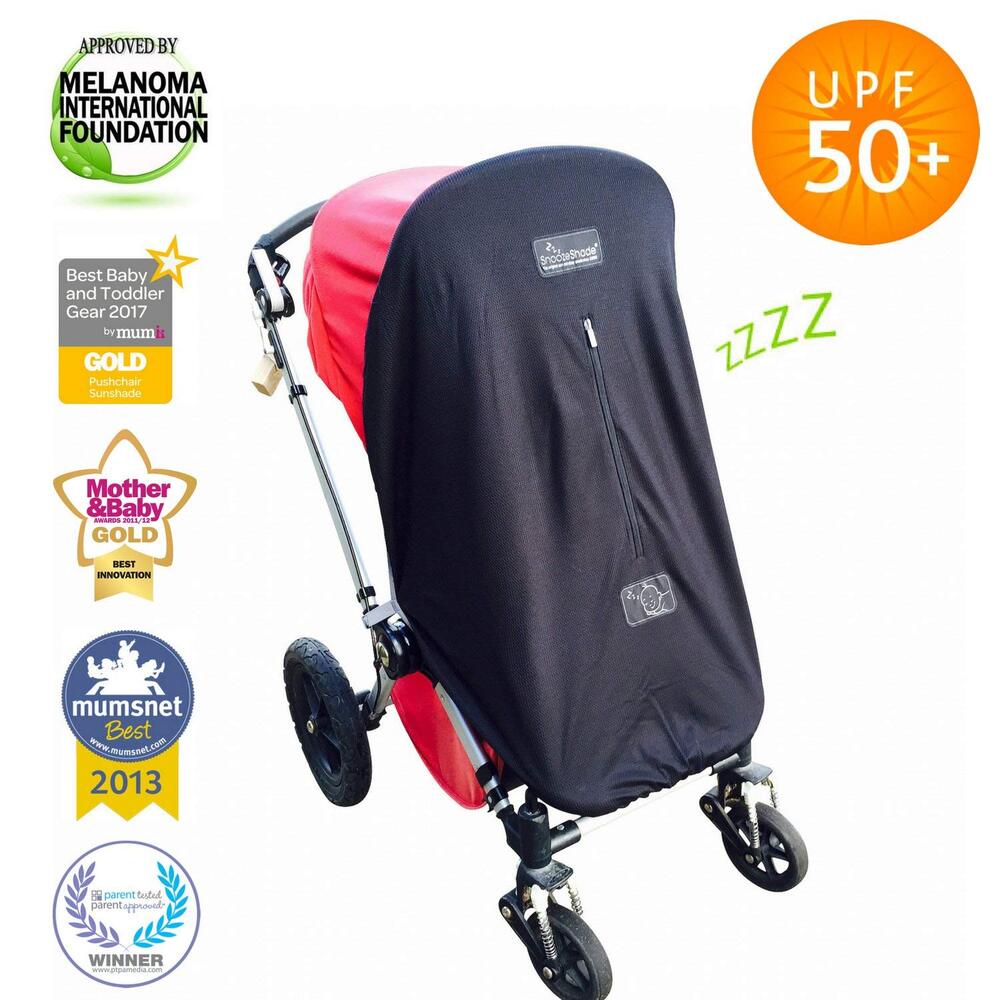
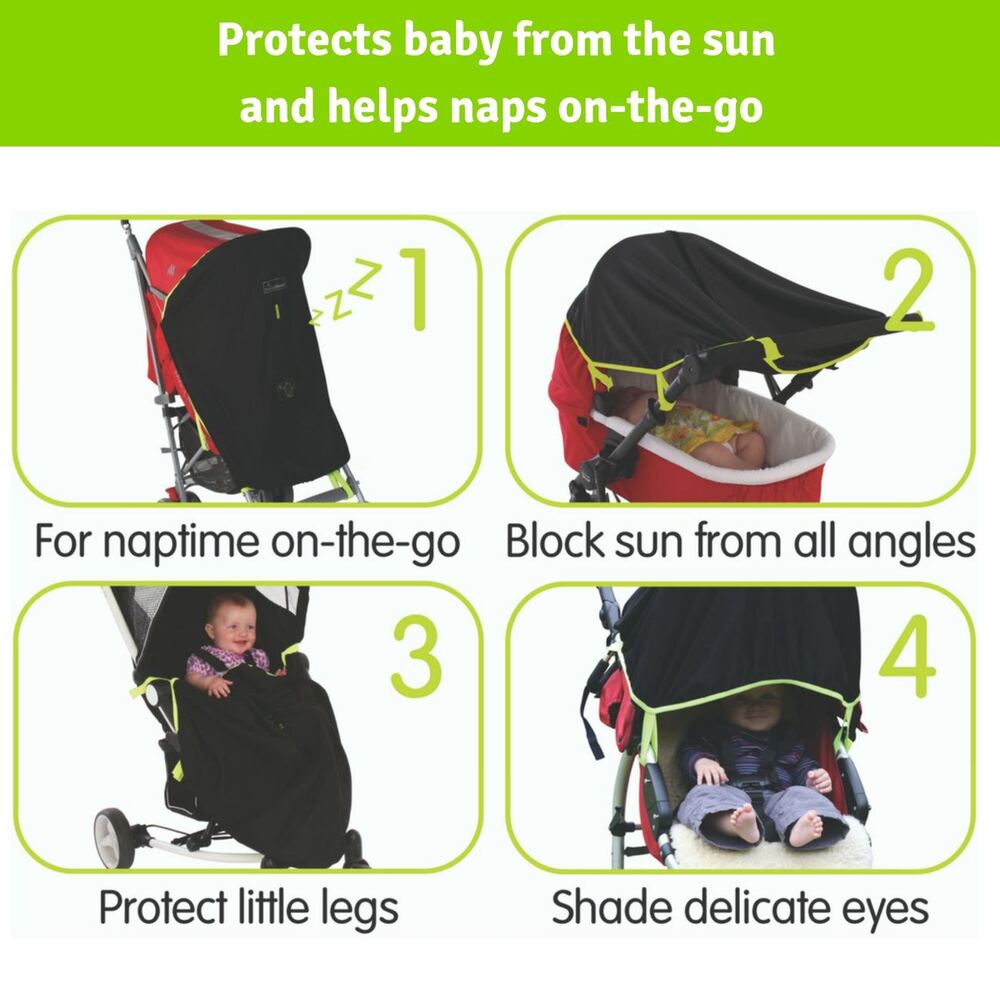
Help your baby enjoy restful naps wherever your day takes you with the SnoozeShade Original Baby Sleep & Sun Shade. Designed for younger babies who are primarily lying flat in their pram, this clever shade creates a calm, cosy environment by reducing visual distractions and providing protection from the elements while you're out and about.
Perfect for walks, shopping trips, holidays, and everyday adventures, SnoozeShade helps maintain your baby's sleep routine away from home. The breathable fabric offers maximum sun protection while also shielding little ones from wind, chill, light rain, and insects. Many parents find that regular use of SnoozeShade becomes a familiar sleep cue, helping their baby recognise when it's time to rest, even in busy surroundings.
The extra-long "sneak-a-peek" zip allows you to check on your sleeping baby quickly and easily without lifting the entire cover and letting in bright light that could disturb their nap.
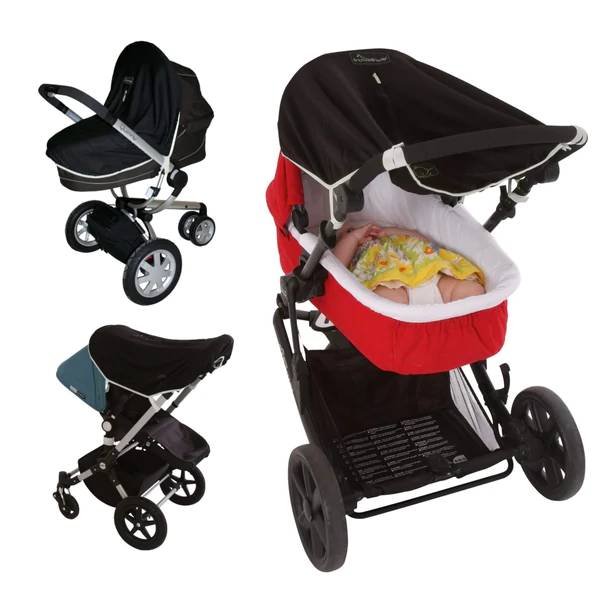
Lightweight, compact, and simple to fit, SnoozeShade is a practical travel essential that works with virtually all prams, pushchairs, travel systems, and buggies. As your child grows and becomes more interested in looking out from their pram, SnoozeShade also offers the Snoozeshade Plus model, specifically designed for older babies and toddlers who are sitting upright.
Key Features
Key Features
Delivery and Returns
Delivery and Returns
- Delivery: Free within NZ on orders over $130 (excluding bulky items) or $8 standard shipping
- Returns: Accepted within 14 days of receipt with proof of purchase
- Some items are excluded from returns including sale items, hardware, car seats, prams, monitors and personal items - please click here for the full list.
Share this product
Recently Viewed Products
Related Blogs

How to Dress your baby for Sleep
Dressing Your Baby for Sleep – A Seasonal Guide Knowing how to dress your baby at bedtime can feel like a bit of a guessing game – especially when the seasons start to change. Should you add another layer? Is the room too cool? Are their hands meant to be that cold? To help take the guesswork out, we’ve put together a simple guide to dressing your little one for sleep using our Dimples sleeping bags and sleepwalkers, without any additional blankets. A Gentle Reminder Every baby is different, so this guide is just that – a guide. The best way to check if your baby is at a comfortable temperature is by feeling the back of their neck. It should feel warm, not hot or sweaty. Hands and feet can feel cooler and aren't always a reliable indicator. Baby’s body temperature naturally dips during the early morning hours, so if your little one is waking more often than usual, it might be worth checking if they’re feeling a bit chilly. And remember – when it comes to sleep, it’s safer for babies to be slightly cool rather than too warm. Choosing the Right Layers When dressing your baby, natural fibres like Merino wool or cotton are best. These breathable fabrics help regulate temperature and keep your baby comfortable through the night. Merino in particular is a year-round superstar – its clever fibres trap warm air on cooler nights and allow heat to escape on warmer ones, making it ideal for all seasons. At Dimples, all of our garments are designed especially for keeping little ones cosy and safe. We recommend having at least two sleeping bags or sleepwalkers on hand for each season, so you’re always prepared for the inevitable midnight messes. Ideal Room Temperature The ideal temperature for a baby’s room is between 16–20°C. If you’re using a heater or heat pump, setting the thermostat to 18°C will help maintain a steady climate through the night without overheating. Monitoring the Room Many baby monitors display room temperature, which can be a helpful reference.Alternatively, something like the Shnuggle Moon Nightlight can be used to keep an eye on the room temperature. It uses a handy colour display to show whether the room is sitting within the ideal range. Signs Your Baby May Be Too Warm Waking more frequently than usual Sweaty back or neck Damp hair Shallow or rapid breathing If you notice these signs, try removing a layer or adjusting the room temperature. A cool, damp cloth on the back of their neck can help if they’re feeling very warm – and always check for fever if you’re concerned. Signs Your Baby May Be Too Cold Restless sleep or unusual movement around the cot Rolling onto their stomach Catnapping during the day Waking around 5am If any of these sound familiar, consider adding a layer, using a warmer sleeping bag, or gently warming the room. Dressing your baby for sleep doesn’t have to be stressful. With a few key pieces and a little trial and error, you’ll find the sweet spot that keeps them cosy and safe – all night long 😴 Explore our full sleepwear range to find breathable, natural fibre options for every season.And if you’re ever unsure, we’re here to help.
Learn more
Travel Light With a Great Portacot
Pack Smart, Travel Light, and Rest Easy Travelling with little ones can feel like preparing for a major expedition – nappies, clothes, snacks, toys... and that’s before you even get to the sleep setup. But one item you’ll be glad you packed? A reliable travel cot. Whether you're visiting grandparents, staying in a hotel, or setting up camp at a bach, a quality portacot provides your baby with a familiar and safe space to sleep or play. At Dimples, we’ve curated a selection of trusted travel sleep solutions to help make your trip smoother – because happy sleep = happier holidays. Nuna Paal Playard + Bassinet The Nuna Paal is a beautifully designed playard that grows with your baby. It starts as a cosy bassinet for newborns (up to 7 kg), then easily converts into a spacious play area for toddlers (up to 13.5 kg). Whether it’s nap time or playtime, the Paal provides a safe, comfy space for your little one. Setting up is a breeze with the one‑hand pop‑open frame, and it folds neatly into a carry bag for easy storage. The breathable mesh sides ensure airflow and visibility, while the organic cotton sheet provides a soft resting surface. The zip‑open side panel lets you interact with your baby while they play. With sturdy aluminum framing, padded edges for safety, and a clip‑lock zip for extra security. Nuna Sena Aire + Insect Net The Nuna Sena Aire is your go‑to for stress‑free travel sleep. Light, compact and quick to set up (with just one hand!), it’s ideal for busy parents on the move. Its clever zigzag frame folds down easily, packing neatly into one bag with the mattress wrapping right around it. With 360° ventilation (mesh sides, floor and mattress) and Nuna’s Advanced Air Design, your baby stays cool and comfortable – perfect for warmer climates. Use the zip‑on bassinet for newborns, then remove it to create a secure playpen for toddlers (up to 15 kg). An organic cotton sheet is included. Pair it with the Sena Insect Net to keep bugs away while keeping airflow unrestricted. The zip opening makes check‑ins quick and easy. Journey 2-in-1 Travel Cot The Journey 2-in-1 Travel Cot is a smart, adaptable sleep solution that grows with your baby. Use it as a bassinet from newborn to 6 months (up to 9 kg), then convert it into a full-size cot for toddlers up to 2 years (15 kg). It features a Safer-Sleep Certified mattress, the first of its kind in a travel cot – breathable, firm, and approved for overnight use. Full mesh sides provide airflow and visibility, while the bamboo-fibre mattress cover offers a soft, cool sleeping surface. Parents will love the built-in storage pockets, quick fold, and included insect net – ideal for travel or outdoor naps. Everything packs into a convenient backpack-style carry bag for easy portability. Sleeping on Holiday: Light and Darkness Getting your little one to nap in an unfamiliar space can be tricky – especially if the room is too bright or stimulating. Here are two travel‑friendly options that help create the ideal sleep environment: Blackout Shade for PortacotsThis clever universal Snooze Shade blocks out up to 94% light and fits snugly over the Nuna Sena (and other portacots), creating a dark, cosy space that helps your baby nap well—even during the day or in shared rooms. Blackout BlindsThe Purflo Total Eclipse Portable Blackout Blinds are made from 100% blackout fabric, and blocks out light completely. With an innovative suction fastening system, it attaches securely to most windows without drilling or adhesives. It’s adjustable to fit different window sizes and folds neatly for easy storage or travel. Perfect for home or on the go - an effective solution to help little ones sleep soundly, wherever they are. Travelling with a baby or toddler doesn’t have to mean disrupted routines and sleepless nights. With the right sleep setup, you can enjoy the adventure—and get the rest you need. At Dimples, we’ve got everything you need to make travel easier—so you can focus on creating special memories together.
Learn more
Safely Co-Sleeping with your baby
Co-Sleeping With Your Newborn: What It Really Means 💤 The term co-sleeping simply means having your baby sleep in the same room as you. While it can be a hot topic among parents, co-sleeping doesn’t have to mean sharing your bed. It’s often about finding ways to be close, while keeping baby safe in their own sleep space. Every family is different, and your approach to sleep might look different to your friend’s. That’s perfectly okay. Some parents find that co-sleeping helps with easier night-time feeds, supports milk supply, and even helps everyone get a little more shut-eye. There’s also strong evidence that sleeping in the same room as your baby reduces the risk of SIDS. Bedside Bassinets: A Safe Way to Co-Sleep 👶 Room-sharing doesn’t mean bed-sharing. A great alternative is using a bedside bassinet, which allows your baby to sleep safely in their own space, right beside you. This setup gives you easy access for feeding or settling in the night, without having to get out of bed. If you’ve decided co-sleeping works best for your family, Dimples offers some thoughtful, safe-sleep options to support your journey. Shnuggle Air Crib: Comfort and Versatility 🌙 The Shnuggle Air Light Bedside Crib makes co-sleeping easier and safer. Designed to function as both a standard bassinet and a bedside sleeper, you can drop one side of the crib for quick access to your baby at night. A raised edge remains in place to prevent any accidental rolling, so baby stays safely in their own space. With adjustable height settings, you can align the crib perfectly with your bed. Its dual-view mesh sides help with airflow and visibility, so you can always keep an eye on your little one. It also includes a hypo-allergenic fibre mattress, which is 50% more breathable than standard foam and firm enough to support safe newborn sleep. And when your baby is ready for a cot? The Shnuggle Air Crib can transition with them. Just add the cot conversion kit and you’ll have a longer-term sleep solution without needing to invest in multiple beds. SnuzPod5 Bedside Bassinet: Style Meets Safety 🛏️ The SnuzPod5 is another excellent option for co-sleeping families. Designed with both parents and babies in mind, this award-winning bedside bassinet keeps your little one close while offering smart safety features and modern style. Its standout ComfortAir™ system helps regulate temperature and airflow through 3D breathable mesh sides and a perforated base. The zip-down wall means you can lift baby out for feeds without straining, while the bassinet stays safely anchored next to your bed. The SnuzPod5 fits more beds than ever before thanks to its adjustable height settings. The improved rocking stand allows for gentle motion to help soothe baby to sleep, or you can lock it in place when needed. With a reflux incline feature, washable fabrics, and thoughtful touches like a lightweight lift-off bassinet for daytime naps, the SnuzPod5 supports safe, convenient sleep from day one. Choosing What’s Right for Your Family 💛 There’s no one-size-fits-all answer when it comes to co-sleeping. What matters most is that your baby sleeps safely, whether that’s right beside your bed or in their own room. At Dimples, we’re here to support your sleep choices with a range of trusted, newborn-safe bassinets and cots to suit your lifestyle. Whether you're looking for convenience, flexibility, or long-term value, you'll find something that helps both you and your baby rest easier.
Learn more
Top Ten Tips for a Successful Naptime
Naps are more challenging than night sleep but can be done. Napping is incredibly important, not just for your baby’s wellbeing, but for yours too. When naps are too short, erratic or unpredictable, it can be frustrating, worrying and exhausting. If you’re struggling to get your baby or toddler to nap, these ten tips could help. 1. Look out for sleep cues Ideally, your baby will be ready for sleep, but not overtired which can make napping harder. Keep an eye out for signals like frowning, jerky movements, scratching their ears or head, or making grunting noises. Toddlers may get sillier, louder, or easier to upset. 2. Skipping a nap won’t make for better sleep later Don’t skip a nap with the hope that your baby will have a better sleep later. Missing a nap will lead to overtiredness, making napping even harder. If your child has skipped a nap, they might need to go to bed earlier to make up for it. 3. It’s ok to try later If your baby is point-blank refusing to nap, it’s ok to take a break. Try pausing, and doing something else with them. If you’re following a sleep-training technique or trying to break a sleep habit, it’s ok to revert to what you know will work – you can try again when your baby is no longer overtired. 4. Avoid device screens TV, computers and other devices with screens emit blue light, which can disrupt melatonin production – the hormone that makes people feel sleepy. Watching TV up to 90 minutes pre-nap can lead to less nap time, or missing sleep altogether. This can add up to a sleep deficit, which can make the problem worse. Keep screen time to a minimum and after nap time only. 5. Develop a schedule You need to find a balance between naps and feeding, so your baby isn’t waking up because of hunger. To maximise sleep it’s also important that there is enough (but not too much!) time between sleeps. For many parents, a schedule makes this easier. Every child is different, but this sleep and feeding schedule will help give you an idea of what could work. 6. Have a pre-nap routine Bedtime routines are important – and naps need them too. Create a short pre-nap process that is a pared-back version of what you do at night. It should be cosy and relaxing, preparing your child for her nap. 7. Keep the light low and encourage quietness Your baby will find it easier to fall asleep and stay that way in a cool, dark, quiet room. To create this ideal sleep environment, check the room isn’t too hot – between 18 and 21 degrees Celsius is ideal. Hang blackout drapes, and use white noise to block out sudden noises. 8. Consistency is key Aim for at least one nap at home during the day – ideally the first of the day. If you’re out and about, the naps aren’t as restful as ones at home, which will lead to your baby becoming overtired. 9. If your baby stops napping, don’t panic Your baby can stop napping for many reasons – illness, teething, a sleep regression, a growth spurt, a developmental leap, or a change in napping schedule. During sleep regressions, your baby or toddler will change their sleeping patterns for the worse. This is exhausting and stressful, but it’s normal. This regressions generally align with big developmental leaps, around 4 months, 8 months, 11 months, 18 months, and 2 years. Nap transitions are when a child’s sleep needs change. Commonly newborns will nap 4-5 times a day, which drops to 4 at about four months old. Then, from 5-8 months, they’ll have around three naps and start resisting the fourth. From 9-18 months this will reduce to two naps a day, and you can expect your child to continue having one (ever shorter!) nap a day until they're about 3. 10. Be kind to yourself Naps are notoriously tricky to manage – your baby won’t have the same sleep pressure during the day as they have at night, so even small things can throw you off course. Like everything else involving babies, be patient with yourself and them. What’s ‘normal’ won’t work for everyone, so give yourself permission to have a bit of trial and error, and allow gentle deviations from the routine when required. Persistence, flexibility and support Naptime doesn’t have to be a struggle. Keep an eye out for sleep regression or nap transitions, and adjust schedules accordingly. Keep persisting, ask your friends and family for help and support, and pay attention to your baby’s natural tendencies. Before long, nap time will be something to look forward to!
Learn more