

Co-Sleeping With Your Newborn: What It Really Means 💤
The term co-sleeping simply means having your baby sleep in the same room as you. While it can be a hot topic among parents, co-sleeping doesn’t have to mean sharing your bed. It’s often about finding ways to be close, while keeping baby safe in their own sleep space.
Every family is different, and your approach to sleep might look different to your friend’s. That’s perfectly okay. Some parents find that co-sleeping helps with easier night-time feeds, supports milk supply, and even helps everyone get a little more shut-eye. There’s also strong evidence that sleeping in the same room as your baby reduces the risk of SIDS.
Bedside Bassinets: A Safe Way to Co-Sleep 👶
Room-sharing doesn’t mean bed-sharing. A great alternative is using a bedside bassinet, which allows your baby to sleep safely in their own space, right beside you. This setup gives you easy access for feeding or settling in the night, without having to get out of bed.
If you’ve decided co-sleeping works best for your family, Dimples offers some thoughtful, safe-sleep options to support your journey.
Shnuggle Air Crib: Comfort and Versatility 🌙
The Shnuggle Air Light Bedside Crib makes co-sleeping easier and safer. Designed to function as both a standard bassinet and a bedside sleeper, you can drop one side of the crib for quick access to your baby at night. A raised edge remains in place to prevent any accidental rolling, so baby stays safely in their own space.
With adjustable height settings, you can align the crib perfectly with your bed. Its dual-view mesh sides help with airflow and visibility, so you can always keep an eye on your little one.
It also includes a hypo-allergenic fibre mattress, which is 50% more breathable than standard foam and firm enough to support safe newborn sleep.
And when your baby is ready for a cot? The Shnuggle Air Crib can transition with them. Just add the cot conversion kit and you’ll have a longer-term sleep solution without needing to invest in multiple beds.
SnuzPod5 Bedside Bassinet: Style Meets Safety 🛏️
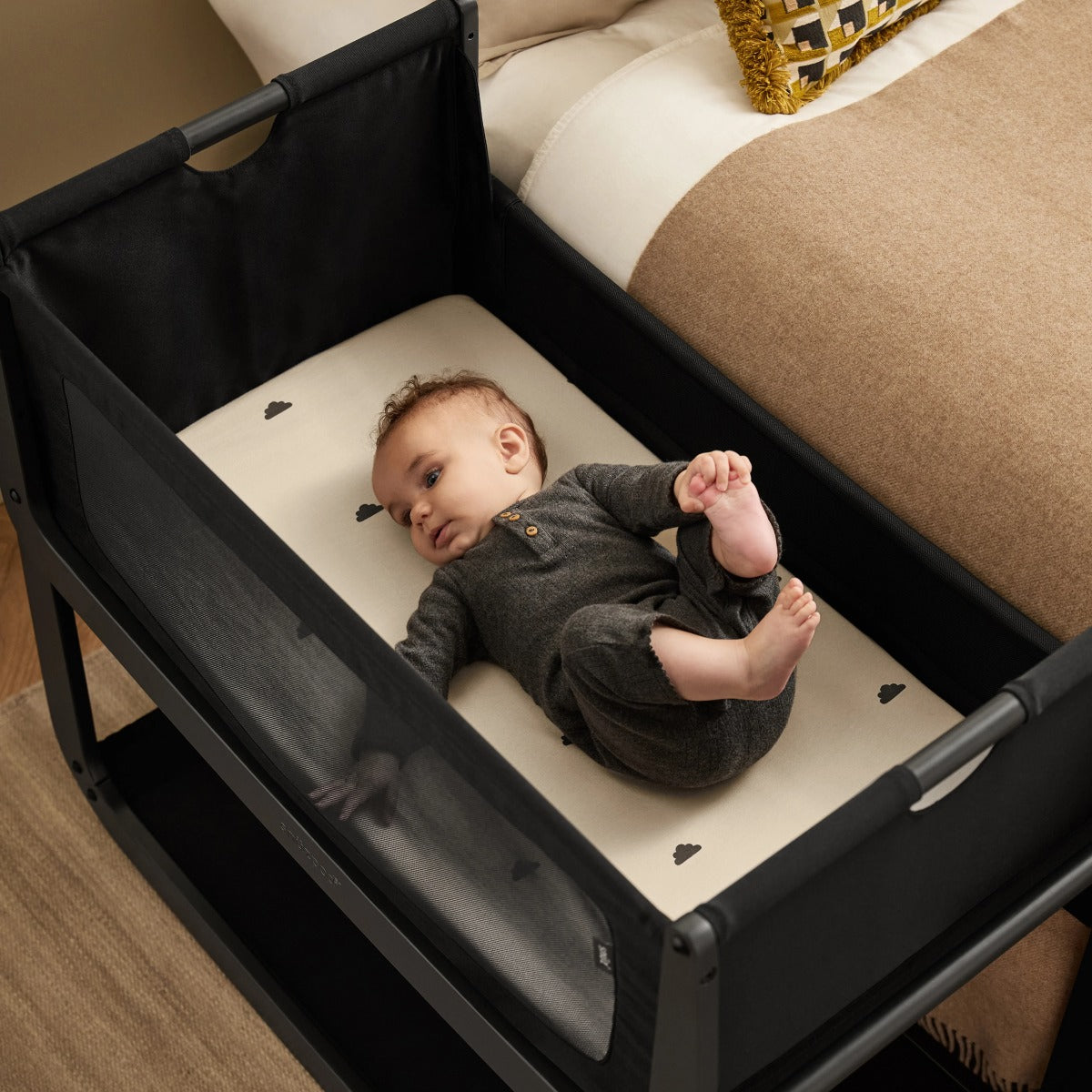
The SnuzPod5 is another excellent option for co-sleeping families. Designed with both parents and babies in mind, this award-winning bedside bassinet keeps your little one close while offering smart safety features and modern style.
Its standout ComfortAir™ system helps regulate temperature and airflow through 3D breathable mesh sides and a perforated base. The zip-down wall means you can lift baby out for feeds without straining, while the bassinet stays safely anchored next to your bed.
The SnuzPod5 fits more beds than ever before thanks to its adjustable height settings. The improved rocking stand allows for gentle motion to help soothe baby to sleep, or you can lock it in place when needed.
With a reflux incline feature, washable fabrics, and thoughtful touches like a lightweight lift-off bassinet for daytime naps, the SnuzPod5 supports safe, convenient sleep from day one.
Choosing What’s Right for Your Family 💛
There’s no one-size-fits-all answer when it comes to co-sleeping. What matters most is that your baby sleeps safely, whether that’s right beside your bed or in their own room.
At Dimples, we’re here to support your sleep choices with a range of trusted, newborn-safe bassinets and cots to suit your lifestyle. Whether you're looking for convenience, flexibility, or long-term value, you'll find something that helps both you and your baby rest easier.
The SnüzPod5 in Natural colour is the latest generation of the award winning bedside crib that’s cradled over a million dreams!
Designed to support you and your baby through those precious first six months, SnüzPod5 brings together comfort, safety and style in one beautifully made sleep space. With a lift off bassinet, smooth rocking stand and wheels for easy portability, it adapts to your routine from day to night.
Dual view mesh windows and a 3D breathable mattress help regulate airflow to keep your baby cool and comfortable, while the zip down wall allows for easy nighttime feeds and soothing without leaving your bed.
Crafted in a collection of elegant interior inspired shades, SnüzPod5 redefines modern parenting with intelligent design that grows with your littlest love.
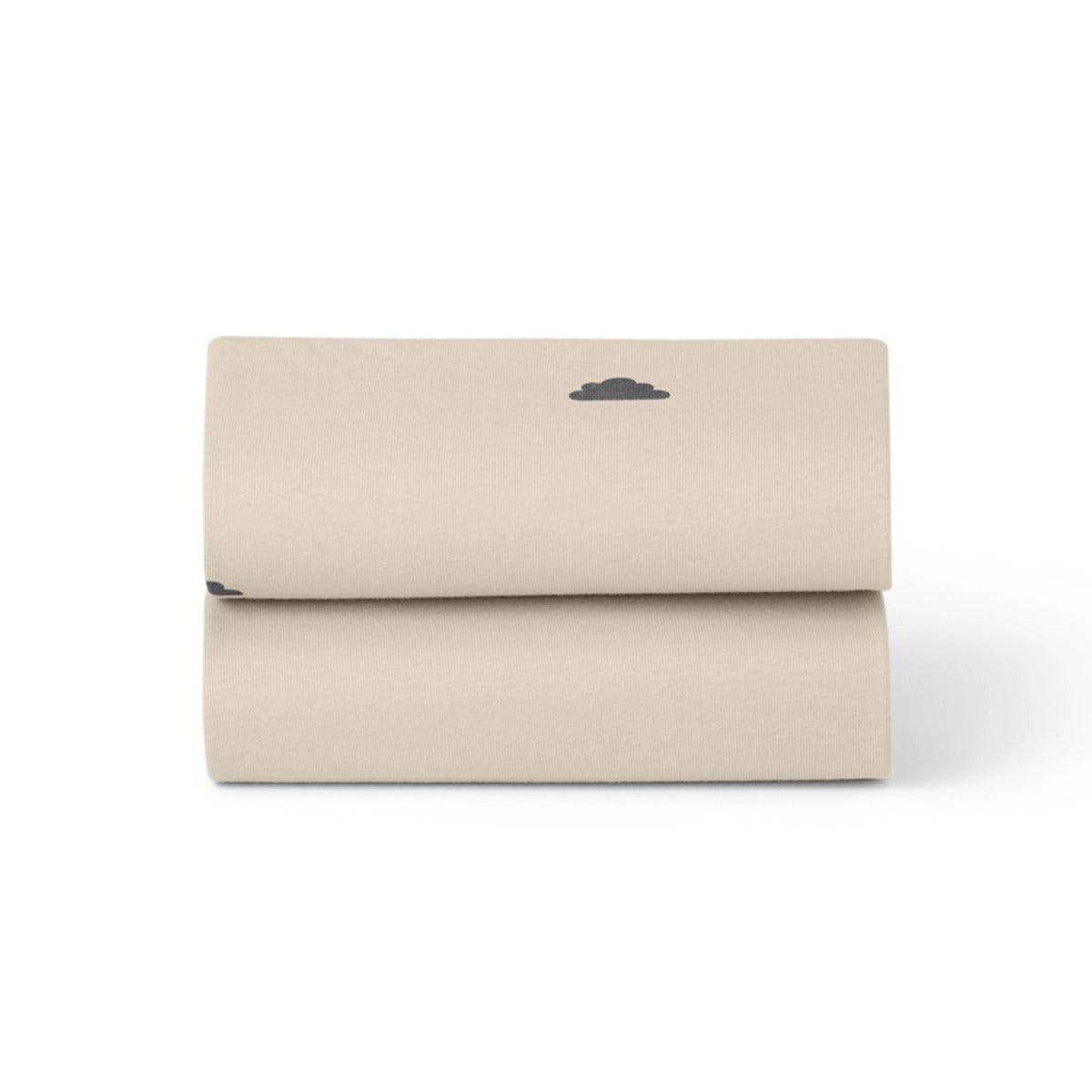
The SnuzPod 5 Fitted Sheet 2pc set is thoughtfully designed to perfectly fit your SnuzPod bedside crib, ensuring a snug and secure fit for your baby.
Crafted from luxurious jersey cotton, these sheets offer a soft, gentle touch against delicate skin while providing a breathable environment that helps regulate your little one’s body temperature throughout the night. This lightweight, comfortable fabric supports restful sleep and is durable enough to maintain its quality wash after wash.
Easy to care for, the sheets are both machine washable and tumble dryer safe, making them a convenient and practical choice for busy parents.
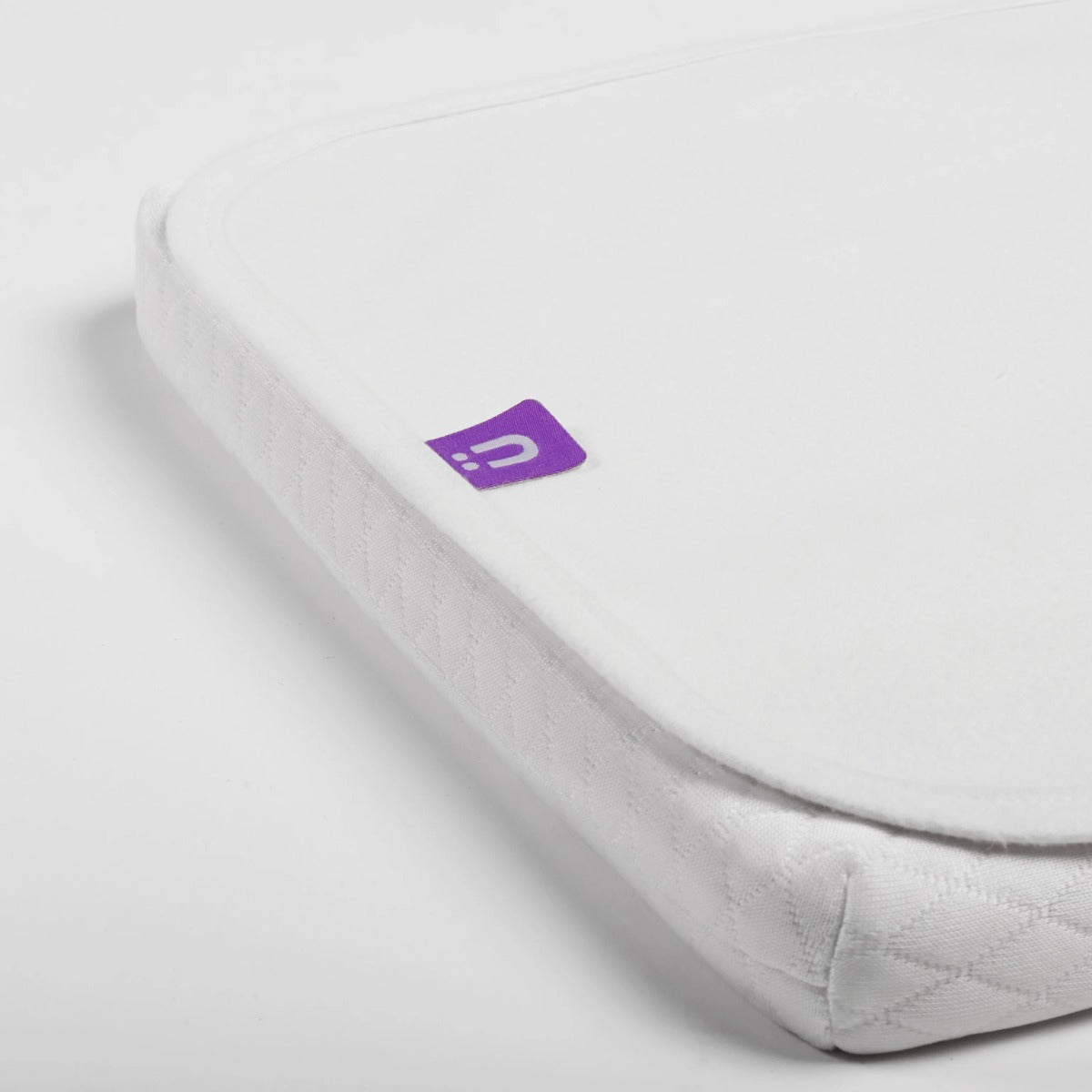
Night-time accidents happen, but a good mattress protector makes them far less stressful. This soft, breathable protector is designed to keep your baby’s sleep space clean, dry, and comfortable while protecting the mattress underneath. A layer of brushed cotton sits on top to absorb moisture quickly, while a certified waterproof membrane underneath prevents any leaks from reaching the mattress.
Gentle against delicate skin and made with Oeko-Tex Class 1 certified materials, it creates a hygienic sleep environment while remaining soft and quiet through the night. Designed to fit the SnüzPod bedside cribs perfectly, it is a simple but essential layer for everyday peace of mind.
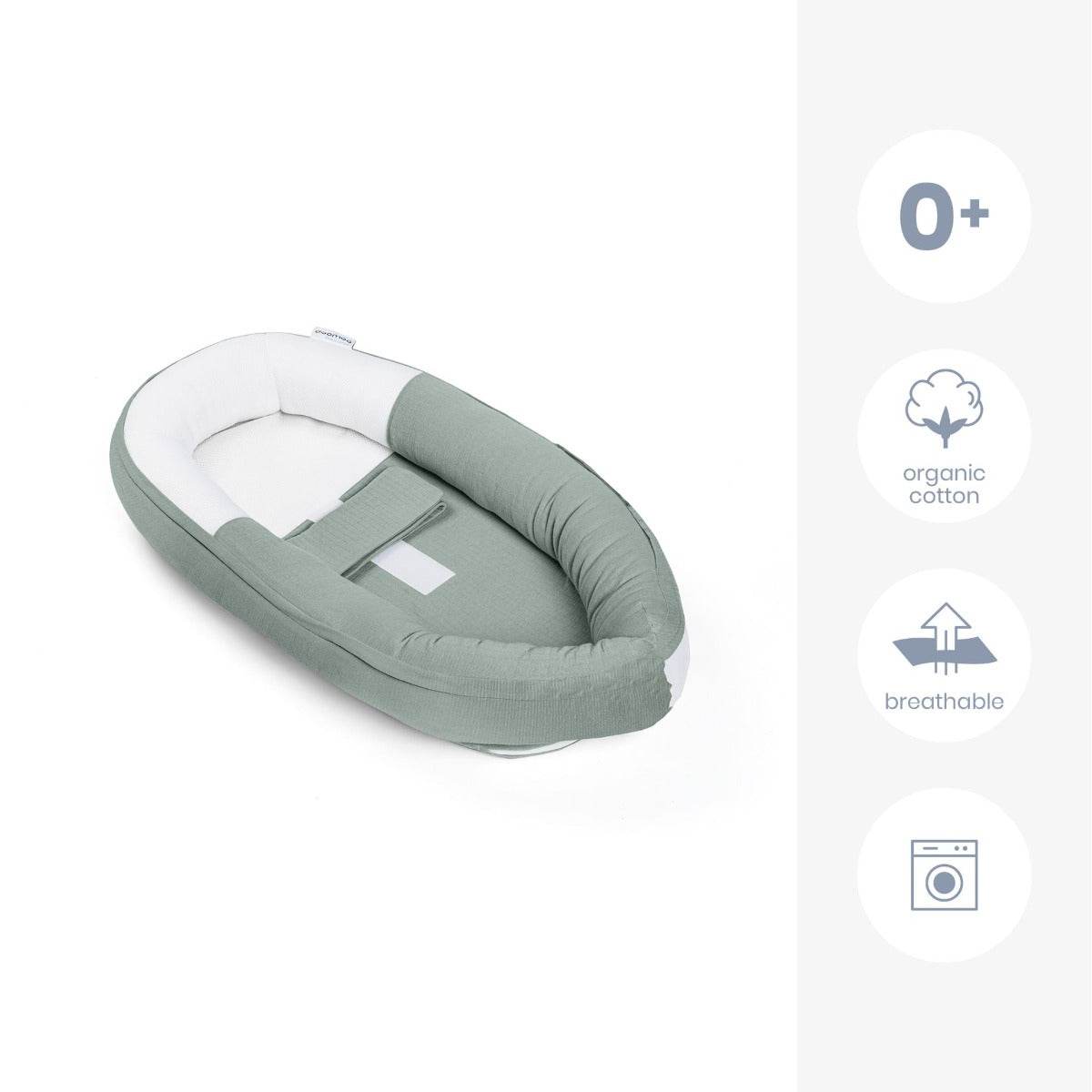
The Doomoo Cocoon in a soft jersey green colour – A soothing and safe start for your littlest love.
Create a gentle, safe and snug space for your baby to relax and rest with the Doomoo Cocoon. Designed to mimic the safe, enclosed feeling of the womb, this soft and supportive baby nest helps ease your newborn into the transition from belly to bed. Whether you're at home or on the move, the Cocoon offers a familiar, calming environment for your little one.
Made from breathable 3D fabric around the head and lined with ultra soft organic cotton, the Cocoon is a thoughtfully designed baby nest, with your baby’s comfort and safety in mind. The removable belt keeps your baby securely on their back.
Lightweight and portable, the Doomoo Cocoon is easy to bring along wherever you go, so your baby always has a safe place to rest.
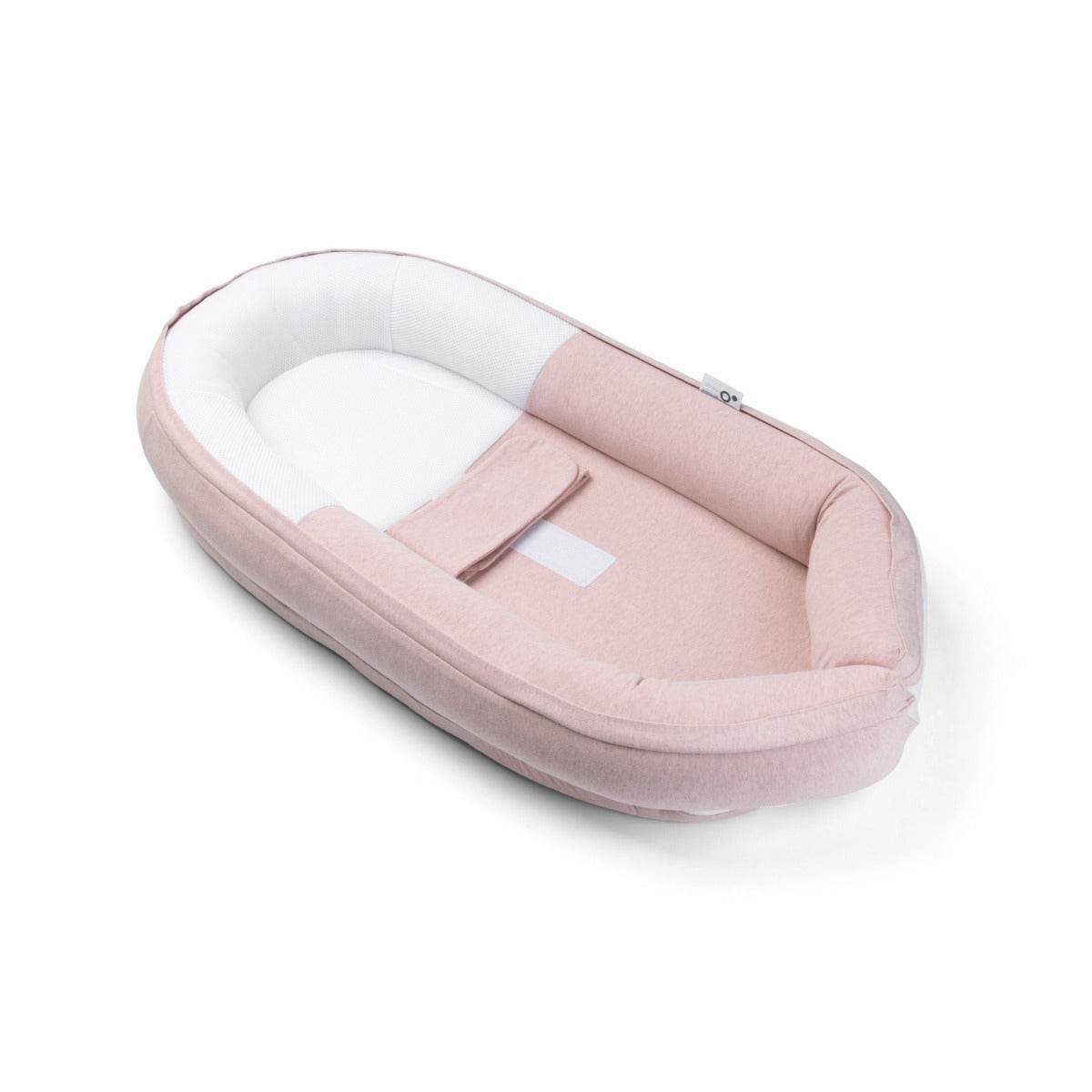
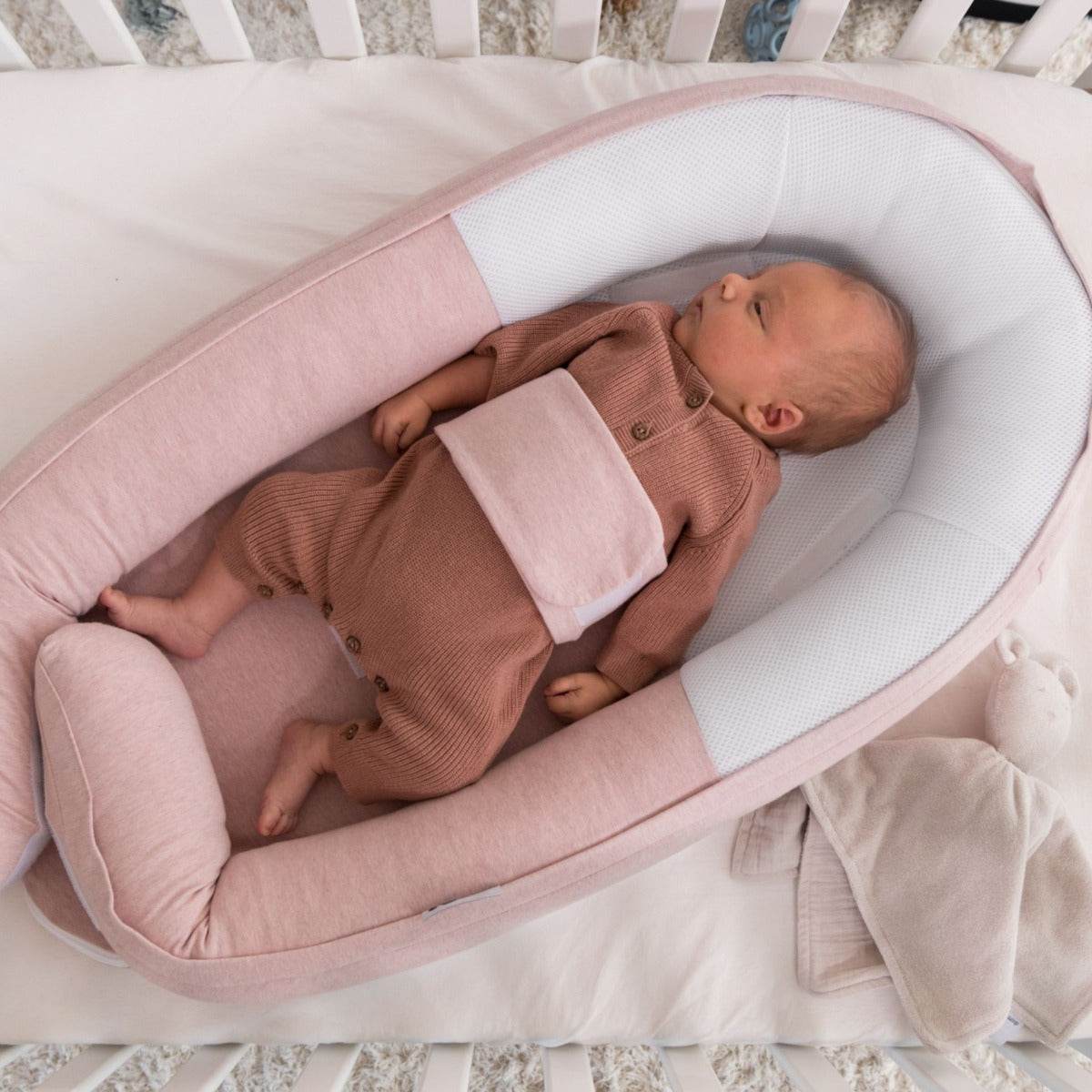
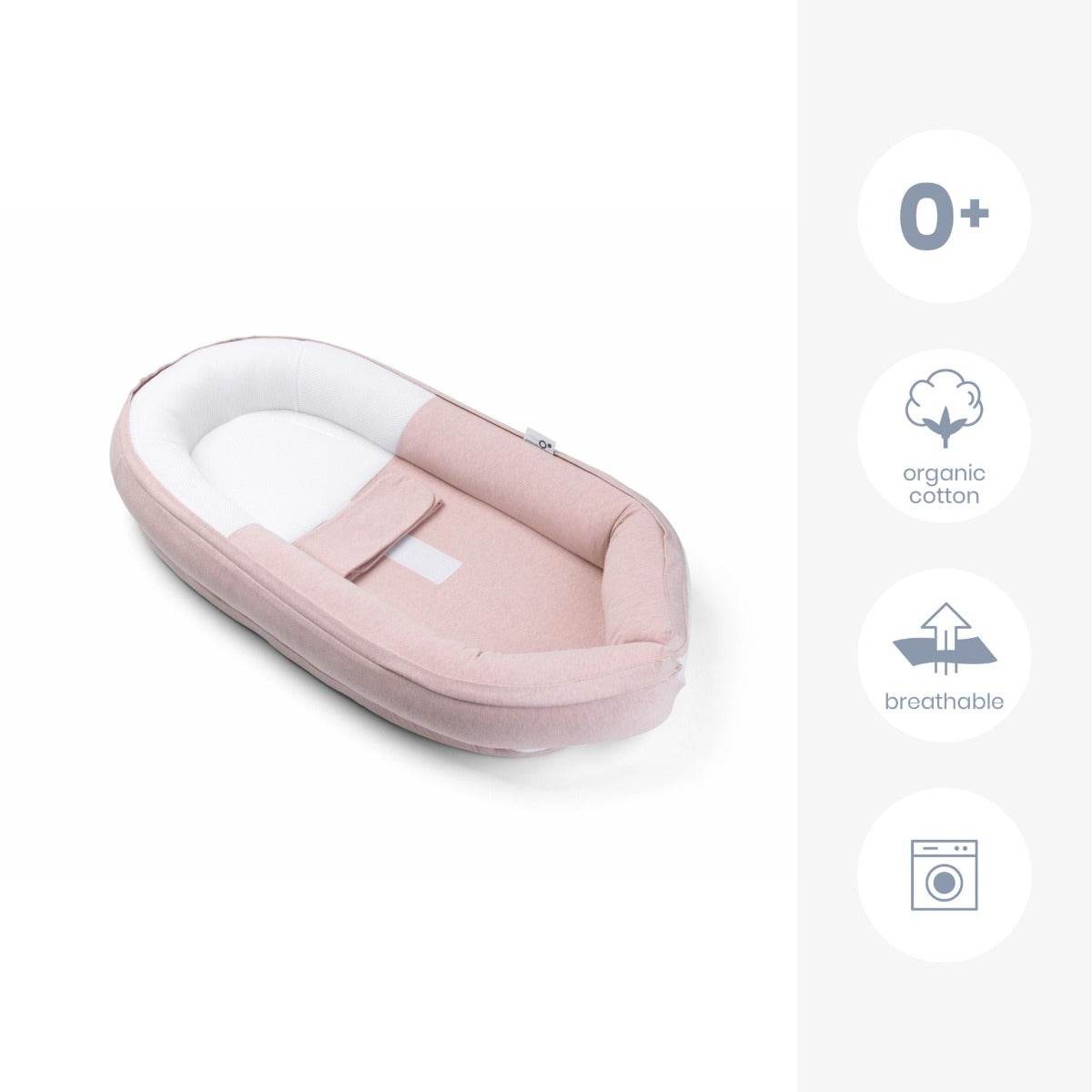
The Doomoo Cocoon in Chine Pink – A soothing and safe start for your littlest love.
Create a gentle, safe and snug space for your baby to relax and rest with the Doomoo Cocoon. Designed to mimic the safe, enclosed feeling of the womb, this soft and supportive baby nest helps ease your newborn into the transition from belly to bed. Whether you're at home or on the move, the Cocoon offers a familiar, calming environment for your little one.
Made from breathable 3D fabric around the head and lined with ultra soft organic cotton, the Cocoon is a thoughtfully designed baby nest, with your baby’s comfort and safety in mind. The removable belt keeps your baby securely on their back.
Lightweight and portable, the Doomoo Cocoon is easy to bring along wherever you go, so your baby always has a safe place to rest.
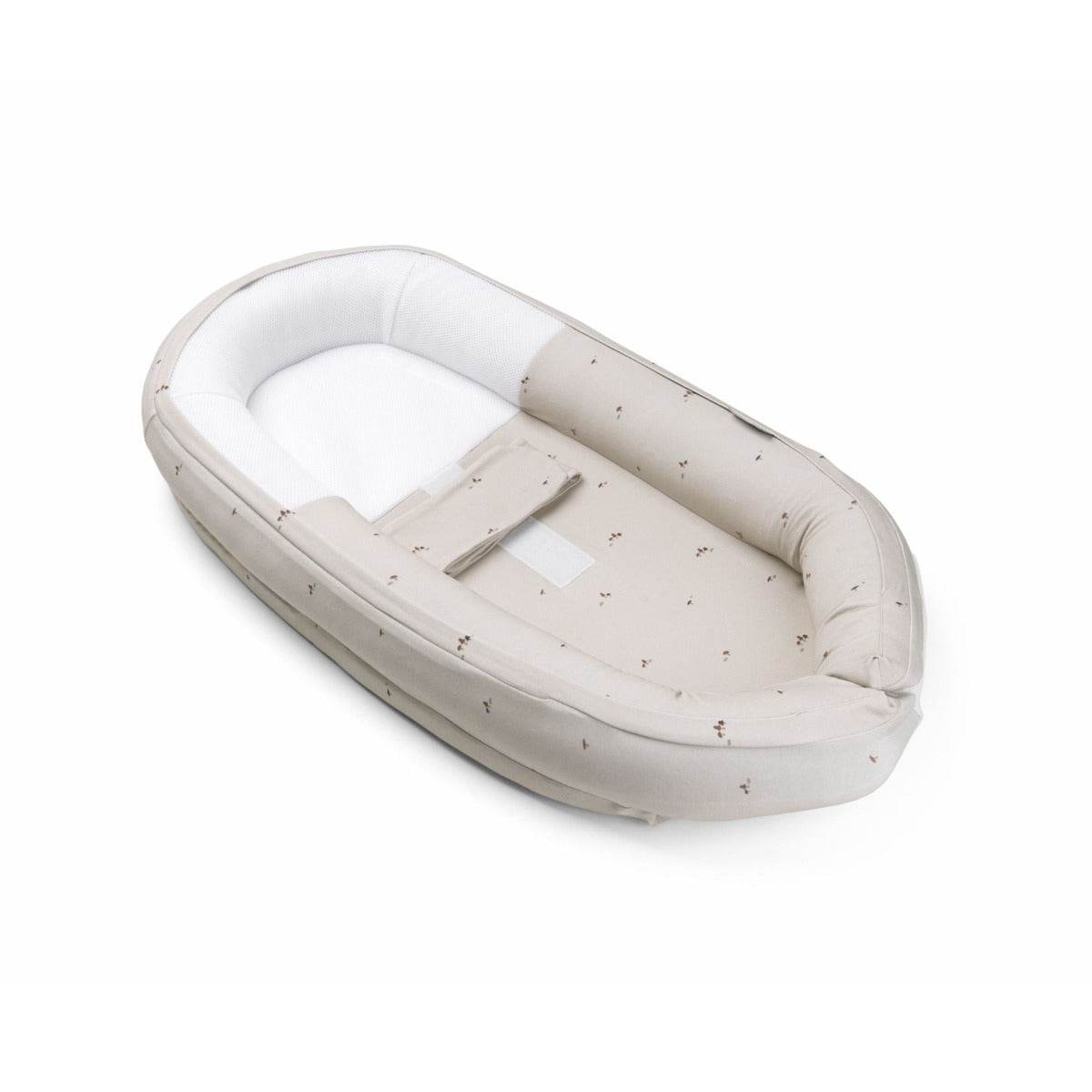
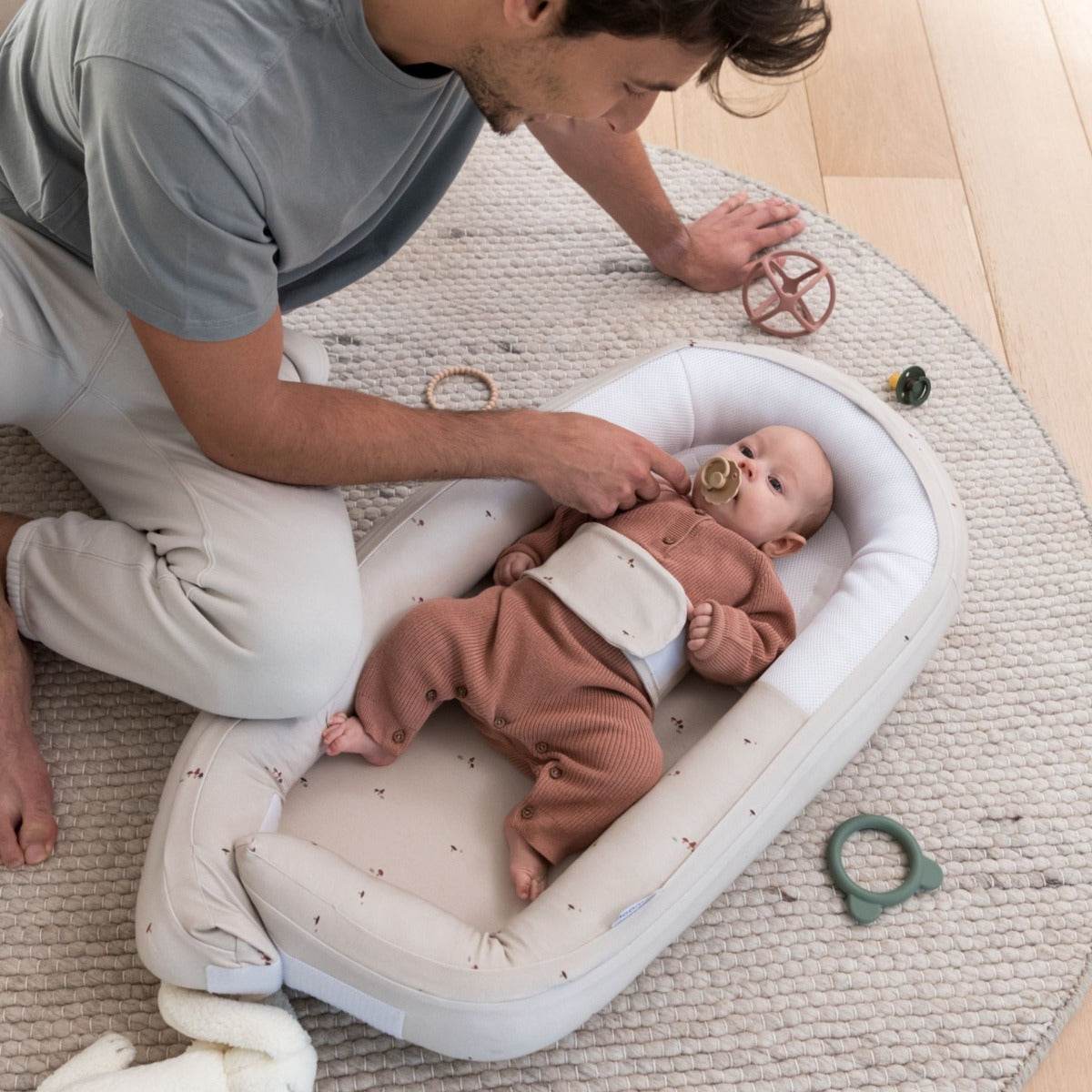
The Doomoo Cocoon in a cute mushroom print – A soothing and safe start for your littlest love.
Create a gentle, safe and snug space for your baby to relax and rest with the Doomoo Cocoon. Designed to mimic the safe, enclosed feeling of the womb, this soft and supportive baby nest helps ease your newborn into the transition from belly to bed. Whether you're at home or on the move, the Cocoon offers a familiar, calming environment for your little one.
Made from breathable 3D fabric around the head and lined with ultra soft organic cotton, the Cocoon is a thoughtfully designed baby nest, with your baby’s comfort and safety in mind. The removable belt keeps your baby securely on their back.
Lightweight and portable, the Doomoo Cocoon is easy to bring along wherever you go, so your baby always has a safe place to rest.
The Swanndri 100% Wool Mattress Protector is made from pure New Zealand wool and designed to naturally regulate temperature while shielding your cot mattress from moisture. It is woven and finished to keep little sleepers cosy in winter, and comfortably dry year round.
Conveniently sized to suit both a bassinet and cot, this versatile under blanket works hard behind the scenes so you can focus on sleep, not sheet changes. It is breathable, waterproof, and naturally insulating, which means fewer disruptions and a more settled night for everyone.
When it comes to keeping Kiwis warm and dry, Swanndri knows what they're doing!
Choosing the Right Sleepwear: Sleeping Bags vs Sleepwalkers
A safe, consistent bedtime routine starts with the right sleepwear – and at Dimples, we believe our Sleeping Bags and Sleepwalkers offer families a practical and gentle solution for better sleep. Whether your little one is still in a cot or has started to roam, we have options to suit every stage and season.
Sleeping Bags
Perfect from newborn through to early toddlerhood, Sleeping Bags are designed to keep your baby snug and secure during sleep. With snap domes at the armholes for a cosy fit, they’re ideal while your baby is still sleeping in a cot.
Why choose a Sleeping Bag?
Keeps your baby warm all night – no more kicked-off blankets.
A great way to transition from swaddles or pods, offering a familiar cocooned feeling.
Easy nappy changes with a two-way zip and dome shoulder access.
Layer with Merino sleepwear underneath for added warmth and comfort.
Choose from two weights to suit your home and the season:
The All-Season Sleeping Bag lined with 100% Merino and suitable for 18–24°C rooms
The Duvet Weight Sleeping Bag with added cotton wadding for colder nights, ideal for 12–18°C
Sleepwalkers
Once your baby is on the move and transitioning into a toddler bed, a Sleepwalker offers more freedom. These clever suits are designed for little ones who wriggle, crawl, or walk during sleep and after waking. Providing you with two products combined into one neat design, the Sleepwalker performs as a cosy sleeping bag at night-time then once pulled above baby’s feet it can become a dressing gown that baby can safely crawl and walk around in.
Why choose a Sleepwalker?
Designed for active toddlers who like to move or stand up on their own.
Long legs mean it works like a sleeping bag during the night – and when it’s morning, they can simply pull their feet through.
No risk of tripping or slipping when they get up.
Still a great sleep cue, helping signal it’s time for rest.
Available in:
The All-Season Sleepwalker lined with 100% Merino and suitable for 18–24°C rooms
The Duvet Weight Sleepwalker with added cotton wadding for colder nights, ideal for 12–18°C
Why Merino Matters
Every one of our Sleeping Bags and Sleepwalkers is lined with 100% Merino – a natural fibre known for being breathable, moisture-wicking and temperature-regulating. It helps your baby stay warm when it’s cool and cool when it’s warm, reducing the risk of overheating. That’s why Merino is one of the best choices for baby sleepwear.
We recommend checking your baby’s temperature by feeling behind their neck and layering underneath accordingly – ideally with Merino sleepwear for the best performance. It’s always safer for baby to be slightly cool than too warm during sleep.
Creating Healthy Sleep Habits
Using a sleep bag or sleepwalker regularly helps your little one develop strong sleep associations and a calming routine. We recommend having two on rotation so you always have a clean one on hand – especially helpful for travel or night-time accidents.
If you’re unsure which style or weight is right for your baby, don’t hesitate to get in touch or pop into store – our team is here to help guide you towards the perfect sleep solution for your little one.
Hot and cold – helping your baby sleep comfortably
We all know how much temperature affects sleep. Too hot and you’re tossing the covers off, too cold and you’re hunting for another blanket. For babies, who are still learning to regulate both their body temperature and sleep patterns, the impact can be even greater. If they’re too warm or chilly, they might struggle to drift off – or wake more often through the night.
The good news is you can help keep your baby at a comfortable temperature with the right mix of clothing, bedding, and room adjustments, making it easier for them to settle and stay asleep.
Why temperature matters
Our bodies can regulate internal temperature, but during deep sleep, that process slows down. This means a room that’s too hot or too cold can cause night wakings. For babies, the ideal room temperature is around 18°C – it might sound cool, but a lower core temperature is linked to better sleep, while warmer conditions often mean more restlessness.
A warm bath before bed can also help. While it seems backwards, the water on your baby’s skin will cool them down after the bath, helping them start the night at a comfortable temperature.
Ways to manage temperature
Heaters, fans, air conditioning, and the right bedding can all help keep things steady through the night. If you have a thermostat, set it to 18°C and let it do the work. If not, you can buy a plug-in thermostat for your heater to help maintain consistency.
Merino – your sleep-time secret
When it comes to baby sleepwear, merino wool is a year-round winner. Naturally breathable and temperature-regulating, it helps keep your baby comfortable in both warm and cool conditions – and research shows it can even help them sleep longer.
In winter, use merino layers under a merino sleeping bag or sleepwalker. In summer, lighter cotton or merino sleepwear with a lighter weight sleeping bag is usually enough, depending on the temperature where you are. Sleeping bags are especially useful as they can’t be kicked off like blankets, keeping your baby covered all night. Choose one with a weight (or TOG rating) that suits the season.
Spotting temperature troubles
Signs your baby might be too hot:
Waking often
Sweaty neck or back
Damp hair
Rapid, shallow breathing
If you notice these, remove a layer of clothing, switch to a lighter sleeping bag, improve airflow, or lower the room temperature. If your baby seems uncomfortably hot, check for fever and use a cool, damp cloth on their forehead and back.
Signs your baby might be too cold:
Moving around the cot more than usual
Rolling onto their stomach during sleep
Frequent short naps
Early morning waking (around 5am, when body temperature naturally dips)
If this happens, add a layer, switch to a warmer sleeping bag, or adjust the room temperature.
Getting the temperature right won’t solve every sleep challenge, but it’s one piece of the puzzle that can make nights smoother for everyone.
Click here to shop our full range of merino.
Dressing Your Baby for Sleep – A Seasonal Guide
Knowing how to dress your baby at bedtime can feel like a bit of a guessing game – especially when the seasons start to change. Should you add another layer? Is the room too cool? Are their hands meant to be that cold?
To help take the guesswork out, we’ve put together a simple guide to dressing your little one for sleep using our Dimples sleeping bags and sleepwalkers, without any additional blankets.
A Gentle Reminder
Every baby is different, so this guide is just that – a guide. The best way to check if your baby is at a comfortable temperature is by feeling the back of their neck. It should feel warm, not hot or sweaty. Hands and feet can feel cooler and aren't always a reliable indicator.
Baby’s body temperature naturally dips during the early morning hours, so if your little one is waking more often than usual, it might be worth checking if they’re feeling a bit chilly.
And remember – when it comes to sleep, it’s safer for babies to be slightly cool rather than too warm.
Choosing the Right Layers
When dressing your baby, natural fibres like Merino wool or cotton are best. These breathable fabrics help regulate temperature and keep your baby comfortable through the night.
Merino in particular is a year-round superstar – its clever fibres trap warm air on cooler nights and allow heat to escape on warmer ones, making it ideal for all seasons. At Dimples, all of our garments are designed especially for keeping little ones cosy and safe.
We recommend having at least two sleeping bags or sleepwalkers on hand for each season, so you’re always prepared for the inevitable midnight messes.
Ideal Room Temperature
The ideal temperature for a baby’s room is between 16–20°C.
If you’re using a heater or heat pump, setting the thermostat to 18°C will help maintain a steady climate through the night without overheating.
Monitoring the Room
Many baby monitors display room temperature, which can be a helpful reference.Alternatively, something like the Shnuggle Moon Nightlight can be used to keep an eye on the room temperature. It uses a handy colour display to show whether the room is sitting within the ideal range.
Signs Your Baby May Be Too Warm
Waking more frequently than usual
Sweaty back or neck
Damp hair
Shallow or rapid breathing
If you notice these signs, try removing a layer or adjusting the room temperature. A cool, damp cloth on the back of their neck can help if they’re feeling very warm – and always check for fever if you’re concerned.
Signs Your Baby May Be Too Cold
Restless sleep or unusual movement around the cot
Rolling onto their stomach
Catnapping during the day
Waking around 5am
If any of these sound familiar, consider adding a layer, using a warmer sleeping bag, or gently warming the room.
Dressing your baby for sleep doesn’t have to be stressful. With a few key pieces and a little trial and error, you’ll find the sweet spot that keeps them cosy and safe – all night long 😴
Explore our full sleepwear range to find breathable, natural fibre options for every season.And if you’re ever unsure, we’re here to help.
Breastfeeding Made Easier: Tips for Common Challenges
Before your baby arrives, it's easy to imagine that breastfeeding will happen instinctively. While that can be true for some families, it's perfectly normal if it takes a little longer to find your rhythm.
Many new mums experience challenges like sore nipples, engorgement, latch difficulties or concerns about milk supply in those first few weeks. If that sounds familiar, you're certainly not alone.
At Dimples, one of the things we hear most often is, "I thought breastfeeding would just come naturally." The reality is that for many mums, it takes a little time, plenty of patience, and the right support.
Thankfully, many breastfeeding challenges are only temporary, and with the right guidance they often become much easier to manage.
If you decide to supplement or switch to formula, that's okay too. A fed baby and a supported mum are what matter most. But if breastfeeding is something you'd like to continue, know that many mums find things improve with time, patience and the right support.
You've got this.
Here’s a gentle guide to some of the common hurdles and how to help overcome them:
1. Engorged Breasts
A few days after giving birth, you may notice your breasts suddenly feel hard, heavy, warm, and tender as your milk comes in. Although it can feel quite uncomfortable, this is a completely normal part of your body adjusting to your baby's feeding needs.
The good news is that engorgement is usually temporary. As your milk supply begins to regulate and your baby establishes a regular feeding pattern, the fullness will often settle.
What can help
Feed your baby regularly, even if it's only for a short time.
If your breasts are too full for your baby to latch comfortably, try hand expressing a small amount of milk first to soften the breast.
A cold compress after feeds and gentle massage can also help relieve discomfort.
💛 A favourite with our team: Many mums find the Bare Mum Hot + Cold Breast Therapy Packs incredibly soothing. Warm them before feeding to help encourage milk flow, or chill them afterwards to reduce swelling and ease discomfort.
And here's a little old-school wisdom that's been passed between mums for generations: chilled cabbage leaves tucked inside your bra between feeds have long been used to help soothe engorgement. It might sound unusual, but plenty of mums still swear by it!
2. Latch Issues
A little tenderness during the first few days of breastfeeding is common, but ongoing or severe pain isn't something you should simply put up with. A painful feed is often a sign that your baby isn't latching deeply enough, making feeding uncomfortable for you and less effective for them.
What can help
Try encouraging your baby to open their mouth wide by gently brushing your nipple against their upper lip. Position them with their nose level with your nipple and bring your baby to your breast, rather than leaning towards them. A good latch usually means your baby's mouth is wide open, their chin is pressed into your breast, and your nipple sits comfortably towards the back of their mouth.
If breastfeeding is still painful after the first week or two, or your baby continues to struggle with latching, it's worth reaching out to your midwife or a lactation consultant. Sometimes a simple adjustment, or identifying something like a tongue tie, can make all the difference.
3. Cracked or Bleeding Nipples
Sore or cracked nipples are very common in the early weeks of breastfeeding. They can be caused by a shallow latch, frequent feeding while your skin adjusts to this new rhythm, or even overuse of your breast pump.
What can help
Applying a nourishing nipple balm after every feed can help soothe and protect the skin, while hydrogel pads can provide instant cooling relief for particularly sore nipples.
One combination our team often recommends is Pure Mama Nipple Butter together with Silverette Cups. The nipple butter helps moisturise and soothe damaged skin, while the Silverette Cups protect sensitive nipples between feeds, allowing them to heal naturally.
If your nipples aren't improving after several days, it's important to have your baby's latch assessed, as treating the cause is just as important as treating the symptoms.
4. Low Milk Supply
Worrying about milk supply is incredibly common, especially during the first few weeks when your baby may seem to want to feed constantly. The reassuring news is that frequent feeding, cluster feeding and night waking are all normal behaviours and don't usually mean you're not producing enough milk.
True low milk supply is less common, but if your baby isn't gaining weight well or has very few wet nappies, it's important to speak with your midwife, GP or lactation consultant.
What can help
If your healthcare provider is happy that everything is progressing normally but you'd like to naturally support your milk supply, try feeding frequently, pumping between feeds if appropriate, drinking plenty of water and eating a balanced diet.
Many mums also enjoy adding lactation cookies or a lactation blend to their daily routine. While they're not a guaranteed way to increase milk supply, many mums enjoy them as part of their breastfeeding routine alongside regular feeding, good hydration and a balanced diet.
Shop our lactation support range here
5. Inverted or Flat Nipples
You may never have paid much attention to the shape of your nipples before breastfeeding, but flat or inverted nipples can sometimes make it more difficult for your baby to latch.
The good news is that many mums with flat or inverted nipples go on to breastfeed successfully.
What can help
Speak with your midwife or a lactation consultant, who may recommend using a nipple shield or expressing a small amount of milk before feeding to gently draw the nipple out.
6. Blocked Ducts
A blocked milk duct often feels like a tender lump beneath the skin and usually occurs when milk isn't draining effectively. This can happen if you've missed a feed, your bra is too tight, or your breast hasn't emptied fully.
What can help
Continue feeding regularly, particularly on the affected side, to help keep milk moving. Applying warmth before feeding and gently massaging the area towards the nipple can also help encourage the blockage to clear. Most blocked ducts resolve within a day or two but if you are experiencing alot of pain and unable to breastfeed, please see your GP.
7. Mastitis
Sometimes a blocked duct can develop into mastitis, or bacteria can enter through cracked skin, leading to a breast infection. Mastitis often causes flu-like symptoms, including fever, chills and body aches, along with a painful, red area on the breast.
What can help
If you think you may have mastitis, it's important to see your GP promptly, as antibiotics are often needed.
Although feeding may feel uncomfortable or sore, continuing to breastfeed or express milk can actually help speed up recovery by keeping the breast well drained. Warm or cool compresses between feeds may also provide some relief.
💛 Don't try to push through - Many mums think they can "tough it out", but mastitis really needs medical treatment. The sooner you seek help, the quicker you'll usually recover.
You Are Not Alone - and You're Doing an Amazing Job
If there's one thing we'd love every new mum to know, it's this: asking for help is a strength, not a weakness!
For over 30 years, we've had the privilege of supporting hundreds of New Zealand families through pregnancy, newborn life and beyond, and we've learned that almost every breastfeeding journey is different, and has its own ups and downs.
And if, despite your best efforts, breastfeeding doesn't work out the way you'd hoped, that's okay too. Whether you breastfeed, formula feed or combine the two, what matters most is that your baby is fed, loved and thriving.
Be kind to yourself, trust your instincts, and don't be afraid to lean on your midwife, GP, lactation consultant or the people around you. Sometimes the right support is all it takes to help you find your confidence.
❤️
Shop our full range of breastfeeding support and essential items here