


Organic Cotton Bassinet Sheet Set
Organic Cotton Bassinet Sheet Set
SKU:ORG14-WB
Clothing Prem to 18 Months
| Size | Age Guide | Weight | Height |
|---|---|---|---|
| Premature | Premature or Small Newborn | Up to 4Kg | Up to 55cm |
| Newborn | 0-3 months | 4-6Kg | Up to 62cm |
| 3 Month | 3-6 months | 6-8Kg | Up to 68cm |
| 6 Month | 6-12 Month | 8-10Kg | Up to 76cm |
| 12 Month | 12-18 Month | 10-12Kg | Up to 84cm |
| 18 Month | 18-24 Month | 12-14Kg | Up to 92cm |
Clothing 2 to 6 Years
| Size | Age Guide | Height | Chest | Waist | Hip |
|---|---|---|---|---|---|
| 2 Year | 2-3 Years | Up to 100 cm | 56 | 51 | 58 |
| 3 Year | 3-4 Years | Up to 105 cm | 58 | 53 | 60 |
| 4 Year | 4-5 Years | Up to 110 cm | 60 | 55 | 62 |
| 5 Year | 5-6 Years | Up to 115 cm | 62 | 57 | 64 |
| 6 Year | 6-7 Years | Up to 120 cm | 64 | 59 | 66 |
Beanie Size Guide
| Size | Head Circumference | Age Guide |
|---|---|---|
| Premature | 31-35 cm | Premature or Small Newborn |
| Newborn | 35-40 cm | Newborn |
| Small | 40-43 cm | 3-6 Months |
| Medium | 43-47 cm | 6-18 Months |
| Large | 47-52 cm | 18-3 Years |
Sunhat Size Guide
| Size | Head Circumference | Age Guide |
|---|---|---|
| Newborn | 37-40 cm | Newborn |
| Small | 40-43 cm | 3-6 Months |
| Medium | 43-46 cm | 6-12 Months |
| Large | 46-49 cm | 12-24 Months |
| Xtra Large | 49-54 cm | 2-4 Years |
Sleep Pods Size Guide
| Size | Weight | Age Guide | Measurement(Back to Hem) |
|---|---|---|---|
| Newborn | 0-6 kgs | 0-3 Months | 60.5 cm |
| Small | 0-8 kgs | 3-6 Months | 66 cm |
Booties Size Guide
| Size | Age Guide |
|---|---|
| Newborn | 0-3 Months |
| Small | 3-6 Months |
| Medium | 6-12 Months |
| Large | 12-18 Months |
In stock
Couldn't load pickup availability
Overview
Overview
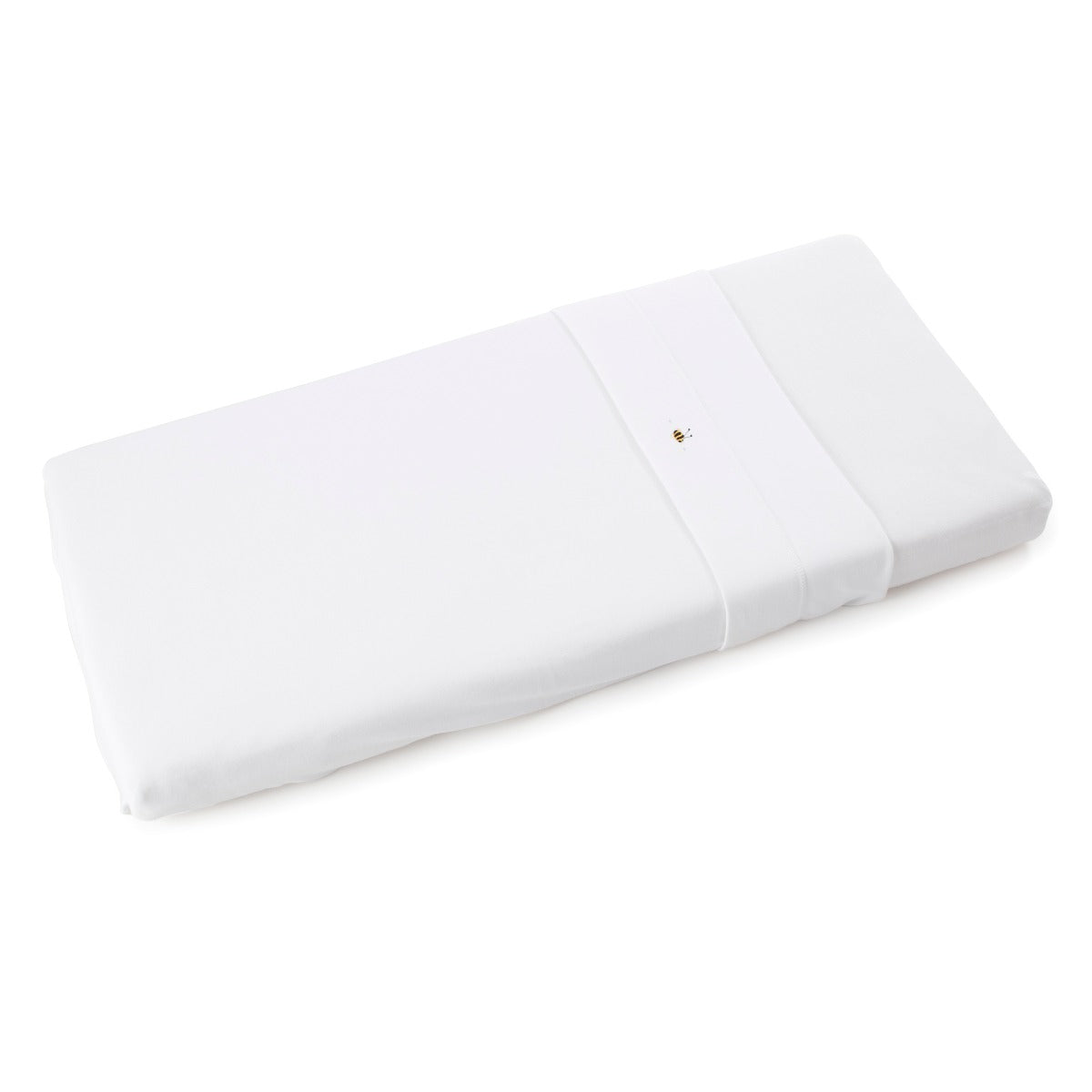
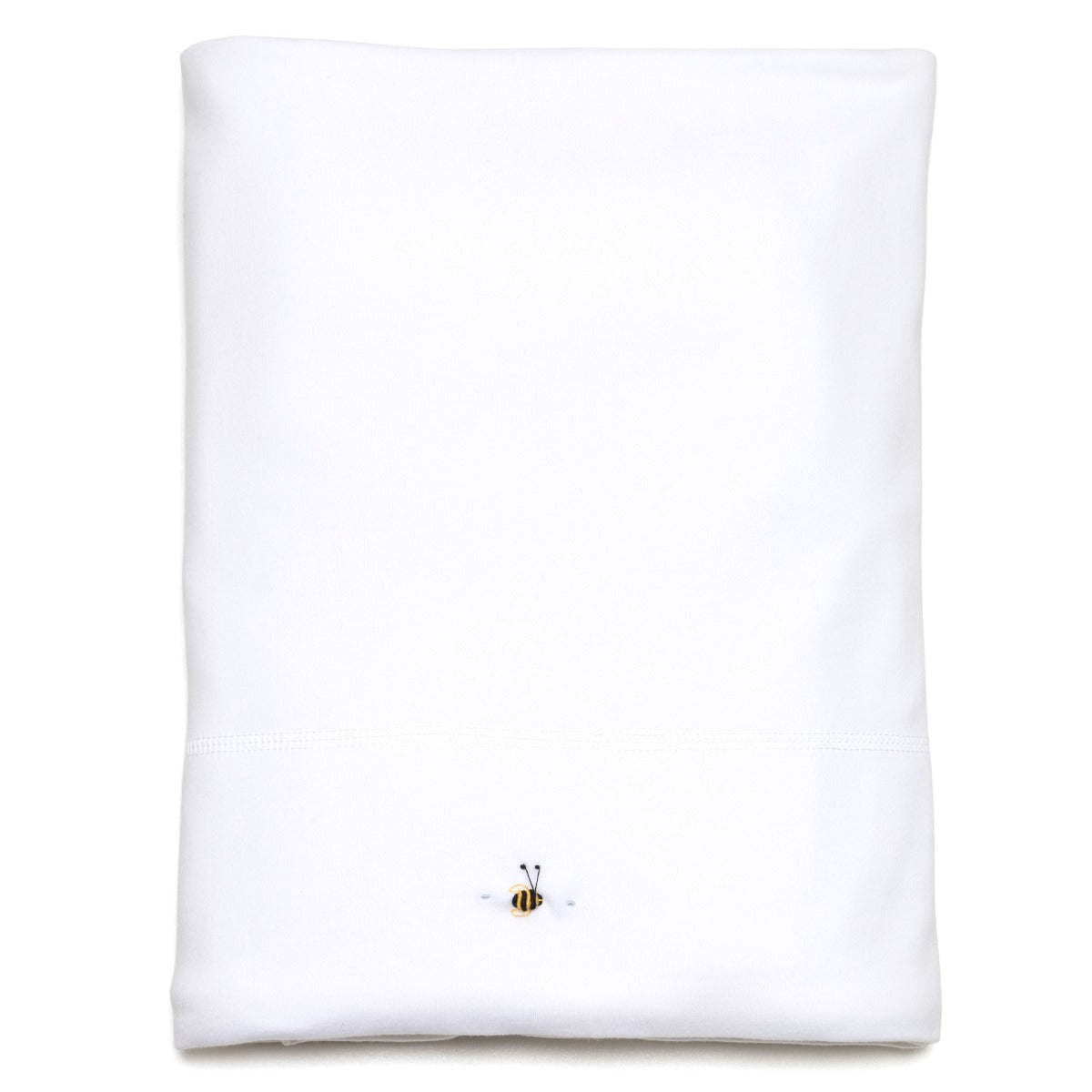
Let your baby snuggle into sweet dreams with Dimples Organic Cotton sheet sets. Available in two sizes — bassinet and cot — these sheets offer lasting softness for years to come. Each set includes one fitted sheet and one top sheet, providing your baby with comfort and warmth. Made from 100% Organic Cotton, these sheets are breathable with excellent stretch to ensure proper air circulation and ventilation for your little one.
Made in New Zealand
Bassinet Fitted Sheet - 54 x 97 cm
Bassinet Flat Sheet - 63 x 87 cm
Delivery and Returns
Delivery and Returns
- Delivery: Free within NZ on orders over $130 (excluding bulky items) or $8 standard shipping
- Returns: Accepted within 14 days of receipt with proof of purchase
- Some items are excluded from returns including sale items, hardware, car seats, prams, monitors and personal items - please click here for the full list.
Share this product
Recently viewed products
Related Blogs

Which bed is right for your baby?
Choosing the Right Bed for Your Baby – What’s Best and Why Your little bundle is nearly here – how exciting! 🐣 One of the first big decisions you’ll make is where they’ll sleep. With so many beautiful options to choose from, it’s easy to feel a little unsure. Should you start with a bassinet or go straight to a cot? Do you want something that grows with your baby, or a cosy little nest for those early days? We're here to help you figure out what matters most – and which sleep setup will suit your family best. Bassinet or Cot: What’s the Right Starting Point? Your baby can sleep safely in either a bassinet or a cot from day one, but the best choice really depends on your space, routine, and preferences. A bassinet is ideal if you want: Your baby sleeping close by during those early weeks. Most bassinets fit comfortably beside your bed, making night-time feeds, nappy changes, and soothing much easier. A compact sleep space that’s great for small rooms, shared bedrooms, or apartments. Something easy to move around the house – bassinets are typically lightweight, so you can keep your baby nearby while you get on with your day. A cosier environment for your newborn. The smaller size can help babies feel more snug and secure, which may lead to more settled sleep. A short-term option before transitioning to a cot – especially if you plan to move your baby into their nursery after the fourth trimester. An easier height for recovering parents. The higher profile of most bassinets means less bending, which can be especially helpful after a C-section or challenging birth. At Dimples, we have several lovely options to choose from. The SnuzPod is a clever bedside bassinet that attaches securely to your bed, making night feeds and check-ins easier while keeping baby in their own safe space. If you love a natural, timeless look, the Nestling Moses Basket is a lightweight, woven option that’s easy to move from room to room and brings a beautiful softness to your nursery. The Snoozi Bassinet is another great choice – designed for safe co-sleeping, it offers mesh sides for airflow, a washable inner nest, and folds down easily for travel or storage. Each option has its own charm, and what works best will depend on your lifestyle, home setup, and how you’d like those early newborn nights to feel. Thinking Ahead? Choose a Bed That Grows With Your Child If you're looking for something that can go the distance – from those sleepy newborn days through toddlerhood and beyond – the Stokke® Sleepi™ is an outstanding choice. Starting off as a snug and secure Sleepi Mini bassinet, it gives your baby a nest-like sleep space in the early months. Its soft oval shape and breathable sides create a cocooned environment, helping your newborn feel safe and settled. But the real beauty of the Sleepi is what happens next. With a simple extension kit and a new mattress, it can transform from a bassinet into a full-sized cot! Then when your little one is ready, simply take one of the sides off and you have a toddler bed – suitable for children up to around 5 years old. It’s an investment that pays off – both practically and emotionally. Your child can grow up in the same bed they’ve slept in from day one. Beautiful Cot Options to Consider Not every family needs a full multi-stage setup – so here are some other wonderful options depending on your needs, aesthetic and space. Most also offer a toddler bed conversion once your little one is ready for the freedom to get in and out of bed by themselves. Here are a few favourites: Amara Cot Crafted from sustainable European beech, the Amara brings a calm, natural feel to your nursery. It starts with a higher mattress setting for newborns and easily converts into a stylish toddler bed with the optional conversion kit – perfect for parents wanting both form and function. Mackenzie Cot With clean lines and a single-tone finish, the Mackenzie adds warmth and simplicity to your nursery. It grows with your child by converting to a toddler bed and can be paired with the matching dresser for a cohesive look. Indi Cot A gentle boho option that pairs soft hessian fabric with natural tones to create a warm, grounded feel. Made from sustainable materials, the Indi Cot converts easily to a toddler bed for long-lasting practicality. Tommi Cot Subtle Scandi design meets versatility in the Tommi Cot. Available in white or oak finishes, it offers 3-in-1 functionality, growing from a cot to a toddler bed or daybed with the optional junior rail – a timeless piece that suits both modern and classic spaces. What’s Best For You? Every family is different. To help you decide, think about: Where your baby will sleep in the early months. How long you want your sleep solution to last. Your space – are you in a small home, apartment, or planning to move? Your lifestyle – do you travel often? Need a portable option? Your budget – are you wanting one long-lasting solution or buying in stages? We’ve carefully curated a range of sleep options to suit every family – whether you're after something compact, long-lasting, budget-friendly, or beautifully designed to match your nursery. There’s something here for every stage, every space, and every style. Browse our full range of cots, bassinets, and junior beds here, or pop in-store to see them up close – we’re always happy to help you find the right fit for your little one’s first sleep space.
Learn more
Why Buy New Zealand Made Clothes?
From garments more well-travelled than most of us to clothing produced in factories not quite up to scratch – the backstory of what we buy has become an increasingly hot topic. Keeping shopping habits local is an easy way to not only do your bit for the environment but also support the New Zealand economy and the people who live here. Better still, buying New Zealand-made no longer means compromising on quality or choice – in fact, it’s typically quite the opposite! Do it for the birds and the bees (literally) The environmental impact of clothing sourced overseas is huge. Buying local often means reducing ecologically unfriendly packaging, and will certainly cut out vast amounts of fossil fuels in transport. Clothing made in New Zealand also complies with strict guidelines, which is a big win for the environment in an industry that is notoriously hard on the planet – no pesticide and fabric-dye-filled runoff contaminating water supplies here thanks! Feelgood tip – swap those well-travelled goods with locally-made merchandise. Fast fashion or future-friendly? The days of patching worn jeans and sewing up holes in socks are long gone – popping to the shops for a wallet-friendly replacement is just too easy. But with prices so low, something’s got to give – whether it’s the quality of raw materials, worker conditions, or the standard of the finished product. This fast-fashion movement ironically has you popping to the shops for replacements a whole lot more often! All this disposable fashion also becomes a major landfill problem. Synthetic fabrics are much cheaper to produce (they make up about 60% of a typical closet) and can go on to live hundreds of years after parting ways with your wardrobe. On the flip side, buying New Zealand-made means these items live up to local production standards, and are far more likely to survive playground adventures and multiple trips through the washing machine. They might even look good enough to pass on to family or friends once you’re done with them – recycling at its best! Feelgood tip – invest in quality, locally made items that can be passed on. Guilt and hassle-free shopping Shop-a-holics rejoice! If you’re buying locally produced goods, pat yourself on the back for your contribution to the local economy. You’re supporting fair, local employment and helping to keep New Zealand businesses alive and able to compete with the big guys. Shop-a-holics rejoice some more! If you’re buying locally produced goods and have accidentally bought the wrong size for your little one, it’s as easy as popping into a store or a local phone call to fix your problem. Local businesses are usually happy to help (as each customer is important) whereas it’s likely you’re literally one in a million for big global companies. Even finding contact details can be a challenge! Feelgood tip – shopping local simply supports New Zealanders. Dimples' does it differently No compromises here, just adorable, high-quality clothing, using high-quality raw materials, produced by fairly treated Kiwi workers! Our commitment to the environment hasn’t changed as the business has evolved and grown, and neither has our commitment to our workers. All Dimples clothing is made here in New Zealand from locally sourced merino (or from our neighbouring Australian sheep) and pure organic certified cotton (to ensure the impact of cotton farming is minimal). We don’t have a huge factory producing our clothing – instead, our expert sewers work from their homes. It’s essentially a scaled-up version of the small home workshop where it all started. The end result is hard-wearing, long-lasting clothing – that stays looking super cute for longer. Feelgood tip – buy New Zealand made.
Learn more
Pretty Brave Shoes: A Guide to Little Feet
Little feet have a lot of growing and exploring to do! From those first little steps to running, playing and discovering the world, choosing shoes that are comfortable and designed to move with them is an important part of every stage.
Learn more
Trouble sleeping? Finding The Right Sleep Aid
Sleep Struggles? These Soothers Might Just Save Your Sanity 😴 White noise and gentle sound machines help to mask the everyday background noise that can disturb your little one's rest. Think: older siblings, barking dogs, or the neighbour deciding now’s the time to mow the lawn. These soothing sounds - like a heartbeat, waves, or soft shushing - can create a more consistent, calming sleep environment and help baby settle more easily. Darkness can make a big difference too. A dark room helps reduce visual stimulation and can support your baby’s natural sleep cues, which is especially handy for daytime naps, early bedtimes and those bright summer evenings. If light is sneaking in around curtains or you’re sleeping somewhere unfamiliar, a portable blackout blind can help create a darker, more consistent sleep space wherever you are. We’ve curated a handy Quiz to help you make a decision, plus a small but mighty collection of trusted sleep soothers and calming aids below, that can help take the edge off bedtime - for both you and your baby. Love to Dream Sleep Machine Creating a familiar, calming sound environment is a great way to help signal to baby that it’s time to sleep. The Love to Dream Sleep Machine offers nine soothing sounds, including white, pink and brown noise, rain, shushing and womb sounds, helping to mask everyday household noises that might otherwise disturb naps or nighttime sleep. It even has a clever cry detection feature which automatically starts your chosen sound if baby stirs! It's got a soft red and warm white nightlight function which is super handy for those 3am feeds and changes. Being rechargeable with up to 22 hours of battery life it's perfect for travelling moments too! YogaSleep Nod Sound Machine and Night Light The YogaSleep Nod is the ultimate stay-at-home sleep station, perfect for setting up a consistent, calming bedtime routine in the nursery. It features 20 sleep sounds, including white noise, fan sounds, lullabies, and nature tracks, so you can tailor the soundscape to your baby’s preferences. What makes it a standout? The built-in nightlight, which emits a warm amber glow to create a peaceful sleep space without overstimulating your baby. You can also set sleep timers or run it all night long, ideal for little ones who are easily stirred. Simple, soothing, and super customisable, the Nod helps create the kind of sleep environment you’ll both appreciate. Purflo Total Blackout Blinds Light can make a huge difference to how easily your baby settles, especially for daytime naps, early bedtimes or those bright summer evenings. The Purflo Total Eclipse Portable Blackout Blind helps create a dark, calming sleep environment by blocking out unwanted light, making it easier to keep baby’s sleep space feeling consistent. It easily attaches securely to windows using over 100 suction cups and can be adjusted to suit smaller windows, so it’s handy at home as well as when travelling or staying with family. Even better, it folds neatly into its own storage pocket, making it an easy sleep essential to have on hand. Storytime and Soothing Light for Sweet Dreams Another beautiful way to support your child’s sleep is by building a calming, familiar bedtime routine - and the CloudBox™ helps make that easy. This clever little device plays comforting bedtime stories while gently projecting sleepy visuals onto the ceiling or wall. With a soothing mix of audio and light, it creates a multisensory environment that helps children wind down at the end of the day. You can choose from the preloaded stories or record your own – a lovely way to keep bedtime personal, even when you can’t be there in person. Repeating the same story or image each night can become part of your child’s sleep ritual, providing a sense of security and consistency they can count on. Simple to use and designed for children from birth and up, the CloudBox™ is a thoughtful addition to any nighttime routine – helping little ones feel calm, safe, and ready for sleep. Supporting Sleep, Naturally For many families, Magnesium Rescue has become a much loved part of their wind-down ritual. This gentle, topical formula is made from natural ingredients and can be massaged into your child’s back, tummy, or feet at bedtime. It’s designed to help support a relaxed nervous system – a simple, non-invasive way to encourage calm before sleep. Another lovely option is the Bedtime Bestie - a lightweight magnesium mist infused with calming lavender, designed to support relaxation and make bedtime a little easier. Simply spritz it onto your child’s back or feet as part of your evening routine. It’s a fuss-free way to help little bodies and busy minds slow down – one small spray at a time. Shop Sleep Saviours at Dimples now Whether you’re trying to improve naps, master the bedtime routine, or just desperate for an extra hour of sleep, our range of sound machines and calming sleep aids are here to help. Browse the full collection in-store or online and find the right fit for your baby (and your sleep-deprived self).
Learn more