


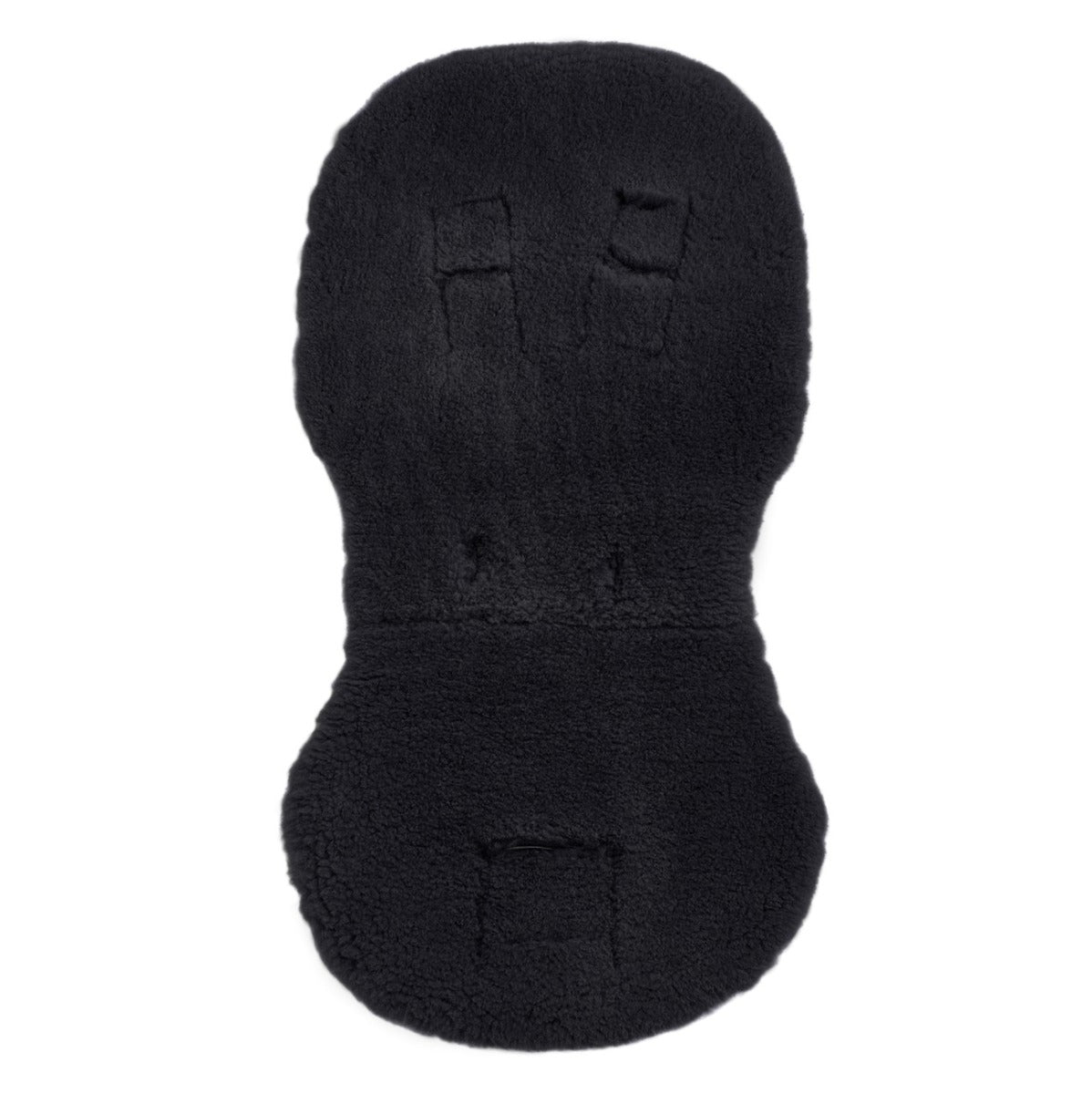
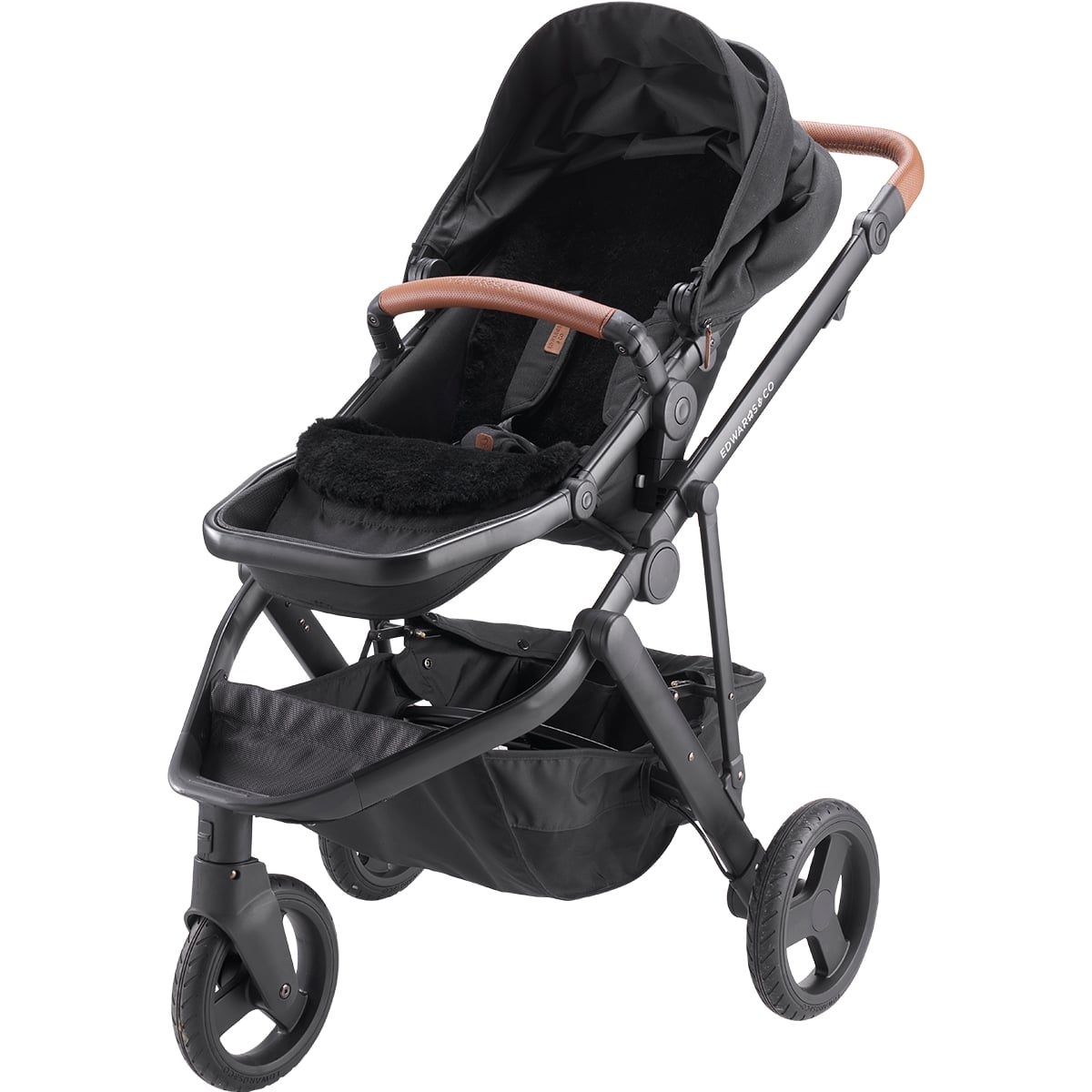

Baby Move Stroller Sheepskin
Baby Move Stroller Sheepskin
SKU:INCASBLBR
Low stock
Couldn't load pickup availability
Overview
Overview
Take comfort on the go to a whole new level with New Zealand’s Softest Sheepskin Buggy Rug. Designed to fit snugly in buggies and strollers with multiple strap options, this cosy rug keeps your little one comfortable and secure while you’re out and about. Soft, shorn wool cushions and protects baby, while its natural fibres regulate temperature, helping prevent overheating or chills.
Perfect for everyday outings, the rug also draws moisture away and allows gentle air circulation, keeping baby dry, comfortable, and happy. Available in Black or Grey, this rug is a practical, luxurious addition to any buggy setup and a thoughtful gift for new parents who want their babies wrapped in comfort everywhere.
Key Features
Key Features
Technical Specification
Technical Specification
Delivery and Returns
Delivery and Returns
- Delivery: Free within NZ on orders over $130 (excluding bulky items) or $8 standard shipping
- Returns: Accepted within 14 days of receipt with proof of purchase
- Some items are excluded from returns including sale items, hardware, car seats, prams, monitors and personal items - please click here for the full list.
Share this product
Recently Viewed Products
Related Blogs

Music for Babies
The Benefits of Music for Babies and Toddlers: More Than Just a Catchy Tune! Can music really make your baby smarter? You've probably heard the theory that playing Mozart to your baby in the womb will turn them into a little genius. But is there any truth to it? While there's no convincing evidence that classical music boosts your baby's IQ, research suggests that music plays a wonderful role in early childhood development. From encouraging language and movement to helping little ones settle and strengthening bonds, music has plenty of benefits. And the best part? You don't need expensive lessons, fancy instruments or even a good singing voice! Here's why music deserves a spot in your baby's everyday routine. 1. Music starts before birth Your baby's first musical experiences begin before they're even born! By around 18 weeks of pregnancy, babies begin hearing sounds inside the womb, including mum's heartbeat. Later, they start recognising sounds from the outside world, particularly familiar voices. So, should you be playing Beethoven to your bump every evening? Not unless you want to! Singing, talking and listening to your favourite songs can be a lovely way to relax and connect with your growing baby. Dimples Tip: Keep music at a comfortable volume and avoid placing headphones directly against your bump. 2. Music can help soothe and settle your baby Ever noticed how a gentle lullaby can calm an unsettled baby? Soft, repetitive music can create a calming atmosphere, while familiar songs provide comfort and reassurance. Music can also become a helpful sleep cue. Singing the same lullaby each evening helps create a familiar routine that your little one can begin to associate with bedtime. Dimples Tip: Try introducing a soothing sound machine or musical nightlight into your bedtime routine. Keep the volume low and devices well away from the cot. Shop our range of sound soothers here 3. Little songs, big language benefits Who knew singing nursery rhymes could help your baby's language development? Music introduces little ones to rhythm, repetition and different sounds, all important building blocks for learning to communicate. Songs like Heads, Shoulders, Knees and Toes help toddlers learn body parts, while Old MacDonald Had a Farm introduces animal names and sounds. Even babies who aren't talking yet are busy listening and recognising familiar patterns. Dimples Tip: Pause before the last word of a familiar song and give your little one the chance to babble, gesture or sing along! 4. Dance parties are great for growing bodies! There's something so irresistible about watching a toddler dance. The enthusiastic bouncing, unexpected spinning and wonderfully crazy moves! But all that dancing is doing more than making everyone smile. Moving to music helps children practise balance, coordination and body awareness. Clapping, stomping and jumping to the beat all support developing motor skills. For younger babies, shaking a rattle or reaching towards a musical toy introduces movement and rhythm. For toddlers, try musical statues. Dance while the music plays, then freeze when it stops. Simple, fun and great for listening skills! 5. Music makes everyday routines easier Let's face it, getting a toddler to cooperate isn't always straightforward.... But sometimes, turning an everyday task into a song can work wonders. A cheerful clean up song makes packing away toys more fun, while a silly handwashing or teeethbrushing tune can help little ones remember what comes next. You don't need to know dozens of nursery rhymes either. Make up your own songs! Your toddler won't notice if the words don't rhyme. 6. Music encourages creativity and imagination A wooden spoon becomes a drumstick. A cardboard box becomes a stage. Suddenly, your toddler is performing the concert of the century! Music encourages children to explore sounds, experiment with rhythm and express themselves creatively. Try singing songs that involve pretending to be animals. Stomp like an elephant, hop like a bunny or tiptoe like a teeny tiny mouse. Rattles, wooden drums, maracas and xylophones are wonderful ways for little hands to explore different sounds. Shop our musical toys here 7. Making music together builds special bonds One of the loveliest things about music is that it's something you can enjoy together from day one. Singing to your newborn, rocking gently to a favourite song or dancing around the lounge with your toddler creates opportunities to connect. When you sing face to face with your baby, smile at their reactions and respond to their little noises, you're encouraging communication and connection. You could also try a local library rhyme-time session or toddler music class. A lovely way to meet other parents while introducing your little one to new experiences. Music to your ears! So, will playing Mozart turn your baby into a genius overnight? Probably not. But can music support their development, encourage movement, introduce new words and create special memories along the way? Absolutely. Whether you're singing lullabies at bedtime, shaking rattles on the playmat or hosting an impromptu kitchen dance party, music is a simple and joyful way to connect with your little one. And if your toddler insists on hearing the same song 47 times in a row? Well, at least you know they're enjoying themselves!
Learn more
Stroller Buying Guide: How to pick the right ride for Your Family
Why Choosing the Right Stroller Matters: Essential Tips for New Parents When you have a baby or toddler, a good stroller is essential. It lets you get out of the house and navigate the world with ease. Leaving the house with a newborn can be tricky, so a high-quality, easy-to-use stroller is a lifeline for many new parents. Your stroller is also one of the most expensive baby purchases you’ll make, so it’s important to get it right. You don’t want to invest in a stroller that ends up being too heavy, hard to fold, or difficult to steer. Of course, no one stroller suits every parent. Consider your lifestyle. Will you be navigating bush walks and country paths or be more likely to keep to the footpaths and malls? Before you buy, it’s a good idea to take a look at different models in-store, push them around, fold them down, and open them up to get a feel for how they work. Before you’re overwhelmed by options and terminology - In New Zealand, we tend to use the words pram, stroller, buggy and pushchair interchangeably. Capsule compatibility For new babies, you’ll most likely want a stroller that’s compatible with your capsule car seat. These are particularly handy during the sleepy newborn phase, as they let you move the baby from car to stroller without waking them. Our strollers are compatible with most capsules from well-known brands, such as Maxi Cosi and Nuna. Talk to our in-store team if you want to check on compatibility. Carrycot – or not A detachable carrycot can be incredibly handy in the early stages – from newborn to around 6 months. Lying flat on their back is the best, safest position for newborn baby to be in. If the seat on the stroller you choose has a lie-flat position, a carrycot isn’t essential. But many parents choose them because they simplify life in the first few months. A carrycot attached to your stroller not only allows your baby to sleep comfortably while on the go, it can also be removed and used as a portable bed for a bit of supervised sleep when visiting friends and family. Single vs. Double Strollers: Which is Right for Your Family? When you buy a stroller for your first baby, it can be hard to imagine life with more children. But it’s a good idea to consider your future when making your decision. Some strollers – like the Nuna Demi Next and the Edwards and Co Olive – have the option to add an extra seat for a sibling. If you plan to have two children close in age, this is worth considering. Having twins? Both the Demi next and Olive are tandem strollers, where the seats are not side-by-side but instead tiered. The Nuna Trvl Dubl is a side-by-side option - at just 78 cm wide, its slim profile fits through standard doorways. Another option to consider for an older sibling is a Stroller board that attaches to the back of the stroller. These are great for independent walkers who might tire on a long walk or need a ride to quicken the pace. (Note that these connect to select strollers only.) The right size for your space Strollers come in a range of shapes and sizes. They’re all foldable, but some – like the lightweight Stokke Yoyo – have a more compact fold than others. It even fits in an aeroplane’s overhead locker making it ideal for travel. Travel can be considered a separate stroller category all together – check out our Travel Stroller Blog But even for your everyday stroller, you’ll want to think about storage and transport options. Where will you keep your stroller when you’re at home? How big is the boot of your car? How often will you need to lift it into the car, onto public transport or up stairs? If you can, try the stroller in your boot to see how well it fits. If not, measure the space before you make a decision. How easily the stroller folds is another factor to consider and this is where trying a few models in-store is a good idea. One-hand fold mechanisms are incredibly convenient, especially when your arms are full with a little one. If you think you’ll be lifting your stroller frequently, opt for a lightweight model. Which wheels are best? For a while there, three-wheel strollers seemed to be the only option. Now, four-wheel models are having a resurgence in popularity. Three-wheel strollers are typically thought to be easier to steer, especially with one hand – which can be useful if you’re carrying an upset baby and pushing a pram at the same time. Four-wheel strollers, tend to be more compact, making them easier to manage in shops and cafés. They also tend to fold more neatly for easy storage. Tyre type is another factor to consider - larger wheels with foam-filled or inflatable tyres tend to offer better suspension, which is more comfortable for your baby on rough terrain. Whereas smaller swivelling wheels are easier to manoeuvre around busy places and crowded shops For the best of both worlds, the four-wheeled Nuna Mixx has tough, foam filled tyres and boasts easy one-handed steering. The wheels on the New Nuna Swiv offer something unique – with a 360 degree swivel so you can navigate small spaces with side-to-side ease. Forward or back? Forward-facing or rear-facing? If you’ve never bought a stroller before, it can be hard to know what you’ll prefer. Fortunately, this choice is more about preference than safety or practicality. Newborns are naturally drawn to their parent's faces, and a rear-facing stroller lets you interact and keep an eye on them as you go. Then as they grow up, forward-facing gives them a chance to look out on the world around them. Most everyday strollers we sell have convertible parent-facing/world-facing seats so you have both options in one. Other things to consider Comfort features for your little one - like padded seats, adjustable recline positions and good suspension. How comfortable is the handle height? Adjustable handle height can be good for parents of different heights. Does the stroller offer good storage underneath for your baby essentials, nappy bag, and shopping? Fun and functional extras These days, strollers have a huge range of add-ons and accessories – rain and shade covers, parasols, cup holders, snack trays and compatible nappy bags. Choose what’s best for you As with any big purchase, buying a stroller is about working out what’s most important to you, and finding a model that best fits your needs and budget. If you need help finding the right stroller for your family, you can take our Quiz You can also visit one of our stores, talk to the in-store team and take some of our display models for a spin. Check out our range here.
Learn more
We are on the Move!
Lots more space just across the road! Dimples' has an exciting announcement – and it's a little different to your usual gender-reveal party. We're on the move! Although our current space has served us well, it's time to move out of the small (sometimes, let's face it, a bit cramped) retail store on 14 Kent Street in Newmarket. We're headed to a bigger, newer, prettier space – just across the road at 25 Kent Street. Here's everything you need to know about the new space and what you can expect when the doors open on Tuesday, 3rd September. More range in-store With more space, you'll be able to see and touch far more products in real life! We'll still have all of your favourites, along with products that use to be only available online and all-new brands! You can also expect brand new displays, making it easier for you to find the beautiful, practical things you need to make your baby's first years ever-so-sweet. With the release of our new store, Dimples will also be releasing the first-ever New Zealand Stokke and Nuna flagship store! Offering a first-class brand experience where the full range of products take centre stage. Easy parking Don't worry about getting lost trying to find our new store – it's just across the road from our old location at 14 Kent Street. You'll find plenty of free customer parking right outside, too, so you can drive on up and come straight in. More staff to help you Getting ready for a new arrival, whether it be your first or fourteenth, can be overwhelming. But with the right help, shopping for a new baby should be enjoyable! That's why in our new store you'll find more staff to show you around, answer your questions, and help you choose the right things. Setting up your nursery from scratch? You'll now also be able to book a consultation with one of our team members, who can take you through everything you'll need for your new baby. And with the launch of our new store, we now have 6-month interest free finance options available! Keep bubs safe – expert car seat installation A must-do before the new bubba arrives is getting your car seat installed. We'll have qualified car-seat installers on-site, so you can drive away knowing your car seat is correctly – and safely – affixed. We can't wait to show you around This is a big move for Dimples – and our loyal customers – and we can't thank you enough for being a part of our journey so far. We're eager to open our new store – we've been squeezed into a small space for a long time, and we're ready to give our products the room they deserve. We're currently still in the design process, but we can guarantee our new shop will look and feel different in all good ways. We hope you love it just as much as we do. Stay tuned for more opening information – we can't wait to see you there!
Learn more
Pretty Brave Shoes: A Guide to Little Feet
Little feet have a lot of growing and exploring to do! From those first little steps to running, playing and discovering the world, choosing shoes that are comfortable and designed to move with them is an important part of every stage.
Learn more