

Traveling with kids can be an adventure filled with excitement—but also a lot of challenges. Navigating airports with little ones by your side requires a bit of planning and the right tools to make the experience smoother. Here’s how you can tackle the common airport travel problems with practical solutions:
Problem: "I can’t deal with the long lines and crowded airports while managing my toddler."
Solution: Keep Your Hands Free for a Stress-Free Airport Experience
Airports can be overwhelming with long security lines and busy crowds, making it difficult to manage both your bags and your child. One effective way to ease the process is by using
a toddler carrier
to keep your hands free. Make sure
to check how to correctly use the carrier
before your trip for maximum comfort and security. This way, you can focus on your essentials, easily navigate through crowded areas, and manage your luggage, all while keeping your toddler safe and close.
Problem: "My toddler is restless and uncomfortable during the flight."
Solution: Create a Cozy Travel Comfort Zone
Help your toddler feel at ease by recreating a cozy, familiar environment. Bring a favourite blanket or stuffed toy from home and consider the comfort of a
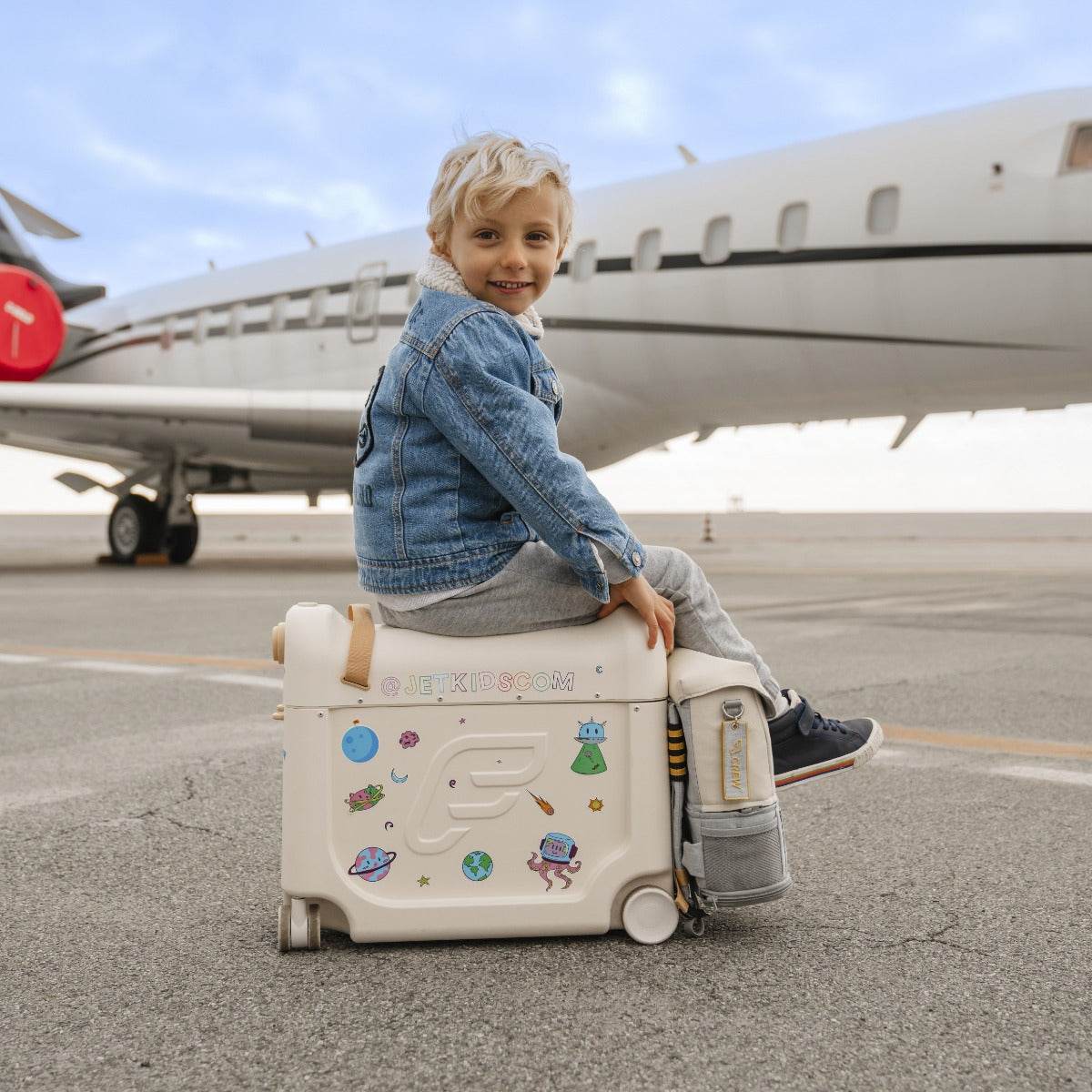
Stokke Jetkids Bedbox
to help them stretch out. Noise-cancelling headphones with soothing music or white noise can also help them relax. All this can help make the flight more comfortable so your little one can settle in for a nap or quiet time.
Problem: "Strollers are bulky, and it’s hard to juggle them with all my bags."
Solution: Opt for Flexible Travel Gear
While strollers are handy, they can be difficult to manage alongside your luggage. Consider a flexible and stylish option, like
a leopard print toddler carrier
, for hands-free convenience. This way, you can easily navigate tight spaces, keep your child close, and still have room to manage your travel gear.
Problem: "I’m feeling stressed and overwhelmed with everything I need to manage."
Solution: Be Prepared and Stay Flexible
Traveling with kids can be overwhelming, but being well prepared can help. Pack all the essentials in advance—including snacks and entertainment and create a to-pack list so you don’t forget last-minute essentials. Giving yourself extra time for check-in, security, and boarding, and staying flexible if things don't go as planned, can make all the difference.
When you have a carrier to keep your toddler close and calm, you’ll feel more in control. You can also more easily talk your little travel buddy through the new experiences you’re navigating and get them excited about the adventure to come.
Traveling through airports with kids doesn’t have to be stressful. With the right preparation and tools, you can turn the airport experience into an enjoyable part of your adventure. By staying organized and keeping your child close and comfortable, you'll set the tone for a successful trip. Embrace the freedom that comes with staying hands-free and enjoy a more relaxed journey for both you and your little one.
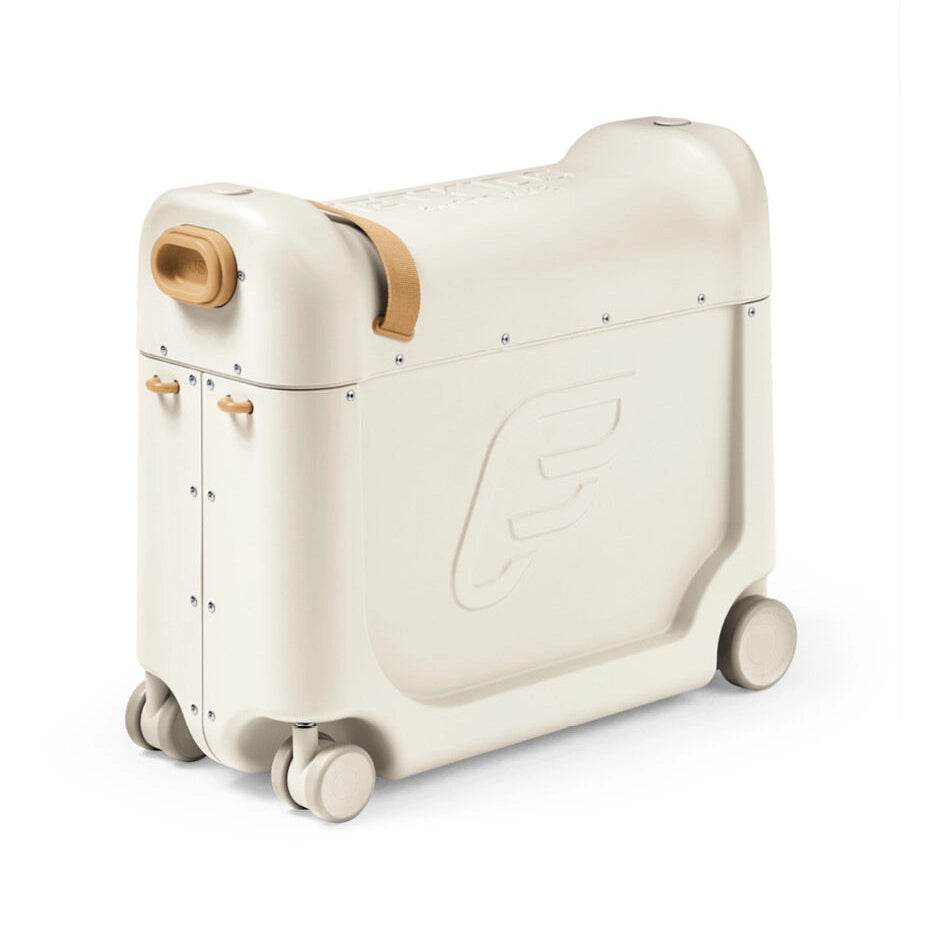
The BedBox™ in White colour is the world's only premium, ride-on suitcase for children with an in-flight bed or leg-rest feature. This travel essential combines Scandinavian style and aviation inspired design with practical features for the entire trip and allows your child to rest comfortably or sleep during long and short-haul flights. Fun and functional with ample storage, the BedBox™ holds your child’s must-haves.
Once packed, let your little one ride it (or pull it) through the airport terminal for stress-free travel. Once the seat belt sign is off, transform the BedBox™ from a suitcase into a bed in 5 simple steps. The ride-on suitcase is for children 3-7 years old, and the bed feature is best suited for children over 2 years old. Officially approved by many airlines.
In five simple steps, a standard economy seat is turned into a first class seat for children
A spacious carry-on size suitcase for children to ride on, be pulled along or pull themselves
Swivel wheels in front, for unique manoeuvring
Adjustable strap allows parents to carry over their shoulder
Practical top-opening to prevent items from falling out
The BedBox has been thoroughly assessed and approved by many major airlines - see the “Approved Airline List” under User Guides. Other airlines may not allow use of the bed feature - we recommend checking with your airline.
Whether it’s a family trip overseas or an afternoon at sports, JetKids by Stokke Crew Backpack is ready for every adventure. Now in a Limited Edition Mickey Mouse print!
Designed with Stokke’s signature attention to quality and function, this clever backpack combines comfort, safety, and durability in a size that grows with your child. The aviation inspired details, including detachable captain stripes and a pilot style clasp, add a fun touch that makes little travellers feel in command of their own journey.
Practicality comes built in – reflective fabric for visibility, a water repellent outer for any weather, and a pull out seat cushion for extra comfort. Padded shoulder straps and an ergonomic chest clip keep it sitting just right, no matter how full it gets!
Pair it with the Stokke BedBox for seamless travel, or use it solo for everyday adventures.
Lighten your load with the Wildride Toddler Carrier in Feathers colour, the stylish follow up to traditional front or back carriers. Perfect for short trips like school drop offs, supermarket runs, playground visits, or airports, it makes lifting and putting down your toddler effortless. Unlike traditional carriers, the Wildride allows you to scoop your little one up for a cuddle and put them down as soon as they’re ready to explore.
Designed in the Netherlands, this compact swing-seat style carrier is lightweight, easy to use, and keeps your child close without the fuss of fiddly straps.
Made from 100% cotton and small enough to fit in your handbag, yet sturdy enough to hold children up to 20kg.
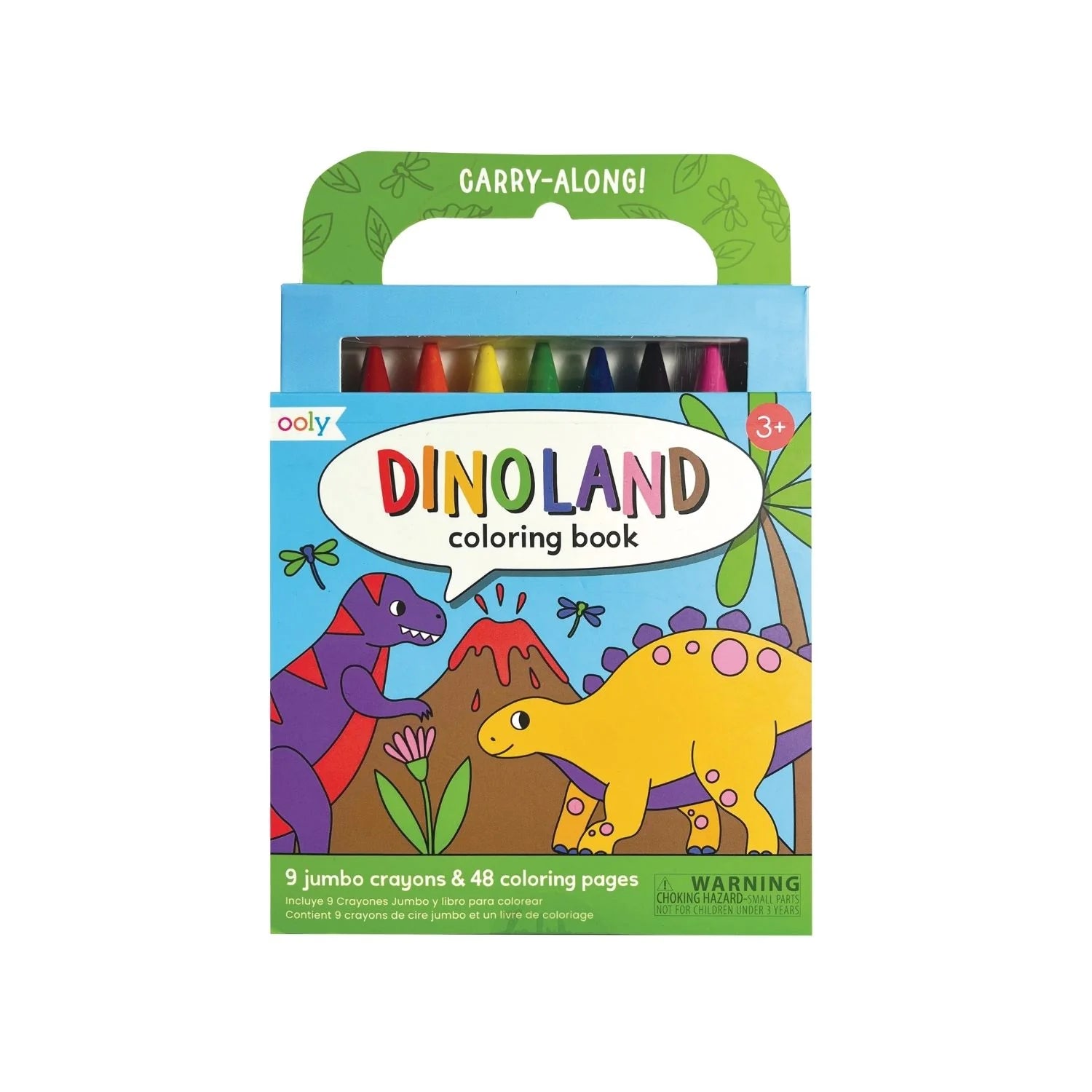
Let your little one become a color-a-saurus with this travel colouring set.
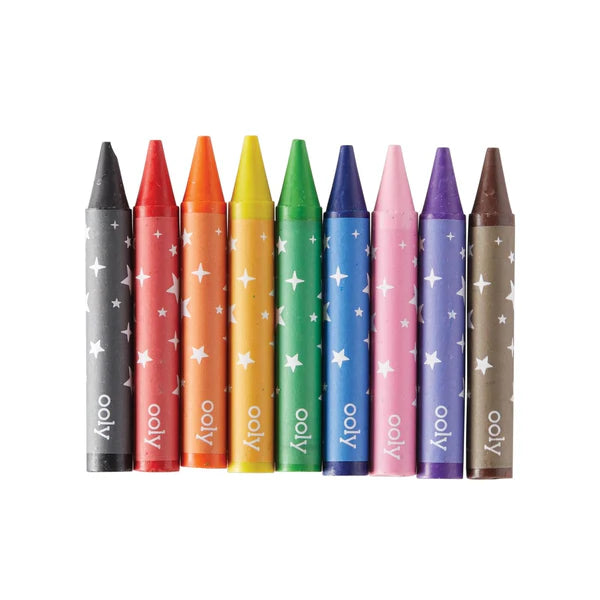
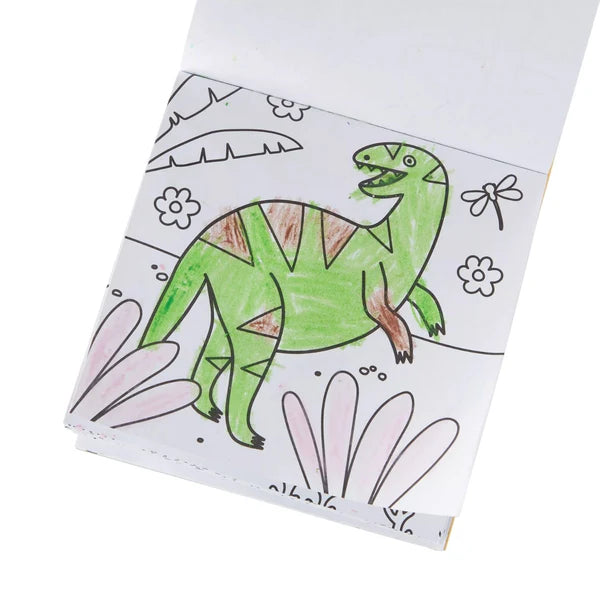
This smart set includes 9 jumbo crayons - perfect for little hands, and 48 dinosaur-themed colouring pages.
With everything you need packaged in a cute carry-along case, this travel colouring set will keep your child happily engaged while you’re busy and on-the-go.
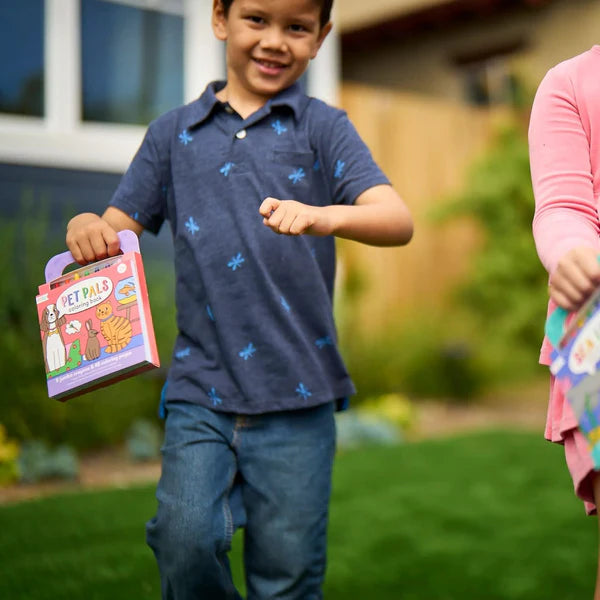
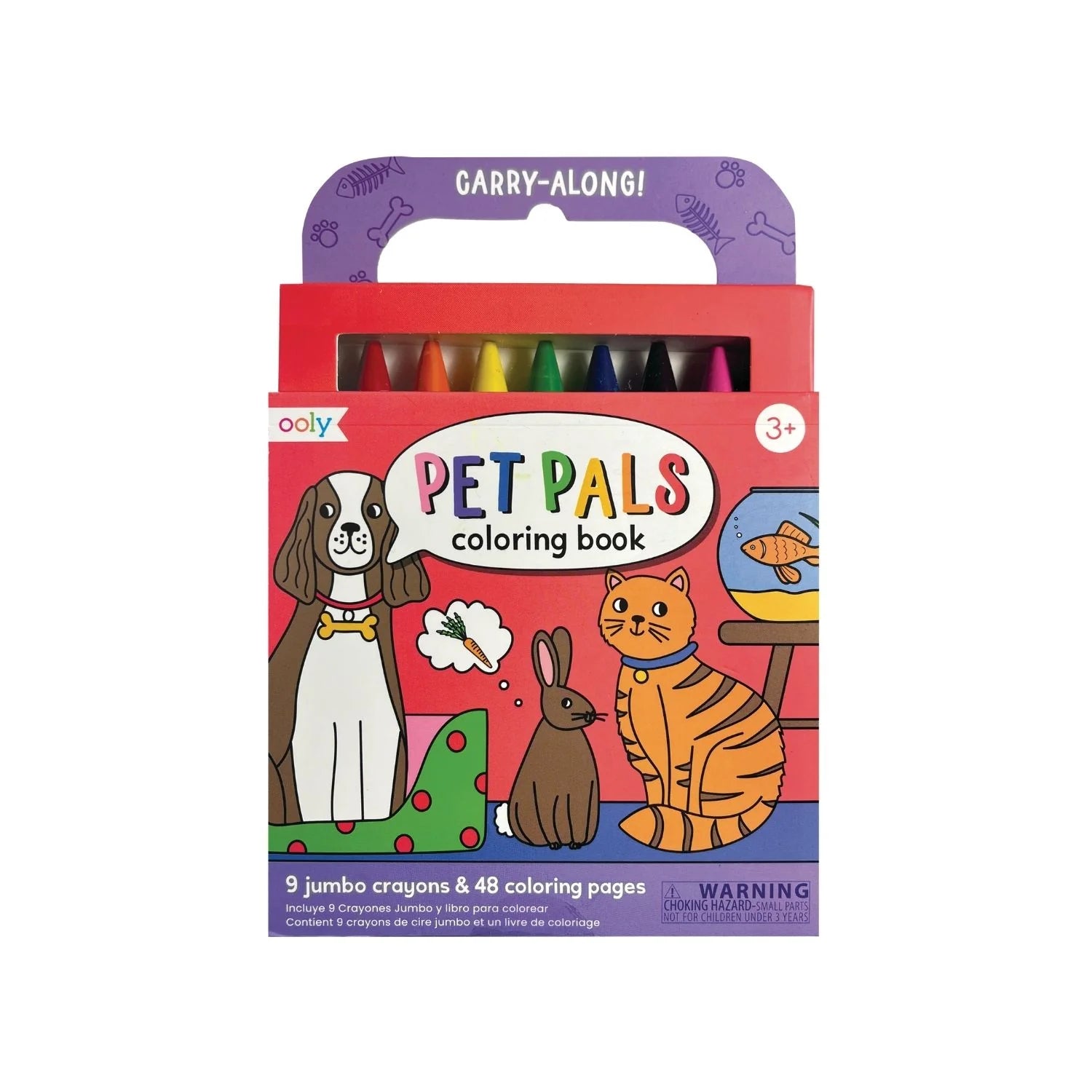
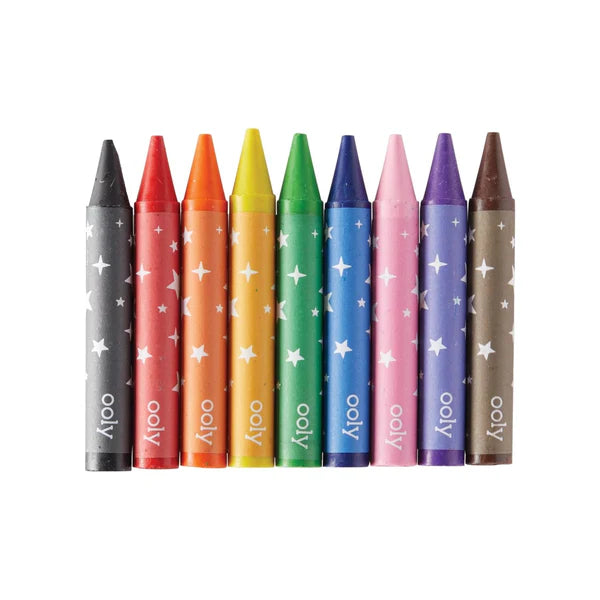
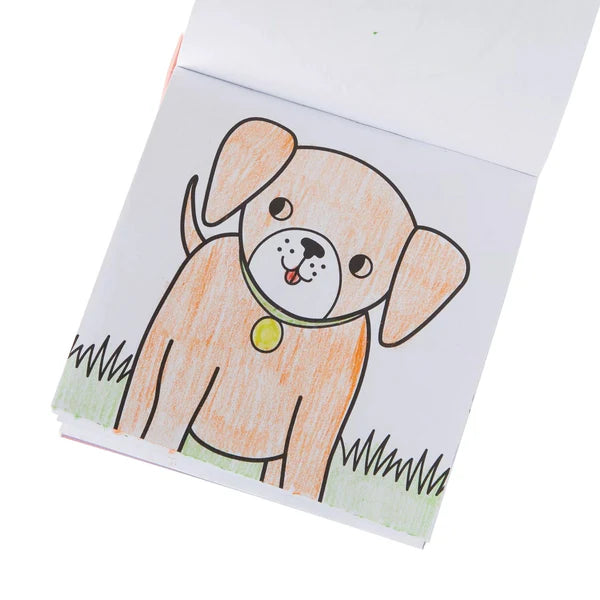
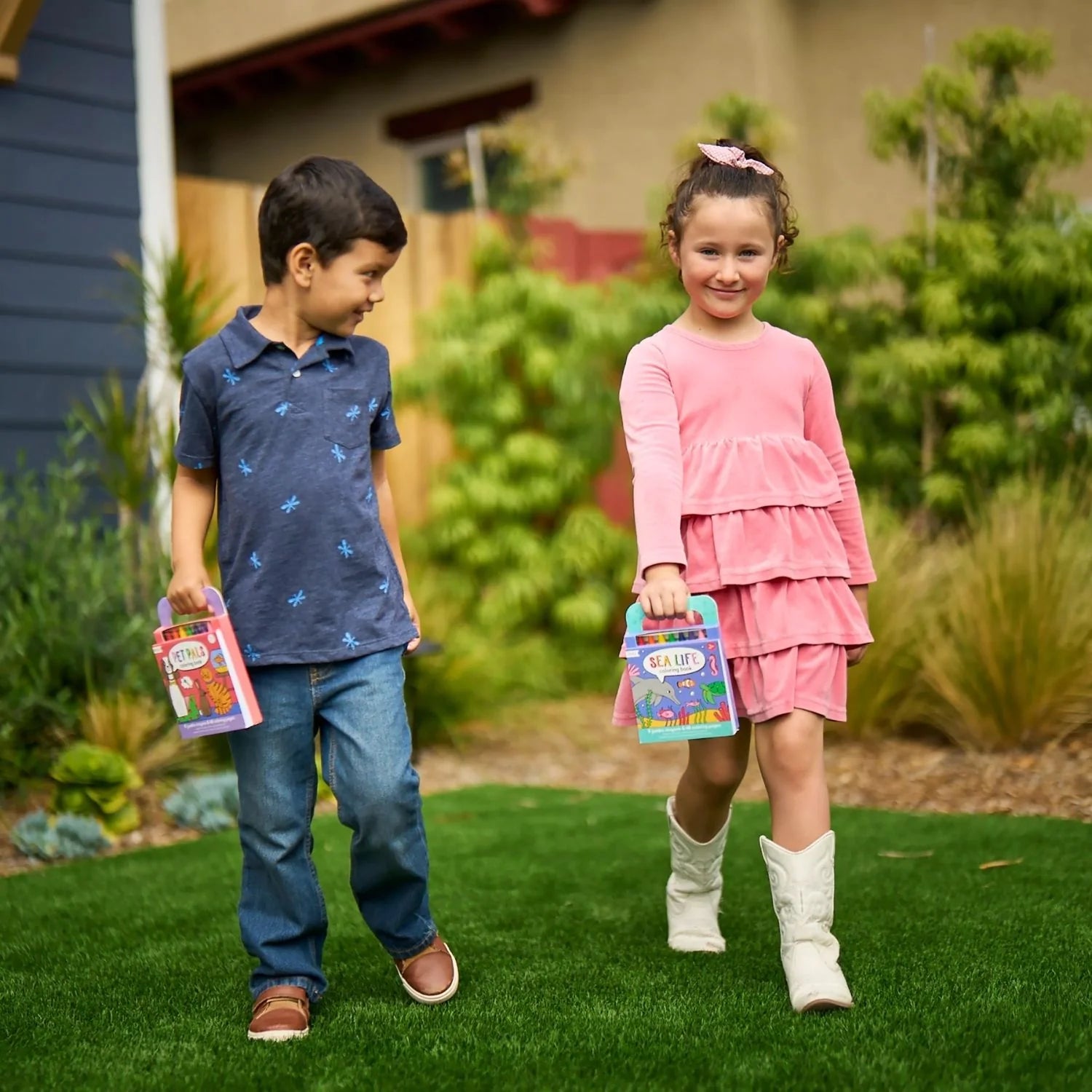
Designed for travel, the Pet Pals Carry Along Colouring Book Set will keep your little one content bringing these pet-inspired pages to life. Inside the convenient carry case are 9 jumbo crayons and 48 different colouring pages, each featuring a favorite four-legged family member or a friendly fish.
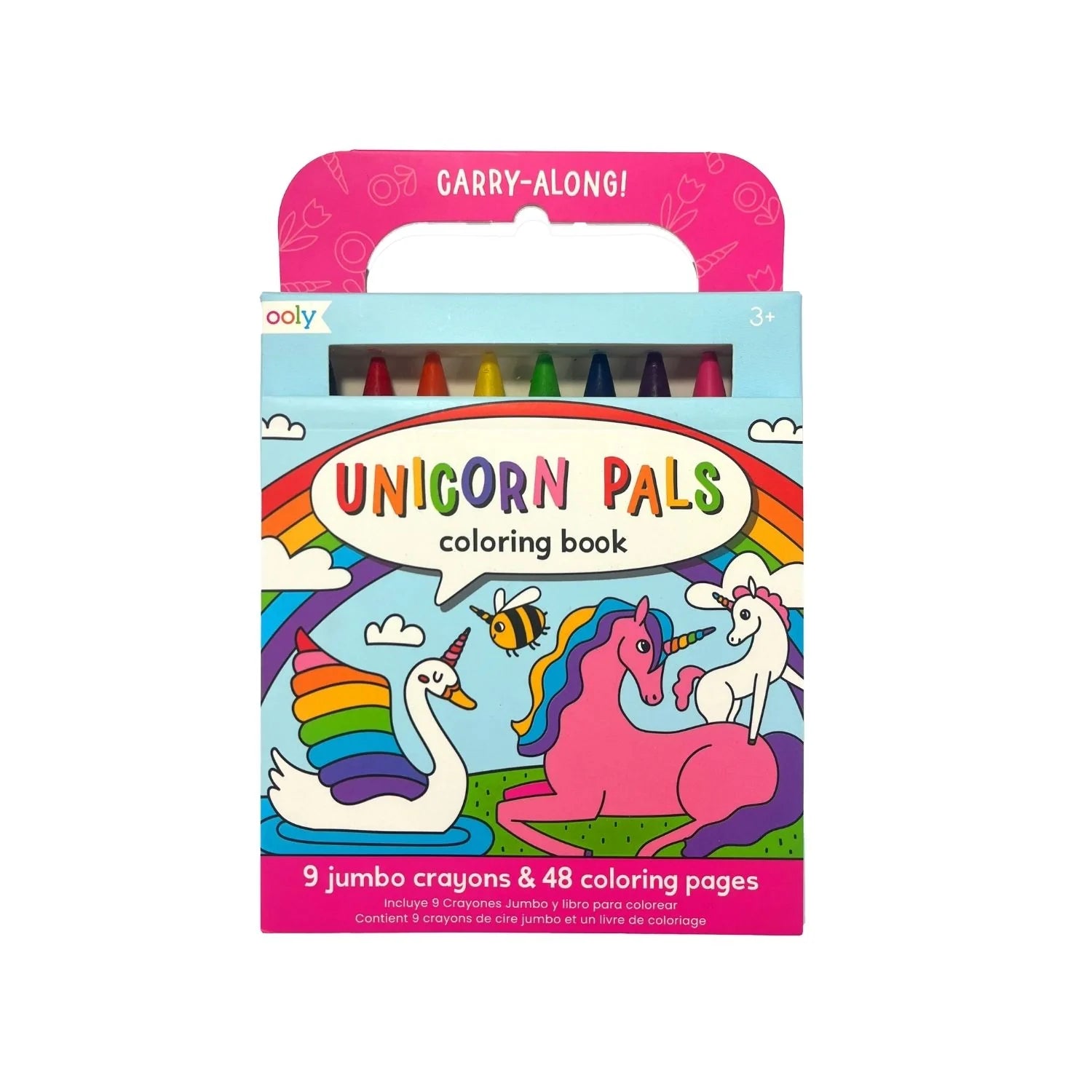
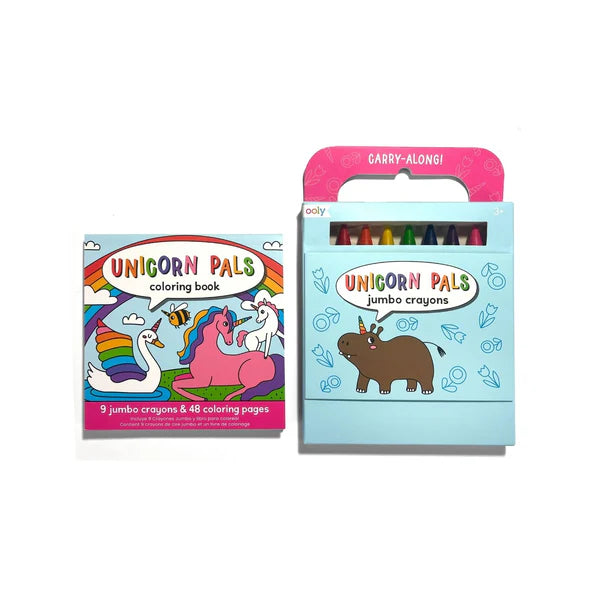
Some might argue that unicorns aren’t real (we like to think they are!), but what no one can disagree with is that this unicorn pals coloring book for kids is the perfect on the go and travel activity!
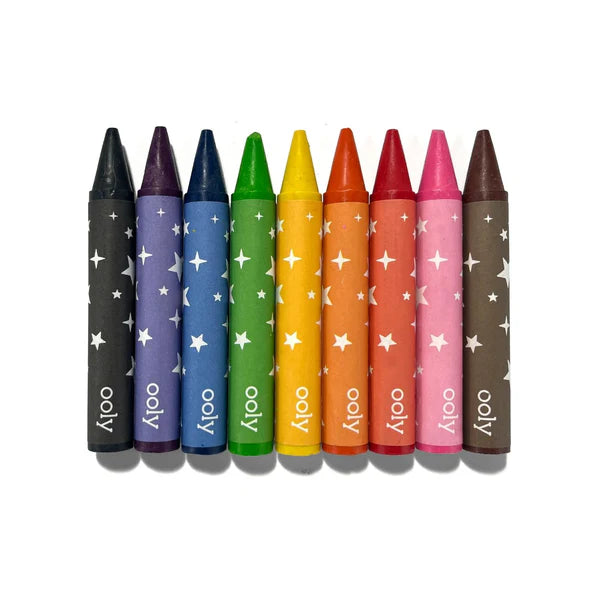
Designed with a take-along handle, this colouring set includes 48 pages of illustrations and 9 jumbo crayons - everything you need in one tidy package.
Now you can keep kids busy and happy no matter where they are. This small colouring book will delight any mythical creature-loving kiddo, with sweet designs that they can bring to life in their own unique way.
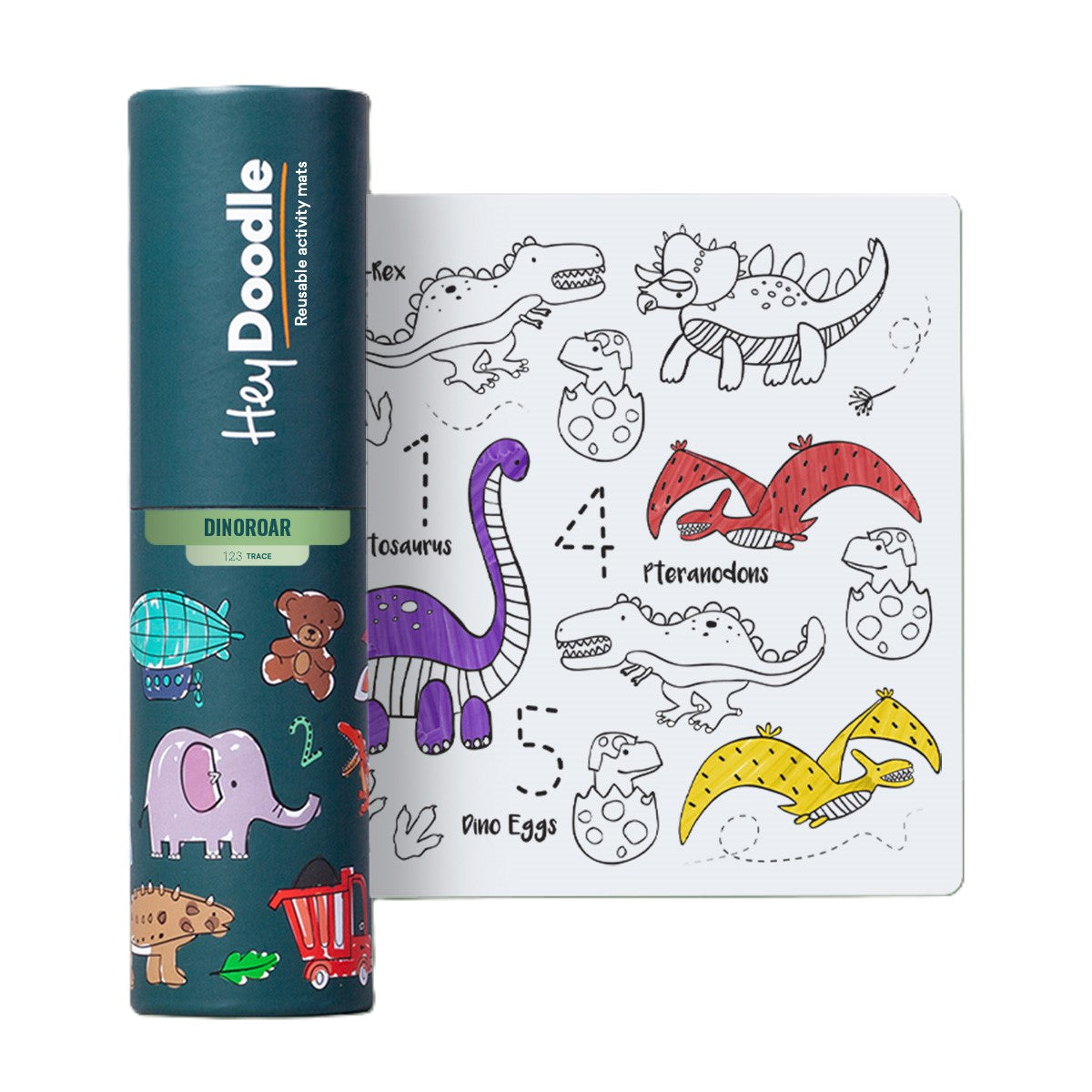
Roam through the prehistoric jungle with Heydoodle’s Dino Roar Reusable Silicone Colouring & Doodle Mat! This interactive mat invites little explorers to practice their counting skills while writing number figures and discovering hidden items on the mat. How many dinosaur eggs can you count? Can you hear the mighty roar of the dinosaurs as you identify and colour them in?
With every dino adventure, you’ll love how easily this mat wipes clean, ready for the next imaginative journey. Best of all, like all Heydoodle mats, it’s reusable, offering endless fun and learning!
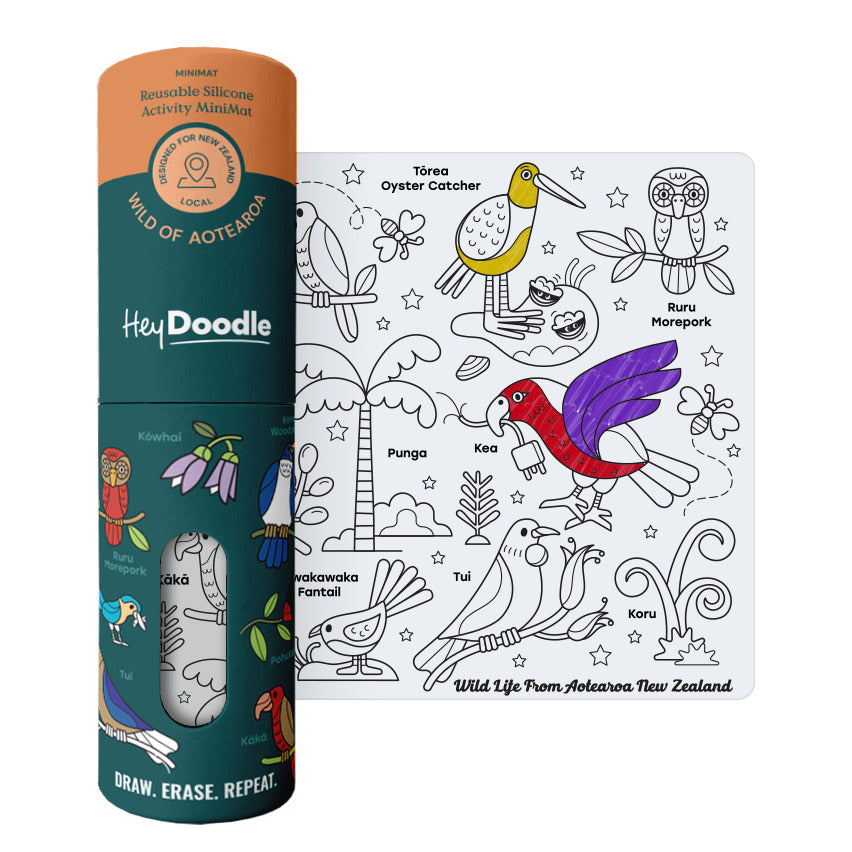
The HeyDoodle reusable silicone mini activity mat features a charming "Wild of Aotearoa" print, showcasing native animals of New Zealand. Perfect for creative play, this eco-friendly mat can be drawn on, wiped clean, and reused, making it a fun and sustainable activity for kids.
Travelling with Kids: Your Fun, Fuss-Free Guide
Heading off on a family adventure? Travelling with little ones can be full of magical memories – but let’s be honest, the planning and packing can feel a bit overwhelming. We’ve put together some handy tips and a comprehensive checklist to help make your trip smoother (and a lot more fun!).
Before You Go: Planning Ahead
Research your destination: Does your accommodation provide a cot, high chair, or other baby-friendly gear? Think about how you’ll get around too – will you need car seats or airport transfers?
Book smart: When booking flights, don’t forget the extras. Request a bassinet if needed, look for seats with extra legroom, and pre-order kids’ meals. Check your airline’s baggage policy and what baby gear you can bring.
Get your documents sorted: Make sure everyone’s passports are up to date (including baby’s – with at least 6 months’ validity). Don’t forget visas and any required immunisation records.
Getting There: In-Flight Tips
Arrive early: Give yourself extra time to get through the airport stress-free. Take advantage of priority boarding – it gives you a few bonus minutes to settle in before the crowd.
Ears and altitude: Offer a bottle or breastfeed during takeoff and landing to ease pressure on their ears. A pacifier or sippy cup can also help.
Keep boredom at bay: New toys or books they haven’t seen before can work wonders – try magnetic books, sticker books, or even a stack of post-it notes for endless sticking fun. Load up your device with baby-friendly apps or videos for those moments a toy just won't do.
Snacks, snacks, snacks: Pack food you know they love – and plenty of it! Snacks can be both fuel and entertainment.
Once You Arrive: Making the Most of the Holiday
Stick (loosely) to routine: Keeping to familiar nap and mealtimes can help your little one adjust. But travel rarely goes perfectly to plan, so go with the flow where you can.
Baby-proof your space: Once you get to your accommodation, do a quick scan of the room. Move anything hazardous out of reach so you can relax and enjoy your time away.
Stay cool and sun-safe: Keep fluids up and protect sensitive skin with sunscreen, sunhats, and breezy clothing – especially in tropical destinations.
Your Ultimate Packing Checklist (with links to products we love!)
Important Documents:
Passports and visas
Luggage ID tags (don’t forget to label strollers and baby gear too)
Travel insurance
Carry-On Essentials:
Nappies and wipes (pack more than you think you’ll need)
Disposable change mats - super handy for when you're on the go
Spare clothes for baby and you
Swaddle or blanket
Pacifier and a favourite cuddly toy
Snacks and meals
Bottles and formula (if needed)
Baby-safe hand sanitiser - we love this one from Paume
Toys and books
Tablet with headphones
Baby carrier for hands-free travel. Or a sling carrier for bigger kids
For older toddlers, consider the Jetkids Bedbox by Stokke – a ride-on suitcase that converts into an inflight bed!
Baby Gear & Equipment:
A compact travel stroller (like the YOYO) that fits in overhead lockers is a game-changer
Travel cot if your accommodation doesn’t provide one – bonus as it doubles as a play space!
For bigger kids, the Stokke Cloud Sleeper inflatable bed is a great option
White noise machine - we love the Yogasleep Hushh
Stroller fan for warm climates
Insect nets for cot and pram
Car seat – different countries have different rules, so it's very important to research ahead. We recommend the Maxi-Cosi Nomad for its light weight and compact size (suitable from approx. 15 months to 4 years)
Portable blackout blinds for the room, or even a stroller shade to help with daytime naps
Clothing & Accessories:
Weather-appropriate clothes, including wet bags for damp items
Sleep sacks (bring one your child is used to, and adjust for warmer/cooler climates)
Sun protection – sun hats, sunglasses, and lightweight layers
Feeding:
Bottles or sippy cups
Enough formula or food for the trip (plus some spares)
Bibs, burp cloths, and baby-safe detergent
Changing, Hygiene & Health:
Nappies and wipes (pack for a few days, then restock locally)
Sunscreen and insect repellent
Baby-safe medication, thermometer, and first aid basics
Travel-sized toiletries and nappy cream
Once you’ve nailed your list, save a copy for next time. A notes app on your phone works perfectly!
Bon voyage and happy travels with your mini adventurers! ❤️
Pack Smart, Travel Light, and Rest Easy
Travelling with little ones can feel like preparing for a major expedition – nappies, clothes, snacks, toys... and that’s before you even get to the sleep setup. But one item you’ll be glad you packed? A reliable travel cot. Whether you're visiting grandparents, staying in a hotel, or setting up camp at a bach, a quality portacot provides your baby with a familiar and safe space to sleep or play.
At Dimples, we’ve curated a selection of trusted travel sleep solutions to help make your trip smoother – because happy sleep = happier holidays.
Nuna Paal Playard + Bassinet
The Nuna Paal is a beautifully designed playard that grows with your baby. It starts as a cosy bassinet for newborns (up to 7 kg), then easily converts into a spacious play area for toddlers (up to 13.5 kg). Whether it’s nap time or playtime, the Paal provides a safe, comfy space for your little one.
Setting up is a breeze with the one‑hand pop‑open frame, and it folds neatly into a carry bag for easy storage. The breathable mesh sides ensure airflow and visibility, while the organic cotton sheet provides a soft resting surface. The zip‑open side panel lets you interact with your baby while they play. With sturdy aluminum framing, padded edges for safety, and a clip‑lock zip for extra security.
Nuna Sena Aire + Insect Net
The Nuna Sena Aire is your go‑to for stress‑free travel sleep. Light, compact and quick to set up (with just one hand!), it’s ideal for busy parents on the move.
Its clever zigzag frame folds down easily, packing neatly into one bag with the mattress wrapping right around it. With 360° ventilation (mesh sides, floor and mattress) and Nuna’s Advanced Air Design, your baby stays cool and comfortable – perfect for warmer climates.
Use the zip‑on bassinet for newborns, then remove it to create a secure playpen for toddlers (up to 15 kg). An organic cotton sheet is included.
Pair it with the Sena Insect Net to keep bugs away while keeping airflow unrestricted. The zip opening makes check‑ins quick and easy.
Journey 2-in-1 Travel Cot
The Journey 2-in-1 Travel Cot is a smart, adaptable sleep solution that grows with your baby. Use it as a bassinet from newborn to 6 months (up to 9 kg), then convert it into a full-size cot for toddlers up to 2 years (15 kg).
It features a Safer-Sleep Certified mattress, the first of its kind in a travel cot – breathable, firm, and approved for overnight use. Full mesh sides provide airflow and visibility, while the bamboo-fibre mattress cover offers a soft, cool sleeping surface.
Parents will love the built-in storage pockets, quick fold, and included insect net – ideal for travel or outdoor naps. Everything packs into a convenient backpack-style carry bag for easy portability.
Sleeping on Holiday: Light and Darkness
Getting your little one to nap in an unfamiliar space can be tricky – especially if the room is too bright or stimulating. Here are two travel‑friendly options that help create the ideal sleep environment:
Blackout Shade for PortacotsThis clever universal Snooze Shade blocks out up to 94% light and fits snugly over the Nuna Sena (and other portacots), creating a dark, cosy space that helps your baby nap well—even during the day or in shared rooms.
Blackout BlindsThe Purflo Total Eclipse Portable Blackout Blinds are made from 100% blackout fabric, and blocks out light completely. With an innovative suction fastening system, it attaches securely to most windows without drilling or adhesives. It’s adjustable to fit different window sizes and folds neatly for easy storage or travel. Perfect for home or on the go - an effective solution to help little ones sleep soundly, wherever they are.
Travelling with a baby or toddler doesn’t have to mean disrupted routines and sleepless nights. With the right sleep setup, you can enjoy the adventure—and get the rest you need.
At Dimples, we’ve got everything you need to make travel easier—so you can focus on creating special memories together.
Breastfeeding Made Easier: Tips for Common Challenges
Before your baby arrives, it's easy to imagine that breastfeeding will happen instinctively. While that can be true for some families, it's perfectly normal if it takes a little longer to find your rhythm.
Many new mums experience challenges like sore nipples, engorgement, latch difficulties or concerns about milk supply in those first few weeks. If that sounds familiar, you're certainly not alone.
At Dimples, one of the things we hear most often is, "I thought breastfeeding would just come naturally." The reality is that for many mums, it takes a little time, plenty of patience, and the right support.
Thankfully, many breastfeeding challenges are only temporary, and with the right guidance they often become much easier to manage.
If you decide to supplement or switch to formula, that's okay too. A fed baby and a supported mum are what matter most. But if breastfeeding is something you'd like to continue, know that many mums find things improve with time, patience and the right support.
You've got this.
Here’s a gentle guide to some of the common hurdles and how to help overcome them:
1. Engorged Breasts
A few days after giving birth, you may notice your breasts suddenly feel hard, heavy, warm, and tender as your milk comes in. Although it can feel quite uncomfortable, this is a completely normal part of your body adjusting to your baby's feeding needs.
The good news is that engorgement is usually temporary. As your milk supply begins to regulate and your baby establishes a regular feeding pattern, the fullness will often settle.
What can help
Feed your baby regularly, even if it's only for a short time.
If your breasts are too full for your baby to latch comfortably, try hand expressing a small amount of milk first to soften the breast.
A cold compress after feeds and gentle massage can also help relieve discomfort.
💛 A favourite with our team: Many mums find the Bare Mum Hot + Cold Breast Therapy Packs incredibly soothing. Warm them before feeding to help encourage milk flow, or chill them afterwards to reduce swelling and ease discomfort.
And here's a little old-school wisdom that's been passed between mums for generations: chilled cabbage leaves tucked inside your bra between feeds have long been used to help soothe engorgement. It might sound unusual, but plenty of mums still swear by it!
2. Latch Issues
A little tenderness during the first few days of breastfeeding is common, but ongoing or severe pain isn't something you should simply put up with. A painful feed is often a sign that your baby isn't latching deeply enough, making feeding uncomfortable for you and less effective for them.
What can help
Try encouraging your baby to open their mouth wide by gently brushing your nipple against their upper lip. Position them with their nose level with your nipple and bring your baby to your breast, rather than leaning towards them. A good latch usually means your baby's mouth is wide open, their chin is pressed into your breast, and your nipple sits comfortably towards the back of their mouth.
If breastfeeding is still painful after the first week or two, or your baby continues to struggle with latching, it's worth reaching out to your midwife or a lactation consultant. Sometimes a simple adjustment, or identifying something like a tongue tie, can make all the difference.
3. Cracked or Bleeding Nipples
Sore or cracked nipples are very common in the early weeks of breastfeeding. They can be caused by a shallow latch, frequent feeding while your skin adjusts to this new rhythm, or even overuse of your breast pump.
What can help
Applying a nourishing nipple balm after every feed can help soothe and protect the skin, while hydrogel pads can provide instant cooling relief for particularly sore nipples.
One combination our team often recommends is Pure Mama Nipple Butter together with Silverette Cups. The nipple butter helps moisturise and soothe damaged skin, while the Silverette Cups protect sensitive nipples between feeds, allowing them to heal naturally.
If your nipples aren't improving after several days, it's important to have your baby's latch assessed, as treating the cause is just as important as treating the symptoms.
4. Low Milk Supply
Worrying about milk supply is incredibly common, especially during the first few weeks when your baby may seem to want to feed constantly. The reassuring news is that frequent feeding, cluster feeding and night waking are all normal behaviours and don't usually mean you're not producing enough milk.
True low milk supply is less common, but if your baby isn't gaining weight well or has very few wet nappies, it's important to speak with your midwife, GP or lactation consultant.
What can help
If your healthcare provider is happy that everything is progressing normally but you'd like to naturally support your milk supply, try feeding frequently, pumping between feeds if appropriate, drinking plenty of water and eating a balanced diet.
Many mums also enjoy adding lactation cookies or a lactation blend to their daily routine. While they're not a guaranteed way to increase milk supply, many mums enjoy them as part of their breastfeeding routine alongside regular feeding, good hydration and a balanced diet.
Shop our lactation support range here
5. Inverted or Flat Nipples
You may never have paid much attention to the shape of your nipples before breastfeeding, but flat or inverted nipples can sometimes make it more difficult for your baby to latch.
The good news is that many mums with flat or inverted nipples go on to breastfeed successfully.
What can help
Speak with your midwife or a lactation consultant, who may recommend using a nipple shield or expressing a small amount of milk before feeding to gently draw the nipple out.
6. Blocked Ducts
A blocked milk duct often feels like a tender lump beneath the skin and usually occurs when milk isn't draining effectively. This can happen if you've missed a feed, your bra is too tight, or your breast hasn't emptied fully.
What can help
Continue feeding regularly, particularly on the affected side, to help keep milk moving. Applying warmth before feeding and gently massaging the area towards the nipple can also help encourage the blockage to clear. Most blocked ducts resolve within a day or two but if you are experiencing alot of pain and unable to breastfeed, please see your GP.
7. Mastitis
Sometimes a blocked duct can develop into mastitis, or bacteria can enter through cracked skin, leading to a breast infection. Mastitis often causes flu-like symptoms, including fever, chills and body aches, along with a painful, red area on the breast.
What can help
If you think you may have mastitis, it's important to see your GP promptly, as antibiotics are often needed.
Although feeding may feel uncomfortable or sore, continuing to breastfeed or express milk can actually help speed up recovery by keeping the breast well drained. Warm or cool compresses between feeds may also provide some relief.
💛 Don't try to push through - Many mums think they can "tough it out", but mastitis really needs medical treatment. The sooner you seek help, the quicker you'll usually recover.
You Are Not Alone - and You're Doing an Amazing Job
If there's one thing we'd love every new mum to know, it's this: asking for help is a strength, not a weakness!
For over 30 years, we've had the privilege of supporting hundreds of New Zealand families through pregnancy, newborn life and beyond, and we've learned that almost every breastfeeding journey is different, and has its own ups and downs.
And if, despite your best efforts, breastfeeding doesn't work out the way you'd hoped, that's okay too. Whether you breastfeed, formula feed or combine the two, what matters most is that your baby is fed, loved and thriving.
Be kind to yourself, trust your instincts, and don't be afraid to lean on your midwife, GP, lactation consultant or the people around you. Sometimes the right support is all it takes to help you find your confidence.
❤️
Shop our full range of breastfeeding support and essential items here
Choosing the Right Bottle & Teat for Your Baby
A Practical Guide to Finding the Right Bottle Feeding Setup
We’ve been helping families for many years now, and a question we are always asked by new parents is “Which is the best baby bottle?” - and while we wish there was a one size fits all answer to this question, the reality is that there isn't one perfect bottle for every baby. The best baby bottle is the one that suits your bub's feeding style, comfort, and stage of development, while also fitting your family's routine and preferences.
Finding the right bottles and teats can sometimes feel overwhelming. With so many options available, from anti colic bottles and wide neck designs to glass, silicone, and plastic bottles… it's natural to wonder which choice is best for your baby.
In this guide, we'll help you understand the different bottle and teat options so you can find a feeding setup that feels right for your baby and your family.
How to Choose the Best Baby Bottle
When comparing baby bottles, start by thinking about your baby's feeding needs rather than focusing on brands or features.
Newborn? Look for slow flow teats and easy to clean bottles – you’ll likely be using up to 12 bottles a day in those very early stages!
Breastfed or mixed feeding? Wide neck bottles and breast shaped teats can help support a natural latch.
Experiencing wind or reflux? Anti-colic bottles will help reduce swallowed air.
Need something practical for everyday use? Lightweight plastic bottles are often a great choice.
Looking for a long term option? Glass bottles are durable and long lasting.
Choosing the Right Bottle MaterialDifferent bottle materials offer different benefits, but there isn't a single right choice.
Bottle Type
Best For
Things to Know
Plastic
Everyday use
Lightweight and practical
Glass
Durability
Easy to clean but heavier
Silicone
Mixed feeding
Soft and flexible
💛 Dimples Tip: Something we often tell parents is not to overthink the bottle material too much. Most babies will adapt well to different bottle types, so it's often more about what works best for your family and feeding routine.
Bottle Shapes at a Glance
Standard Bottles - A simple, reliable option that works well for most babies.
Wide-Neck Bottles - Easier to fill and clean, and often preferred by families combining breast and bottle feeding.
Anti-Colic Bottles - Designed to reduce the amount of air swallowed during feeding.
💛 Something we get asked a lot at Dimples: "Are anti colic bottles really worth it?" For babies who experience wind, gas, or reflux, or even for as a preventative method – yes! We know many parents who have found they make feeding more comfortable and reduce post feed fussiness.
Explore our bottle range here
Explore our Infant and Toddler Formula range here
Best Bottles for Breastfed Babies & Mixed Feeding
Another common question we hear at Dimples is:
"What's the best bottle for a breastfed baby?"
While every baby is different, wide-neck bottles with soft silicone teats are often a great place to start. When introducing a bottle to a breastfed baby, look for:
Wide teats that encourage a natural latch
Slow flow teats that mimic breastfeeding
Soft silicone teats with a familiar feel
Bottles designed to support mixed feeding
Many parents also find paced bottle feeding helpful, as it encourages babies to feed at a rhythm that's closer to breastfeeding. You can learn more about paced bottle feeding here.
Shop bottles suitable for mixed feeding
Choosing the right teat flow can make feeding feel calmer and more comfortable for your baby.
For newborns and younger babies, a slow flow teat is usually the best place to start. This helps milk flow gently and steadily, giving your baby time to feed at their own pace.
As your baby grows and becomes more confident with bottle feeding, they may be ready for a medium or faster flow teat. Age guides can be helpful, but your baby's feeding cues are often the best sign.
The flow may be too fast if your baby is coughing, spluttering, gulping milk, leaking milk from their mouth, or becoming unsettled during feeds.
The flow may be too slow if your baby seems frustrated, takes a very long time to finish a bottle, or often falls asleep before finishing their feed.
💛 Another common questions we are asked: "When should I move up a teat size?" The answer is usually based on your baby's feeding cues rather than just their age alone.
Shop our teat range here
Cleaning, Sterilising & Bottle Care
Keeping bottles and teats clean is a very important part of bottle feeding. Wash bottles and teats thoroughly, replace worn teats when needed, and sterilise bottles up until your baby is approximately 12 months old.
A few simple essentials can make life easier:
Bottle sterilisers
Bottle warmers
Bottle brushes
Drying racks
Feeding bibs
Shop bottle cleaning and sterilising essentials here
Frequently Asked Questions about Bottle Feeding
What bottles are best for newborns?
Most newborns do well with bottles fitted with slow flow teats. Anti-colic designs can also be helpful for babies prone to wind or reflux.
What bottle is best for a breastfed baby?
Wide-neck bottles with soft silicone teats are often a great option for supporting mixed feeding and encouraging a natural latch.
Are anti-colic bottles worth it?
For babies who swallow excess air while feeding, anti-colic bottles may help reduce wind, gas, and feeding discomfort.
How do I know if teat flow is too fast?
Look for coughing, spluttering, milk leaking from the mouth, or your baby struggling to keep up with the flow.
Glass vs plastic baby bottles: which is better?
Both are excellent options. Plastic bottles are lightweight and practical, while glass bottles are durable, easy to clean, and resistant to staining.
Finding the Right Feeding Fit for Your Family
Every baby is different, and finding the best baby bottle often involves a little trial and error.
Trust your baby's cues, be kind to yourself, and remember that there's no single "right" choice. What matters most is finding a feeding setup that feels comfortable for both you and your baby.
💛 A final note from our team: We've helped hundreds of New Zealand families navigate bottle feeding over the years, and if there's one thing we've learned, it's that every feeding journey looks a little different. You're doing a great job.
Shop our full range of baby bottles, teats and feeding essentials