


Very Berry Splash - Kids Hydration Powder
Very Berry Splash - Kids Hydration Powder
SKU:MINIBERRY
In stock
Couldn't load pickup availability
Overview
Overview
Keep little ones refreshed with Very Berry Splash, a delicious berry-flavoured hydration drink made especially for kids. Created with real fruit and gentle electrolytes, this clean hydration powder supports everyday wellness without the sugar overload or artificial ingredients found in many juices and sports drinks. Simply add water and shake to create a naturally tasty drink that is perfect for school lunches, sports days, and active play.
Designed for growing bodies, Very Berry Splash offers a lower sugar hydration option made with carefully selected ingredients including organic fruit powders and coconut water powder. Free from artificial colours, flavours, and sweeteners, it delivers a refreshing taste kids love while giving parents peace of mind. Easy to prepare and ideal for toddlers from 2 years onwards, school-aged children, and teens, it is a healthier alternative to sugary drinks and a simple way to encourage better hydration every day.
Key Features
Key Features
Technical Specification
Technical Specification
User Guide
User Guide
Delivery and Returns
Delivery and Returns
- Delivery: Free within NZ on orders over $130 (excluding bulky items) or $8 standard shipping
- Returns: Accepted within 14 days of receipt with proof of purchase
- Some items are excluded from returns including sale items, hardware, car seats, prams, monitors and personal items - please click here for the full list.
Share this product
Recently Viewed Products
Related Blogs
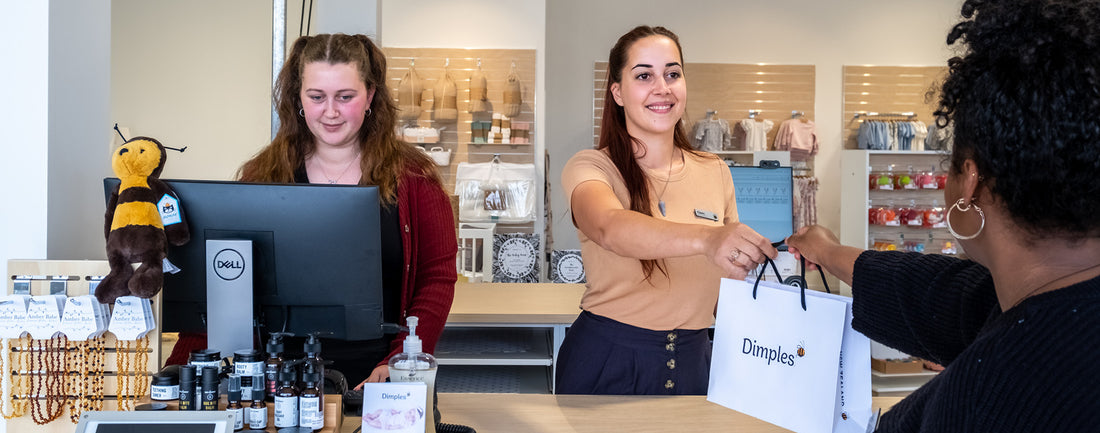
Introducing Our Virtual Shopping Service
As a busy parent it can be hard to find the time to get out to the shops. Or perhaps you’re in hospital post-birth and realise you need some more essentials in tiny sizes. Of course there’s always the option to shop online, but sometimes that just doesn’t cut it. Perhaps you want to see a product in action, or ask a question, or get advice . . . You can now book in to have a video call with our in-store team. They can show you close ups, give you a demo or help you choose when you’re confused by all the options. It’s the perfect option for busy parents. And we’ve made it easy with an ONLINE BOOKING SYSTEM . Book a Virtual Shopping Appointment Here's why our virtual shopping service is a game-changer: Personalized Assistance: Need help finding the right stroller, cot, or baby monitor for you? Our team of knowledgeable experts can help. Virtual Tours: Explore our store virtually with guided tours led by our experienced staff. From nursery furniture setups to the latest babywear arrivals, our virtual tours give you an immersive shopping experience without leaving your home (or birthing unit). Shop with confidence: Once you've made your selections, you’ll have the peace of mind to buy online. Then you can have your purchase delivered to your door or arrange a Click & Collect. Whether you're a first-time parent or a seasoned pro, we're here to make your parenthood journey a little bit easier. Embrace the convenience of our virtual shopping service and enjoy a stress-free shopping experience like never before.
Learn more
Healthy Eating - Kids in the kitchen
Kids in the kitchen – building a foundation of health I am hugely passionate about building a strong foundation of health for children, so that they don’t spend a large chunk of their lives attempting to undo bad habits or with chronic health conditions. One really impactful way to do this is to teach them how to cook nutritious home cooked meals from scratch. This builds confidence in the kitchen and is an incredibly valuable life skill to have so that when they eventually leave home they know how to cook and won’t need to rely on takeaways and nutritionally poor foods. It is also a really nice way to mindfully spend time with your children in a way that is really fun for the whole family. There is continually more emphasis being placed on the importance of teaching children to eat healthy nutritious foods, due to the prevalence of childhood obesity, the behavior and learning implications of nutritional deficiencies and obesity related health issues. Did you know that one in nine of our New Zealand children are classified as being obese? Our childhood obesity rates really highlight the importance of education for children about nutrition and how to cook homemade meals. As a parent it is often a battle to get children to eat healthy foods, they are inundated with advertising and clever marketing that promotes and encourages less than ideal foods, such as sugar laden cereals and juices with their favorite cartoon characters, or sports heroes on the packaging. It is everywhere you look, and in our busy modern society takeaways have become the norm and not just a treat anymore. As a busy mum of four myself I have felt plenty of mum guilt at times for looking for easy meal options that aren’t as nutritious as I would like out of time constraints and food preferences of my children. Thankfully now I have a far less idealistic view on nutrition for my family and realise that there is no such thing as being the perfect Mum and that it is perfectly healthy for families to also have treat foods, and to enjoy them occasionally without guilt while ensuring majority of the time they are eating well. Teaching my own children, and others at a local primary school how to cook different meals has been a really rewarding experience. Children love to learn through ‘doing’ and are far more receptive to trying new foods when they are involved in the cooking process. One of my favorite things to do it to write a list of their favorite foods, this is very predictable with kids and generally consists of pizza, burgers and fries then discuss how we can make these foods at home and what we can do to add in extra nutrients. For example, Pita pizzas with different herbs, vegetables and homemade pizza sauce, burger patties with mince and grated vegetables, hand cut and oven baked kumara fries etc. You can make this really fun by making a recipe together, formulating a shopping list and letting them help find the ingredients, my three-year-old loves this! There are so many great cookbooks and websites that offer great ideas and tips these days. Some of my favorites include. A great resource for all things vegetables including nutritional information, preparation tips, and educational resources https://www.vegetables.co.nz/ A great resource of recipes & children’s goal setting charts for healthy eating https://www.healthykids.org.nz/ A personal favourite for lots of delicious kid friendly nutritious recipes would have to be Nadia Lim’s Kid section on her website https://nadialim.com/?sfid=974&_sft_meals_courses=kid-friendly For my older boys one activity that they really loved from around the age of five was picking a country, then looking for one of their traditional dishes and cooking it. The most loved one that was often repeated was Mexican fiesta night with tacos, pepitas and guacamole. This is a really fun way to get children in the kitchen and trying new foods. I have also found meal subscriptions like HelloFresh great for the older kids as everything they need including a simple recipe card is all included. They get really excited when they are making dinner themselves and it creates a huge feeling of accomplishment in them and also as a mum! Other skills that are strengthened when it comes to cooking with children include basic maths in younger children through counting and measuring. This also builds communication and language skills by discussing ingredients and recipes. Pre-schoolers are well known for being fussy eaters, encouraging them to explore different foods and textures by involving them in meal time preparation can really help to broaden their palate. You can also talk about how healthy foods help us to grow and the differences between different foods such fruits and vegetables, or for older children carbohydrates, protein and fats. This can also be a great time to explore mindful eating by engaging the difference senses during food preparation. Exploring the different appearances, textures, smells, tastes and sounds of food, exploring this is a wonderful way to be engaged for children and parents Most importantly have fun with it, you’re teaching your children an incredibly important life skill that will benefit them for years to come, instilling independence and not to mention eventually some time out from cooking yourself – win,win! Kylie Stowe @melawholefoods Pita Pizza Serves 4 This is a firm favorite amongst my children and was also one of the most loved in my kids cooking & nutrition classes. It is really fun to head to your local farmers market on the weekend and let the kids pick some different ingredients to try, it is also a great way to learn about the different seasons when different produce is available. The recipe below is for a basic pita pizza as a guide but have fun with this and let the kids build their own and try new things. Ingredients - 4 wholemeal pita - 4 tbsp of tomato paste - 2 handfuls of basil leaves - 16 cherry tomatoes - 1 sliced smoked chicken breast - 1 sliced capsicum - 1c of mozzarella cheese Method 1. Preheat the oven to 180c fan bake, and line a baking tray with baking paper. 2. Place the pita bread on the tray, top with tomato paste, then basil. Equally arrange the other ingredients on the pita. Top with cheese. 3. Bake for 10 minutes, or until golden. Enjoy! These are really nice served with salad.
Learn more
A mindful approach to family meal times
Written by Kylie Stowe www.nourishedclinic.co.nz In today’s busy modern society, the importance of sitting down together as a family at meal times and eating together and sharing about your day is a lost tradition for many. It is instead often a time that is busy, chaotic, and full of distractions with parents and children eating dinner at different times. There has been a plethora of research conducted around the benefits of family meal times, these benefits are said to include reduced rates of obesity, that adults tend to eat more slowly and often consume less food because they are engaged with other family members and discussion. This leads to less fast-paced mindless eating, chewing food adequately, and time for satiety ques to signal you are full more effectively. Something as simple as slowing down at meal times and chewing food effectively is an incredibly powerful health habit as this allows for the first phase of digestion to happen more efficiently. Cephalic phase digestion, meaning ‘of the head’ occurs at the sight, smell and taste of food and results in the excretion of approximately 20% of the gastric secretions required for digesting foods. Being mindful to slow meal times makes a huge difference in allowing the body adequate time for `these digestive phases to take place, chewing food is an incredibly important part of this process as it not only begins the mechanical breakdown of food but allows foods to be effectively mixed with saliva that is full of enzymes required to break down and digest foods. As a busy mum of four myself, I admit at times that when dinner rolls around at the end of a long day it feels like a chore, and can feel like a ‘job’ that I just want to be over as fast a possible. I have become aware that when I approach meal times in this way I end up feeling more stressed and don’t take the time to cook meals that are as nutritious as I would like, often resulting in me feeding the kids first which almost always leaves them not eating much of their dinner. My kids also don’t wind down as well when we approach meal times in this way and can easily flow on to a more challenging bedtime. In contrast, when we cook and eat together as a family, I usually feel less stressed, my children feel a sense of pride in having helped, and because I have put more thought into that meal time its generally a nutritionally superior meal. I almost always find the kids will eat more of their dinner and be far less fussy when meal times are approached in this way. I also notice my children are more relaxed at bedtime when we have had a relaxing family dinner together also. The research has also indicated that eating together builds stronger family relationships as it allows you all to come together and discuss your day, and feel connected and heard which helps to build a stronger sense of belonging which is thought to build self-esteem. Children learn through an example so role modeling good eating habits and table manners provides a great learning opportunity. As I always say aim for progress, and not perfection when it comes to health, if family meal times are not something that you currently do often in your house aim to implement a day a week and build on that. Don’t let it be a source of stress or guilt but instead a new fun tradition to start as a family. In my next blog, we will take a look at fun ways to get kids in the kitchen to teach them the valuable life skill of cooking. Kylie Stowe www.nourishedclinic.co.nz Veggie-loaded meatballs with salad and kumara wedges Serves 4 Meatballs 400 grams of prime minced beef 1 grated carrot 1C of thinly sliced baby spinach 2 cloves of crushed garlic 1 egg 4 TBSPof grated parmesan 2 TBSPof almond flour 1 tin of Ceres Organics Cherry Tomatoes Handful of freshly chopped thyme Kumara wedges 4 small kumara cut into chunky wedges Drizzle of olive oil Seasoning Side salad 4 cups of salad greens 1C of halves cherry tomatoes 4 TBSP of toasted pumpkin seeds 4 diced gherkins ½ a diced cucumber ½ a diced capsicum Drizzle of balsamic vinaigrette Method Preheat the oven to 180c fan bake Combine and mix through all of the ingredients for the meatballs (besides the tinned tomatoes and thyme) shape into golf ball sized meatballs. Mix the tinned tomatoes and herbs then pop in the fridge while you prepare the kumara wedges. Toss the kumara fries in oil and seasoning. Line a shallow baking dish with baking paper then evenly arrange the kumara wedges and put into the oven. Remove the meatballs from the fridge, lightly brown in a cast iron pan and top with the tomato and herb mixture. Put into the oven. Bake both for approximately 20 minutes depending on your oven. While the kumara and meatballs are baking combine the salad ingredients. I like to serve mine with a dollop of coconut yogurt. Enjoy!
Learn more
Pretty Brave Shoes: A Guide to Little Feet
Little feet have a lot of growing and exploring to do! From those first little steps to running, playing and discovering the world, choosing shoes that are comfortable and designed to move with them is an important part of every stage.
Learn more