


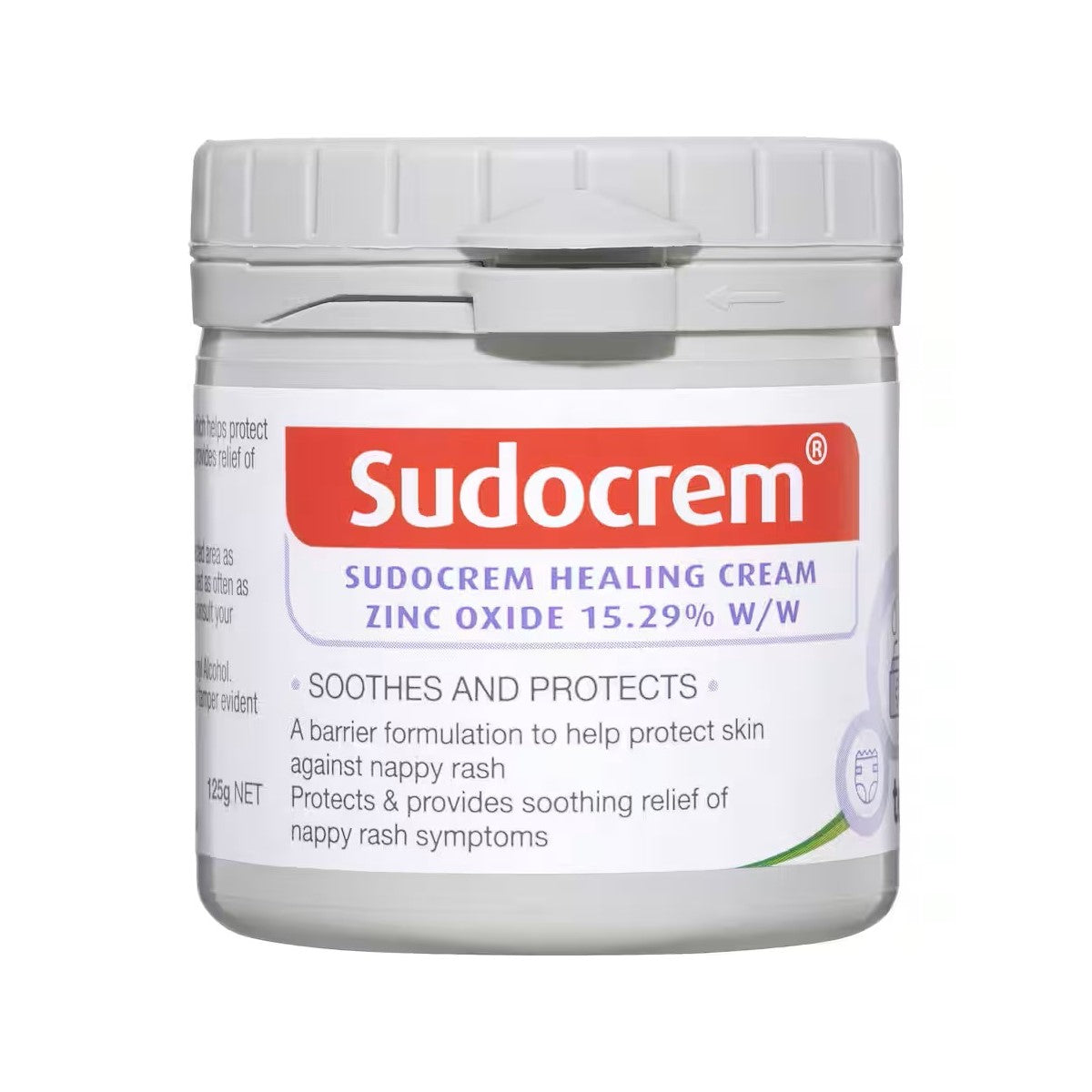
Sudocrem Healing Cream - 125g
Sudocrem Healing Cream - 125g
SKU:6456920
In stock
Couldn't load pickup availability
Overview
Overview
Sudocrem Healing Cream has been parent’s simple, effective ally for over 20 years to assist in the management of nappy rash. Sudocrem is a zinc-based emollient cream that soothes and protects skin. Sudocrem provides a barrier between the skin and substances known to cause irritation such as all forms of moisture but specifically urine and faeces which contain irritating chemicals.
- Nappy rash - Sudocrem is to soothe and your baby’s delicate skin. It contains an emollient that soothes and a water-repellent base forms a protective barrier, helping to stop any irritants (urine and faeces) coming into contact with the skin.
- Cuts, grazes and minor burns - Sudocrem is a gentle yet effective cream. It also forms a protective barrier over the vulnerable area.
- Eczema - Sudocrem can also be used to calm and soothe eczema, and certain other skin conditions. To read more about how Sudocrem can help with a range of minor skin complaints visit Your Family Hub.
Technical Specification
Technical Specification
User Guide
User Guide
Delivery and Returns
Delivery and Returns
- Delivery: Free within NZ on orders over $100 (excluding bulky items) or $8 standard shipping
- Returns: Accepted within 14 days of receipt with proof of purchase
- Some items are excluded from returns including sale items, hardware, car seats, prams, monitors and personal items - please click here for the full list.
Share this product
Recently Viewed Products
Related Blogs

Baby Swimming Lessons
Swimming is a key life skill, especially when you live in NZ - an island nation with a vast coastline, not to mention all the rivers and lakes. Taking your little one to swimming lessons can have many benefits including the physical (coordination, strength, and motor skills). It’s also a bonding opportunity for Mum, Dad or caregiver to have fun interactions with baby and create memories. And of course, there’s the safety benefit. According to Water Safety NZ, one of the leading causes of death for the under-fives in New Zealand is drowning. Introducing your baby to swimming lessons can be a fantastic way to help them develop water safety skills as well as confidence. Start them young Babies spend their first nine months of existence floating in a pool of warm liquid, so reintroducing them to water is something of an instinctive experience. A good first step to developing water confidence in babies is making bath time engaging and enjoyable. If, with lots of positive reinforcement and support, you can get them used to having water trickling over their head and face, that’s a great start. Swimming lessons Once they’re six months old, babies can go to water safety lessons at a public pool By this age Their immune system will have developed enough give them protection from bugs in the pool water They’re better able to cope with the changes in temperature They’ll have the necessary head control to keep their head above water Their ears will be better able to deal with water if it gets in. Baby swimming classes are less about learning to swim and more about water familiarisation and confidence. Over time they’ll start to make progress towards essential water safety skills, including how to float, kick, and hold their breath. Generally with baby swim classes, Mum or Dad (or grandparent or other caregiver) gets in the pool too, joining in to help build bub’s confidence and keeping things fun with interactive play. It’s likely to start with gentle splashing and activities that encourage movement through the water. Tips for swimming lessons Family changing rooms are great and, if there's room, take your stroller. If you get your little one changed, they can then sit in the stroller while you get changed. Swimming will use up lots of energy – make sure you’ve got what you need to re-fuel them afterwards, whether it's a breast or bottle feed, or a snack Changes in temperature can be hard on little ones – make sure you dress them warmly for the trip out to the car in colder weather. If possible, bring along an extra person to help, it can make all the difference especially if you have both a baby and an older child having lessons. What you need Babies will need a swim nappy . These reusable ones offer an adjustable fit from baby to toddler and are machine washable. When choosing swimwear, opt for chlorine-resistant swimsuits for girls and boys that offer 50+ sun protection so they work for the pool or beach A towel Hooded towel or robe can be great for getting them warm and dry quickly A padded change mat is great to have when faced with a damp changing room Dry clothes and spare nappies to keep everyone snug and happy post-swim. Be Safe Always be aware of the dangers for little ones around water – be that the bath, beach or pool. Never leave them unattended. Babies and toddlers should always be within arms’ reach when you’re in or around water - don’t rely on flotation aids like air rings or armbands. Be alert to hazards in your environment. Swimming pools and spas must be fenced to NZ Standards. Consider also ponds, water features and paddling pools that might be a danger to a curious little one.
Learn more
Keeping Winter Bugs Away from your Baby
Keeping your baby well and cosy this winter Winter can be a challenging time when you have a little one, especially if they’re brand new. 🐣 Alongside keeping baby warm and dry, you’re also up against colds, flu, and other winter bugs that seem to be everywhere. Because babies’ immune systems are still developing, they’re more vulnerable to infections. Their tiny nasal passages and lungs also mean illnesses like colds and flu can affect them more than adults. But don’t worry—there are plenty of ways to reduce their risk and help them recover quickly if they do catch something. Stay warm, stay comfy While “catching a chill” won’t cause a cold or flu, keeping your baby warm and dry helps their body focus on fighting off germs instead of battling the cold. Dress your baby in one extra layer than you’re wearing, and choose clothes that are easy to add or remove as they warm up or cool down. Keep your home temperature steady around 18 - 20°C for cosy comfort. Merino wool is a winter hero for babywear and bedding. Its natural temperature regulating properties keep babies warm without overheating, making it ideal for layering under pyjamas and sleepwear. Fuel their immune system Good nutrition is vital to support your baby’s developing immune system. Once they’ve started solids, offer a colourful variety of fruits and vegetables rich in vitamins and antioxidants. Frozen produce can be just as nutritious as fresh, especially during winter when fresh foods may have been stored for long periods. Avoid refined sugars and processed foods, which can impair immunity. When possible, prepare baby’s food from scratch to keep nutrient levels high. While supplements aren’t usually necessary for babies, some parents choose to use vitamin drops - just make sure these are used as a boost to a healthy diet and given in the correct amounts. Keeping germs at bay Reducing exposure to germs is one of the best ways to keep your baby healthy during winter. Handwashing is the frontline defence. Wash your hands thoroughly and frequently, especially after being in public places, changing nappies, or before feeding your baby. Teach older siblings to wash their hands immediately after coming home, and encourage good hygiene habits like coughing or sneezing into their elbows instead of their hands. If your baby is old enough to explore, regularly clean their hands as well, since babies often put toys and fingers in their mouths. When out and about, keeping your baby’s pram covered can help shield them from strangers’ coughs and sneezes or accidental touching. Regularly clean toys and surfaces baby frequently touches at home to limit germs. Avoid close contact with anyone who is unwell, and try to limit your baby’s time in crowded places during peak cold and flu season. If you’re still breastfeeding, it’s especially important to keep germs away - breastmilk passes vital antibodies that help protect your baby from many illnesses. This natural immunity boost makes hygiene and reducing exposure even more crucial. Hydration is key Breastfeeding also helps keep your baby hydrated and supported through winter. Regardless of feeding method, ensure your baby drinks enough breastmilk, formula, or water (if old enough) to prevent dry nasal passages and reduce infection risk, especially if you’re using heaters or air conditioning, which can dry the air. When sniffles strike Even with your best efforts, babies can still catch colds. If your baby starts showing signs of a runny nose or congestion, gentle relief can make a big difference. Nasal decongesters designed specifically for infants safely clear blocked noses, making it easier for them to breathe and sleep. Using a few drops of saline beforehand can help loosen mucus for easier removal. A chest rub can be especially helpful for sleep. Raising the head of their cot slightly and running a humidifier in their room can soothe irritated airways. While some parents like using eucalyptus rubs or essential oils, it’s best to apply these to bedding or sleepwear rather than directly on baby’s skin to avoid irritation. Having these supplies ready before cold season hits means you’re prepared to help your little one feel comfortable and recover quickly. Ready for a cosy, healthy winter? Our collection of beautiful merino babywear and bedding is designed to keep your baby naturally warm and comfortable all winter long. With merino’s breathable and temperature-regulating properties, you can feel confident your baby is snug without overheating. Shop the range here.
Learn more
Rotating car seats – should you choose one?
Getting a wriggly toddler into a car seat shouldn’t feel like a workout. That’s why rotating car seats are quickly becoming a go-to for modern parents. In this blog, we explore how they work and why so many families are making the switch. From extended rear and front facing options to reducing back strain, we’ll help you decide whether a rotating car seat is the right choice for your growing family. Benefits of a Rotating Car Seat Easier access in and out of the car - The swivel function turns the seat towards the door, making it easier to get your child in and out of the car without awkward angles. With the seat facing you, it is easier to correctly position and tighten the harness, helping ensure your child is safely secured every time. Reduced strain on your back - Rotating the seat towards you helps minimise bending, twisting, and reaching, which can help prevent back and shoulder strain, especially with growing toddlers. This also helps parents (or grandparents) recovering from birth, injury, or surgery, or those with limited mobility, who often find rotating seats easier and more comfortable to use. Rear and front facing options - While your child is young, rear facing car seats are recommended for their safety. Though you want to keep them rear facing as long as possible (according to weight and height restrictions), you will eventually need to switch to forward facing, which is made incredibly easy with the swivel feature. You also have multiple angle options to recline the seat and can change all of these settings without having to re-install the entire seat. Things to Consider Before Buying Weight limits - Most (though not all) rotating car seats have a weight limit of 18kgs because of the isofix installation. On average, that’s around four years old, and while many parents are happy to switch to a booster seat after that, others just want one seat that goes all the way. If you’d prefer to buy a single seat with more longevity, a non-rotating option may suit you better. The Nuna Rava Next goes up to 29.4kgs (seven or eight years on average), and the Exec Next has a booster seat conversion, meaning that it lasts right from newborn up to 49.9kgs, around 12 years old! Space in your car - If you have multiple kids and multiple car seats in the car, having one that rotates might be a bit tricky. Rotating seats generally have a larger base, and the swivel motion itself can be blocked if there are other seats in the way. If you plan on having three seats side by side in the back row, swivelling is a no-go. If you have two seats, then a rotating seat might be a good option depending on how it fits into your car. If you’re not sure, give us a call at our Newmarket or Christchurch stores, and book in a time to try out some options and see what works best. What Are the Rotating Car Seat Options? Nuna NEXT System Built to work together seamlessly, the Nuna NEXT System offers flexibility, longevity, and peace of mind in one refined package. With two different base options (Base Next & Base Curv), two capsules (Pipa Next & Arra Flex), a unique lie-flat car seat (Cari Next), and a toddler seat for good measure (Todl Next), the NEXT System gives you a range of options for travelling in style. The bases come equipped with True Lock™ technology and coloured installation guides for your peace of mind, and one base can be used for all compatible products (keeping you covered for the first four years of baby’s life). Maxi Cosi Pebble 360 Pro Capsule & Maxi-Cosi Pearl 360 As part of the 360 Pro Family range, the Pebble and Pearl (when on the Family Fix 360 Pro Base) not only rotate 360°, but also slide towards you to eliminate the awkward reaching that usually comes with buckling in a little one. While the Pearl must be attached to the base in order to go in the car, the Pebble can also be seatbelt installed by itself. Nuna Pruu If you love the Todl but don’t want to bother with the separate base, the Pruu might be the seat for you. With the same detachable Side Impact Protection, integrated rebound bar, and smart-swivel lock, your little one will be travelling in stylish safety from start to finish. The big difference? The Pruu is one piece, with no separate base, making it a bit heavier to carry around, but super convenient for those who’d rather not bother with the extra pieces. We also have the new Nuna Pruu Aire with a retractable sun canopy. Nuna Rylo A new and popular choice is the Nuna Rylo. This seat has it all: 360° rotation, seat belt installation capability, and premium materials. Certified to the AS/NZS standard, it’s perfect for Trans-Tasman travellers, or anyone who’s after the latest version of Nuna’s award winning technology. Not sure which seat is right for you? Visit us in Auckland or Christchurch to see them in person. You can also book in a fitting with our team - we’ll help you find the safest, easiest option for your car and your family.
Learn more
Understanding The Psychology Of Potty Training Toddlers
Potty training isn’t just about learning a new skill - it’s a big emotional and developmental milestone. Understanding what’s happening in your child’s mind can transform the experience from a power struggle into a confidence-building journey.
Learn more