


Nuna Stroller Organizer
Nuna Stroller Organizer
SKU:NSO00000CVRGL
Low stock
Couldn't load pickup availability
Overview
Overview
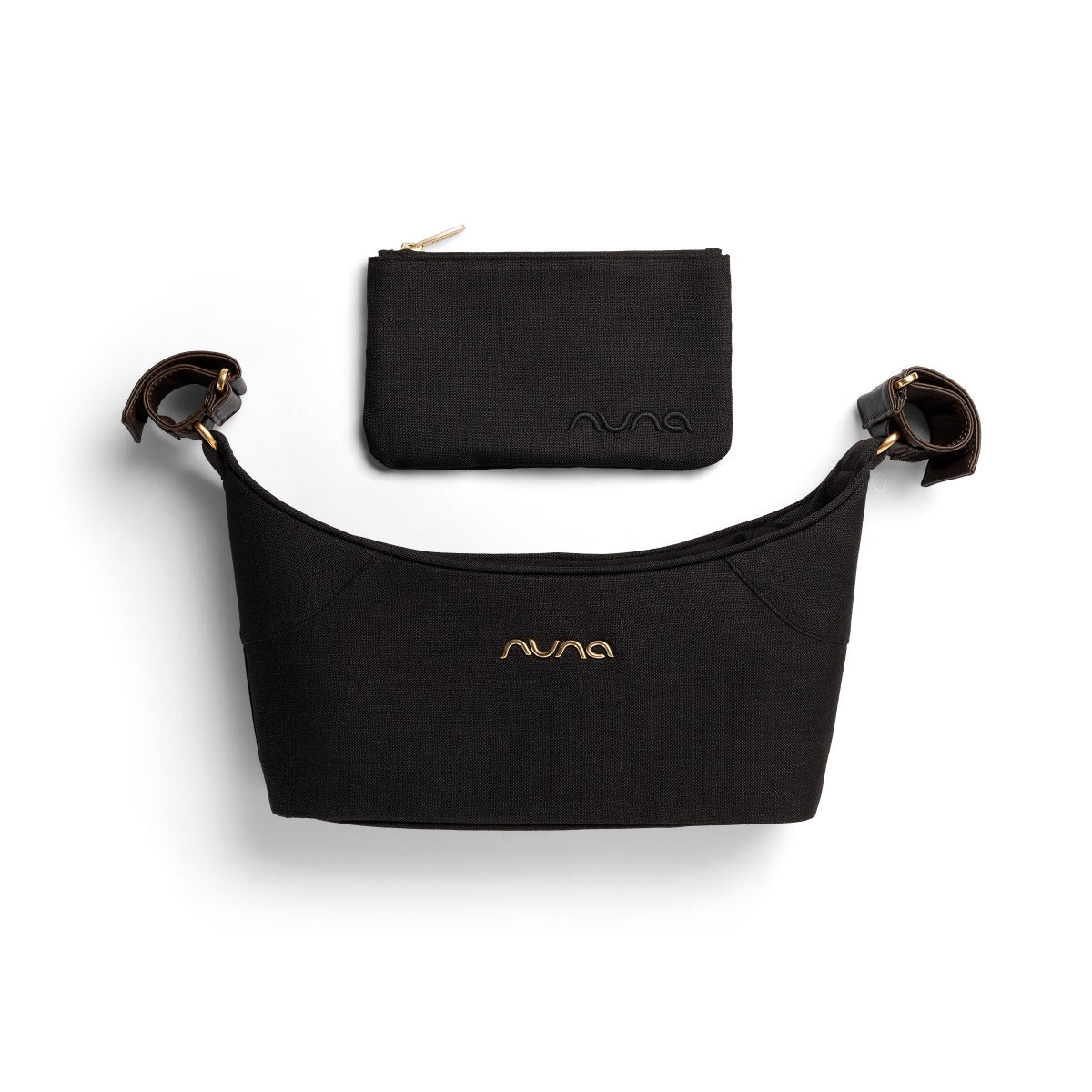
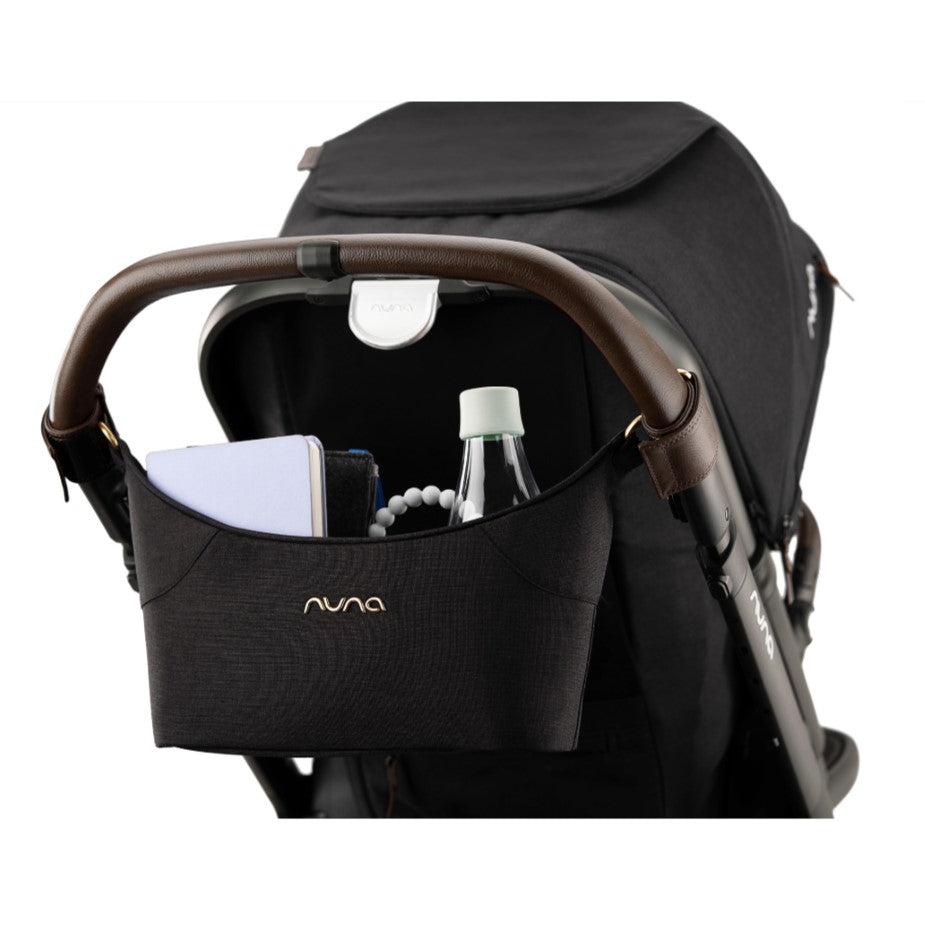
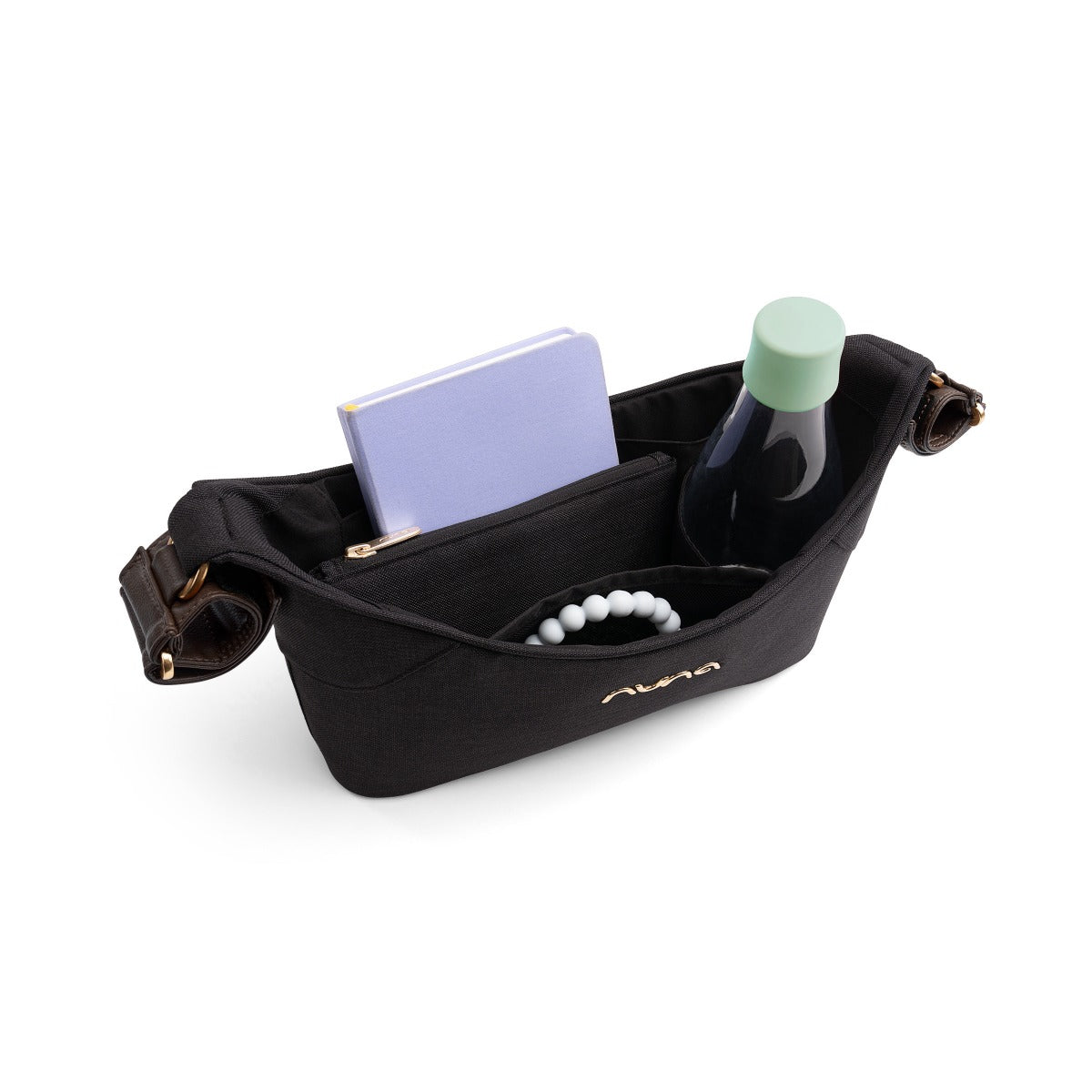
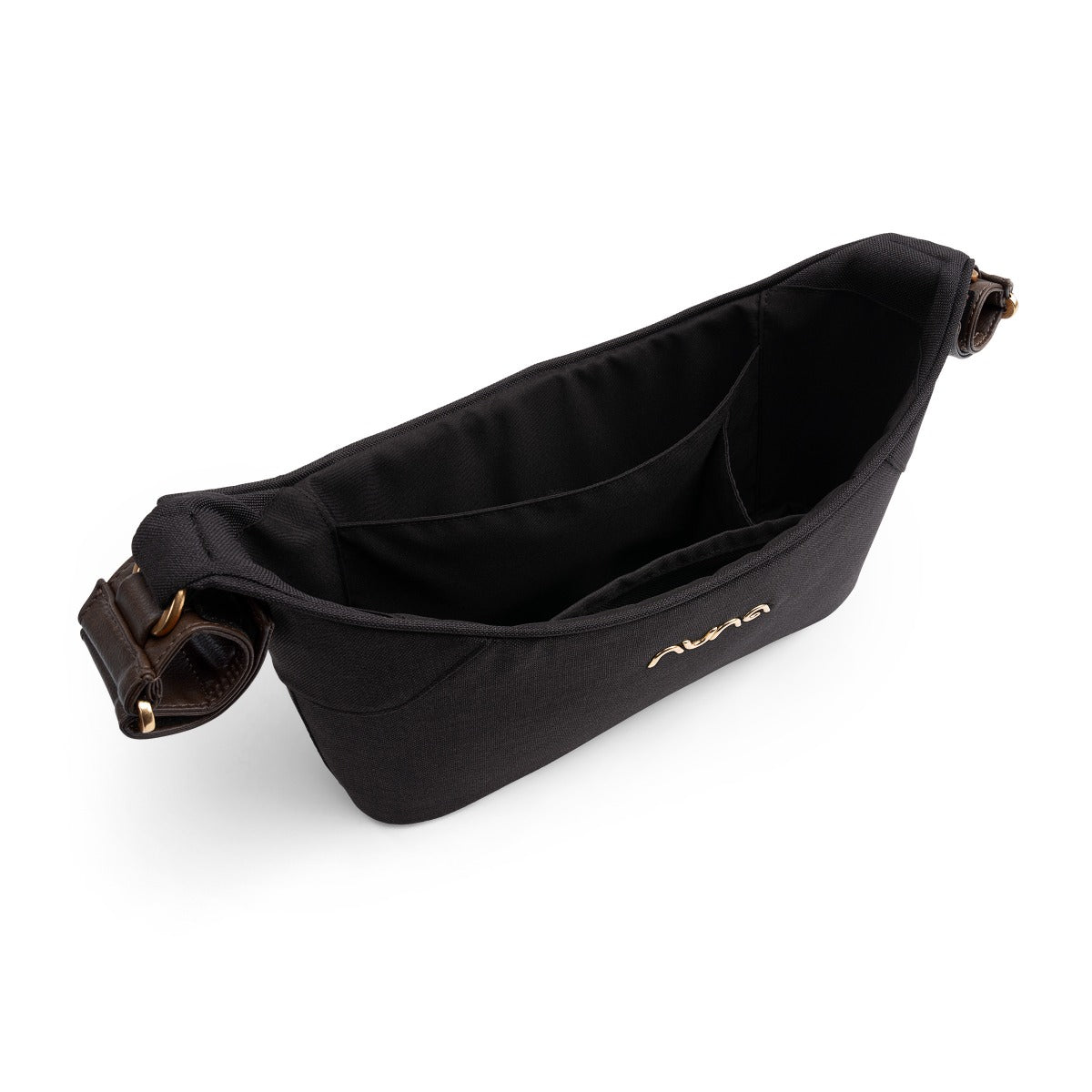
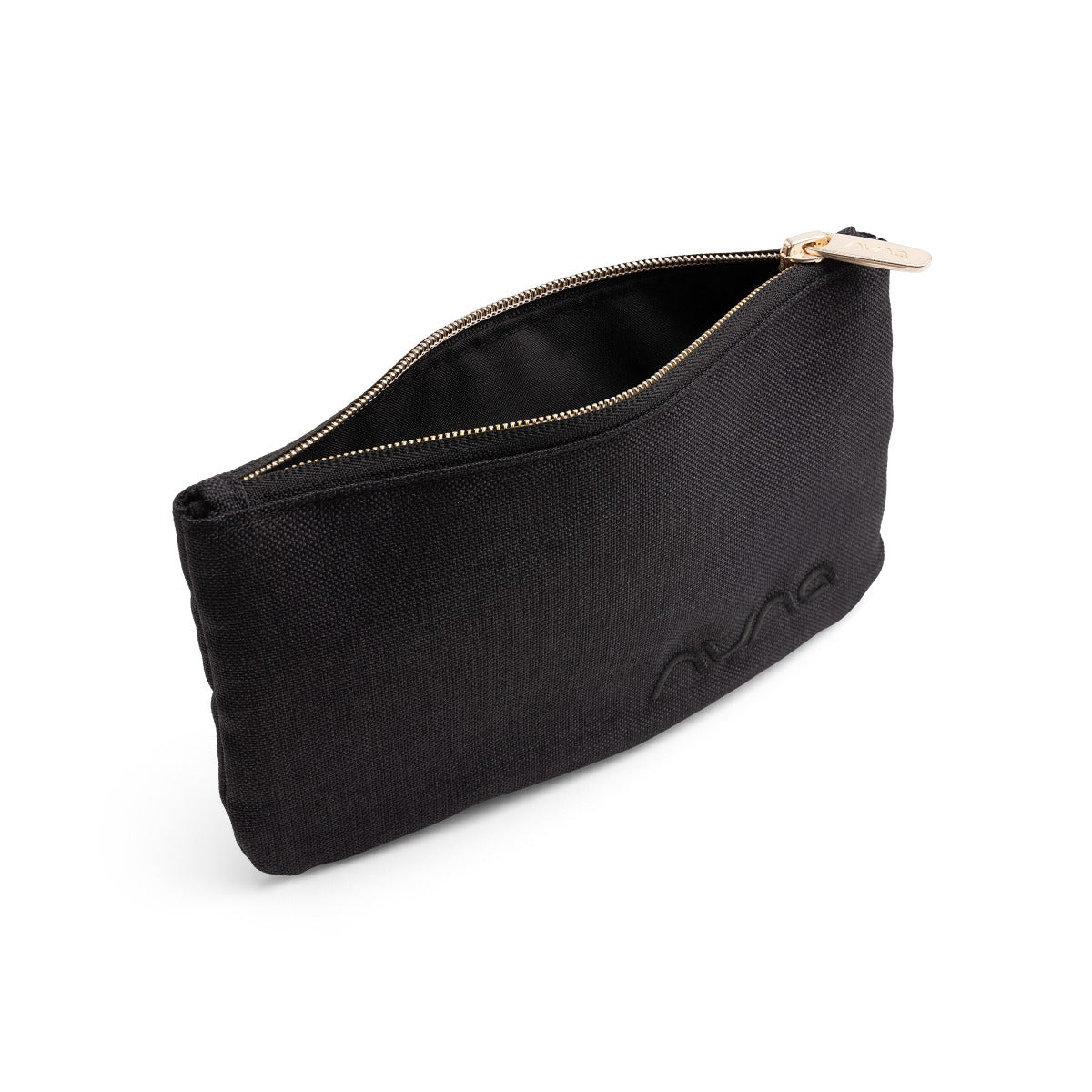
Everything right where you want it, organised exactly how you need it. The Nuna Stroller Organiser in Caviar keeps your everyday essentials within easy reach, so you can stroll through your day without juggling bags or straining your shoulders. Thoughtfully designed compartments hold snacks, drinks and baby must haves, making outings feel calmer and more put together.
Crafted with premium materials and refined details, this organiser blends function with style. From its structured shape that stands on its own to luxe brushed gold accents, it brings a polished finish to your pushchair while quietly making life easier. Because the little things really do add up when you are on the go with baby.
Key Features
Key Features
Technical Specification
Technical Specification
Delivery and Returns
Delivery and Returns
- Delivery: Free within NZ on orders over $130 (excluding bulky items) or $8 standard shipping
- Returns: Accepted within 14 days of receipt with proof of purchase
- Some items are excluded from returns including sale items, hardware, car seats, prams, monitors and personal items - please click here for the full list.
Share this product
Recently Viewed Products
Related Blogs

Stroller Buying Guide: How to pick the right ride for Your Family
Why Choosing the Right Stroller Matters: Essential Tips for New Parents When you have a baby or toddler, a good stroller is essential. It lets you get out of the house and navigate the world with ease. Leaving the house with a newborn can be tricky, so a high-quality, easy-to-use stroller is a lifeline for many new parents. Your stroller is also one of the most expensive baby purchases you’ll make, so it’s important to get it right. You don’t want to invest in a stroller that ends up being too heavy, hard to fold, or difficult to steer. Of course, no one stroller suits every parent. Consider your lifestyle. Will you be navigating bush walks and country paths or be more likely to keep to the footpaths and malls? Before you buy, it’s a good idea to take a look at different models in-store, push them around, fold them down, and open them up to get a feel for how they work. Before you’re overwhelmed by options and terminology - In New Zealand, we tend to use the words pram, stroller, buggy and pushchair interchangeably. Capsule compatibility For new babies, you’ll most likely want a stroller that’s compatible with your capsule car seat. These are particularly handy during the sleepy newborn phase, as they let you move the baby from car to stroller without waking them. Our strollers are compatible with most capsules from well-known brands, such as Maxi Cosi and Nuna. Talk to our in-store team if you want to check on compatibility. Carrycot – or not A detachable carrycot can be incredibly handy in the early stages – from newborn to around 6 months. Lying flat on their back is the best, safest position for newborn baby to be in. If the seat on the stroller you choose has a lie-flat position, a carrycot isn’t essential. But many parents choose them because they simplify life in the first few months. A carrycot attached to your stroller not only allows your baby to sleep comfortably while on the go, it can also be removed and used as a portable bed for a bit of supervised sleep when visiting friends and family. Single vs. Double Strollers: Which is Right for Your Family? When you buy a stroller for your first baby, it can be hard to imagine life with more children. But it’s a good idea to consider your future when making your decision. Some strollers – like the Nuna Demi Next and the Edwards and Co Olive – have the option to add an extra seat for a sibling. If you plan to have two children close in age, this is worth considering. Having twins? Both the Demi next and Olive are tandem strollers, where the seats are not side-by-side but instead tiered. The Nuna Trvl Dubl is a side-by-side option - at just 78 cm wide, its slim profile fits through standard doorways. Another option to consider for an older sibling is a Stroller board that attaches to the back of the stroller. These are great for independent walkers who might tire on a long walk or need a ride to quicken the pace. (Note that these connect to select strollers only.) The right size for your space Strollers come in a range of shapes and sizes. They’re all foldable, but some – like the lightweight Stokke Yoyo – have a more compact fold than others. It even fits in an aeroplane’s overhead locker making it ideal for travel. Travel can be considered a separate stroller category all together – check out our Travel Stroller Blog But even for your everyday stroller, you’ll want to think about storage and transport options. Where will you keep your stroller when you’re at home? How big is the boot of your car? How often will you need to lift it into the car, onto public transport or up stairs? If you can, try the stroller in your boot to see how well it fits. If not, measure the space before you make a decision. How easily the stroller folds is another factor to consider and this is where trying a few models in-store is a good idea. One-hand fold mechanisms are incredibly convenient, especially when your arms are full with a little one. If you think you’ll be lifting your stroller frequently, opt for a lightweight model. Which wheels are best? For a while there, three-wheel strollers seemed to be the only option. Now, four-wheel models are having a resurgence in popularity. Three-wheel strollers are typically thought to be easier to steer, especially with one hand – which can be useful if you’re carrying an upset baby and pushing a pram at the same time. Four-wheel strollers, tend to be more compact, making them easier to manage in shops and cafés. They also tend to fold more neatly for easy storage. Tyre type is another factor to consider - larger wheels with foam-filled or inflatable tyres tend to offer better suspension, which is more comfortable for your baby on rough terrain. Whereas smaller swivelling wheels are easier to manoeuvre around busy places and crowded shops For the best of both worlds, the four-wheeled Nuna Mixx has tough, foam filled tyres and boasts easy one-handed steering. The wheels on the New Nuna Swiv offer something unique – with a 360 degree swivel so you can navigate small spaces with side-to-side ease. Forward or back? Forward-facing or rear-facing? If you’ve never bought a stroller before, it can be hard to know what you’ll prefer. Fortunately, this choice is more about preference than safety or practicality. Newborns are naturally drawn to their parent's faces, and a rear-facing stroller lets you interact and keep an eye on them as you go. Then as they grow up, forward-facing gives them a chance to look out on the world around them. Most everyday strollers we sell have convertible parent-facing/world-facing seats so you have both options in one. Other things to consider Comfort features for your little one - like padded seats, adjustable recline positions and good suspension. How comfortable is the handle height? Adjustable handle height can be good for parents of different heights. Does the stroller offer good storage underneath for your baby essentials, nappy bag, and shopping? Fun and functional extras These days, strollers have a huge range of add-ons and accessories – rain and shade covers, parasols, cup holders, snack trays and compatible nappy bags. Choose what’s best for you As with any big purchase, buying a stroller is about working out what’s most important to you, and finding a model that best fits your needs and budget. If you need help finding the right stroller for your family, you can take our Quiz You can also visit one of our stores, talk to the in-store team and take some of our display models for a spin. Check out our range here.
Learn more
Must-have items to pack in your nappy bag
The Ultimate Nappy Bag Checklist: Be Ready for Anything Leaving the house without your nappy bag? That’s the kind of chaos every parent dreads. Whether it’s a surprise nappy blowout or a teething meltdown mid-supermarket shop, being prepared can turn potential disasters into minor hiccups. That said, there’s a balance to strike. Overpacking can make your bag heavy and hard to manage — underpacking leaves you without the essentials when you need them most. What you pack depends on your baby’s age, where you’re going, and how long you’ll be out. To make things easier, here’s your ultimate nappy bag checklist - designed to help you leave the house calm, confident, and ready for anything. Start with the right bag You’ll want a nappy bag that’s both practical and stylish. Something that works for both parents and doesn’t scream “baby gear.” Look for one with plenty of compartments, bottle holders, and enough space to fit everything without being bulky. We have a gorgeous range of stylish bags, shop them here. What to pack For changing: Nappies – more than you think you’ll need Baby wipes – either travel packs or your own stash in a reusable snap-lock bag. Nappy rash cream – keep a small tube in your bag. Change mat – compact and easy to clean. Most good nappy bags come with one, you can also get disposable ones. Nappy disposal bags – for dirty nappies or any messy surprises. Hand sanitiser or wipes – for quick cleanups when a bathroom’s not nearby. Spare clothes – at least one full change, maybe two if you’re toilet training. Warm layers in case the temperature drops. For feeding: Bibs – always helpful for dribbles or spills. Bottles and formula – if bottle-feeding, bring everything you’ll need. An insulated bottle can be handy too. Muslin cloth or burp cloth – great for burping and as a lightweight feeding cover. Baby food and utensils – a travel pouch, and spoon and bowl if you’re onto solids. General extras: Teething toy or small distraction – for those fussy moments on the go. First-aid basics – baby sunscreen, plasters Sunhat and beanie – be ready for any weather. Dummy – keep a spare in the bag so you’re never caught short. Wrap – useful as a swaddle, sunshade, blanket, or emergency carrier. Don’t forget Mum’s must-haves: Breast pads – to prevent leaks if you’re nursing. Water and snacks – a must when you're running on empty. Spare top and bra – messes don’t just happen to the baby! Sunscreen and hat – you’ll need protection too. Final tip: restock after each outing Once you’re home, do a quick check and restock your nappy bag so you’re ready to go next time. Think about the different scenarios you might face and pack with those in mind. Multipurpose items help you save space and stay organised — no need to carry the kitchen sink!
Learn more
Introducing Our Virtual Shopping Service
As a busy parent it can be hard to find the time to get out to the shops. Or perhaps you’re in hospital post-birth and realise you need some more essentials in tiny sizes. Of course there’s always the option to shop online, but sometimes that just doesn’t cut it. Perhaps you want to see a product in action, or ask a question, or get advice . . . You can now book in to have a video call with our in-store team. They can show you close ups, give you a demo or help you choose when you’re confused by all the options. It’s the perfect option for busy parents. And we’ve made it easy with an ONLINE BOOKING SYSTEM . Book a Virtual Shopping Appointment Here's why our virtual shopping service is a game-changer: Personalized Assistance: Need help finding the right stroller, cot, or baby monitor for you? Our team of knowledgeable experts can help. Virtual Tours: Explore our store virtually with guided tours led by our experienced staff. From nursery furniture setups to the latest babywear arrivals, our virtual tours give you an immersive shopping experience without leaving your home (or birthing unit). Shop with confidence: Once you've made your selections, you’ll have the peace of mind to buy online. Then you can have your purchase delivered to your door or arrange a Click & Collect. Whether you're a first-time parent or a seasoned pro, we're here to make your parenthood journey a little bit easier. Embrace the convenience of our virtual shopping service and enjoy a stress-free shopping experience like never before.
Learn more
Pretty Brave Shoes: A Guide to Little Feet
Little feet have a lot of growing and exploring to do! From those first little steps to running, playing and discovering the world, choosing shoes that are comfortable and designed to move with them is an important part of every stage.
Learn more- Rated 5 out of 5 stars1 month agoPractical
The Nuna Stroller Organizer is practical with plenty of space for everyday essentials. It attaches securely to the stroller and keeps items like drinks, keys, and small belongings within easy reach. A great accessory for outings.
DDimples1 month agoThank you for your lovely review of the Nuna Stroller Organizer! We're so pleased to hear it's been such a practical addition to your outings. It's wonderful that it keeps all your everyday essentials like drinks, keys, and small belongings within easy reach while staying securely attached to your stroller. Such a handy accessory for making life easier when you're out and about! 😊
ATangela t.Verified Buyer