


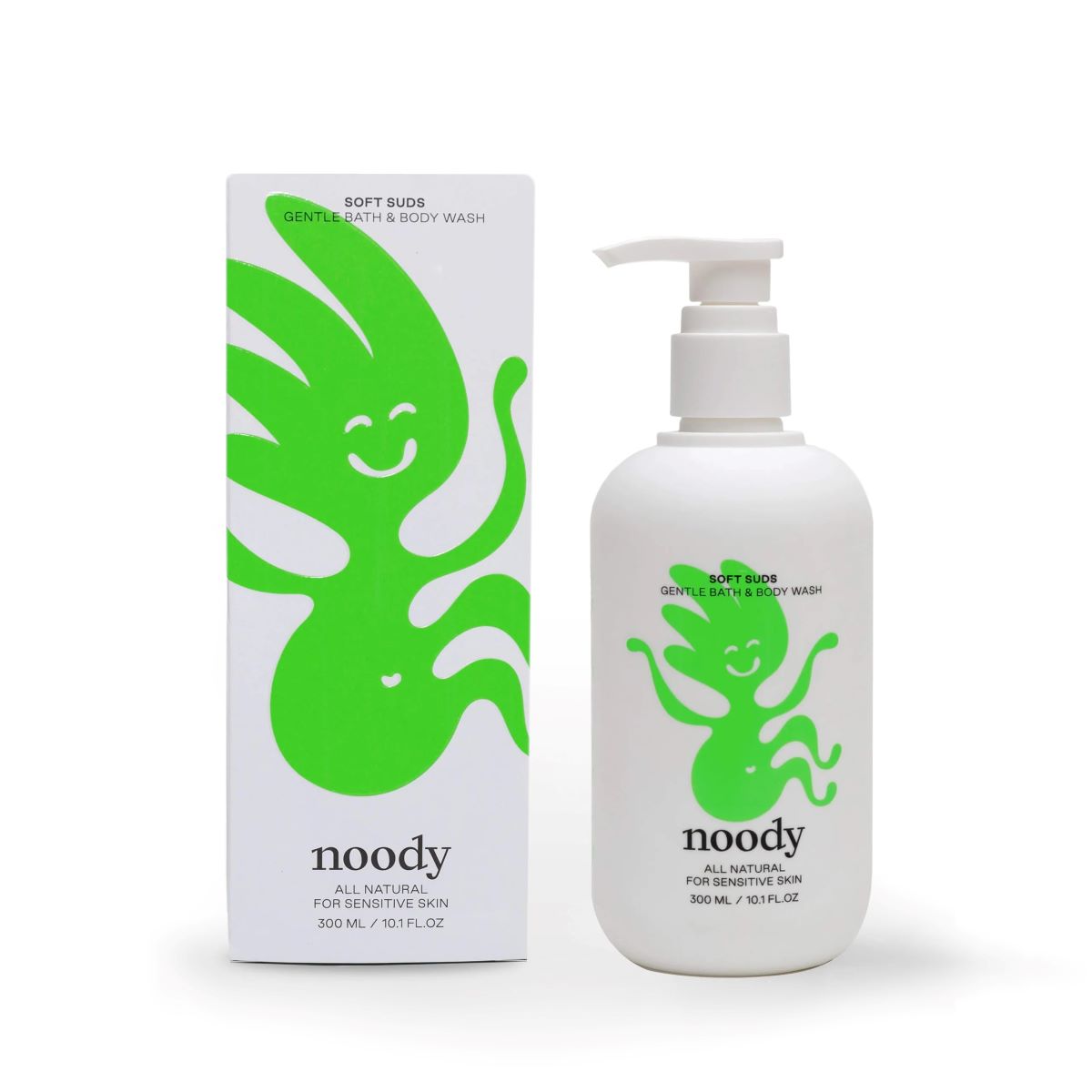


Soft Suds Gentle Bath and Body Wash - 300ml
Soft Suds Gentle Bath and Body Wash - 300ml
SKU:SS-300
In stock
Couldn't load pickup availability
Overview
Overview
Containing Oat Extract, Camomile and Kumarahou for a wash that leaves the skin calm and clean.
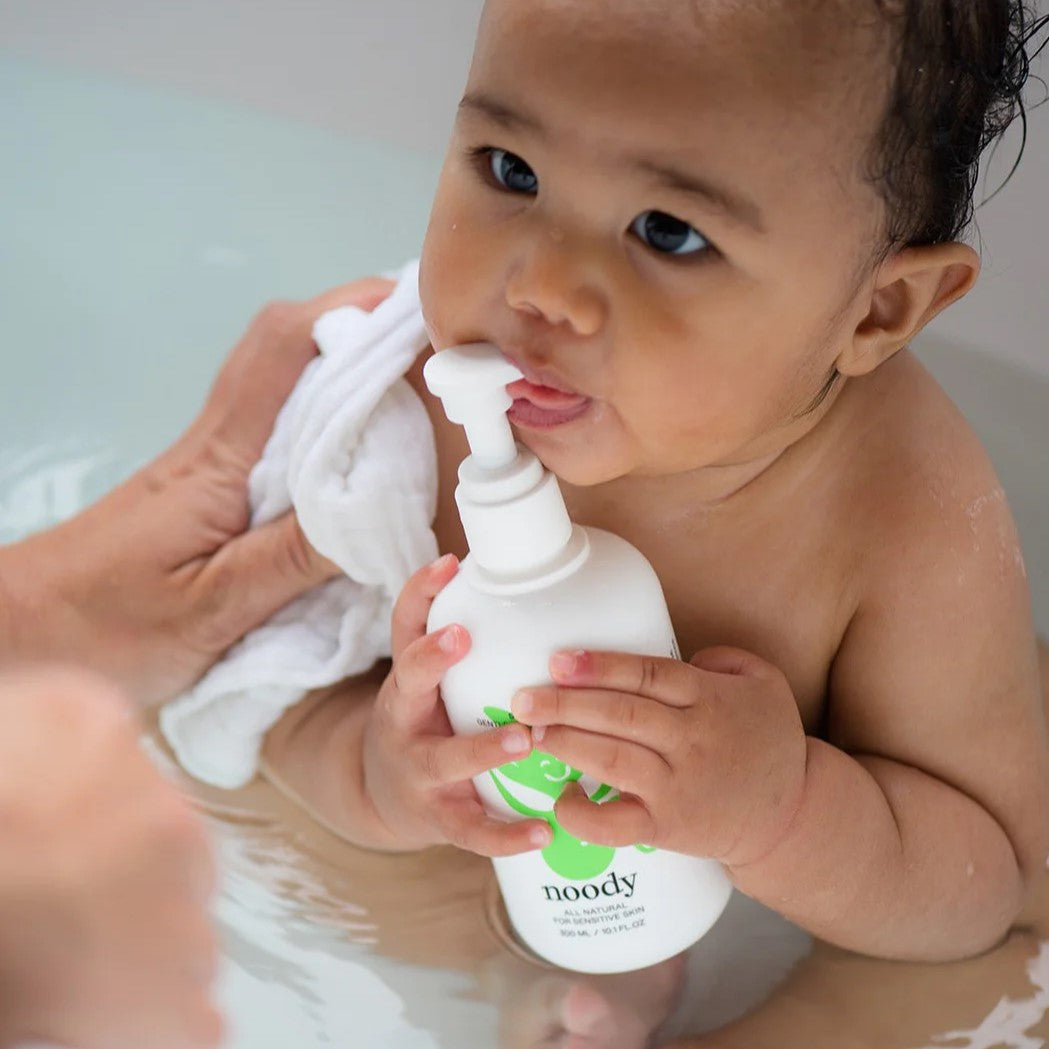
Cleanse your little one from head to toe with Soft Suds Gentle Bath & Body Wash -the perfect gentle shampoo and wash. With no sulfates or soap, this all natural, nastie free formulation is designed especially for young ones, leaving the skin calm and clean. Enjoy the calming scent of lavender that will help soothe them (and yourself!).
Post bath time, you can use Noodys Lotion Potion & Calm Balm when extra hydration is needed.
Key Features
Key Features
Technical Specification
Technical Specification
User Guide
User Guide
Delivery and Returns
Delivery and Returns
- Delivery: Free within NZ on orders over $130 (excluding bulky items) or $8 standard shipping
- Returns: Accepted within 14 days of receipt with proof of purchase
- Some items are excluded from returns including sale items, hardware, car seats, prams, monitors and personal items - please click here for the full list.
Share this product
Recently Viewed Products
Related Blogs

Accessories to make Bath time easier
When it comes to bathing your baby there are many more elements to bath time than just purchasing the bath. Dimples have all the bath time necessities that make bathing baby easier for you and 10 times more sensational for baby. Let’s begin with bath toys... Baby is already getting so much enjoyment by splashing the water around your bathroom but throw a jellyfish in there and watch their eyes light up as you have never seen before. Jelly the jellyfish from Done by Deer is going to become your little one’s new best friend. Jelly can perform entertaining tricks when he soaks up water and then drizzles it out when turned upside down. This neoprene activity bath toy is easy to grasp, including different sensory features that will help baby learn as they bathe. Now that you have your little one distracted playing with Jelly, let's get that baby nice and clean. The Made 4 Baby Starter Pack is the perfect place to start. Suitable from newborn these products are all fragrance-free and perfect for sensitive skin. Featuring all the essentials you need, these products are also all full size. Featuring a 200ml foaming hair and body wash, 60ml all over baby lotion preventing dry skin, a Sleep Tight Massage Oil for after bathing helping them to relax and sleep well, a Botty Barrier Crème to help prevent nappy rash and a face cloth to wash your baby’s soft skin. All these essentials will be incredible and keep your baby’s skin soft and healthy. A shampoo brush is going to become your new best friend when washing your baby’s hair. Until the Shnuggle Baby Shampoo Brush landed in your palms this product is something you never knew was missing from your bath time routine, however after just one use you will realize how revolutionary this product truly is. Gently massage your baby’s head and brush away that cradle cap, cleanse, and shampoo. Fitting perfectly in your hand this design is comfortable for you and soft on your baby’s head helping them to feel calm. Now that your little one is all relaxed post head massage here comes the scary part. Somehow you will need to rinse the product out without a meltdown about water and shampoo trickling down their face. Well parents you need to fear no more as we have the perfect product for you. The Shnuggle Washy is the perfect little jug designed to take the tantrums away from bath-time. Featuring a soft grip handle for parents and a flexible edge that contours gently to the top of baby’s forehead tipping the water safely away from sensitive little eyes. Keep bath-time tear-free this is the perfect bath-time accessory for all ages – from treating baby’s cradle cap to washing a toddler’s curly locks. Now that you have made it through your bath time routine it’s time to wrap the little one up in a nice, hooded towel. When looking for the best Bath-time towel Dimples Hooded Towel and Flannel Set is the best place to start. This Towel and Flannel set is made from 100% thick, cotton towelling, and is very absorbent helping you dry your baby faster. The Towel features a hood to help keep delicate heads and ears warm, while the Flannel is gentle to use on your baby while they are in the bath. Trimmed with satin giving a beautiful finish and ensuring your set will last longer. Bathtime creates special memories between you and your children, so let’s not allow it to become a chore.
Learn more
How to Bath your Baby
Bathing your Newborn - Soothing, safe, and stress-free Bathing your baby is not only important for hygiene reasons, it’s also a great way to calm and relax them before bedtime. But when you first get home with a tiny, delicate newborn, baths can seem daunting. Getting the water temperature right, using the right products, holding a slippery baby securely – it can all be overwhelming if you haven’t done it before. The good news is, bathing is easy, as long as you follow a few simple safety precautions. Even better, you don’t need to bathe small babies every day. In fact, because their skin dries out so easily, too much exposure to water can actually cause irritation. Two to three baths a week is plenty for a newborn – just give them a gentle wash with a flannel on the other days. Here’s our guide to stress-free bathing from day one: 1. Fill your bath First, fill your bath with a few inches of warm water and place it somewhere safe and stable – the floor or kitchen bench works well. These days, there is a range of different baby baths to choose from – traditional models, convenient Flexi baths that pack away when you’re not using them, and the Shnuggle bath , which keeps baby upright in the water. 2. Test the temperature The ideal water temperature is 37°C. Warm and soothing, but not too hot for your baby’s delicate skin. Traditionally, parents test the water with the inside of their wrist, but you can invest in a water thermometer if you want to be sure. 3. Get your gear Before you undress your baby, make sure you have everything you need at arm’s reach – soft flannels or cloths, a gentle body wash , a clean baby towel , a fresh nappy, and PJs . You don’t want to be stuck trying to find something while you’re holding a wet, screaming baby. 4. Bring in the baby Get baby undressed. Before you place them in the water, use a flannel to drizzle a small amount over the back of their head. This way, going in won’t be such a shock. Gently lift your baby into the water, with one arm under their neck to support their head – your hand should be under their arm to make sure that they don't slip down. Keep that hand in place to keep the baby’s head out of the water while your other hand does the washing. If you’re using a Shnuggle bath , the sloping back, and bottom bump will help keep your baby upright, you just need to keep a hand on their chest to stop them slipping down. 5. Cleanse and protect Although some people prefer to stick to water for baby’s first few baths, it won’t necessarily be enough as your baby gets older. Even if they seem perfectly clean, sweat, skin cells, and other impurities can build up – particularly under nappies and in those chubby creases. Use a small amount of gentle cleanser or body wash to get rid of the grime. 6. Top to bottom Using a clean, soft muslin cloth , wash baby’s face and head, gently wiping around each eye, around the nose and mouth, and behind the ears. Wash theirhair with cleanser or shampoo, and don’t forget the neck – dirt can build up there. Next, gently wash under their arms, followed by tummy and legs. Finally, wash their genitals and bottom, again making sure to gently wash between thigh creases. Rinse any leftover cleanser with a clean flannel or small cup of water. 7. Time to play If your baby is calm and the water is still warm, keep her in a little bit longer. Use a small jug or cup to pour warm water over their belly and chest, swish the water around them, and give them plenty of smiles – you want them to enjoy bath time right from the start. As they get older, you can add bath toys for them to grab as well. 8. Warm and dry When you’re ready to take baby out of the bath, lie a soft, dry towel on a soft surface or get your partner to hold it out. Use both hands to grasp your baby around their chest, supporting the head with your fingers. Lift them out and quickly wrap him in the towel. Because babies lose a lot of heat from their heads, it’s important to dry their hair first – that’s why hooded towels are a great option. Use the towel or a smaller cloth to carefully dry all your baby’s folds and creases – behind the knees, around the neck, and between the toes. Any moisture left behind could cause skin irritation or redness. 9. Moisturise and protect If your baby’s skin seems dry or irritated, now is the time to use a gentle, natural baby oil or lotion . Use a tiny amount and massage into baby’s skin, avoiding their eyes and nappy area. Before you dress them, it’s also a good idea to use a barrier cream to protect their delicate skin overnight. 10. Pyjama time Finally, dress your baby in a fresh nappy and cosy PJs – bath time is done! Extra safety tips Think about turning your home’s hot water temperature down, to avoid scalding or burns. Clean only what you see – don’t put anything inside baby’s ears or nose, and avoid pulling a baby boy’s foreskin. Never, ever leave baby alone in the bath, even for a second. Looking forward to bathing your newborn soon? Take a look at our baby bathing section for baths, towels, and everything else you need.
Learn more
Pretty Brave Shoes: A Guide to Little Feet
Little feet have a lot of growing and exploring to do! From those first little steps to running, playing and discovering the world, choosing shoes that are comfortable and designed to move with them is an important part of every stage.
Learn more
Trouble sleeping? Finding The Right Sleep Aid
Sleep Struggles? These Soothers Might Just Save Your Sanity 😴 White noise and gentle sound machines help to mask the everyday background noise that can disturb your little one's rest. Think: older siblings, barking dogs, or the neighbour deciding now’s the time to mow the lawn. These soothing sounds - like a heartbeat, waves, or soft shushing - can create a more consistent, calming sleep environment and help baby settle more easily. Darkness can make a big difference too. A dark room helps reduce visual stimulation and can support your baby’s natural sleep cues, which is especially handy for daytime naps, early bedtimes and those bright summer evenings. If light is sneaking in around curtains or you’re sleeping somewhere unfamiliar, a portable blackout blind can help create a darker, more consistent sleep space wherever you are. We’ve curated a handy Quiz to help you make a decision, plus a small but mighty collection of trusted sleep soothers and calming aids below, that can help take the edge off bedtime - for both you and your baby. Love to Dream Sleep Machine Creating a familiar, calming sound environment is a great way to help signal to baby that it’s time to sleep. The Love to Dream Sleep Machine offers nine soothing sounds, including white, pink and brown noise, rain, shushing and womb sounds, helping to mask everyday household noises that might otherwise disturb naps or nighttime sleep. It even has a clever cry detection feature which automatically starts your chosen sound if baby stirs! It's got a soft red and warm white nightlight function which is super handy for those 3am feeds and changes. Being rechargeable with up to 22 hours of battery life it's perfect for travelling moments too! YogaSleep Nod Sound Machine and Night Light The YogaSleep Nod is the ultimate stay-at-home sleep station, perfect for setting up a consistent, calming bedtime routine in the nursery. It features 20 sleep sounds, including white noise, fan sounds, lullabies, and nature tracks, so you can tailor the soundscape to your baby’s preferences. What makes it a standout? The built-in nightlight, which emits a warm amber glow to create a peaceful sleep space without overstimulating your baby. You can also set sleep timers or run it all night long, ideal for little ones who are easily stirred. Simple, soothing, and super customisable, the Nod helps create the kind of sleep environment you’ll both appreciate. Purflo Total Blackout Blinds Light can make a huge difference to how easily your baby settles, especially for daytime naps, early bedtimes or those bright summer evenings. The Purflo Total Eclipse Portable Blackout Blind helps create a dark, calming sleep environment by blocking out unwanted light, making it easier to keep baby’s sleep space feeling consistent. It easily attaches securely to windows using over 100 suction cups and can be adjusted to suit smaller windows, so it’s handy at home as well as when travelling or staying with family. Even better, it folds neatly into its own storage pocket, making it an easy sleep essential to have on hand. Storytime and Soothing Light for Sweet Dreams Another beautiful way to support your child’s sleep is by building a calming, familiar bedtime routine - and the CloudBox™ helps make that easy. This clever little device plays comforting bedtime stories while gently projecting sleepy visuals onto the ceiling or wall. With a soothing mix of audio and light, it creates a multisensory environment that helps children wind down at the end of the day. You can choose from the preloaded stories or record your own – a lovely way to keep bedtime personal, even when you can’t be there in person. Repeating the same story or image each night can become part of your child’s sleep ritual, providing a sense of security and consistency they can count on. Simple to use and designed for children from birth and up, the CloudBox™ is a thoughtful addition to any nighttime routine – helping little ones feel calm, safe, and ready for sleep. Supporting Sleep, Naturally For many families, Magnesium Rescue has become a much loved part of their wind-down ritual. This gentle, topical formula is made from natural ingredients and can be massaged into your child’s back, tummy, or feet at bedtime. It’s designed to help support a relaxed nervous system – a simple, non-invasive way to encourage calm before sleep. Another lovely option is the Bedtime Bestie - a lightweight magnesium mist infused with calming lavender, designed to support relaxation and make bedtime a little easier. Simply spritz it onto your child’s back or feet as part of your evening routine. It’s a fuss-free way to help little bodies and busy minds slow down – one small spray at a time. Shop Sleep Saviours at Dimples now Whether you’re trying to improve naps, master the bedtime routine, or just desperate for an extra hour of sleep, our range of sound machines and calming sleep aids are here to help. Browse the full collection in-store or online and find the right fit for your baby (and your sleep-deprived self).
Learn more