




Nuna Sling Bag
Nuna Sling Bag
SKU:NSB00000ACSGL
In stock
Couldn't load pickup availability
Overview
Overview
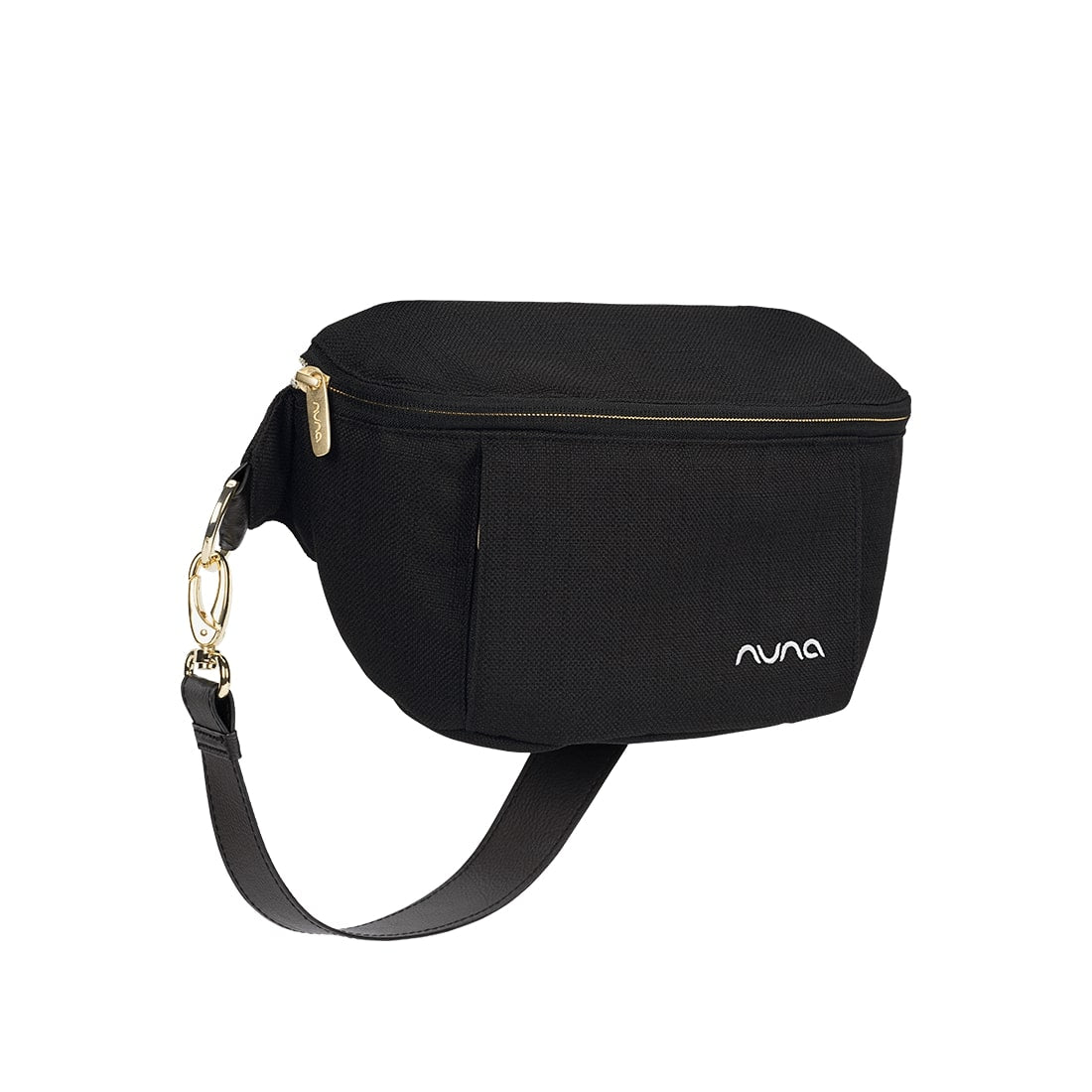
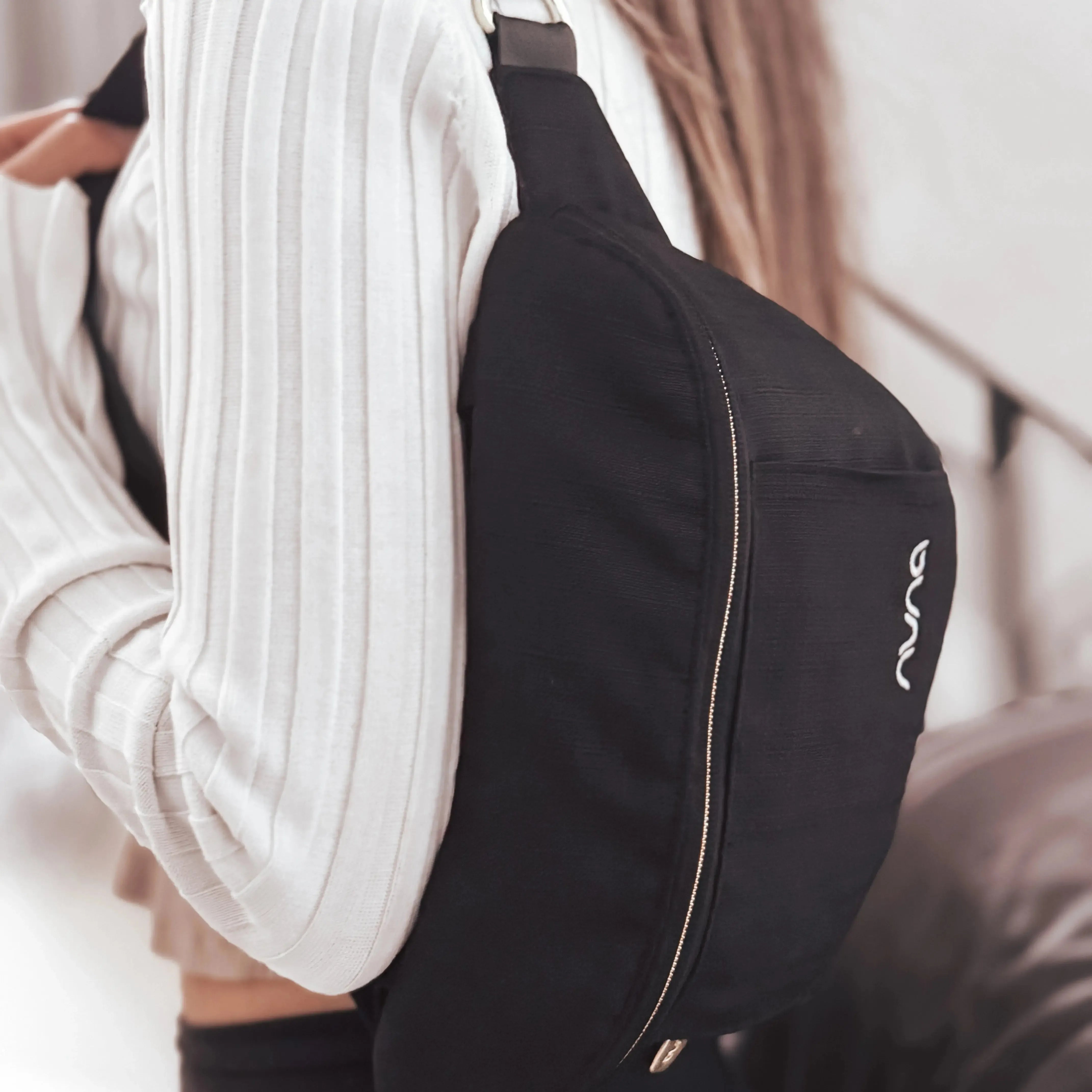
Keep it in reach while on the go. Small in size but big on detail, the Nuna stroller sling bag in Black colour has six inside compartments and two outside for easy access to essentials. Compatible with all the Nuna Demi Next and Mixx Next Stollers, it easily attaches to the push bar, keeping it organized and in reach. A luxe leatherette carry strap quickly converts it to an over-the-shoulder tote bag. Just attach or remove and go.
What's Included
What's Included
Delivery and Returns
Delivery and Returns
- Delivery: Free within NZ on orders over $130 (excluding bulky items) or $8 standard shipping
- Returns: Accepted within 14 days of receipt with proof of purchase
- Some items are excluded from returns including sale items, hardware, car seats, prams, monitors and personal items - please click here for the full list.
Share this product
Recently Viewed Products
Related Blogs
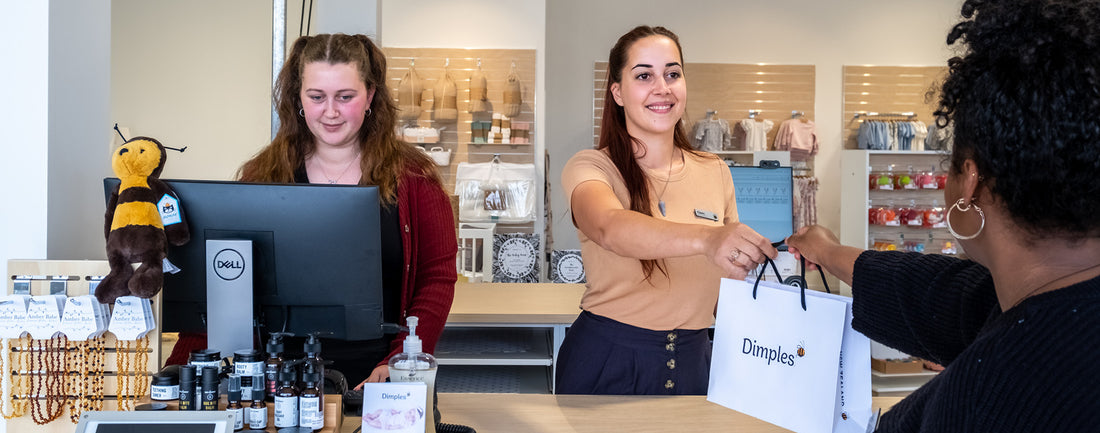
Introducing Our Virtual Shopping Service
As a busy parent it can be hard to find the time to get out to the shops. Or perhaps you’re in hospital post-birth and realise you need some more essentials in tiny sizes. Of course there’s always the option to shop online, but sometimes that just doesn’t cut it. Perhaps you want to see a product in action, or ask a question, or get advice . . . You can now book in to have a video call with our in-store team. They can show you close ups, give you a demo or help you choose when you’re confused by all the options. It’s the perfect option for busy parents. And we’ve made it easy with an ONLINE BOOKING SYSTEM . Book a Virtual Shopping Appointment Here's why our virtual shopping service is a game-changer: Personalized Assistance: Need help finding the right stroller, cot, or baby monitor for you? Our team of knowledgeable experts can help. Virtual Tours: Explore our store virtually with guided tours led by our experienced staff. From nursery furniture setups to the latest babywear arrivals, our virtual tours give you an immersive shopping experience without leaving your home (or birthing unit). Shop with confidence: Once you've made your selections, you’ll have the peace of mind to buy online. Then you can have your purchase delivered to your door or arrange a Click & Collect. Whether you're a first-time parent or a seasoned pro, we're here to make your parenthood journey a little bit easier. Embrace the convenience of our virtual shopping service and enjoy a stress-free shopping experience like never before.
Learn more
Must-have items to pack in your nappy bag
The Ultimate Nappy Bag Checklist: Be Ready for Anything Leaving the house without your nappy bag? That’s the kind of chaos every parent dreads. Whether it’s a surprise nappy blowout or a teething meltdown mid-supermarket shop, being prepared can turn potential disasters into minor hiccups. That said, there’s a balance to strike. Overpacking can make your bag heavy and hard to manage — underpacking leaves you without the essentials when you need them most. What you pack depends on your baby’s age, where you’re going, and how long you’ll be out. To make things easier, here’s your ultimate nappy bag checklist - designed to help you leave the house calm, confident, and ready for anything. Start with the right bag You’ll want a nappy bag that’s both practical and stylish. Something that works for both parents and doesn’t scream “baby gear.” Look for one with plenty of compartments, bottle holders, and enough space to fit everything without being bulky. We have a gorgeous range of stylish bags, shop them here. What to pack For changing: Nappies – more than you think you’ll need Baby wipes – either travel packs or your own stash in a reusable snap-lock bag. Nappy rash cream – keep a small tube in your bag. Change mat – compact and easy to clean. Most good nappy bags come with one, you can also get disposable ones. Nappy disposal bags – for dirty nappies or any messy surprises. Hand sanitiser or wipes – for quick cleanups when a bathroom’s not nearby. Spare clothes – at least one full change, maybe two if you’re toilet training. Warm layers in case the temperature drops. For feeding: Bibs – always helpful for dribbles or spills. Bottles and formula – if bottle-feeding, bring everything you’ll need. An insulated bottle can be handy too. Muslin cloth or burp cloth – great for burping and as a lightweight feeding cover. Baby food and utensils – a travel pouch, and spoon and bowl if you’re onto solids. General extras: Teething toy or small distraction – for those fussy moments on the go. First-aid basics – baby sunscreen, plasters Sunhat and beanie – be ready for any weather. Dummy – keep a spare in the bag so you’re never caught short. Wrap – useful as a swaddle, sunshade, blanket, or emergency carrier. Don’t forget Mum’s must-haves: Breast pads – to prevent leaks if you’re nursing. Water and snacks – a must when you're running on empty. Spare top and bra – messes don’t just happen to the baby! Sunscreen and hat – you’ll need protection too. Final tip: restock after each outing Once you’re home, do a quick check and restock your nappy bag so you’re ready to go next time. Think about the different scenarios you might face and pack with those in mind. Multipurpose items help you save space and stay organised — no need to carry the kitchen sink!
Learn more
Choosing a Pacifier
Finding the Right Pacifier for Your Baby From grumpy baby to soothed and settled, a pacifier can feel like magic in those early days. Whether you call it a dummy, binky, soother, or simply your lifesaver, this little item can offer big comfort – and sometimes even buy you a bit of peace and quiet. 👶🍼 As with many parenting decisions, pacifier use can spark a lot of opinions. But the good news? Whether you choose to use one or not is entirely up to you. Why use a pacifier? Pacifiers are designed to mimic a mother’s nipple and can instantly calm a fussy baby, helping them drift off to sleep, feel soothed between feeds, or stay content during a car ride or outing. If you’re hoping to stretch out time between night feeds, offering a pacifier can be a helpful strategy too. Some research suggests pacifier use may reduce the risk of SIDS (Sudden Infant Death Syndrome), though not all babies take to them. If your little one isn’t interested, there’s no need to force it – every baby has their own preferences. When should I introduce one? If you’re bottle-feeding, you can introduce a pacifier whenever you feel ready. If you’re breastfeeding, it’s generally recommended to wait until around 4 weeks – just to give your baby time to establish a solid latch without confusion. Most babies will let you know when they’re keen – usually after a feed or when they’re settling to sleep. And if it’s not the right time, don’t worry. They’re excellent at spitting it out! How to choose the right pacifier Trial and error is often your best guide when it comes to pacifiers. Babies can be picky – what works for one might not work for another. At Dimples we offer a wide selection of shapes, sizes and materials to help you find the perfect match. Here are a few things to consider: Material: Latex is a natural rubber that’s soft and flexible – ideal for newborns. It does have a shorter lifespan and should be replaced every six weeks. Silicone is more durable, easy to clean, and tends to last longer. Always inspect pacifiers regularly for cracks or wear. Shape: Rounded nipples are usually preferred by breastfed babies as they mimic the motion of breastfeeding and can help avoid nipple confusion. Orthodontic nipples feature a flattened bottom and rounded top to support the natural development of your baby’s jaw and palate. Size: Choose a pacifier suited to your baby’s age – from newborn through to 18 months+. A good fit reduces choking risks and makes the experience more comfortable. Hygiene & comfort: Look for pacifiers with air holes and a curved shield to reduce skin irritation. Dishwasher-safe options and machine-washable materials make cleaning simpler. Pacifiers at Dimples 🐝 We stock a carefully chosen range of quality pacifiers, including: Frigg – With a stylish Scandinavian look, Frigg pacifiers come in both classic and daisy-shaped shields. The rounded cherry-shaped nipple and outward curve help keep the pacifier off baby’s skin. Available in two sizes: 0–6 months and 6–18 months, and a wide range of clean aesthetic colours and shapes. BIBS – These iconic Danish pacifiers are made with 100% natural latex rubber, and feature a retro-style shield and nipple. Their outward-facing design helps reduce skin irritation. Available in two sizes: 0–6 months and 6–18 months with an extensive and super fun colour range in-store and online. NUK – These are made from 100% sustainable materials using a certified mass balance approach, making them a great choice for eco-conscious parents. The original shape is inspired by nature to support healthy oral development while being particularly soft, breastfeeding-friendly, and soothing for 99% of babies, including a smaller size 0 for tiny newborns. Don’t forget a pacifier clip and holder! Babies are total experts at making things disappear. Pacifier clips help keep dummies close by and off the ground (or out of the abyss under the car seat) and can help to keep them cleaner, for longer. Mushie and Bibs both make a stylish range of clips. You don't have to sacrifice looks for practicality – you can even match them to your baby’s outfit! Shop our range of accessories here. When it's time to say goodbye 👋 Eventually, the pacifier days will come to an end. Phasing it out around 6–7 months can make the transition smoother – it’s before strong emotional attachment sets in, and the SIDS risk has decreased. But if your toddler keeps one a little longer, don’t panic. As long as they’re not using it all day and night, there’s minimal risk to their speech or dental development. Final thoughts If a pacifier brings comfort to your baby (and sanity to you), go for it. Just aim for moderation – using it for sleep times or moments of fussiness will make the habit easier to break when the time comes.
Learn more
Pretty Brave Shoes: A Guide to Little Feet
Little feet have a lot of growing and exploring to do! From those first little steps to running, playing and discovering the world, choosing shoes that are comfortable and designed to move with them is an important part of every stage.
Learn more