


Silicone Cleaning Brush Kit
Silicone Cleaning Brush Kit
SKU:BHK127-S
In stock
Couldn't load pickup availability
Overview
Overview
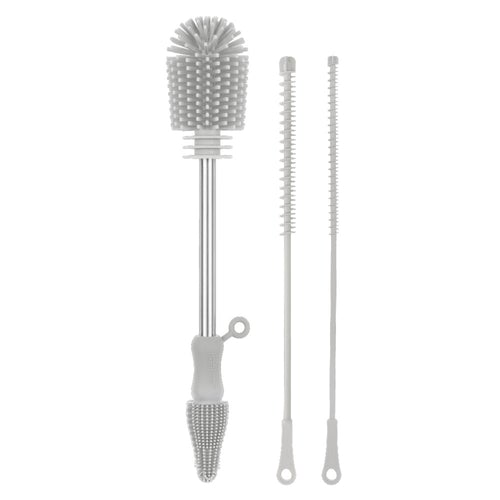
Clean and care for your baby and maternity gear with Haakaa's Silicone Cleaning Brush Kit! This set comes with three different brushes to help you efficiently scrub all your essentials, leaving them safe and hygienic.
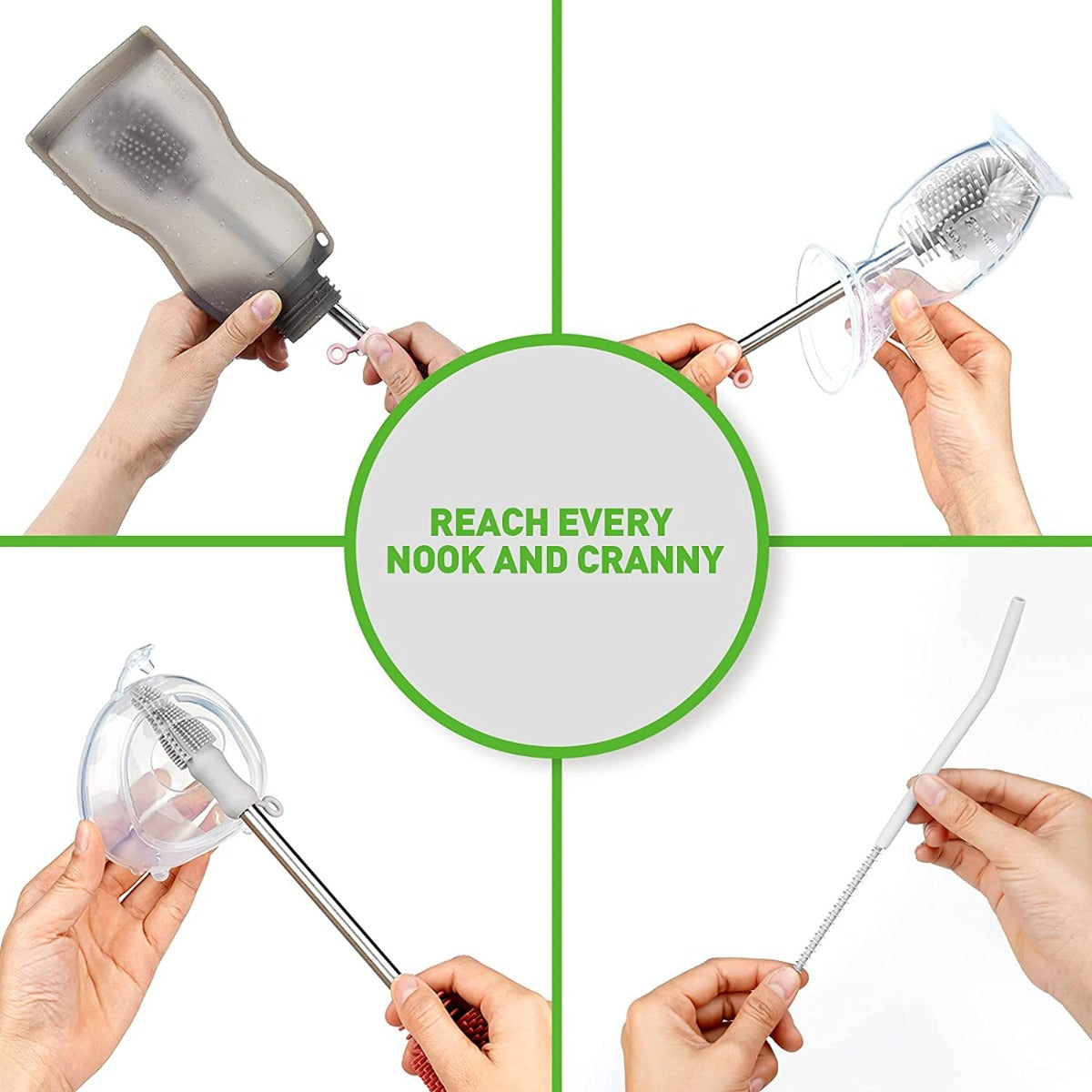
The Double Ended Silicone Brush features soft and flexible silicone bristles that provide a 360' clean for all your items. On one end, there's a brush head that's perfectly sized for scrubbing your pumps, bottles and milk storage bags, and on the other, there's a brush with an angled tip to reach the corners of your bottle teats, milk collectors and more!
This kit also comes with two different sized Silicone Tube Brushes, with soft silicone edges that help you clean the inside of narrow openings - such as reusable straws, colostrum collectors and dummies.
Key Features
Key Features
Technical Specification
Technical Specification
User Guide
User Guide
Delivery and Returns
Delivery and Returns
- Delivery: Free within NZ on orders over $130 (excluding bulky items) or $8 standard shipping
- Returns: Accepted within 14 days of receipt with proof of purchase
- Some items are excluded from returns including sale items, hardware, car seats, prams, monitors and personal items - please click here for the full list.
Share this product
Recently Viewed Products
Related Blogs

Tips & Tricks - Cleaning your Carseat
How to Keep Your Car Seat Clean (and Looking Like New!) Parents and caregivers know that washing can quickly take over your life when you’ve got little ones around – especially when it comes to car seats! Kids, being kids, seem to have a knack for turning a spotless, brand-new car seat into a treasure trove of crumbs, spills, and, well, the occasional bodily fluid. While it would be ideal to ban all food and drink from the car seat (let's face it, that’s easier said than done!), prevention is key. A full-sleeved bib worn over the straps can help catch any messes before they even get the chance to make a mark. If a major mess happens (think: vomit, diaper leaks, or spilled drinks), the sooner you clean it up, the better. In between those big cleans, a quick vacuum once a week can keep things under control and prevent crumbs from piling up. For extra protection, consider using protective car seat covers or mats to catch any messes that could cause long-term damage to your car. Here are some simple steps to keep your car seat looking fresh and clean: 1. Vacuum Your Seat Give your seat a quick shake to loosen any crumbs or debris, then vacuum up the mess before removing the car seat for a deeper clean. This will stop any stray bits from making a mess as you go! 2. Remove and Wash the Car Seat Covers Start by checking your car seat’s instruction manual for cleaning guidelines. Many car seat covers are machine washable, but some may require hand washing. Be sure to note any special instructions about detergent, water temperature, or removable parts. Pro tip: Take a few photos or a video as you remove the covers. This can be a lifesaver when it's time to reassemble! A gentle, mild detergent or just soap and water are typically your best bet. Avoid bleach or harsh chemicals, as these can damage or weaken the fabric. When it comes to drying, line drying is your safest option, as most car seat covers can't go in the dryer. Give them plenty of time to air out and dry completely. 3. Clean the Harness & Straps Use a non-abrasive cloth and warm water to spot clean the harness and straps. Follow your manual’s instructions, as some manufacturers allow using soapy water, while others may not. 4. Clean the Buckles Buckles are critical for keeping your child safe, so avoid submerging them in water or using any lubricants. Instead, spot clean them with warm water and a soft cloth, keeping them free from soap or cleaning products. 5. Clean the Shell Vacuum the car seat shell to catch any loose bits, then use an old toothbrush or cotton bud to get into those tricky nooks and crannies. A damp cloth can help wipe down any sticky or dirty areas. Make sure the shell is fully dry before putting everything back together. 6. Reassemble Your Seat If you took photos or videos while disassembling, now is the time to refer back to them! Check your manual to ensure all parts are correctly reassembled, and give the harness and buckles a final check to ensure they’re securely fitted and ready for your little one. Note: This guide is intended to help with your car seat cleaning routine, but always follow the manufacturer’s specific instructions in your car seat manual to keep your warranty intact.
Learn more
Making a Baby First Aid Kit
10 essentials for your baby’s first aid kit Be ready for emergencies and trips away You’ve Pinterested your dream nursery, sussed the decor and ticked off all the big purchases like a cot, pram and capsule. The reality of being responsible for a tiny person can take a while to sink in, and usually, a first aid kit for your baby isn’t top of mind. While you might have a couple of items like a thermometer and tiny nail clippers on your radar, a comprehensive first aid kit will set you up for years to come. It’s also easy to pop in your bag for trips away. Be sure to include these ten essentials: Thermometer – a thermometer you can trust can give you so much assurance. A non-contact thermometer like the NUK Baby Flash Thermometer makes the process super easy, and can even be used to see how hot your baby’s bath or food are too! Nasal decongestant and saline spray – unfortunately, it's only a matter of time before your little one gets their first cold and it usually means trouble feeding and sleeping. Since it’s a good few years until they can learn to blow their nose (usually around aged 2), a nasal decongestant combined with a saline nasal spray can help de-stuff and make feeding and sleeping a little easier. Nail clippers – cutting tiny nails for the first time can be a truly frightening experience and even worse, they seem to grow at lightning speed! Having some specific clippers on hand to keep nails short will prevent him from scratching himself. Emergency contacts – avoid scrambling on your phone by keeping important numbers like PlunketLine , Healthline and your local GP in an easy-to-find spot in your first aid kit – consider taping them to the inside of the lid. Pain relief – some form of over-the-counter pain relief such as liquid paracetamol or ibuprofen in your baby first aid kit can come in handy at all hours of the day or night. While you should always consult a professional (either your GP or an after-hours service) before administering any type of medicine, having this at the ready for fevers and minor aches and pains saves a trip to the pharmacy. An oral syringe – getting medicine into a baby can be tricky. The Haakaa Oral Syringe is an affordable, reusable syringe that is easy to use and easy to clean. Tweezers – even babies can get splinters! Rubbing alcohol swabs – grab a stash of these sterilising wipes to keep thermometers, tweezers and scissors clean. Plasters and antiseptic spray – even before they’re on the move, cuts and scrapes can happen. When they start moving, cuts and scrapes seem to happen every day! Disinfecting these and covering them with a small plaster will help them heal much faster. Gas relief drops – when burping doesn't seem to cut it, try infant gas relief drops. Learn more – take a course In addition to a well-stocked first aid kit for your baby, going along to a course specifically designed for dealing with littlies in an emergency is a great investment. Organisations like Plunket and Red Cross regularly hold affordable short courses designed to give you the confidence and basic skills needed to deal with emergencies until help arrives.
Learn more
Pretty Brave Shoes: A Guide to Little Feet
Little feet have a lot of growing and exploring to do! From those first little steps to running, playing and discovering the world, choosing shoes that are comfortable and designed to move with them is an important part of every stage.
Learn more
Trouble sleeping? Finding The Right Sleep Aid
Sleep Struggles? These Soothers Might Just Save Your Sanity 😴 White noise and gentle sound machines help to mask the everyday background noise that can disturb your little one's rest. Think: older siblings, barking dogs, or the neighbour deciding now’s the time to mow the lawn. These soothing sounds - like a heartbeat, waves, or soft shushing - can create a more consistent, calming sleep environment and help baby settle more easily. Darkness can make a big difference too. A dark room helps reduce visual stimulation and can support your baby’s natural sleep cues, which is especially handy for daytime naps, early bedtimes and those bright summer evenings. If light is sneaking in around curtains or you’re sleeping somewhere unfamiliar, a portable blackout blind can help create a darker, more consistent sleep space wherever you are. We’ve curated a handy Quiz to help you make a decision, plus a small but mighty collection of trusted sleep soothers and calming aids below, that can help take the edge off bedtime - for both you and your baby. Love to Dream Sleep Machine Creating a familiar, calming sound environment is a great way to help signal to baby that it’s time to sleep. The Love to Dream Sleep Machine offers nine soothing sounds, including white, pink and brown noise, rain, shushing and womb sounds, helping to mask everyday household noises that might otherwise disturb naps or nighttime sleep. It even has a clever cry detection feature which automatically starts your chosen sound if baby stirs! It's got a soft red and warm white nightlight function which is super handy for those 3am feeds and changes. Being rechargeable with up to 22 hours of battery life it's perfect for travelling moments too! YogaSleep Nod Sound Machine and Night Light The YogaSleep Nod is the ultimate stay-at-home sleep station, perfect for setting up a consistent, calming bedtime routine in the nursery. It features 20 sleep sounds, including white noise, fan sounds, lullabies, and nature tracks, so you can tailor the soundscape to your baby’s preferences. What makes it a standout? The built-in nightlight, which emits a warm amber glow to create a peaceful sleep space without overstimulating your baby. You can also set sleep timers or run it all night long, ideal for little ones who are easily stirred. Simple, soothing, and super customisable, the Nod helps create the kind of sleep environment you’ll both appreciate. Purflo Total Blackout Blinds Light can make a huge difference to how easily your baby settles, especially for daytime naps, early bedtimes or those bright summer evenings. The Purflo Total Eclipse Portable Blackout Blind helps create a dark, calming sleep environment by blocking out unwanted light, making it easier to keep baby’s sleep space feeling consistent. It easily attaches securely to windows using over 100 suction cups and can be adjusted to suit smaller windows, so it’s handy at home as well as when travelling or staying with family. Even better, it folds neatly into its own storage pocket, making it an easy sleep essential to have on hand. Storytime and Soothing Light for Sweet Dreams Another beautiful way to support your child’s sleep is by building a calming, familiar bedtime routine - and the CloudBox™ helps make that easy. This clever little device plays comforting bedtime stories while gently projecting sleepy visuals onto the ceiling or wall. With a soothing mix of audio and light, it creates a multisensory environment that helps children wind down at the end of the day. You can choose from the preloaded stories or record your own – a lovely way to keep bedtime personal, even when you can’t be there in person. Repeating the same story or image each night can become part of your child’s sleep ritual, providing a sense of security and consistency they can count on. Simple to use and designed for children from birth and up, the CloudBox™ is a thoughtful addition to any nighttime routine – helping little ones feel calm, safe, and ready for sleep. Supporting Sleep, Naturally For many families, Magnesium Rescue has become a much loved part of their wind-down ritual. This gentle, topical formula is made from natural ingredients and can be massaged into your child’s back, tummy, or feet at bedtime. It’s designed to help support a relaxed nervous system – a simple, non-invasive way to encourage calm before sleep. Another lovely option is the Bedtime Bestie - a lightweight magnesium mist infused with calming lavender, designed to support relaxation and make bedtime a little easier. Simply spritz it onto your child’s back or feet as part of your evening routine. It’s a fuss-free way to help little bodies and busy minds slow down – one small spray at a time. Shop Sleep Saviours at Dimples now Whether you’re trying to improve naps, master the bedtime routine, or just desperate for an extra hour of sleep, our range of sound machines and calming sleep aids are here to help. Browse the full collection in-store or online and find the right fit for your baby (and your sleep-deprived self).
Learn more