


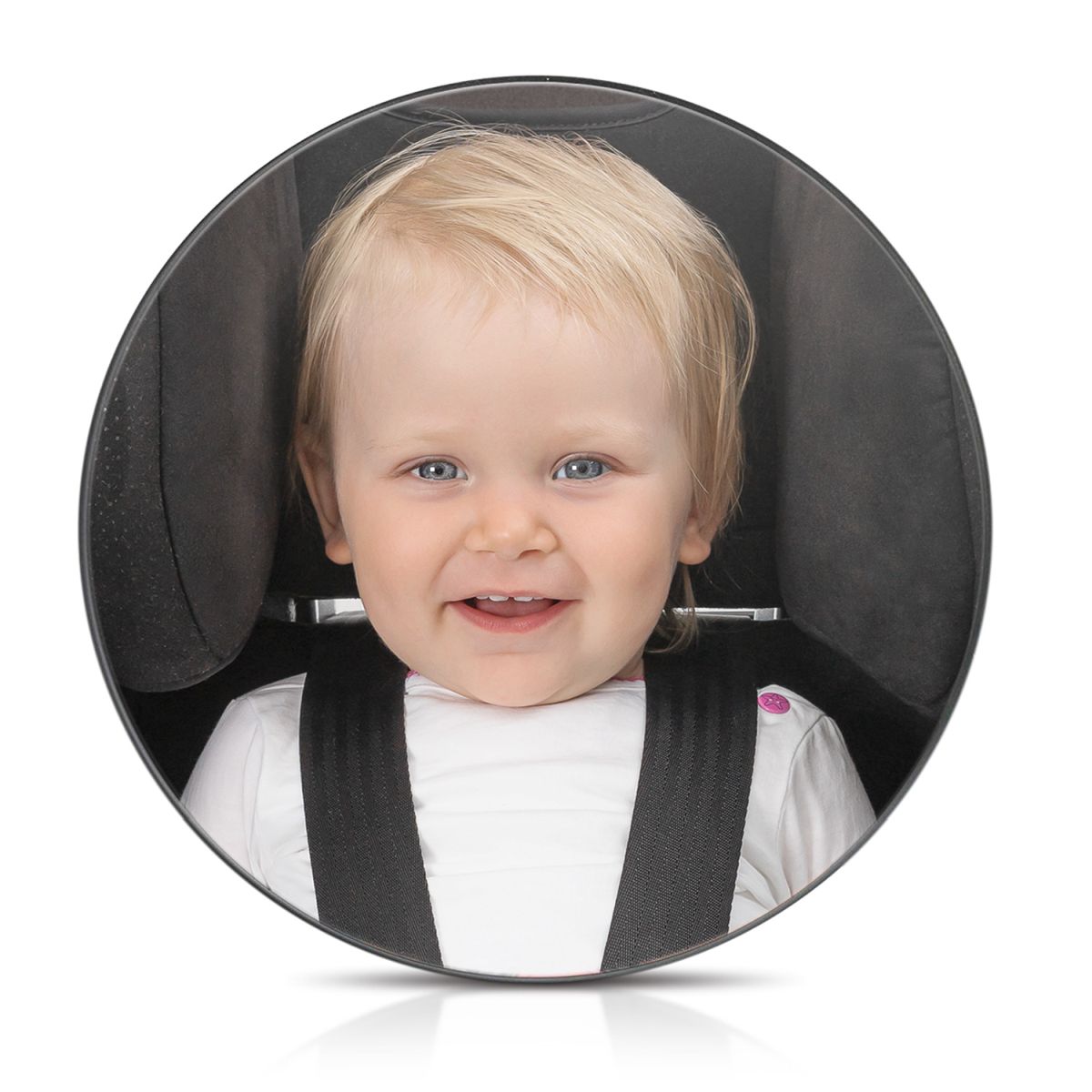


Reer Safety View Mirror
Reer Safety View Mirror
SKU:8601
In stock
Couldn't load pickup availability
Overview
Overview
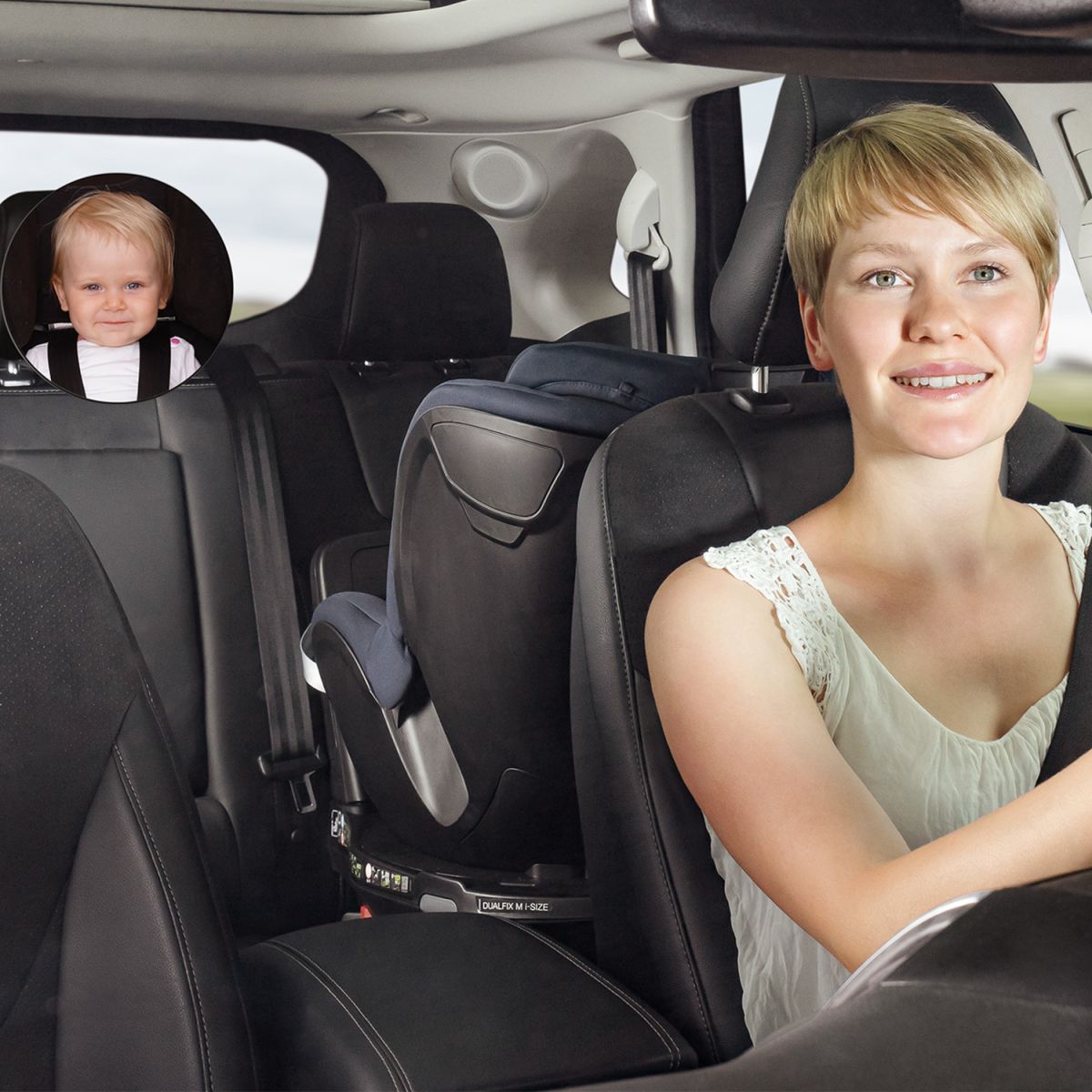
This mirror provides you with a clear view of your child without adjusting your rear view mirror. Easily attach the Safety View mirror to the headrest with the tensioning strap for an unobstructed view of your child, allowing you to concentrate on driving.
The shatterproof plastic surface ensures safety in case of an accident. The large, curved mirror offers maximum visibility, making it ideal for watching children in rear-facing seats. With these mirrors, you can monitor your child's well-being without taking your eyes off the road.
Technical Specification
Technical Specification
Delivery and Returns
Delivery and Returns
- Delivery: Free within NZ on orders over $130 (excluding bulky items) or $8 standard shipping
- Returns: Accepted within 14 days of receipt with proof of purchase
- Some items are excluded from returns including sale items, hardware, car seats, prams, monitors and personal items - please click here for the full list.
Share this product
Recently Viewed Products
Related Blogs

Tips & Tricks - Cleaning your Carseat
How to Keep Your Car Seat Clean (and Looking Like New!) Parents and caregivers know that washing can quickly take over your life when you’ve got little ones around – especially when it comes to car seats! Kids, being kids, seem to have a knack for turning a spotless, brand-new car seat into a treasure trove of crumbs, spills, and, well, the occasional bodily fluid. While it would be ideal to ban all food and drink from the car seat (let's face it, that’s easier said than done!), prevention is key. A full-sleeved bib worn over the straps can help catch any messes before they even get the chance to make a mark. If a major mess happens (think: vomit, diaper leaks, or spilled drinks), the sooner you clean it up, the better. In between those big cleans, a quick vacuum once a week can keep things under control and prevent crumbs from piling up. For extra protection, consider using protective car seat covers or mats to catch any messes that could cause long-term damage to your car. Here are some simple steps to keep your car seat looking fresh and clean: 1. Vacuum Your Seat Give your seat a quick shake to loosen any crumbs or debris, then vacuum up the mess before removing the car seat for a deeper clean. This will stop any stray bits from making a mess as you go! 2. Remove and Wash the Car Seat Covers Start by checking your car seat’s instruction manual for cleaning guidelines. Many car seat covers are machine washable, but some may require hand washing. Be sure to note any special instructions about detergent, water temperature, or removable parts. Pro tip: Take a few photos or a video as you remove the covers. This can be a lifesaver when it's time to reassemble! A gentle, mild detergent or just soap and water are typically your best bet. Avoid bleach or harsh chemicals, as these can damage or weaken the fabric. When it comes to drying, line drying is your safest option, as most car seat covers can't go in the dryer. Give them plenty of time to air out and dry completely. 3. Clean the Harness & Straps Use a non-abrasive cloth and warm water to spot clean the harness and straps. Follow your manual’s instructions, as some manufacturers allow using soapy water, while others may not. 4. Clean the Buckles Buckles are critical for keeping your child safe, so avoid submerging them in water or using any lubricants. Instead, spot clean them with warm water and a soft cloth, keeping them free from soap or cleaning products. 5. Clean the Shell Vacuum the car seat shell to catch any loose bits, then use an old toothbrush or cotton bud to get into those tricky nooks and crannies. A damp cloth can help wipe down any sticky or dirty areas. Make sure the shell is fully dry before putting everything back together. 6. Reassemble Your Seat If you took photos or videos while disassembling, now is the time to refer back to them! Check your manual to ensure all parts are correctly reassembled, and give the harness and buckles a final check to ensure they’re securely fitted and ready for your little one. Note: This guide is intended to help with your car seat cleaning routine, but always follow the manufacturer’s specific instructions in your car seat manual to keep your warranty intact.
Learn more
What’s the Best Baby Monitor in 2025?
Baby monitors are a must-have for parents. They’re an invaluable tool for keeping an eye on your baby and ensuring they are safe and comfortable at all times. As technology evolves, baby monitors now come equipped with a variety of advanced features. So, what is the best baby monitor on the market today? Discover some of the standout models available in 2025, along with their key features and benefits. Do I Need a Baby Monitor? Baby monitors are highly recommended for parents who want to stay connected to their baby while juggling everyday tasks like cleaning, cooking, or working from home. They are particularly useful in larger homes, where hearing your baby from another room might be challenging, or for parents who want extra peace of mind during overnight sleep. How to Choose the Best Baby Monitor The right baby monitor can ease your mind and simplify your routine – but finding the best one comes down to a few key features: Simple setup and use A good monitor should be easy to install and intuitive to navigate, whether it uses buttons, a touchscreen, or connects to your phone. Smartphone-compatible models should pair quickly and reliably. Reliable connection Whether it runs on a local network or Wi-Fi, a baby monitor should stay connected without dropouts – even in larger or multi-storey homes. Strong battery life Look for a model that lasts at least 10–12 hours on a single charge, so you’re not constantly reaching for the charger. Clear video and audio You want to see and hear your baby clearly. Crisp audio, a good camera, and night vision all help give you peace of mind. Built to last Baby monitors should be sturdy enough to handle the occasional bump or tumble – without feeling flimsy or fragile. Best Overall Baby Monitor: Oricom 5" Smart HD Touchscreen Premium Baby Monitor For a comprehensive baby monitor with robust smart technology built-in, the Oricom 5” Smart HD Touchscreen Premium Baby Monitor is your best option. This model is well-loved for many reasons, starting with a Stargrip that allows you to position the camera wherever you like. The camera itself has a 300-metre range within line of sight and infrared night vision capabilities. What makes this the best baby monitor is its in-depth smart features, from Wi-Fi and FHSS Digital Wireless Connectivity to integration with the Hubble Club for Partners app. The app includes motion, sound, and temperature alerts, the option to create personal audio recordings, and more. You can also buy a version of this model with a cot stand for an overhead view. Oricom HD Dual Vision Camera The Oricom HD Dual Vision Camera is a smart, reliable baby monitor that offers more than just peace of mind. With two built-in lenses—standard and wide-angle—you can view more of your nursery at once. Using the free HubbleClub for Partners app (available on iOS and Android), you can stream both camera angles simultaneously to your smart device. This high-definition monitor delivers crisp 1080p video with infrared night vision, so you’ll always have a clear view. It also features motion tracking, automatic camera movement, and a temperature sensor to help you keep baby’s space just right. Built-in lullabies, nature sounds, audiobooks, and two-way talk let you soothe baby from afar—ideal for naps and nighttime routines. Smart home compatible (with Google Assistant and Alexa), sleep-tracking enabled, and designed with a secure connection and wall mount included, the Oricom Dual Vision blends innovation and comfort in one beautifully practical device. Best Breathing Monitor: Oricom Babysense 7 Breathing Movement Monitor Our last option is a different type of monitor often used alongside video or audio monitors. The Babysense 7 , the latest in Oricom’s line of breathing movement monitors, features the same reliable technology in an updated, improved design, offering parents greater peace of mind. With simple one-button activation, it’s easy to use and suitable for newborns from birth. The monitor operates through sensor pads placed under your baby’s mattress, which alert you if their breathing slows below ten breaths per minute. This monitor is part of the Australian Register of Therapeutic Goods (ARTG No. 97479), making it one of the most trustworthy monitors available. It is also battery-powered, meaning you won’t have to deal with any active power sources around your baby. Find the Best Baby Monitor for Your Little One Baby monitors can bring you peace of mind and relieve your anxiety when needed the most. Dimples has the best baby monitors available to cover your diverse needs as a parent. With streamlined options and the most modern smart technology available, we have something for everyone. Visit our baby shop in Auckland or Christchurch to browse our range of baby monitors and see which would suit your home and lifestyle the most.
Learn more
Pretty Brave Shoes: A Guide to Little Feet
Little feet have a lot of growing and exploring to do! From those first little steps to running, playing and discovering the world, choosing shoes that are comfortable and designed to move with them is an important part of every stage.
Learn more
Trouble sleeping? Finding The Right Sleep Aid
Sleep Struggles? These Soothers Might Just Save Your Sanity 😴 White noise and gentle sound machines help to mask the everyday background noise that can disturb your little one's rest. Think: older siblings, barking dogs, or the neighbour deciding now’s the time to mow the lawn. These soothing sounds - like a heartbeat, waves, or soft shushing - can create a more consistent, calming sleep environment and help baby settle more easily. Darkness can make a big difference too. A dark room helps reduce visual stimulation and can support your baby’s natural sleep cues, which is especially handy for daytime naps, early bedtimes and those bright summer evenings. If light is sneaking in around curtains or you’re sleeping somewhere unfamiliar, a portable blackout blind can help create a darker, more consistent sleep space wherever you are. We’ve curated a handy Quiz to help you make a decision, plus a small but mighty collection of trusted sleep soothers and calming aids below, that can help take the edge off bedtime - for both you and your baby. Love to Dream Sleep Machine Creating a familiar, calming sound environment is a great way to help signal to baby that it’s time to sleep. The Love to Dream Sleep Machine offers nine soothing sounds, including white, pink and brown noise, rain, shushing and womb sounds, helping to mask everyday household noises that might otherwise disturb naps or nighttime sleep. It even has a clever cry detection feature which automatically starts your chosen sound if baby stirs! It's got a soft red and warm white nightlight function which is super handy for those 3am feeds and changes. Being rechargeable with up to 22 hours of battery life it's perfect for travelling moments too! YogaSleep Nod Sound Machine and Night Light The YogaSleep Nod is the ultimate stay-at-home sleep station, perfect for setting up a consistent, calming bedtime routine in the nursery. It features 20 sleep sounds, including white noise, fan sounds, lullabies, and nature tracks, so you can tailor the soundscape to your baby’s preferences. What makes it a standout? The built-in nightlight, which emits a warm amber glow to create a peaceful sleep space without overstimulating your baby. You can also set sleep timers or run it all night long, ideal for little ones who are easily stirred. Simple, soothing, and super customisable, the Nod helps create the kind of sleep environment you’ll both appreciate. Purflo Total Blackout Blinds Light can make a huge difference to how easily your baby settles, especially for daytime naps, early bedtimes or those bright summer evenings. The Purflo Total Eclipse Portable Blackout Blind helps create a dark, calming sleep environment by blocking out unwanted light, making it easier to keep baby’s sleep space feeling consistent. It easily attaches securely to windows using over 100 suction cups and can be adjusted to suit smaller windows, so it’s handy at home as well as when travelling or staying with family. Even better, it folds neatly into its own storage pocket, making it an easy sleep essential to have on hand. Storytime and Soothing Light for Sweet Dreams Another beautiful way to support your child’s sleep is by building a calming, familiar bedtime routine - and the CloudBox™ helps make that easy. This clever little device plays comforting bedtime stories while gently projecting sleepy visuals onto the ceiling or wall. With a soothing mix of audio and light, it creates a multisensory environment that helps children wind down at the end of the day. You can choose from the preloaded stories or record your own – a lovely way to keep bedtime personal, even when you can’t be there in person. Repeating the same story or image each night can become part of your child’s sleep ritual, providing a sense of security and consistency they can count on. Simple to use and designed for children from birth and up, the CloudBox™ is a thoughtful addition to any nighttime routine – helping little ones feel calm, safe, and ready for sleep. Supporting Sleep, Naturally For many families, Magnesium Rescue has become a much loved part of their wind-down ritual. This gentle, topical formula is made from natural ingredients and can be massaged into your child’s back, tummy, or feet at bedtime. It’s designed to help support a relaxed nervous system – a simple, non-invasive way to encourage calm before sleep. Another lovely option is the Bedtime Bestie - a lightweight magnesium mist infused with calming lavender, designed to support relaxation and make bedtime a little easier. Simply spritz it onto your child’s back or feet as part of your evening routine. It’s a fuss-free way to help little bodies and busy minds slow down – one small spray at a time. Shop Sleep Saviours at Dimples now Whether you’re trying to improve naps, master the bedtime routine, or just desperate for an extra hour of sleep, our range of sound machines and calming sleep aids are here to help. Browse the full collection in-store or online and find the right fit for your baby (and your sleep-deprived self).
Learn more