


Nuna Pruu
Nuna Pruu
SKU:NCS19300CHEGL
Clothing Prem to 18 Months
| Size | Age Guide | Weight | Height |
|---|---|---|---|
| Premature | Premature or Small Newborn | Up to 4Kg | Up to 55cm |
| Newborn | 0-3 months | 4-6Kg | Up to 62cm |
| 3 Month | 3-6 months | 6-8Kg | Up to 68cm |
| 6 Month | 6-12 Month | 8-10Kg | Up to 76cm |
| 12 Month | 12-18 Month | 10-12Kg | Up to 84cm |
| 18 Month | 18-24 Month | 12-14Kg | Up to 92cm |
Clothing 2 to 6 Years
| Size | Age Guide | Height | Chest | Waist | Hip |
|---|---|---|---|---|---|
| 2 Year | 2-3 Years | Up to 100 cm | 56 | 51 | 58 |
| 3 Year | 3-4 Years | Up to 105 cm | 58 | 53 | 60 |
| 4 Year | 4-5 Years | Up to 110 cm | 60 | 55 | 62 |
| 5 Year | 5-6 Years | Up to 115 cm | 62 | 57 | 64 |
| 6 Year | 6-7 Years | Up to 120 cm | 64 | 59 | 66 |
Beanie Size Guide
| Size | Head Circumference | Age Guide |
|---|---|---|
| Premature | 31-35 cm | Premature or Small Newborn |
| Newborn | 35-40 cm | Newborn |
| Small | 40-43 cm | 3-6 Months |
| Medium | 43-47 cm | 6-18 Months |
| Large | 47-52 cm | 18-3 Years |
Sunhat Size Guide
| Size | Head Circumference | Age Guide |
|---|---|---|
| Newborn | 37-40 cm | Newborn |
| Small | 40-43 cm | 3-6 Months |
| Medium | 43-46 cm | 6-12 Months |
| Large | 46-49 cm | 12-24 Months |
| Xtra Large | 49-54 cm | 2-4 Years |
Sleep Pods Size Guide
| Size | Weight | Age Guide | Measurement(Back to Hem) |
|---|---|---|---|
| Newborn | 0-6 kgs | 0-3 Months | 60.5 cm |
| Small | 0-8 kgs | 3-6 Months | 66 cm |
Booties Size Guide
| Size | Age Guide |
|---|---|
| Newborn | 0-3 Months |
| Small | 3-6 Months |
| Medium | 6-12 Months |
| Large | 12-18 Months |
Pretty Brave Baby
| Foot Length (mm) | Insole Length (mm) | EU | UK | Age | INT |
|---|---|---|---|---|---|
| 95-104 | 110 | 16/17 | 2 | 0-6m | S |
| 104-114 | 118 | 18 | 3 | 6-12m | M |
| 114-123 | 127 | 19/20 | 4.5 | 12-18m | L |
| 123-137 | 142 | 21/22 | 5.5 | 16-22m | XL |
Pretty Brave 1st Walker
| Foot Length (mm) | Insole Length (mm) | EU | UK | Age |
|---|---|---|---|---|
| 114-120 | 125-128 | 19 | 3 | 1 yr |
| 120-126 | 132-135 | 20 | 3.5 | 1-2 yrs |
| 126-132 | 138.5-141.5 | 21 | 4.5 | 1-2 yrs |
| 132-138 | 145-148.5 | 22 | 5 | 2 yrs |
Crywolf Swim Nappy
| Size | Length (waist to crotch) | Crotch Width (side to side) |
|---|---|---|
| 0-1 yr | 1-2 yrs | |
| 37 | 38 | |
| 14.5 | 15.5 |
Crywolf Rash Suit
| Size | Length (back neck to crotch) | Chest (arm to arm) | Waist (side to side) | Sleeve (neck to cuff) | Neck Opening(diameter) |
|---|---|---|---|---|---|
| 6-12 Months | 1 yr | 2 yrs | 3 yrs | ||
| 40 | 42 | 44 | 46 | ||
| 25 | 26 | 27 | 28 | ||
| 24 | 25 | 26 | 27 | ||
| 30 | 31.5 | 33 | 34.5 | ||
| 13.25 | 13.25 | 13.8 | 14.3 |
In stock
Couldn't load pickup availability
Overview
Overview
From those first newborn journeys through to the busy toddler years, the Nuna PRUU Convertible Car Seat is designed to grow with your child while keeping everyday travel simple, secure and comfortable.
Its smooth 360° rotation makes getting your little one in and out of the car so much easier!
Safety is built into every detail of this seat. As your child grows, the PRUU adjusts with them. A one handed headrest offers six height positions, the no rethread 5-point harness grows without needing to be reconfigured, and five recline positions provide comfortable support whether your child is rear or forward-facing.
Ventilation panels help keep your little one comfortable throughout the year, while removable Merino wool head and body inserts add softness for younger babies.
With contemporary styling, thoughtful comfort and advanced safety features throughout, the PRUU is made to support your family through every stage of the journey.
Key Features
Key Features
Technical Specification
Technical Specification
User Guide
User Guide
Delivery and Returns
Delivery and Returns
- Delivery: Free within NZ on orders over $130 (excluding bulky items) or $8 standard shipping
- Returns: Accepted within 14 days of receipt with proof of purchase
- Some items are excluded from returns including sale items, hardware, car seats, prams, monitors and personal items - please click here for the full list.
Share this product
Recently Viewed Products
Related Blogs
Safety On-The-Go: Dimples' Free Car Seat Installation Service
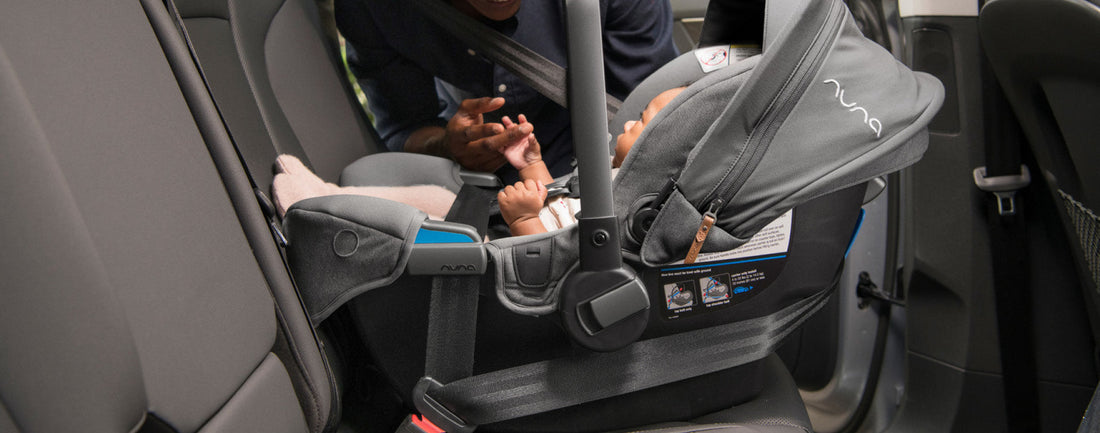
In the whirlwind of preparing for a new arrival, there’s one essential item that stands out among the rest: a car seat. You’ll want this sorted in plenty of time as you won’t be able to drive home from the hospital without it! With so many belts and straps, correctly installing a car seat can be daunting. Whether you’re buying a newborn capsule or graduating them into their next seat , it’s important to get the right fit in your vehicle. That’s why we offer one FREE car seat installation when you buy the seat from us. And we’ve just made it even easier, with our ONLINE BOOKING SYSTEM. If you’re not near one of our physical stores – Newmarket and Christchurch – you can instead book in for a Virtual Car Seat Fitting Check. Book an Appointment Safety First: Proper Installation Matters If you’re not a fan of reading instruction manuals, car seat installation can be stressful. But it’s an important thing to get right to keep your little one safe. Properly installed car seats can significantly reduce the risk of injury or death in the event of a crash. Expert Guidance: In-Store Installations Dimples’ can both install your car seat for you and talk you through the process so you’re confident installing it yourself should you need to in the future. Our knowledgeable staff members undergo extensive training to become qualified Child Restraint Technicians. When you purchase a car seat from Dimples, you can rest assured that it will be installed correctly, following manufacturer guidelines. We'll also take the time to demonstrate proper usage and answer any questions you may have, ensuring that you feel confident using the seat. Bridging the Distance: Virtual Video Calls If you can’t visit one of our stores in person, don’t stress, we've got you covered. You can book a Fit Check online. This is where you do your best to install the car seat first, then on a video call with one of our car seat technicians, we check the fit and help with any issues. Have you bought your seat elsewhere? No problem – we offer a car seat installation service for $50 if the seat wasn’t bought from Dimples. Visit Dimples today to explore our wide selection of premium car seats. Premium brands, great service and peace of mind.
Learn more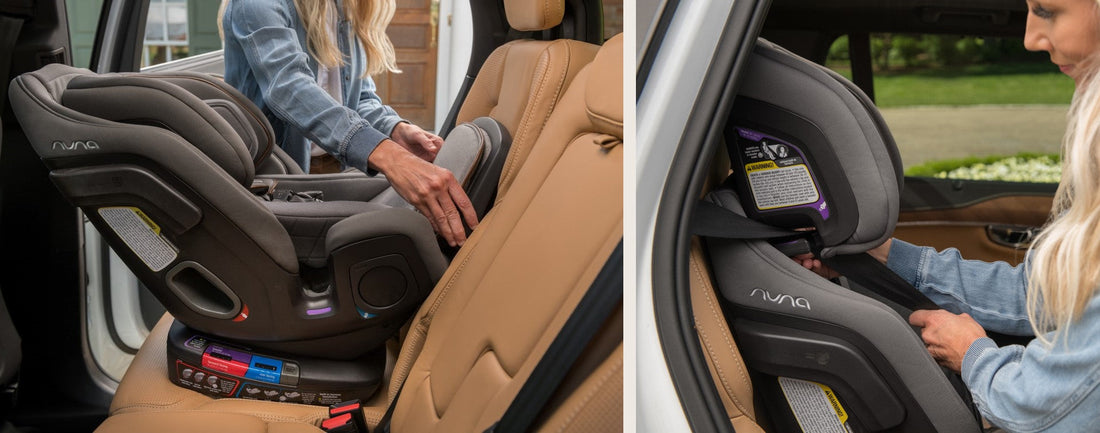
Carseats Standards in New Zealand
Under New Zealand law, the driver is responsible for making sure all children under seven years of age are using a child restraint (car seat) that’s appropriate for their age, size, and development. Keeping your child safe is the number one priority. As a guide, from 0-2yrs, most babies should be in a rear-facing capsule or car seat, from two to around four or five they should be in a front-facing restraint, and after that, they should stay in a booster seat until they’re 148cm tall. Read our full guide to choosing a car seat here New Zealand car seat standards Every car seat that is sold or used in New Zealand has to be manufactured to a standard that complies with our minimum safety standards. You will find the car seat safety standard displayed as a sticker or a label on the shell of your child restraint. This will indicate which safety standard your car seat was manufactured to. When looking at car seats, you may identify a variety of different stickers: 1. The joint Australian, and New Zealand standards. This sticker can be identified as AS/NZS 1754. If you have an Australian standard car seat with this sticker identification it can be bought into New Zealand and used here. 2. The European Standard can be identified by a sticker reading ECE R44/04 or UN R129 and/or i-size. A European standard car seat with a sticker showing these numbers is legal for use within New Zealand. 3. The US standard child restraints can be identified with the code FMVSS 213. Some child restraints that are manufactured to the US standard are approved for use within New Zealand, but it is important to note that not all are. Child restraints that are manufactured to AS/NZ and European standards are independently tested to achieve the certification that allows each car seat to be used within New Zealand. However, car seats that are manufactured to the US standard are self-certified. This is why independent testing of US standard car seats must be run by the certification agency - Bureau Vista - prior to being used here in New Zealand. Once it has been approved for use here, each car seat will have a yellow compliance sticker applied. Note: If you buy a car seat in America, it won’t be compliant for use in NZ. Even if the exact same model can be purchased here, one bought in America won’t have the required compliance sticker and therefore isn’t legal for use in NZ. 4. You won’t often see the Japanese Car Seat Safety Standard here. It is only approved in NZ for child restraints that are built into a vehicle – eg a built-in booster seat that can’t be removed from the car. Note: If the car seat standard sticker falls off, or is no longer able to be read (this could be because a car seat is old and has expired), the restraint is not compliant, and therefore it is not legal for use on our roads. I’m Visiting NZ – Can I bring my own car seat? When visiting New Zealand from overseas you can bring your own child restraint only if it carries either the AS/NZS 1754 or the ECE R44 / R129 safety standard sticker.
Learn more
How to Choose a Car Seat
Which is the right seat for your little one? Choosing a car seat can feel overwhelming. Your choice is more than just a purchase; it's an investment in your child's safety and comfort. Are you looking for a capsule, a convertible, a booster seat or an all in one? And how do you know where to start? Buckle up as we lay out the different types of seat to help you figure out what’s right for your whānau. Capsule Car Seats Best for: Newborns to approx. 12 months (up to 13kg depending on the brand)What they are: Rear-facing, portable infant car seats that easily lift in or out of the car. Most of the capsules we sell clip onto a base (sold separately) that stays installed in your car. Others have a baseless install either by Isofix or car seatbelt. Why parents love them: If you choose a capsule that's compatible with your stroller, you can transfer your sleeping baby for car to stroller without waking them They're easy to carry with a handle Most work with a base that stays in the car - simple click and go. Things to consider: You’ll likely only use it for the first year. Weight matters – some are much easier to carry than others. Great options to compare: Nuna Pipa Next – lightweight (only 2.8kg) and super portable. Nuna Arra Flex – features three recline positions - including a near-flat 157° recline. Maxi Cosi Pebble 360 Pro – ergonomic recline, 360° base for easy loading. Nuna Pipa Urbn – ideal for swapping between cars or rideshares, it has built-in Isofix, no base required. Nuna Cari Next – this one is in a category all of its own - both a carrycot and car seat. The Cari has a three-point harness and connects to the Nuna Next Base in the car. Baby can lie peacefully at a full recline - the best position for a developing spine. The Cari can also connect to your stroller so you can move from home to car to pushchair without interrupting their sleep. Convertible Car Seats Best for: Birth to approx. 4 years (or longer depending on the seat)What they are: Seats that start rear-facing and convert to forward-facing as your child grows. Why parents love them: Cost-effective – you’ll use it for several years. Often more spacious and padded than a capsule. Things to consider: Not portable – it stays installed in the car. Some seats rotate on a base, so you can turn them towards the door to make buckling in easier Check your car - do you have Isofix points or do you need a seat that can be seat belt installed? Great options to compare: Nuna Todl Next – works with a rotating base for easy access. Nuna Rylo – built-in 360° rotation, no separate base required. Nuna Rava Next - seatbelt installed, and known for its simple installation, generous legroom, and plush comfort. Ideal for families who want a long-lasting seat without the need for a base or Isofix. All-in-One (Convertible + Booster) Best for: Birth to approx. 11–12 yearsWhat they are: Car seats that transition from rear-facing to forward-facing to booster seat. Why parents love them: One purchase that lasts for years. Ideal for parents who don’t want to keep upgrading. Things to consider: Not portable – stays in the car. No rotating options available. Great options to compare: Nuna Exec Next – rear-facing from birth, forward-facing to booster mode up to 148cm / 50kg. Britax One4Life Slim – rear-facing to booster mode up to 160cm / 54.4kg. Booster Seats Best for: 4+ years (or as per height and weight guidelines)What they are: Forward-facing seats that position the vehicle seatbelt properly across your child. Why parents love them: Simple to use and install. Gives older kids a good seat height and a view out the window. Often more compact. Things to consider: Only suitable once your child meets minimum size requirements. Great options to compare: Nuna Lumn – harnessed car seat that transforms to a belt positioning booster Nuna Aace Lx – adjustable height, recline, and side impact protection. Britax Skyline – affordable, comfortable, and lightweight. Axkid Up – has a patented raisable seat to elevate your child to better align with the vehicle seat belt Other Key Considerations When Choosing a Car Seat Car fit: Not all seats fit all vehicles – check for compatibility, especially if fitting multiple seats. Ease of use: Consider rotating seats if you struggle with lifting your child in and out. Installation method: Isofix is quicker and easier, but seatbelt installs offer flexibility for older vehicles or travel. However Isofix does have lower weight restrictions (generally around 18kgs). If a seat allows for both Isofix and seatbelt installation it can pay to opt for Vehicle Seat Belt installation as it eliminates having to switch installation method once weight limits are reached. Longevity: Weigh up whether you want a dedicated seat for each stage or one that adapts as your child grows. Need Help Choosing? Our Car Seat Technicians are here to help you make the best choice for your family. Visit a Dimples store and get personalised advice, try seats in your car, and enjoy our free professional car seat fitting with purchase. You can also take our handy quiz to find out what might work best for you. Whichever seat you choose, safety and comfort come first – and we’re here to make sure you get both. Shop the full car seat range online or in-store today.
Learn more
Car Safety for Littlies
Car seats and safety tips for parents When you become a parent, keeping your child safe is your most important job, and safety in the car is particularly important. Most of us drive so regularly that we forget how dangerous cars can be – but car crashes are one of the most common causes of injury and death for children. Car seats are now more sophisticated and high-tech than ever before, which is good news when it comes to keeping your children safe. But as seats have changed, so have the rules and guidelines about installation and use. This is where it gets confusing – many parents are not sure about car restraint laws or best practices. You have to choose from a huge range of car seats, install them properly, then work out how to get your brand-new baby strapped in safely. It can be a minefield, so it’s a good idea to work out what you’re doing well ahead of time – you don’t want to be googling info on the way to the hospital. Here’s our guide to car safety for young kids in NZ. Car seat law in New Zealand Children are far smaller than adults, and they’re built differently as well. That’s why car seats are essential – they protect delicate bodies in case of an accident. Seat belts are designed to sit in the right place on adult bodies, but not on lighter, shorter children. They can actually cause damage to children’s organs in a crash. That’s why the law in New Zealand is that all children travelling in a car must be in a child restraint until they turn 7. If there’s a child restraint in the car, they must use it until they turn 8. . The seat must be installed correctly, and the child must be secured properly. You should continue to use a car seat or booster seat until your child reaches 148 cm tall.- at that height the vehicle safety belts will fit correctly. Safety tips for little ones Car seats are key, but there are other car safety considerations as well, especially as your child gets older. It’s important to never leave your baby or child in the car alone – even if you’re only leaving for a few minutes. Here’s what to remember: Install baby and child seats in the back seat, as this is the safest place – front airbags can be deadly to small children in a crash. Put your child in his seat and secure the straps every single time – even a short journey could be dangerous. Never leave children in the car alone, even for a short time – babies and small children can overheat and dehydrate very quickly if left in a car. In warm weather, make sure your car is air-conditioned, or keep a window open to provide airflow. As your child gets older, teach him to get out of the car on the footpath side if possible – if not, make sure he waits for an adult to get him out of the car. If you’re taking multiple children out of the car, teach them to keep a hand on the side of the vehicle while they wait. Don’t let children play with car doors or controls unsupervised. Activate child safety locks while driving if your car has them. The right car seat at any age When you look at the huge range of options, car seats can seem overwhelming. What’s right at each age? How do you install them correctly? How do you know when your child is ready for the next type of seat? The good news is, there’s actually a fairly simple progression of seat types for different ages – from 0-2 most babies should be in a rear-facing car seat, from two to around four or five they should be in a front-facing restraint, and after that, they should stay in a booster seat until they’re 148cm tall. Read our full guide to car seats here Rear-facing restraints Rear-facing child restraints are the safest option for small babies and toddlers. Because small children have large heads in proportion to their body size, a crash in a forward-facing seat can cause devastating damage to the neck and spine – so try to keep your child rear-facing for as long as possible. Experts recommend facing your baby backwards until she’s at least two, so if she outgrows her seat before then, you could think about buying a rear-facing seat with a higher height or weight limit. You can choose to use a rear-facing capsule-style seat for your new-born, or go straight to a convertible seat that takes you from infant to pre-school – or further. Rear-facing tips: Buy or rent an appropriate seat well before your baby is born – hospitals won’t let you leave without a car seat for your newborn. Read the instructions carefully and install the seat correctly – many retailers will help with installation or check to make sure your seat is properly fitted. Put the car seat in the back seat of the car if possible – front seat airbags can be seriously dangerous to babies and small children. If your vehicle doesn’t have a back seat, a rear-facing seat can be installed in the front passenger seat – but ask your mechanic to deactivate the airbag or move the seat back as far as you can. Don’t let small babies sleep in their car seats if you’re not driving, as the upright position can cause breathing difficulties in some cases. Always use a seat that’s appropriate to the weight and height of your baby – if you start with a capsule, you’ll probably need to switch to another rear-facing seat when your child is around six months old. Forward-facing car seats When your child outgrows his rear-facing position, you need to turn his seat around. You can tell he’s ready for the switch when the top of his head reaches the top of the car seat or the marked height limit, or when your baby’s weight reaches the limit for your particular seat. Forward-facing tips: Install the seat properly – don’t forget to use the tether strap if the seat needs one. Put the car seat in the back seat of the car unless there’s absolutely no other option – front seat airbags can be seriously dangerous to babies and small children. Always secure your child in the seat correctly – straps should sit flat and tight, and the central clip should be pulled up to sit in the centre of the child’s chest. Booster seats Unlike car seats, boosters don’t have a harness to hold the child in place – they just lift her into the right position to use the car’s seat belt. Your child is ready for a booster when her eye level reaches the top of her car seat, or when she reaches the recommended weight for your model of the seat. If your child grows out of her seat and you still want the safety of a child restraint, you can look for a seat with a higher maximum weight. Children should use a booster until they’re tall enough to use the car’s safety belts on their own – the belt should cross over the shoulder, rather than the neck, their legs should bend over the edge of the seat while their back reaches the seat, and the lap belt should cross their pelvis and thighs. Most children can stop using a booster at around 12 – or 148cm tall. Booster tips: Look for a booster seat with a belt guide to help position the seat belt on your child’s shoulder, rather than close to the neck Only use a booster seat with a full seat belt – lap belts will not hold them safely. Keeping your babies safe It may sound like a lot to learn, but keeping your children safe in the car is pretty straightforward once you get started. Just remember – try to keep them rear-facing and in a five-point harness for as long as you can. And if you’re confused about choosing the right car seat or installing it properly, talk to our expert team – we’re always happy to help.
Learn more