


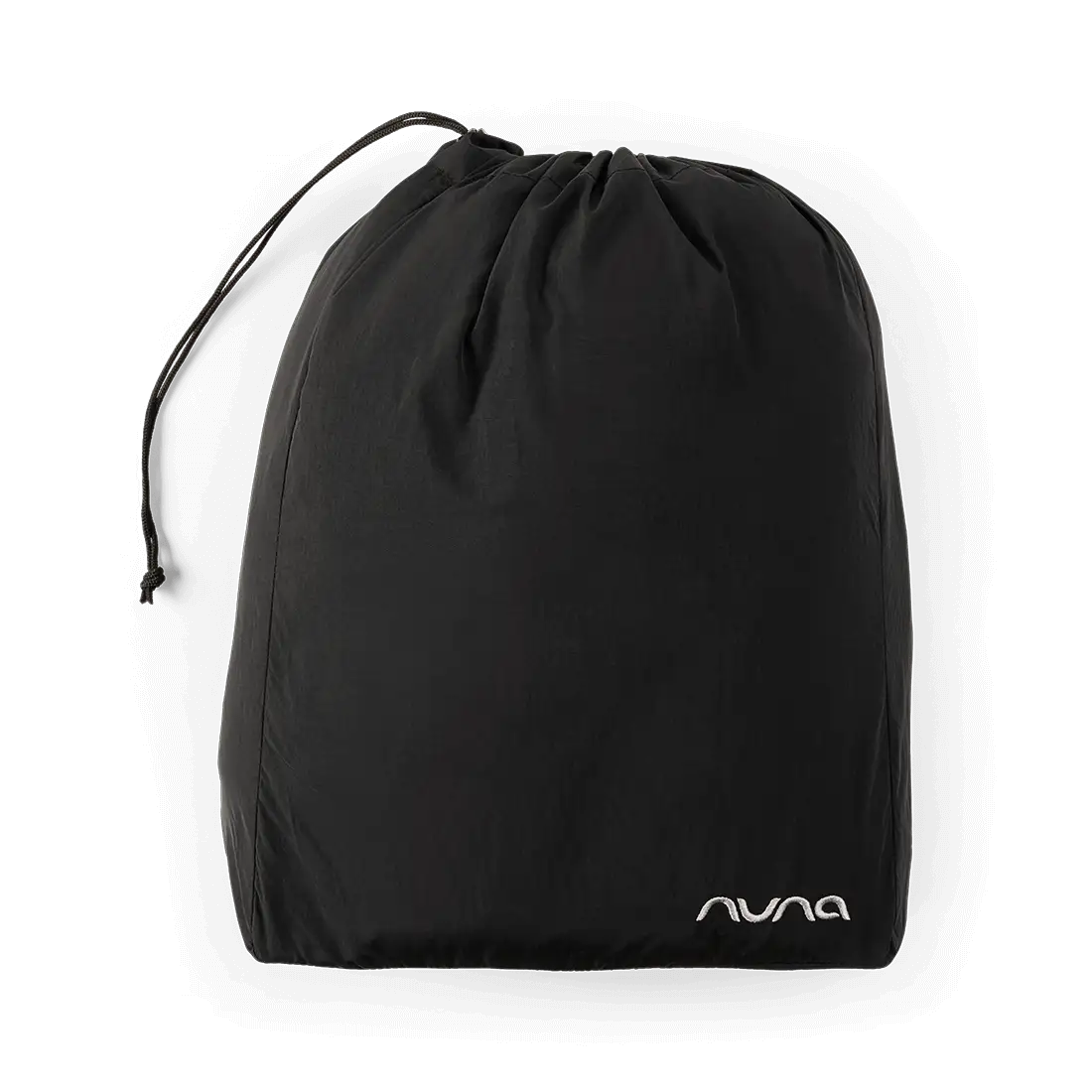
Nuna Cudl Series Winter Cover
Nuna Cudl Series Winter Cover
SKU:NCW00000CVR
In stock
Couldn't load pickup availability
Overview
Overview
When the weather turns, you don’t need to press pause on your plans.
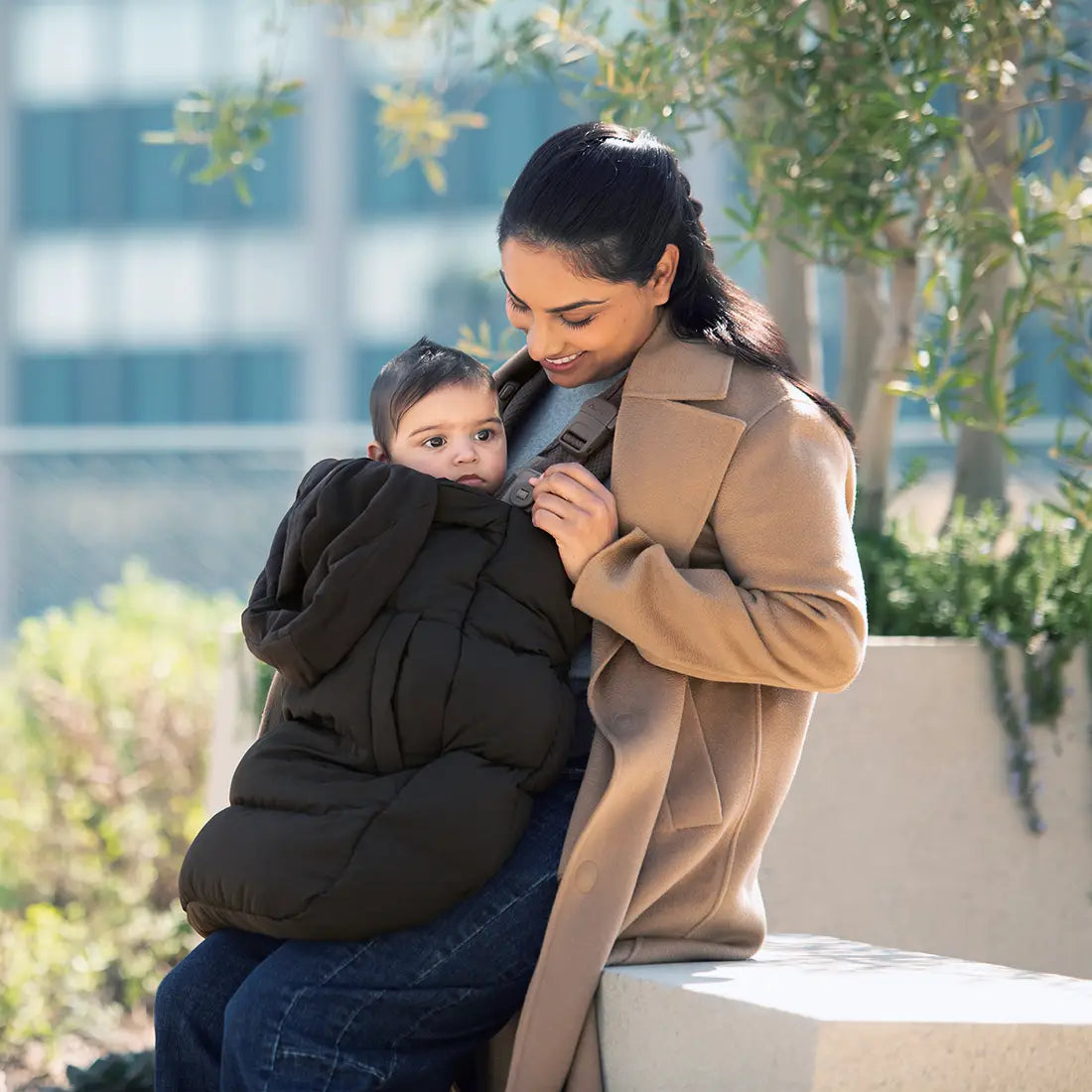
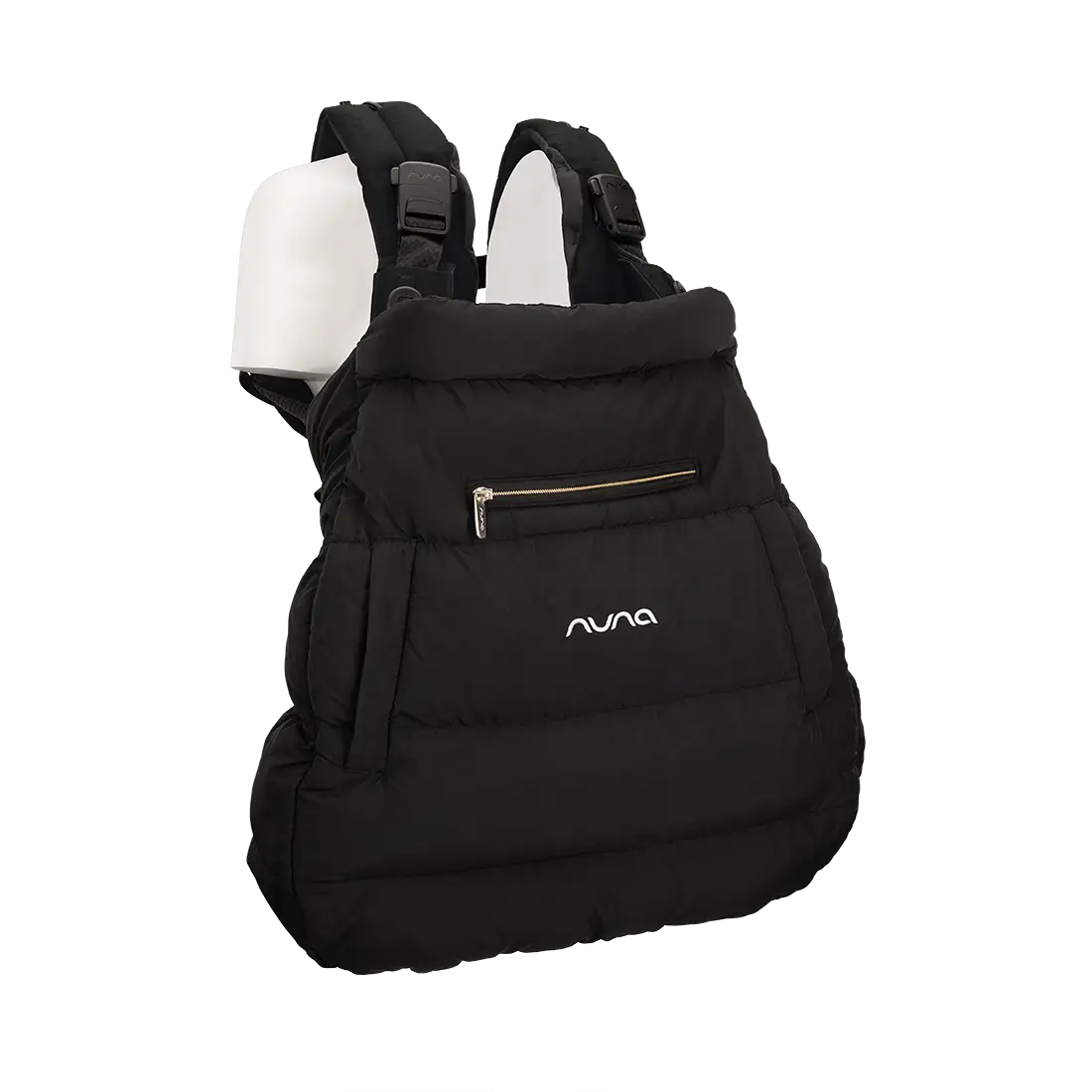
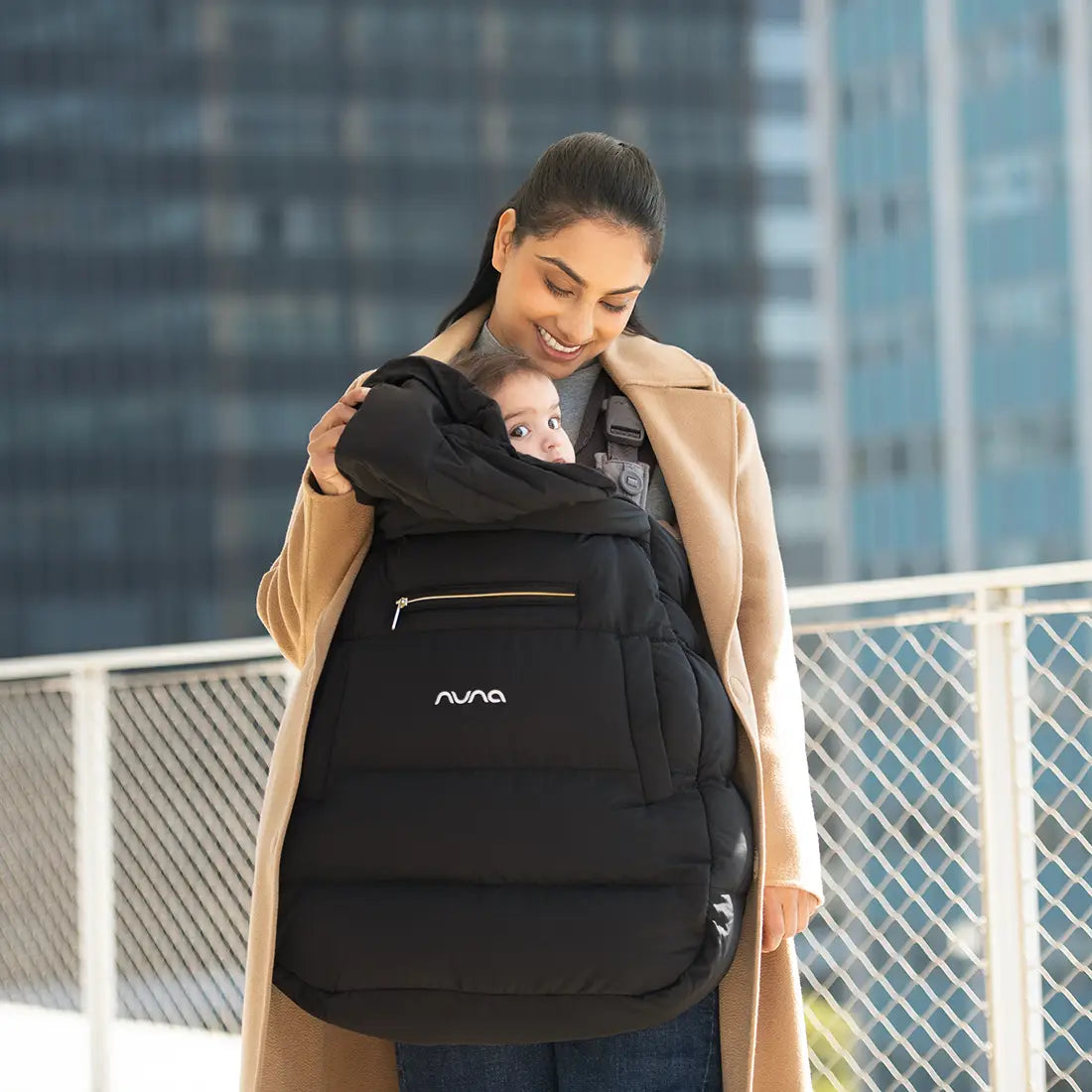
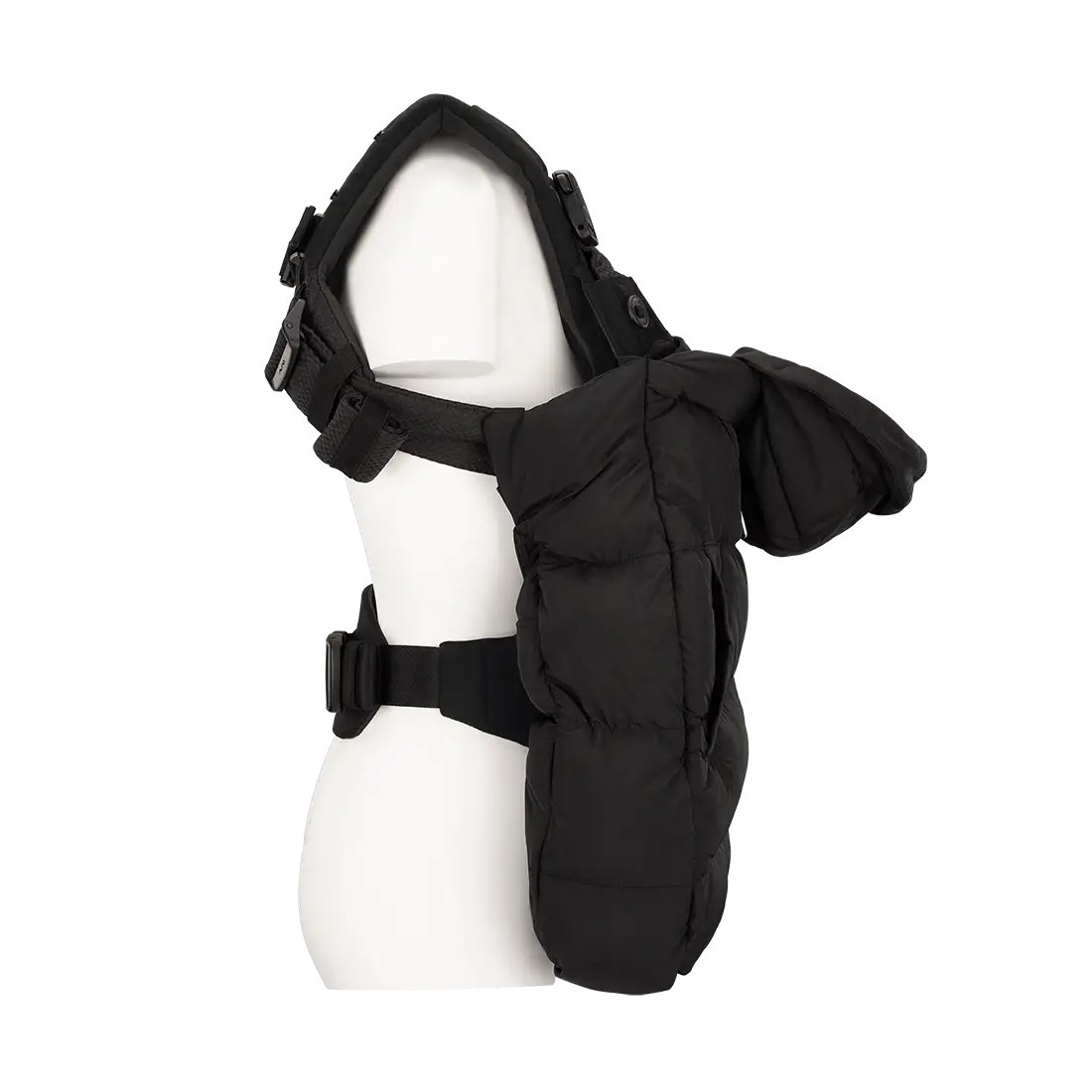
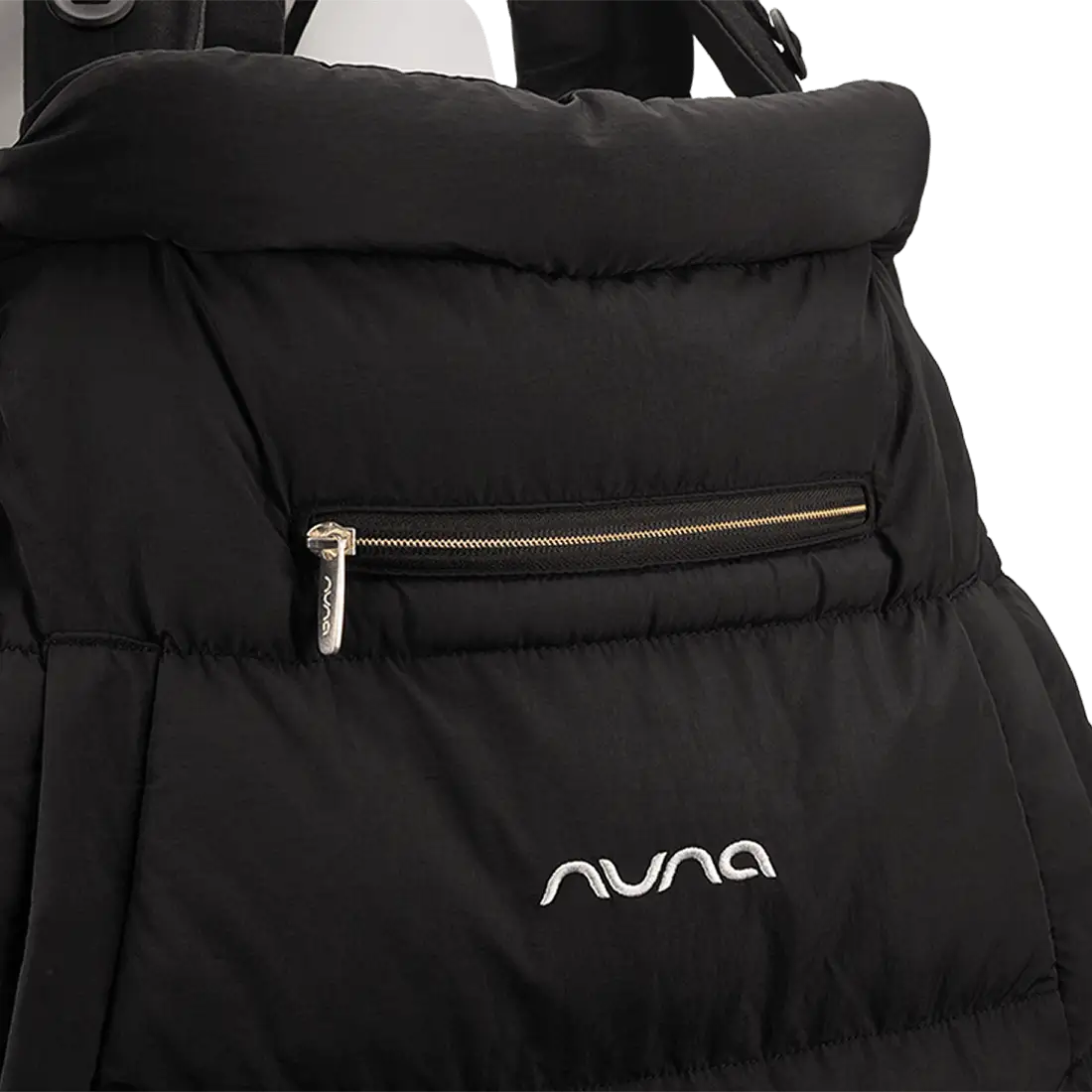
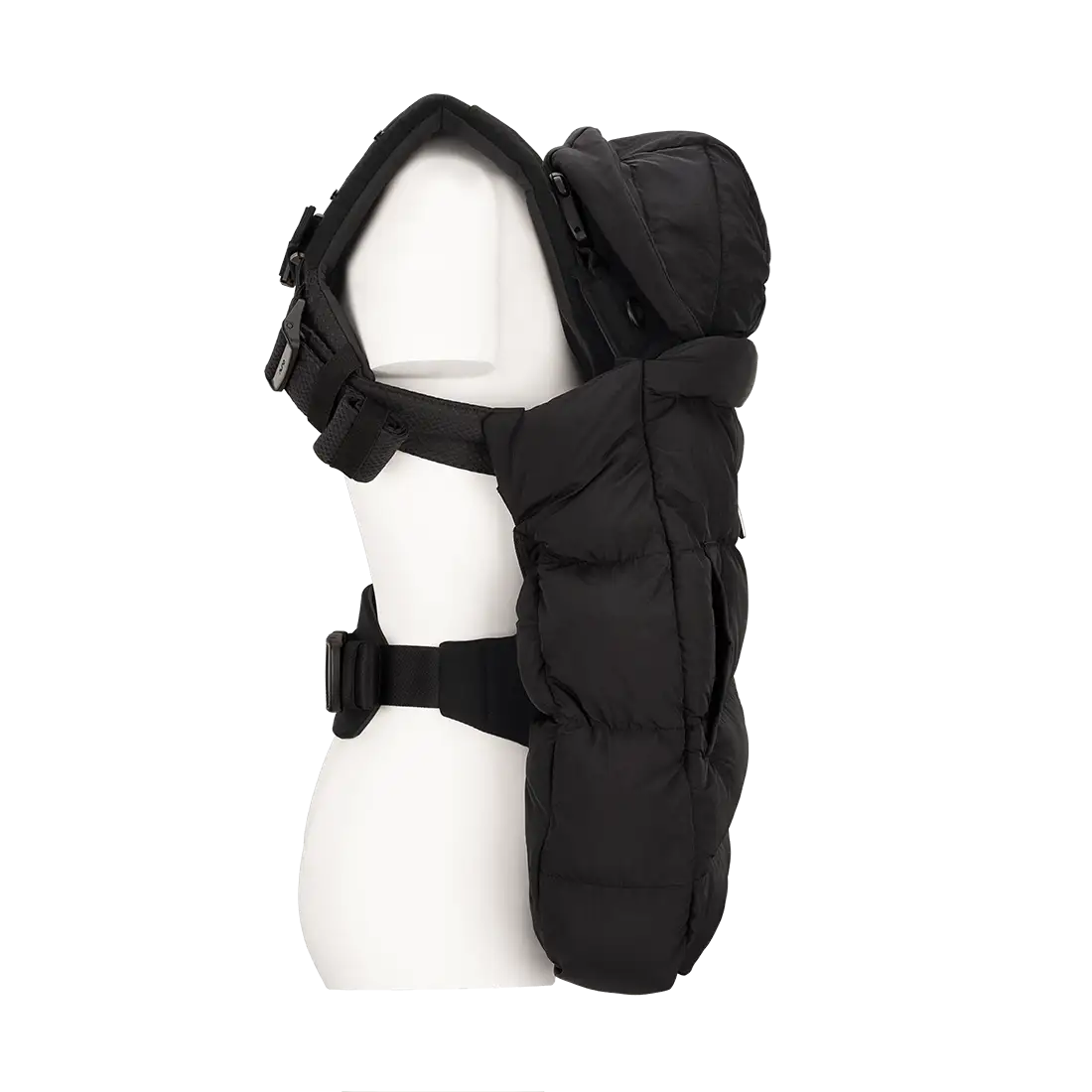
The Nuna CUDL Winter Cover in Caviar colour is designed to snap easily onto any CUDL series baby carrier, wrapping your little one in warmth and comfort while you stay hands-free.
With a soft Merino wool and TENCEL™ lyocell blend lining, it helps regulate baby’s temperature naturally so they stay cosy without overheating. A removable hood offers extra protection on chilly days, while handy parent pockets keep your hands warm too.
Lightweight yet durable, this winter cover makes it simple to get outside together, no matter the season.
What's Included
What's Included
Key Features
Key Features
User Guide
User Guide
Delivery and Returns
Delivery and Returns
- Delivery: Free within NZ on orders over $130 (excluding bulky items) or $8 standard shipping
- Returns: Accepted within 14 days of receipt with proof of purchase
- Some items are excluded from returns including sale items, hardware, car seats, prams, monitors and personal items - please click here for the full list.
Share this product
Recently Viewed Products
Related Blogs

Choosing the right baby carrier
Here’s everything you need to know about baby carriers Becoming a new parent comes with an overwhelming number of unanswered questions – one of which is how to choose the right baby carrier. Keeping your little bundle of joy close to you while running errands, visiting the grandparents or doing chores around the house might seem like a far-fetched idea at first, but with a baby carrier, you don’t have to choose between doing one or the other. There is a huge selection of baby carriers to choose from – everything from smaller models best suited to newborn babies through to adaptable carriers which can be used even into the toddler years. With so many options, it can make deciding on which one to buy a little daunting – especially if you’re a first-time parent. Let’s take a look at different styles of carriers, as well as a few tips for how to pick the right one for you and your baby. Types of baby carriers Ring slings Ring slings are a well-known and versatile style of baby carrier. They’re made from a length of fabric threaded through two rings. Ring slings are worn on one shoulder, spreading widely across your back to create a pouch for baby to sit in. With some models, extra shoulder padding can be added for long-term wearing. Because a ring sling offers a variety of different carrying positions, it can be used from newborn through to toddlerhood. For young babies, it supports the ‘C-shape’ curve they’re born with. Once the sling has been adjusted to fit you and bubs, it’s a simple matter of popping baby in and out. Ring slings are a great introductory carrier for new parents because they’re easy to use and can be stored in your nappy bag. Soft-structured carriers This style of carrier is a favourite with parents because of how easy it is to use and adjust. The basic design is a front panel where baby will be ‘seated’, a waist strap and two padded shoulder straps – all of which can be adjusted and secured with buckles to achieve a comfortable fit. Soft-structured carriers can be used for front, hip and back carrying, from newborns to toddlers. They carry your baby in an ergonomic upright position (rather than a hammock or cradle position), evenly distributing his weight over both your shoulders. Many have additional head support for younger babies or integrated infant boosters which can be easily removed as your baby grows – like this Nuna Cudl Carrier. They’re not quite as snuggly as wraps and can take time to work out the most comfortable position, but they’re super-quick to pop on and provide fantastic support for long-term wearing. Wrap slings or carriers A wrap – like this Aura Baby Wrap – is one of the most comfortable baby carriers to wear. For young babies, the swaddle-like design mimics the feel of the womb. The design consists of a long piece of specially-woven fabric that is wrapped, tied and moulded to your body and baby. You can use it in lots of different styles – front, side or back, on one shoulder or two. Some wrap snugly around your chest to distribute weight and others are more like a backpack. Most will fit all sizes, shapes and ages of babes. You’ll need to learn how to wrap, but with a little practice and patience, you’ll have it mastered in no time. Tips for choosing a baby carrier Baby carriers come in a wide variety of styles and features. Whatever carrier you choose, follow the usage instructions and safety advice in the manual, and always monitor baby when in the carrier to ensure proper airflow is maintained. When shopping for a baby carrier, here are some things you should consider: Longevity As your baby grows, your carrier will need changing features. Newborns like to snuggle in close with their head on your chest; toddlers want to see the world! Most carriers come with generous age and size ranges but it's essential to choose a carrier designed to fit your baby's size and age. Some parents opt for two carriers and others look for an alternative that can adjust to different ages. Fit and comfort One of the most important factors of a baby carrier is how well it fits. You want one that fits your newborn well and supports her safely. This means you’ll need to factor in weight, height, physiology and build. It should also be comfortable for both you and your baby. The seat of any carrier should allow your baby’s legs to be in the hip-healthy ‘M’ position. For you, think about how much back and shoulder support you’ll need for long-term wearing comfort. Most carriers are one-size-fits-most, can be easily adjusted and shared between parents. Other options come in different size ranges. Ease of use Regardless of what type of carrier you buy, it may take a little practice before using one becomes second nature. Some carriers require a multi-step process to get set up but can be easily stored in a nappy bag. Others may be easier to use but bulkier to transport. Easy to clean If you didn’t already know – babies are messy! Not all carriers can be machine-washed for easy cleaning – some need to be hand-washed or dry-cleaned. Be sure to check labels for washing instructions. Climate While physical contact is great for a boost of oxytocin (the love hormone) and bonding, all carriers will add heat. For warmer climates, lightweight and breathable fabrics are essential. For colder climates, heavier materials and padding are more appropriate. Organic and eco-friendly For those parents and babies with sensitive skin, or anyone looking for an eco-friendly carrier option, consider carriers with organic fabrics, colour grown cotton, unbleached fabrics, recycled materials, and non-toxic dyeing processes. Pick what’s right for you and your family Baby carriers are a great alternative to lugging a stroller in and out of your boot and navigating crowds. They’ve been shown to help promote bonding, improve postpartum depression and anxiety, and reduce crying. But ultimately, the perfect carrier for you and your bouncing baby is the style that you both find most comfortable. All carriers provide exactly what your baby is looking for – being close to you. Look at your budget, lifestyle, and who will be using the carrier to help you decide which styles to consider.
Learn more
Pretty Brave Shoes: A Guide to Little Feet
Little feet have a lot of growing and exploring to do! From those first little steps to running, playing and discovering the world, choosing shoes that are comfortable and designed to move with them is an important part of every stage.
Learn more
Trouble sleeping? Finding The Right Sleep Aid
Sleep Struggles? These Soothers Might Just Save Your Sanity 😴 White noise and gentle sound machines help to mask the everyday background noise that can disturb your little one's rest. Think: older siblings, barking dogs, or the neighbour deciding now’s the time to mow the lawn. These soothing sounds - like a heartbeat, waves, or soft shushing - can create a more consistent, calming sleep environment and help baby settle more easily. Darkness can make a big difference too. A dark room helps reduce visual stimulation and can support your baby’s natural sleep cues, which is especially handy for daytime naps, early bedtimes and those bright summer evenings. If light is sneaking in around curtains or you’re sleeping somewhere unfamiliar, a portable blackout blind can help create a darker, more consistent sleep space wherever you are. We’ve curated a handy Quiz to help you make a decision, plus a small but mighty collection of trusted sleep soothers and calming aids below, that can help take the edge off bedtime - for both you and your baby. Love to Dream Sleep Machine Creating a familiar, calming sound environment is a great way to help signal to baby that it’s time to sleep. The Love to Dream Sleep Machine offers nine soothing sounds, including white, pink and brown noise, rain, shushing and womb sounds, helping to mask everyday household noises that might otherwise disturb naps or nighttime sleep. It even has a clever cry detection feature which automatically starts your chosen sound if baby stirs! It's got a soft red and warm white nightlight function which is super handy for those 3am feeds and changes. Being rechargeable with up to 22 hours of battery life it's perfect for travelling moments too! YogaSleep Nod Sound Machine and Night Light The YogaSleep Nod is the ultimate stay-at-home sleep station, perfect for setting up a consistent, calming bedtime routine in the nursery. It features 20 sleep sounds, including white noise, fan sounds, lullabies, and nature tracks, so you can tailor the soundscape to your baby’s preferences. What makes it a standout? The built-in nightlight, which emits a warm amber glow to create a peaceful sleep space without overstimulating your baby. You can also set sleep timers or run it all night long, ideal for little ones who are easily stirred. Simple, soothing, and super customisable, the Nod helps create the kind of sleep environment you’ll both appreciate. Purflo Total Blackout Blinds Light can make a huge difference to how easily your baby settles, especially for daytime naps, early bedtimes or those bright summer evenings. The Purflo Total Eclipse Portable Blackout Blind helps create a dark, calming sleep environment by blocking out unwanted light, making it easier to keep baby’s sleep space feeling consistent. It easily attaches securely to windows using over 100 suction cups and can be adjusted to suit smaller windows, so it’s handy at home as well as when travelling or staying with family. Even better, it folds neatly into its own storage pocket, making it an easy sleep essential to have on hand. Storytime and Soothing Light for Sweet Dreams Another beautiful way to support your child’s sleep is by building a calming, familiar bedtime routine - and the CloudBox™ helps make that easy. This clever little device plays comforting bedtime stories while gently projecting sleepy visuals onto the ceiling or wall. With a soothing mix of audio and light, it creates a multisensory environment that helps children wind down at the end of the day. You can choose from the preloaded stories or record your own – a lovely way to keep bedtime personal, even when you can’t be there in person. Repeating the same story or image each night can become part of your child’s sleep ritual, providing a sense of security and consistency they can count on. Simple to use and designed for children from birth and up, the CloudBox™ is a thoughtful addition to any nighttime routine – helping little ones feel calm, safe, and ready for sleep. Supporting Sleep, Naturally For many families, Magnesium Rescue has become a much loved part of their wind-down ritual. This gentle, topical formula is made from natural ingredients and can be massaged into your child’s back, tummy, or feet at bedtime. It’s designed to help support a relaxed nervous system – a simple, non-invasive way to encourage calm before sleep. Another lovely option is the Bedtime Bestie - a lightweight magnesium mist infused with calming lavender, designed to support relaxation and make bedtime a little easier. Simply spritz it onto your child’s back or feet as part of your evening routine. It’s a fuss-free way to help little bodies and busy minds slow down – one small spray at a time. Shop Sleep Saviours at Dimples now Whether you’re trying to improve naps, master the bedtime routine, or just desperate for an extra hour of sleep, our range of sound machines and calming sleep aids are here to help. Browse the full collection in-store or online and find the right fit for your baby (and your sleep-deprived self).
Learn more
Music for Babies
The Benefits of Music for Babies and Toddlers: More Than Just a Catchy Tune! Can music really make your baby smarter? You've probably heard the theory that playing Mozart to your baby in the womb will turn them into a little genius. But is there any truth to it? While there's no convincing evidence that classical music boosts your baby's IQ, research suggests that music plays a wonderful role in early childhood development. From encouraging language and movement to helping little ones settle and strengthening bonds, music has plenty of benefits. And the best part? You don't need expensive lessons, fancy instruments or even a good singing voice! Here's why music deserves a spot in your baby's everyday routine. 1. Music starts before birth Your baby's first musical experiences begin before they're even born! By around 18 weeks of pregnancy, babies begin hearing sounds inside the womb, including mum's heartbeat. Later, they start recognising sounds from the outside world, particularly familiar voices. So, should you be playing Beethoven to your bump every evening? Not unless you want to! Singing, talking and listening to your favourite songs can be a lovely way to relax and connect with your growing baby. Dimples Tip: Keep music at a comfortable volume and avoid placing headphones directly against your bump. 2. Music can help soothe and settle your baby Ever noticed how a gentle lullaby can calm an unsettled baby? Soft, repetitive music can create a calming atmosphere, while familiar songs provide comfort and reassurance. Music can also become a helpful sleep cue. Singing the same lullaby each evening helps create a familiar routine that your little one can begin to associate with bedtime. Dimples Tip: Try introducing a soothing sound machine or musical nightlight into your bedtime routine. Keep the volume low and devices well away from the cot. Shop our range of sound soothers here 3. Little songs, big language benefits Who knew singing nursery rhymes could help your baby's language development? Music introduces little ones to rhythm, repetition and different sounds, all important building blocks for learning to communicate. Songs like Heads, Shoulders, Knees and Toes help toddlers learn body parts, while Old MacDonald Had a Farm introduces animal names and sounds. Even babies who aren't talking yet are busy listening and recognising familiar patterns. Dimples Tip: Pause before the last word of a familiar song and give your little one the chance to babble, gesture or sing along! 4. Dance parties are great for growing bodies! There's something so irresistible about watching a toddler dance. The enthusiastic bouncing, unexpected spinning and wonderfully crazy moves! But all that dancing is doing more than making everyone smile. Moving to music helps children practise balance, coordination and body awareness. Clapping, stomping and jumping to the beat all support developing motor skills. For younger babies, shaking a rattle or reaching towards a musical toy introduces movement and rhythm. For toddlers, try musical statues. Dance while the music plays, then freeze when it stops. Simple, fun and great for listening skills! 5. Music makes everyday routines easier Let's face it, getting a toddler to cooperate isn't always straightforward.... But sometimes, turning an everyday task into a song can work wonders. A cheerful clean up song makes packing away toys more fun, while a silly handwashing or teeethbrushing tune can help little ones remember what comes next. You don't need to know dozens of nursery rhymes either. Make up your own songs! Your toddler won't notice if the words don't rhyme. 6. Music encourages creativity and imagination A wooden spoon becomes a drumstick. A cardboard box becomes a stage. Suddenly, your toddler is performing the concert of the century! Music encourages children to explore sounds, experiment with rhythm and express themselves creatively. Try singing songs that involve pretending to be animals. Stomp like an elephant, hop like a bunny or tiptoe like a teeny tiny mouse. Rattles, wooden drums, maracas and xylophones are wonderful ways for little hands to explore different sounds. Shop our musical toys here 7. Making music together builds special bonds One of the loveliest things about music is that it's something you can enjoy together from day one. Singing to your newborn, rocking gently to a favourite song or dancing around the lounge with your toddler creates opportunities to connect. When you sing face to face with your baby, smile at their reactions and respond to their little noises, you're encouraging communication and connection. You could also try a local library rhyme-time session or toddler music class. A lovely way to meet other parents while introducing your little one to new experiences. Music to your ears! So, will playing Mozart turn your baby into a genius overnight? Probably not. But can music support their development, encourage movement, introduce new words and create special memories along the way? Absolutely. Whether you're singing lullabies at bedtime, shaking rattles on the playmat or hosting an impromptu kitchen dance party, music is a simple and joyful way to connect with your little one. And if your toddler insists on hearing the same song 47 times in a row? Well, at least you know they're enjoying themselves!
Learn more