




Stokke Mutable Play Table V5
Stokke Mutable Play Table V5
SKU:627004
Low stock
Couldn't load pickup availability
Overview
Overview
Inspire imagination and support every stage of development with the Stokke® MuTable™ Play Table.
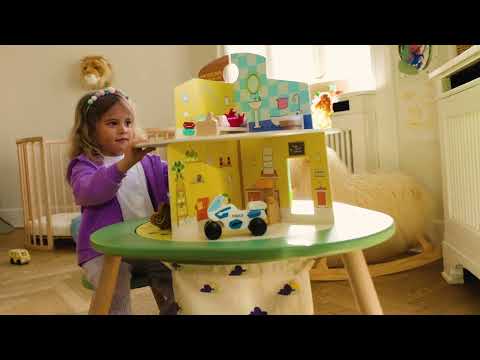
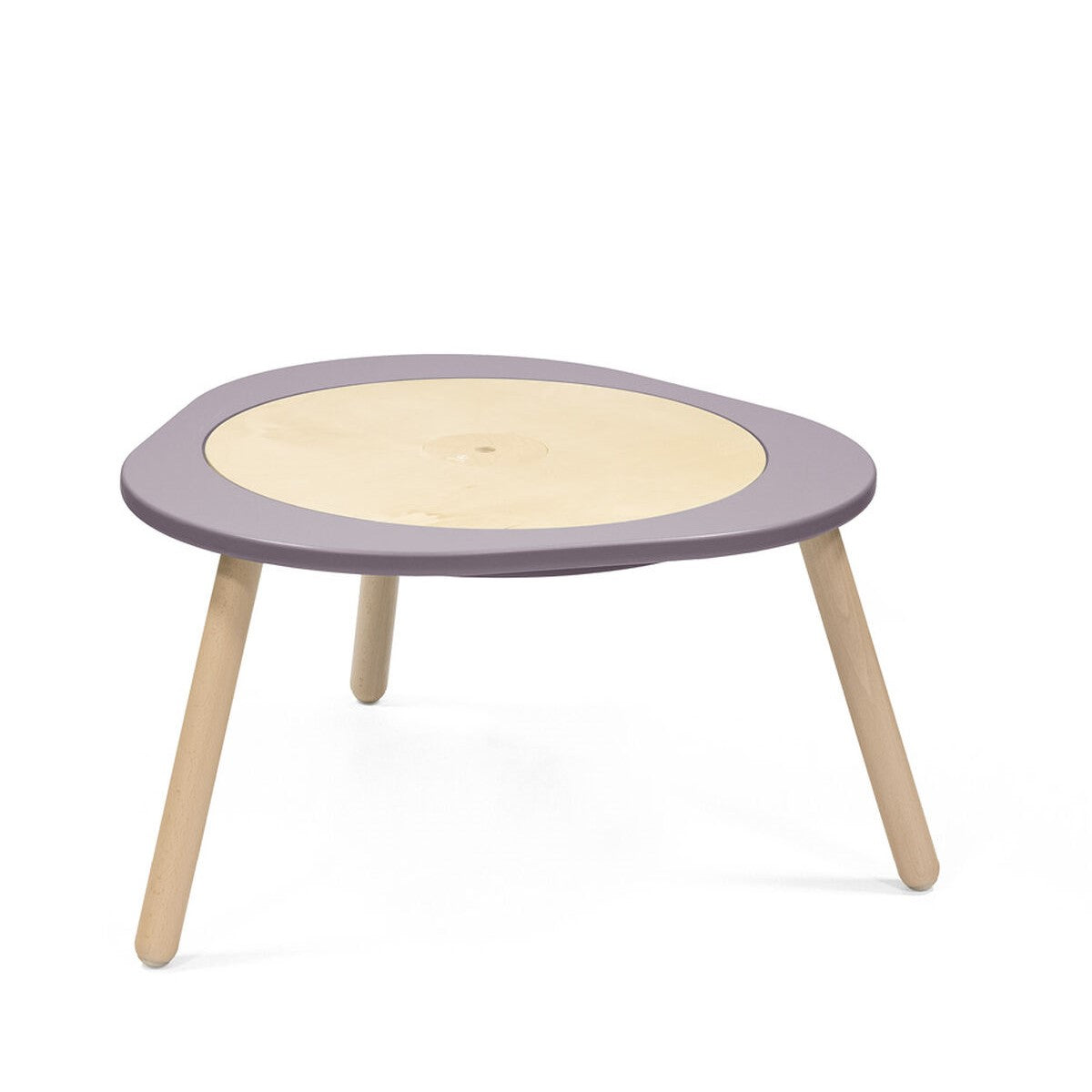
Designed to grow with your child, the award-winning MuTable™ in Lilac colour is so much more than a kids’ table - it’s a complete activity hub that encourages learning through play from 18 months right through to 8 years and beyond. Whether it’s solo storytelling, sensory exploration, or shared play with siblings and friends, MuTable™ makes it easy to switch between play modes and keep up with your child’s evolving interests.
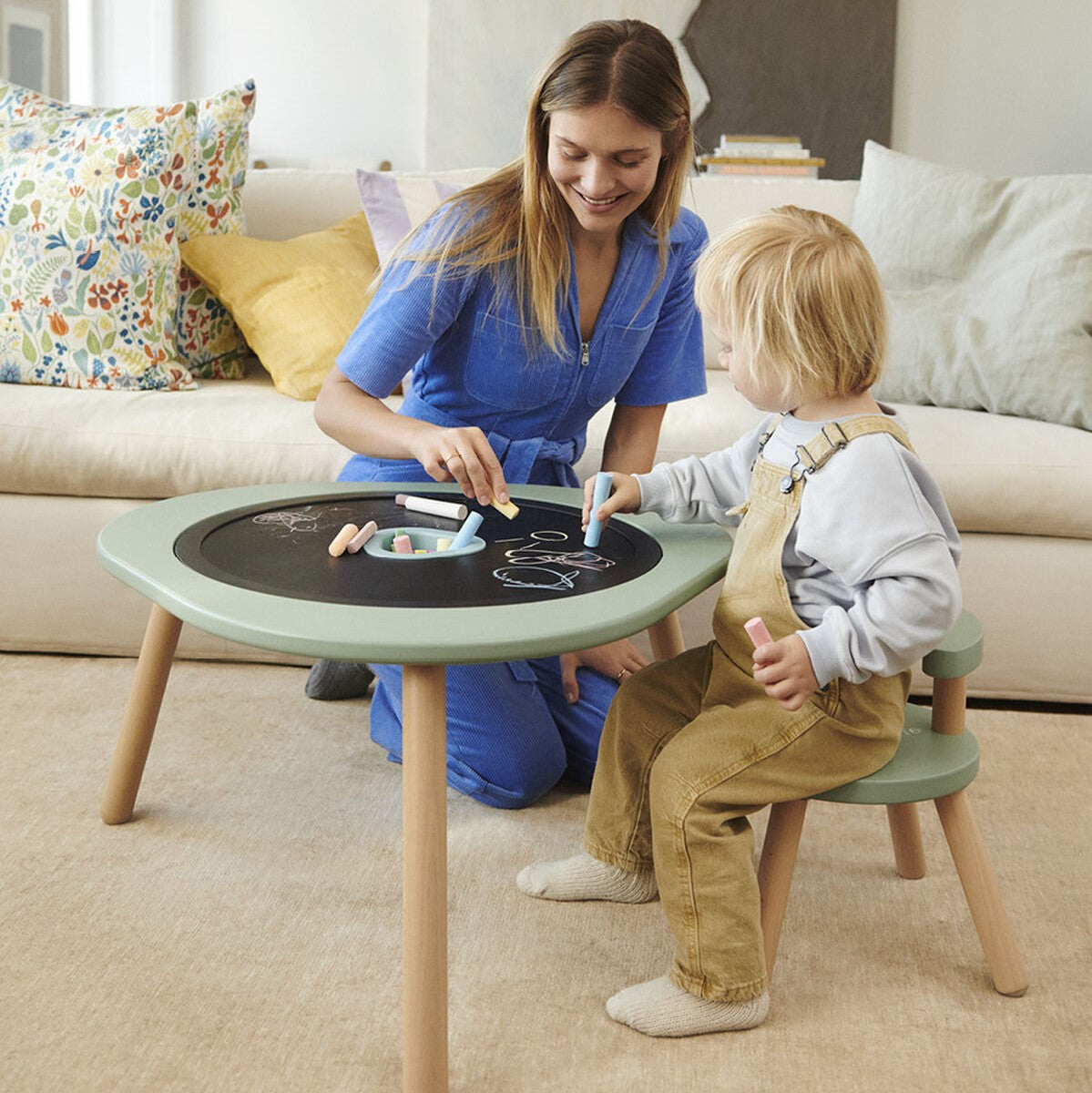
Crafted from sturdy natural wood with softly rounded edges for added safety, this thoughtfully designed table comes with three double-sided activity boards to kickstart creative adventures: a chalkboard, a landscape scene, and a bricks board compatible with popular building block brands. Additional accessories (sold separately) let you customise the setup even further - from puzzles and games to dollhouses and role-play scenes.
The colourful, tactile boards are easy to swap out without tools, and leg extensions are included so you can adjust the height as your little one grows. The table also complements modern interiors, available in a selection of muted, on-trend colours that fit beautifully into your living space.
With its compact footprint, fast tool-free setup (in just three minutes), and years of flexible use, the MuTable™ is a smart, stylish investment in your child’s development - supporting motor skills, cognitive growth, creativity, and social confidence.
What's Included
What's Included
Technical Specification
Technical Specification
User Guide
User Guide
Delivery and Returns
Delivery and Returns
- Delivery: Free within NZ on orders over $130 (excluding bulky items) or $8 standard shipping
- Returns: Accepted within 14 days of receipt with proof of purchase
- Some items are excluded from returns including sale items, hardware, car seats, prams, monitors and personal items - please click here for the full list.
Share this product
Recently Viewed Products
Related Blogs

Toys for Every Age & Stage
Choosing Toys or Gifts They'll Love What might look like messy play or mindless rattling is actually serious business for your baby. From day one, they’re learning through movement, touch, sound, and – yes – smearing food on every available surface. Play is how your little one makes sense of the world, so choosing toys that match their stage of development can really help them thrive. Here’s a simple guide to what kinds of toys to look out for during each phase of your baby’s exciting journey. 0–6 Months: The First Explorer Your newborn may be tiny and still figuring out the basics, but their brain is already hard at work. Even in the early days, babies can recognise voices and slowly begin to track faces (though not quite in focus at first). At this stage, look for toys with high-contrast patterns and simple shapes – a mobile over the cot is ideal for visual stimulation and encouraging early motor skills as they start to reach out. A fun activity gym is amazing for development and early hand eye coordination as well. Suckling is another important reflex to support, so having safe teething toys can help build strength in their mouth muscles – which later supports chewing and speech. We stock a super fun range of teething toys at Dimples. Babies also love the sound of your voice, so don’t hesitate to chat away, sing, or start reading aloud. Soft crinkly activity books are a great addition as they are very visually interesting to your little one, as well as a high contrast board book. 6–12 Months: The Little Scientist As your baby gets stronger, tummy time becomes key for building neck and upper body strength. Use an engaging play mat to make tummy time fun and motivating. Around six months, proper teething often begins, so toys they can safely chew are your best friends – easing discomfort while supporting oral development. At this stage, babies are all about discovery – they’re working on sitting up, crawling, grasping, and even pulling themselves to stand. Toys that support these physical leaps are ideal. Look for soft balls to encourage rolling and crawling, stacking toys for building early coordination, and activity cubes or busy boards with things to twist, slide, and push. Toys that respond with sound or light when touched can also be hugely exciting (and educational), helping babies connect cause and effect. And don’t forget the classics – things that crinkle, rattle, or squeak are still crowd-pleasers and support sensory development beautifully. 12–18 Months: The Creative Genius You’ve made it through the first year – what a milestone! At this age, many little ones are eager to master walking. A sturdy walker toy can support their balance and leg strength as they wobble around with pride. Fine motor skills also start taking centre stage. Now that your little one is on the move and growing more curious by the day, toys that support exploration, movement, and problem-solving are ideal. Push-and-pull toys like the classic Buzzy Bee or a cute pull along toy are perfect for developing balance and coordination as they become more confident on their feet. Large building blocks or stacking rings help improve fine motor skills and spatial awareness. This is also a great age for toys that encourage interest in pretend play – think toy phones, baby dolls, animal figurines, or mini tea sets. Musical instruments like tambourines, shakers, or xylophones are not only fun but also help with rhythm and sensory processing. Chunky crayons are also great for encouraging scribbles – and those early masterpieces might earn a spot on your fridge. As their vocabulary starts to form and their understanding of language grows, this is the perfect time to keep those conversations flowing. Reading together, singing songs, and chatting about what you’re doing throughout the day helps build their language skills and connection to you. Even if they’re not saying much just yet, they’re absorbing it all – storing up words, rhythms, and tones to use later. 18 Months - 2 Years: The Big Personality Welcome to toddlerhood – where the big personality really comes through! At this stage, your child is becoming more independent, showing clear preferences, and beginning to express their likes and dislikes. You might notice them choosing to play solo more often, or forming strong attachments to certain toys, books, routines, or even characters from stories and shows. This is also when pretend play really starts to blossom. Role-playing everyday scenarios – like cooking dinner, feeding a doll, or making a pretend phone call – is not only adorable, it’s an important part of social and emotional development. A toddler-sized kitchen set is a fantastic toy at this age, encouraging imaginative storytelling and helping little ones mimic the world they see around them. One of these Kitchen Helpers let your toddler safely join you at the counter, fostering independence and fine motor skills. By involving them in simple kitchen tasks, you’re nurturing their creativity and boosting their confidence in a hands-on way. Beginner puzzles are also a great choice to foster problem solving skills – Particularly ones with familiar objects such as this zoo puzzle, or this vehicle puzzle. At this age, play becomes more purposeful – every stack, stir, and story is helping your little one make sense of the world and build skills for the future. 3+ Years: The Explorer Preschoolers see the world with fresh eyes – everything is fascinating! Toys at this age are more than entertainment; they support learning, spark imagination, and help your child make sense of their world. By three, many children are ready for smaller pieces, but it's still important to supervise, just incase. Preschoolers play hard – building, crashing, dragging, shaking, and repeating – and quality toys will last longer and often perform better. Children this age are also starting to enjoy more meaningful creative and open ended activities. Here are a few of our favourite picks for the bigger kids ages 3+ Washable Colouring in Tablecloth - Great for sole play or a group activity. Best of all it can be reused over and over again! Balance Bike Start off with the trike if your little one is new to riding, and then it transforms into a balance bike! Cash Register - Perfect for pretend grocery shops or café setups, this beautifully crafted toy helps children explore early math, communication, and social interaction Playdough - Little monkeys love squishing, rolling, and making lots of different fun objects Connetix - Inspire creativity with the countless ways these sets can be built Go at Their Pace Every child develops at their own rhythm. Some skip crawling and go straight to walking. Others might take their time with speech while still communicating effectively in their own way. Some might be into different things than their peers - and that's okay! It’s tempting to compare, but there’s a very wide range of normal. If you’re ever concerned, have a chat with your GP or child health nurse. You're doing an incredible job raising a one of a kind little person. And remember – the best toy of all is you. Your love, voice, and presence are what your baby cherishes most ❤️
Learn more
Encouraging play time with your little one
Encouraging play time with your little one Playtime with your children is one of the most powerful ways to contribute to your child’s development. It is so important to have these playful interactions with your little one early on in the Newborn stage. To build a connection between you and your Newborn this form of interaction doesn’t require much more than using your face, voice and body to keep them entertained. You will begin to learn more about one another and start to see you baby’s personality come to light. You may feel in the beginning as if this form of play is a little one sided, however through these interactions you are helping with their cognitive and sensory development. They are beginning to build connections in their brains which will help them to understand different words. Beginning by making funny faces and smiling, singing, telling nursery rhymes, and reading to them are all the simplest and most effective ways to interact with baby. Introducing your baby to new materials that they can touch and move around is another great way to stimulate their brains. Allowing them to do things as simple splashing around water during bath time is a great way of helping them to explore their senses. During these early stages of development you are the most important tool for your baby’s entertainment however Dimples also sells a range of interactive toys in various forms to aide when it comes to play time between you and your little one. Toys to add when it is play time. The Jelly Cat books follow delightful little characters through a variety of different stories. Story time with your little one is a great way to interact and stimulate their mind. Changing the pitch and tone of your voice will help with baby making different connections in their brain. Play time can require a lot of energy for baby so you will notice they can quickly get tired. Baby will signal they are getting tired by looking away from you, they may become disinterested or even grumpy. After your baby is rested, they will signal when they are ready to play again by looking towards you, making noises as well was wiggling their arms and legs about. Evolving play time as your child grows As baby grows up, they are learning more every day. They are beginning to develop new skills therefore it is important to evolve your playtime routine. Between the ages of one and two your toddler will begin to explore the world and will begin to gain more of an idea on how things work. During this age it is great to have a balance between structured and unstructured play. Unstructured play is allowing your child to explore what strikes their own interest. It is through unstructured play where you will learn the most about your child and what they are attracted to. Here it is best to take a step back and watch your little one’s imagination grow. Structured play is a great way for you child to learn in a more organised setting, this may involve activities such as swim lessons, musical groups, dance classes. Structured play will help to broaden your toddler’s knowledge and physical skills, this often takes part within a group setting. Play within a social setting is important as it helps to develop social and communication skills as well as teach them about sharing. It is a good idea when buying toys to keep you little one entertained to consider buying toys that are educational, therefore you are ensuring that not only are they having fun but they are also expanding their knowledge. Dimples offers a range of educational yet entertaining toys to make sure you little one’s mind is always learning. The Stacking Ring Tower from Mushie is made from 100% non-toxic BPA and phthalate free plastics, they help to refine bubs organisational and motor skill all while being fun for them to play and engage with. Screen time is an important factor to be aware of. Putting your child in front of a screen is an easy solution when needing to keep your little one entertained so you can get certain tasks done. However, it important to consider balance when it comes to how much screen time you are allowing you child to have. Screens only show a two-dimensional world, it doesn’t offer the same sensory experience that you child will gain when they are out and about. Play time away from the screen allows your child to explore all five senses and use their imagination, you will notice their knowledge broadening quickly the more they venture into the world.
Learn more
The Play Table Packed with Possibilities
Harness the power of early learning with the Stokke® MuTable that grows and adapts just as quickly as your child’s imagination! Play isn’t just fun – it’s also the foundation of learning. A children’s play table gives little ones the perfect space to explore with both hands and minds. From building the MuTable Play House (which comes complete with dolls and toys) to tackling puzzles or inventing animal adventures with play dough, every activity sparks creativity, problem solving, and growth. The MuTable is designed to grow with your child. It comes with three double sided activity boards, each one offering new adventures and challenges as your little one develops. From quiet solo play to lively group fun, there’s something to spark curiosity at every stage: A wooden cover that flips to become a blackboard for doodles, scribbles, and first masterpieces A reversible landscape board featuring a peaceful nature setting on one side and a bustling city scene on the other A bricks board with surfaces for both small and large blocks, giving building projects endless possibilities The MuTable chairs are perfectly sized for little ones to sit comfortably while they draw, build, and create. Cleverly designed to grow with your child, the seat height can be adjusted as they get bigger. When it’s time for a change, simply remove the backrest and the chair transforms into a sturdy stool that can hold up to 100kg. Why a child’s play table is a game changer A fun zone for kidsA child-sized play table and chair set creates a safe, comfortable space just for them. It encourages proper posture while giving little ones their very own place to play, build, and create. Nurtures creativityFrom drawing and painting to building towers or sculpting playdough, a play table becomes the stage for endless adventures. With the MuTable’s colourful, tactile boards, your child can dive into imaginative worlds every day... saving the city, exploring nature, or inventing their own stories. Encourages independenceEasy access to their own table and chairs means children can jump into play whenever they choose. This sense of ownership helps build problem-solving skills, self-sufficiency, and confidence. Brings kids togetherA play table is also a hub for teamwork. Kids can play side by side, sharing space while still enjoying their own chair. This is perfect for collaboration, cooperation, and making memories. Made to lastCrafted from premium natural wood, the MuTable and chairs are built for years of use, backed by a 3-year warranty. Softly curved edges ensure safety, while the award-winning design blends seamlessly with any home. Grows with your childDesigned to adapt as your little one gets older, both the table and chairs come with leg extensions to raise the height as needed. The clever design means the MuTable keeps up with every stage of childhood.
Learn more
Pretty Brave Shoes: A Guide to Little Feet
Little feet have a lot of growing and exploring to do! From those first little steps to running, playing and discovering the world, choosing shoes that are comfortable and designed to move with them is an important part of every stage.
Learn more- Rated 5 out of 5 stars1 month agoGreat table for kids
Great table for kids
DDimples1 month agoThank you for your lovely review of the Stokke Mutable Play Table! We're so pleased to hear it's been great for your kids. It's a wonderfully versatile play table designed to inspire creativity and provide endless hours of fun for little ones. 😊
PLPico L.Verified Buyer