


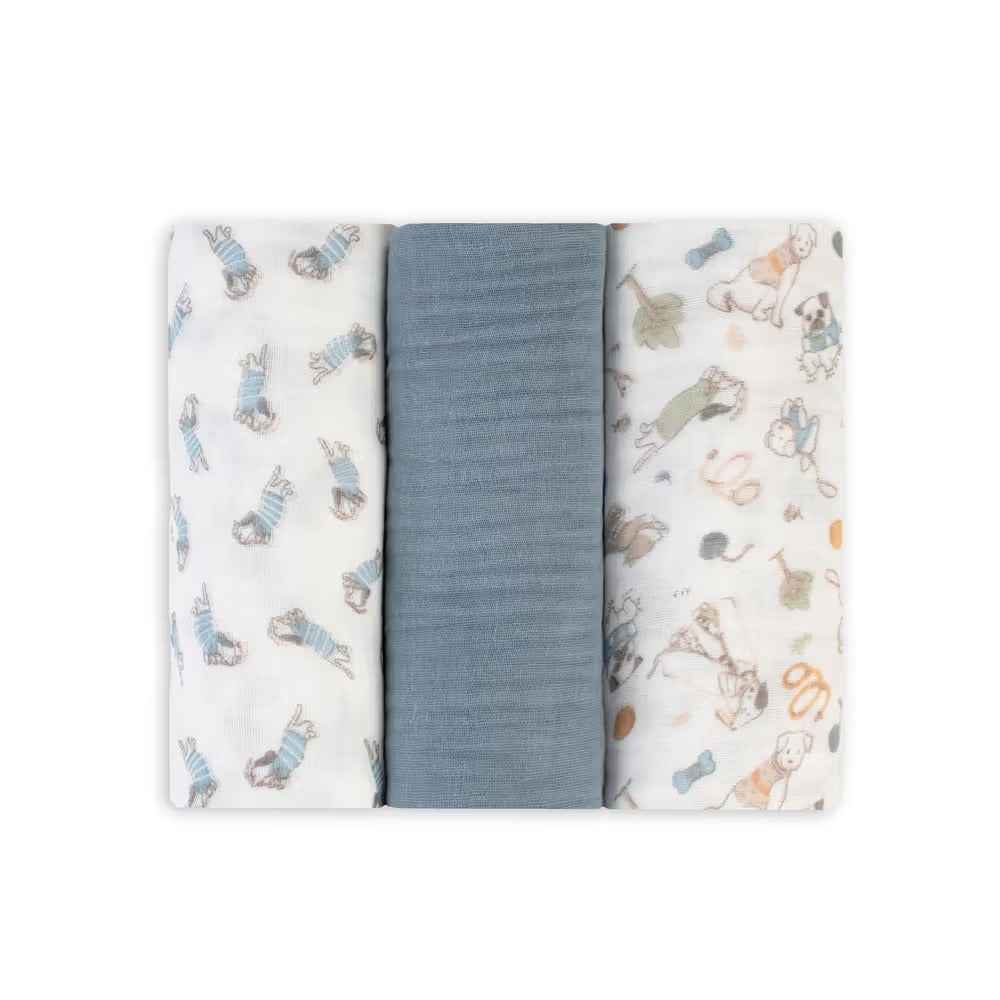


Little Linen Muslin Wrap 3 pk
Little Linen Muslin Wrap 3 pk
SKU:LL5290
Out of stock
Couldn't load pickup availability
Overview
Overview
A versatile and ultra-soft essential for every parent. Crafted from lightweight, breathable fabric, these muslin wraps are perfect for swaddling your baby, providing a cozy nursing cover, or serving as a floor time play rug. They can also be used as a lightweight blanket, a convenient change mat, or even a burp cloth.
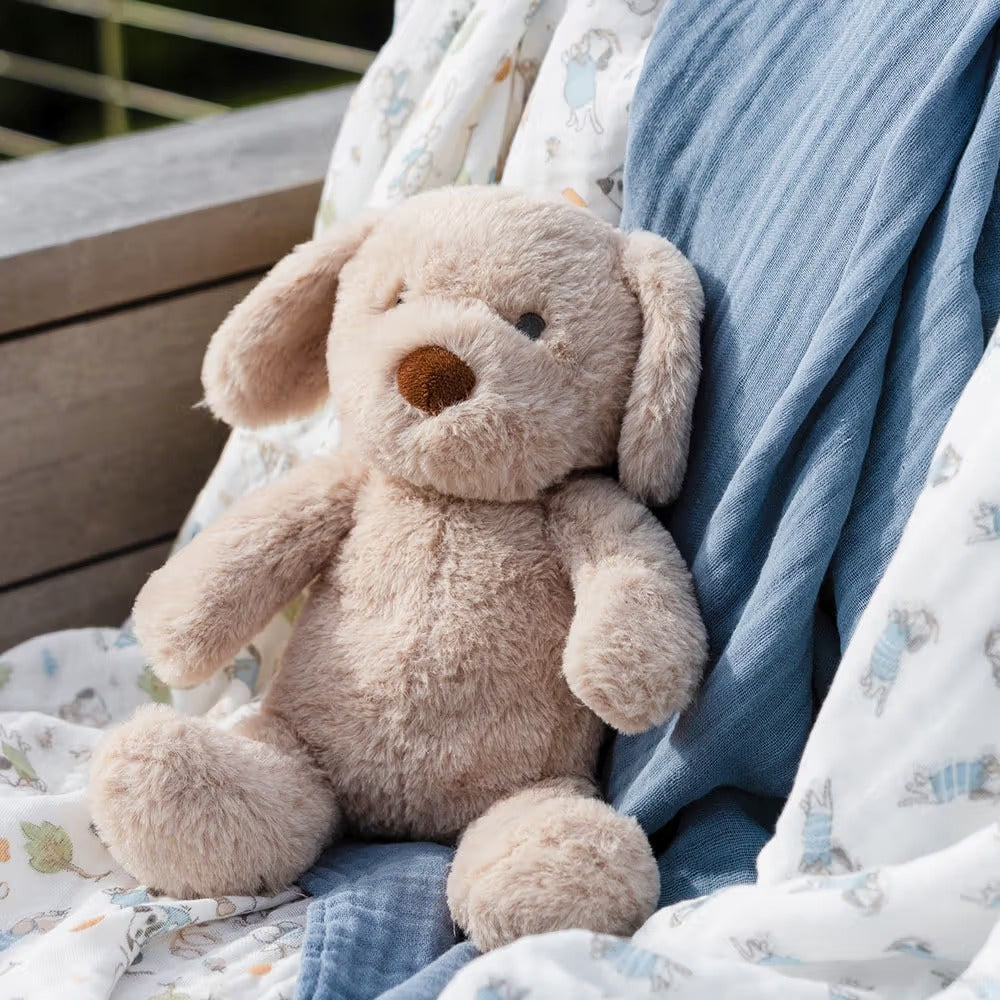
With its adorable dog design, this set adds both comfort and style to your baby’s daily routine. Whether at home or on the go, these muslin wraps are a must-have for ensuring your little one feels secure and snug.
Technical Specification
Technical Specification
User Guide
User Guide
Delivery and Returns
Delivery and Returns
- Delivery: Free within NZ on orders over $100 (excluding bulky items) or $8 standard shipping
- Returns: Accepted within 14 days of receipt with proof of purchase
- Some items are excluded from returns including sale items, hardware, car seats, prams, monitors and personal items - please click here for the full list.
Share this product
Recently Viewed Products
Related Blogs

How to Dress your baby for Sleep
Dressing Your Baby for Sleep – A Seasonal Guide Knowing how to dress your baby at bedtime can feel like a bit of a guessing game – especially when the seasons start to change. Should you add another layer? Is the room too cool? Are their hands meant to be that cold? To help take the guesswork out, we’ve put together a simple guide to dressing your little one for sleep using our Dimples sleeping bags and sleepwalkers, without any additional blankets. A Gentle Reminder Every baby is different, so this guide is just that – a guide. The best way to check if your baby is at a comfortable temperature is by feeling the back of their neck. It should feel warm, not hot or sweaty. Hands and feet can feel cooler and aren't always a reliable indicator. Baby’s body temperature naturally dips during the early morning hours, so if your little one is waking more often than usual, it might be worth checking if they’re feeling a bit chilly. And remember – when it comes to sleep, it’s safer for babies to be slightly cool rather than too warm. Choosing the Right Layers When dressing your baby, natural fibres like Merino wool or cotton are best. These breathable fabrics help regulate temperature and keep your baby comfortable through the night. Merino in particular is a year-round superstar – its clever fibres trap warm air on cooler nights and allow heat to escape on warmer ones, making it ideal for all seasons. At Dimples, all of our garments are designed especially for keeping little ones cosy and safe. We recommend having at least two sleeping bags or sleepwalkers on hand for each season, so you’re always prepared for the inevitable midnight messes. Ideal Room Temperature The ideal temperature for a baby’s room is between 16–20°C. If you’re using a heater or heat pump, setting the thermostat to 18°C will help maintain a steady climate through the night without overheating. Monitoring the Room Many baby monitors display room temperature, which can be a helpful reference.Alternatively, something like the Shnuggle Moon Nightlight can be used to keep an eye on the room temperature. It uses a handy colour display to show whether the room is sitting within the ideal range. Signs Your Baby May Be Too Warm Waking more frequently than usual Sweaty back or neck Damp hair Shallow or rapid breathing If you notice these signs, try removing a layer or adjusting the room temperature. A cool, damp cloth on the back of their neck can help if they’re feeling very warm – and always check for fever if you’re concerned. Signs Your Baby May Be Too Cold Restless sleep or unusual movement around the cot Rolling onto their stomach Catnapping during the day Waking around 5am If any of these sound familiar, consider adding a layer, using a warmer sleeping bag, or gently warming the room. Dressing your baby for sleep doesn’t have to be stressful. With a few key pieces and a little trial and error, you’ll find the sweet spot that keeps them cosy and safe – all night long 😴 Explore our full sleepwear range to find breathable, natural fibre options for every season.And if you’re ever unsure, we’re here to help.
Learn more
Must-have items to pack in your nappy bag
The Ultimate Nappy Bag Checklist: Be Ready for Anything Leaving the house without your nappy bag? That’s the kind of chaos every parent dreads. Whether it’s a surprise nappy blowout or a teething meltdown mid-supermarket shop, being prepared can turn potential disasters into minor hiccups. That said, there’s a balance to strike. Overpacking can make your bag heavy and hard to manage — underpacking leaves you without the essentials when you need them most. What you pack depends on your baby’s age, where you’re going, and how long you’ll be out. To make things easier, here’s your ultimate nappy bag checklist - designed to help you leave the house calm, confident, and ready for anything. Start with the right bag You’ll want a nappy bag that’s both practical and stylish. Something that works for both parents and doesn’t scream “baby gear.” Look for one with plenty of compartments, bottle holders, and enough space to fit everything without being bulky. We have a gorgeous range of stylish bags, shop them here. What to pack For changing: Nappies – more than you think you’ll need Baby wipes – either travel packs or your own stash in a reusable snap-lock bag. Nappy rash cream – keep a small tube in your bag. Change mat – compact and easy to clean. Most good nappy bags come with one, you can also get disposable ones. Nappy disposal bags – for dirty nappies or any messy surprises. Hand sanitiser or wipes – for quick cleanups when a bathroom’s not nearby. Spare clothes – at least one full change, maybe two if you’re toilet training. Warm layers in case the temperature drops. For feeding: Bibs – always helpful for dribbles or spills. Bottles and formula – if bottle-feeding, bring everything you’ll need. An insulated bottle can be handy too. Muslin cloth or burp cloth – great for burping and as a lightweight feeding cover. Baby food and utensils – a travel pouch, and spoon and bowl if you’re onto solids. General extras: Teething toy or small distraction – for those fussy moments on the go. First-aid basics – baby sunscreen, plasters Sunhat and beanie – be ready for any weather. Dummy – keep a spare in the bag so you’re never caught short. Wrap – useful as a swaddle, sunshade, blanket, or emergency carrier. Don’t forget Mum’s must-haves: Breast pads – to prevent leaks if you’re nursing. Water and snacks – a must when you're running on empty. Spare top and bra – messes don’t just happen to the baby! Sunscreen and hat – you’ll need protection too. Final tip: restock after each outing Once you’re home, do a quick check and restock your nappy bag so you’re ready to go next time. Think about the different scenarios you might face and pack with those in mind. Multipurpose items help you save space and stay organised — no need to carry the kitchen sink!
Learn more
Sleep Solutions - Swaddles and Wraps
Which swaddle or wrap is best for your baby? Choose well for better sleep Swaddling your newborn helps calm, relax and settle your baby, ready to sleep. A swaddled newborn will generally fall asleep more easily and sleep for longer. This is because newborns are still used to the warm, tight feel of the womb. Newborns also have a startle reflex – really big twitches of the hands and arms that can wake your baby. Swaddling gently snuggles your baby’s arms in to keep them snoozing peacefully. Choosing the right swaddle or wrap depends on your baby’s preferences and the time of year. Some swaddles may be one-size-fits-all, designed to use from newborn through to infant sleeping bag. Others fit a specific size, and you’ll need to change the size as your baby grows. For these wraps, it’s much safer to get one that fits your child now – not one that they’ll grow into. The extra fabric can get in the way of your child’s movement, and may also increase the risk of SIDS. Follow our guide to understand what’s right for your newborn. Which wrap is right for you? There are two main types of wraps: fitted wraps, and traditional swaddles. The right one will depend on your preferences, and what works best for your baby. Fitted wraps Fitted wraps make swaddling a newborn easier. They’re also more secure – very important if your baby is a wriggler! Dimples has two types of fitted wraps: Snuggle Wrap : The Dimples Snugglewrap is perfect for a newborn who loves to be cocooned with arms down. Its unique design means it can be used safely in the crib, pushchair or car seat, for babies up to six months old. The Snuggle Wrap comes in one size and will adapt to your baby as it grows. Sleep Pod : The Sleep Pod is designed for babies who prefer to sleep with their arms up, or those who like self-soothing by sucking on a hand or fist while sleeping. It allows for natural movement of the hips and arms, while still making your baby feel snug and comforted. This Sleep Pod comes in two sizes: newborn and small (3 – 6 months). It has a zip up the front that makes it super easy to put on. There’s also easy access via the double-ended zip for nighttime nappy changes. Traditional wraps Traditional wraps are large pieces of stretchy fabric. They are more versatile than fitted wraps, as they can also be used as shade cloth, feeding cover or blanket. They also grow with your baby, so you don’t need to buy more than one. However, they are more difficult to use – learning to swaddle takes time, and it can be difficult to get the perfect fit, especially on a wriggly baby at 2 am. Dimples have Extra-large wraps, in both merino and organic cotton . Cotton or merino? Both cotton and merino fabrics are suitable for sleeping swaddles. Both are breathable, helping babies to regulate their temperature. Synthetic fabrics can lead to your baby overheating and sweating. Merino wool can help naturally regulate your baby’s temperature, providing even warmth and wicking moisture away. This makes an excellent option year-round. During the hottest months you may prefer a cotton wrap. This can also be used in cooler weather over close-fitting wool pajamas. The perfect wrap, better sleep Finding the perfect wrap can make all the difference in those tricky early months. This may take some trial and error, as you learn about what works for you and your baby. If you’re confident using a traditional wrap, this will give you the most versatility. If you’re a relatively newcomer to swaddling, a fitted wrap might suit you better. If your baby will arrive in the heat of summer, make sure you have a few cotton options on hand. For other times of the year, merino will work well. Whatever you choose, nailing that perfectly wrapped baby burrito will make for an especially wonderful parenting moment – especially if your baby is asleep!
Learn more
Bottle-feeding: choosing the right bottles and teats
Choosing the Right Bottle & Teat for Your Baby A Practical Guide to Finding the Right Bottle Feeding Setup We’ve been helping families for many years now, and a question we are always asked by new parents is “Which is the best baby bottle?” - and while we wish there was a one size fits all answer to this question, the reality is that there isn't one perfect bottle for every baby. The best baby bottle is the one that suits your bub's feeding style, comfort, and stage of development, while also fitting your family's routine and preferences. Finding the right bottles and teats can sometimes feel overwhelming. With so many options available, from anti colic bottles and wide neck designs to glass, silicone, and plastic bottles… it's natural to wonder which choice is best for your baby. In this guide, we'll help you understand the different bottle and teat options so you can find a feeding setup that feels right for your baby and your family. How to Choose the Best Baby Bottle When comparing baby bottles, start by thinking about your baby's feeding needs rather than focusing on brands or features. Newborn? Look for slow flow teats and easy to clean bottles – you’ll likely be using up to 12 bottles a day in those very early stages! Breastfed or mixed feeding? Wide neck bottles and breast shaped teats can help support a natural latch. Experiencing wind or reflux? Anti-colic bottles will help reduce swallowed air. Need something practical for everyday use? Lightweight plastic bottles are often a great choice. Looking for a long term option? Glass bottles are durable and long lasting. Choosing the Right Bottle MaterialDifferent bottle materials offer different benefits, but there isn't a single right choice. Bottle Type Best For Things to Know Plastic Everyday use Lightweight and practical Glass Durability Easy to clean but heavier Silicone Mixed feeding Soft and flexible 💛 Dimples Tip: Something we often tell parents is not to overthink the bottle material too much. Most babies will adapt well to different bottle types, so it's often more about what works best for your family and feeding routine. Bottle Shapes at a Glance Standard Bottles - A simple, reliable option that works well for most babies. Wide-Neck Bottles - Easier to fill and clean, and often preferred by families combining breast and bottle feeding. Anti-Colic Bottles - Designed to reduce the amount of air swallowed during feeding. 💛 Something we get asked a lot at Dimples: "Are anti colic bottles really worth it?" For babies who experience wind, gas, or reflux, or even for as a preventative method – yes! We know many parents who have found they make feeding more comfortable and reduce post feed fussiness. Explore our bottle range here Explore our Infant and Toddler Formula range here Best Bottles for Breastfed Babies & Mixed Feeding Another common question we hear at Dimples is: "What's the best bottle for a breastfed baby?" While every baby is different, wide-neck bottles with soft silicone teats are often a great place to start. When introducing a bottle to a breastfed baby, look for: Wide teats that encourage a natural latch Slow flow teats that mimic breastfeeding Soft silicone teats with a familiar feel Bottles designed to support mixed feeding Many parents also find paced bottle feeding helpful, as it encourages babies to feed at a rhythm that's closer to breastfeeding. You can learn more about paced bottle feeding here. Shop bottles suitable for mixed feeding Choosing the right teat flow can make feeding feel calmer and more comfortable for your baby. For newborns and younger babies, a slow flow teat is usually the best place to start. This helps milk flow gently and steadily, giving your baby time to feed at their own pace. As your baby grows and becomes more confident with bottle feeding, they may be ready for a medium or faster flow teat. Age guides can be helpful, but your baby's feeding cues are often the best sign. The flow may be too fast if your baby is coughing, spluttering, gulping milk, leaking milk from their mouth, or becoming unsettled during feeds. The flow may be too slow if your baby seems frustrated, takes a very long time to finish a bottle, or often falls asleep before finishing their feed. 💛 Another common questions we are asked: "When should I move up a teat size?" The answer is usually based on your baby's feeding cues rather than just their age alone. Shop our teat range here Cleaning, Sterilising & Bottle Care Keeping bottles and teats clean is a very important part of bottle feeding. Wash bottles and teats thoroughly, replace worn teats when needed, and sterilise bottles up until your baby is approximately 12 months old. A few simple essentials can make life easier: Bottle sterilisers Bottle warmers Bottle brushes Drying racks Feeding bibs Shop bottle cleaning and sterilising essentials here Frequently Asked Questions about Bottle Feeding What bottles are best for newborns? Most newborns do well with bottles fitted with slow flow teats. Anti-colic designs can also be helpful for babies prone to wind or reflux. What bottle is best for a breastfed baby? Wide-neck bottles with soft silicone teats are often a great option for supporting mixed feeding and encouraging a natural latch. Are anti-colic bottles worth it? For babies who swallow excess air while feeding, anti-colic bottles may help reduce wind, gas, and feeding discomfort. How do I know if teat flow is too fast? Look for coughing, spluttering, milk leaking from the mouth, or your baby struggling to keep up with the flow. Glass vs plastic baby bottles: which is better? Both are excellent options. Plastic bottles are lightweight and practical, while glass bottles are durable, easy to clean, and resistant to staining. Finding the Right Feeding Fit for Your Family Every baby is different, and finding the best baby bottle often involves a little trial and error. Trust your baby's cues, be kind to yourself, and remember that there's no single "right" choice. What matters most is finding a feeding setup that feels comfortable for both you and your baby. 💛 A final note from our team: We've helped hundreds of New Zealand families navigate bottle feeding over the years, and if there's one thing we've learned, it's that every feeding journey looks a little different. You're doing a great job. Shop our full range of baby bottles, teats and feeding essentials
Learn more