


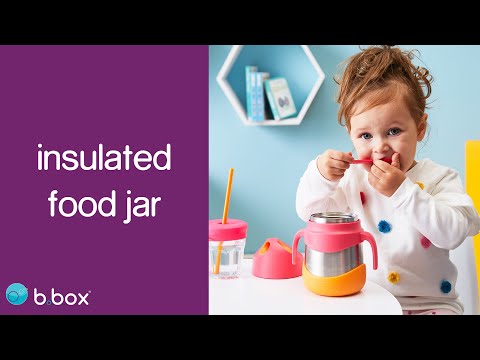
B.Box Insulated Food Jar
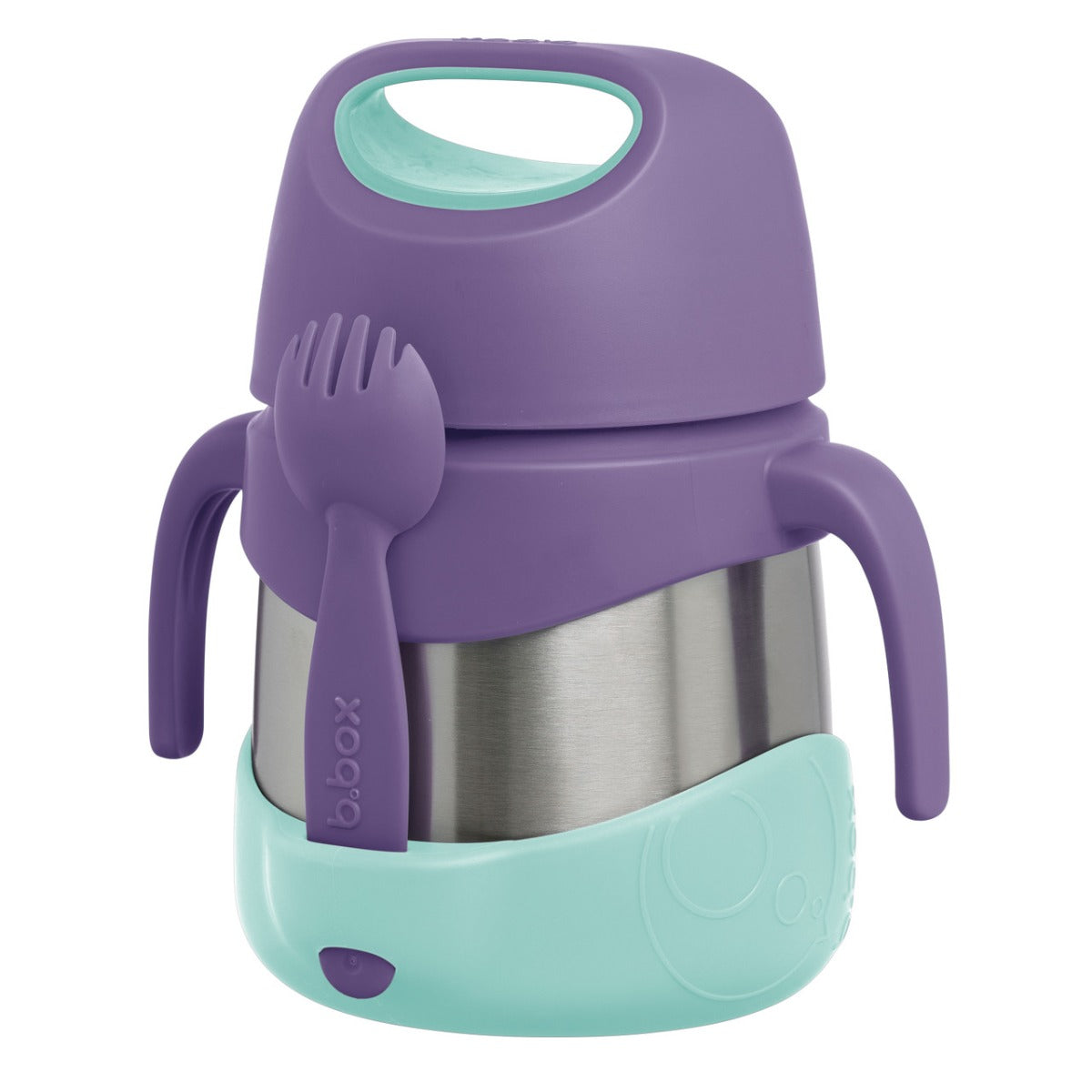
B.Box Insulated Food Jar
SKU:122937
In stock
Couldn't load pickup availability
Overview
Overview
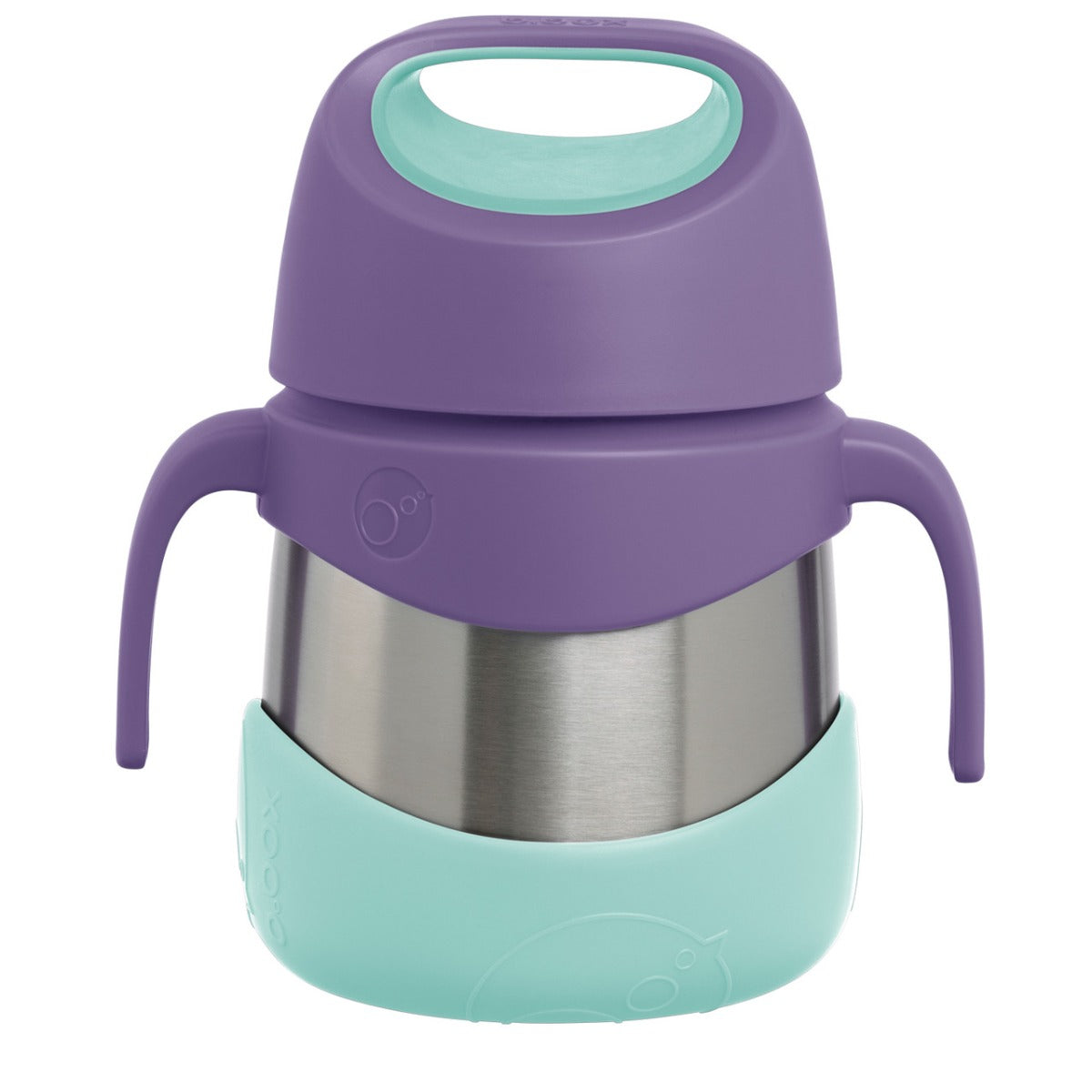
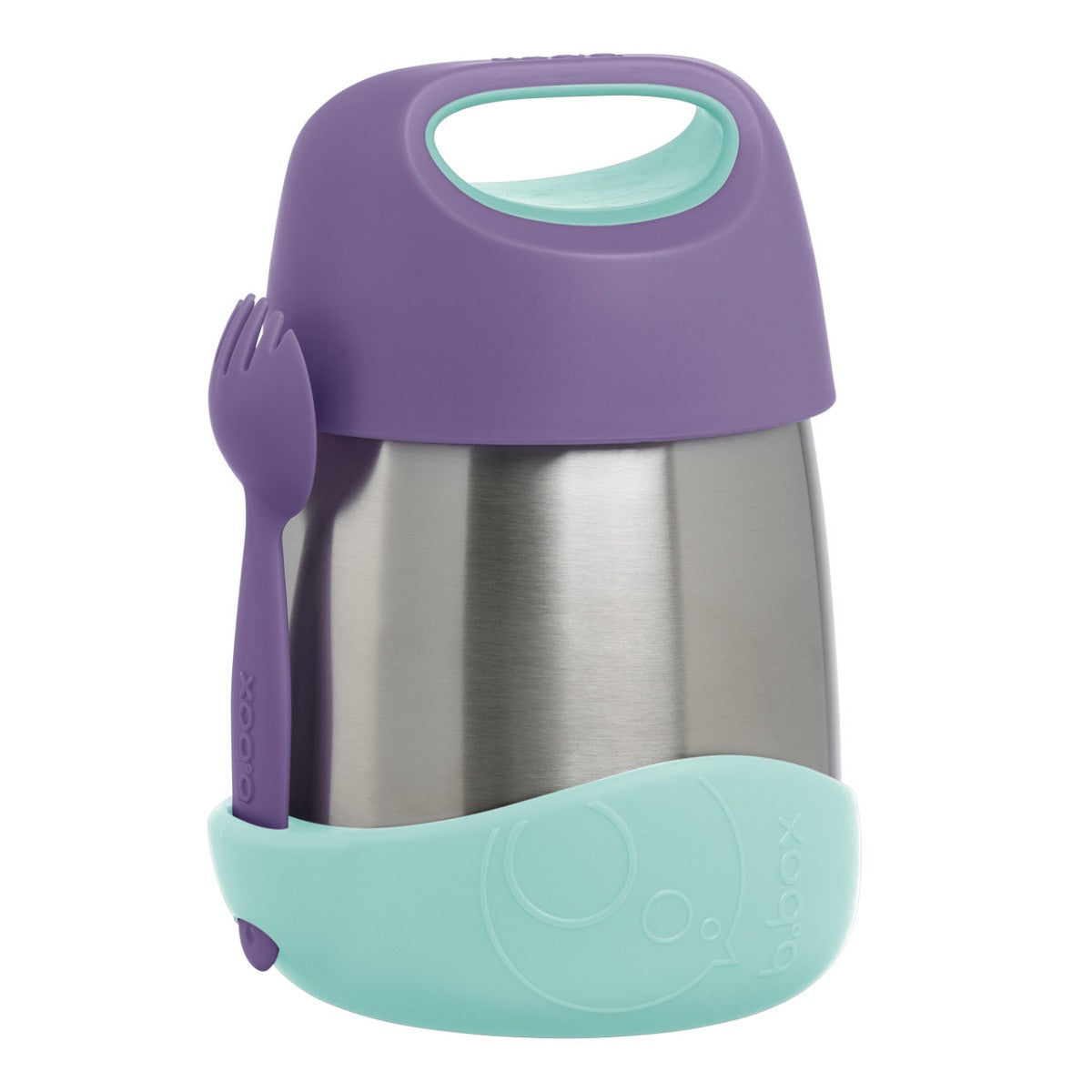
Keeps food at the perfect temperature all day, whether kids prefer warm pasta for lunch or cold refreshing fruit and yoghurt.
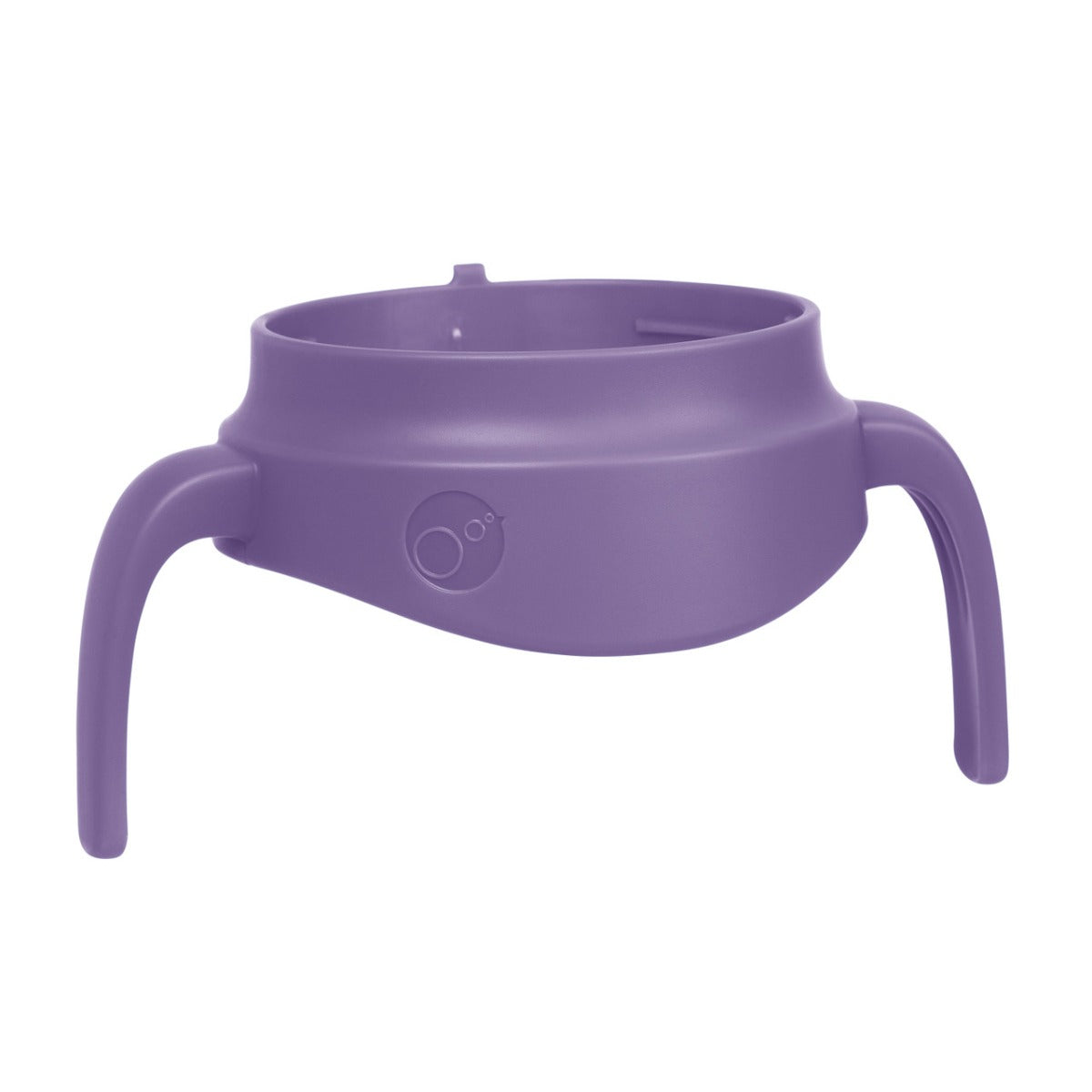
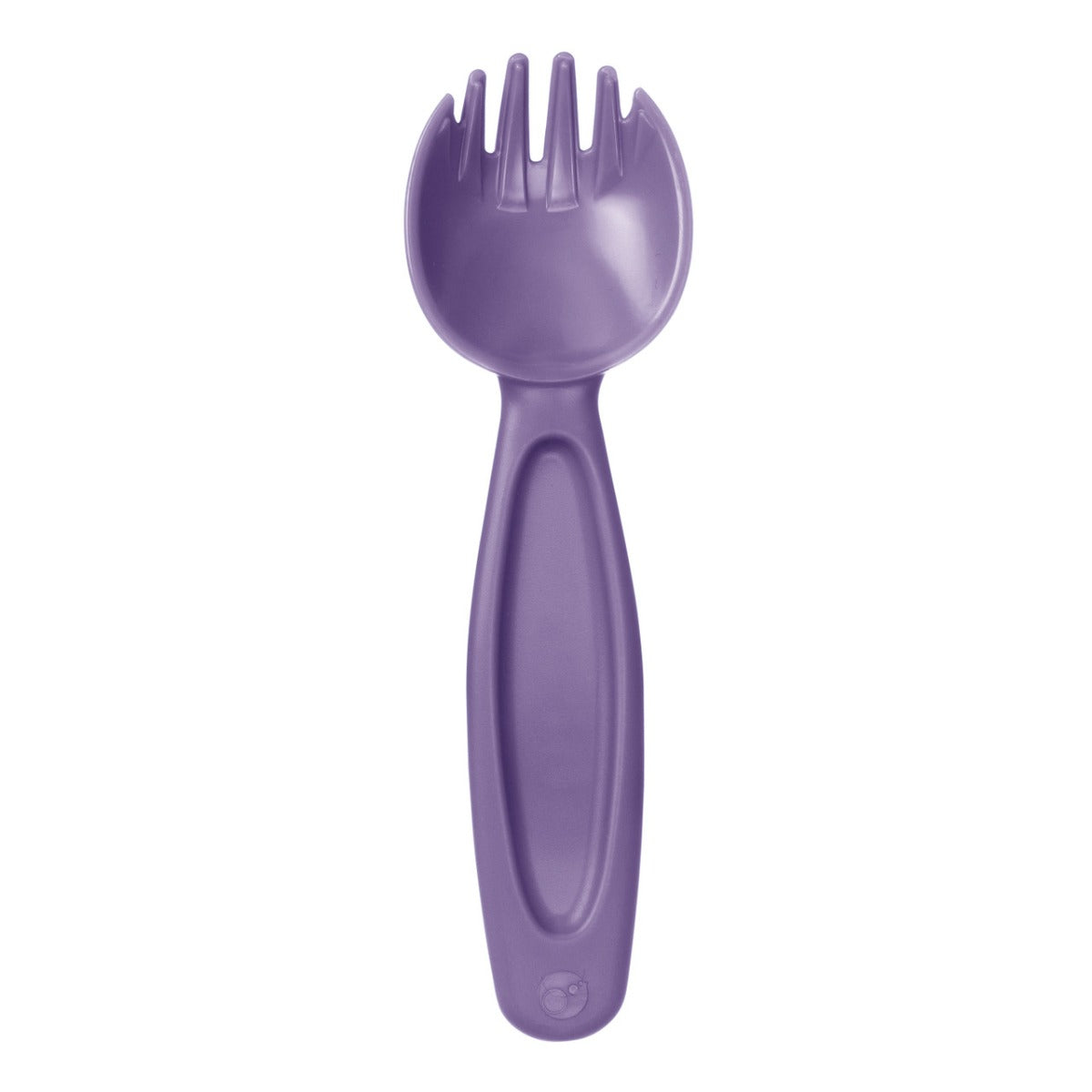
Great for kindy and school with a 335ml capacity. Comes with spork utensil that tucks away into custom bumper. Easy grip handles give kids leverage to open the jar easily, encouraging independence. Removable arms and bumper ensure the food jar in Lilac Pop colour can be tailored for older kids too!
Key Features
Key Features
Delivery and Returns
Delivery and Returns
- Delivery: Free within NZ on orders over $130 (excluding bulky items) or $8 standard shipping
- Returns: Accepted within 14 days of receipt with proof of purchase
- Some items are excluded from returns including sale items, hardware, car seats, prams, monitors and personal items - please click here for the full list.
Share this product
Recently Viewed Products
Related Blogs

Tips for Planning a Baby Shower
Planning a Baby Shower? Here’s What to Keep in Mind 🎈🍼 Your little bundle is on the way, and you’re starting to think about planning a baby shower... how exciting! Whether you're organising it yourself or handing the reins to a trusted friend or family member, here are a few practical tips from the team at Dimples to help you get started (and enjoy the process too!). Set the date 🗓️ First things first - let’s lock in a date. Somewhere around the 7-month mark is a great time to host your shower. It gives you a nice buffer before baby arrives, and time afterward to sort through gifts and plan what else you might need. When it comes to timing, think about the style of event you’re going for. Is it a brunch with bubbles? A mid-afternoon tea? Three hours is a good ballpark to aim for — just enough time to relax and celebrate without anyone feeling rushed. Sort the guest list ✉️ There are no rules here — it’s entirely up to you who you’d like to share the day with. It could be a small group of close friends, a wider celebration with extended whānau, or even something co-ed with kids in tow. 💡 Tip: Give guests around five weeks’ notice to RSVP. That way, there’s plenty of time for people to plan (and pick a thoughtful gift!). A fun trend that’s growing in popularity is the Baby-Q — a relaxed afternoon BBQ where friends and family bring a plate and celebrate outdoors with the parents-to-be. Easy, casual, and no balloon arches required. Choose a theme (or don’t!) 🎉 You don’t need to go all out — unless you want to. Soft colours, simple tableware, a few bunches of flowers, and a cake can be all you need to make it feel special. That said, if you’ve been dreaming of a balloon garland or photo wall, go for it! Just keep in mind you’ll be the one packing it down at the end… or enlisting a very helpful friend 😉 Plan your catering 🍰☕️ Food is always a highlight, so think about what your guests might be expecting based on the time of day. A mid-morning gathering could be light and lovely with fresh fruit, muffins, and a hot cuppa. A midday shower might lean more toward grazing boards and savoury bites. If your guest list is small, you might feel happy preparing the food yourself. For a bigger crowd, consider asking a few friends to bring a plate — or treat yourself and hire a caterer so you can relax and enjoy the moment. Gift planning made simple 🎁 One of the loveliest parts of a baby shower is the chance for your people to help you prepare, with practical, beautiful gifts you’ll genuinely use. We recommend making a list of the essentials you’re still needing, and thinking about how you’d like to share that with your guests. Some people prefer a wishlist, while others like to keep it open-ended. 📝 Check out our Dimples Gift Registry — it’s an easy way to select what you need and share it with guests, no awkward asking required. You can also use our baby essentials checklist to make sure you haven’t missed anything. Most importantly… enjoy it! 💛 This is a celebration of you, your baby, and this incredibly special moment in your life. Whether it’s big or small, fancy or casual — surround yourself with people who lift you up, wear something that makes you feel good, and enjoy a slice of cake (or two). You deserve to be celebrated.
Learn more
Keeping Winter Bugs Away from your Baby
How to Keep Your Baby Warm and Well This Winter Winter with a baby can bring a few extra worries, especially when they are brand new. Along with keeping your little one warm and comfortable, there are the inevitable winter sniffles, coughs and bugs to navigate. Babies have very small nasal passages, so even a little congestion can make feeding and sleeping more difficult. While it is impossible to avoid every winter cold, there are a few simple ways to help protect your babe and keep them comfortable when the sniffles arrive. Dress your baby in warm, breathable layers Keeping your baby warm does not prevent a cold, but it does help them stay comfortable during chilly winter days. A helpful guide is to dress your baby in one more layer than you are wearing. Choose light, breathable layers that are easy to add or remove as the temperature changes. Merino wool is a wonderful choice for winter baby clothing. It naturally helps regulate body temperature, keeping your baby warm while allowing excess heat and moisture to escape. Soft merino bodysuits, babygrows and sleepwear are ideal for layering without adding too much bulk. Create a safe and cosy sleep space For every sleep, place your baby on their back on a firm, flat mattress with their face and head uncovered. Keep pillows, toys and other loose items out of their sleep space. During winter, it is safer to dress your baby in suitable sleepwear or a baby sleeping bag than to add heavy or loose bedding. Avoid overheating the room and adjust your baby’s clothing when needed. Help keep winter germs away Good everyday hygiene can help reduce the spread of coughs, colds and other winter illnesses. Wash and dry your hands regularly, especially before feeding your baby, after changing nappies and when returning home. Encourage older siblings to wash their hands and cough or sneeze into their elbow. It can also help to regularly clean frequently handled toys and surfaces, and avoid close contact with people who are (or have just been) unwell. Breastmilk provides valuable nutrients and antibodies, but every family’s feeding journey is different. Whether your baby is breastfed or formula fed, continue offering their usual feeds regularly. When your baby has a blocked nose A blocked nose can make it harder for your baby to feed, settle and sleep comfortably. Saline drops suitable for babies can help loosen thick mucus. You can then use a baby nasal aspirator to gently remove it, following the product instructions carefully. This can be particularly helpful before a feed or sleep. A cool-mist humidifier may also help make a dry room feel more comfortable. Place it safely out of your baby’s reach, change the water regularly and clean it according to the manufacturer’s instructions to prevent mould or bacteria from building up. Keep an eye on their temperature If your baby feels unusually hot, cold or unwell, checking their temperature can help you understand how they are doing. The Oricom Non-Contact Infrared Thermometer provides a quick reading without disturbing your little one. Always follow the user guide carefully, as forehead thermometer readings can be affected by positioning and the surrounding environment. A fever is generally considered a temperature of 38°C or higher. If your baby is under three months old and has a fever, seek medical advice urgently. A gentle chest rub for older babies For babies over three months, the Nude Alchemist Chest Rub for Babies can be added to their comforting bedtime routine. Apply it only as directed and remember that chest rubs provide comfort rather than treating or curing a cold. This particular formula is suitable from three months but there are other types of rub on the market as well. Always check age recommendations, complete a patch test and stop using the product if irritation occurs. Baby Cold and Sniffles Comfort Checklist Keep these winter essentials together so they are easy to find when your baby needs a little extra care: A reliable baby thermometer Baby safe saline drops A gentle nasal aspirator A clean cool mist humidifier Chest rub suitable for your baby’s age Soft, breathable layers Hydration - Plenty of regular milk feeds and water if they are over 6 months Extra cuddles, comfort and rest When to seek medical help You know your baby best. Seek medical advice if they are becoming more unwell, feeding poorly, having fewer wet nappies, unusually sleepy or difficult to settle. Get urgent medical help if your baby: Is under three months old and has a temperature of 38°C or higher Is struggling to breathe, breathing unusually quickly or grunting Looks blue around the lips or mouth Is floppy, very pale or difficult to wake Is unable to feed because of breathing difficulties If you are unsure, contact your doctor, call Healthline on 0800 611 116, or call 111 in an emergency. You can also read Whānau Āwhina Plunket’s guidance on colds in babies and children. A Little Winter Preparation Goes a Long Way Winter bugs are an unavoidable part of childhood! Having a few trusted essentials ready can make those sniffly days feel much more manageable. With breathable merino layers, a cosy sleep space and gentle comfort close at hand, you can help your little one feel warm, secure and well cared for throughout winter. You’re doing great.
Learn more
Beginning your baby on solid foods
Starting Solids: A New Chapter in Your Baby’s Feeding Journey Introducing your baby to solids is an exciting milestone for both of you! It’s a time for new tastes, textures, and the inevitable messes that come with it. But as your baby reaches the six-month mark, it’s time to introduce them to new foods to complement their milk diet. For the first six months, your baby relies on iron stores from the womb and breast milk or formula. But as those iron stores begin to deplete, solids are needed to boost their nutrition. It’s recommended to continue breastfeeding or bottle-feeding alongside solids until your baby is 12 months old. Solids at this stage complement, rather than replace, their milk feeds. You can also start offering small amounts of water after six months, either in a sippy cup or with meals, to help your baby stay hydrated as they transition to solids. Signs Your Baby Might Be Ready for Solids Here are some signs to watch for that indicate your little one is ready to start eating solids: They seem hungry after milk feeds Can sit up with support and hold their head steady Show interest in your food, possibly reaching out or opening their mouth Make chewing motions when they see food Open their mouth when a spoon comes near The right Approach for Your Baby There are different ways to approach weaning. Spoon-feeding (offering purées or mashed foods), Baby-led weaning with finger food or a combination of both. There is no one "perfect" approach. The best method is the one that feels safe, enjoyable, and sustainable for your family. This book by Annabel Karmel is a great resource, filled with advice and recipes.. What matters most is offering nutritious foods (including iron-rich options), sharing pressure-free, positive mealtime experiences and supervising baby around food. With patience, consistency, and a little flexibility, you'll be helping your baby build a lifelong healthy relationship with food. Baby’s First Taste: Making Mealtimes Memorable Starting solids can be an exciting and slightly messy adventure! You can begin with simple, iron-rich foods to complement their milk diet, such as: Iron-fortified rice cereal mixed with breast milk or formula Purées of cooked vegetables like pumpkin, kūmara, or carrot Mashed avocado – easy to prepare and great for baby’s first tastes Purée of cooked apple or pear – mild, easy-to-digest options Purée of cooked chicken or beef – an excellent way to introduce iron A fantastic way to offer baby their first tastes is with the b.box Silicone Fresh Food Feeder. Simply pop in soft fruits or steamed vegetables, and let baby explore with a self-feeding method that doubles as teething relief. Make Mealtimes Easier with the Right Tools The right tools can make the journey into solids so much easier – and a little less messy! The Zazi Clever Spoon Set is designed for tiny hands, and paired with the Clever Bowl with Lid, they're perfect for portioning, feeding, and storing leftovers. The b.box Roll + Go Mealtime Mat keeps the mess contained, while the classic Mum2Mum Wonder Bib or the Mum2Mum Sleeved Wonder Bib makes sure your baby’s outfit stays clean, even on the messiest of days. After all, less laundry means more cuddle time! Moving to Mash As your baby approaches seven months, they’ll likely be ready to try foods with a thicker consistency. Offer them mashed or fork-mashed foods like ripe banana, avocado, small pasta pieces, or cooked egg. These textures are easy for your baby to swallow and great for practicing chewing. At this stage, avoid harder lumps like whole peas, which can pose a choking risk. Embracing Independence Around 8 Months Around eight months, your baby may begin showing an interest in feeding themselves. They may grab the spoon and try to feed themselves – it’s messy, but it’s also a great opportunity for developing their hand-eye coordination. Give them a chance to explore, but always stay close by to offer a helping hand (and a napkin)! We’re Here to Help At Dimples, we know starting solids can feel overwhelming. That’s why we’re always here to support you with expert advice and product recommendations. Visit us in-store or contact our friendly team for any questions – we’ve got everything you need to make this adventure as fun and easy as possible.
Learn more
Healthy Eating - Kids in the kitchen
Kids in the kitchen – building a foundation of health I am hugely passionate about building a strong foundation of health for children, so that they don’t spend a large chunk of their lives attempting to undo bad habits or with chronic health conditions. One really impactful way to do this is to teach them how to cook nutritious home cooked meals from scratch. This builds confidence in the kitchen and is an incredibly valuable life skill to have so that when they eventually leave home they know how to cook and won’t need to rely on takeaways and nutritionally poor foods. It is also a really nice way to mindfully spend time with your children in a way that is really fun for the whole family. There is continually more emphasis being placed on the importance of teaching children to eat healthy nutritious foods, due to the prevalence of childhood obesity, the behavior and learning implications of nutritional deficiencies and obesity related health issues. Did you know that one in nine of our New Zealand children are classified as being obese? Our childhood obesity rates really highlight the importance of education for children about nutrition and how to cook homemade meals. As a parent it is often a battle to get children to eat healthy foods, they are inundated with advertising and clever marketing that promotes and encourages less than ideal foods, such as sugar laden cereals and juices with their favorite cartoon characters, or sports heroes on the packaging. It is everywhere you look, and in our busy modern society takeaways have become the norm and not just a treat anymore. As a busy mum of four myself I have felt plenty of mum guilt at times for looking for easy meal options that aren’t as nutritious as I would like out of time constraints and food preferences of my children. Thankfully now I have a far less idealistic view on nutrition for my family and realise that there is no such thing as being the perfect Mum and that it is perfectly healthy for families to also have treat foods, and to enjoy them occasionally without guilt while ensuring majority of the time they are eating well. Teaching my own children, and others at a local primary school how to cook different meals has been a really rewarding experience. Children love to learn through ‘doing’ and are far more receptive to trying new foods when they are involved in the cooking process. One of my favorite things to do it to write a list of their favorite foods, this is very predictable with kids and generally consists of pizza, burgers and fries then discuss how we can make these foods at home and what we can do to add in extra nutrients. For example, Pita pizzas with different herbs, vegetables and homemade pizza sauce, burger patties with mince and grated vegetables, hand cut and oven baked kumara fries etc. You can make this really fun by making a recipe together, formulating a shopping list and letting them help find the ingredients, my three-year-old loves this! There are so many great cookbooks and websites that offer great ideas and tips these days. Some of my favorites include. A great resource for all things vegetables including nutritional information, preparation tips, and educational resources https://www.vegetables.co.nz/ A great resource of recipes & children’s goal setting charts for healthy eating https://www.healthykids.org.nz/ A personal favourite for lots of delicious kid friendly nutritious recipes would have to be Nadia Lim’s Kid section on her website https://nadialim.com/?sfid=974&_sft_meals_courses=kid-friendly For my older boys one activity that they really loved from around the age of five was picking a country, then looking for one of their traditional dishes and cooking it. The most loved one that was often repeated was Mexican fiesta night with tacos, pepitas and guacamole. This is a really fun way to get children in the kitchen and trying new foods. I have also found meal subscriptions like HelloFresh great for the older kids as everything they need including a simple recipe card is all included. They get really excited when they are making dinner themselves and it creates a huge feeling of accomplishment in them and also as a mum! Other skills that are strengthened when it comes to cooking with children include basic maths in younger children through counting and measuring. This also builds communication and language skills by discussing ingredients and recipes. Pre-schoolers are well known for being fussy eaters, encouraging them to explore different foods and textures by involving them in meal time preparation can really help to broaden their palate. You can also talk about how healthy foods help us to grow and the differences between different foods such fruits and vegetables, or for older children carbohydrates, protein and fats. This can also be a great time to explore mindful eating by engaging the difference senses during food preparation. Exploring the different appearances, textures, smells, tastes and sounds of food, exploring this is a wonderful way to be engaged for children and parents Most importantly have fun with it, you’re teaching your children an incredibly important life skill that will benefit them for years to come, instilling independence and not to mention eventually some time out from cooking yourself – win,win! Kylie Stowe @melawholefoods Pita Pizza Serves 4 This is a firm favorite amongst my children and was also one of the most loved in my kids cooking & nutrition classes. It is really fun to head to your local farmers market on the weekend and let the kids pick some different ingredients to try, it is also a great way to learn about the different seasons when different produce is available. The recipe below is for a basic pita pizza as a guide but have fun with this and let the kids build their own and try new things. Ingredients - 4 wholemeal pita - 4 tbsp of tomato paste - 2 handfuls of basil leaves - 16 cherry tomatoes - 1 sliced smoked chicken breast - 1 sliced capsicum - 1c of mozzarella cheese Method 1. Preheat the oven to 180c fan bake, and line a baking tray with baking paper. 2. Place the pita bread on the tray, top with tomato paste, then basil. Equally arrange the other ingredients on the pita. Top with cheese. 3. Bake for 10 minutes, or until golden. Enjoy! These are really nice served with salad.
Learn more