


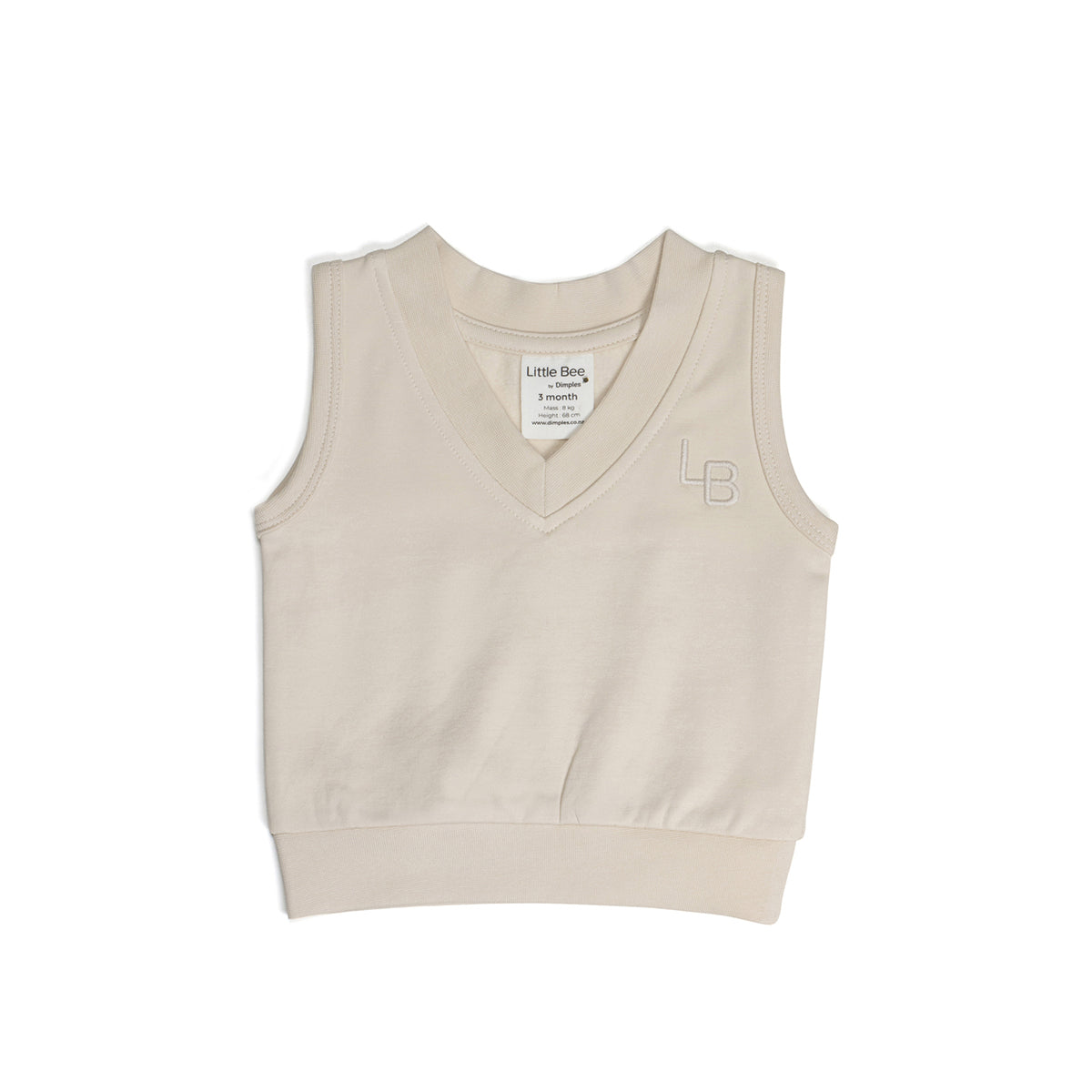
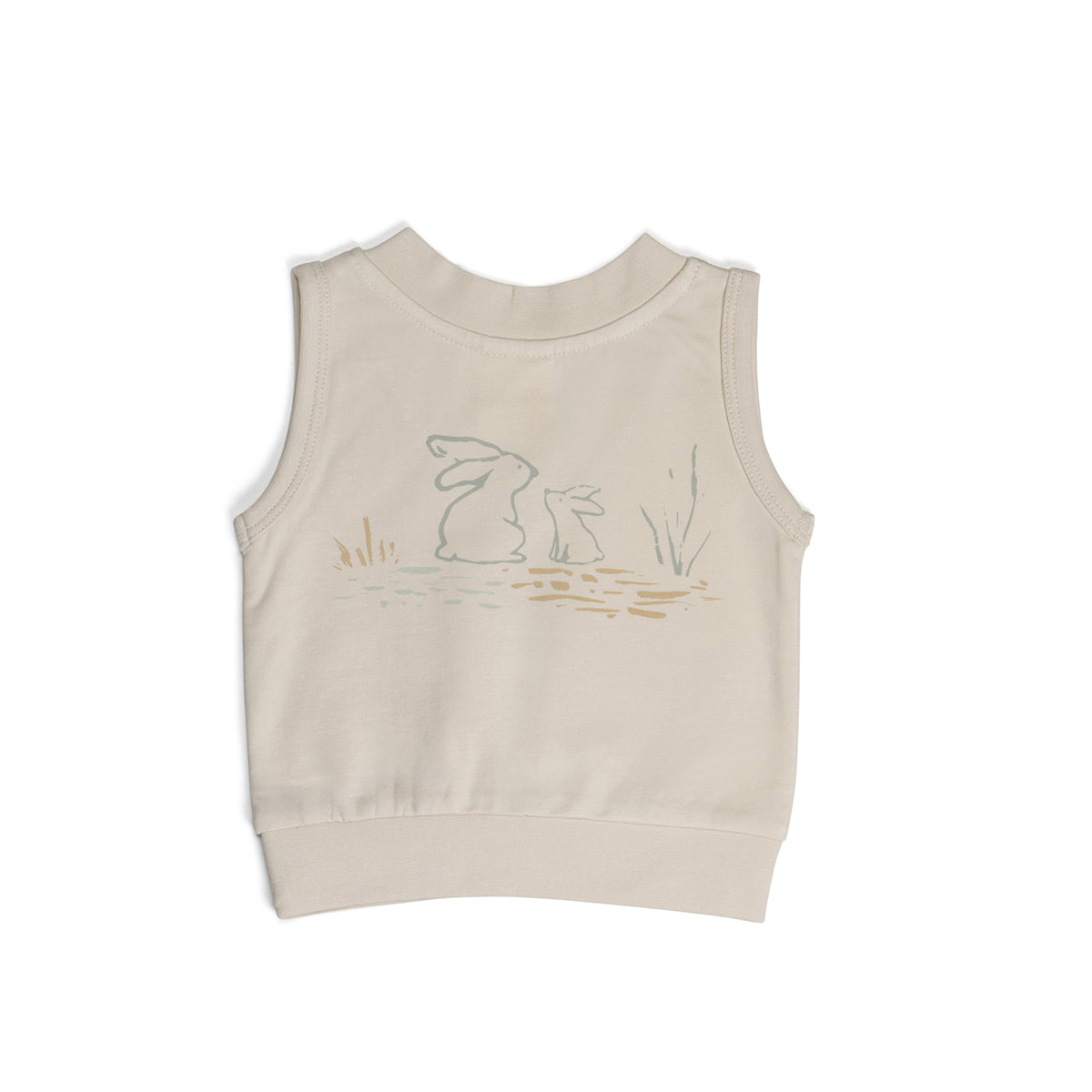


Fleece Vest
Fleece Vest
SKU:LC410-12mth
Clothing Prem to 18 Months
| Size | Age Guide | Weight | Height |
|---|---|---|---|
| Premature | Premature or Small Newborn | Up to 4Kg | Up to 55cm |
| Newborn | 0-3 months | 4-6Kg | Up to 62cm |
| 3 Month | 3-6 months | 6-8Kg | Up to 68cm |
| 6 Month | 6-12 Month | 8-10Kg | Up to 76cm |
| 12 Month | 12-18 Month | 10-12Kg | Up to 84cm |
| 18 Month | 18-24 Month | 12-14Kg | Up to 92cm |
Clothing 2 to 6 Years
| Size | Age Guide | Height | Chest | Waist | Hip |
|---|---|---|---|---|---|
| 2 Year | 2-3 Years | Up to 100 cm | 56 | 51 | 58 |
| 3 Year | 3-4 Years | Up to 105 cm | 58 | 53 | 60 |
| 4 Year | 4-5 Years | Up to 110 cm | 60 | 55 | 62 |
| 5 Year | 5-6 Years | Up to 115 cm | 62 | 57 | 64 |
| 6 Year | 6-7 Years | Up to 120 cm | 64 | 59 | 66 |
Beanie Size Guide
| Size | Head Circumference | Age Guide |
|---|---|---|
| Premature | 31-35 cm | Premature or Small Newborn |
| Newborn | 35-40 cm | Newborn |
| Small | 40-43 cm | 3-6 Months |
| Medium | 43-47 cm | 6-18 Months |
| Large | 47-52 cm | 18-3 Years |
Sunhat Size Guide
| Size | Head Circumference | Age Guide |
|---|---|---|
| Newborn | 37-40 cm | Newborn |
| Small | 40-43 cm | 3-6 Months |
| Medium | 43-46 cm | 6-12 Months |
| Large | 46-49 cm | 12-24 Months |
| Xtra Large | 49-54 cm | 2-4 Years |
Sleep Pods Size Guide
| Size | Weight | Age Guide | Measurement(Back to Hem) |
|---|---|---|---|
| Newborn | 0-6 kgs | 0-3 Months | 60.5 cm |
| Small | 0-8 kgs | 3-6 Months | 66 cm |
Booties Size Guide
| Size | Age Guide |
|---|---|
| Newborn | 0-3 Months |
| Small | 3-6 Months |
| Medium | 6-12 Months |
| Large | 12-18 Months |
In stock
Couldn't load pickup availability
Overview
Overview
Celebrate the beauty of love and connection with our Little Cub range featuring cute animal families. Soft, breathable, and full of heart, this collection is perfect for your little one’s first adventures.
Introducing our cozy and adorable Cotton Vest, designed to keep your little one warm and stylish all day long! Crafted from soft and breathable cotton, this vest is perfect for layering over onesies or pairing with shirts for a charming look.
Featuring a classic V-neck design, this vest is not only fashionable but also functional with arm and waistbands that ensure a snug and comfortable fit. Whether it's a casual day out or a special occasion, this versatile vest is a must-have addition to your baby's wardrobe.
Fabric Information
Fabric Information
Fit & Care
Fit & Care
Delivery and Returns
Delivery and Returns
- Delivery: Free within NZ on orders over $100 (excluding bulky items) or $8 standard shipping
- Returns: Accepted within 14 days of receipt with proof of purchase
- Some items are excluded from returns including sale items, hardware, car seats, prams, monitors and personal items - please click here for the full list.
Share this product
Recently viewed products
Related Blogs

A Guide to Baby's Temperature
As a parent there always seems to be something to worry about! A common concern in these cooler months is baby’s temperature and how to hit the ‘Goldilocks’ sweet spot – not too cold; not too hot! Monitoring baby Babies can’t regulate their own body temperature for the first six weeks, so it’s important to keep an eye on them and adjust their clothing and room temperature to suit. First up – what is normal? Baby’s temperature should be around 37 degrees Celsius. A mild fever is a temperature higher than 38ºC and a high fever is anything over 39ºC. A thermometer is a great addition to your home first aid kit – giving you a quick and accurate temperature reading. These will typically get used a lot throughout childhood, making them a great investment. Some great options include digital forehead thermometers for quick and contactless checks such as Oricom's Non Contact Infrared Thermometer or Nuk's Baby Flash Thermometer. It’s a good idea to also take your baby’s temperature on a day when they’re content and well, so you can check their ‘normal’. Babies under three months with a mild fever and babies between three and six months with a high fever (over 39ºC) should be taken to the doctor. Another way to gauge baby’s temperature is to gently touch the back of their head or tummy – it should feel warm. (While they offer easier access, don’t go by their hands or feet, as these extremities are often cooler.) Ideal temperature for a sleep space It’s important to make sure the room where your baby is sleeping is at a comfortable temperature - around 18-20ºC. If you have a heater, heat pump, or air conditioning with a thermostat, you can set it to 18ºC and it will flick on and off as the temperature changes throughout the night. Clothing and bedding choices are key Merino is a natural wonder that’s perfect year-round – helping with temperature regulation. It has little pockets of air that keep warmth in on cold days, and cool baby down on a hot day. Another great natural fibre for baby is organic cotton . It can eliminate moisture build up between clothes and your baby’s skin, to keep your them comfortable and dry. Clothes for when you’re out and about For daytime, opt for layers so you can add or remove a layer to keep baby comfortable - again sticking with cotton and merino. If your baby falls asleep in the pram or car - yay! But both spaces can heat up and get airless quickly – so don’t forget to monitor their temperature. Think about ways to provide shade and airflow – and don’t leave them asleep in a car alone. Bath time Ideal water temperature for a bath is 37°C. It should feel warm and soothing, but not too hot for delicate skin. You can test the water with the inside of your wrist, or make it super easy with a Oricom Duck Bath Thermometer or the colour-changing Pebbly.
Learn more
Temperature Control and Sleep
Hot and cold – helping your baby sleep comfortably We all know how much temperature affects sleep. Too hot and you’re tossing the covers off, too cold and you’re hunting for another blanket. For babies, who are still learning to regulate both their body temperature and sleep patterns, the impact can be even greater. If they’re too warm or chilly, they might struggle to drift off – or wake more often through the night. The good news is you can help keep your baby at a comfortable temperature with the right mix of clothing, bedding, and room adjustments, making it easier for them to settle and stay asleep. Why temperature matters Our bodies can regulate internal temperature, but during deep sleep, that process slows down. This means a room that’s too hot or too cold can cause night wakings. For babies, the ideal room temperature is around 18°C – it might sound cool, but a lower core temperature is linked to better sleep, while warmer conditions often mean more restlessness. A warm bath before bed can also help. While it seems backwards, the water on your baby’s skin will cool them down after the bath, helping them start the night at a comfortable temperature. Ways to manage temperature Heaters, fans, air conditioning, and the right bedding can all help keep things steady through the night. If you have a thermostat, set it to 18°C and let it do the work. If not, you can buy a plug-in thermostat for your heater to help maintain consistency. Merino – your sleep-time secret When it comes to baby sleepwear, merino wool is a year-round winner. Naturally breathable and temperature-regulating, it helps keep your baby comfortable in both warm and cool conditions – and research shows it can even help them sleep longer. In winter, use merino layers under a merino sleeping bag or sleepwalker. In summer, lighter cotton or merino sleepwear with a lighter weight sleeping bag is usually enough, depending on the temperature where you are. Sleeping bags are especially useful as they can’t be kicked off like blankets, keeping your baby covered all night. Choose one with a weight (or TOG rating) that suits the season. Spotting temperature troubles Signs your baby might be too hot: Waking often Sweaty neck or back Damp hair Rapid, shallow breathing If you notice these, remove a layer of clothing, switch to a lighter sleeping bag, improve airflow, or lower the room temperature. If your baby seems uncomfortably hot, check for fever and use a cool, damp cloth on their forehead and back. Signs your baby might be too cold: Moving around the cot more than usual Rolling onto their stomach during sleep Frequent short naps Early morning waking (around 5am, when body temperature naturally dips) If this happens, add a layer, switch to a warmer sleeping bag, or adjust the room temperature. Getting the temperature right won’t solve every sleep challenge, but it’s one piece of the puzzle that can make nights smoother for everyone. Click here to shop our full range of merino.
Learn more
Rotating car seats – should you choose one?
Getting a wriggly toddler into a car seat shouldn’t feel like a workout. That’s why rotating car seats are quickly becoming a go-to for modern parents. In this blog, we explore how they work and why so many families are making the switch. From extended rear and front facing options to reducing back strain, we’ll help you decide whether a rotating car seat is the right choice for your growing family. Benefits of a Rotating Car Seat Easier access in and out of the car - The swivel function turns the seat towards the door, making it easier to get your child in and out of the car without awkward angles. With the seat facing you, it is easier to correctly position and tighten the harness, helping ensure your child is safely secured every time. Reduced strain on your back - Rotating the seat towards you helps minimise bending, twisting, and reaching, which can help prevent back and shoulder strain, especially with growing toddlers. This also helps parents (or grandparents) recovering from birth, injury, or surgery, or those with limited mobility, who often find rotating seats easier and more comfortable to use. Rear and front facing options - While your child is young, rear facing car seats are recommended for their safety. Though you want to keep them rear facing as long as possible (according to weight and height restrictions), you will eventually need to switch to forward facing, which is made incredibly easy with the swivel feature. You also have multiple angle options to recline the seat and can change all of these settings without having to re-install the entire seat. Things to Consider Before Buying Weight limits - Most (though not all) rotating car seats have a weight limit of 18kgs because of the isofix installation. On average, that’s around four years old, and while many parents are happy to switch to a booster seat after that, others just want one seat that goes all the way. If you’d prefer to buy a single seat with more longevity, a non-rotating option may suit you better. The Nuna Rava Next goes up to 29.4kgs (seven or eight years on average), and the Exec Next has a booster seat conversion, meaning that it lasts right from newborn up to 49.9kgs, around 12 years old! Space in your car - If you have multiple kids and multiple car seats in the car, having one that rotates might be a bit tricky. Rotating seats generally have a larger base, and the swivel motion itself can be blocked if there are other seats in the way. If you plan on having three seats side by side in the back row, swivelling is a no-go. If you have two seats, then a rotating seat might be a good option depending on how it fits into your car. If you’re not sure, give us a call at our Newmarket or Christchurch stores, and book in a time to try out some options and see what works best. What Are the Rotating Car Seat Options? Nuna NEXT System Built to work together seamlessly, the Nuna NEXT System offers flexibility, longevity, and peace of mind in one refined package. With two different base options (Base Next & Base Curv), two capsules (Pipa Next & Arra Flex), a unique lie-flat car seat (Cari Next), and a toddler seat for good measure (Todl Next), the NEXT System gives you a range of options for travelling in style. The bases come equipped with True Lock™ technology and coloured installation guides for your peace of mind, and one base can be used for all compatible products (keeping you covered for the first four years of baby’s life). Maxi Cosi Pebble 360 Pro Capsule & Maxi-Cosi Pearl 360 As part of the 360 Pro Family range, the Pebble and Pearl (when on the Family Fix 360 Pro Base) not only rotate 360°, but also slide towards you to eliminate the awkward reaching that usually comes with buckling in a little one. While the Pearl must be attached to the base in order to go in the car, the Pebble can also be seatbelt installed by itself. Nuna Pruu If you love the Todl but don’t want to bother with the separate base, the Pruu might be the seat for you. With the same detachable Side Impact Protection, integrated rebound bar, and smart-swivel lock, your little one will be travelling in stylish safety from start to finish. The big difference? The Pruu is one piece, with no separate base, making it a bit heavier to carry around, but super convenient for those who’d rather not bother with the extra pieces. We also have the new Nuna Pruu Aire with a retractable sun canopy. Nuna Rylo A new and popular choice is the Nuna Rylo. This seat has it all: 360° rotation, seat belt installation capability, and premium materials. Certified to the AS/NZS standard, it’s perfect for Trans-Tasman travellers, or anyone who’s after the latest version of Nuna’s award winning technology. Not sure which seat is right for you? Visit us in Auckland or Christchurch to see them in person. You can also book in a fitting with our team - we’ll help you find the safest, easiest option for your car and your family.
Learn more
Understanding The Psychology Of Potty Training Toddlers
Potty training isn’t just about learning a new skill - it’s a big emotional and developmental milestone. Understanding what’s happening in your child’s mind can transform the experience from a power struggle into a confidence-building journey.
Learn more