




Duvet Sleepwalker
Duvet Sleepwalker
SKU:LB298DLNB-2yr
Clothing Prem to 18 Months
| Size | Age Guide | Weight | Height |
|---|---|---|---|
| Premature | Premature or Small Newborn | Up to 4Kg | Up to 55cm |
| Newborn | 0-3 months | 4-6Kg | Up to 62cm |
| 3 Month | 3-6 months | 6-8Kg | Up to 68cm |
| 6 Month | 6-12 Month | 8-10Kg | Up to 76cm |
| 12 Month | 12-18 Month | 10-12Kg | Up to 84cm |
| 18 Month | 18-24 Month | 12-14Kg | Up to 92cm |
Clothing 2 to 6 Years
| Size | Age Guide | Height | Chest | Waist | Hip |
|---|---|---|---|---|---|
| 2 Year | 2-3 Years | Up to 100 cm | 56 | 51 | 58 |
| 3 Year | 3-4 Years | Up to 105 cm | 58 | 53 | 60 |
| 4 Year | 4-5 Years | Up to 110 cm | 60 | 55 | 62 |
| 5 Year | 5-6 Years | Up to 115 cm | 62 | 57 | 64 |
| 6 Year | 6-7 Years | Up to 120 cm | 64 | 59 | 66 |
Beanie Size Guide
| Size | Head Circumference | Age Guide |
|---|---|---|
| Premature | 31-35 cm | Premature or Small Newborn |
| Newborn | 35-40 cm | Newborn |
| Small | 40-43 cm | 3-6 Months |
| Medium | 43-47 cm | 6-18 Months |
| Large | 47-52 cm | 18-3 Years |
Sunhat Size Guide
| Size | Head Circumference | Age Guide |
|---|---|---|
| Newborn | 37-40 cm | Newborn |
| Small | 40-43 cm | 3-6 Months |
| Medium | 43-46 cm | 6-12 Months |
| Large | 46-49 cm | 12-24 Months |
| Xtra Large | 49-54 cm | 2-4 Years |
Sleep Pods Size Guide
| Size | Weight | Age Guide | Measurement(Back to Hem) |
|---|---|---|---|
| Newborn | 0-6 kgs | 0-3 Months | 60.5 cm |
| Small | 0-8 kgs | 3-6 Months | 66 cm |
Booties Size Guide
| Size | Age Guide |
|---|---|
| Newborn | 0-3 Months |
| Small | 3-6 Months |
| Medium | 6-12 Months |
| Large | 12-18 Months |
In stock
Couldn't load pickup availability
Overview
Overview
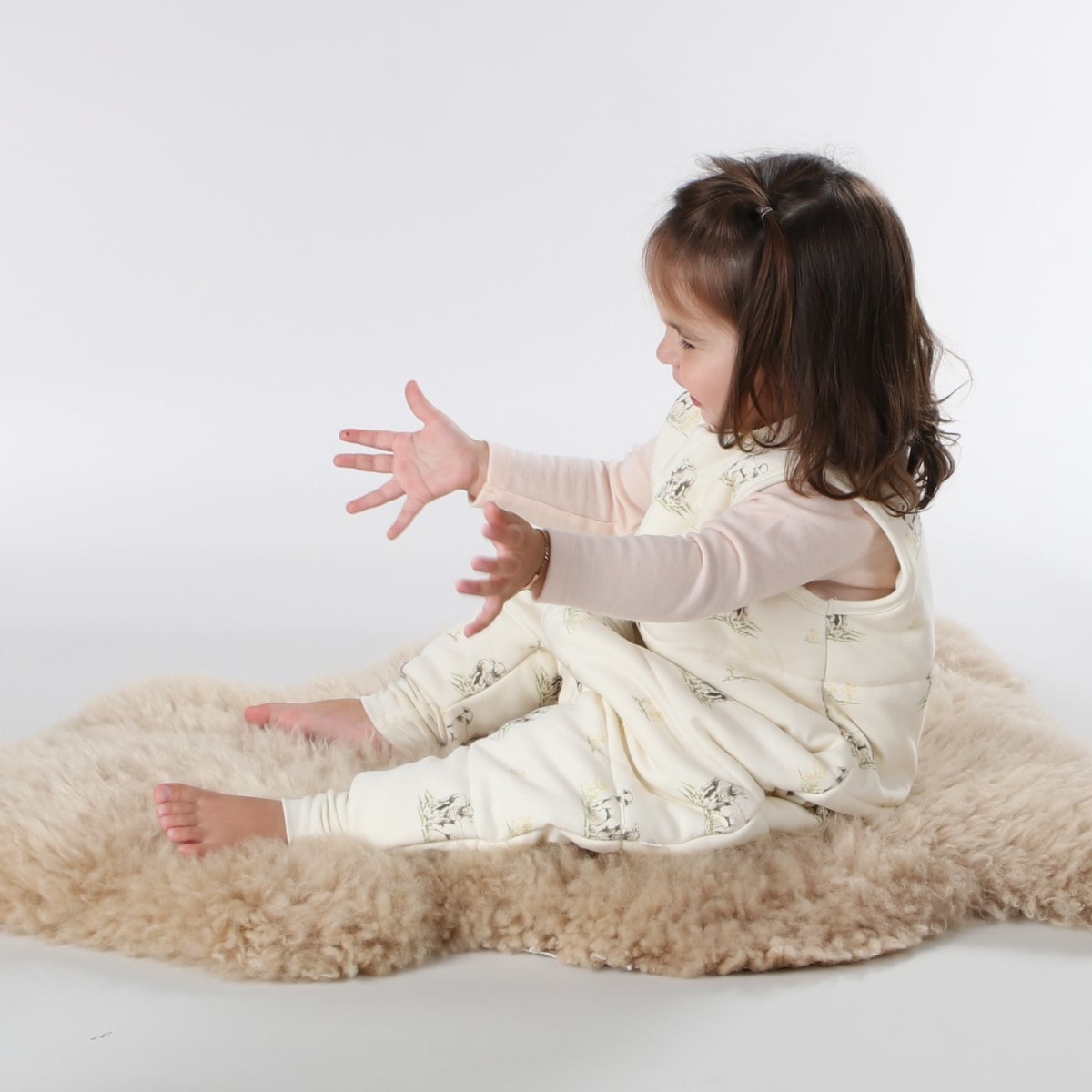
Warm like a sleeping bag. Easy to move in like pyjamas!
The Little Bee by Dimples Duvet Weight Merino Sleep Suit is made for little ones who still need plenty of warmth overnight, but want a little more freedom to wriggle, stand and move around.
Instead of one enclosed sleeping bag shape, the Sleepwalker has individual leg sections so your little one can move more naturally. Perfect for older babies and toddlers who are starting to feel restricted in a traditional sleep sack.
And when they are ready to settle down for the night, their feet can be tucked back inside to create more of that cosy, sleeping-bag feeling.
So you get the best of both worlds - The freedom of a sleep suit, with the warmth and security of a sleeping bag.
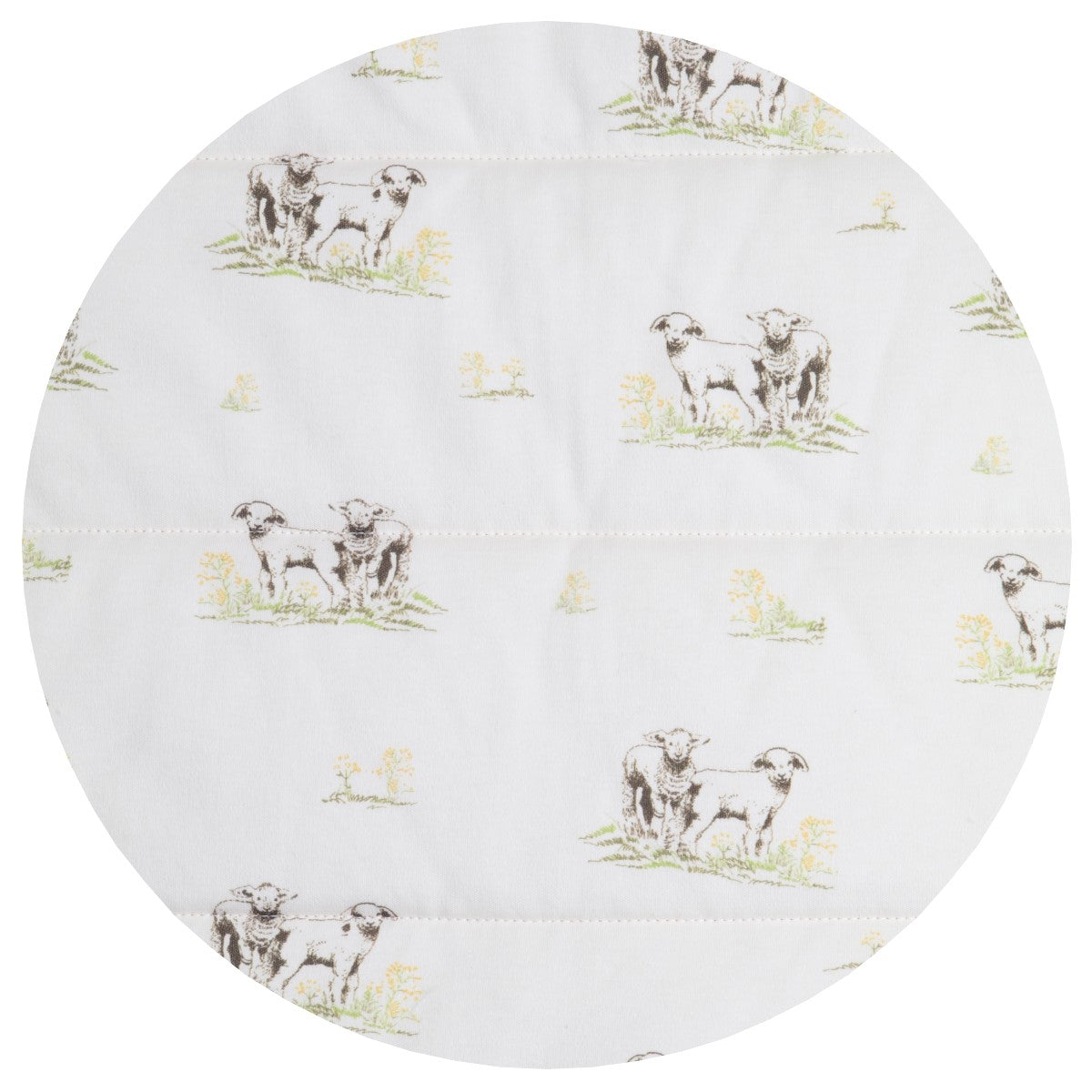
Designed for colder rooms and winter nights, the Duvet Weight Sleepwalker combines three beautiful natural layers. A soft 100% Merino wool lining sits closest to their skin, surrounded by a soft organic cotton outer and a cosy layer of cotton wadding for extra warmth.
Merino does the clever work too. Its natural temperature regulating properties help hold warmth when the room gets cold, but remains breathable as temperatures change.
Soft. Warm. Breathable. And designed around the way little ones actually sleep.
Fabric Information
Fabric Information
Key Features
Key Features
Fit & Care
Fit & Care
Delivery and Returns
Delivery and Returns
- Delivery: Free within NZ on orders over $130 (excluding bulky items) or $8 standard shipping
- Returns: Accepted within 14 days of receipt with proof of purchase
- Some items are excluded from returns including sale items, hardware, car seats, prams, monitors and personal items - please click here for the full list.
Share this product
Recently viewed products
Related Blogs

How to Dress your baby for Sleep
Dressing Your Baby for Sleep – A Seasonal Guide Knowing how to dress your baby at bedtime can feel like a bit of a guessing game – especially when the seasons start to change. Should you add another layer? Is the room too cool? Are their hands meant to be that cold? To help take the guesswork out, we’ve put together a simple guide to dressing your little one for sleep using our Dimples sleeping bags and sleepwalkers, without any additional blankets. A Gentle Reminder Every baby is different, so this guide is just that – a guide. The best way to check if your baby is at a comfortable temperature is by feeling the back of their neck. It should feel warm, not hot or sweaty. Hands and feet can feel cooler and aren't always a reliable indicator. Baby’s body temperature naturally dips during the early morning hours, so if your little one is waking more often than usual, it might be worth checking if they’re feeling a bit chilly. And remember – when it comes to sleep, it’s safer for babies to be slightly cool rather than too warm. Choosing the Right Layers When dressing your baby, natural fibres like Merino wool or cotton are best. These breathable fabrics help regulate temperature and keep your baby comfortable through the night. Merino in particular is a year-round superstar – its clever fibres trap warm air on cooler nights and allow heat to escape on warmer ones, making it ideal for all seasons. At Dimples, all of our garments are designed especially for keeping little ones cosy and safe. We recommend having at least two sleeping bags or sleepwalkers on hand for each season, so you’re always prepared for the inevitable midnight messes. Ideal Room Temperature The ideal temperature for a baby’s room is between 16–20°C. If you’re using a heater or heat pump, setting the thermostat to 18°C will help maintain a steady climate through the night without overheating. Monitoring the Room Many baby monitors display room temperature, which can be a helpful reference.Alternatively, something like the Shnuggle Moon Nightlight can be used to keep an eye on the room temperature. It uses a handy colour display to show whether the room is sitting within the ideal range. Signs Your Baby May Be Too Warm Waking more frequently than usual Sweaty back or neck Damp hair Shallow or rapid breathing If you notice these signs, try removing a layer or adjusting the room temperature. A cool, damp cloth on the back of their neck can help if they’re feeling very warm – and always check for fever if you’re concerned. Signs Your Baby May Be Too Cold Restless sleep or unusual movement around the cot Rolling onto their stomach Catnapping during the day Waking around 5am If any of these sound familiar, consider adding a layer, using a warmer sleeping bag, or gently warming the room. Dressing your baby for sleep doesn’t have to be stressful. With a few key pieces and a little trial and error, you’ll find the sweet spot that keeps them cosy and safe – all night long 😴 Explore our full sleepwear range to find breathable, natural fibre options for every season.And if you’re ever unsure, we’re here to help.
Learn more
Keeping Winter Bugs Away from your Baby
How to Keep Your Baby Warm and Well This Winter Winter with a baby can bring a few extra worries, especially when they are brand new. Along with keeping your little one warm and comfortable, there are the inevitable winter sniffles, coughs and bugs to navigate. Babies have very small nasal passages, so even a little congestion can make feeding and sleeping more difficult. While it is impossible to avoid every winter cold, there are a few simple ways to help protect your babe and keep them comfortable when the sniffles arrive. Dress your baby in warm, breathable layers Keeping your baby warm does not prevent a cold, but it does help them stay comfortable during chilly winter days. A helpful guide is to dress your baby in one more layer than you are wearing. Choose light, breathable layers that are easy to add or remove as the temperature changes. Merino wool is a wonderful choice for winter baby clothing. It naturally helps regulate body temperature, keeping your baby warm while allowing excess heat and moisture to escape. Soft merino bodysuits, babygrows and sleepwear are ideal for layering without adding too much bulk. Create a safe and cosy sleep space For every sleep, place your baby on their back on a firm, flat mattress with their face and head uncovered. Keep pillows, toys and other loose items out of their sleep space. During winter, it is safer to dress your baby in suitable sleepwear or a baby sleeping bag than to add heavy or loose bedding. Avoid overheating the room and adjust your baby’s clothing when needed. Help keep winter germs away Good everyday hygiene can help reduce the spread of coughs, colds and other winter illnesses. Wash and dry your hands regularly, especially before feeding your baby, after changing nappies and when returning home. Encourage older siblings to wash their hands and cough or sneeze into their elbow. It can also help to regularly clean frequently handled toys and surfaces, and avoid close contact with people who are (or have just been) unwell. Breastmilk provides valuable nutrients and antibodies, but every family’s feeding journey is different. Whether your baby is breastfed or formula fed, continue offering their usual feeds regularly. When your baby has a blocked nose A blocked nose can make it harder for your baby to feed, settle and sleep comfortably. Saline drops suitable for babies can help loosen thick mucus. You can then use a baby nasal aspirator to gently remove it, following the product instructions carefully. This can be particularly helpful before a feed or sleep. A cool-mist humidifier may also help make a dry room feel more comfortable. Place it safely out of your baby’s reach, change the water regularly and clean it according to the manufacturer’s instructions to prevent mould or bacteria from building up. Keep an eye on their temperature If your baby feels unusually hot, cold or unwell, checking their temperature can help you understand how they are doing. The Oricom Non-Contact Infrared Thermometer provides a quick reading without disturbing your little one. Always follow the user guide carefully, as forehead thermometer readings can be affected by positioning and the surrounding environment. A fever is generally considered a temperature of 38°C or higher. If your baby is under three months old and has a fever, seek medical advice urgently. A gentle chest rub for older babies For babies over three months, the Nude Alchemist Chest Rub for Babies can be added to their comforting bedtime routine. Apply it only as directed and remember that chest rubs provide comfort rather than treating or curing a cold. This particular formula is suitable from three months but there are other types of rub on the market as well. Always check age recommendations, complete a patch test and stop using the product if irritation occurs. Baby Cold and Sniffles Comfort Checklist Keep these winter essentials together so they are easy to find when your baby needs a little extra care: A reliable baby thermometer Baby safe saline drops A gentle nasal aspirator A clean cool mist humidifier Chest rub suitable for your baby’s age Soft, breathable layers Hydration - Plenty of regular milk feeds and water if they are over 6 months Extra cuddles, comfort and rest When to seek medical help You know your baby best. Seek medical advice if they are becoming more unwell, feeding poorly, having fewer wet nappies, unusually sleepy or difficult to settle. Get urgent medical help if your baby: Is under three months old and has a temperature of 38°C or higher Is struggling to breathe, breathing unusually quickly or grunting Looks blue around the lips or mouth Is floppy, very pale or difficult to wake Is unable to feed because of breathing difficulties If you are unsure, contact your doctor, call Healthline on 0800 611 116, or call 111 in an emergency. You can also read Whānau Āwhina Plunket’s guidance on colds in babies and children. A Little Winter Preparation Goes a Long Way Winter bugs are an unavoidable part of childhood! Having a few trusted essentials ready can make those sniffly days feel much more manageable. With breathable merino layers, a cosy sleep space and gentle comfort close at hand, you can help your little one feel warm, secure and well cared for throughout winter. You’re doing great.
Learn more
Which one? Sleeping Bags vs Sleepwalkers
Choosing the Right Sleepwear: Sleeping Bags vs Sleepwalkers A safe, consistent bedtime routine starts with the right sleepwear – and at Dimples, we believe our Sleeping Bags and Sleepwalkers offer families a practical and gentle solution for better sleep. Whether your little one is still in a cot or has started to roam, we have options to suit every stage and season. Sleeping Bags Perfect from newborn through to early toddlerhood, Sleeping Bags are designed to keep your baby snug and secure during sleep. With snap domes at the armholes for a cosy fit, they’re ideal while your baby is still sleeping in a cot. Why choose a Sleeping Bag? Keeps your baby warm all night – no more kicked-off blankets. A great way to transition from swaddles or pods, offering a familiar cocooned feeling. Easy nappy changes with a two-way zip and dome shoulder access. Layer with Merino sleepwear underneath for added warmth and comfort. Choose from two weights to suit your home and the season: The All-Season Sleeping Bag lined with 100% Merino and suitable for 18–24°C rooms The Duvet Weight Sleeping Bag with added cotton wadding for colder nights, ideal for 12–18°C Sleepwalkers Once your baby is on the move and transitioning into a toddler bed, a Sleepwalker offers more freedom. These clever suits are designed for little ones who wriggle, crawl, or walk during sleep and after waking. Providing you with two products combined into one neat design, the Sleepwalker performs as a cosy sleeping bag at night-time then once pulled above baby’s feet it can become a dressing gown that baby can safely crawl and walk around in. Why choose a Sleepwalker? Designed for active toddlers who like to move or stand up on their own. Long legs mean it works like a sleeping bag during the night – and when it’s morning, they can simply pull their feet through. No risk of tripping or slipping when they get up. Still a great sleep cue, helping signal it’s time for rest. Available in: The All-Season Sleepwalker lined with 100% Merino and suitable for 18–24°C rooms The Duvet Weight Sleepwalker with added cotton wadding for colder nights, ideal for 12–18°C Why Merino Matters Every one of our Sleeping Bags and Sleepwalkers is lined with 100% Merino – a natural fibre known for being breathable, moisture-wicking and temperature-regulating. It helps your baby stay warm when it’s cool and cool when it’s warm, reducing the risk of overheating. That’s why Merino is one of the best choices for baby sleepwear. We recommend checking your baby’s temperature by feeling behind their neck and layering underneath accordingly – ideally with Merino sleepwear for the best performance. It’s always safer for baby to be slightly cool than too warm during sleep. Creating Healthy Sleep Habits Using a sleep bag or sleepwalker regularly helps your little one develop strong sleep associations and a calming routine. We recommend having two on rotation so you always have a clean one on hand – especially helpful for travel or night-time accidents. If you’re unsure which style or weight is right for your baby, don’t hesitate to get in touch or pop into store – our team is here to help guide you towards the perfect sleep solution for your little one.
Learn more
Pretty Brave Shoes: A Guide to Little Feet
Little feet have a lot of growing and exploring to do! From those first little steps to running, playing and discovering the world, choosing shoes that are comfortable and designed to move with them is an important part of every stage.
Learn more