


Daisy Latex Pacifier 2 Pack
Daisy Latex Pacifier 2 Pack
SKU:75022359
In stock
Couldn't load pickup availability
Overview
Overview
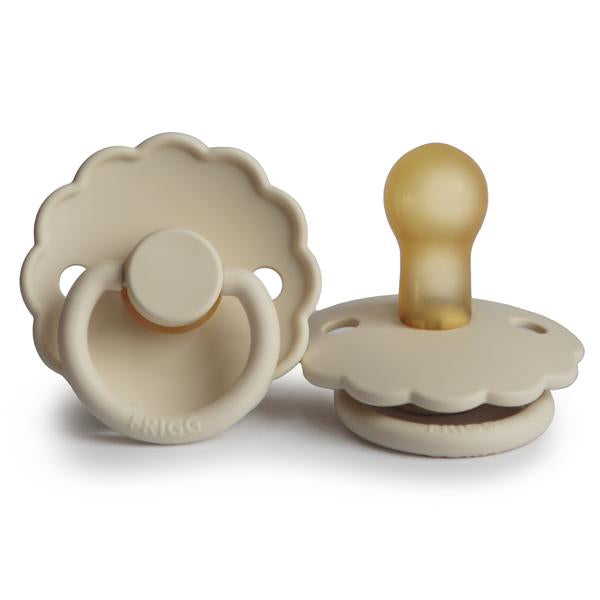
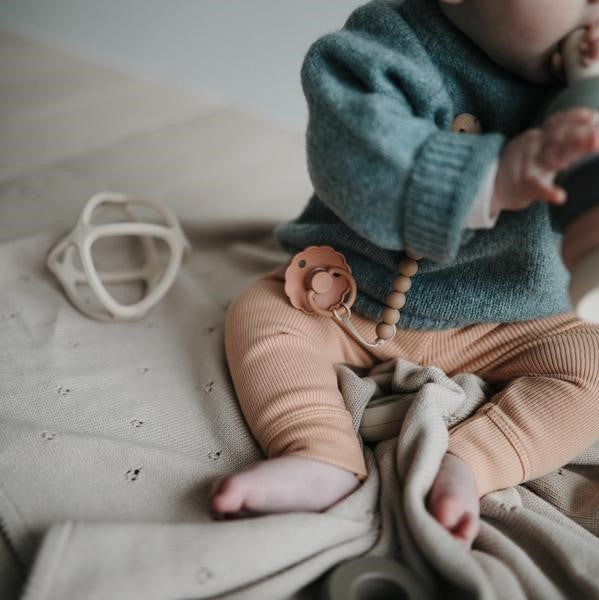
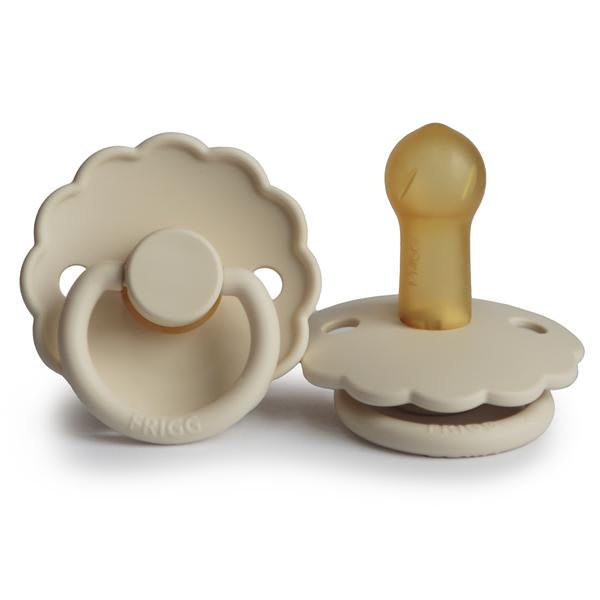
The FRIGG Daisy natural latex pacifier is thoughtfully designed with an outward-curved shield that sits away from your baby’s face, helping reduce moisture build-up and irritation. Air holes allow for breathability, while the secure handle makes it easy to grab when needed.
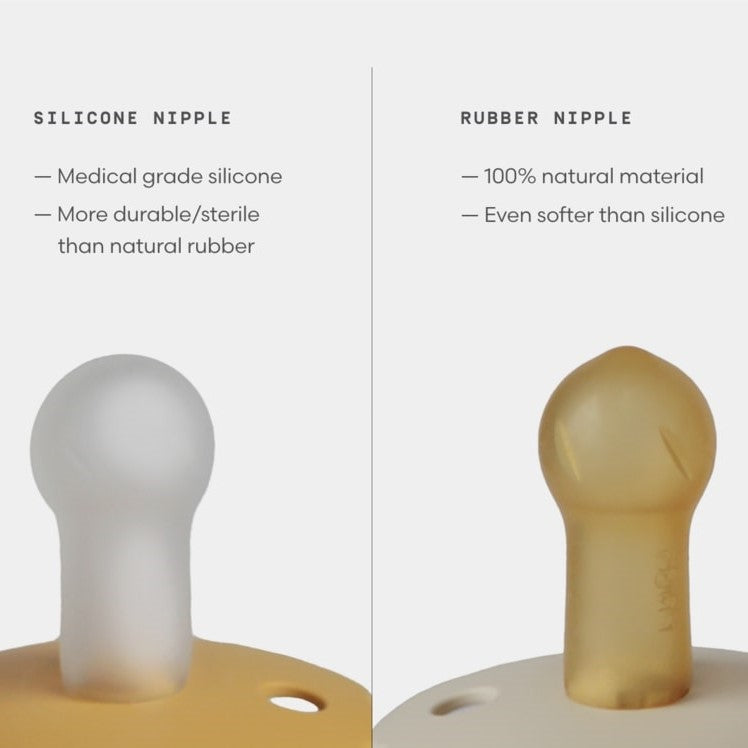
The soft natural rubber latex nipple offers a familiar, comforting feel that many babies accept easily. Finished in a range of gentle, modern colours, it is one of those essentials that quietly fits into your routine while still looking good in the process
Technical Specification
Technical Specification
Delivery and Returns
Delivery and Returns
- Delivery: Free within NZ on orders over $130 (excluding bulky items) or $8 standard shipping
- Returns: Accepted within 14 days of receipt with proof of purchase
- Some items are excluded from returns including sale items, hardware, car seats, prams, monitors and personal items - please click here for the full list.
Share this product
Recently Viewed Products
Related Blogs

Pacifiers – Choosing the right fit for your little one
Pacifiers can be one of the more controversial topics when it comes to parenting. Everyone has an opinion on this small rubber or silicone object, and you may find you will receive conflicting advice when deciding to use one or not. The good news is the decision to use a pacifier is completely up to you. Using a pacifier can be a lifesaver as a new parent, particularly in those first few months. When it comes to settling your newborn sucking on a pacifier is a great way to calm them down. A pacifier is designed to imitate a mother’s nipple and can usually calm a baby straight away when they become fussy. If you are wanting to stretch out your night feeds a pacifier might be your go to option to keep them settled until their next feed. Trial and error is often the best way to find the pacifier that works best for your baby. We have a range of options at Dimples to help you explore what your baby prefers. Latex vs Silicone At Dimples, we offer both Latex and Silicone pacifiers. Latex is made from natural rubber and is extra soft for your baby’s developing mouth. It is recommended that this product should be replaced every 6 weeks with its shorter shelf life. Silicone pacifiers are a more robust material as well as easier to clean. It is important to check your pacifiers before use to ensure there are no cracks as this will lead to a higher build-up of bacteria. Rounded vs Orthodontic Pacifiers stocked at Dimples come in a variety of shapes and sizes, you may find baby will prefer one shape and material over another. Dimples offer both Rounded and Orthodontic shaped pacifiers. A pacifier with a rounded nipple is often preferred by babies that are breastfed. Here the tongue is placed under the nipple much like when they are breastfeeding, this can help prevent nipple confusion. An orthodontic pacifier features a nipple with a flattened bottom and rounded top. This design helps support your little ones developing palate and jaw. The Variety Dimples has to offer: Frigg Frigg Pacifiers are designed in two different styles a classic minimalist design style as well as a daisy shape with a scalloped edge. Soothe your little one in style with a Frigg Pacifier the large colour range Frigg has on offer allows you to choose from a series of fashionable colours for your little one. The Frigg Pacifiers feature a rounded cherry shaped nipple. These pacifiers are designed with an outward curve which helps to keep the pacifier off the baby’s skin, it’s design also includes air holes and a security handle to ensure your baby is always safe. Frigg pacifiers are available in two different sizes. Size 1 is suited for newborn to 6 months and size 2 is suitable from 6 to 18 months. Bibs Bibs dummies are a world-renowned pacifier. Their retro look is complete with a rounded shield and rounded nipple. The suction area of this pacifier is made up of 100% natural soft, silky and flexible rubber. This pacifier gives your child a natural sense of sucking. With the outwards facing shield, your little one’s skin will have a reduced chance of irritation around the mouth area. Bibs Pacifiers are available in three different sizes; size 1 is suitable for newborn to 6 months, size 2 is suitable from 6 months to 18 months and size 3 is suitable from 18 months plus. Dimples offer a large selection of colours to soothe your little one in-store and online. Nuk Nuk is there to make sure your little one is taken care of. Every child is born different and you may find your little one is too small for regular size 1 silicone soothers. Nuk offers a size 0 silicone soother for smaller babies. Designed by medical experts the smaller size and shape will be perfect to soothe your tiny newborn. Nuk has also developed Pacifiers featuring extra soft silicone for your baby’s sensitive skin. This soother is made up of 100% extra soft silicone. The Nipple is extra soft to reduce the risk of tooth and jaw misalignments. Pacifier Clips Pacifier clips are the perfect addition to your soother. You will quickly discover over the early years of your child’s life you will go through plenty of Pacifiers. Often that is because your little one has conveniently dropped them only for it to never be seen again. A pacifier clip can help to prevent this from happening by simply attaching the pacifier to your child’s clothing. When they drop their pacifier, or it falls out of their mouth this means the object is still attached to them. Elodie offers a wide range of stylish Pacifier clips to make sure you can match the clip with any outfit. Check out our full range here
Learn more
Choosing a Pacifier
Finding the Right Pacifier for Your Baby From grumpy baby to soothed and settled, a pacifier can feel like magic in those early days. Whether you call it a dummy, binky, soother, or simply your lifesaver, this little item can offer big comfort – and sometimes even buy you a bit of peace and quiet. 👶🍼 As with many parenting decisions, pacifier use can spark a lot of opinions. But the good news? Whether you choose to use one or not is entirely up to you. Why use a pacifier? Pacifiers are designed to mimic a mother’s nipple and can instantly calm a fussy baby, helping them drift off to sleep, feel soothed between feeds, or stay content during a car ride or outing. If you’re hoping to stretch out time between night feeds, offering a pacifier can be a helpful strategy too. Some research suggests pacifier use may reduce the risk of SIDS (Sudden Infant Death Syndrome), though not all babies take to them. If your little one isn’t interested, there’s no need to force it – every baby has their own preferences. When should I introduce one? If you’re bottle-feeding, you can introduce a pacifier whenever you feel ready. If you’re breastfeeding, it’s generally recommended to wait until around 4 weeks – just to give your baby time to establish a solid latch without confusion. Most babies will let you know when they’re keen – usually after a feed or when they’re settling to sleep. And if it’s not the right time, don’t worry. They’re excellent at spitting it out! How to choose the right pacifier Trial and error is often your best guide when it comes to pacifiers. Babies can be picky – what works for one might not work for another. At Dimples we offer a wide selection of shapes, sizes and materials to help you find the perfect match. Here are a few things to consider: Material: Latex is a natural rubber that’s soft and flexible – ideal for newborns. It does have a shorter lifespan and should be replaced every six weeks. Silicone is more durable, easy to clean, and tends to last longer. Always inspect pacifiers regularly for cracks or wear. Shape: Rounded nipples are usually preferred by breastfed babies as they mimic the motion of breastfeeding and can help avoid nipple confusion. Orthodontic nipples feature a flattened bottom and rounded top to support the natural development of your baby’s jaw and palate. Size: Choose a pacifier suited to your baby’s age – from newborn through to 18 months+. A good fit reduces choking risks and makes the experience more comfortable. Hygiene & comfort: Look for pacifiers with air holes and a curved shield to reduce skin irritation. Dishwasher-safe options and machine-washable materials make cleaning simpler. Pacifiers at Dimples 🐝 We stock a carefully chosen range of quality pacifiers, including: Frigg – With a stylish Scandinavian look, Frigg pacifiers come in both classic and daisy-shaped shields. The rounded cherry-shaped nipple and outward curve help keep the pacifier off baby’s skin. Available in two sizes: 0–6 months and 6–18 months, and a wide range of clean aesthetic colours and shapes. BIBS – These iconic Danish pacifiers are made with 100% natural latex rubber, and feature a retro-style shield and nipple. Their outward-facing design helps reduce skin irritation. Available in two sizes: 0–6 months and 6–18 months with an extensive and super fun colour range in-store and online. NUK – These are made from 100% sustainable materials using a certified mass balance approach, making them a great choice for eco-conscious parents. The original shape is inspired by nature to support healthy oral development while being particularly soft, breastfeeding-friendly, and soothing for 99% of babies, including a smaller size 0 for tiny newborns. Don’t forget a pacifier clip and holder! Babies are total experts at making things disappear. Pacifier clips help keep dummies close by and off the ground (or out of the abyss under the car seat) and can help to keep them cleaner, for longer. Mushie and Bibs both make a stylish range of clips. You don't have to sacrifice looks for practicality – you can even match them to your baby’s outfit! Shop our range of accessories here. When it's time to say goodbye 👋 Eventually, the pacifier days will come to an end. Phasing it out around 6–7 months can make the transition smoother – it’s before strong emotional attachment sets in, and the SIDS risk has decreased. But if your toddler keeps one a little longer, don’t panic. As long as they’re not using it all day and night, there’s minimal risk to their speech or dental development. Final thoughts If a pacifier brings comfort to your baby (and sanity to you), go for it. Just aim for moderation – using it for sleep times or moments of fussiness will make the habit easier to break when the time comes.
Learn more
Pretty Brave Shoes: A Guide to Little Feet
Little feet have a lot of growing and exploring to do! From those first little steps to running, playing and discovering the world, choosing shoes that are comfortable and designed to move with them is an important part of every stage.
Learn more
Trouble sleeping? Finding The Right Sleep Aid
Sleep Struggles? These Soothers Might Just Save Your Sanity 😴 White noise and gentle sound machines help to mask the everyday background noise that can disturb your little one's rest. Think: older siblings, barking dogs, or the neighbour deciding now’s the time to mow the lawn. These soothing sounds - like a heartbeat, waves, or soft shushing - can create a more consistent, calming sleep environment and help baby settle more easily. Darkness can make a big difference too. A dark room helps reduce visual stimulation and can support your baby’s natural sleep cues, which is especially handy for daytime naps, early bedtimes and those bright summer evenings. If light is sneaking in around curtains or you’re sleeping somewhere unfamiliar, a portable blackout blind can help create a darker, more consistent sleep space wherever you are. We’ve curated a handy Quiz to help you make a decision, plus a small but mighty collection of trusted sleep soothers and calming aids below, that can help take the edge off bedtime - for both you and your baby. Love to Dream Sleep Machine Creating a familiar, calming sound environment is a great way to help signal to baby that it’s time to sleep. The Love to Dream Sleep Machine offers nine soothing sounds, including white, pink and brown noise, rain, shushing and womb sounds, helping to mask everyday household noises that might otherwise disturb naps or nighttime sleep. It even has a clever cry detection feature which automatically starts your chosen sound if baby stirs! It's got a soft red and warm white nightlight function which is super handy for those 3am feeds and changes. Being rechargeable with up to 22 hours of battery life it's perfect for travelling moments too! YogaSleep Nod Sound Machine and Night Light The YogaSleep Nod is the ultimate stay-at-home sleep station, perfect for setting up a consistent, calming bedtime routine in the nursery. It features 20 sleep sounds, including white noise, fan sounds, lullabies, and nature tracks, so you can tailor the soundscape to your baby’s preferences. What makes it a standout? The built-in nightlight, which emits a warm amber glow to create a peaceful sleep space without overstimulating your baby. You can also set sleep timers or run it all night long, ideal for little ones who are easily stirred. Simple, soothing, and super customisable, the Nod helps create the kind of sleep environment you’ll both appreciate. Purflo Total Blackout Blinds Light can make a huge difference to how easily your baby settles, especially for daytime naps, early bedtimes or those bright summer evenings. The Purflo Total Eclipse Portable Blackout Blind helps create a dark, calming sleep environment by blocking out unwanted light, making it easier to keep baby’s sleep space feeling consistent. It easily attaches securely to windows using over 100 suction cups and can be adjusted to suit smaller windows, so it’s handy at home as well as when travelling or staying with family. Even better, it folds neatly into its own storage pocket, making it an easy sleep essential to have on hand. Storytime and Soothing Light for Sweet Dreams Another beautiful way to support your child’s sleep is by building a calming, familiar bedtime routine - and the CloudBox™ helps make that easy. This clever little device plays comforting bedtime stories while gently projecting sleepy visuals onto the ceiling or wall. With a soothing mix of audio and light, it creates a multisensory environment that helps children wind down at the end of the day. You can choose from the preloaded stories or record your own – a lovely way to keep bedtime personal, even when you can’t be there in person. Repeating the same story or image each night can become part of your child’s sleep ritual, providing a sense of security and consistency they can count on. Simple to use and designed for children from birth and up, the CloudBox™ is a thoughtful addition to any nighttime routine – helping little ones feel calm, safe, and ready for sleep. Supporting Sleep, Naturally For many families, Magnesium Rescue has become a much loved part of their wind-down ritual. This gentle, topical formula is made from natural ingredients and can be massaged into your child’s back, tummy, or feet at bedtime. It’s designed to help support a relaxed nervous system – a simple, non-invasive way to encourage calm before sleep. Another lovely option is the Bedtime Bestie - a lightweight magnesium mist infused with calming lavender, designed to support relaxation and make bedtime a little easier. Simply spritz it onto your child’s back or feet as part of your evening routine. It’s a fuss-free way to help little bodies and busy minds slow down – one small spray at a time. Shop Sleep Saviours at Dimples now Whether you’re trying to improve naps, master the bedtime routine, or just desperate for an extra hour of sleep, our range of sound machines and calming sleep aids are here to help. Browse the full collection in-store or online and find the right fit for your baby (and your sleep-deprived self).
Learn more