


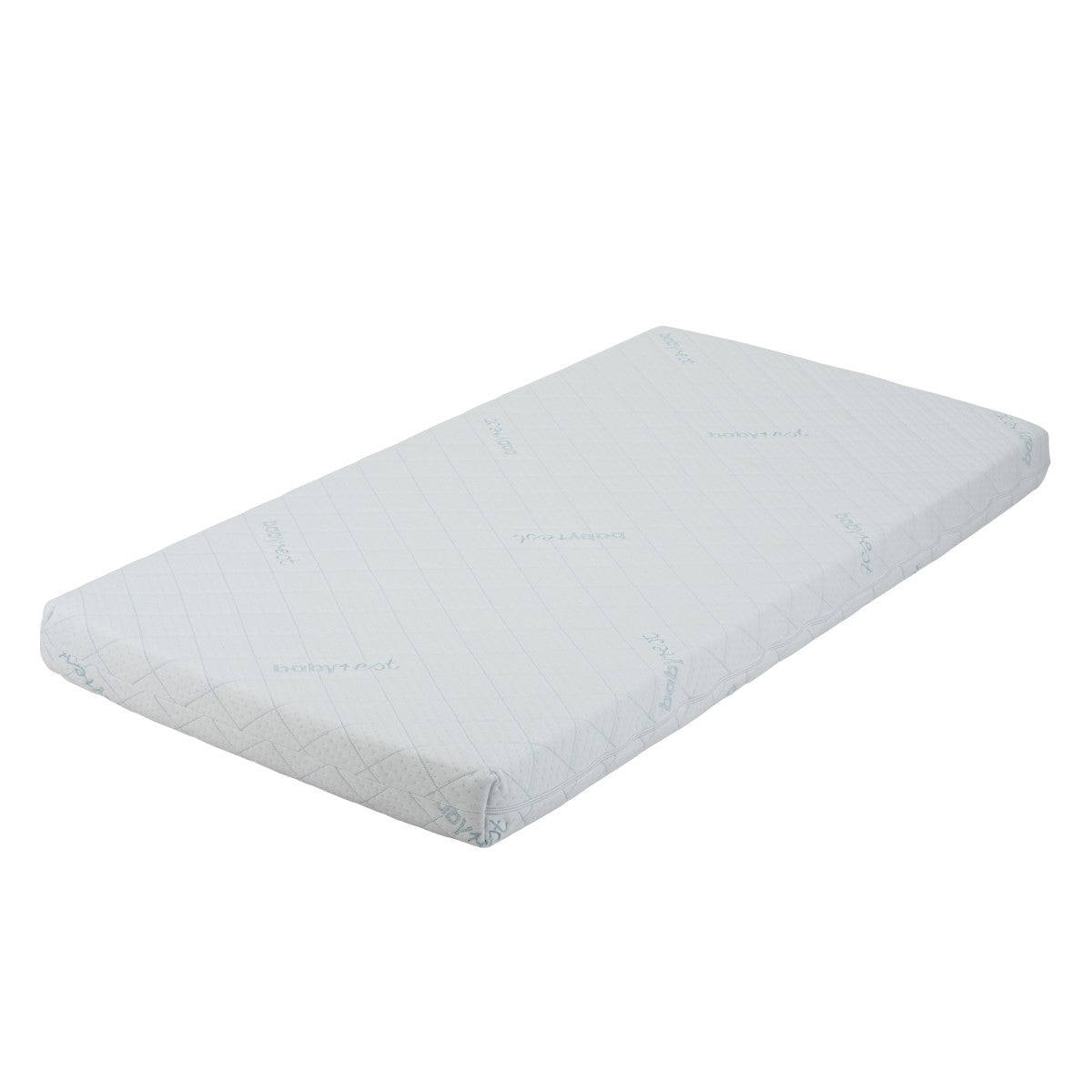


ComfiCore Cot Mattress 132x70
ComfiCore Cot Mattress 132x70
SKU:ABM-CM/CCB3
In stock
Couldn't load pickup availability
Overview
Overview
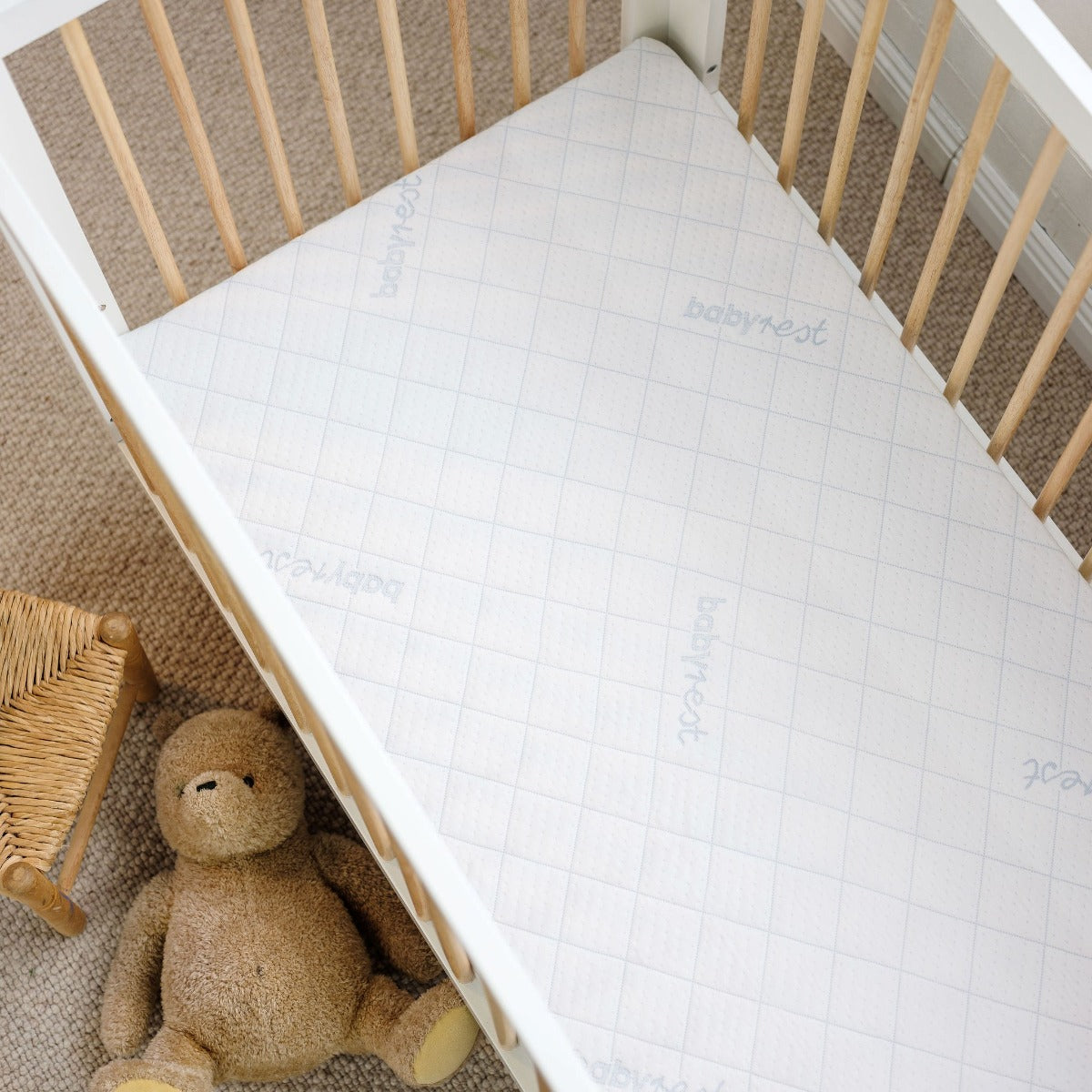
With the Babyrest ComfiCore Cot mattress 132x70cm, baby can sleep soundly on a safe, comfortable and breathable surface. The solid foam core is engineered to provide the right amount of support & comfort for your little one - firm enough to be safe & supportive of your little ones' growing body, but also comfortable to sleep undisturbed. Ventilation channels run through the foam core for maximum airflow, providing temperature regulation, breathability and freshness - 3 important ingredients for safe and sound sleep. And if baby sleeps soundly, mum & dad can too. Now available in 'Mattress-in-a-Box' format for convenient handling and cost effective shipping!
Key Features
Key Features
Technical Specification
Technical Specification
User Guide
User Guide
Delivery and Returns
Delivery and Returns
- Delivery: Free within NZ on orders over $130 (excluding bulky items) or $8 standard shipping
- Returns: Accepted within 14 days of receipt with proof of purchase
- Some items are excluded from returns including sale items, hardware, car seats, prams, monitors and personal items - please click here for the full list.
Share this product
Recently Viewed Products
Related Blogs

How to make a cute, cosy and safe baby bed
Here’s what you really need to know about safe sleep It’s easy to get caught up in the dreamy images of babies curled up in plush bedding, surrounded by teddies and soft textures. But when it comes to real-life safe sleep, less is definitely more. Whether you’re still setting up the nursery or your baby is already here, creating a secure and snuggly sleep space is one of the best things you can do for their wellbeing - and your peace of mind. Understanding SUDI SUDI stands for Sudden Unexpected Death in Infancy, and while it sounds confronting, knowing the facts can be empowering. SUDI includes deaths from a range of sleep-related causes, including accidental suffocation and unexplained deaths (previously called SIDS). In New Zealand, it’s one of the most common causes of death for babies under one—but the good news is, there’s a lot we can do to reduce the risk. Research shows that a baby’s sleep environment plays a big role. Things like sleeping baby on their back, using a firm mattress, avoiding overheating, and keeping their sleep space free from loose items all help create a safe place for them to rest. SUDI is most likely to occur between 2 and 4 months, so starting safe sleep habits from day one is key. By following a few simple guidelines and making thoughtful choices around where and how your baby sleeps, you're helping create the safest possible start. Safe sleep isn’t about fear—it’s about giving your baby the best chance to thrive. Safe sleep basics: what to know One of the most important ways to reduce the risk of SUDI is to make sure your baby sleeps on their back, in their own bed, and in the same room as you for at least the first six months. Their sleep space should be simple, uncluttered, and specifically designed for babies. Keep your home smokefree, avoiding overheating, and ensuring your baby’s face remains uncovered during sleep. Here’s what that looks like in practice: Choose a compliant cot A safe night’s sleep starts with a compliant cot. In New Zealand, all cots must meet the AS/NZS 2172 safety standard, which covers features like the minimum depth, spacing between slats, and secure construction. Look for the safety label when buying, and avoid using broken or modified cots - even hand-me-downs. Having baby in their own cot or bassinet reduces the risk of accidental suffocation and overheating. Shop our safe and gorgeous range of bassinets and cots here. Pick a firm, snug-fitting mattress A firm mattress that fits tightly within the cot frame is essential to prevent your baby’s face from pressing into soft surfaces or becoming wedged in gaps. The mattress should be flat and supportive - not shaped or elevated, and free of damage. Bonus points for breathable materials and easy-clean features, especially if you’re dealing with frequent night-time messes. We stock several options that will keep your baby safe. Shop here. Stick to the essentials To keep your baby cosy and safe, layer their sleep space with: Waterproof mattress protector – Ideal for leaks and spills, a protector helps keep the mattress clean and hygienic. Choose breathable options like merino for added comfort. Fitted sheet – This is where you can add your splash of style. Soft, well-fitted cotton or merino sheets keep things simple and sweet without compromising safety. Swaddle or sleeping bag – Skip the loose blankets. Swaddling (if age-appropriate) or using a well-fitting sleeping bag helps regulate baby’s temperature without the risk of fabric covering their face. What not to include Soft toys, bumpers, loose blankets, pillows, or positioners should never be in the cot. These items, while cute, can increase the risk of suffocation. Even mobiles and cords should be securely out of reach. The safest bed is a clear one - nothing but baby, dressed for the room’s temperature, on their back. Monitor with peace of mind If it helps you rest easier, consider a reliable video or breathing monitor. While not essential, these can offer extra reassurance during naps and overnight, especially during the early months. Shop our range of monitors here A minimalist bed is a safe bed We know it might feel counterintuitive when you’re eager to make your baby’s space feel warm and welcoming. But safety should always come before styling. Keep it simple until your little one is at least 12 months old, when they’re better able to move around and regulate their temperature.
Learn more
Introducing a bedtime routine with your baby
The Power of a Bedtime Routine for Your Baby Simple rhythms that can make bedtime calmer – for both of you In the early weeks with a newborn, life seems to find a rhythm all on it’s own! Feeds, naps, cuddles and nappy changes all blur into one another, and having anything that resembles a routine can feel a little out of reach… Don’t worry – that’s totally normal. As your baby grows, you might start to notice more predictable patterns start to emerge. This can be a lovely time to gently introduce a baby bedtime routine - a simple series of calming steps that helps signal to your little one that that the day is coming to an end. It doesn’t need to be complicated. In fact, some of the best bedtime routines are the simplest ones. Why a Bedtime Routine Matters Babies LOVE familiarity. Repeating the same gentle activities each evening can help your baby begin to recognise that sleep is coming, while creating a comforting transition between the day’s activities and bedtime. A bedtime routine can also be a really special opportunity to slow everything down together, creating a sense of calm, security and connection. And while your bedtime routine will naturally change as your baby grows, those familiar little rituals can continue well into childhood. When Should You Start a Bedtime Routine? There’s no exact age when you have to start. During the newborn stage, feeding and sleeping are naturally quite unpredictable, so there’s no need to worry about a strict schedule. From around six to eight weeks, you will probably notice your baby becoming more predictable, and you can begin introducing a few simple bedtime cues if it feels right for your family. At first, your routine might simply be a fresh nappy, sleepwear, a feed and a cuddle. You can always add more as your baby grows. How to Start a Baby Bedtime Routine There’s no “perfect” bedtime routine - what works beautifully for one family might not work at all for another. The important things are keeping it relatively simple, calm and consistent. Around 20 to 30 minutes is usually plenty, and where possible, try doing the final part of the routine in your babes room so they begin to associate that space with winding down and sleep. Here’s a simple bedtime rhythm you could try: Bath A warm bath (or shower with you!) can be a lovely way to end your day together. Keep the lights soft if you can, slow things down and let bath time become part of the transition from playtime to bedtime. Massage After the bath, a few minutes of gentle baby massage can be incredibly calming and is a beautiful opportunity for some quiet bonding time. You could use a baby massage product such as Scullys Massage Oil, or keep things very simple with Loloma Coconut Oil. Keep the movements very slow and gentle, talking quietly, humming or singing to your baby as you go. Over time, even the smell and feel of their usual massage can become another little signal that bedtime is approaching. A Little Extra Wind Down Support For particularly restless little ones, you may also like to add something like Magnesium Rescue into your bedtime routine. Magnesium can help regulate the nervous system, promote muscle relaxation, and support the production of melatonin. The important thing here is the ritual itself. Whether it’s massage, moisturising or simply a quiet cuddle after their bath, repeating the same calm steps each night is what helps make bedtime feel familiar. Sleepwear Changing into cosy sleepwear is another simple but powerful bedtime cue! Choose soft, breathable layers that are appropriate for the temperature of your baby’s room. Merino is one of our favourites for sleep because it makes layering easy throughout the year. Our baby sleepwear collection includes merino bodysuits, babygrows, gowns and other cosy layers for bedtime. 💛 Dimples Tip: Your baby’s room temperature is much more useful than the season when deciding what they should wear to bed. Feel their chest or back to check whether they’re comfortably warm rather than relying on their hands and feet, which can naturally feel cooler. Feeding For younger babies, a feed will naturally be an important part of bedtime. As your baby gets older, you might like to experiment with offering their final feed slightly earlier in the routine rather than making it the very last thing before sleep. Some families find this helps separate feeding from falling asleep. But don't stress if your baby loves feeding to sleep, especially in those early months. Every baby is different and your routine can evolve gradually. A Story or Song This is one of our favourite parts of a bedtime routine. Your baby certainly doesn’t need to understand the story yet to enjoy listening to your voice. Reading the same book each night, singing a lullaby or simply humming quietly can become a wonderfully familiar sleep cue. Reading together from an early age is also such a lovely habit to establish, and our children’s book collection has plenty of beautiful first books to choose from. One day they'll be choosing the bedtime story themselves - and probably asking you to read it agaaaaiiiin! Cuddles & Goodnight Finish with a cuddle, a quiet goodnight and plenty of reassurance. It sounds so simple, but that same kiss, phrase or cuddle each evening can become one of the most familiar parts of your baby’s bedtime routine. And even if you know you’ll probably be seeing them again in a few hours, it’s still a lovely way to finish the day together. Watch for Your Baby’s Sleepy Cues One of the best bedtime tips we can give is to watch your baby rather than becoming too attached to the clock. Yawning, rubbing their eyes, staring into the distance, becoming quieter or suddenly getting a little fussy can all be signs that your baby is getting tired. Starting your bedtime routine when you notice these early sleepy cues can often make settling easier than waiting until your baby is overtired. Create a Calm, Sleep Friendly Nursery As bedtime gets closer, gradually make the house feel a little quieter. Dim the lights, turn the television off and put away stimulating or noisy toys. These small environmental changes can become part of your baby’s bedtime cues too. A dark room is ideal for sleep, but a gentle night light can be super handy while you're feeding, settling or changing nappies overnight. 💛 Dimples Tip: Once bedtime begins, keep voices quieter and movements slower. Babies pick up on our energy surprisingly well, so turning your pace down can help make the whole room feel calmer. Putting Baby Down for Sleep As you get to know your baby, you may like to experiment with placing them into their sleep space when they're sleepy but still awake. Some babies take to this beautifully. Others need plenty of cuddling, rocking or feeding before they're ready to settle - particularly when they're very young. There's no need to turn bedtime into a battle. The aim of a routine is to make sleep feel calm and predictable, not to achieve a perfect settling technique. What works for your baby today may also be completely different in a few months time. Be Consistent, But Stay Flexible Consistency helps babies recognise their bedtime cues, but flexibility is just as important. There'll be evenings when your baby is overtired. There'll be illnesses, holidays, late dinners, visitors and nights where absolutely nothing goes according to plan. That's parenting! Rather than worrying about following your routine perfectly, think about having a few familiar rituals you can return to wherever you are. A fresh nappy, familiar sleepwear, the same book, a cuddle and your usual goodnight might be all your baby needs to recognise that it's bedtime. If more than one parent or caregiver can occasionally do the bedtime routine, that's great! It helps your baby become comfortable settling with the other special people in their life. And Don't Forget About Mum Once baby is finally settled, it can be surprisingly difficult to switch your own brain off. After spending all day feeding, changing, remembering, organising and looking after somebody else, having a tiny bedtime ritual of your own can be just as valuable. Make a warm drink, put your phone down, have a shower or simply sit somewhere quiet for ten minutes. For mums who enjoy something cosy before bed, Mamma's Milk Bar Moon Milk can become part of your own evening wind-down ritual. Prepare yourself a nice warm cup and enjoy a quiet moment once your little one is settled. Small Rituals With Lasting Benefits Your baby's bedtime routine doesn't need to be elaborate, and it certainly doesn't need to be perfect. It's simply a collection of familiar little moments that tell your baby: the day is finished, you're safe, and it's time to rest. Some nights it might be bath, massage, pyjamas, feed, story and bed. Other nights it might be clean nappy, feed, cuddle... bed. Both count! As your baby grows, the routine will grow with them. The massage might disappear, they'll choose their own pyjamas, and eventually they'll be the one reading the bedtime book. But that cuddle and goodnight kiss? That will still matter - even if one day you have to sneak them in after lights out. ❤️
Learn more
Temperature Control and Sleep
Hot and cold – helping your baby sleep comfortably We all know how much temperature affects sleep. Too hot and you’re tossing the covers off, too cold and you’re hunting for another blanket. For babies, who are still learning to regulate both their body temperature and sleep patterns, the impact can be even greater. If they’re too warm or chilly, they might struggle to drift off – or wake more often through the night. The good news is you can help keep your baby at a comfortable temperature with the right mix of clothing, bedding, and room adjustments, making it easier for them to settle and stay asleep. Why temperature matters Our bodies can regulate internal temperature, but during deep sleep, that process slows down. This means a room that’s too hot or too cold can cause night wakings. For babies, the ideal room temperature is around 18°C – it might sound cool, but a lower core temperature is linked to better sleep, while warmer conditions often mean more restlessness. A warm bath before bed can also help. While it seems backwards, the water on your baby’s skin will cool them down after the bath, helping them start the night at a comfortable temperature. Ways to manage temperature Heaters, fans, air conditioning, and the right bedding can all help keep things steady through the night. If you have a thermostat, set it to 18°C and let it do the work. If not, you can buy a plug-in thermostat for your heater to help maintain consistency. Merino – your sleep-time secret When it comes to baby sleepwear, merino wool is a year-round winner. Naturally breathable and temperature-regulating, it helps keep your baby comfortable in both warm and cool conditions – and research shows it can even help them sleep longer. In winter, use merino layers under a merino sleeping bag or sleepwalker. In summer, lighter cotton or merino sleepwear with a lighter weight sleeping bag is usually enough, depending on the temperature where you are. Sleeping bags are especially useful as they can’t be kicked off like blankets, keeping your baby covered all night. Choose one with a weight (or TOG rating) that suits the season. Spotting temperature troubles Signs your baby might be too hot: Waking often Sweaty neck or back Damp hair Rapid, shallow breathing If you notice these, remove a layer of clothing, switch to a lighter sleeping bag, improve airflow, or lower the room temperature. If your baby seems uncomfortably hot, check for fever and use a cool, damp cloth on their forehead and back. Signs your baby might be too cold: Moving around the cot more than usual Rolling onto their stomach during sleep Frequent short naps Early morning waking (around 5am, when body temperature naturally dips) If this happens, add a layer, switch to a warmer sleeping bag, or adjust the room temperature. Getting the temperature right won’t solve every sleep challenge, but it’s one piece of the puzzle that can make nights smoother for everyone. Click here to shop our full range of merino.
Learn more
Crying for a Reason: Decoding Your Baby’s Different Cries
Every baby cries, but not every cry means the same thing. We’ve enlisted Family Sleep & Wellness Coach, Lauren Moran from Little Dreamers, to help decode the different cries.
Learn more