


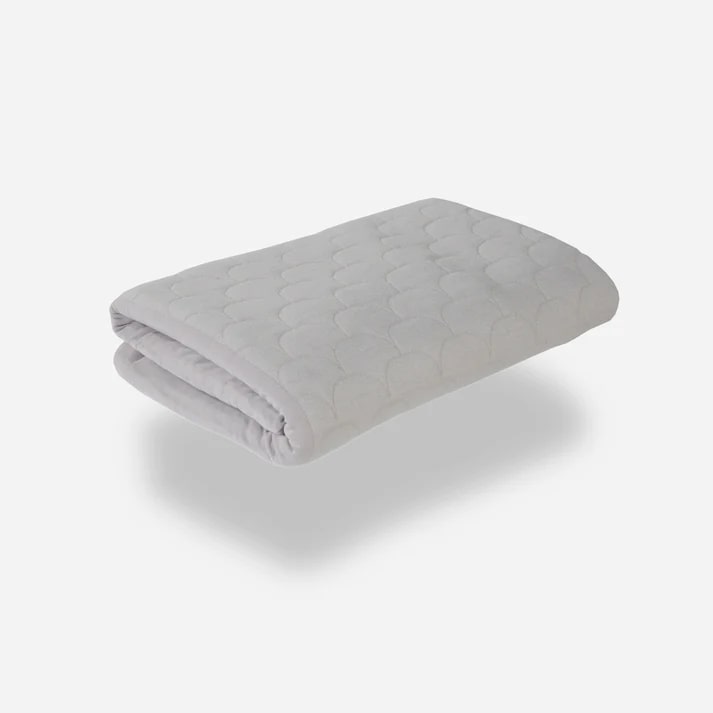

Airnest Merino Mattress Protector Cot Size 130x69
Airnest Merino Mattress Protector Cot Size 130x69
SKU:30000773
Out of stock
Couldn't load pickup availability
Overview
Overview
Soft, breathable and practical for everyday life with baby, the Airnest Merino Cot Mattress Protector adds an extra layer of comfort while helping protect your cot mattress from spills and moisture.
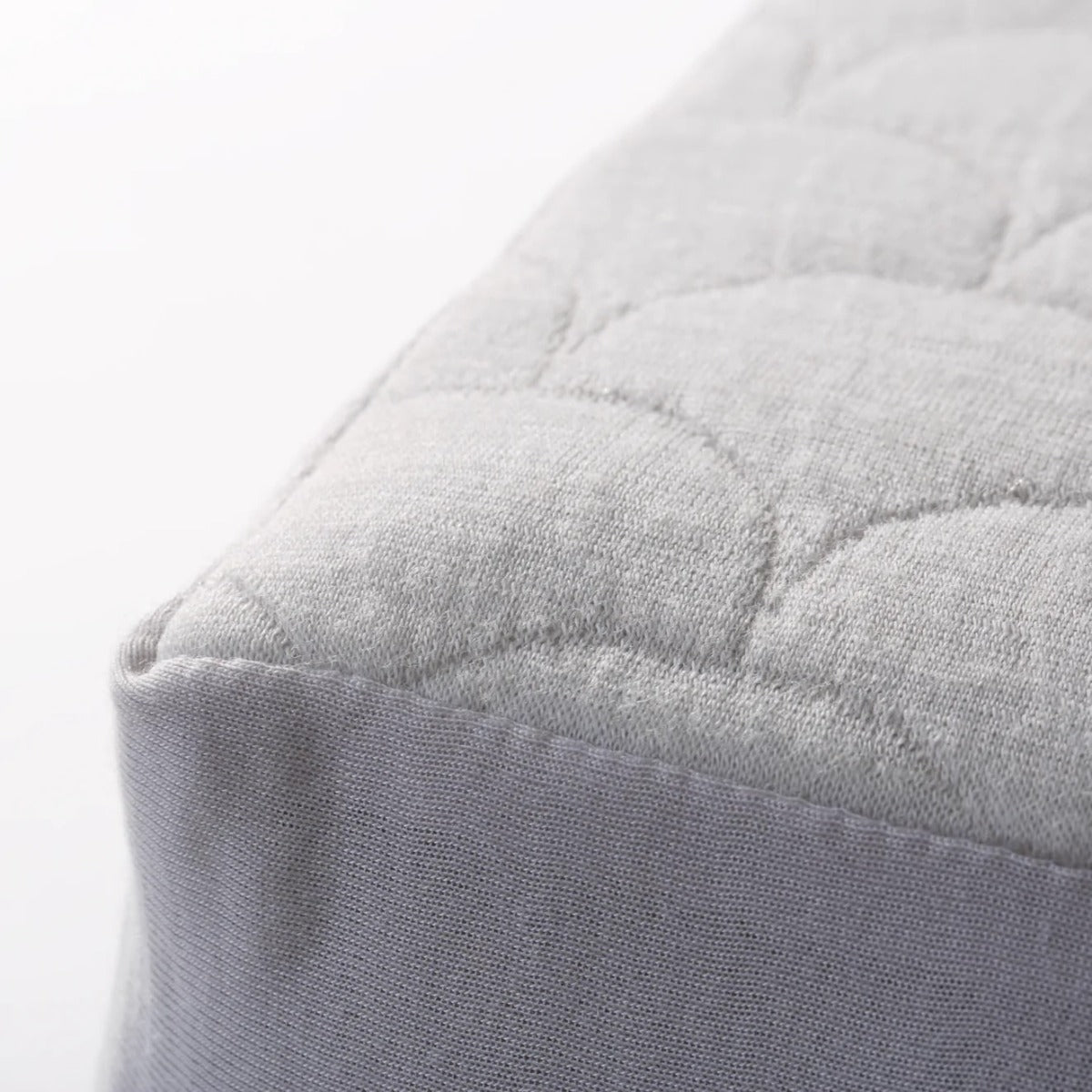
The quilted Merino upper naturally helps regulate temperature and wick moisture away from your baby, allowing it to evaporate while keeping their sleep space feeling comfortable. Merino is also naturally breathable and odour-resistant, making it a great choice for little ones throughout the year.
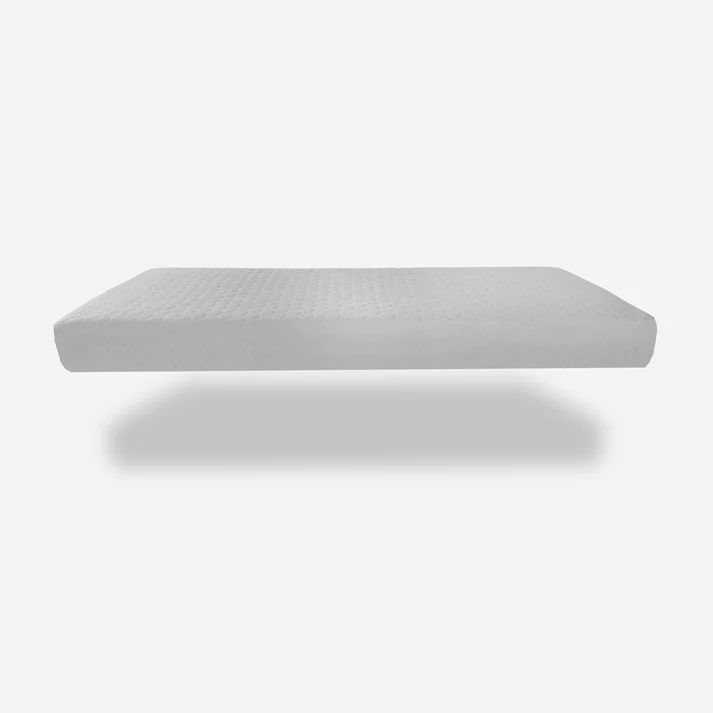
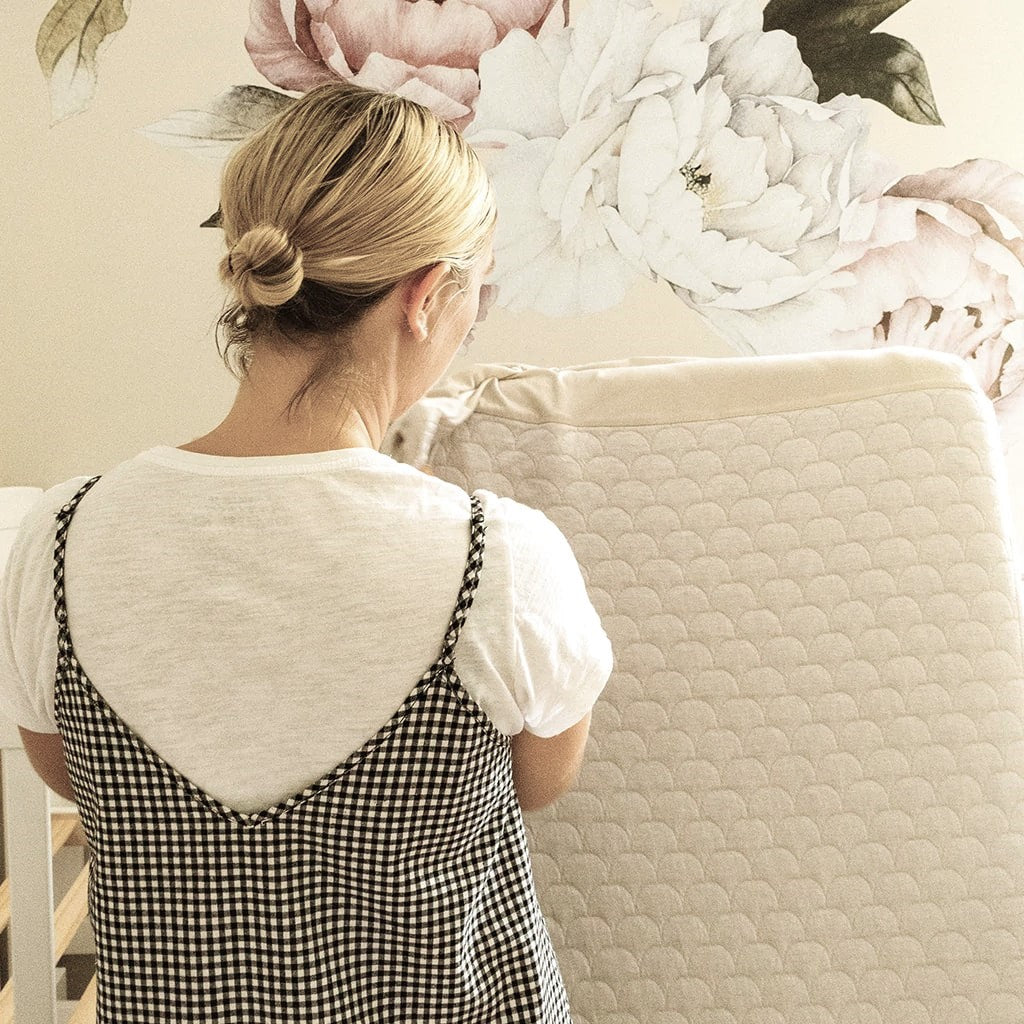
A waterproof backing helps protect the mattress underneath, while the stretch-fit design makes it easy to fit over the Airnest Cot Mattress as well as other standard sized cot mattresses.
And because spills are part of life with a baby, it’s fully machine washable for easy everyday care.
Key Features
Key Features
Technical Specification
Technical Specification
User Guide
User Guide
Delivery and Returns
Delivery and Returns
- Delivery: Free within NZ on orders over $130 (excluding bulky items) or $8 standard shipping
- Returns: Accepted within 14 days of receipt with proof of purchase
- Some items are excluded from returns including sale items, hardware, car seats, prams, monitors and personal items - please click here for the full list.
Share this product
Recently Viewed Products
Related Blogs

How to make a cute, cosy and safe baby bed
Here’s what you really need to know about safe sleep It’s easy to get caught up in the dreamy images of babies curled up in plush bedding, surrounded by teddies and soft textures. But when it comes to real-life safe sleep, less is definitely more. Whether you’re still setting up the nursery or your baby is already here, creating a secure and snuggly sleep space is one of the best things you can do for their wellbeing - and your peace of mind. Understanding SUDI SUDI stands for Sudden Unexpected Death in Infancy, and while it sounds confronting, knowing the facts can be empowering. SUDI includes deaths from a range of sleep-related causes, including accidental suffocation and unexplained deaths (previously called SIDS). In New Zealand, it’s one of the most common causes of death for babies under one—but the good news is, there’s a lot we can do to reduce the risk. Research shows that a baby’s sleep environment plays a big role. Things like sleeping baby on their back, using a firm mattress, avoiding overheating, and keeping their sleep space free from loose items all help create a safe place for them to rest. SUDI is most likely to occur between 2 and 4 months, so starting safe sleep habits from day one is key. By following a few simple guidelines and making thoughtful choices around where and how your baby sleeps, you're helping create the safest possible start. Safe sleep isn’t about fear—it’s about giving your baby the best chance to thrive. Safe sleep basics: what to know One of the most important ways to reduce the risk of SUDI is to make sure your baby sleeps on their back, in their own bed, and in the same room as you for at least the first six months. Their sleep space should be simple, uncluttered, and specifically designed for babies. Keep your home smokefree, avoiding overheating, and ensuring your baby’s face remains uncovered during sleep. Here’s what that looks like in practice: Choose a compliant cot A safe night’s sleep starts with a compliant cot. In New Zealand, all cots must meet the AS/NZS 2172 safety standard, which covers features like the minimum depth, spacing between slats, and secure construction. Look for the safety label when buying, and avoid using broken or modified cots - even hand-me-downs. Having baby in their own cot or bassinet reduces the risk of accidental suffocation and overheating. Shop our safe and gorgeous range of bassinets and cots here. Pick a firm, snug-fitting mattress A firm mattress that fits tightly within the cot frame is essential to prevent your baby’s face from pressing into soft surfaces or becoming wedged in gaps. The mattress should be flat and supportive - not shaped or elevated, and free of damage. Bonus points for breathable materials and easy-clean features, especially if you’re dealing with frequent night-time messes. We stock several options that will keep your baby safe. Shop here. Stick to the essentials To keep your baby cosy and safe, layer their sleep space with: Waterproof mattress protector – Ideal for leaks and spills, a protector helps keep the mattress clean and hygienic. Choose breathable options like merino for added comfort. Fitted sheet – This is where you can add your splash of style. Soft, well-fitted cotton or merino sheets keep things simple and sweet without compromising safety. Swaddle or sleeping bag – Skip the loose blankets. Swaddling (if age-appropriate) or using a well-fitting sleeping bag helps regulate baby’s temperature without the risk of fabric covering their face. What not to include Soft toys, bumpers, loose blankets, pillows, or positioners should never be in the cot. These items, while cute, can increase the risk of suffocation. Even mobiles and cords should be securely out of reach. The safest bed is a clear one - nothing but baby, dressed for the room’s temperature, on their back. Monitor with peace of mind If it helps you rest easier, consider a reliable video or breathing monitor. While not essential, these can offer extra reassurance during naps and overnight, especially during the early months. Shop our range of monitors here A minimalist bed is a safe bed We know it might feel counterintuitive when you’re eager to make your baby’s space feel warm and welcoming. But safety should always come before styling. Keep it simple until your little one is at least 12 months old, when they’re better able to move around and regulate their temperature.
Learn more
How to Dress your baby for Sleep
Dressing Your Baby for Sleep – A Seasonal Guide Knowing how to dress your baby at bedtime can feel like a bit of a guessing game – especially when the seasons start to change. Should you add another layer? Is the room too cool? Are their hands meant to be that cold? To help take the guesswork out, we’ve put together a simple guide to dressing your little one for sleep using our Dimples sleeping bags and sleepwalkers, without any additional blankets. A Gentle Reminder Every baby is different, so this guide is just that – a guide. The best way to check if your baby is at a comfortable temperature is by feeling the back of their neck. It should feel warm, not hot or sweaty. Hands and feet can feel cooler and aren't always a reliable indicator. Baby’s body temperature naturally dips during the early morning hours, so if your little one is waking more often than usual, it might be worth checking if they’re feeling a bit chilly. And remember – when it comes to sleep, it’s safer for babies to be slightly cool rather than too warm. Choosing the Right Layers When dressing your baby, natural fibres like Merino wool or cotton are best. These breathable fabrics help regulate temperature and keep your baby comfortable through the night. Merino in particular is a year-round superstar – its clever fibres trap warm air on cooler nights and allow heat to escape on warmer ones, making it ideal for all seasons. At Dimples, all of our garments are designed especially for keeping little ones cosy and safe. We recommend having at least two sleeping bags or sleepwalkers on hand for each season, so you’re always prepared for the inevitable midnight messes. Ideal Room Temperature The ideal temperature for a baby’s room is between 16–20°C. If you’re using a heater or heat pump, setting the thermostat to 18°C will help maintain a steady climate through the night without overheating. Monitoring the Room Many baby monitors display room temperature, which can be a helpful reference.Alternatively, something like the Shnuggle Moon Nightlight can be used to keep an eye on the room temperature. It uses a handy colour display to show whether the room is sitting within the ideal range. Signs Your Baby May Be Too Warm Waking more frequently than usual Sweaty back or neck Damp hair Shallow or rapid breathing If you notice these signs, try removing a layer or adjusting the room temperature. A cool, damp cloth on the back of their neck can help if they’re feeling very warm – and always check for fever if you’re concerned. Signs Your Baby May Be Too Cold Restless sleep or unusual movement around the cot Rolling onto their stomach Catnapping during the day Waking around 5am If any of these sound familiar, consider adding a layer, using a warmer sleeping bag, or gently warming the room. Dressing your baby for sleep doesn’t have to be stressful. With a few key pieces and a little trial and error, you’ll find the sweet spot that keeps them cosy and safe – all night long 😴 Explore our full sleepwear range to find breathable, natural fibre options for every season.And if you’re ever unsure, we’re here to help.
Learn more
Pretty Brave Shoes: A Guide to Little Feet
Little feet have a lot of growing and exploring to do! From those first little steps to running, playing and discovering the world, choosing shoes that are comfortable and designed to move with them is an important part of every stage.
Learn more
Trouble sleeping? Finding The Right Sleep Aid
Sleep Struggles? These Soothers Might Just Save Your Sanity 😴 White noise and gentle sound machines help to mask the everyday background noise that can disturb your little one's rest. Think: older siblings, barking dogs, or the neighbour deciding now’s the time to mow the lawn. These soothing sounds - like a heartbeat, waves, or soft shushing - can create a more consistent, calming sleep environment and help baby settle more easily. Darkness can make a big difference too. A dark room helps reduce visual stimulation and can support your baby’s natural sleep cues, which is especially handy for daytime naps, early bedtimes and those bright summer evenings. If light is sneaking in around curtains or you’re sleeping somewhere unfamiliar, a portable blackout blind can help create a darker, more consistent sleep space wherever you are. We’ve curated a handy Quiz to help you make a decision, plus a small but mighty collection of trusted sleep soothers and calming aids below, that can help take the edge off bedtime - for both you and your baby. Love to Dream Sleep Machine Creating a familiar, calming sound environment is a great way to help signal to baby that it’s time to sleep. The Love to Dream Sleep Machine offers nine soothing sounds, including white, pink and brown noise, rain, shushing and womb sounds, helping to mask everyday household noises that might otherwise disturb naps or nighttime sleep. It even has a clever cry detection feature which automatically starts your chosen sound if baby stirs! It's got a soft red and warm white nightlight function which is super handy for those 3am feeds and changes. Being rechargeable with up to 22 hours of battery life it's perfect for travelling moments too! YogaSleep Nod Sound Machine and Night Light The YogaSleep Nod is the ultimate stay-at-home sleep station, perfect for setting up a consistent, calming bedtime routine in the nursery. It features 20 sleep sounds, including white noise, fan sounds, lullabies, and nature tracks, so you can tailor the soundscape to your baby’s preferences. What makes it a standout? The built-in nightlight, which emits a warm amber glow to create a peaceful sleep space without overstimulating your baby. You can also set sleep timers or run it all night long, ideal for little ones who are easily stirred. Simple, soothing, and super customisable, the Nod helps create the kind of sleep environment you’ll both appreciate. Purflo Total Blackout Blinds Light can make a huge difference to how easily your baby settles, especially for daytime naps, early bedtimes or those bright summer evenings. The Purflo Total Eclipse Portable Blackout Blind helps create a dark, calming sleep environment by blocking out unwanted light, making it easier to keep baby’s sleep space feeling consistent. It easily attaches securely to windows using over 100 suction cups and can be adjusted to suit smaller windows, so it’s handy at home as well as when travelling or staying with family. Even better, it folds neatly into its own storage pocket, making it an easy sleep essential to have on hand. Storytime and Soothing Light for Sweet Dreams Another beautiful way to support your child’s sleep is by building a calming, familiar bedtime routine - and the CloudBox™ helps make that easy. This clever little device plays comforting bedtime stories while gently projecting sleepy visuals onto the ceiling or wall. With a soothing mix of audio and light, it creates a multisensory environment that helps children wind down at the end of the day. You can choose from the preloaded stories or record your own – a lovely way to keep bedtime personal, even when you can’t be there in person. Repeating the same story or image each night can become part of your child’s sleep ritual, providing a sense of security and consistency they can count on. Simple to use and designed for children from birth and up, the CloudBox™ is a thoughtful addition to any nighttime routine – helping little ones feel calm, safe, and ready for sleep. Supporting Sleep, Naturally For many families, Magnesium Rescue has become a much loved part of their wind-down ritual. This gentle, topical formula is made from natural ingredients and can be massaged into your child’s back, tummy, or feet at bedtime. It’s designed to help support a relaxed nervous system – a simple, non-invasive way to encourage calm before sleep. Another lovely option is the Bedtime Bestie - a lightweight magnesium mist infused with calming lavender, designed to support relaxation and make bedtime a little easier. Simply spritz it onto your child’s back or feet as part of your evening routine. It’s a fuss-free way to help little bodies and busy minds slow down – one small spray at a time. Shop Sleep Saviours at Dimples now Whether you’re trying to improve naps, master the bedtime routine, or just desperate for an extra hour of sleep, our range of sound machines and calming sleep aids are here to help. Browse the full collection in-store or online and find the right fit for your baby (and your sleep-deprived self).
Learn more