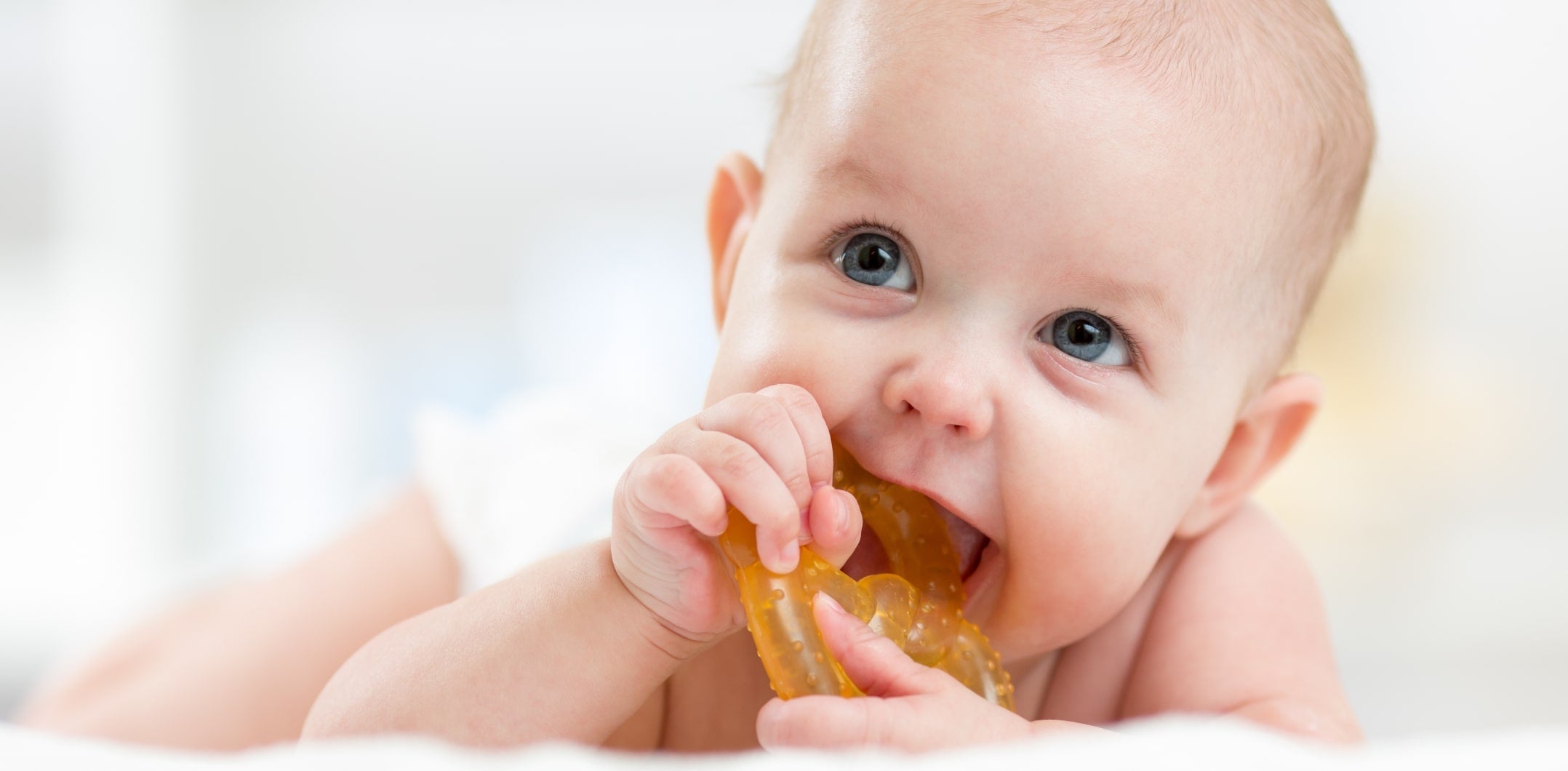
Long before you spot the pearly white poking out of your little one’s gum, you’ll typically be warned of its arrival by a grizzly babe. Teething can happen anywhere from three to twelve months and some babies are even born with teeth. The signs of teething vary hugely – mountains of dribble, ear-pulling, strange rashes, increased night-waking or general grumpiness. Whatever your baby starts to do, it helps to have some tricks up your sleeve.
Chewy toys
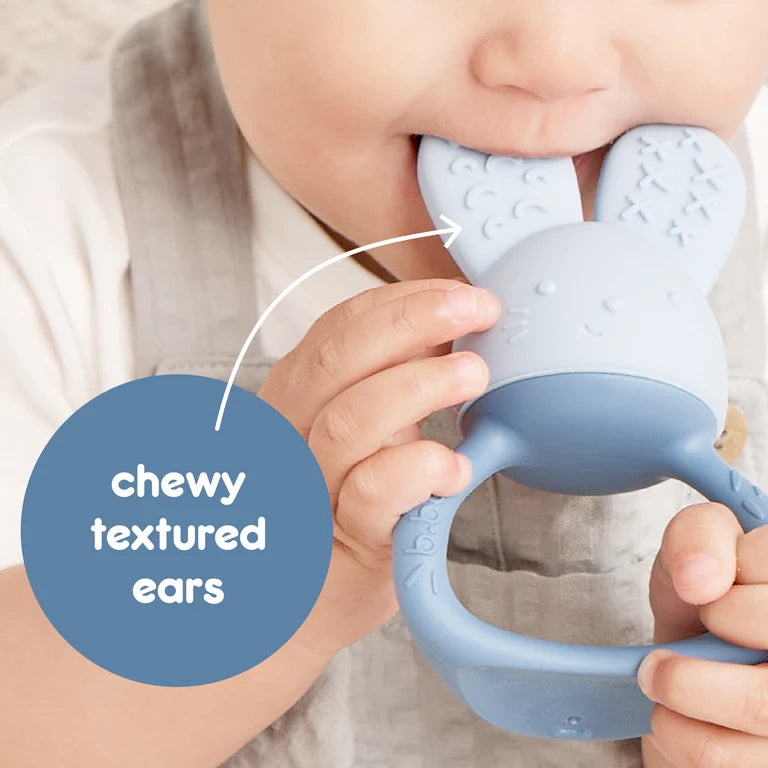
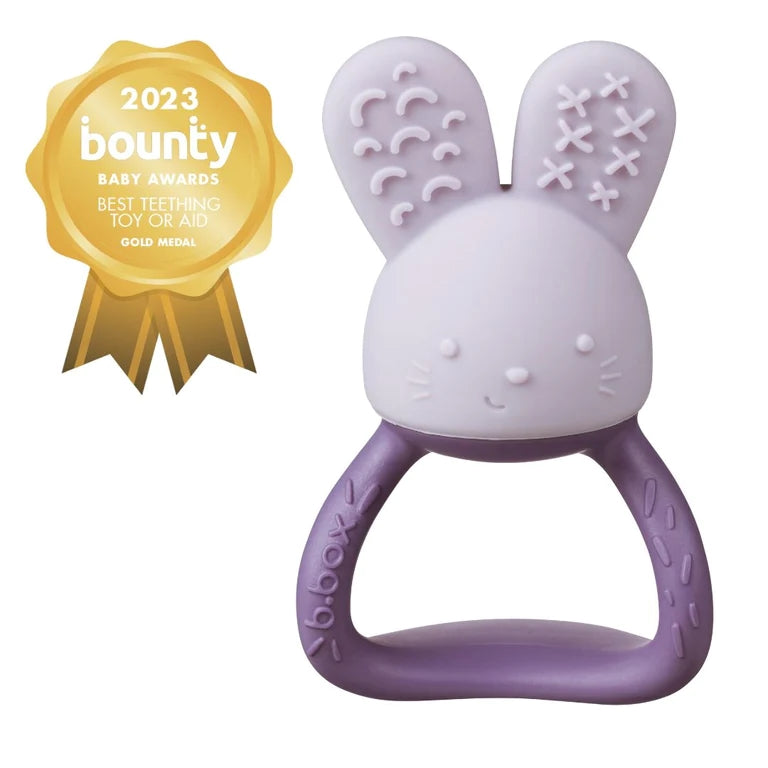
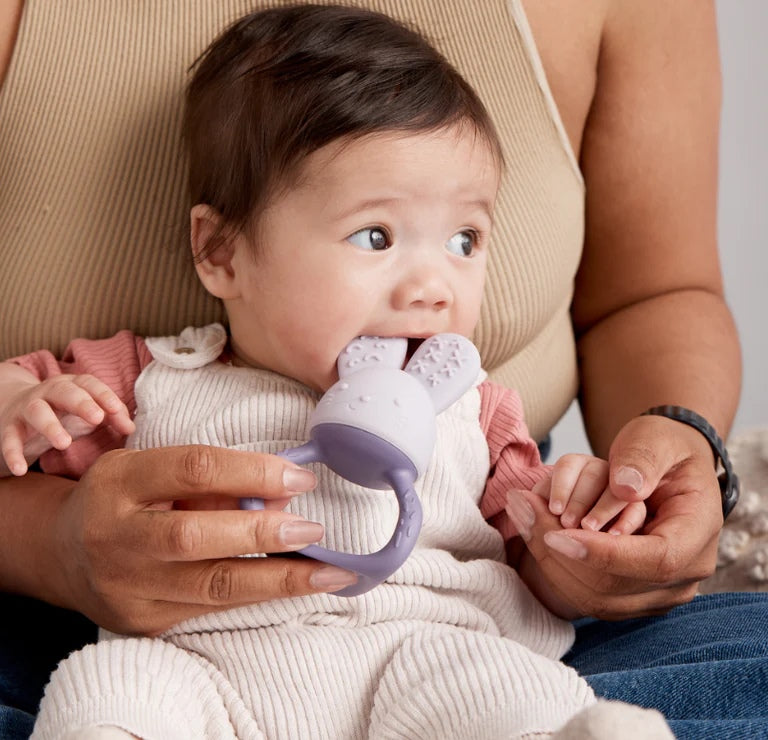
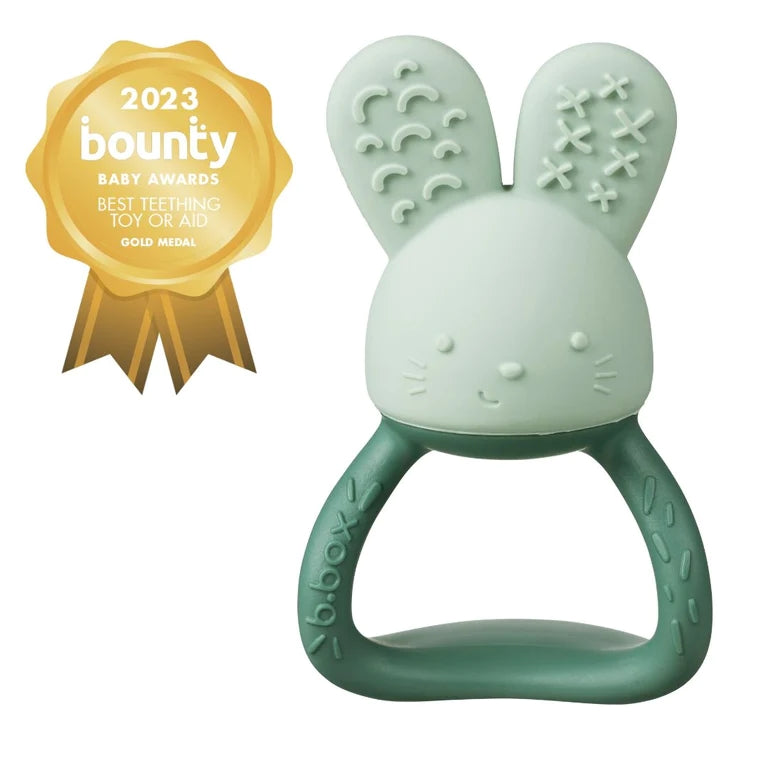
That’s right – dogs and teething babies love them equally. That’s because counter pressure on sore gums can help provide relief. Save the railings of the cot (and anything else they can get their gums around) by having some teething toys on hand. Textured flexible teethers that can be popped in the fridge like the
Haakaa Rabbit Teether
have the added benefit of cooling and slightly numbing the gums.
Gnaw-friendly foods
Some babies love having a big piece of something hard to chew on, like chilled cucumber, carrot, celery or a hard rusk. Special teething rusks can usually be picked up at the supermarket or you can try making your own. As with any hard foods, make sure you keep a close eye on your little one as pieces can break off and become a choking hazard.
Keep it cool
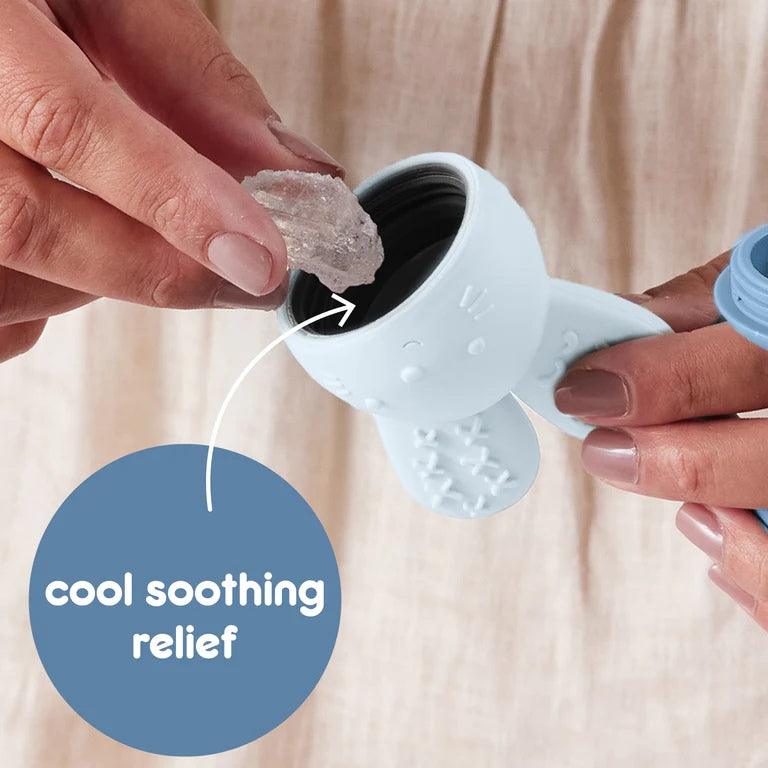
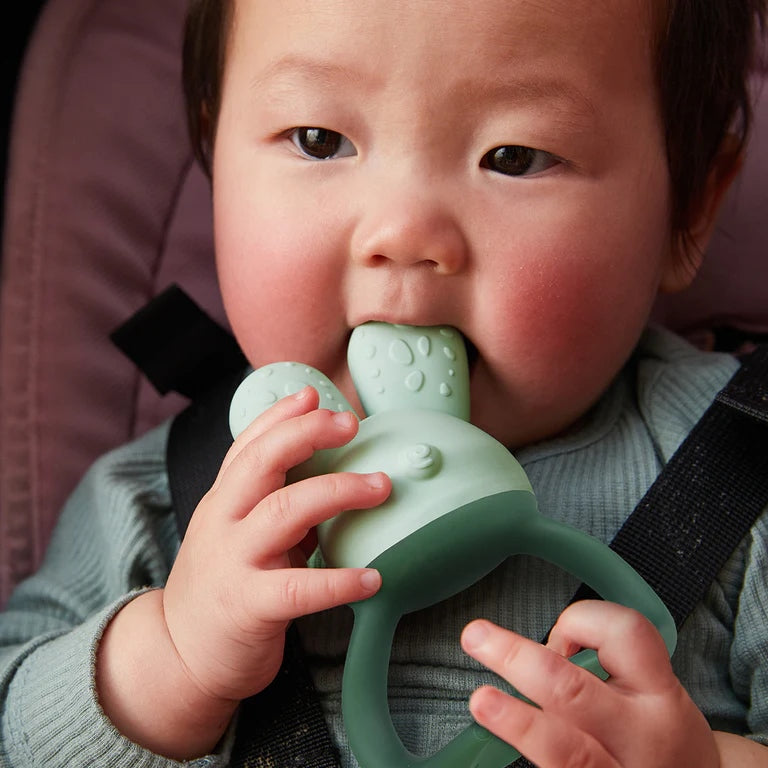
Pop frozen fruit or veg in a teething feeder, like
this one
from Haakaa, to soothe sensitive gums. Make sure they’ll be soft once they melt – try bananas, ripe pears or stone fruit, and well-steamed veggies. Sometimes teething can affect your little one’s appetite too, so these are a great way to help get extra nourishment in when mealtimes are tough.
The magic necklace
Amber teething necklaces have been around for hundreds of years, and many parents swear by them! The theory is that succinic acid, a component of amber, is absorbed into your baby’s skin to soothe teething woes by reducing inflammation and promoting healing. While the jury is still out on whether they deliver on the magic promised, it’s worth a try! If nothing else, your babe gets a cute necklace out of it. Be sure to look for necklaces with individually knotted beads (for extra safety if broken).
Teething and toothbrushing
How about a teething aid that helps little ones get the hang of brushing their teeth at the same time? A teething toothbrush like
this cute toothbrush
will gently massage painful gums while cleaning any little teeth with its soft silicone bristles.
Cuddles and comfort
Sometimes all the teething aids in the world just won’t cut it and your baby just needs some extra cuddles and comfort. While it might seem like teething pains ramp up at night, it’s more likely that extra night-waking can just make it feel worse – to you! In the meantime, try and relish those extra snuggles (hard to do at 3 am, we know!)
The last line of defence
If chewing, rubbing and gnawing cool foods don't do the trick, it might be time to break out the liquid paracetamol or ibuprofen. Always check with your GP or Plunket Nurse before administering any medicine, but a mild form of pain relief or anti-inflammatory can sometimes make all the difference.
If you’re not quite ready to go down the medication route just yet, a natural alternative like
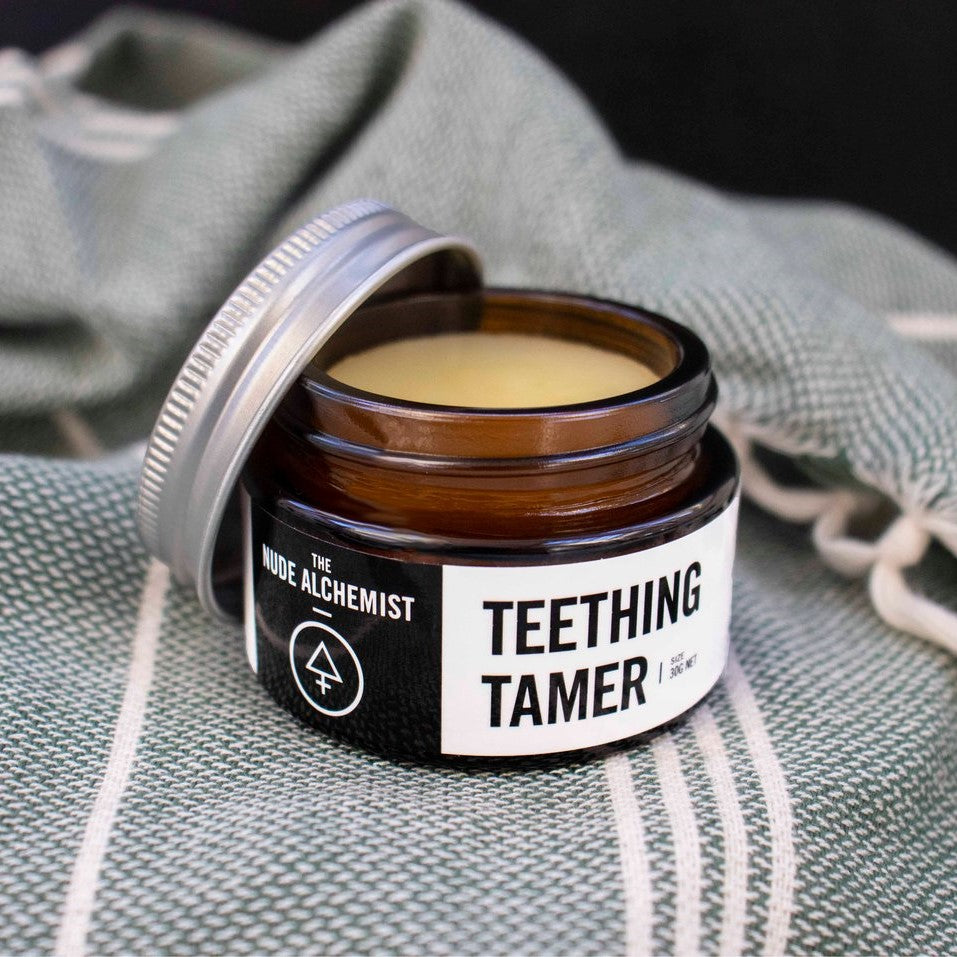
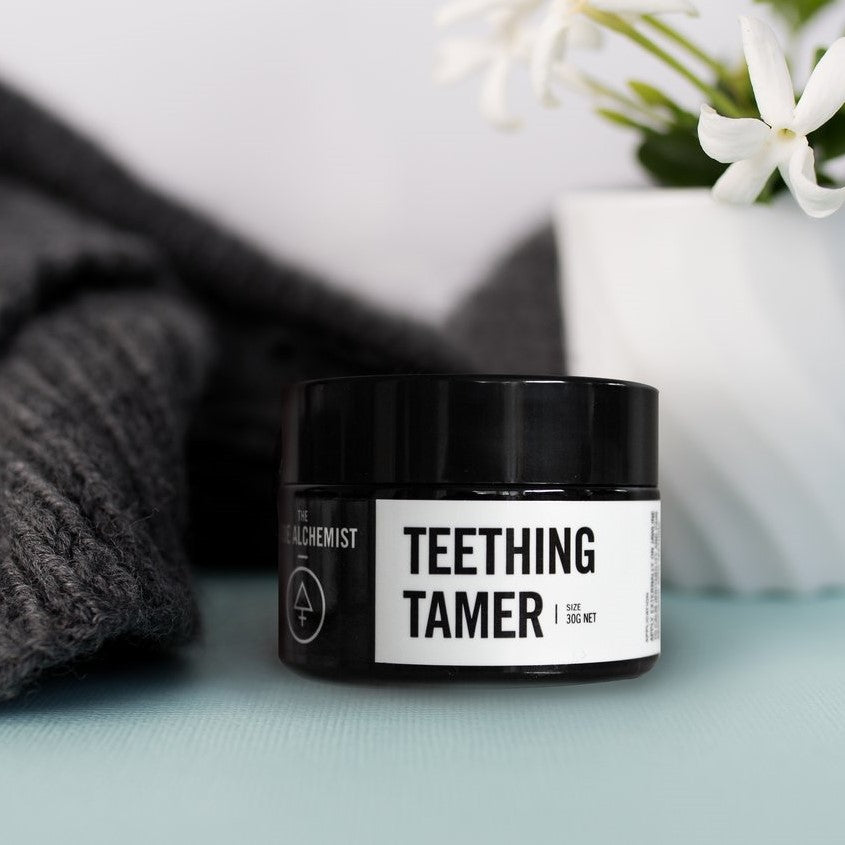
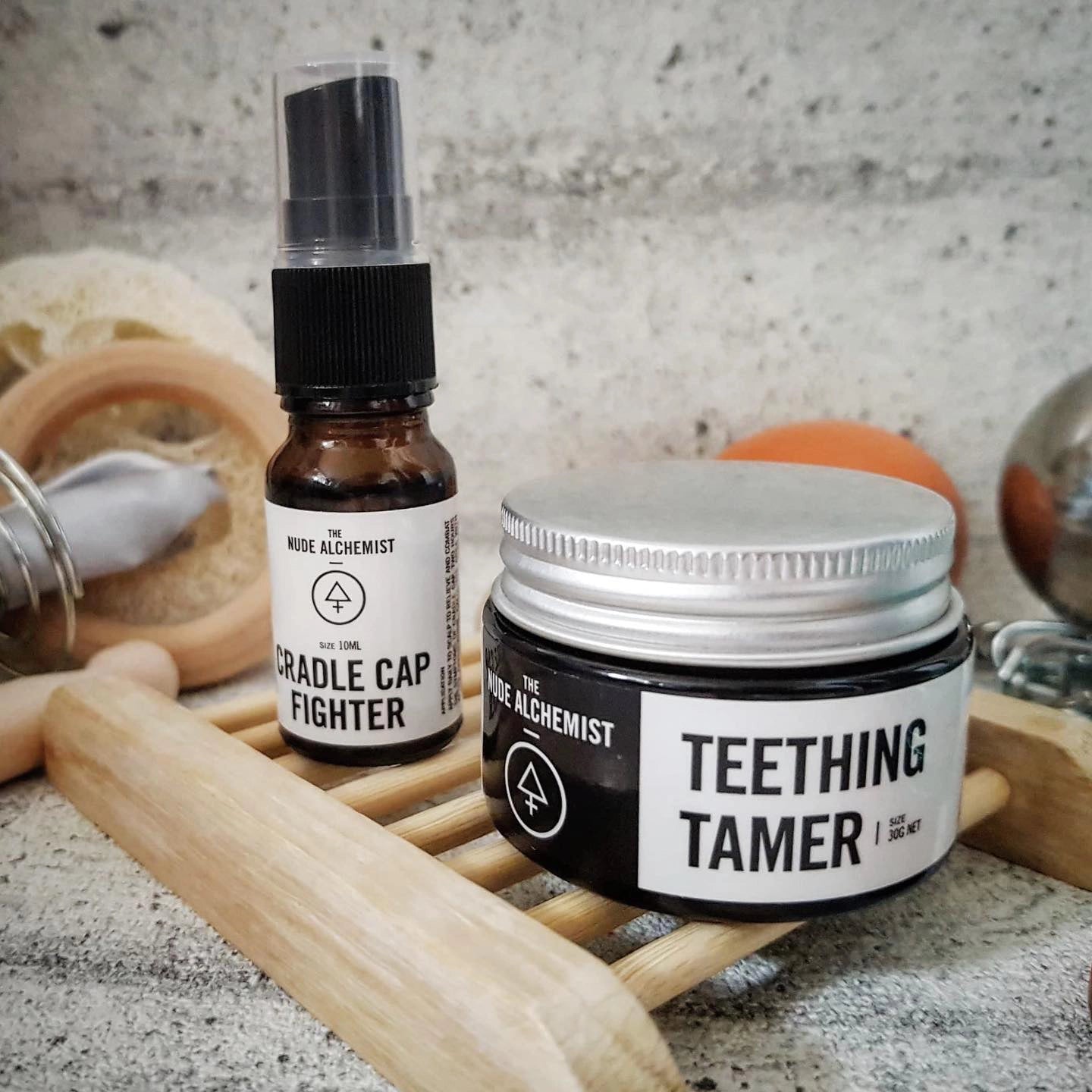
Teething Tamer
can provide natural, organic pain relief, which is easily applied externally (making it extra easy for little ones) and can be used from three months onwards.
The award winning Teething Tamer is ideal for children experiencing discomfort and irritability due to teething with a proven track record of being very helpful to many happy customers – big and small!
The active ingredients have been used for centuries by mothers to help soothe the discomfort associated with toothaches and teething, helping to calm fretful infants and children.
It is a piece of cake to apply; simply rub the balm externally onto the skin along the jawline, just before bedtime and as often as needed, making the Teething Tamer a great natural teething relief alternative to other remedies, especially if you struggle to apply other teething products inside the mouth and on the gums.
This product is aromatherapist formulated using premium ingredients, which means the product is suitable for use on babies and children from 3 months and beyond. It is also beneficial through the emergence of permanent teeth (6-12 years) and the dreaded wisdom teeth in adults (17 years+).
An all natural rubber teether that is ideal for soothing painful gums. The So’Pure Teething Ring is a safe and natural teether with plenty of chewable parts!
The two rings have different textured surfaces for baby to choose from - one ring has a ridged surface for erupting teeth and the other has raised bumps for soothing sore gums.
Soothe your baby’s sore gums naturally with this refillable teether in Lullaby Blue colour, designed to provide cooling relief without the need for gels or chemicals.
Simply fill with water and ice and chill in the fridge to offer gentle comfort for inflamed or achy gums. Suitable from 3 months and through the various stages of teething, its thoughtfully textured silicone surface massages the front, middle, and back gums while keeping little hands engaged.
With a multi-sensory design, your baby can chew, explore, and self-soothe safely.
Soothe your baby’s sore gums naturally with this refillable teether in Peony colour, designed to provide cooling relief without the need for gels or chemicals.
Simply fill with water and ice and chill in the fridge to offer gentle comfort for inflamed or achy gums. Suitable from 3 months and through the various stages of teething, its thoughtfully textured silicone surface massages the front, middle, and back gums while keeping little hands engaged.
With a multi-sensory design, your baby can chew, explore, and self-soothe safely.
Soothe your baby’s sore gums naturally with this refillable teether in Sage colour, designed to provide cooling relief without the need for gels or chemicals.
Simply fill with water and ice and chill in the fridge to offer gentle comfort for inflamed or achy gums. Suitable from 3 months and through the various stages of teething, its thoughtfully textured silicone surface massages the front, middle, and back gums while keeping little hands engaged.
With a multi-sensory design, your baby can chew, explore, and self-soothe safely.
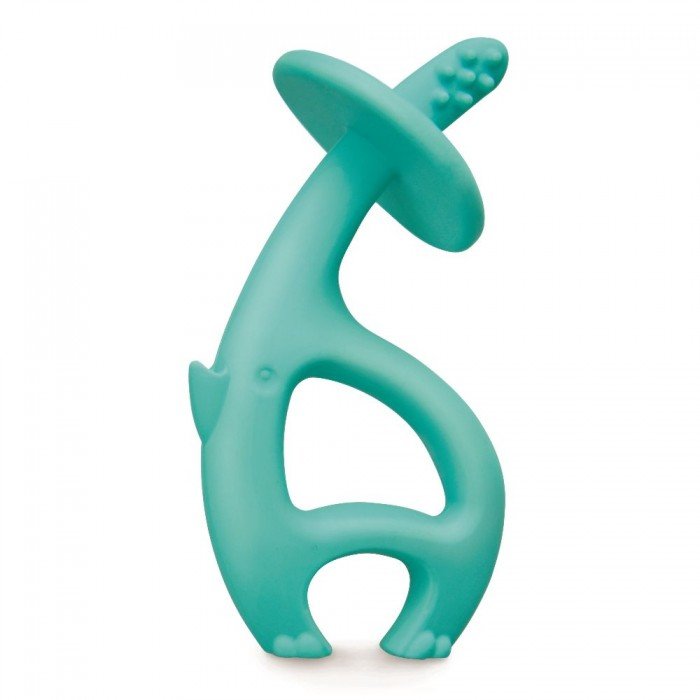
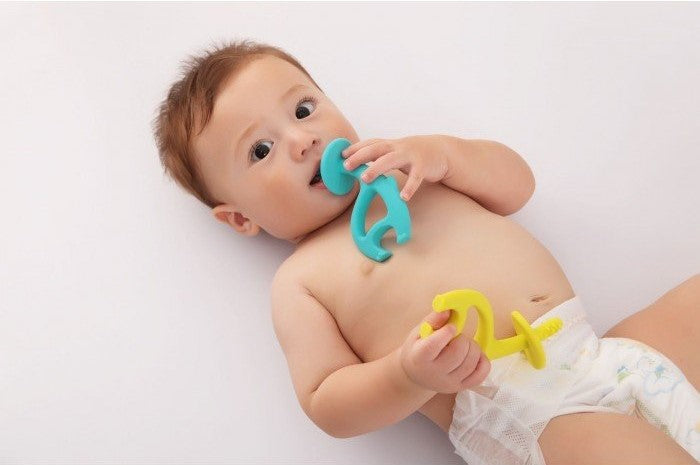
Made from 100% food-grade, FDA-approved silicone, the Dancing Elephant is incredibly soft on tender gums and emerging teeth.
Safe to use with teething gels and freezer-friendly for added soothing, it offers gentle relief when your little one needs it most. Before teeth fully come through, babies love chewing on textured surfaces. The Dancing Elephant features short, rounded nubs that are perfect for biting.
Unlike some silicone products that feel rigid or plasticky, this teether is made with an ultra-soft, gummy bear-like silicone that provides superior comfort for sore gums.
Shaped for little hands, it supports the development of fine motor skills. Babies love the dancing feet and open body - perfect for grasping or attaching to a clip or tether to keep it close and off the floor.
The Haakaa Fresh Food Feeder Mini Combo is an ideal way to introduce new flavours to your baby while soothing teething gums. It pairs the popular Fresh Food Feeder with a mini Pineapple Nibble Tray, which freezes perfectly-sized portions, allowing your baby to explore new tastes and textures without the risk of choking. Compact enough to fit in your bag, it’s perfect for on-the-go. The Freeze-N-Feed Mini Combo is easy to use—simply fill the tray with breast milk, puréed food, or other favourites, freeze, then pop one portion into the Feeder pouch, assemble, and seal. For more variety, the full-sized Pineapple Nibble Tray (sold separately) has nine compartments. This set helps babies enjoy new flavours while providing independence and teething relief.
The Ultimate Nappy Bag Checklist: Be Ready for Anything
Leaving the house without your nappy bag? That’s the kind of chaos every parent dreads. Whether it’s a surprise nappy blowout or a teething meltdown mid-supermarket shop, being prepared can turn potential disasters into minor hiccups.
That said, there’s a balance to strike. Overpacking can make your bag heavy and hard to manage — underpacking leaves you without the essentials when you need them most. What you pack depends on your baby’s age, where you’re going, and how long you’ll be out.
To make things easier, here’s your ultimate nappy bag checklist - designed to help you leave the house calm, confident, and ready for anything.
Start with the right bag
You’ll want a nappy bag that’s both practical and stylish. Something that works for both parents and doesn’t scream “baby gear.” Look for one with plenty of compartments, bottle holders, and enough space to fit everything without being bulky. We have a gorgeous range of stylish bags, shop them here.
What to pack
For changing:
Nappies – more than you think you’ll need
Baby wipes – either travel packs or your own stash in a reusable snap-lock bag.
Nappy rash cream – keep a small tube in your bag.
Change mat – compact and easy to clean. Most good nappy bags come with one, you can also get disposable ones.
Nappy disposal bags – for dirty nappies or any messy surprises.
Hand sanitiser or wipes – for quick cleanups when a bathroom’s not nearby.
Spare clothes – at least one full change, maybe two if you’re toilet training.
Warm layers in case the temperature drops.
For feeding:
Bibs – always helpful for dribbles or spills.
Bottles and formula – if bottle-feeding, bring everything you’ll need. An insulated bottle can be handy too.
Muslin cloth or burp cloth – great for burping and as a lightweight feeding cover.
Baby food and utensils – a travel pouch, and spoon and bowl if you’re onto solids.
General extras:
Teething toy or small distraction – for those fussy moments on the go.
First-aid basics – baby sunscreen, plasters
Sunhat and beanie – be ready for any weather.
Dummy – keep a spare in the bag so you’re never caught short.
Wrap – useful as a swaddle, sunshade, blanket, or emergency carrier.
Don’t forget Mum’s must-haves:
Breast pads – to prevent leaks if you’re nursing.
Water and snacks – a must when you're running on empty.
Spare top and bra – messes don’t just happen to the baby!
Sunscreen and hat – you’ll need protection too.
Final tip: restock after each outing
Once you’re home, do a quick check and restock your nappy bag so you’re ready to go next time. Think about the different scenarios you might face and pack with those in mind. Multipurpose items help you save space and stay organised — no need to carry the kitchen sink!
Choosing Toys or Gifts They'll Love
What might look like messy play or mindless rattling is actually serious business for your baby. From day one, they’re learning through movement, touch, sound, and – yes – smearing food on every available surface. Play is how your little one makes sense of the world, so choosing toys that match their stage of development can really help them thrive.
Here’s a simple guide to what kinds of toys to look out for during each phase of your baby’s exciting journey.
0–6 Months: The First Explorer
Your newborn may be tiny and still figuring out the basics, but their brain is already hard at work. Even in the early days, babies can recognise voices and slowly begin to track faces (though not quite in focus at first).
At this stage, look for toys with high-contrast patterns and simple shapes – a mobile over the cot is ideal for visual stimulation and encouraging early motor skills as they start to reach out. A fun activity gym is amazing for development and early hand eye coordination as well.
Suckling is another important reflex to support, so having safe teething toys can help build strength in their mouth muscles – which later supports chewing and speech. We stock a super fun range of teething toys at Dimples.
Babies also love the sound of your voice, so don’t hesitate to chat away, sing, or start reading aloud. Soft crinkly activity books are a great addition as they are very visually interesting to your little one, as well as a high contrast board book.
6–12 Months: The Little Scientist
As your baby gets stronger, tummy time becomes key for building neck and upper body strength. Use an engaging play mat to make tummy time fun and motivating.
Around six months, proper teething often begins, so toys they can safely chew are your best friends – easing discomfort while supporting oral development.
At this stage, babies are all about discovery – they’re working on sitting up, crawling, grasping, and even pulling themselves to stand. Toys that support these physical leaps are ideal. Look for soft balls to encourage rolling and crawling, stacking toys for building early coordination, and activity cubes or busy boards with things to twist, slide, and push. Toys that respond with sound or light when touched can also be hugely exciting (and educational), helping babies connect cause and effect. And don’t forget the classics – things that crinkle, rattle, or squeak are still crowd-pleasers and support sensory development beautifully.
12–18 Months: The Creative Genius
You’ve made it through the first year – what a milestone! At this age, many little ones are eager to master walking. A sturdy walker toy can support their balance and leg strength as they wobble around with pride.
Fine motor skills also start taking centre stage. Now that your little one is on the move and growing more curious by the day, toys that support exploration, movement, and problem-solving are ideal. Push-and-pull toys like the classic Buzzy Bee or a cute pull along toy are perfect for developing balance and coordination as they become more confident on their feet. Large building blocks or stacking rings help improve fine motor skills and spatial awareness. This is also a great age for toys that encourage interest in pretend play – think toy phones, baby dolls, animal figurines, or mini tea sets. Musical instruments like tambourines, shakers, or xylophones are not only fun but also help with rhythm and sensory processing. Chunky crayons are also great for encouraging scribbles – and those early masterpieces might earn a spot on your fridge.
As their vocabulary starts to form and their understanding of language grows, this is the perfect time to keep those conversations flowing. Reading together, singing songs, and chatting about what you’re doing throughout the day helps build their language skills and connection to you. Even if they’re not saying much just yet, they’re absorbing it all – storing up words, rhythms, and tones to use later.
18 Months - 2 Years: The Big Personality
Welcome to toddlerhood – where the big personality really comes through! At this stage, your child is becoming more independent, showing clear preferences, and beginning to express their likes and dislikes. You might notice them choosing to play solo more often, or forming strong attachments to certain toys, books, routines, or even characters from stories and shows.
This is also when pretend play really starts to blossom. Role-playing everyday scenarios – like cooking dinner, feeding a doll, or making a pretend phone call – is not only adorable, it’s an important part of social and emotional development. A toddler-sized kitchen set is a fantastic toy at this age, encouraging imaginative storytelling and helping little ones mimic the world they see around them. One of these Kitchen Helpers let your toddler safely join you at the counter, fostering independence and fine motor skills. By involving them in simple kitchen tasks, you’re nurturing their creativity and boosting their confidence in a hands-on way.
Beginner puzzles are also a great choice to foster problem solving skills – Particularly ones with familiar objects such as this zoo puzzle, or this vehicle puzzle.
At this age, play becomes more purposeful – every stack, stir, and story is helping your little one make sense of the world and build skills for the future.
3+ Years: The Explorer
Preschoolers see the world with fresh eyes – everything is fascinating! Toys at this age are more than entertainment; they support learning, spark imagination, and help your child make sense of their world. By three, many children are ready for smaller pieces, but it's still important to supervise, just incase.
Preschoolers play hard – building, crashing, dragging, shaking, and repeating – and quality toys will last longer and often perform better. Children this age are also starting to enjoy more meaningful creative and open ended activities.
Here are a few of our favourite picks for the bigger kids ages 3+
Washable Colouring in Tablecloth - Great for sole play or a group activity. Best of all it can be reused over and over again!
Balance Bike Start off with the trike if your little one is new to riding, and then it transforms into a balance bike!
Cash Register - Perfect for pretend grocery shops or café setups, this beautifully crafted toy helps children explore early math, communication, and social interaction
Playdough - Little monkeys love squishing, rolling, and making lots of different fun objects
Connetix - Inspire creativity with the countless ways these sets can be built
Go at Their Pace
Every child develops at their own rhythm. Some skip crawling and go straight to walking. Others might take their time with speech while still communicating effectively in their own way. Some might be into different things than their peers - and that's okay!
It’s tempting to compare, but there’s a very wide range of normal. If you’re ever concerned, have a chat with your GP or child health nurse. You're doing an incredible job raising a one of a kind little person.
And remember – the best toy of all is you. Your love, voice, and presence are what your baby cherishes most ❤️
The days are long but the years go fast!
When you’re deep in the baby days, it can feel like time is crawling – but somehow, those tiny toes and gummy smiles slip by in a blink. One minute they’re curled up on your chest, the next they’re racing down the hallway in gumboots. It’s not always easy to stop and take it all in, but future you (and your child) will be so grateful you did. Here are seven lovely ways to capture those fleeting, precious moments.
Here are 8 ways to hold onto those little moments ❤️
1. Keep a journal from bump to babyPregnancy is a season you’ll never forget – and yet, somehow, the details get fuzzy. A journal makes it easy to jot down milestones, memories, and feelings throughout pregnancy and those early newborn weeks. Whether it’s the first kick, a dream you had, or your late-night list of baby names, these snippets will one day become priceless.
2. Save those tiny printsLittle hands and feet don’t stay little for long. A casting kit or impression set is a beautiful way to preserve the size of your baby’s hand or footprint in time. If you’d prefer something bigger, the Petit Artichaut Baby’s First Year Memory Frame is a beautiful alternative – designed to showcase a photo from each month of your baby’s first year alongside a cast or print. It’s a keepsake you’ll treasure forever.
3. Write them a letterIt doesn’t need to be fancy – a few lines on your phone, a scribbled note in a baby book, or an email you save for later. Writing your child letters throughout their early years is a heartfelt way to share what life was like, what you noticed, and how deeply they were loved.
4. Create a home for keepsakesFrom hospital bracelets to first curls, it’s easy to gather a box of “special things” with no real place to put them. The Petit Artichaut Imprint Box offers a charming way to store and display those first small treasures – whether it’s their first lock of hair, their first lost tooth, or something uniquely your own.
5. Capture quotes and milestonesThe things toddlers say are often hilarious, surprisingly insightful, and unforgettable – until they are. A memory jar in the kitchen or a simple notes app on your phone makes it easy to jot them down in the moment. These snippets of daily life will bring the biggest smiles down the track.
6. Frame the moments that matterPhotos on your phone are great, but there’s something special about seeing them every day. The Petit Artichaut Duo Frame is a lovely way to frame meaningful images – maybe their first bath and first birthday, or a newborn photo alongside your ultrasound and a space for a foot or handprint and a clay model of those little hands or feet too. It’s a gentle reminder of just how far you’ve both come.
7. Record it all in a baby record bookFor a classic, timeless way to record milestones, the Your First Years Book or the Peter Rabbit Baby Book are both beautiful choices. These charming books offer space for photos, memories, and all the little details you’ll want to remember, from their first smile to their first steps. With prompts to help you capture key moments, it’s a keepsake that will take you down memory lane for years to come.
8. Record a second a dayApps like 1 Second Every Day make it incredibly easy to film one moment each day and turn it into a time-lapse of your baby’s growth. It’s simple, low-effort, and incredibly powerful – especially when the year wraps up and you get to watch your tiny newborn become a confident little human.
There’s no right or wrong way to capture the early years – only what feels right for you and your family. Whether it’s snapping a quick photo, scribbling a sweet moment in a notebook, or tucking away a tiny hospital bracelet, each memory adds to the beautiful story you’re creating. These baby days pass in a blur, but the little things you save along the way will become treasured reminders of just how much love and magic filled those early moments ❤️
Little feet have a lot of growing and exploring to do! From those first little steps to running, playing and discovering the world, choosing shoes that are comfortable and designed to move with them is an important part of every stage.