


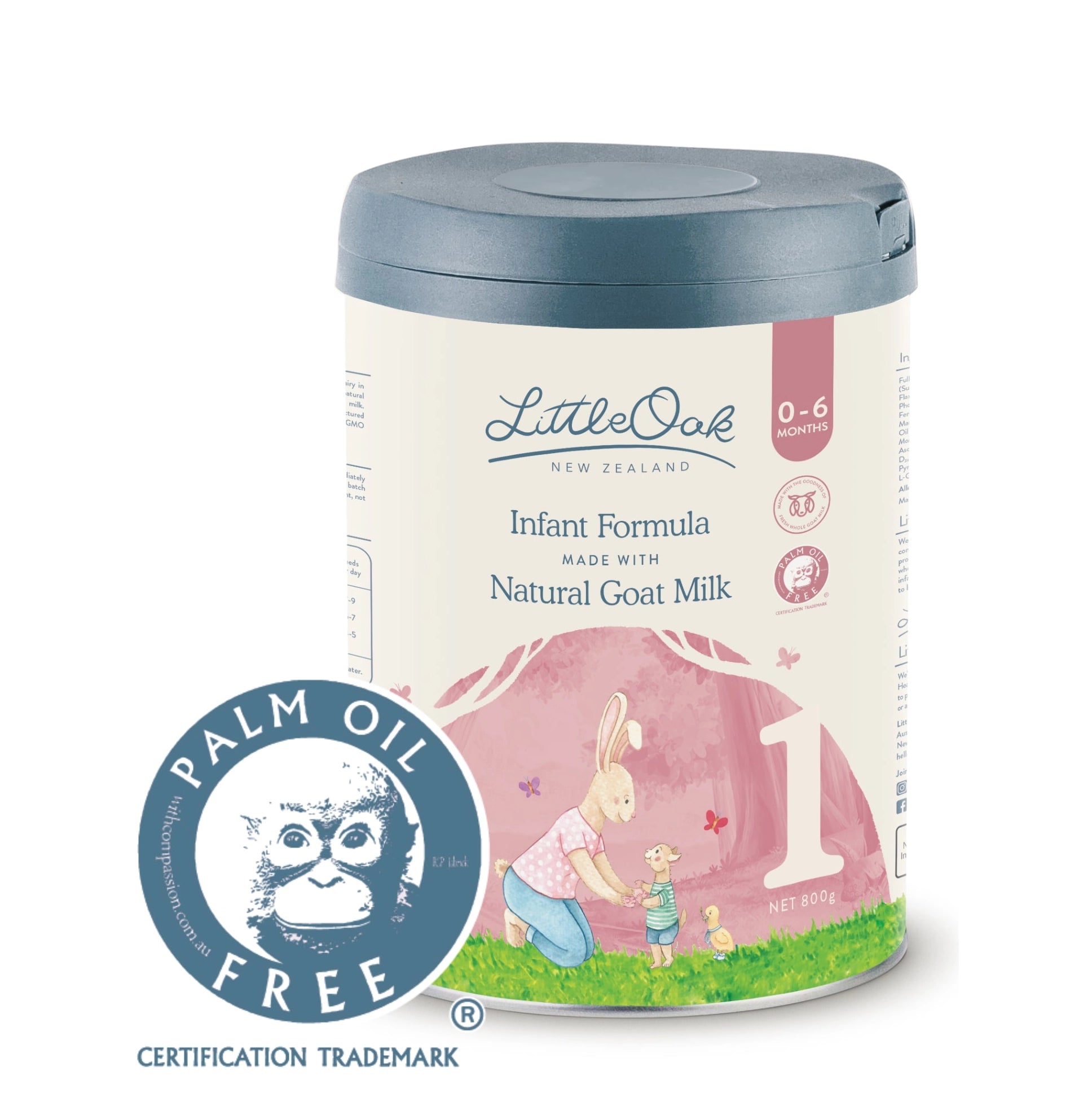
Natural Goat's Milk Infant Formula Stage 1
Natural Goat's Milk Infant Formula Stage 1
SKU:LONGMIFS1
Clothing Prem to 18 Months
| Size | Age Guide | Weight | Height |
|---|---|---|---|
| Premature | Premature or Small Newborn | Up to 4Kg | Up to 55cm |
| Newborn | 0-3 months | 4-6Kg | Up to 62cm |
| 3 Month | 3-6 months | 6-8Kg | Up to 68cm |
| 6 Month | 6-12 Month | 8-10Kg | Up to 76cm |
| 12 Month | 12-18 Month | 10-12Kg | Up to 84cm |
| 18 Month | 18-24 Month | 12-14Kg | Up to 92cm |
Clothing 2 to 6 Years
| Size | Age Guide | Height | Chest | Waist | Hip |
|---|---|---|---|---|---|
| 2 Year | 2-3 Years | Up to 100 cm | 56 | 51 | 58 |
| 3 Year | 3-4 Years | Up to 105 cm | 58 | 53 | 60 |
| 4 Year | 4-5 Years | Up to 110 cm | 60 | 55 | 62 |
| 5 Year | 5-6 Years | Up to 115 cm | 62 | 57 | 64 |
| 6 Year | 6-7 Years | Up to 120 cm | 64 | 59 | 66 |
Beanie Size Guide
| Size | Head Circumference | Age Guide |
|---|---|---|
| Premature | 31-35 cm | Premature or Small Newborn |
| Newborn | 35-40 cm | Newborn |
| Small | 40-43 cm | 3-6 Months |
| Medium | 43-47 cm | 6-18 Months |
| Large | 47-52 cm | 18-3 Years |
Sunhat Size Guide
| Size | Head Circumference | Age Guide |
|---|---|---|
| Newborn | 37-40 cm | Newborn |
| Small | 40-43 cm | 3-6 Months |
| Medium | 43-46 cm | 6-12 Months |
| Large | 46-49 cm | 12-24 Months |
| Xtra Large | 49-54 cm | 2-4 Years |
Sleep Pods Size Guide
| Size | Weight | Age Guide | Measurement(Back to Hem) |
|---|---|---|---|
| Newborn | 0-6 kgs | 0-3 Months | 60.5 cm |
| Small | 0-8 kgs | 3-6 Months | 66 cm |
Booties Size Guide
| Size | Age Guide |
|---|---|
| Newborn | 0-3 Months |
| Small | 3-6 Months |
| Medium | 6-12 Months |
| Large | 12-18 Months |
Pretty Brave Baby
| Foot Length (mm) | Insole Length (mm) | EU | UK | Age | INT |
|---|---|---|---|---|---|
| 95-104 | 110 | 16/17 | 2 | 0-6m | S |
| 104-114 | 118 | 18 | 3 | 6-12m | M |
| 114-123 | 127 | 19/20 | 4.5 | 12-18m | L |
| 123-137 | 142 | 21/22 | 5.5 | 16-22m | XL |
Pretty Brave 1st Walker
| Foot Length (mm) | Insole Length (mm) | EU | UK | Age |
|---|---|---|---|---|
| 114-120 | 125-128 | 19 | 3 | 1 yr |
| 120-126 | 132-135 | 20 | 3.5 | 1-2 yrs |
| 126-132 | 138.5-141.5 | 21 | 4.5 | 1-2 yrs |
| 132-138 | 145-148.5 | 22 | 5 | 2 yrs |
Crywolf Swim Nappy
| Size | Length (waist to crotch) | Crotch Width (side to side) |
|---|---|---|
| 0-1 yr | 1-2 yrs | |
| 37 | 38 | |
| 14.5 | 15.5 |
Crywolf Rash Suit
| Size | Length (back neck to crotch) | Chest (arm to arm) | Waist (side to side) | Sleeve (neck to cuff) | Neck Opening(diameter) |
|---|---|---|---|---|---|
| 6-12 Months | 1 yr | 2 yrs | 3 yrs | ||
| 40 | 42 | 44 | 46 | ||
| 25 | 26 | 27 | 28 | ||
| 24 | 25 | 26 | 27 | ||
| 30 | 31.5 | 33 | 34.5 | ||
| 13.25 | 13.25 | 13.8 | 14.3 |
In stock
Couldn't load pickup availability
Overview
Overview
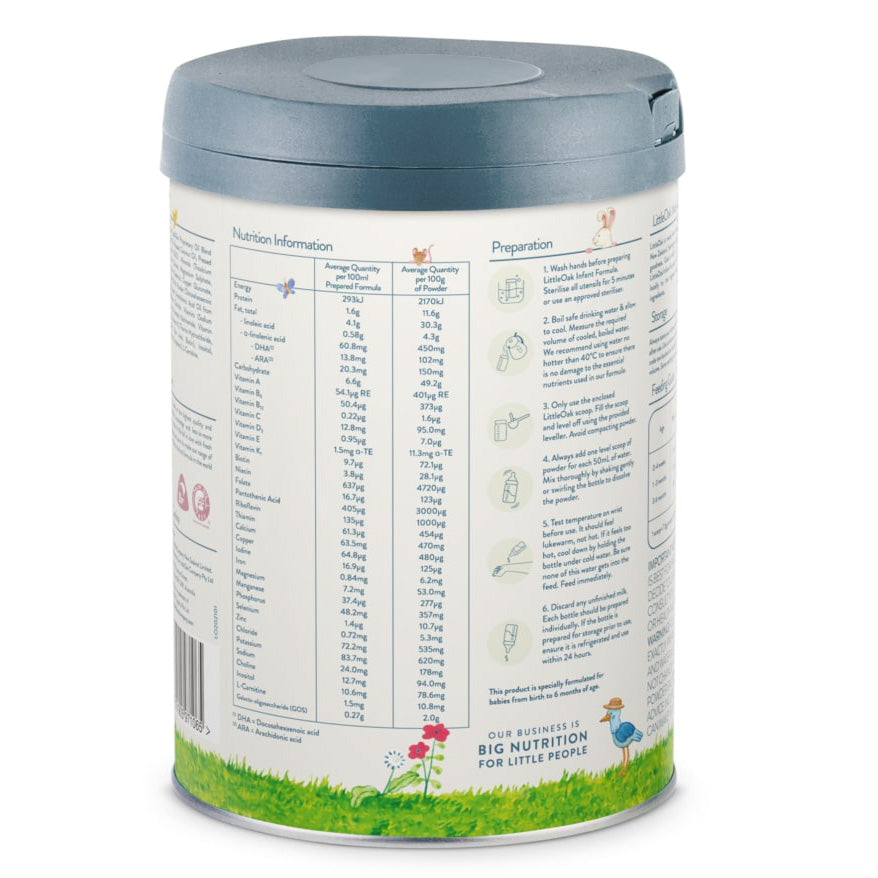
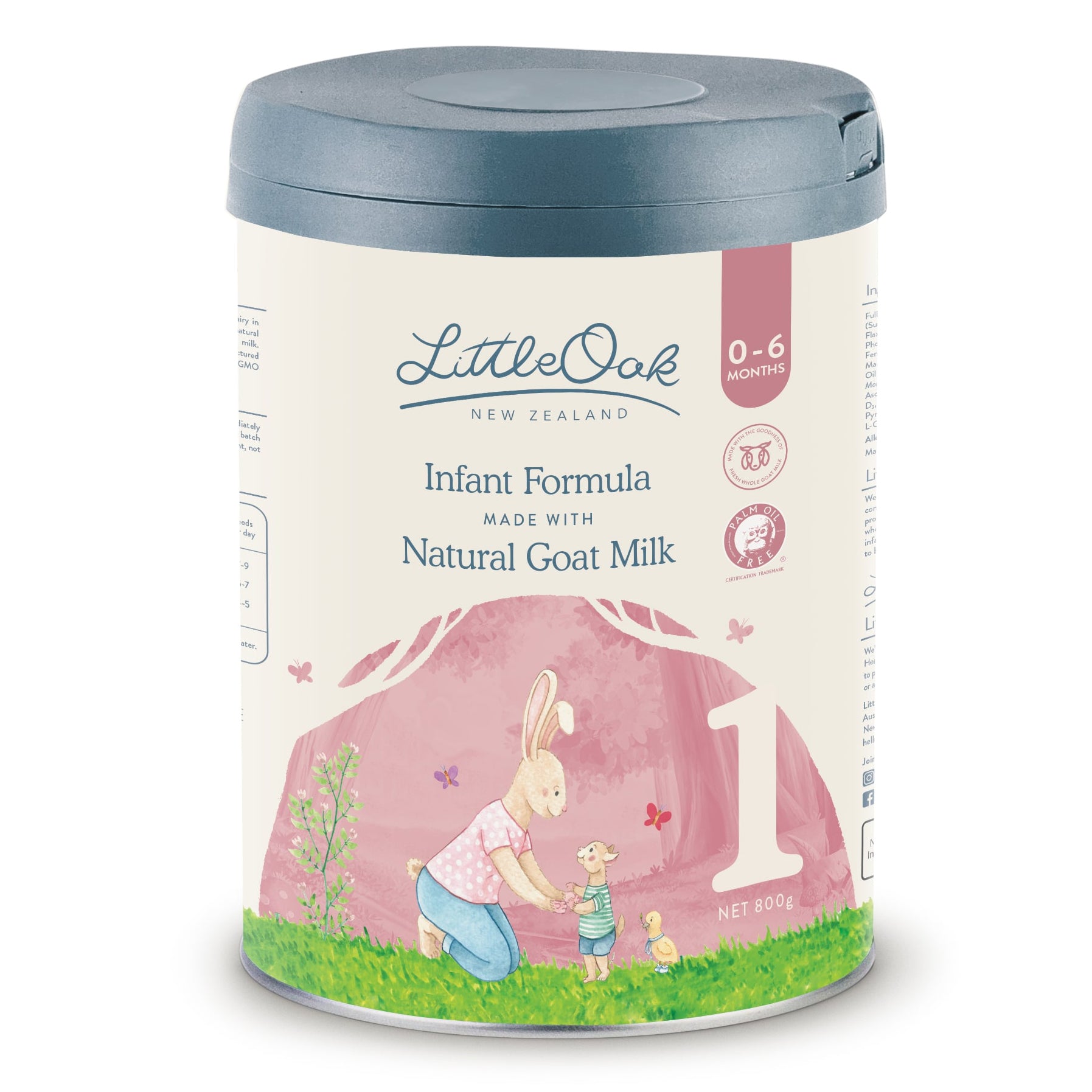
LittleOak’s Infant Formula is made with love from fresh whole goat milk. Starting with fresh milk means less processing, more natural goodness. LittleOak is also the first formula in the world to be certified palm oil free – better for baby, and much better for the environment.
This LittleOak Infant Formula is thoughtfully crafted for babies from newborn through 6 months, using fresh, whole goat’s milk straight from grass-fed goats at a their own farm in New Zealand.
Technical Specification
Technical Specification
User Guide
User Guide
Delivery and Returns
Delivery and Returns
- Delivery: Free within NZ on orders over $100 (excluding bulky items) or $8 standard shipping
- Returns: Accepted within 14 days of receipt with proof of purchase
- Some items are excluded from returns including sale items, hardware, car seats, prams, monitors and personal items - please click here for the full list.
Share this product
Recently Viewed Products
Related Blogs

Natural Clothing and Allergies
The best clothing choices for allergies Soft, natural, gentle Babies’ skin is soft, gorgeous – and sensitive. When they’re young, their skin is much thinner and more permeable than that of an adult, which is why it’s so susceptible to irritation and dryness. Although all babies have delicate skin, some have more serious skin conditions like eczema, hives, and other irritations. These increasingly common conditions can be caused or exacerbated by food allergies, and environmental triggers like laundry powders, soaps, and clothing. While the right clothing can’t cure eczema or allergies, it can help reduce the symptoms and make your baby more comfortable. Soft, natural fibres, organic fabrics, chemical-free processing and quality craftsmanship can help. Here’s what to look for: Naturally gentle Eczema-prone skin is irritated by harsh fibres and heat. Synthetic fabrics and thick weaves – like denim or hand-knitted wool – can trap heat, rub against the skin, and make symptoms worse. Look for clothing made of soft, naturally breathable fabric like cotton, linen, and hemp. Although thick wool can be irritating, finely woven merino clothing is gentle enough for most eczema-prone babies. In fact, because merino helps wick away moisture and regulate temperature, it can actually help reduce skin irritation caused by overheating. Choose organic Because babies’ skin is so permeable, it can absorb harsh chemicals from clothing. That’s why it’s important to choose organic fabrics as much as possible. Conventional cotton crops are treated with a range of pesticides, fungicides, and herbicides while they’re growing. No matter how much you wash clothing before wear, traces of these chemicals can remain in the fibres and transfer to your baby’s skin, potentially causing allergic reactions or general irritation. Avoid the issue by choosing pure, certified organic cotton as much as you can. Soft colours for soft skin During processing, cotton and other fabrics may be bleached, dyed, and treated with chemicals like softeners, fire retardants, and wrinkle or stain guards. These chemicals are designed to stay in the fibres of the fabric, which means they end up pressed against your baby’s skin, potentially triggering eczema flare-ups or irritation. Often, high-quality organic cotton and merino products are made without these chemicals to avoid these issues, and some manufacturers will list clothing as allergy-friendly or chemical-free. If you’re unsure, choosing white or undyed organic cotton or merino is the best option. Made with care Good craftsmanship is just as important as quality materials. Cheaply made baby and children’s clothing is often ill-fitting, with rough seams and scratchy labels – all highly irritating to sensitive skin. Quality clothing, on the other hand, is designed to fit comfortably. Look for clothing without tight sleeves, elastic at the cuffs, or high necklines – these can all chafe and irritate sensitive skin. Seams should be sewn flat and labels should be printed on the fabric or easy to remove. Go natural for extra care Whether your baby has allergies or not, you can’t go wrong choosing gentle, natural, soft clothing. You’ll keep them warm and comfortable, avoid harsh chemicals, protect their skin, and reduce the risk of irritation. At Dimples, all our baby clothes are made of natural fibres, with quality craftsmanship, comfortable, classic designs and minimal chemicals used in processing. Take a look now.
Learn more
Toys for age, stage and type
Choosing Toys or Gifts They'll Love What might look like messy play or mindless rattling is actually serious business for your baby. From day one, they’re learning through movement, touch, sound, and – yes – smearing food on every available surface. Play is how your little one makes sense of the world, so choosing toys that match their stage of development can really help them thrive. Here’s a simple guide to what kinds of toys to look out for during each phase of your baby’s exciting journey. 0–6 Months: The First Explorer Your newborn may be tiny and still figuring out the basics, but their brain is already hard at work. Even in the early days, babies can recognise voices and slowly begin to track faces (though not quite in focus at first). At this stage, look for toys with high-contrast patterns and simple shapes – a mobile over the cot is ideal for visual stimulation and encouraging early motor skills as they start to reach out. A fun activity gym is amazing for development and early hand eye coordination as well. Suckling is another important reflex to support, so having safe teething toys can help build strength in their mouth muscles – which later supports chewing and speech. We stock a super fun range of teething toys at Dimples. Babies also love the sound of your voice, so don’t hesitate to chat away, sing, or start reading aloud. Soft crinkly activity books are a great addition as they are very visually interesting to your little one, as well as a high contrast board book. 6–12 Months: The Little Scientist As your baby gets stronger, tummy time becomes key for building neck and upper body strength. Use an engaging play mat to make tummy time fun and motivating. Around six months, proper teething often begins, so toys they can safely chew are your best friends – easing discomfort while supporting oral development. At this stage, babies are all about discovery – they’re working on sitting up, crawling, grasping, and even pulling themselves to stand. Toys that support these physical leaps are ideal. Look for soft balls to encourage rolling and crawling, stacking toys for building early coordination, and activity cubes or busy boards with things to twist, slide, and push. Toys that respond with sound or light when touched can also be hugely exciting (and educational), helping babies connect cause and effect. And don’t forget the classics – things that crinkle, rattle, or squeak are still crowd-pleasers and support sensory development beautifully. 12–18 Months: The Creative Genius You’ve made it through the first year – what a milestone! At this age, many little ones are eager to master walking. A sturdy walker toy can support their balance and leg strength as they wobble around with pride. Fine motor skills also start taking centre stage. Now that your little one is on the move and growing more curious by the day, toys that support exploration, movement, and problem-solving are ideal. Push-and-pull toys like the classic Buzzy Bee or this cute crocodile pull along are perfect for developing balance and coordination as they become more confident on their feet. Large building blocks or stacking rings help improve fine motor skills and spatial awareness. This is also a great age for toys that encourage interest in pretend play – think toy phones, baby dolls, animal figurines, or mini tea sets. Musical instruments like tambourines, shakers, or xylophones are not only fun but also help with rhythm and sensory processing. Chunky crayons are also great for encouraging early scribbles – and those early masterpieces might earn a spot on your fridge. As their vocabulary starts to form and their understanding of language grows, this is the perfect time to keep those conversations flowing. Reading together, singing songs, and chatting about what you’re doing throughout the day helps build their language skills and connection to you. Even if they’re not saying much just yet, they’re absorbing it all – storing up words, rhythms, and tones to use later. 18–24 Months: The Big Personality Welcome to toddlerhood – where the big personality really comes through! At this stage, your child is becoming more independent, showing clear preferences, and beginning to express their likes and dislikes. You might notice them choosing to play solo more often, or forming strong attachments to certain toys, books, routines, or even characters from stories and shows. This is also when pretend play really starts to blossom. Role-playing everyday scenarios – like cooking dinner, feeding a doll, or making a pretend phone call – is not only adorable, it’s an important part of social and emotional development. A toddler-sized kitchen set is a fantastic toy at this age, encouraging imaginative storytelling and helping little ones mimic the world they see around them. One of these Kitchen Helpers let your toddler safely join you at the counter, fostering independence and fine motor skills. By involving them in simple kitchen tasks, you’re nurturing their creativity and boosting their confidence in a hands-on way. Beginner puzzles are also a great choice to foster problem solving skills – Particularly ones with familiar objects such as this zoo puzzle, or this vehicle puzzle. At this age, play becomes more purposeful – every stack, stir, and story is helping your little one make sense of the world and build skills for the future. Go at Their Pace Every baby develops at their own rhythm. Some skip crawling and go straight to walking. Others might take their time with speech while still communicating effectively in their own way. It’s tempting to compare, but there’s a wide range of normal. If you’re ever concerned, have a chat with your GP or child health nurse. Most importantly, be kind to yourself. You're doing an incredible job raising a one-of-a-kind little person. And remember – the best toy of all is you. Your love, voice, and presence are what your baby cherishes most ❤️
Learn more
Formula and bottle-feeding tips for new parents
Everything you need to know about bottle feeding During the first year, your baby goes through a great deal of growth and development. Most babies triple their birth weight by the time they hit their first birthday – so it’s no wonder they need lots of energy to grow! While it’s widely acknowledged that ‘breast is best’, choosing how you feed your baby is an important and completely personal decision. For some women, personal circumstance, cultural beliefs and physical or mental wellbeing mean breastfeeding isn’t an option, and therefore a safe alternative is required. If you’ve decided to bottle-feed (if you’re thinking about it, speak with your midwife, doctor or nurse first), it’s vital to have clear and well-informed information on the safe preparation and use of formula. Here’s what you need to know about formula-feeding your wee one: About baby formula Most formula is made from modified cow’s or goat's milk so the protein level isn’t too high and babies can digest it. Unlike regular milk, formula has added minerals, vitamins, and fats essential for human growth and development, and when prepared correctly, it contains enough nutrients for healthy growth in babies. In New Zealand, there are strict manufacturing regulations in place to make sure that the formula in your local supermarket is always of good quality and safe for your baby. But that doesn’t make the baby aisle any less overwhelming. Here’s a quick breakdown of the kinds of formula you can buy: Cow’s-milk formula Most cow’s-milk formulas sold in New Zealand have a similar nutritional profile – so price doesn’t necessarily mean one is better than another. Casein and whey are the proteins in breastmilk, and cow’s-milk formula has the same proteins. It will either have more casein or more whey – you can find the percentage of each noted on the formula’s ingredient label. Key points: Your baby’s first formula should contain whey as the main type of protein, as it’s the easiest to digest. Some formulas will be labelled ‘follow-on’ or ‘step 2’ – these are casein-dominant formulas best suited for babies aged six months and over. They’re also designed for hungrier babies who are not yet old enough to start solid food. Your baby can stay on the first formula for 12 months and as you start to introduce solids. If your child isn’t reacting well to cow’s-milk formula and you suspect an allergy, it’s best to seek advice from a healthcare professional who can advise you on alternative types of formula. Goat’s-milk formula This type of formula also contains whey and casein proteins, but the casein protein is slightly different from that in cow’s milk. It contains beta-casein (rather than alpha-casein) which is more easily digestible. Again, you can find the protein ratios outlined on the nutritional label. Soy infant formula Made using soya beans as a source of protein, soy infant formula is a vegetarian option. It’s best to seek advice from a healthcare professional before switching to the soy alternative. Gold formula Gold formula contains extra ingredients which aren’t strictly necessary for your baby – but may be beneficial. Here we explain a few: Long-chain polyunsaturated fatty acids (LCPUFAs). Thought to be important in the development of the brain and eyes. Alpha-lactalbumin. Thought to be nutritious for babies because it’s the main type of whey protein in breastmilk. Pro and prebiotics. These help promote the growth of good bacteria and may help maintain a healthy balance of gut bacteria. May be good for eye health. How to prepare baby formula Before you get started, always carefully read and follow the instructions on the formula tin – not all formulas have the same size scoops or are prepared in the same way. Check the use-by date and dispose of formula if it has expired. Bottle-feeding equipment Here’s what you’ll need to bottle-feed: Large bottles (saves you buying new ones as your baby grows) Bottle rings and caps Teats (either silicone or latex is fine, graded according to size of the hole or age of the baby) Bottle brushes Teat brushes A steriliser (optional) Check our handy guide to bottles and teats here! Making up a bottle of formula Step 1 : Boil the kettle and let the water cool for about 30 minutes, until it has reached a lukewarm temperature. You can also do this in advance, storing the cooled boiled water in sterilised bottles in the fridge. Step 2 : Pour the lukewarm water into the bottle before carefully adding the scoops of formula powder (levelling the powder with a clean knife or the tin's in-built level). Seal the bottle with a ring and cap, then shake gently to encourage the powder to dissolve. Step 3 : Before feeding your baby, check the temperature of the formula by tipping a few drops on the inside of your wrist – it should feel lukewarm. Never add anything to the formula, and if your baby doesn’t finish the bottle, throw any leftover formula away within an hour. Warming infant formula If you are not feeding your baby straight away, place formula in the fridge immediately (store at the back of the fridge) with a cap over the teat to prevent contamination. It can be stored for a maximum of 24 hours. Once removed, it’s only safe to use for up to one hour. The safest way to warm formula is to stand the bottle in a bowl of warm water for no longer than 10 minutes as harmful bacteria can grow in prepared formula. After warming, gently swirl the bottle to mix the formula, and test the temperature. If it’s too hot, cool it down by putting it in a bowl of cold water or by running it under the cold tap. Microwaving bottles is not recommended because uneven heating of the milk can burn your baby’s mouth. Cleaning and sterilising Hygiene is essential – your baby’s immune system isn’t strong enough to fight off some diseases yet, and formula-fed infants are at higher risk of gastrointestinal infection. You need to clean your bottles, teats, rings and caps after every feed and before you sterilise them. Tips for cleaning bottle-feeding equipment: Wash all bottles, rings, caps and teats in hot soapy water. Squirt water through the teat holes and use a bottle brush to ensure that everything is scrupulously clean, getting into all those nooks and crannies, then rinse well. Check for any cracks in the teats and throw away any damaged ones. Rinse everything well in hot water and leave them to air dry. After you’ve cleaned your equipment, you need to sterilise everything by boiling, steaming, or with chemicals. Boiling - To sterilise a baby bottle by boiling, place the disassembled bottle parts into a large pot and cover them fully with water. Bring the water to a rolling boil and let it boil for at least 5 minutes to ensure all parts are thoroughly sterilised. Use clean tongs to remove the items and place them on a clean, dry surface to air dry completely. You can buy electric (plug-in) or microwave steam sterilisers. These units 'cook' your equipment at a temperature high enough to kill bacteria. If using chemical sterilisers , follow the instructions on the box or packet. If you’re unsure, seek help from a professional Don’t be afraid to take your time deciding about feeding your baby. The most important consideration is that your baby is comfortable and well-fed, and you’re able to enjoy this special (albeit exhausting!) time with your newborn. Get the information you need to make an informed decision, and if you’re not sure, consult with your health professional, who’s in the best position to give you accurate advice for your baby and his or her needs.
Learn more
Newborns & Sleep: What to Expect and Survival Tips
Bringing a new baby home is one of life’s most beautiful - and exhausting - adventures. In this blog, Family Sleep & Wellness Coach, Lauren Moran from Little Dreamers, shares her expert advice on newborn sleep in the fourth trimester. With a warm, realistic approach, she helps parents feel empowered, informed, and supported through those early weeks, offering practical tips for creating a nurturing sleep environment and caring for yourself, too. Newborns and Sleep By Lauren Moran from Little Dreamers https://www.littledreamers.co.nz/ Instagram: @little.dreamers.nz Congratulations parents! Whether this is your first or fourth bubba in your beautiful family, there is so much that can still feel overwhelming (or it’s a memory you’ve blanked out from last time!), but we are here to reassure you in those early days. Also known as the fourth trimester, those first 12 weeks following birth while trying to navigate your baby’s feeding and sleeping patterns can be quite the whirlwind. This blog is designed to help empower you, educate you, and normalise newborn sleep so that you feel confident to understand and support your little love. Let’s start this journey with “there is no such thing as bad habits when it comes to supporting your baby”. Yes, you heard that right! No such thing. Forget what social media, society or family/friends tell you. You do what works best for you and your family. There may come a time when those ways no longer work for you, which is totally fine, and we can change that. As you step into this new season remember you are nothing short of amazing and your little one is lucky to have you. Sleep is not only a necessity for your baby, but also you! We all need it. Sleep enables the body to repair itself, replenish those energy levels and regulate brain functions. When I have had more sleep, I feel like a better person showing up for myself and my family. It positively impacts our emotional and physical well-being too. So what can you expect in that fourth trimester? It is a busy, yet wonderful whirlwind of events that can bring about so much change both physically and emotionally. Feeling like you need to just cry? Go for it! Don’t know why? Many of us don’t! Your littlest love is adapting to life earthside and you are recovering from growing them and bringing them into this world. Offering love, care and comfort is exactly what’s needed for you both. With emotions running at an all-time high, it is important to focus on yourself too. I vividly remember my post-natal midwife coming for her first appointment and the first thing she said was that she was there for me. As a first-time mum I was slightly confused as I thought she would be looking at my daughter and making sure she was okay – and she did just that, but also had her focus on me. It is incredibly important to prioritise self-care during this time. That fourth trimester can be so overwhelming so making sure you prioritise your own body and mind will be key. It certainly may come with a feeling of guilt, just know that these are all very normal feelings & thoughts. Self-care is a necessity, not a luxury, for you both. So what can you focus on in the early days in terms of sleep? Let’s start with sleep environment. Laying some healthy foundations from the get go will not only aid in easier settling but also support your baby to stay asleep and get those much needed zzzz onboard: ● Darkness - When our little one enters a dark room, their bodies start to produce melatonin (sleepy hormone). This hormone is produced in the pineal gland and fluctuates throughout the day and night. Ensuring a dark sleep space will help your baby flood themselves with sleep hormones and support settling and restorative sleep periods. ● White noise - This is a fantastic tool to use within their first 18m of life. It replicates those sounds heard in the womb, which in those early days bring them safety and comfort. It can also drown out any noises outside the bedroom that might startle or wake them. It also creates a consistent sleep environment and positive sleep association for them when building on your sleep shaping. ● Temperature - Keep the room a good temperature so that your little one isn’t too hot or too cold. Check this guide on dressing your little one depending on the temperature of the room. The temperature often drops around 3 or 4am and can often be a reason our little ones wake around this time. Feel like you’ve nailed the above and bubs still doesn’t want to sleep in their cot/bassinet? We get it. And this is totally normal and expected – it’s different! Embrace those newborn snugs, strap your little one to you, be nap trapped, find a good series to watch, feed them to sleep, rock them, pat them, and swap out with the support around you if you need to. Your smell, heartbeat, skin feel and voice is their safe place of comfort (and of course it would be!). Spend those first couple of months getting to know your little one and understanding those hungry cues, tired cues and awake windows. Newborns won’t be able to settle themselves consistently until closer to 4 months old so contact and assisted naps will be your best friend. Your little one will rely on you to support them and assist them in getting to sleep. Setting up the right sleep environment will be key when you’re ready to begin supporting them in their own sleep space. Start one step at a time. Awake windows and tired cues Are they under tired, overtired or just hungry? Understanding these windows and cues will be key in having a more settled baby and parent! In those early days you will find those awake times are mostly spent feeding with a small gap at the end for a burp or eye-to-eye contact with you. An awake time is from the moment your baby wakes through to the moment they are sleeping again. Awake Windows in those first four months can look like: 0-3 weeks: 45 – 60 minutes 3-6 weeks: 1 – 1:15 hour 6-9 weeks: 1:15 – 1.5 hours 9-12 weeks: 1.5 hours 12-16 weeks: 1.5 – 2 hours Once your little one is nearing 4 months old you can look at a basic routine rather than awake windows. Our 4-7 month routine guide is perfect for this. You will see that awake windows get longer as our little people’s sleep needs change and this will depend on baby’s age, time of day and whether they are going through a nap transition. In those first 6-8 weeks it is normal to see a later bedtime as our little one’s circadian rhythms don’t mature until closer to 4 months of age (meaning that they don’t understand the difference between day and night) and they may be cluster feeding to get those calories in before bedtime. Being proactive and offering sleep before they get overtired is a great win. They are signs your little one is letting you know it is time to start winding down and getting ready for some sleep before they become overstimulated and enter a state of hyperarousal. Let’s have a look at some tired cues to watch out for: ● Clenching hands into a fist ● Pulling at their ears or hair ● Jerky or shaking movements ● Yawning ● Rubbing eyes ● Vacant look/staring into space ● Quieter/less chatty ● Grizzling ● Sucking thumb/hand Feeding and partner involvement Whether you’re choosing to breastfeed, bottle feed, formula feed or mixed feeding, it’s a journey! During those first 2-3 months your little one will look to feed whenever they can. This is what is commonly known as ‘on-demand feeding’. And it is just as it sounds – feeding your baby when they are showing signs of being hungry. What does this look like? ● Feeding every 2-3 hours (time starts from the start of a feed) can encourage them to consume more calories during the day and can reflect in longer overnight stretches of sleep ● Feeding on demand will help to establish breastmilk supply (if breastfeeding) ● If bottle feeding, follow their cues as volumes of milk will change as their needs change Babies are really great calorie regulators so you don’t need to worry about over-feeding them. In those first 4 months your little one will feed frequently which can be very time consuming. They still have little tummies so the capacity to stay full for long isn’t quite there, and they may wake frequently to feed. How can non-breastfeeding partners support routine and settling? Research now shows that a non-breastfeeding partner’s role in supporting breastfeeding and home routine can be a game-changer! Figuring out how to tackle the day and night time as a dynamic duo can help your breastfeeding partner to feel more rested, and help you as the non-breastfeeding partner to feel actively involved in your little one's care. As we got into the thick of feeding with our second, my husband inspired me with how he showed me he was there with me through this: ● Dinner preparation & cooking ● Getting the bath ready for child 1 & 2 ● Supporting the wind down routine ● Doing the initial settling for bed after a top up feed ● Burping the baby ● Changing nappy in between feeds ● Turning the night light on overnight Don’t underestimate the power of a small act of support in those early days. We have a whole blog around partner support that is a great read! However you choose to support your littlest love earthside is nothing short of amazing. There is no wrong way to support them and if what you’re doing is working for you, then great! Don’t change a thing! Remember that there are no bad habits when it comes to loving, settling and reassuring YOUR little one. You are doing what works for you that is calming, comforting and reassuring to them. Babies can build on these and rely on them as associations to go to sleep get back to sleep but rest assured, these can be changed if they are no longer working for you in the future.
Learn more