



Koya Storage Basket
Koya Storage Basket
SKU:OYM107614
Low stock
Couldn't load pickup availability
Overview
Overview
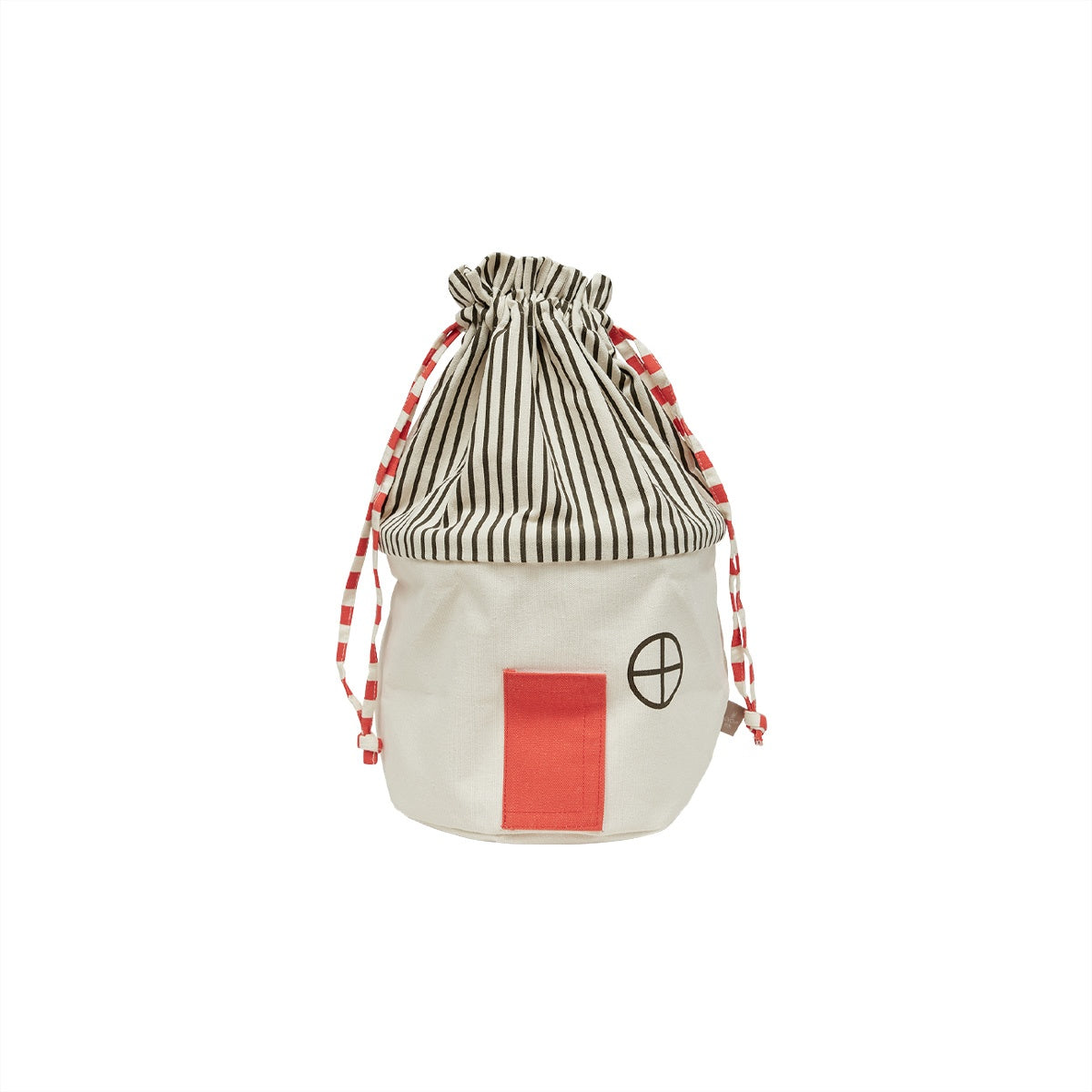
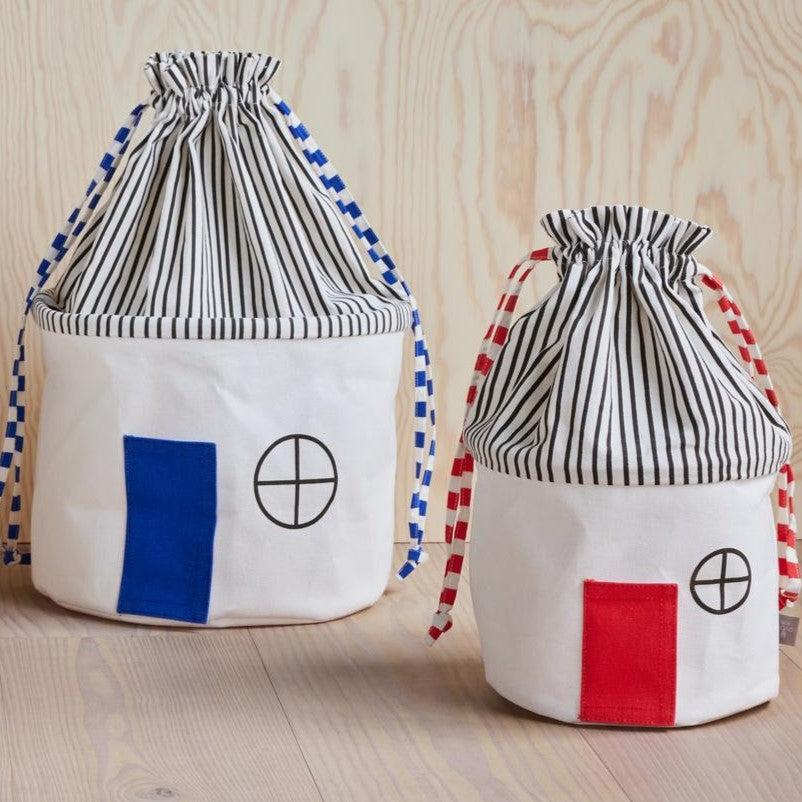
The Koya Storage Basket is a fun and playful addition to any room, offering both storage and imaginative play. Made from 100% cotton, it features a charming design with an openable door, perfect for sparking creativity. Ideal for keeping toys, books, or other essentials organized while encouraging exploration and playful moments.
Technical Specification
Technical Specification
Delivery and Returns
Delivery and Returns
- Delivery: Free within NZ on orders over $100 (excluding bulky items) or $8 standard shipping
- Returns: Accepted within 14 days of receipt with proof of purchase
- Some items are excluded from returns including sale items, hardware, car seats, prams, monitors and personal items - please click here for the full list.
Share this product
Recently Viewed Products
Related Blogs

Toys for Every Age & Stage
Choosing Toys or Gifts They'll Love What might look like messy play or mindless rattling is actually serious business for your baby. From day one, they’re learning through movement, touch, sound, and – yes – smearing food on every available surface. Play is how your little one makes sense of the world, so choosing toys that match their stage of development can really help them thrive. Here’s a simple guide to what kinds of toys to look out for during each phase of your baby’s exciting journey. 0–6 Months: The First Explorer Your newborn may be tiny and still figuring out the basics, but their brain is already hard at work. Even in the early days, babies can recognise voices and slowly begin to track faces (though not quite in focus at first). At this stage, look for toys with high-contrast patterns and simple shapes – a mobile over the cot is ideal for visual stimulation and encouraging early motor skills as they start to reach out. A fun activity gym is amazing for development and early hand eye coordination as well. Suckling is another important reflex to support, so having safe teething toys can help build strength in their mouth muscles – which later supports chewing and speech. We stock a super fun range of teething toys at Dimples. Babies also love the sound of your voice, so don’t hesitate to chat away, sing, or start reading aloud. Soft crinkly activity books are a great addition as they are very visually interesting to your little one, as well as a high contrast board book. 6–12 Months: The Little Scientist As your baby gets stronger, tummy time becomes key for building neck and upper body strength. Use an engaging play mat to make tummy time fun and motivating. Around six months, proper teething often begins, so toys they can safely chew are your best friends – easing discomfort while supporting oral development. At this stage, babies are all about discovery – they’re working on sitting up, crawling, grasping, and even pulling themselves to stand. Toys that support these physical leaps are ideal. Look for soft balls to encourage rolling and crawling, stacking toys for building early coordination, and activity cubes or busy boards with things to twist, slide, and push. Toys that respond with sound or light when touched can also be hugely exciting (and educational), helping babies connect cause and effect. And don’t forget the classics – things that crinkle, rattle, or squeak are still crowd-pleasers and support sensory development beautifully. 12–18 Months: The Creative Genius You’ve made it through the first year – what a milestone! At this age, many little ones are eager to master walking. A sturdy walker toy can support their balance and leg strength as they wobble around with pride. Fine motor skills also start taking centre stage. Now that your little one is on the move and growing more curious by the day, toys that support exploration, movement, and problem-solving are ideal. Push-and-pull toys like the classic Buzzy Bee or a cute pull along toy are perfect for developing balance and coordination as they become more confident on their feet. Large building blocks or stacking rings help improve fine motor skills and spatial awareness. This is also a great age for toys that encourage interest in pretend play – think toy phones, baby dolls, animal figurines, or mini tea sets. Musical instruments like tambourines, shakers, or xylophones are not only fun but also help with rhythm and sensory processing. Chunky crayons are also great for encouraging scribbles – and those early masterpieces might earn a spot on your fridge. As their vocabulary starts to form and their understanding of language grows, this is the perfect time to keep those conversations flowing. Reading together, singing songs, and chatting about what you’re doing throughout the day helps build their language skills and connection to you. Even if they’re not saying much just yet, they’re absorbing it all – storing up words, rhythms, and tones to use later. 18 Months - 2 Years: The Big Personality Welcome to toddlerhood – where the big personality really comes through! At this stage, your child is becoming more independent, showing clear preferences, and beginning to express their likes and dislikes. You might notice them choosing to play solo more often, or forming strong attachments to certain toys, books, routines, or even characters from stories and shows. This is also when pretend play really starts to blossom. Role-playing everyday scenarios – like cooking dinner, feeding a doll, or making a pretend phone call – is not only adorable, it’s an important part of social and emotional development. A toddler-sized kitchen set is a fantastic toy at this age, encouraging imaginative storytelling and helping little ones mimic the world they see around them. One of these Kitchen Helpers let your toddler safely join you at the counter, fostering independence and fine motor skills. By involving them in simple kitchen tasks, you’re nurturing their creativity and boosting their confidence in a hands-on way. Beginner puzzles are also a great choice to foster problem solving skills – Particularly ones with familiar objects such as this zoo puzzle, or this vehicle puzzle. At this age, play becomes more purposeful – every stack, stir, and story is helping your little one make sense of the world and build skills for the future. 3+ Years: The Explorer Preschoolers see the world with fresh eyes – everything is fascinating! Toys at this age are more than entertainment; they support learning, spark imagination, and help your child make sense of their world. By three, many children are ready for smaller pieces, but it's still important to supervise, just incase. Preschoolers play hard – building, crashing, dragging, shaking, and repeating – and quality toys will last longer and often perform better. Children this age are also starting to enjoy more meaningful creative and open ended activities. Here are a few of our favourite picks for the bigger kids ages 3+ Washable Colouring in Tablecloth - Great for sole play or a group activity. Best of all it can be reused over and over again! Balance Bike Start off with the trike if your little one is new to riding, and then it transforms into a balance bike! Cash Register - Perfect for pretend grocery shops or café setups, this beautifully crafted toy helps children explore early math, communication, and social interaction Playdough - Little monkeys love squishing, rolling, and making lots of different fun objects Connetix - Inspire creativity with the countless ways these sets can be built Go at Their Pace Every child develops at their own rhythm. Some skip crawling and go straight to walking. Others might take their time with speech while still communicating effectively in their own way. Some might be into different things than their peers - and that's okay! It’s tempting to compare, but there’s a very wide range of normal. If you’re ever concerned, have a chat with your GP or child health nurse. You're doing an incredible job raising a one of a kind little person. And remember – the best toy of all is you. Your love, voice, and presence are what your baby cherishes most ❤️
Learn more
Rotating car seats – should you choose one?
Getting a wriggly toddler into a car seat shouldn’t feel like a workout. That’s why rotating car seats are quickly becoming a go-to for modern parents. In this blog, we explore how they work and why so many families are making the switch. From extended rear and front facing options to reducing back strain, we’ll help you decide whether a rotating car seat is the right choice for your growing family. Benefits of a Rotating Car Seat Easier access in and out of the car - The swivel function turns the seat towards the door, making it easier to get your child in and out of the car without awkward angles. With the seat facing you, it is easier to correctly position and tighten the harness, helping ensure your child is safely secured every time. Reduced strain on your back - Rotating the seat towards you helps minimise bending, twisting, and reaching, which can help prevent back and shoulder strain, especially with growing toddlers. This also helps parents (or grandparents) recovering from birth, injury, or surgery, or those with limited mobility, who often find rotating seats easier and more comfortable to use. Rear and front facing options - While your child is young, rear facing car seats are recommended for their safety. Though you want to keep them rear facing as long as possible (according to weight and height restrictions), you will eventually need to switch to forward facing, which is made incredibly easy with the swivel feature. You also have multiple angle options to recline the seat and can change all of these settings without having to re-install the entire seat. Things to Consider Before Buying Weight limits - Most (though not all) rotating car seats have a weight limit of 18kgs because of the isofix installation. On average, that’s around four years old, and while many parents are happy to switch to a booster seat after that, others just want one seat that goes all the way. If you’d prefer to buy a single seat with more longevity, a non-rotating option may suit you better. The Nuna Rava Next goes up to 29.4kgs (seven or eight years on average), and the Exec Next has a booster seat conversion, meaning that it lasts right from newborn up to 49.9kgs, around 12 years old! Space in your car - If you have multiple kids and multiple car seats in the car, having one that rotates might be a bit tricky. Rotating seats generally have a larger base, and the swivel motion itself can be blocked if there are other seats in the way. If you plan on having three seats side by side in the back row, swivelling is a no-go. If you have two seats, then a rotating seat might be a good option depending on how it fits into your car. If you’re not sure, give us a call at our Newmarket or Christchurch stores, and book in a time to try out some options and see what works best. What Are the Rotating Car Seat Options? Nuna NEXT System Built to work together seamlessly, the Nuna NEXT System offers flexibility, longevity, and peace of mind in one refined package. With two different base options (Base Next & Base Curv), two capsules (Pipa Next & Arra Flex), a unique lie-flat car seat (Cari Next), and a toddler seat for good measure (Todl Next), the NEXT System gives you a range of options for travelling in style. The bases come equipped with True Lock™ technology and coloured installation guides for your peace of mind, and one base can be used for all compatible products (keeping you covered for the first four years of baby’s life). Maxi Cosi Pebble 360 Pro Capsule & Maxi-Cosi Pearl 360 As part of the 360 Pro Family range, the Pebble and Pearl (when on the Family Fix 360 Pro Base) not only rotate 360°, but also slide towards you to eliminate the awkward reaching that usually comes with buckling in a little one. While the Pearl must be attached to the base in order to go in the car, the Pebble can also be seatbelt installed by itself. Nuna Pruu If you love the Todl but don’t want to bother with the separate base, the Pruu might be the seat for you. With the same detachable Side Impact Protection, integrated rebound bar, and smart-swivel lock, your little one will be travelling in stylish safety from start to finish. The big difference? The Pruu is one piece, with no separate base, making it a bit heavier to carry around, but super convenient for those who’d rather not bother with the extra pieces. We also have the new Nuna Pruu Aire with a retractable sun canopy. Nuna Rylo A new and popular choice is the Nuna Rylo. This seat has it all: 360° rotation, seat belt installation capability, and premium materials. Certified to the AS/NZS standard, it’s perfect for Trans-Tasman travellers, or anyone who’s after the latest version of Nuna’s award winning technology. Not sure which seat is right for you? Visit us in Auckland or Christchurch to see them in person. You can also book in a fitting with our team - we’ll help you find the safest, easiest option for your car and your family.
Learn more
Understanding The Psychology Of Potty Training Toddlers
Potty training isn’t just about learning a new skill - it’s a big emotional and developmental milestone. Understanding what’s happening in your child’s mind can transform the experience from a power struggle into a confidence-building journey.
Learn more
Top 10 Gift Ideas for New Parents
Need a gift for new parents (and their little one)? Unless you’re in the thick of newborn life yourself, it’s not always obvious what will actually be helpful. If they have a registry, great. But if not, that’s where we come in, with thoughtful gift inspiration to help you show up in a meaningful way during this beautiful but often overwhelming season.
Learn more